Planes, Trains and Automobiles

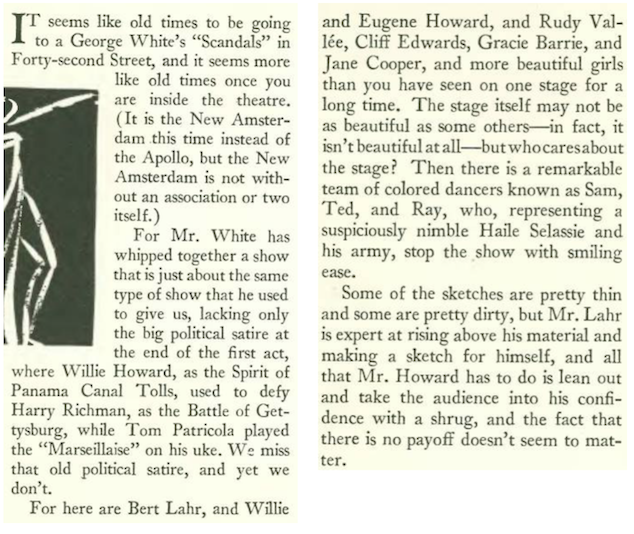
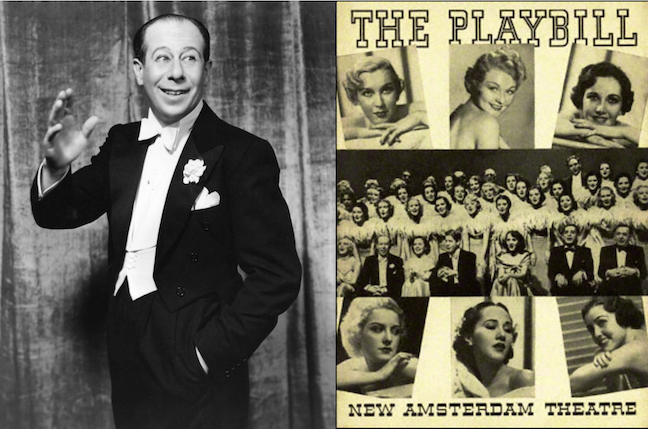
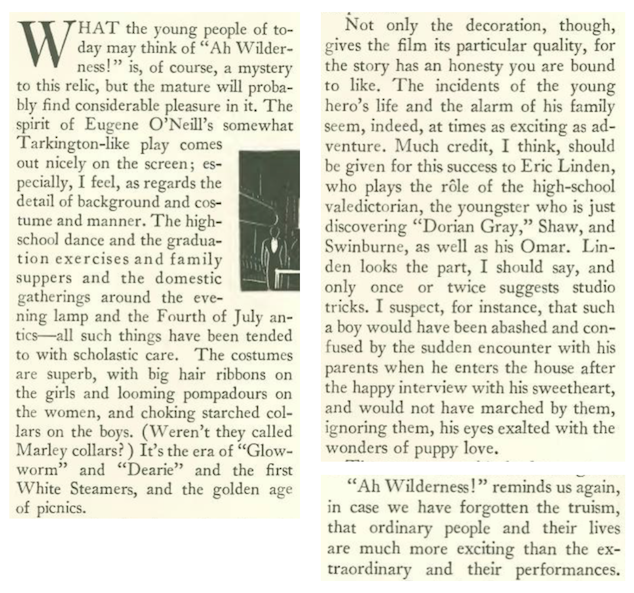
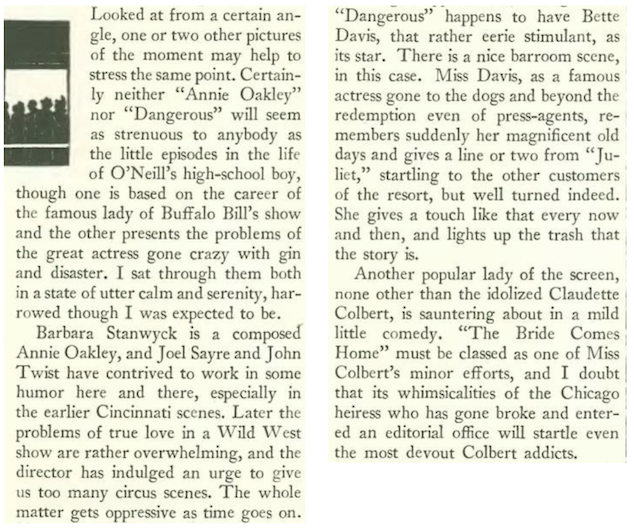
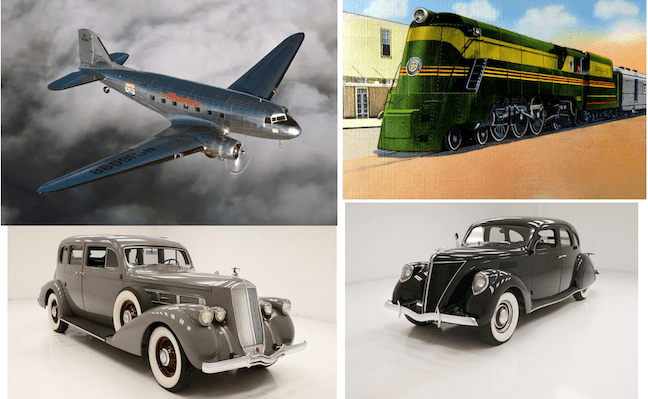
Above: Clockwise from top left—the Douglas DC-3 was introduced to airlines in 1935; Seaboard streamlined locomotive, c. 1930s; 1936 Lincoln-Zephyr; 1936 Pierce Arrow. (hushkit.net/Wikimedia/classicautomall.com)

As we’ve seen in previous issues, E.B. White often served as The New Yorker’s unofficial aviation correspondent; despite his sometimes anachronistic views on progress, he never missed a chance to hop aboard an airplane and marvel at the scene far below.

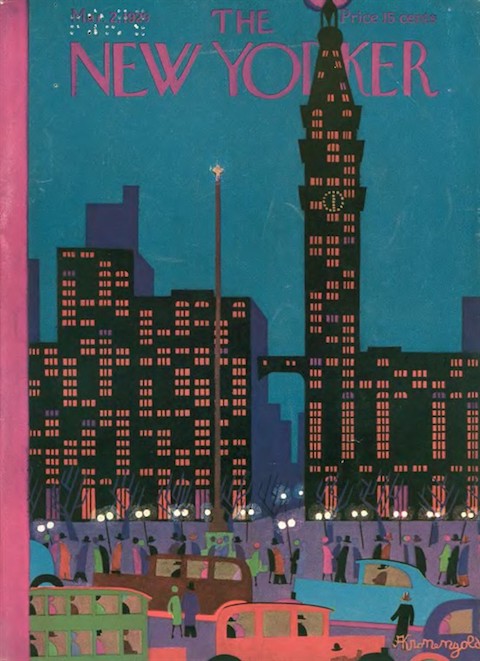
November 2, 1935 cover by Constantin Alajalov.

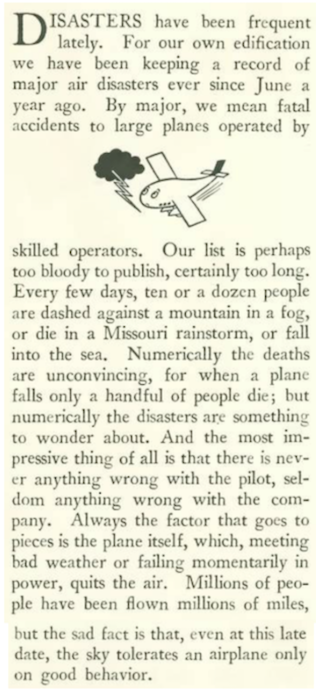
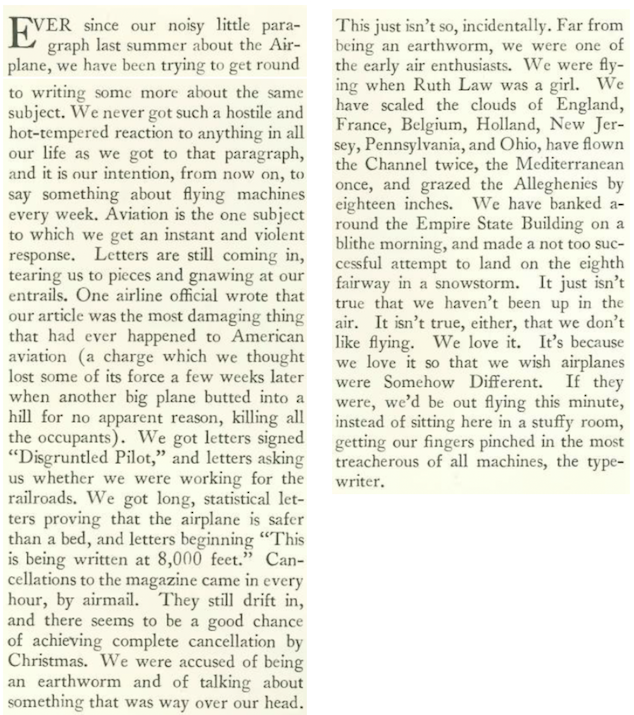
White’s enthusiasm, however, was tempered with doubts about air safety, including observations he made in an August 31, 1935 column following the deaths of Wiley Post and Will Rogers in an Alaska plane crash. Here is what he wrote then:

The aviation industry’s strong reaction to that “noisy little paragraph” apparently led to a number of subscription cancellations, prompting White to return to the topic in his Nov. 2 “Notes and Comment” column:

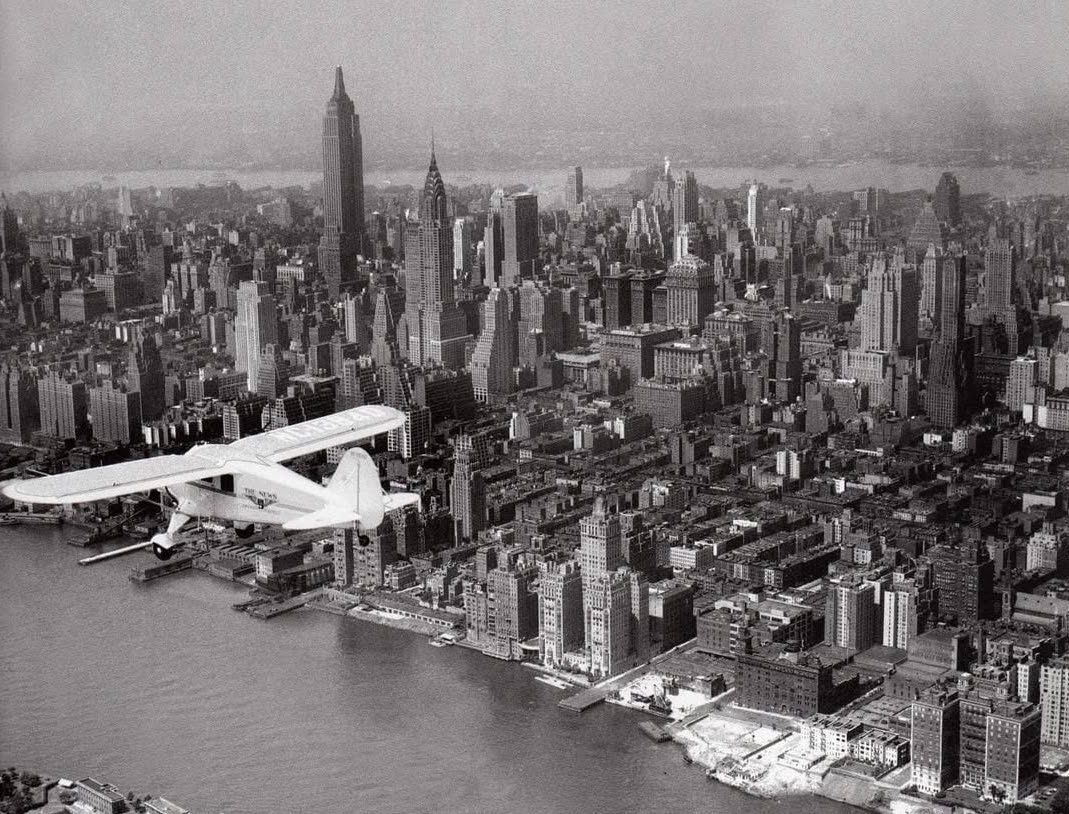
HE’D BEEN AROUND…E.B. White supported his comments on air safety by citing his many flying experiences, including soaring around the Empire State Building “on a blithe morning.” Pictured above is a New York Daily News plane flying over Manhattan in 1934. (NY Daily News)

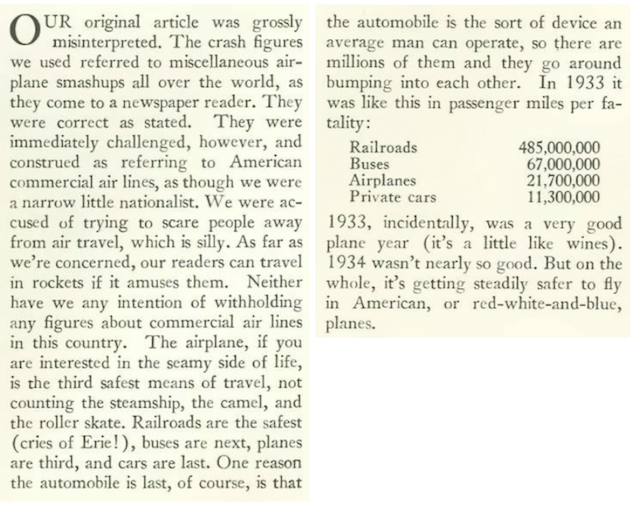
White also turned to statistics for his defense, finding that per passenger mile, railroads were still the safest mode of transportation in the country.

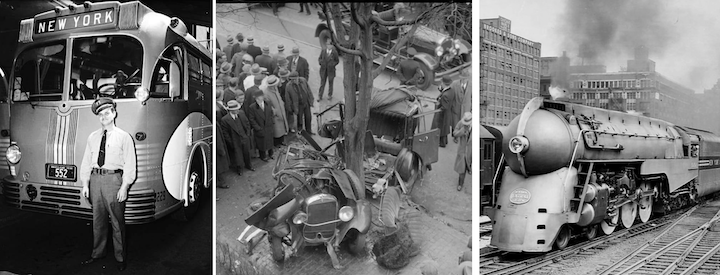
HOP ABOARD…According to 1933 statistics shared by E.B. White, trains were the safest mode of transportation per passenger mile, followed by buses. Automobiles were the least safe, a fact that still holds true today. From left, Greyhound bus and driver, 1937; automobile wreck, 1930s; New York Central’s 20th Century Limited leaving Chicago’s LaSalle Street station in 1938. (Facebook/Reddit/Wikipedia)

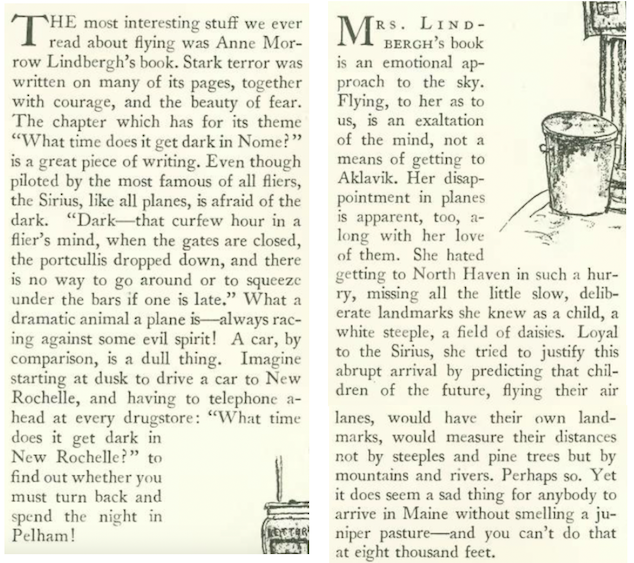
With that, White still wasn’t done with the topic, turning to none other than Anne Morrow Lindbergh for her thoughts on flying, which she shared in her latest book, North to the Orient. White noted Lindbergh’s mixed feelings about flying, about getting to places quickly and missing familiar landmarks. He also suggested that someday airline passengers would use mountains and rivers as landmarks…(I still try to do that when I fly, but at 35,000 feet it is a challenge). Today most folks are content with plugging in their earbuds and tuning out completely.

NOT YOUR EVERYDAY OUTING…In July 1931 Charles and Anne Morrow Lindbergh embarked in their Lockheed Model 8 Sirius on an often treacherous 7,100-mile journey across Canada, Alaska, Siberia and Japan in an attempt to find a commercial route to Asia for Pan American Airways. Top photo, Charles (standing on pontoon) and Anne (in the cockpit) make final preparations before the flight; bottom photo, enthusiastic crowds greet the Lindberghs upon their arrival in Japan. The Siberia-to-Japan leg was the most dangerous due to heavy fog. (historynet.com)

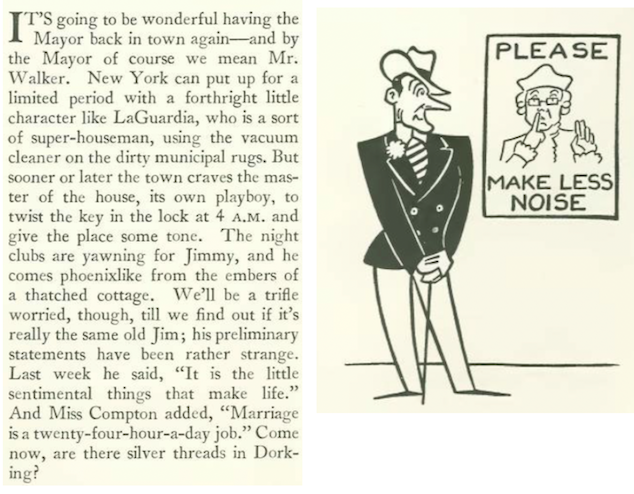
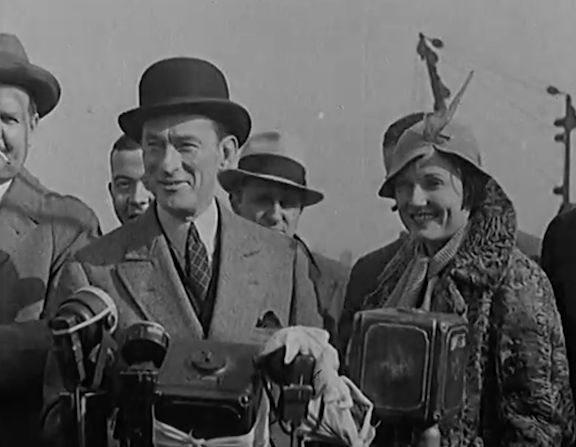
E.B. White also announced the return to the city of former Mayor Jimmy Walker, who had fled to Europe in 1932 amid corruption charges. White noted that New York’s nightclubs were eager to welcome the fun-loving Walker back to town.

SECOND ACT…Still image from a 1935 British Pathé newsreel shows the triumphant return from Europe of former Mayor Jimmy Walker and his wife, Betty Compton. (YouTube)

 * * *

A Zephyr Blows In

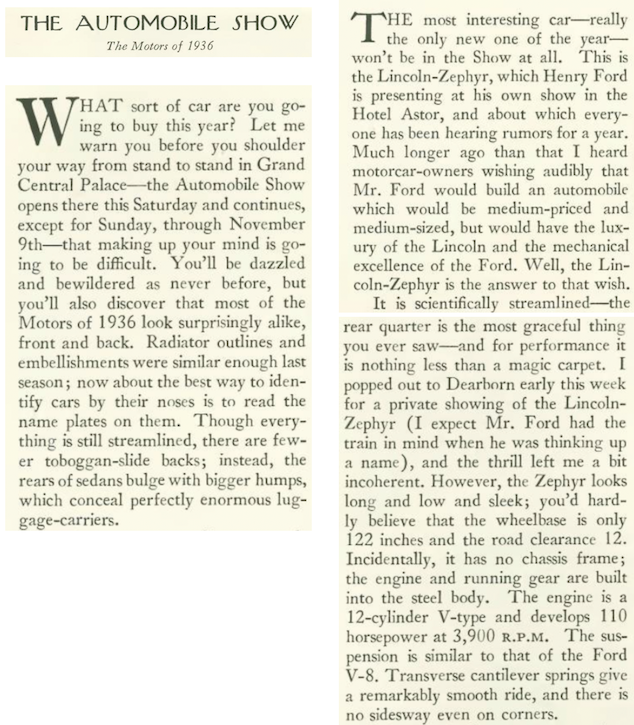
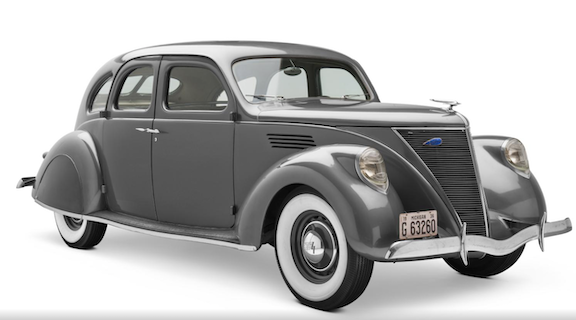
The magazine’s “Motors” correspondent (pen name “Speed”) noted the dazzling display of 1936 models at the New York Automobile Show, singling out the Lincoln-Zephyr as the year’s biggest innovation.

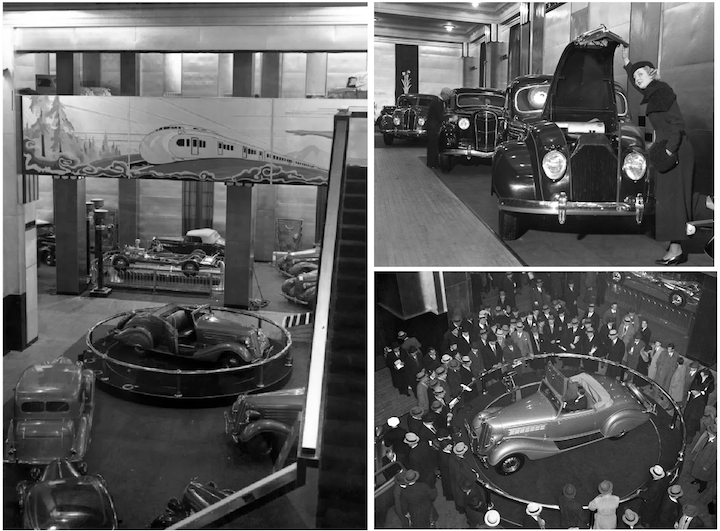
DECO DREAMSCAPE…Streamlining was all the rage at the 1935 New York Automobile Show at Grand Central Palace. Upper right, a woman opens the hood of a streamlining pioneer, the Chrysler Airflow. (New York Daily News)
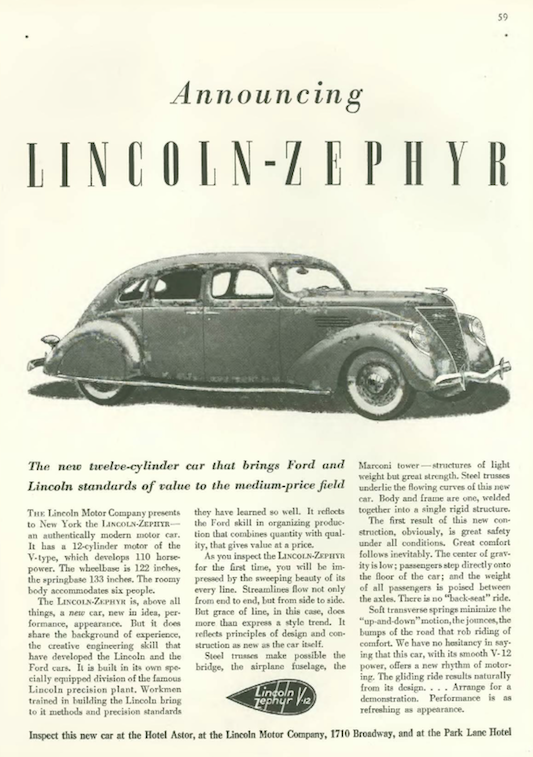
LEADER OF THE PACK…The 1936 Lincoln-Zephyr had tongues wagging at the New York Automobile Show.  (thehenryford.org)

 * * *

At the Movies

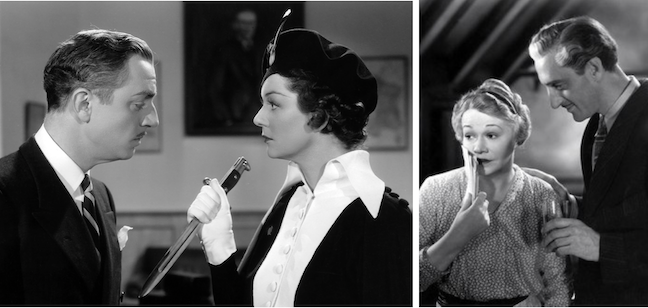
William Powell and Hollywood newcomer Rosalind Russell blessed film critic John Mosher with their spy caper, Rendezvous, while Pauline Lord got lost in the London fog with Basil Rathbone in A Feather in Her Hat.

A CAPER AND A WEEPER…At left, William Powell starred with Hollywood newcomer Rosalind Russell in Rendezvous; at right, Broadway stage actress Pauline Lord appeared opposite Basil Rathbone in A Feather in Her Hat. (1935)

Mosher also screened a French comedy, René Clair’s Le Dernier Milliardaire (The Last Billionaire), finding its slapstick approach to satire a bit dated.

DURABLE AND ADORABLE…Renée Saint-Cyr as Princess Isabelle in the French comedy Le Dernier Milliardaire (The Last Billionaire). Known for her chic comedies, Saint-Cyr (1904–2004) was a major French film star for seven decades. (Film Forum)

Finally, Mosher turned his critical eye toward a British sci-fi film, Transatlantic Tunnel. Looking forward to seeing a gee-whiz Jules Verne-type story, what Mosher found instead was a lot of sentimental “padding” and very little gee-whiz.

UNDERWATER…John Mosher looked forward to an undersea adventure, but instead got a lot of sentimental fluff in the British sci-fi film, Transatlantic Tunnel. Clockwise, from top left, movie poster for the American release; scene from the film depicting the tunnel entrance; the film showcased such futuristic conveniences as video phones (called “televisors”); a group of wealthy industrialists gather at the home of a Mr. Lloyd, a millionaire investor who used a motorized wheelchair. (Wikipedia/Reddit/cinemasojourns.com)

 * * *

No Thanks, Ernie

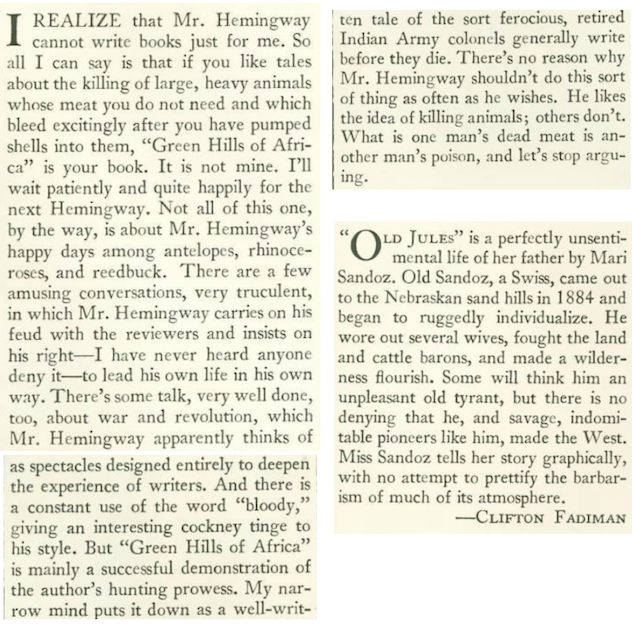
Clifton Fadiman had an armload of books to review, including an autobiography by Andre Gide (If I Die), novels by Mikhail Sholokhov (Seeds of Tomorrow) and Mari Sandoz (Old Jules), and an Ernest Hemingway tale about big game hunting (Green Hills of Africa) that Fadiman did not care for at all. Here are excerpts from a couple of the reviews:

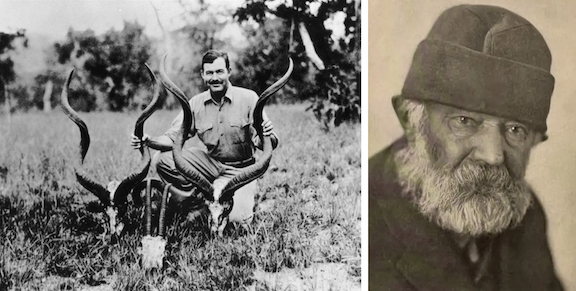
RUGGED TYPES…At left, Ernest Hemingway poses with skulls of kudu and female of sable antelope in East Africa, 1934, part of his hunting trip described in Green Hills of Africa; at right, photo of Jules Sandoz from the frontispiece of Old Jules, a biography written by his daughter Mari Sandoz. (JFK Library/U of Nebraska)

 * * *

From Our Advertisers

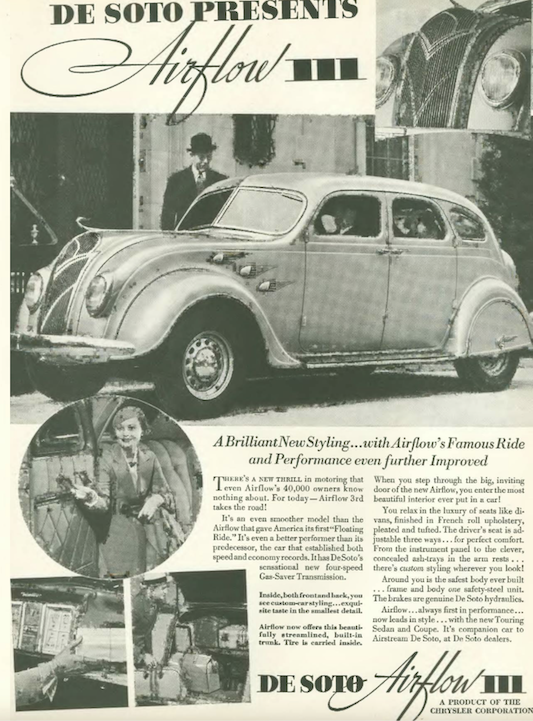
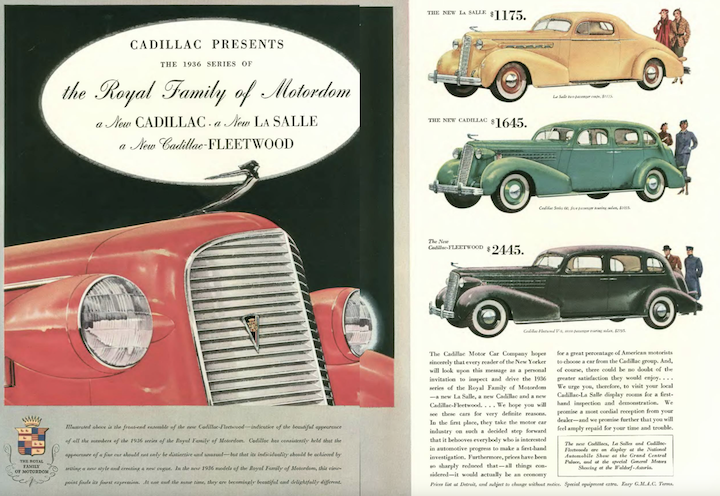
With the National Automobile Show in full swing at the Grand Central Palace, the issue was jammed with ads for every type and price range…the Chrysler Corporation took out this full-page spot on the opening spread to promote one of the lowest priced cars on the market…

…Chrysler/DeSoto continued to tout its streamlined Airflow models…introduced in 1934, the Airflow was the first full-size American production car to use streamlining, and it featured a number of other innovations, but consumers just weren’t ready for something this radical…even with the streamlining toned down after its first year, only 55,000 units were produced during the model’s four-year run…

…on a side note, Chrysler has revived the Airflow nameplate for an electric car concept due to the marketplace in 2028…

…mentioned in Speed’s review of the Automobile Show, the Lincoln-Zephyr would find success with its aerodynamic design…

…most manufacturers were in on the streamlining trend, noticeable in the tilted grilles, low rooflines, and sweeping fenders…

…unlike the other car companies, Pierce Arrow did not produce an economy model to keep its luxury line afloat during the Depression…emphasizing its handmade quality, this American rival to Rolls-Royce went out of business by 1938…

…Goodyear got in on the Auto Show action promoting its tires for the “new and faster cars”…

…the folks at Campbell’s continued their ad series featuring upper-class women covertly serving canned soup to their society friends…in this ad, however, the hostess reveals her secret…

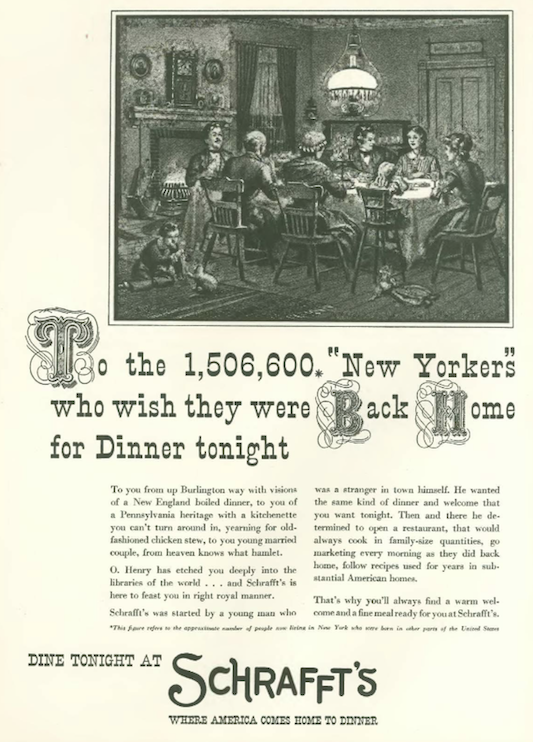
…there were no secrets to be found at Schrafft’s—its popularity increased during the Depression, when more than forty locations in the New York metro offered moderately priced “home-style” meals in an atmosphere that suggested upper-middle-class gentility…

…Long Island’s Lido Country Club tried to drum up some autumn business by promoting the “warm and lazy” sunshine of “Indian Summer”…

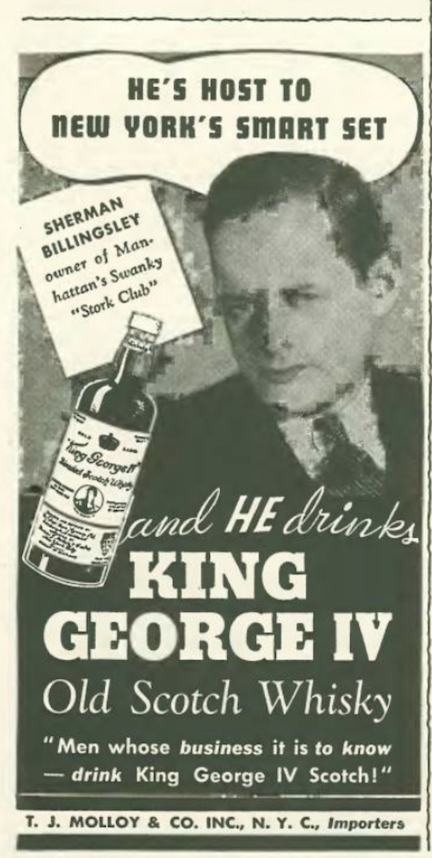
…the makers of King George IV Scotch used the face of Stork Club owner Sherman Billingsley to lend some nightlife cachet to their product…here’s an odd little fact: his nephew, Glenn Billingsley, was married to Leave It to Beaver actress Barbara Billingsley, who played June Cleaver on the TV series…

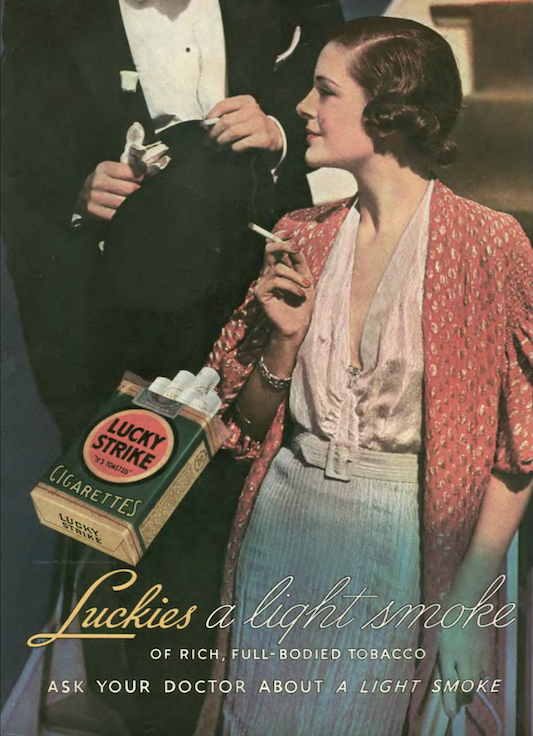
…this week the back cover belonged to R.J. Reynolds, with various aviators testifying to the calming effects of Camel cigarettes…the lead endorser in the ad, Frank Hawks, was famous for breaking aviation speed records until he perished in the crash of an experimental plane in 1938…

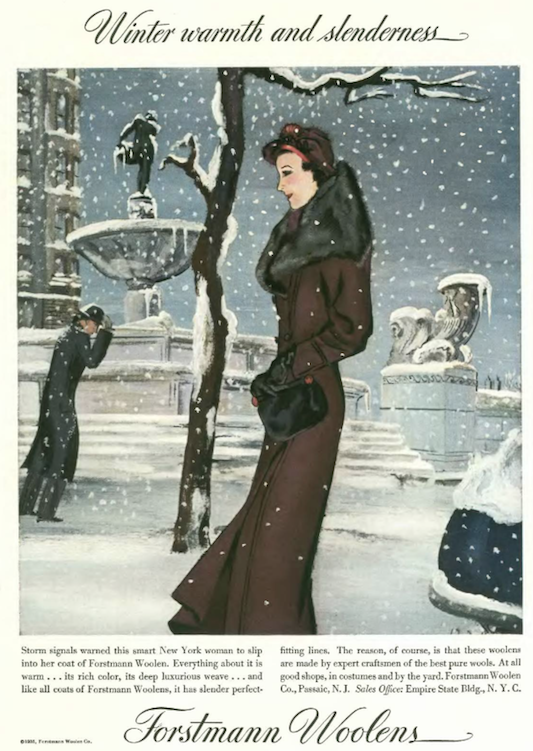
…Forstmann ads were a regular feature on the inside front cover during the fall/winter fashion season, rendered in a style made popular by illustrator Carl “Eric” Erickson

…on to our cartoonists, we open the magazine with Maurice Freed

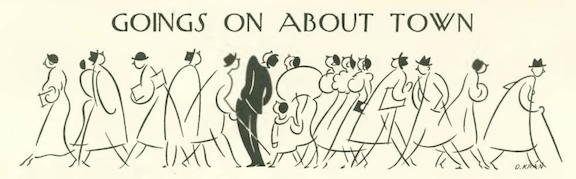
James Thurber was busy in this issue, writing a touching character sketch of a medicine show man he greatly admired (“Doc Marlowe”)…and contributing this spot art for “Goings On About Town”…

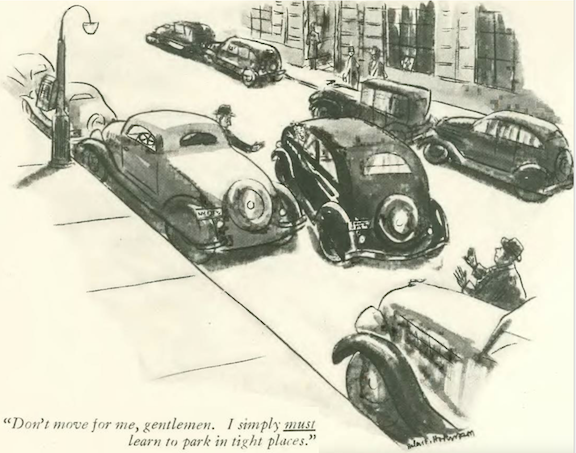
…he also turned in this terrific cartoon…

Christina Malman livened up the Auto Show review with this spot art…

Carl Rose also paid tribute to the annual event…

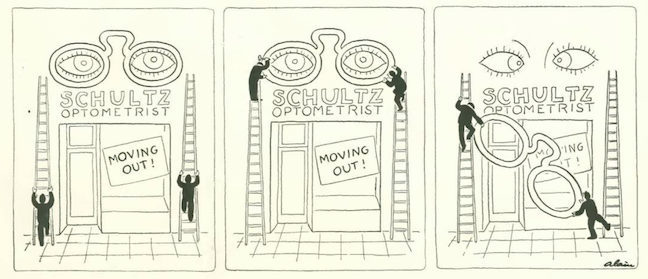
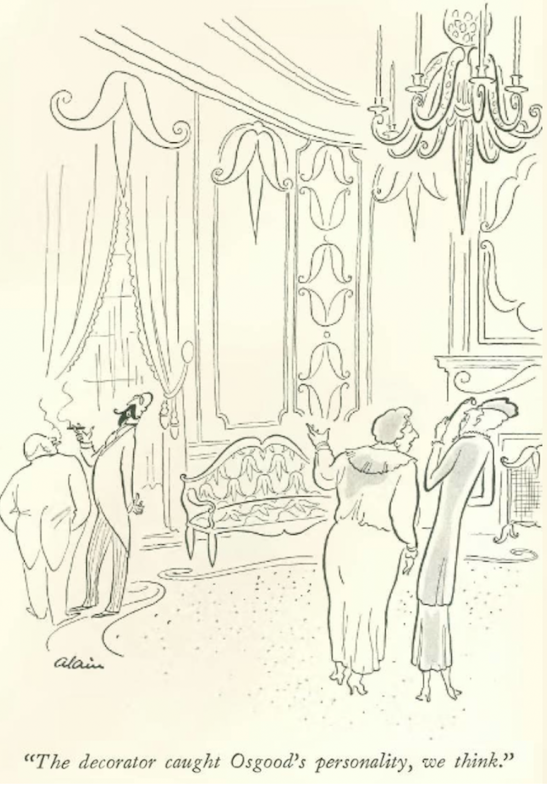
Daniel ‘Alain’ Brustlein did a bit of home decorating…

Robert Day was ready to call it a night…

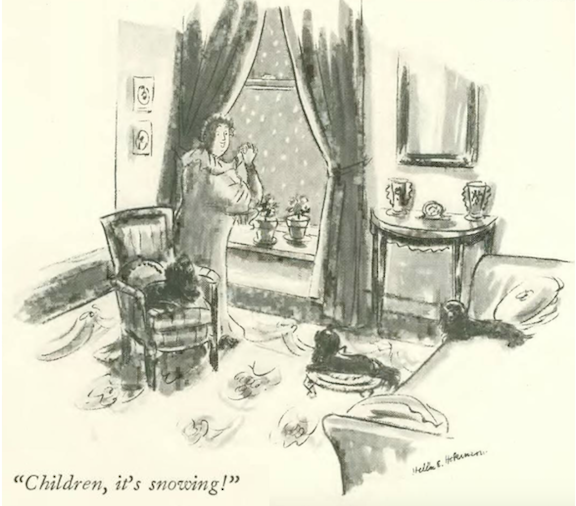
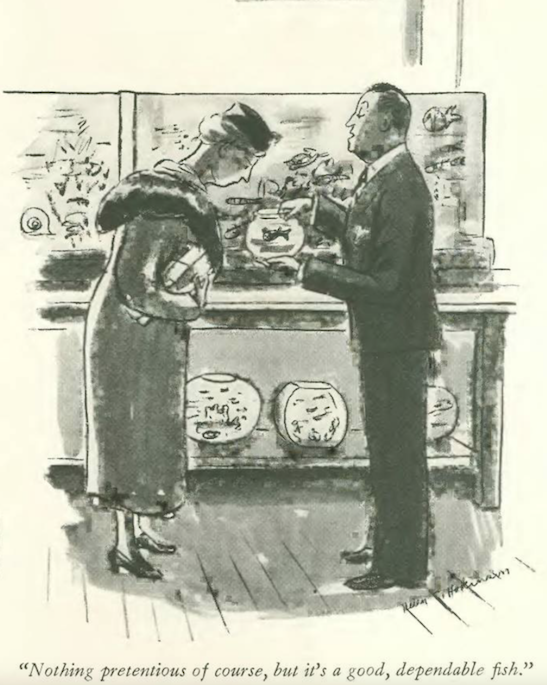
Helen Hokinson contributed two cartoons, shopping for a pet fish…

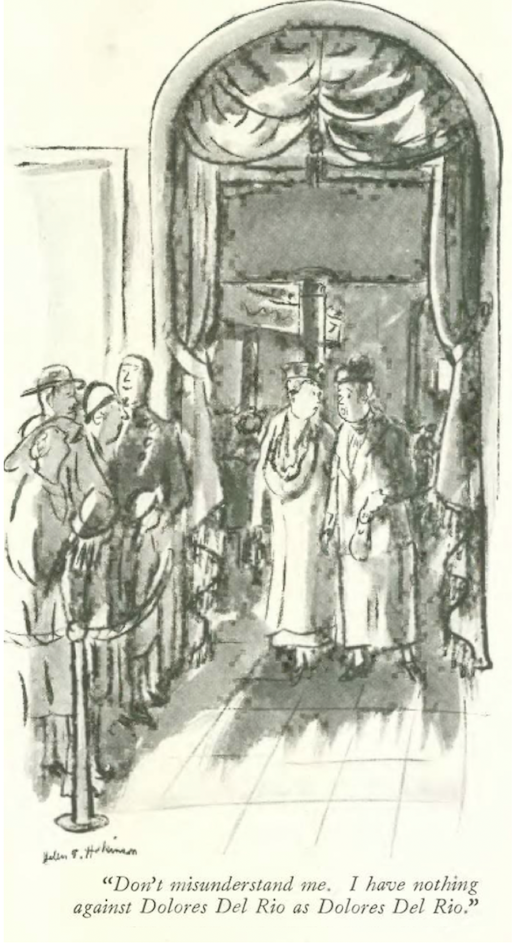
and taking in a Dolores Del Rio picture…

…no doubt Hokinson’s “girls” were commenting on the 1935 musical comedy In Caliente, featuring Mexican actress Dolores Del Rio (1904–1983)…Del Rio was the first Mexican actress to achieve mainstream success in Hollywood…

Dolores Del Rio in a scene from In Caliente. (Reddit)

…we continue with George Price, and a dedicated lumberjack…

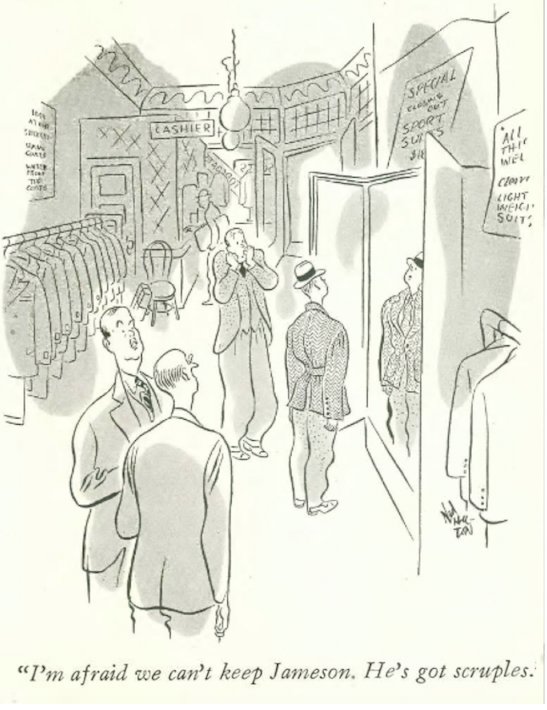
Ned Hilton discovered some honesty in the Men’s Department…

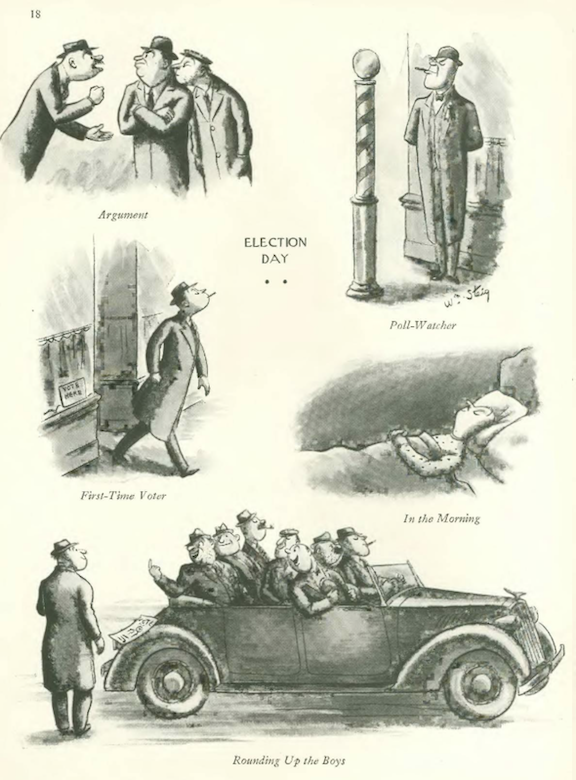
William Steig took a look around on Election Day…

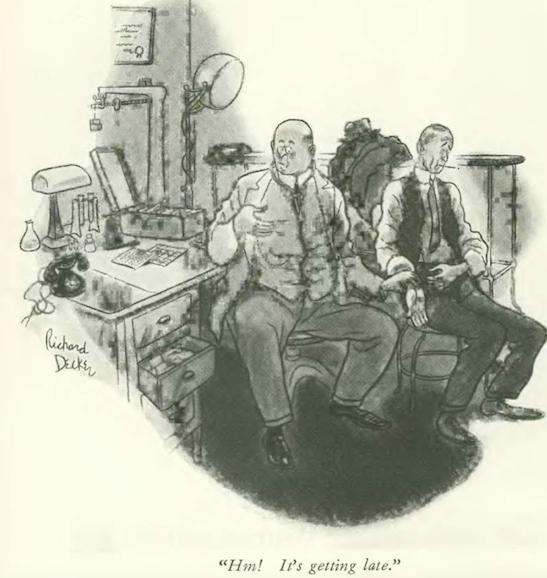
Richard Decker took the pulse of the medical profession…

…and we close with another by Decker, where seeing is not believing…

Next Time: Jimmy Comes Home…


A Bridge Too Far

Despite the rise of the professional classes in the 20th century (and their attendant rules for accreditation and licensing) there still existed individuals who practiced at the highest levels with little or no formal training.

June 8, 1929 cover by Julien de Miskey.

Gustav Lindenthal (1850-1935) was a case in point. An Austrian immigrant who designed New York’s Hell Gate Bridge among others had little formal education and no degree in civil engineering. Rather, he learned by working as an assistant on various construction projects and teaching himself mathematics, metallurgy, engineering, hydraulics and other principles of the building profession.

Lindenthal was praised for his innovations in bridge design as well as for his artistic eye, but one project eluded him throughout his career: the largest bridge in the world—a massive double-decker that would span the Hudson River from 57th Street in New York City to Hoboken in New Jersey. The June 8, 1929 “Talk of the Town” checked in on the nearly 80-year-old bridge builder:

A cornerstone for the Hudson bridge was laid in 1895, but a series of bad breaks, including the 1898 Depression and various political setbacks, served to continually delay the project. The New York Tribune anticipated the bridge in its April 28, 1907 edition…

(untapped cities) click to enlarge

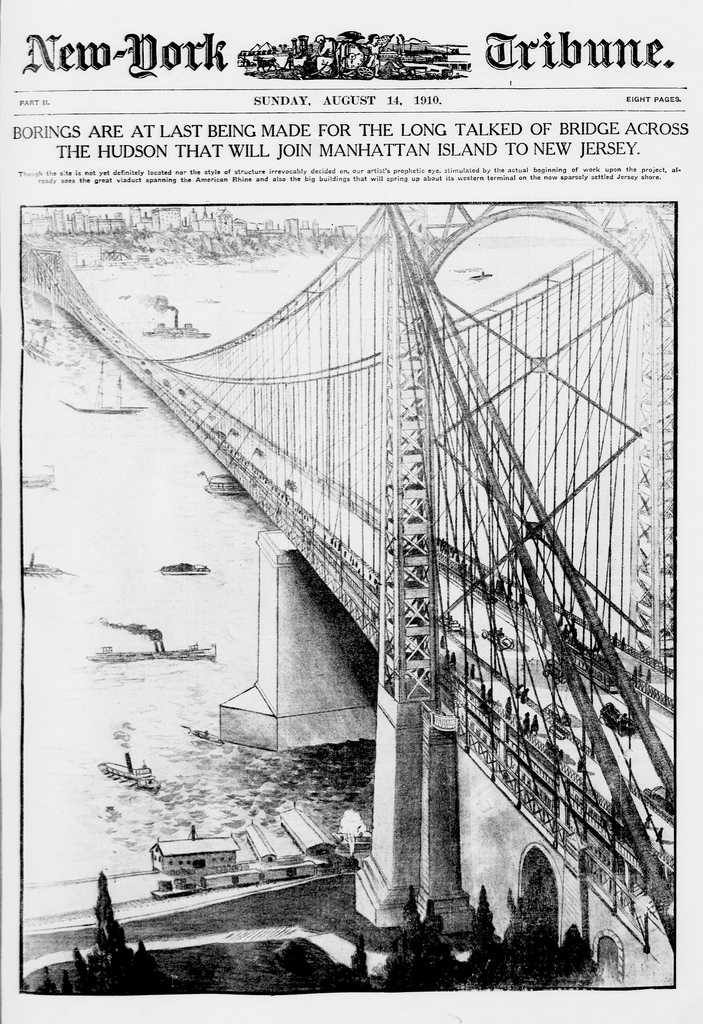
…and three years later the Tribune seemed confident that work was finally underway…

(untapped cities)

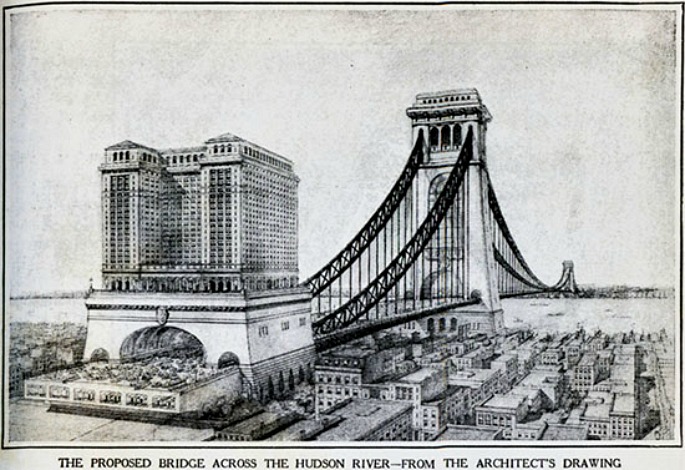
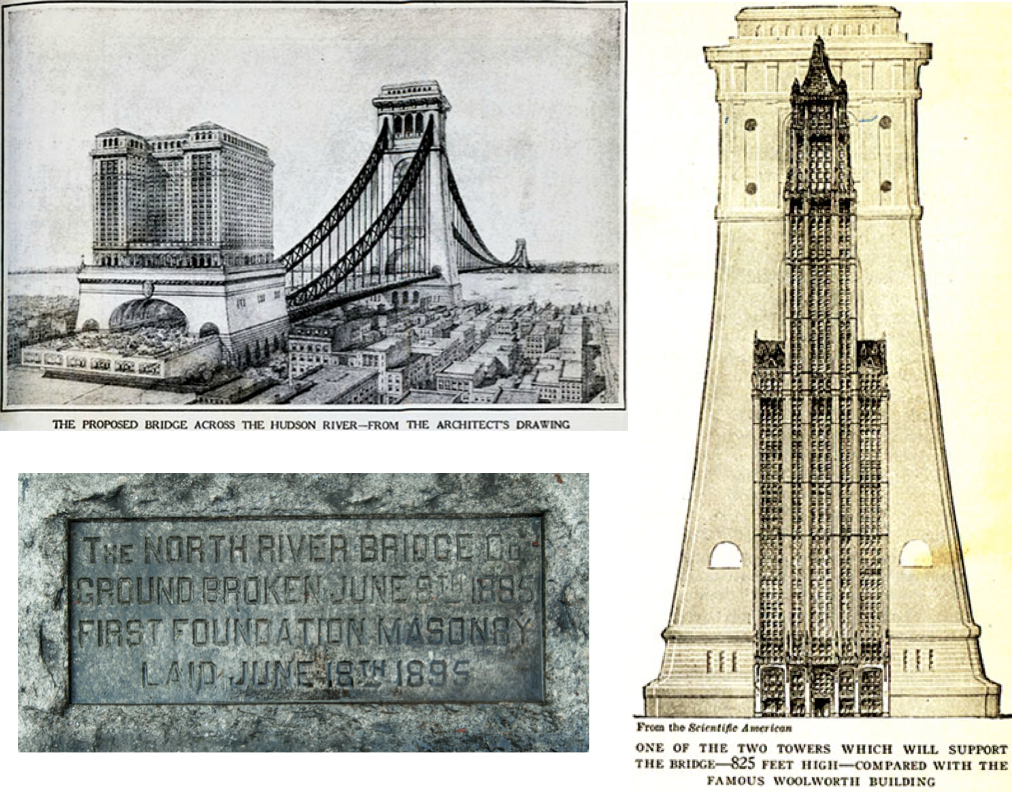
…however by the 1920s the bridge was still a dream. In 1921 Scientific American offered the latest glimpse of Lindenthal’s proposed 57th Street Bridge — a span 6,000 feet in length, with a 200-foot-wide double deck accommodating 24 lanes of traffic and 12 railroad tracks. An artist’s rendering included a massive building, on an arched plinth, positioned over the bridge deck:

BIG PLANS…Clockwise, from top left: Artist’s rendering of Gustav Lindenthal’s proposed 57th Street bridge from the June 25, 1921 issue of Scientific American. That same issue featured a size comparison with the then-tallest building in the world—the Woolworth Building. Below, the 1895 cornerstone, recently recovered from a crumbling pier on the New Jersey side of the Hudson and relocated to the grounds of Steven’s Institute of Technology in Hoboken. (untappedcities.com)

The New Yorker suggested that Lindenthal’s legacy was already secure, and with his determination and vigorous constitution, he still might still win the day:

Despite his vigor, Lindenthal would not live to see his dream realized. However, he is remembered for building some of New York’s most iconic bridges, including the Hell Gate and Queensboro:

LEGACY…Clockwise, from top left, Hell Gate Bridge; Gustav Lindenthal, circa 1920; Queensboro Bridge. (Library of Congress/Britannica/Pinterest)

 *  *  *

Keeping Up With the Lindberghs

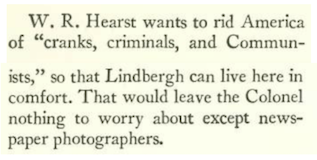
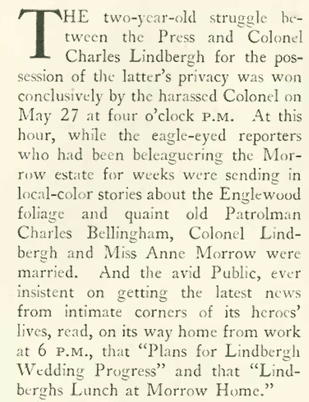
Despite his worldwide fame, Charles Lindbergh (1902-1974) detested the limelight, particularly when it came to his personal life. Writing in the column “The Wayward Press,” humorist Robert Benchley mocked the newspapers for their invasions into the lives of the celebrated, including newlyweds Charles and Anne Morrow Lindbergh:

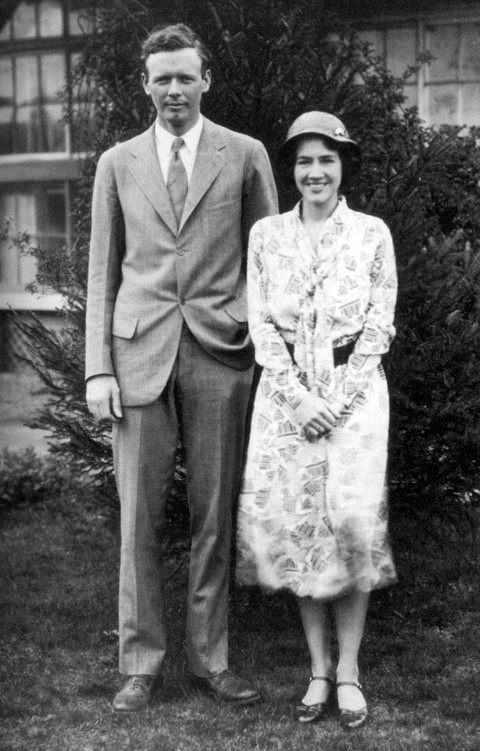
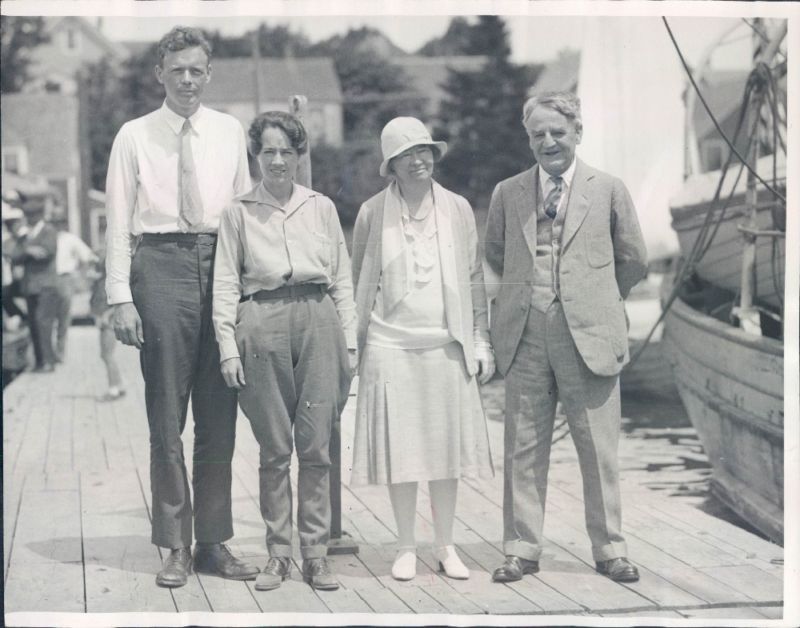
MIND YOUR OWN BEESWAX…Charles and Anne Morrow Lindbergh after their marriage in a private ceremony on May 27, 1929, at the home of her parents in Englewood, New Jersey. (Library of Congress)

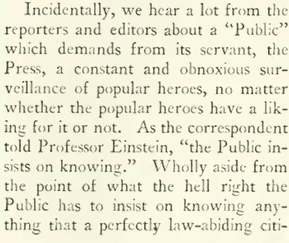
Benchley wasn’t buying the newspaper industry’s insistence that the public demanded to know the facts about the flyboy’s nuptials:

 *  *  *

Let the Good Times Roll

With the newly remodeled Central Park Casino officially christened by Mayor Jimmy Walker and his cronies, The New Yorker’s Lois Long (in “Tables for Two”) decided to pay a visit to see what all the fuss was about:

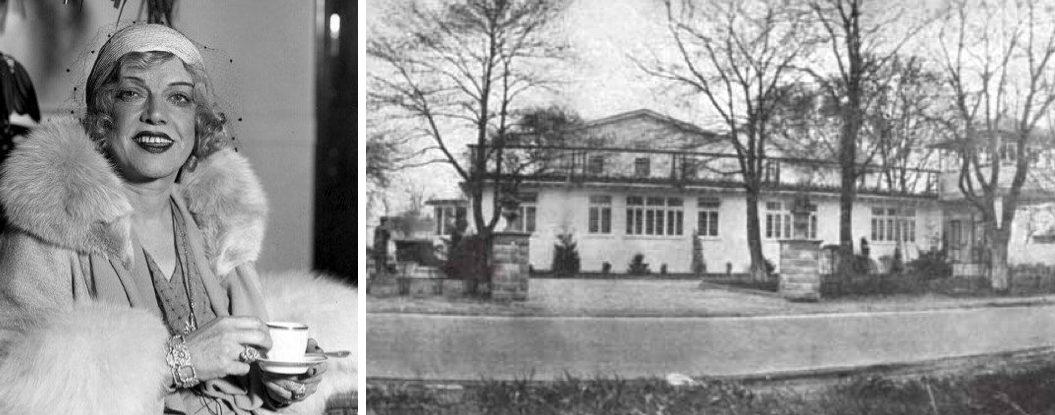
Long also commented on the declining fortunes of another familiar face of New York nightlife, Texas Guinan, who had fled Manhatten’s smoky speakeasy scene for the bucolic climes of Nassau County…

GOODBYE CITY LIFE…Texas Guinan took her nightclub to the quiet village of Valley Stream, New York, located just south of Queens in Nassau County. Guinan didn’t abandon all the trappings of city life: she drove to Valley Stream in a lavender Rolls Royce, and continued to greet her patrons with her famous “Hello, Sucker!” (jhgraham.com/texasguinanblogspot.com)

Long concluded that regardless where one ended up on a summer evening, one should be aware that a shabbier crowd awaited their company:

 *  *  *

Cuba Libre

Now we look at another New Yorker contributor who today is not exactly a household name: Donald Barr Chidsey (1902-1981), an American writer, biographer, historian and novelist best known for his adventure fiction. In this short column he offered some insights into the Cuban drinking scene:

ADVENTURESOME LAD…Donald Barr Chidsey wrote more than 50 books, including many action-adventure titles such as Captain Adam, from 1953. Note the resemblance of the hero on the cover to the author. (etsy/Amazon)

 *  *  *

Waxing Poetic

From its very first issue, The New Yorker also published a wide variety of poets, including Nicholas Samstag (1904-1968),who contributed several poems to the magazine in 1928 and 1929. Samstag later went on to a successful career in advertising, and was a close associate of  Edward Bernays, considered the father of public relations and propaganda.

A frequent contributor to The New Yorker, writer, poet and critic Mark Van Doren (1894-1972) published more than three dozen poems in the magazine from 1929 to 1972. Here is his first contribution, in the June 8, 1929 issue:

Van Doren’s last contribution to The New Yorker was published on Nov. 18, 1972, less than a month before his death. It was appropriately titled “Good Riddance”…

DID THE APPLE FALL FAR FROM THE TREE?…At left, a circa 1925 portrait of Mark Van Doren. He was the father of Charles Van Doren, who achieved brief renown as the 1957 winner of the rigged game show Twenty One. He is pictured at far right with fellow contestant Vivienne Nearing and game show host Jack Barry. (art.net/Wikipedia)

 *  *  *

From Our Advertisers

As summer approached some distinct themes emerged in ads aimed at female consumers. Here is a collection of ads from the June 8 issue that capitalized on the new tanning craze of the late 1920s…

click to enlarge

…and another big craze of the 1920s, the permanent wave, seemed to be a necessity as summer approached…
click to enlarge

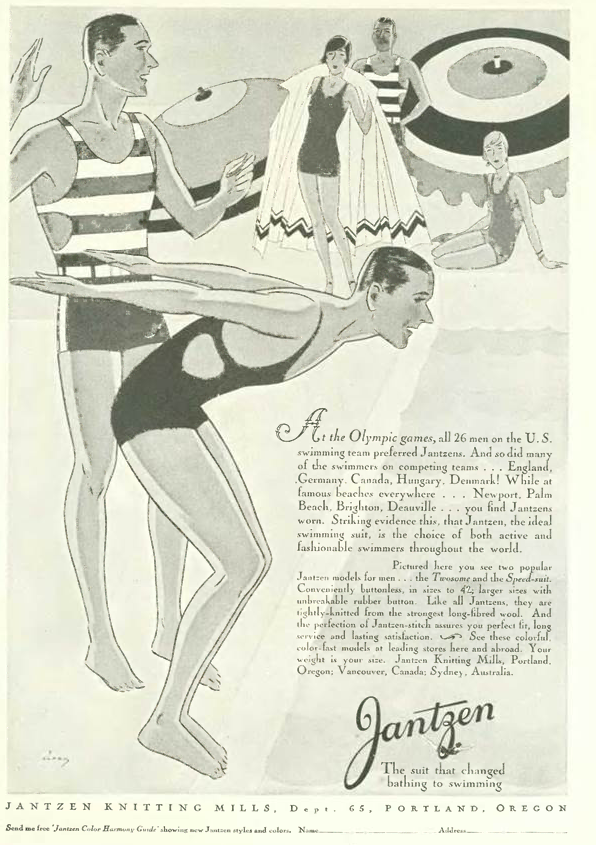
…as for the gents, check out this new line of Jantzen swimwear modeled by what appear to be identical twins…

…and when you’re out of the water, a pair of “fashion welts” were all the rage for tip-toeing across the hot sands of Southampton…

…this ad from B. Altman depicted two women clad for “open motoring” (not sure how those long, lithe figures will fit into that tiny rumble seat)…

…for a less dusty mode of transportation, you could hop aboard The Broadway Limited for a quick 20-hour jaunt to Chicago…

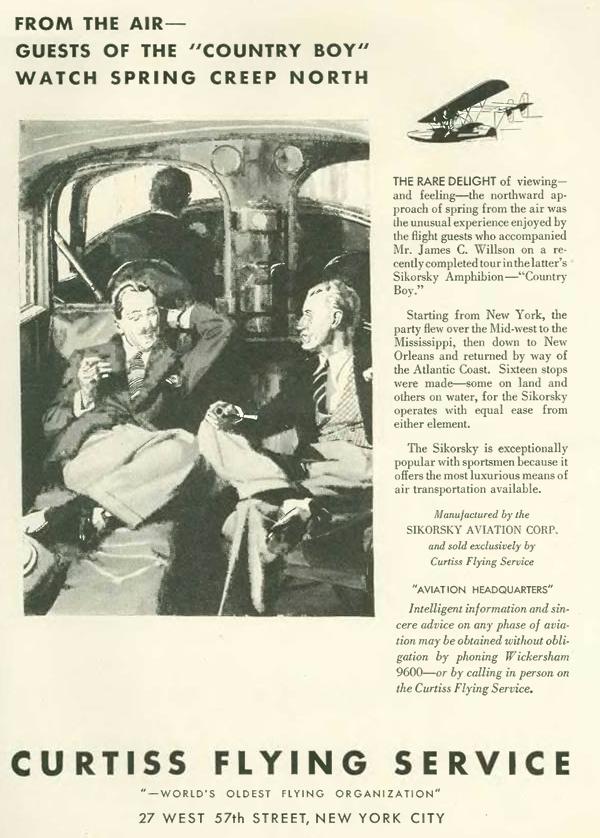
…or better yet, have a relaxing smoke with one of your chums aboard a Sikorsky seaplane…

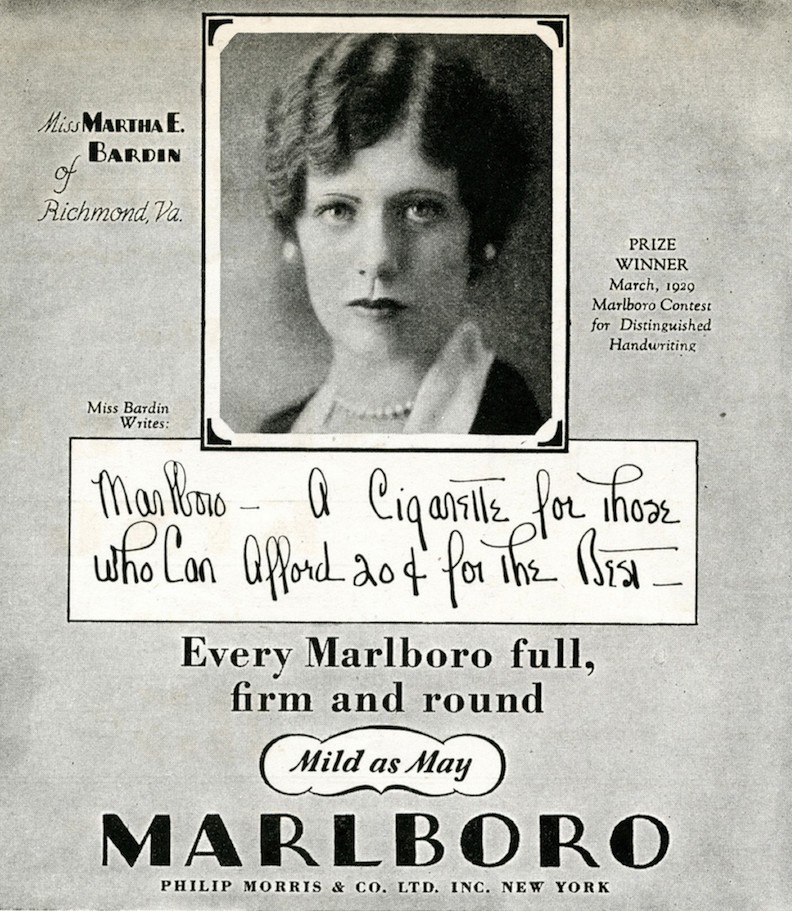
…our cigarette ad for this week comes from Philip Morris, makers of Marlboro, who once again exploited the nation’s youth with a bogus handwriting contest that doubled as a product endorsement…

…our June 8 comics are from Helen Hokinson, who offered a full page of illustrations from a “Fifth Avenue Wedding”…

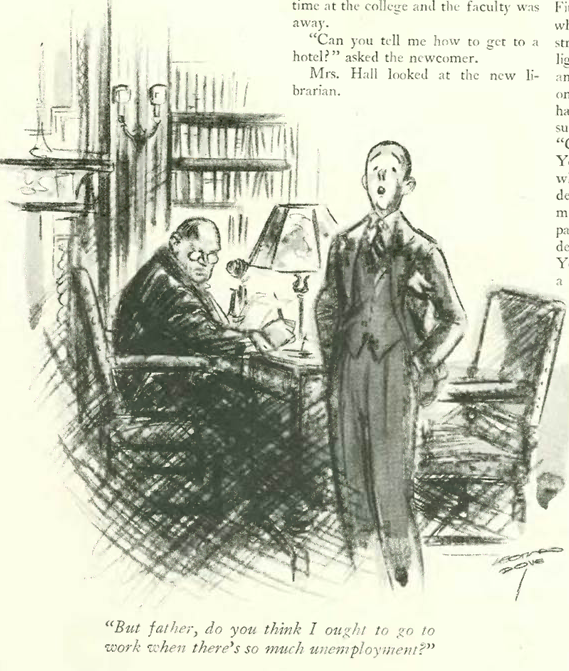
…while Leonard Dove peeked in on a wastrel son and his disappointed father…

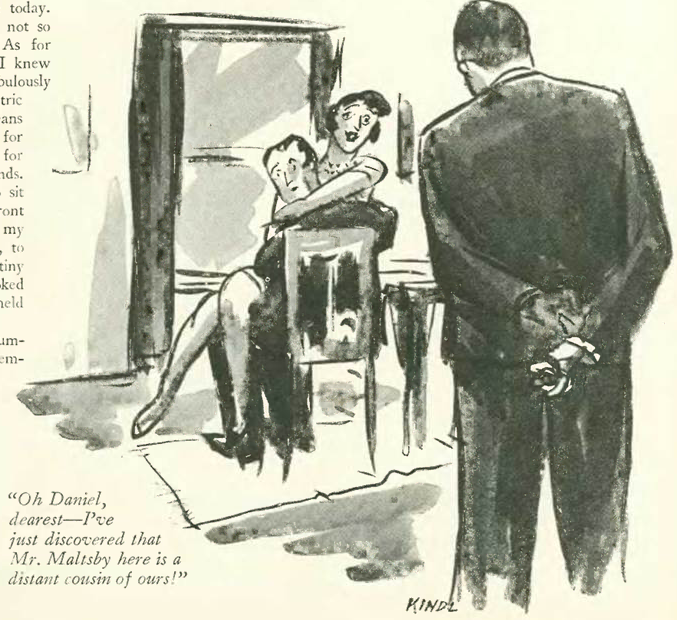
…and we have an awkward moment revealed by Carl Kindl

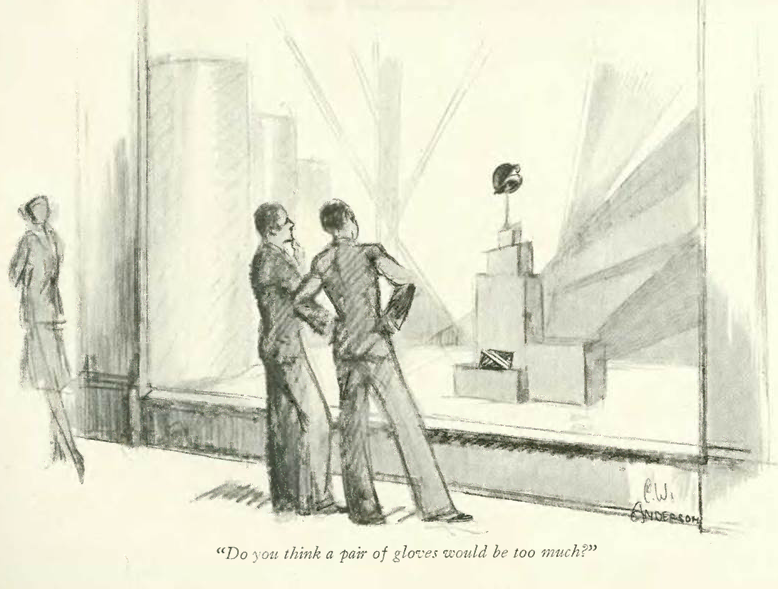
…and an observation by C.W. Anderson on the minimalism of modernist design…

…and finally, Peter Arno’s take on the challenges of shooting sound motion pictures…

Caption: “Lord, Mr. Rolbert, you’ll have to develop a more robust sneeze—the public will think you’re a sissy!”

Next Time: Something Old, Something New…

Modern English Usage

The fourth anniversary issue of the New Yorker gave every indication that the magazine had arrived as a cultural force.

Fourth anniversary cover, Feb. 23, 1929, by Rea Irvin.

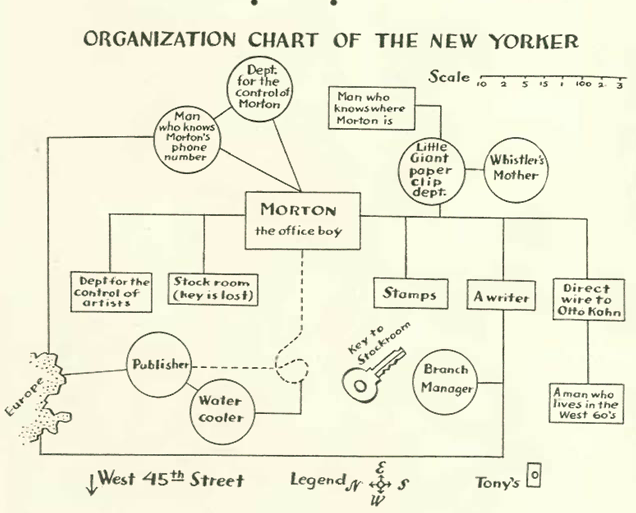
Rich in content, the issue’s offering’s ranged from the famed humorous short “You Were Perfectly Fine” by Dorothy Parker, a profile of famed maestro Arturo Toscanini, and various accounts on the romance between Charles Lindbergh and Anne Morrow. The issue also featured this “organization chart” drawn by Julian de Miskey:

The little door marked “Tony’s” in the bottom right-hand corner referred to a celebrated speakeasy operated by Tony Soma. It was a second home to many New Yorker staffers, and was patronized by hard-drinking actors and writers including Scott and Zelda Fitzgerald, Dorothy Parker and Robert Benchley, and also a young actor named Humphrey Bogart.

Another notable item in the Feb. 23 issue was this contribution by James Thurber in which he lampooned H.W. Fowler’s Modern English Usage, a handbook that New Yorker Editor-in-Chief Harold Ross considered to be the last word in matters of punctuation and grammar. Thurber would write a dozen entries in this series, including the following (click to enlarge):

The New Yorker could never get enough of Charles Lindbergh, even though his personality was every bit as wooden as that of the former President Calvin Coolidge. The Feb. 23 “Talk of the Town” speculated on “Charlie’s” affections for Anne Morrow, and the woe that would befall anyone who challenged the famed flyboy for those affections:

COME FLY WITH ME…Anne Morrow Lindbergh and Charles Lindbergh shortly after their marriage in May 1929. (Bio.com)
SON-IN-LAW…Charles and Anne visiting Anne’s parents, Elisabeth and Dwight Morrow, in 1931. Charles met Anne during a visit to Mexico when Dwight was served as ambassador to that country. (kaiology.wordpress.com)

A second item in the Feb. 23 “Talk” section took a closer look at Charles’ courtship habits, or lack thereof…

Even Howard Brubaker got in a word regarding the Lindbergh-Morrow courtship in his column, “Of All Things”…

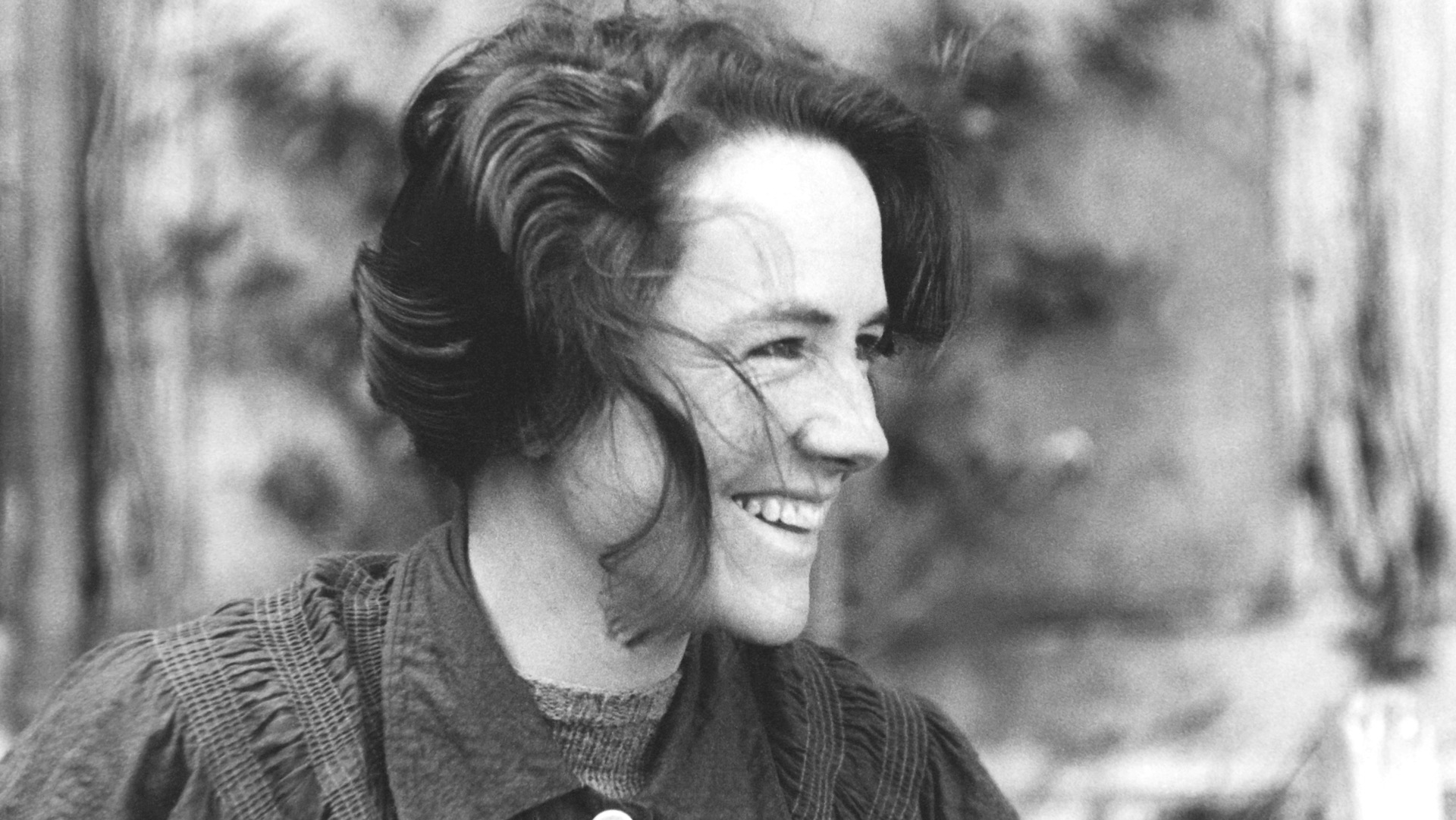
As we know, Brubaker had it wrong. Rather than pining away at home, Anne would become one of the 20th century’s most beloved writers, a leading feminist voice, and an accomplished aviator in her own right.

SORRY CHARLIE…As one for the most beloved writers of the 20th century, Anne Morrow Lindbergh would go on to match and even eclipse her husband’s fame. (PBS)

*  *  *

Little Yehudi

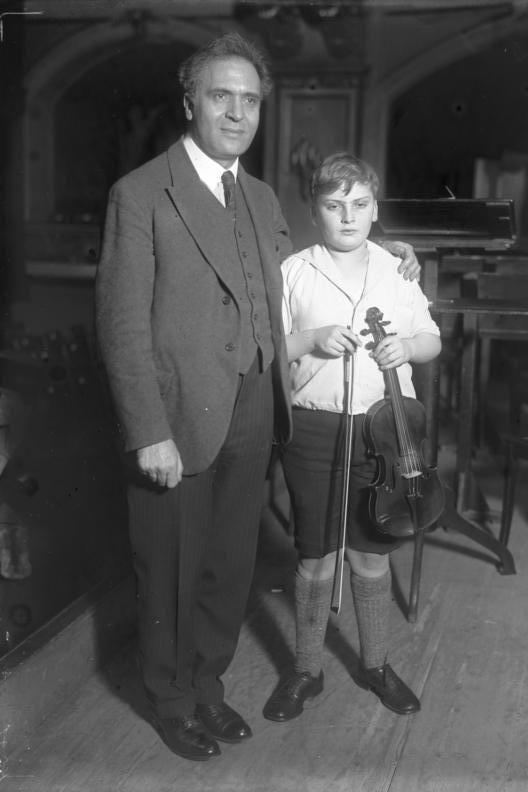
Yehudi Menuhin is known to classical music lovers as one of the greatest violinists of the 20th century. But as this “Talk” item suggests, he was once a little boy, more or less…

STILL IN SHORT PANTS…A young Yehudi Menuhin poses with conductor Bruno Walter in Berlin, 1931. Just two years after this photo was taken, Walter would flee Nazi Germany and eventually settle in the U.S. (Wikipedia)

 *  *  *

More Fun With Lois

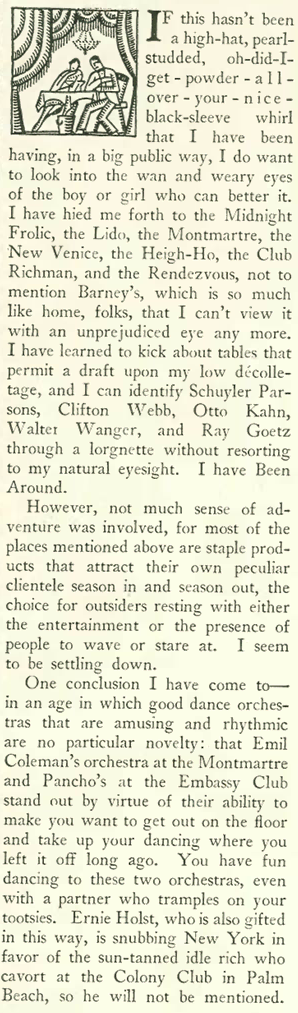
Although Lois Long devoted most of her ink to her weekly fashion column, “On and Off the Avenue,” she continued to write her nightlife column, “Tables for Two,” though somewhat sporadically. Which makes sense because around this time Long was also either pregnant (she was married to New Yorker cartoonist Peter Arno) or was now the mother of a daughter, Patricia. The reason I’m not sure is that I have birth dates from both 1928 and 1929 for Patricia, depending on sources. At any rate, Long was taking in the nightlife in a big way, moving from club to club and assessing the quality of their various acts:

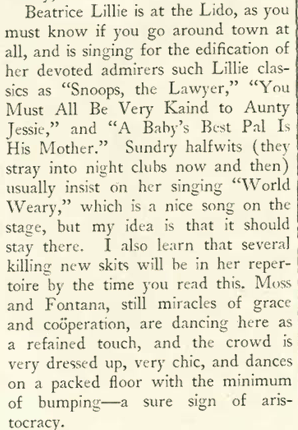
At the Lido, Beatrice Lillie sang “for the edification of devoted admirers”…

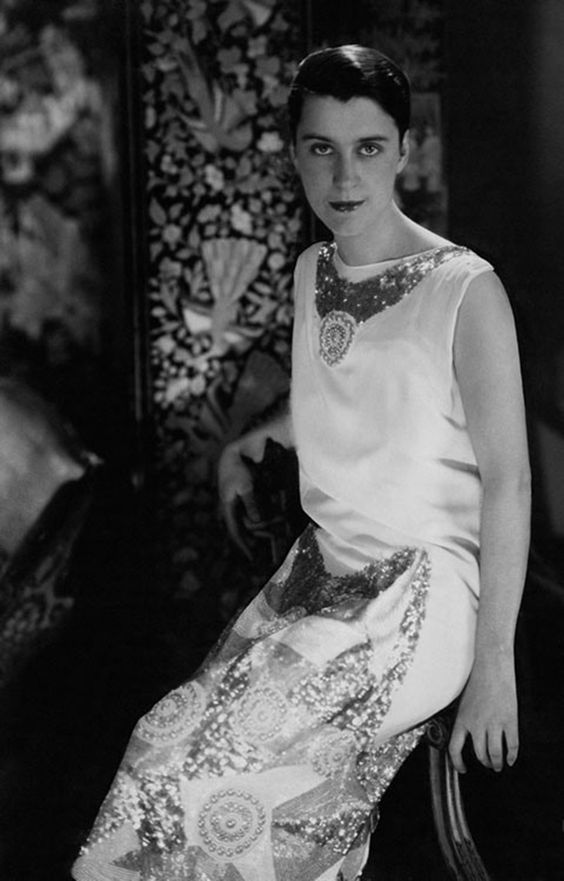
AT THE LIDO you could see British actress, singer and comedic performer Beatrice Lillie light up the stage. (vintag.es)

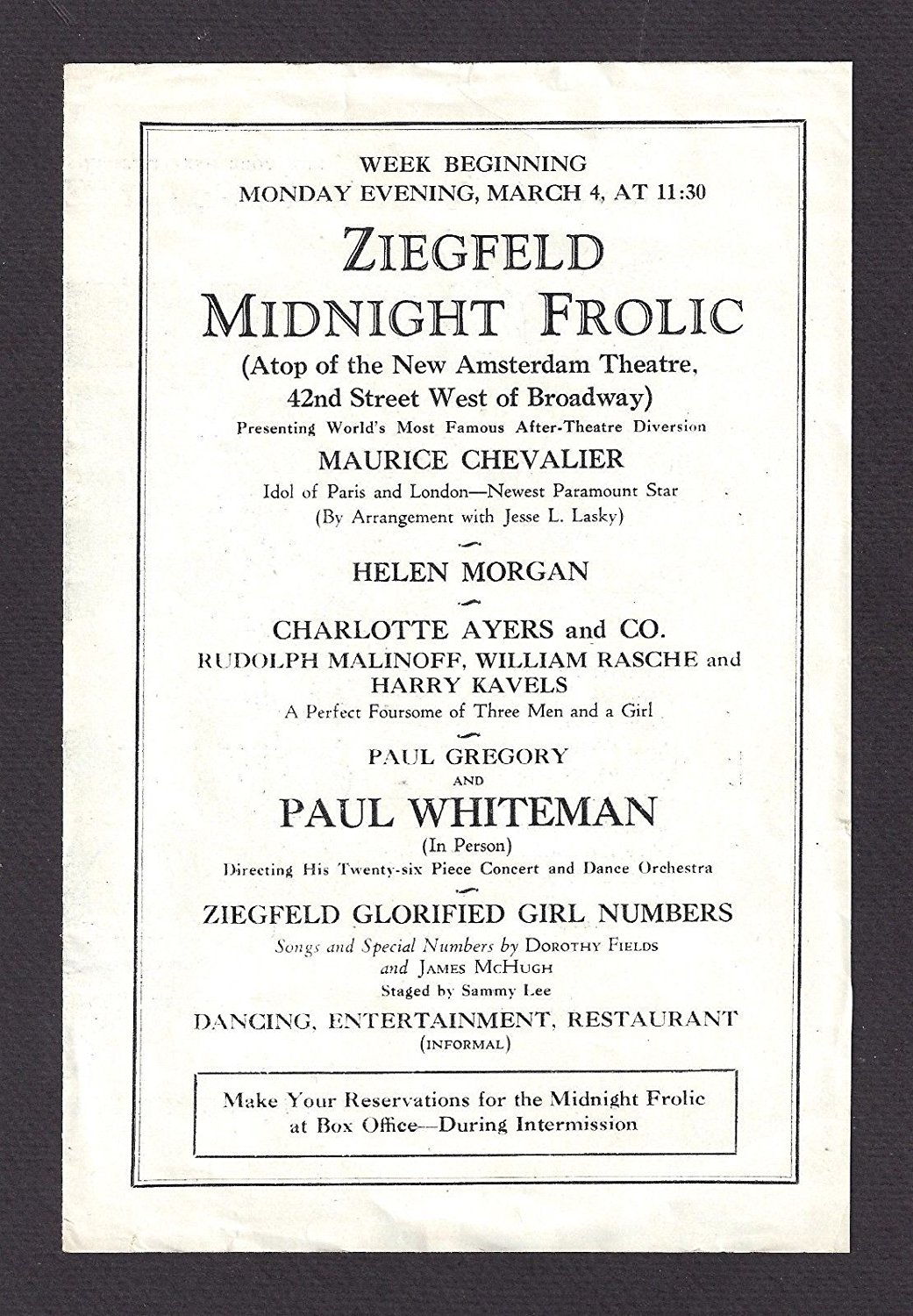
…Long also commented on the arrival of French entertainer Maurice Chevalier, who promised to inject some life into the Paul Whitman Orchestra performing at the Ziegfeld Midnight Frolic

Flyer announcing Maurice Chevalier’s upcoming performance at the Ziegfeld Midnight Frolic.
THANK HEAVEN…Maurice Chevalier in a 1929 publicity photo. He is mostly known today for his appearance in the 1958 film Gigi and his rendition of “Thank Heaven for Little Girls.” (thefamouspeople.com)

As for the rest of the New York nightlife, Long hoped that in the end it was all for fun, and that there was no “deep meaning” behind the frivolity:

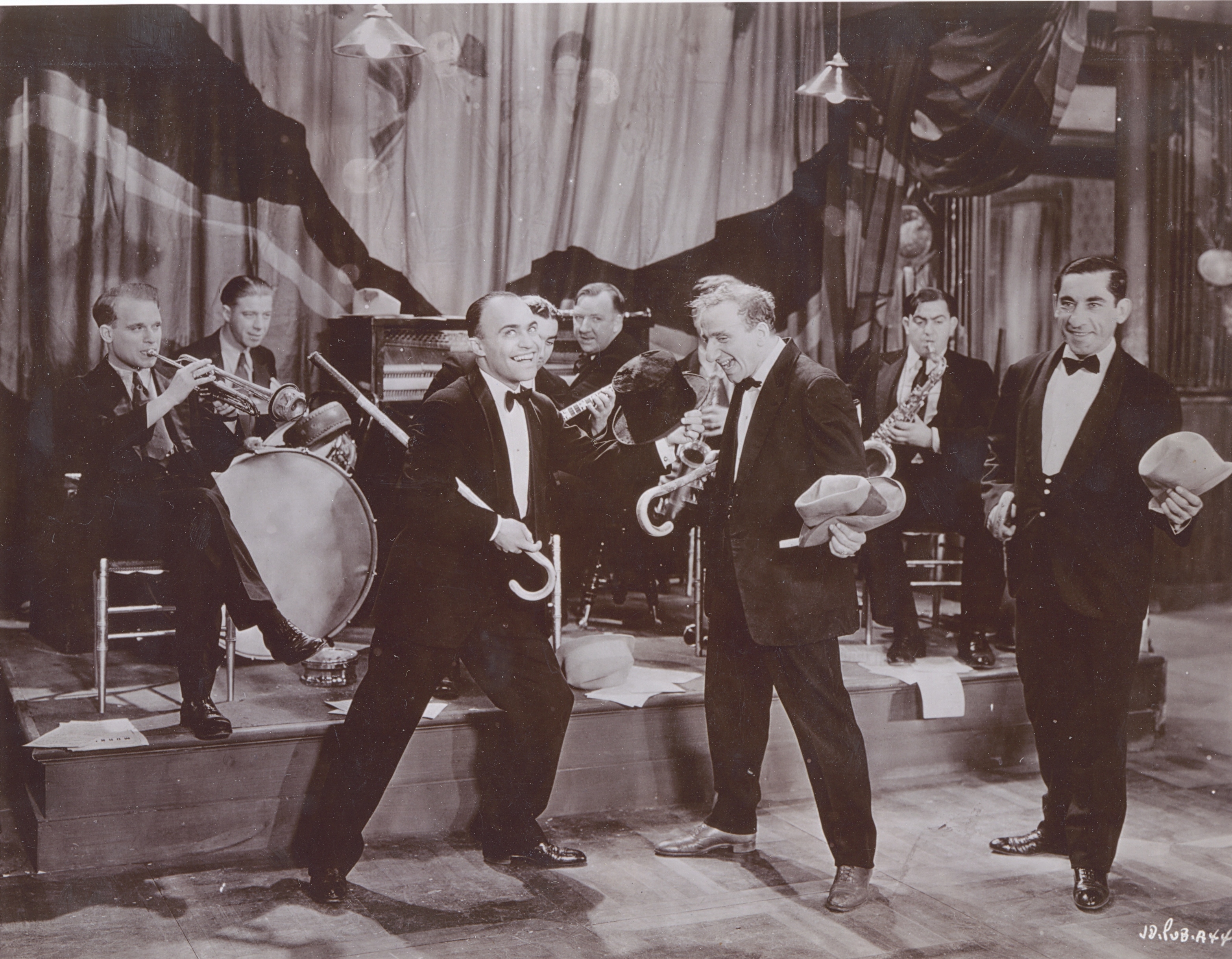
SHALLOW WATERS…Eddie Jackson, Jimmy Durante, Lou Clayton performing their act in the motion picture Roadhouse Nights, 1930. (digitalcollections.nypl.org)

 *  *  *

Something In the Air

The “On The Air” column noted that NBC had made a brave attempt at rebroadcasting the music of the London Symphony Orchestra from Queen’s Hall and had “succeeded in coaxing a section of Rachmaninoff’s E Minor Symphony across the Atlantic.” It was also reported that the General Electric Company of Schenectady, in its ongoing research into television, had successful sent an image of famed film director D.W. Griffith across the country to California. In a separate item. “The Talk of the Town” also reported on the achievement…

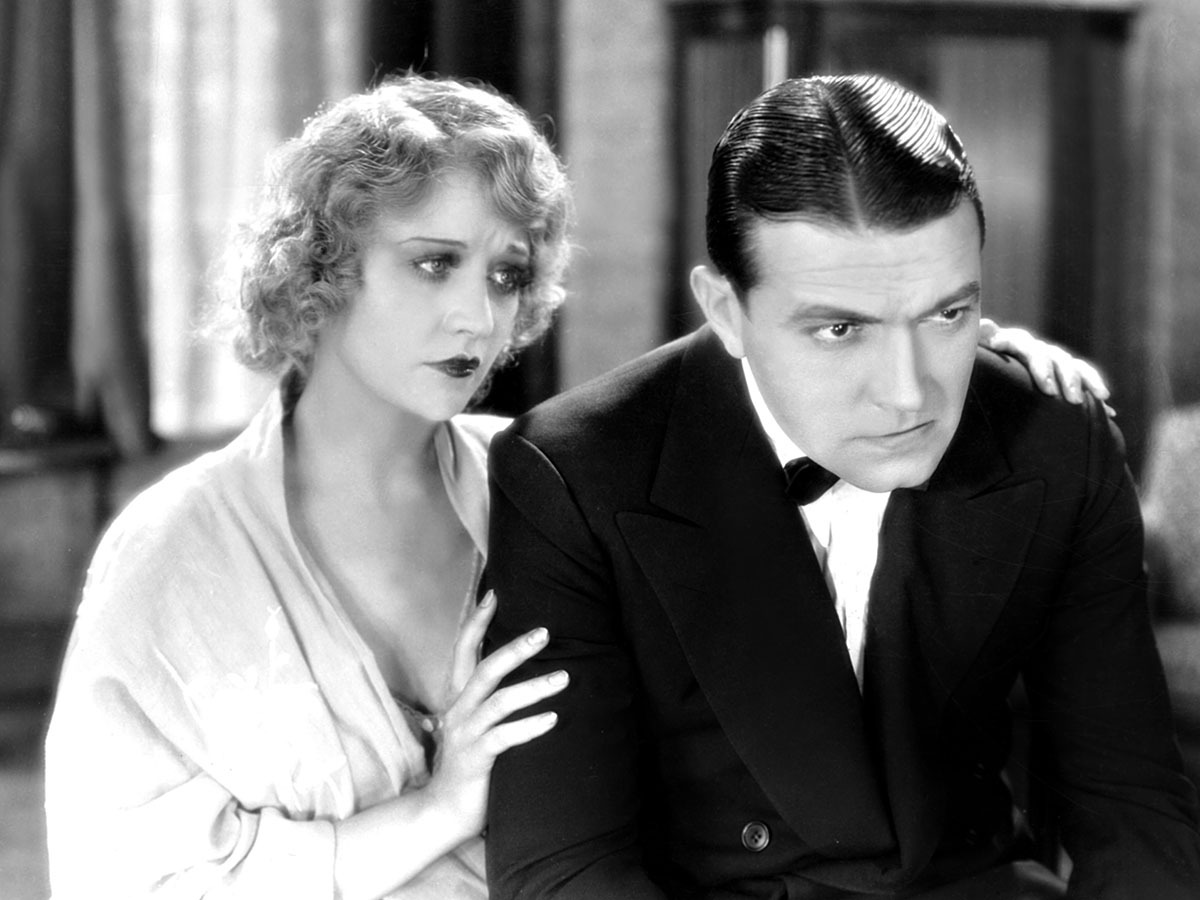
…and advances continued in motion pictures, the “talkies” quickly overtaking the silents and even resorting to such tricks as lip-syncing:

SORRY DEAR, YOU’VE BEEN DUBBED…Betty Compson with Richard Barthelmess in Weary River. While Barthelmess’s character sings and plays the piano throughout the film, Barthelmess himself did not sing or play the piano. Frank Churchill played the piano and Johnny Murray sang into a microphone far away from Barthelmess while he lip-synced and played a piano which had strings deadened with felt. (TCM)

*  *  *

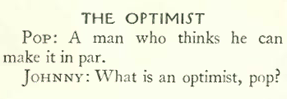
For the anniversary issue, and for old time’s sake, the New Yorker tossed in this little filler joke from its first issue, a joke that was repeated ad nauseam in subsequent issues:

This riddle, told backwards, appeared to be a mistake, but it was most likely an attack on two-liners found in humor magazines of the day like Judge and Punch.

From Our Advertisers

Advertising was booming for the New Yorker in 1929, the magazine recording nearly $2 million in ad sales that year (compared to just $36,000 in their first year, 1925). Now on to the ads…

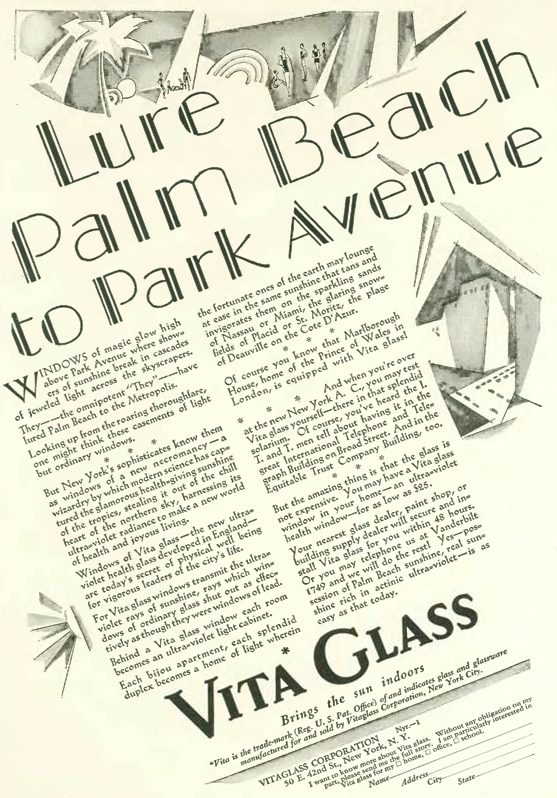
In a recent post we followed the mostly wealthy New York snowbirds down to Palm Beach, Florida, which during the 1920s grew from a quiet village to a resort for the rich and famous. For those who couldn’t make it, they could install “Vita Glass” and bring Palm Beach to Park Avenue…

…and as spring approached, one could catch a bit of nature’s breezes atop 730 Park Avenue…

…or live like a demi-god above the toiling masses at Fifth Avenue’s Lefcourt National…

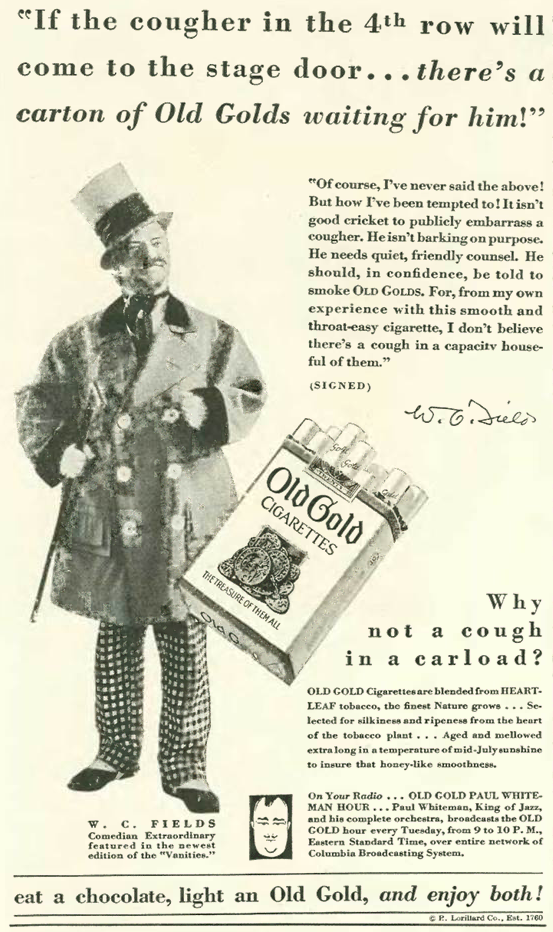
…back on terra firma, we find W.C. Fields the latest endorser of Old Golds…

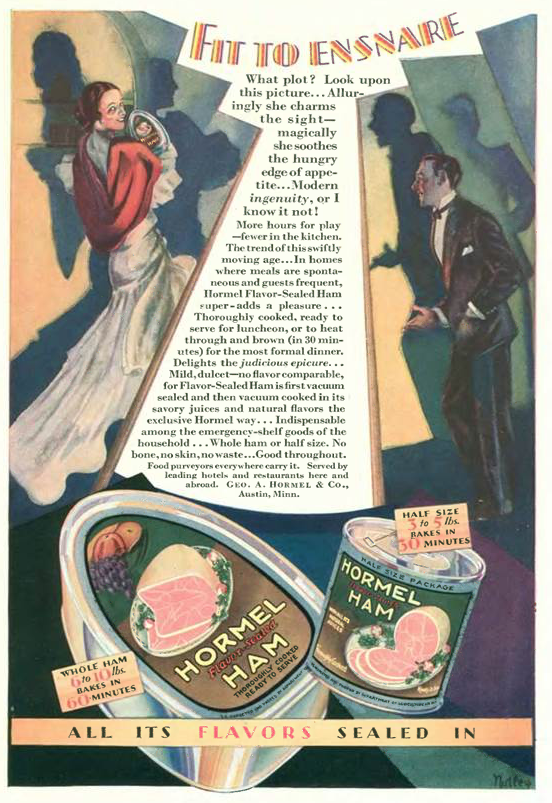
…this has to be the most audacious attempt to add sex appeal to canned ham…

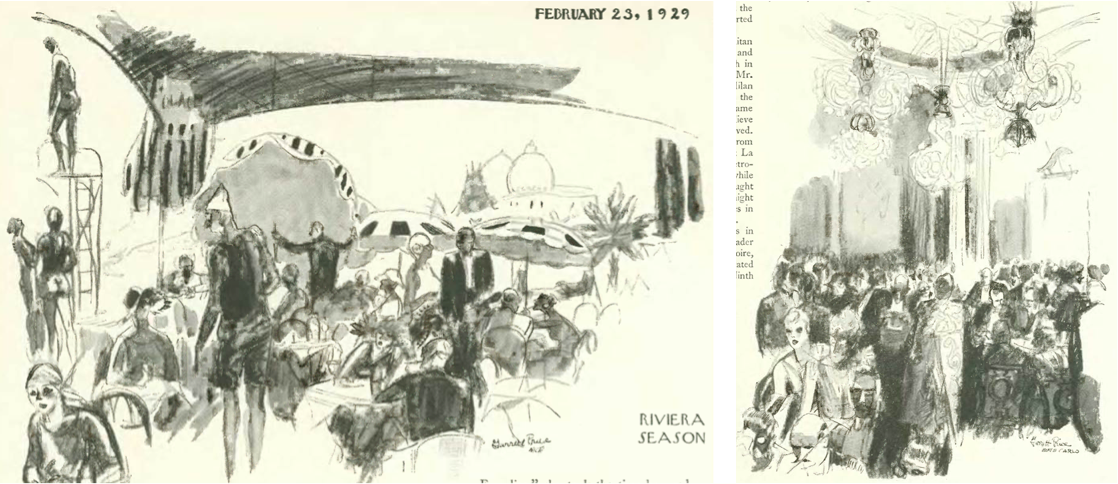
And finally, our illustrators…Garrett Price contributed some fine drawings of Nice and Monte Carlo…

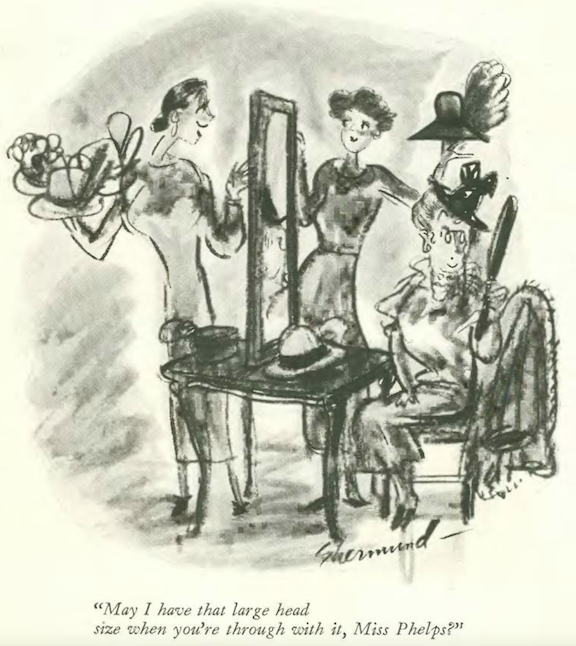
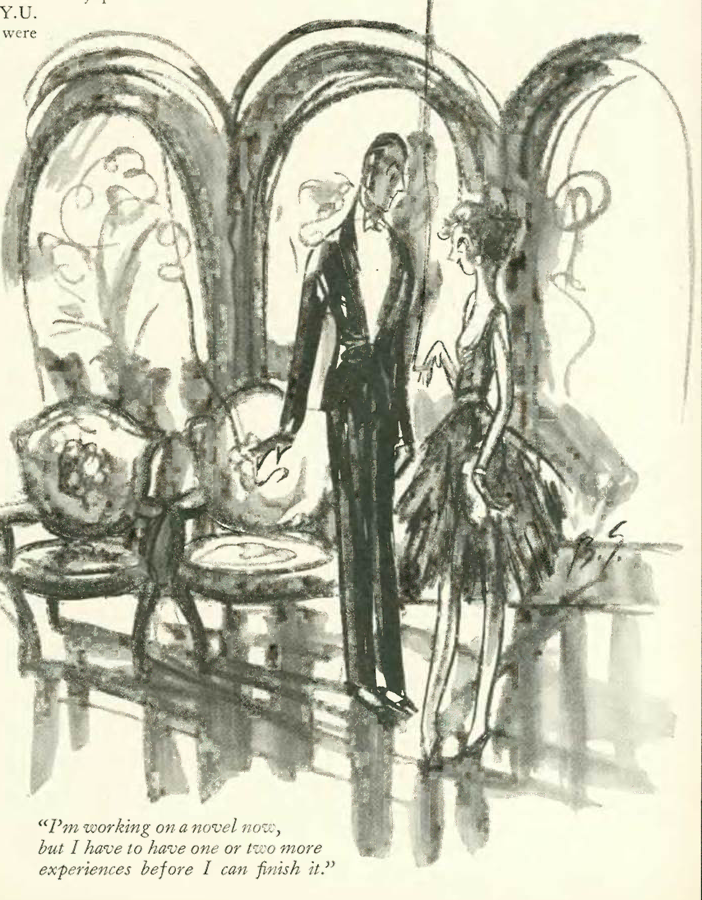
Barbara Shermund looked in on young toffs making idle chat…

…and Rea Irvin, finding everyone perplexed over Einstein’s unified field theory…

Next Time: The Capones at Home…