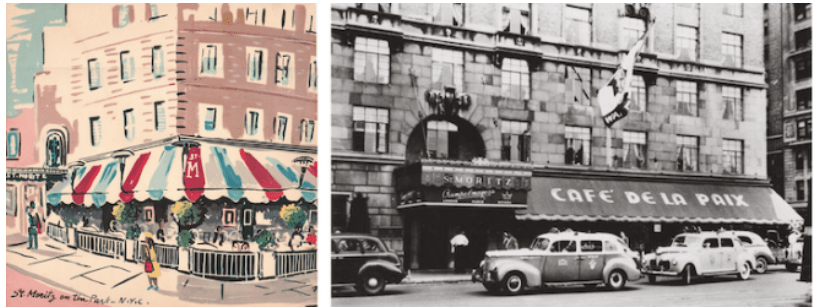
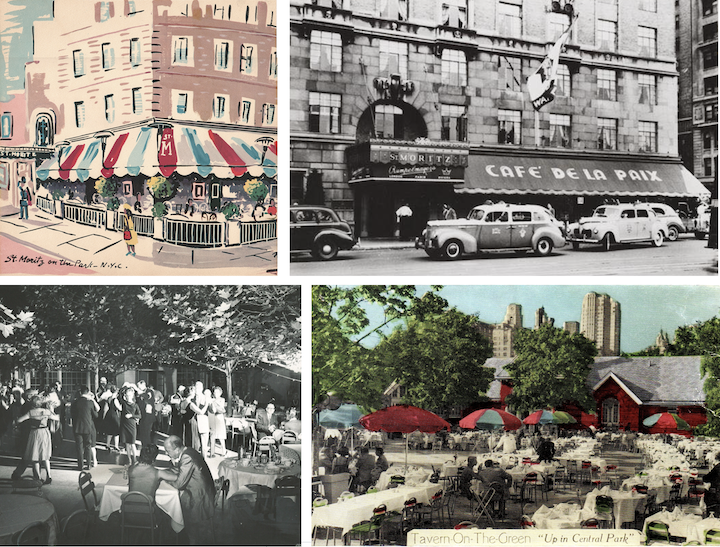
Above: Pierre Lelong painting (circa 1950s) of the outdoor café at New York's Hotel St. Moritz (left); view of the St. Moritz and Café de la Paix, 1944.
After the repeal of Prohibition in 1933, nightlife in Manhattan slowly picked up steam. By 1936 things were swinging, and although the club scene wasn’t as heady as the Roaring Twenties, there was still plenty to entice New Yorkers into the night air.
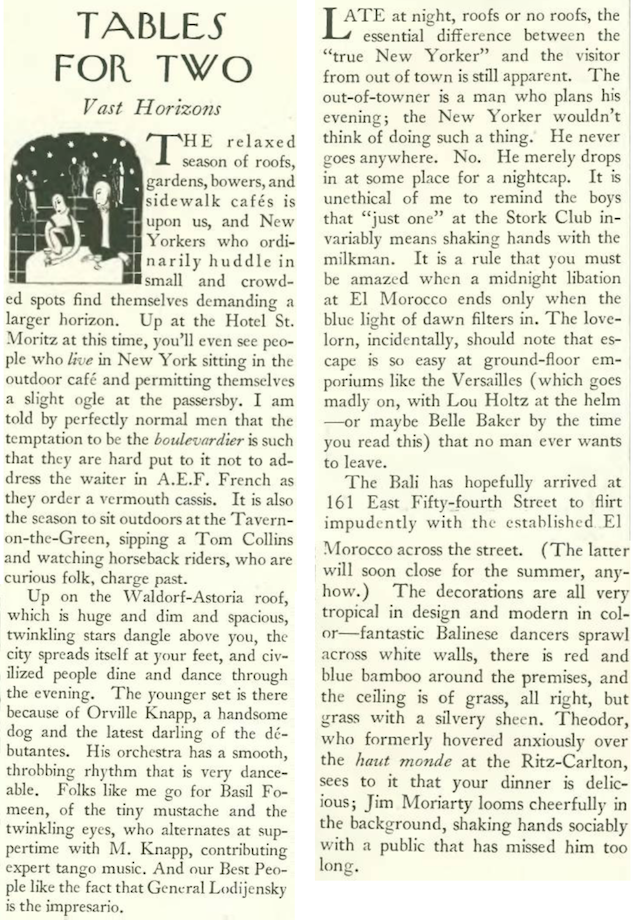
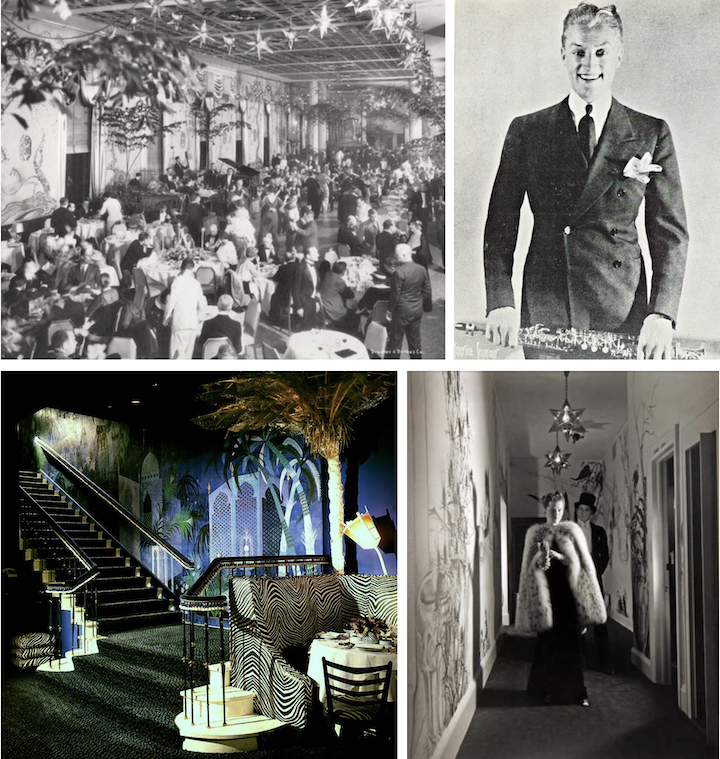
Now let’s enjoy a relaxing evening with the world’s greatest nightlife correspondent, Lois Long, who checked out the latest outdoor drinking and dining options in Manhattan. Excerpts:
* * *
Keeping the Flame
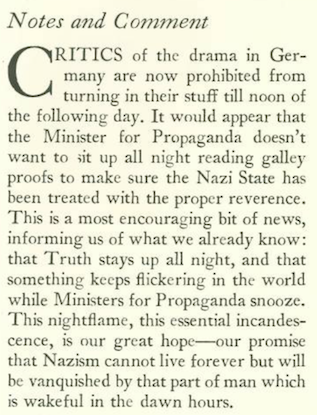
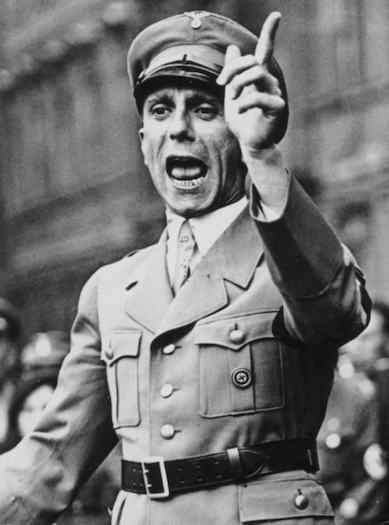
E.B. White began his column with a hopeful message regarding the power of truth in the face of Nazism:
…White also commented on some “unnerving” moments while encountering quadruplets and a Nazi dirigible…
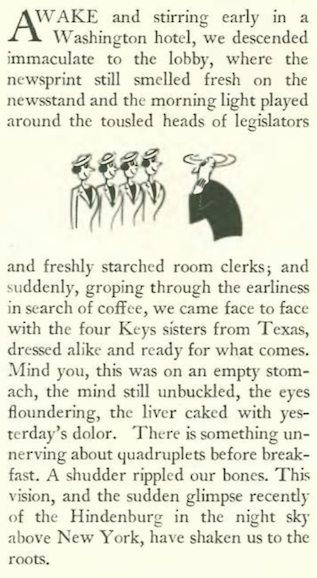
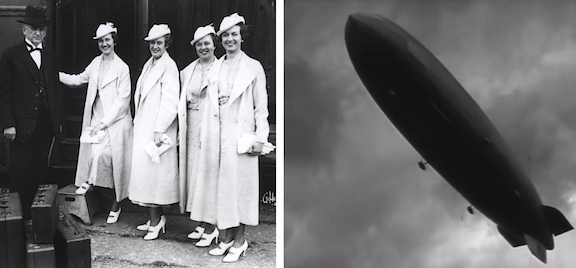
(baylor.edu/British Pathé)
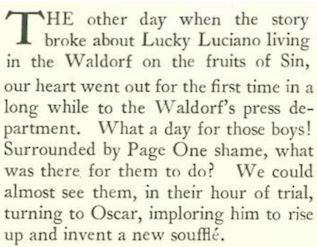
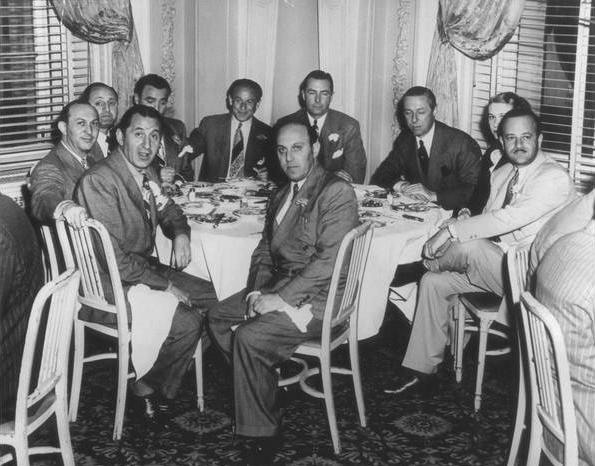
…and one more from White, here musing about Lucky Luciano’s residence at the Waldorf (Penthouse 39C, where Luciano was registered as “Charles Ross”)…
* * *
Headline Acts
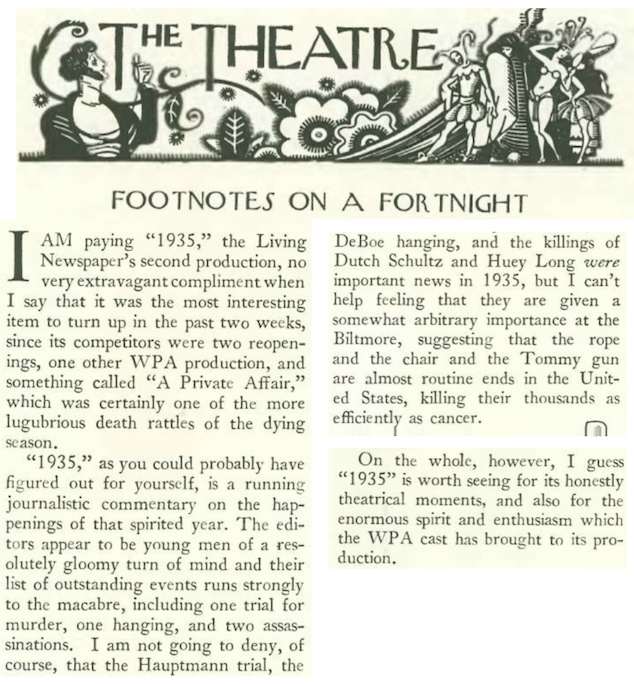
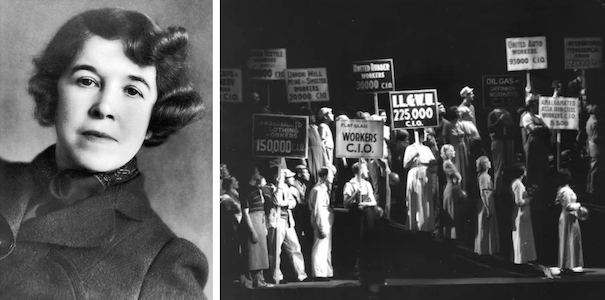
From 1935 to 1939, the WPA’s Federal Theatre Project gave work to more than 12,000 unemployed actors, directors, writers, designers, stagehands, and seamstresses while staging more than 1,200 productions across twenty-nine states. Although Wolcott Gibbs wasn’t too impressed with the project’s “Living Newspaper” performance, he deemed it worth seeing as the best thing on stage in the waning days of the theater season.
* * *
At the Movies
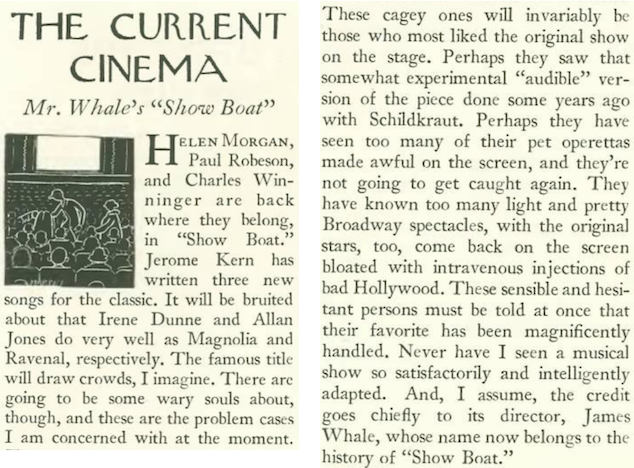
The romantic musical Showboat was a big hit with Broadway audiences after it premiered in 1927, but the play’s first film adaptation in 1929 fell flat; it was shot as a silent and then partially re-shot to incorporate sound dialogue and singing. Film critic John Mosher referred to that version as something “made awful on the screen,” and wanted his readers to know that the new 1936 adaptation had been “magnificently handled” by director James Whale (perhaps best remembered for 1931’s Frankenstein).
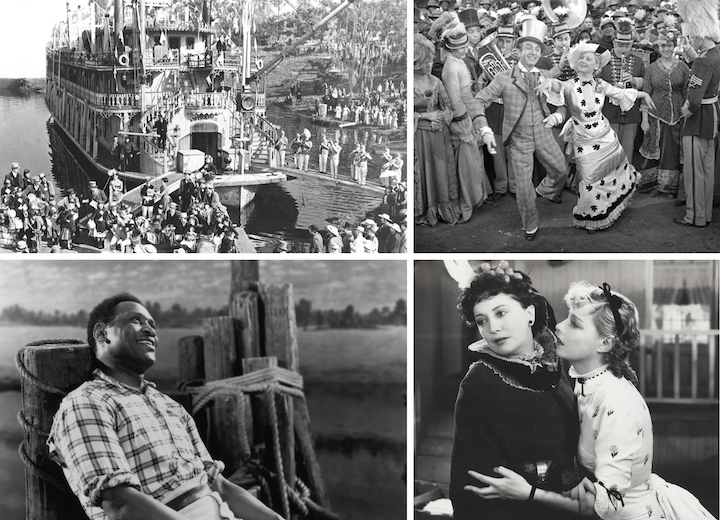
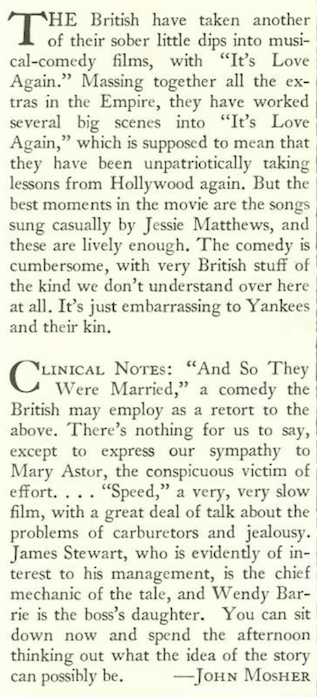
Mosher also reviewed the musical It’s Love Again, finding the comedy “cumbersome,” filled with “very British stuff of the kind we don’t understand over here at all.” He also had little to say about And So They Were Married, expressing sympathy to actress Mary Astor as “the conspicuous victim of effort…”
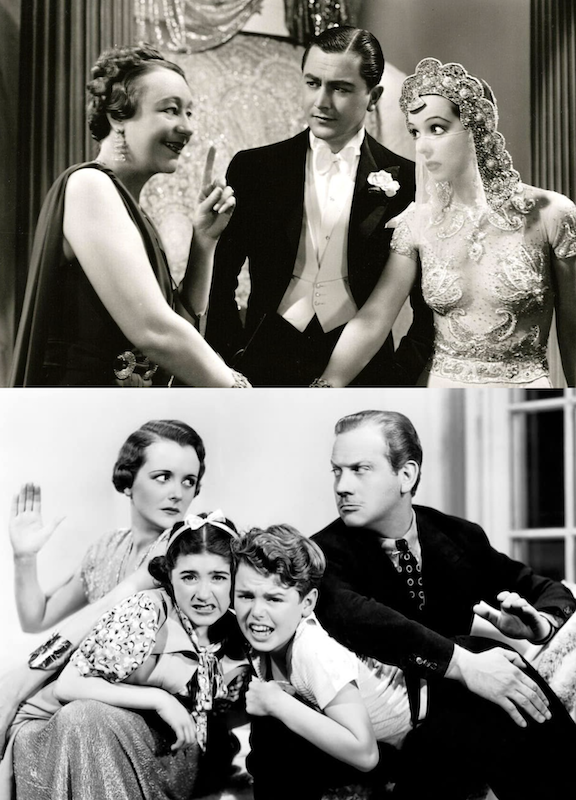
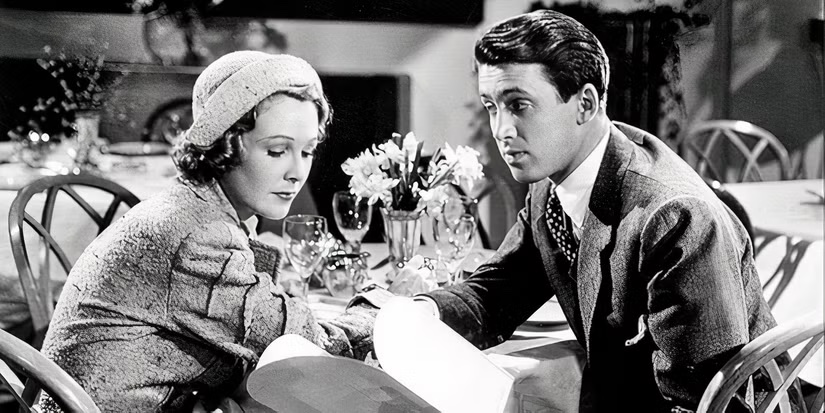
And then there was Speed, Jimmy Stewart’s first leading role. Mosher couldn’t make sense of it, but the film did launch Stewart into bigger roles.
* * *
From Our Advertisers
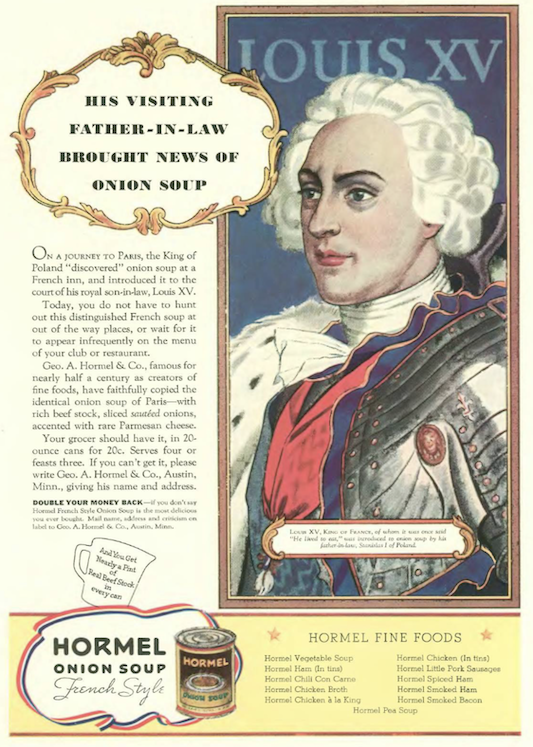
The folks at Hormel were back on the inside front cover with another tale from the annals of onion soup…
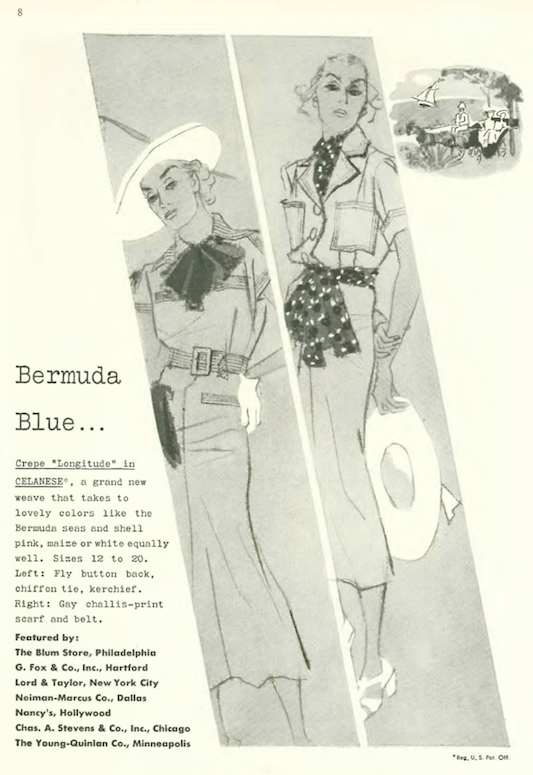
…and summer fashions once again dominated the opening pages of the magazine…
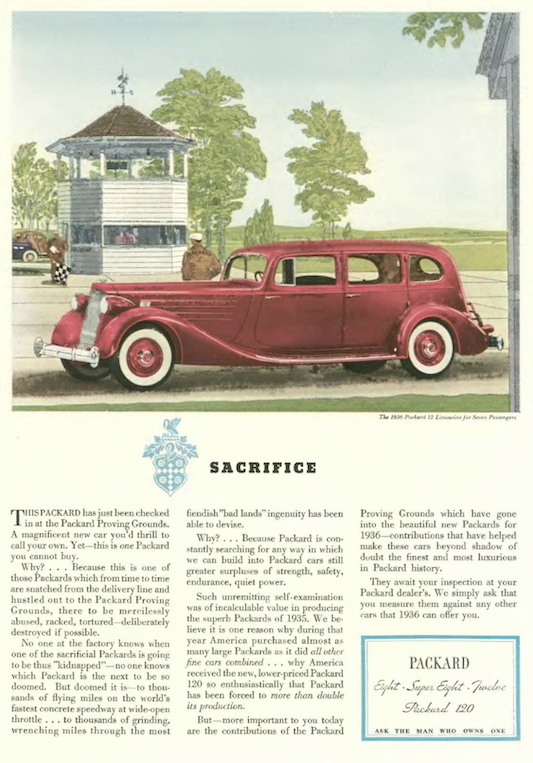
…Packard answered Cadillac’s pastoral ads with one of its own…
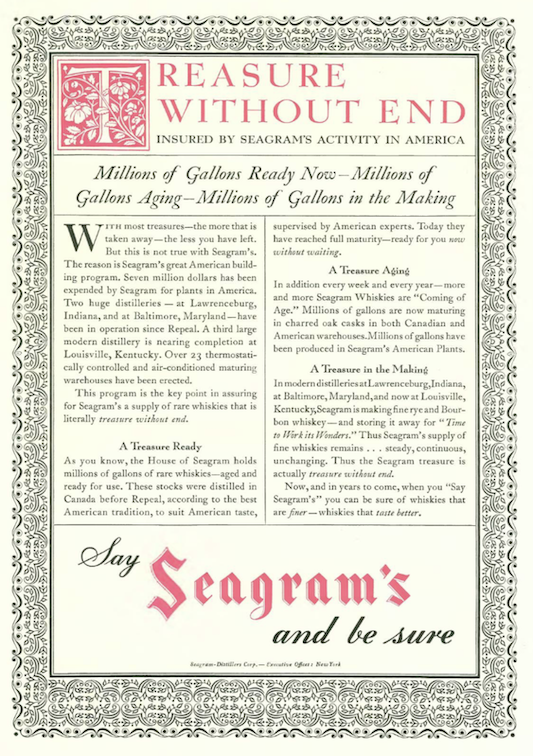
…while the distillers at Seagram’s wanted to reassure thirsty Americans that there was plenty of the hard stuff to go around…
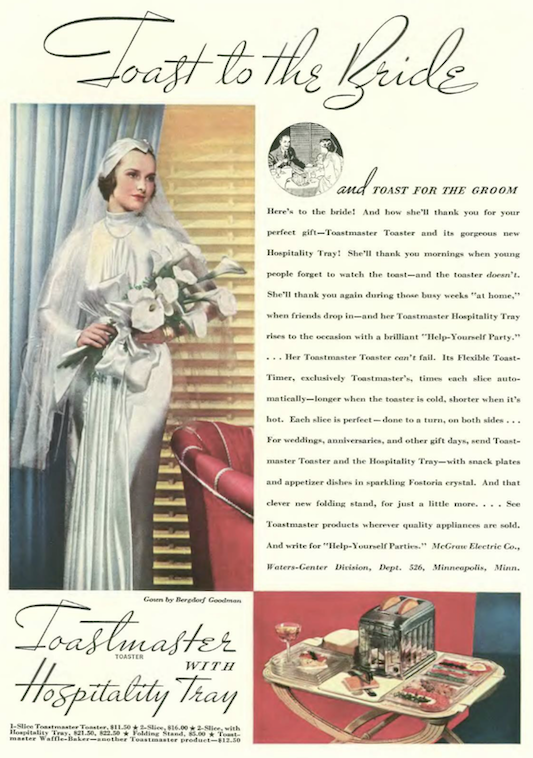
…anticipating the season of the June bride, this ad helpfully suggested the Toastmaster toaster (and accessories) as the ideal gift for the newlywed…
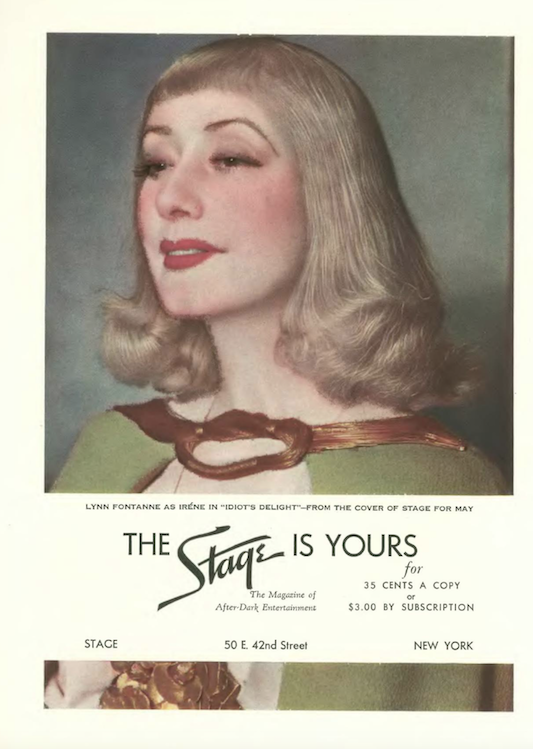
…this ad for Stage magazine featured actress Lynn Fontanne as the mysterious countess Iréne in Idiot’s Delight…
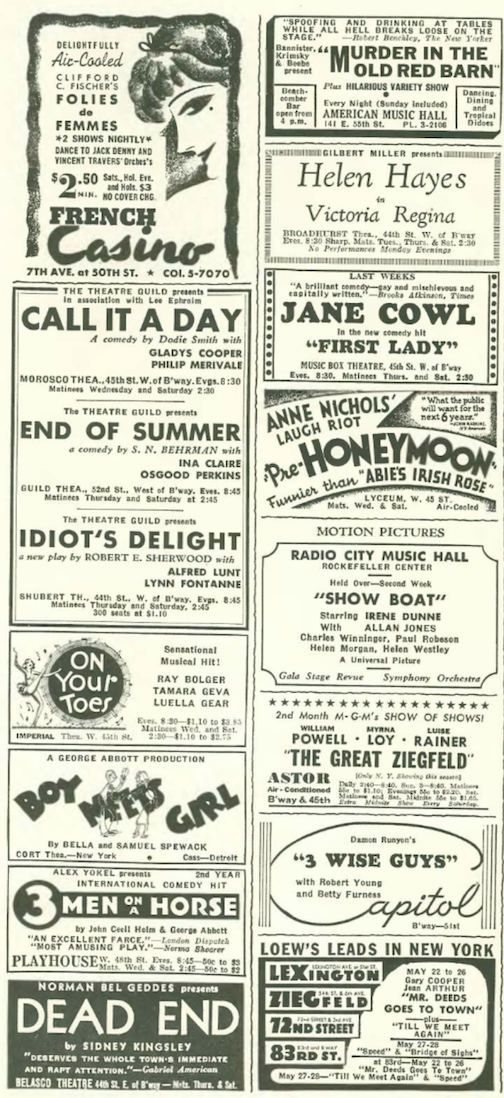
…Fontanne’s play, along with several other stage and screen diversions, were advertised in the back of the book…
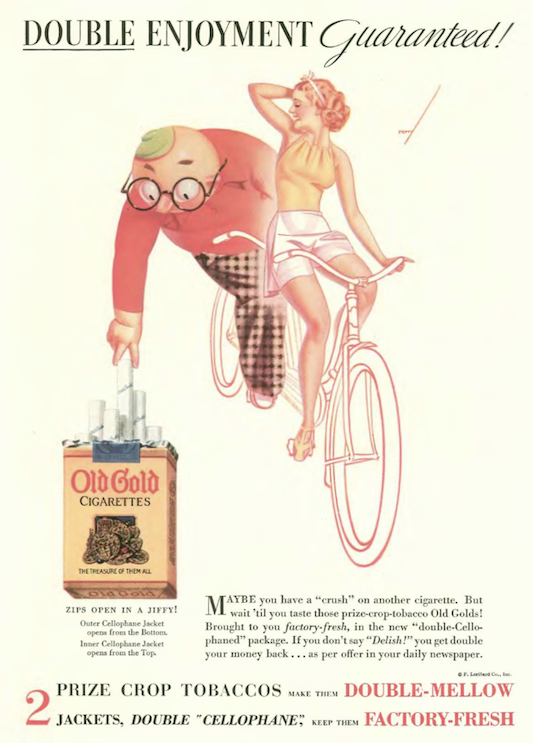
…pin-up artist George Petty drew up another odd couple for Old Gold cigarettes…
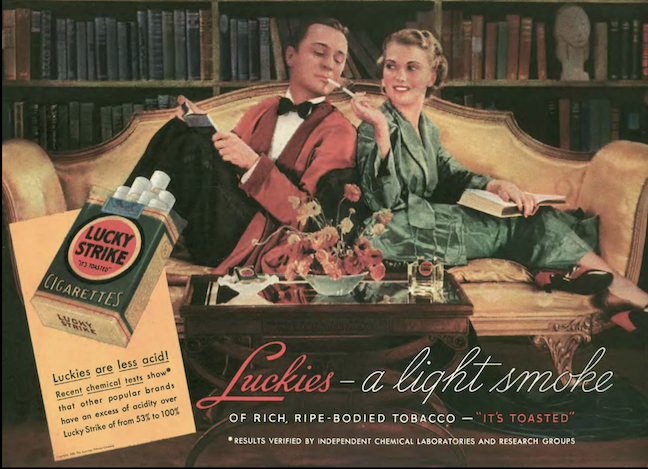
…While the makers of Lucky Strike cigarettes gave their smokes a homey appeal…
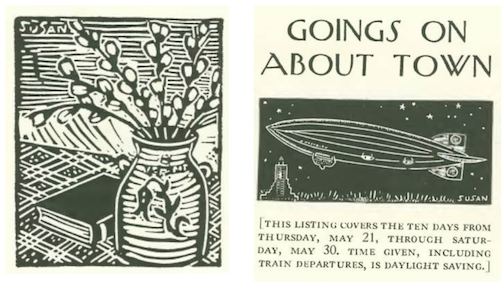
…on to our illustrators and cartoonists, we have spot art from Susan Willard Flint…
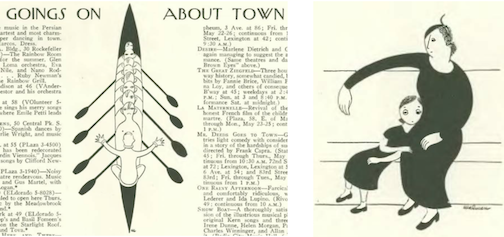
…and Christina Malman…
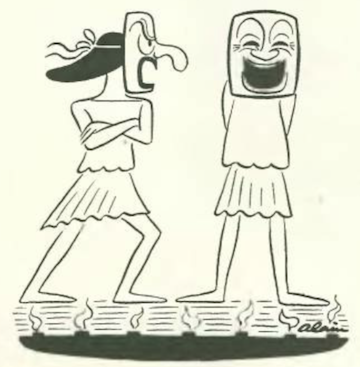
…and Daniel ‘Alain’ Brustlein (for the “Theatre” section)…
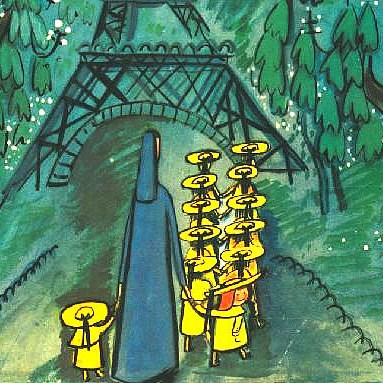
…this next bit of spot art has me confused…the signature appears to belong to Arthur Getz, yet the image suggests an early drawing by Ludwig Bemelmans…Getz and Bemelmans were contemporaries at the New Yorker, and both were prolific spot art contributors…
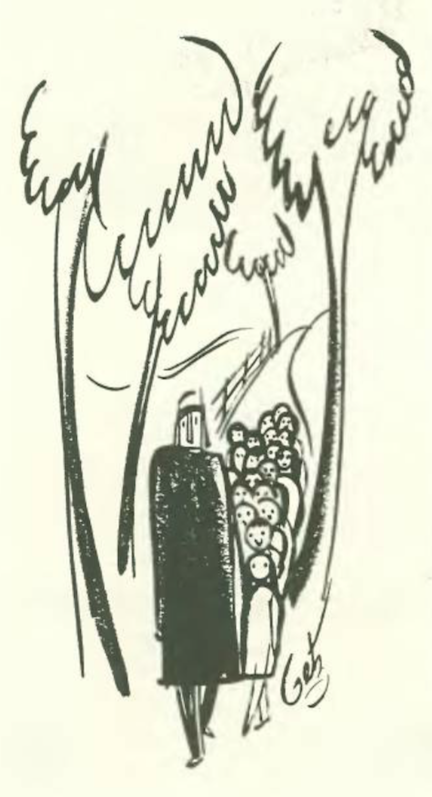
…the drawing seems to anticipate Bemelmans’ 1939 children’s book Madeline…
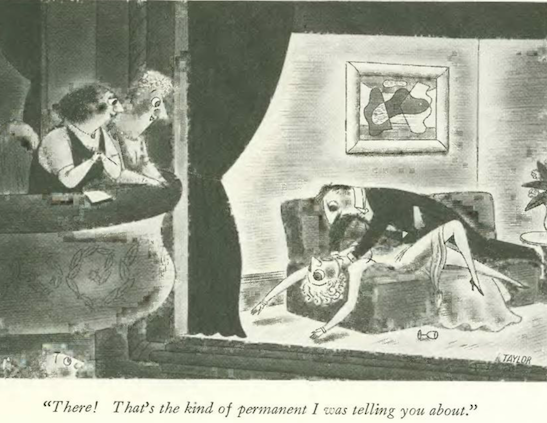
…Richard Taylor found inspiration on the Broadway stage…
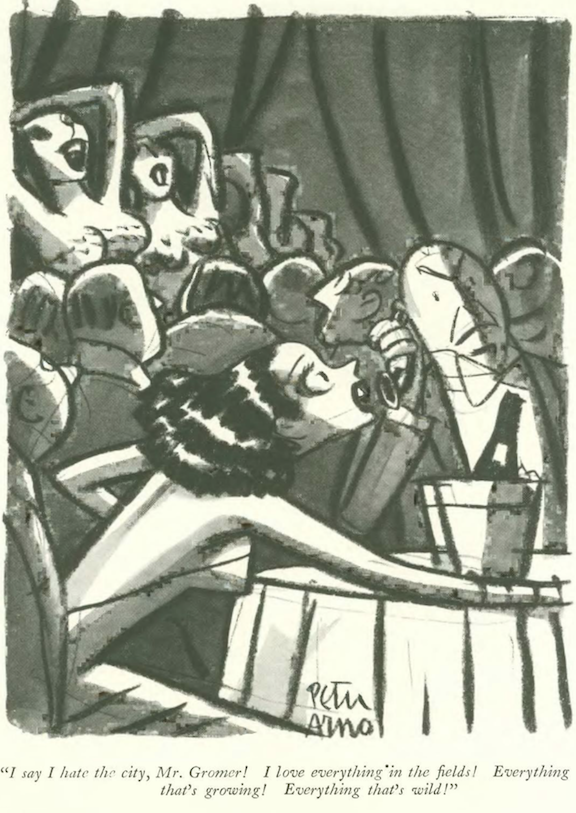
…Peter Arno showed us a sugar daddy receiving an earful (via ear trumpet)…
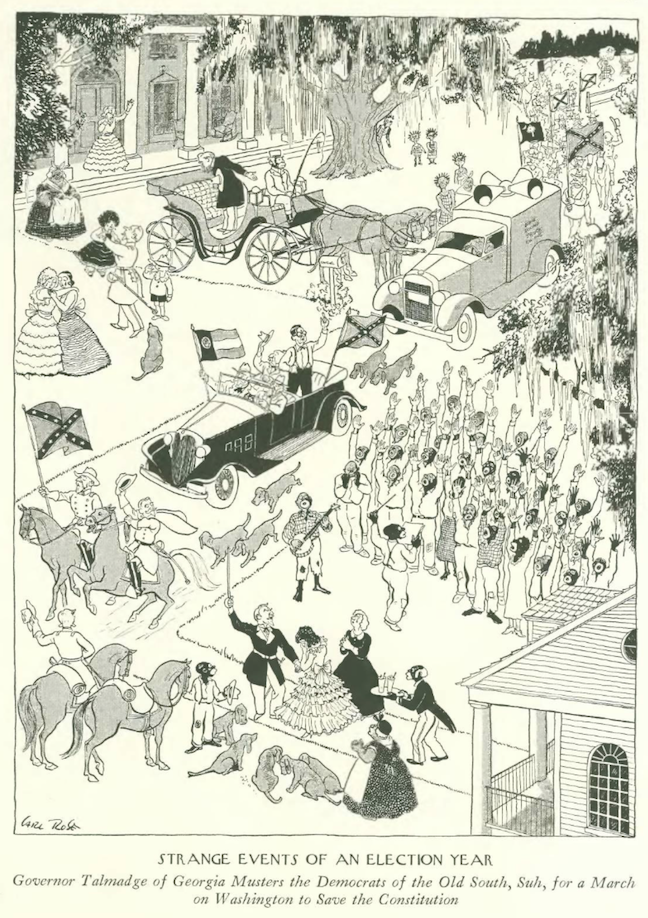
…Carl Rose offered some Southern-style electioneering in this lively illustration…
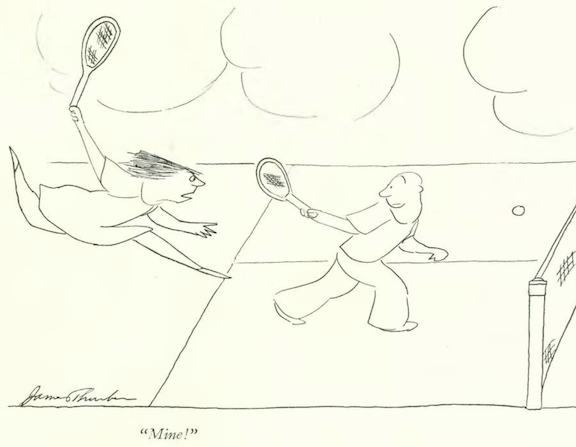
…by contrast, James Thurber’s spare lines told us everything we needed to know about this couple…
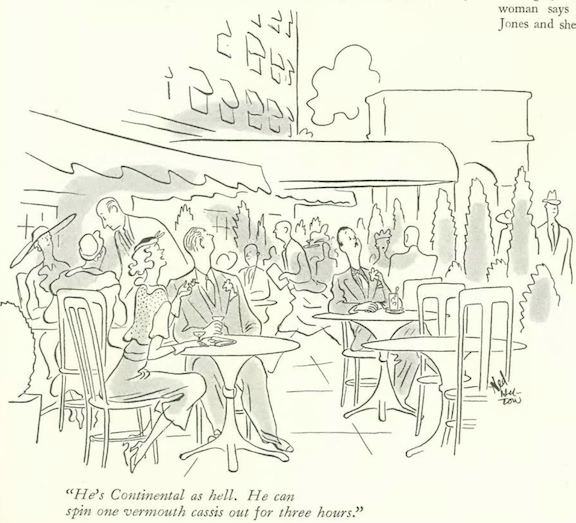
…Ned Hilton spotted an outlier at an outdoor café...
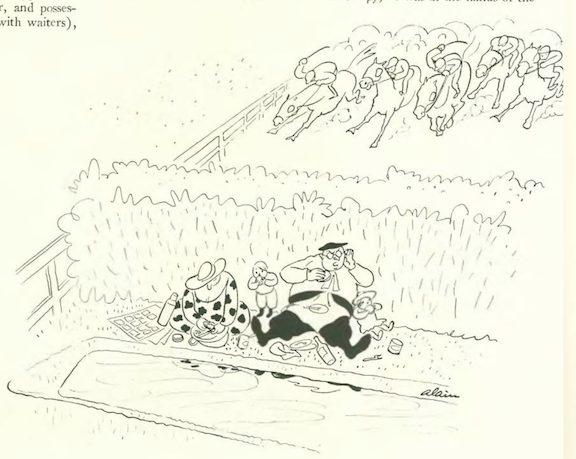
…Alain again, here anticipating a big surprise…
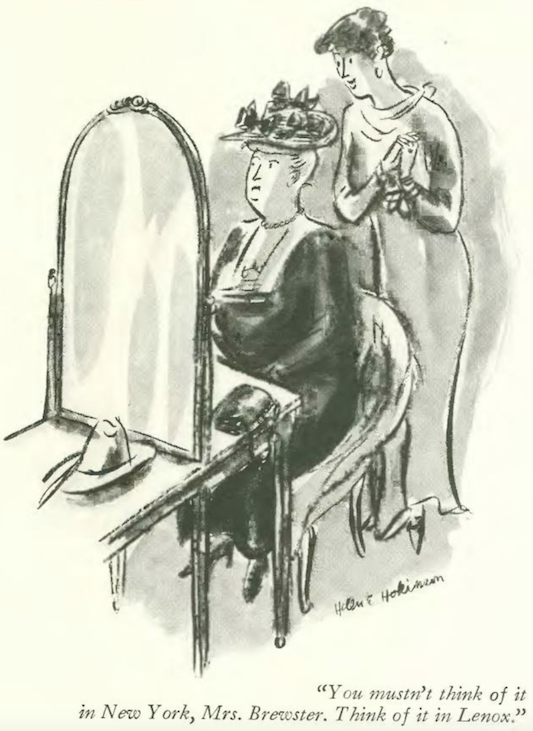
…Helen Hokinson offered a helpful fashion tip…
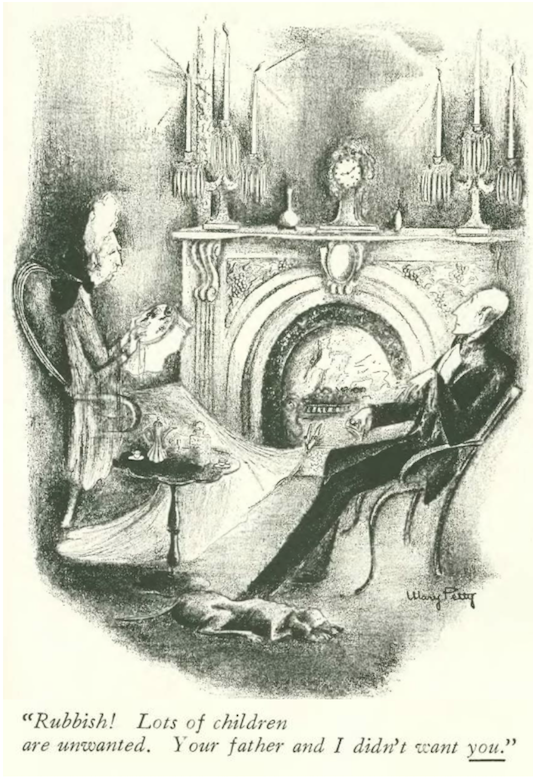
…and we close with Mary Petty, and a motherly retort…
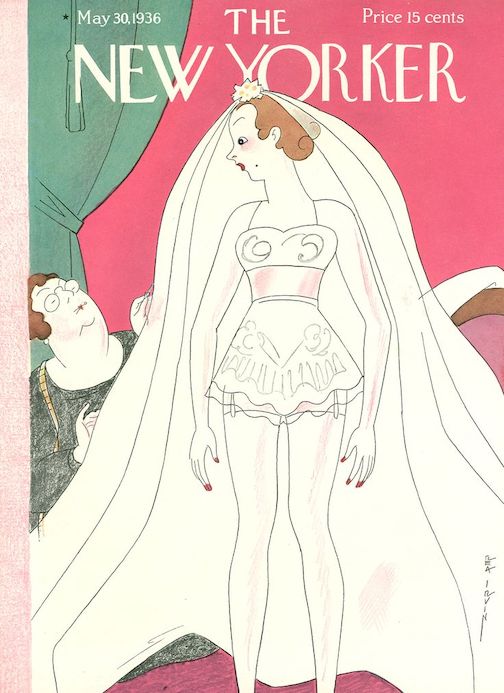
Next Time: Queen of the Seas…


Were there two George Prices? The Old Gold ad has nothing to do with either the cartoonist’s early or late styles, different as those are.
LikeLike
Frank, thanks for catching that. The Old Gold ad is by George Petty. I made a typo. Too many Georges! Thanks for reading and for keeping a keen eye on on these posts!
LikeLike