
Above: First-grade pupils at the blackboard, circa 1943. (The New York Times)
Peering into the life of a Manhattan elementary school—as it was ninety years ago—offers a glimpse into the social mores of the 1930s.
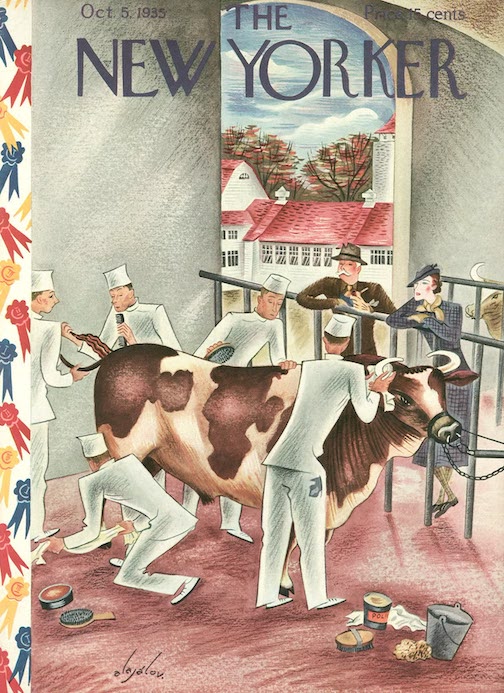
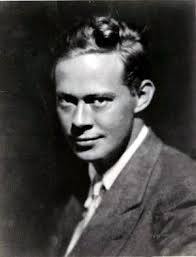
Taking us back to those days was St. Clair McKelway (1905-1980), who beginning in 1933 served as a writer and editor for The New Yorker. Although not well-known today, McKelway was credited by William Shawn as one of a handful of people who “set the magazine on its course.”

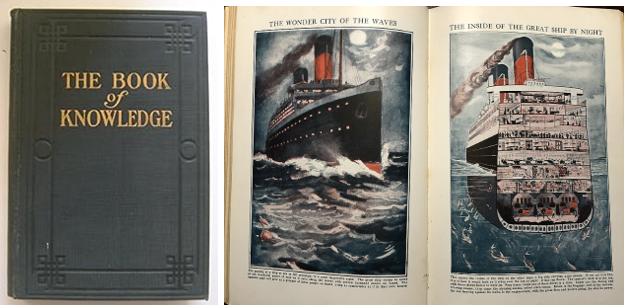
In this next excerpt, a teacher and principal speak of the schoolchildren dispassionately, casually referring to one pupil’s IQ as “almost down to mental defective.”

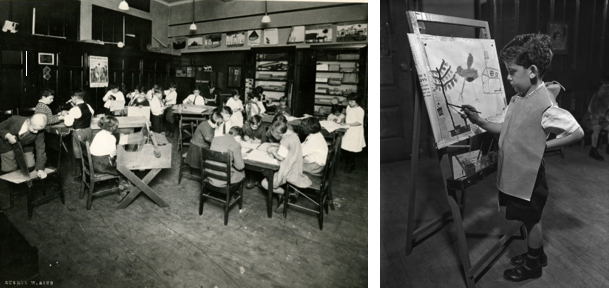
In this final excerpt, McKelway looked in on the school’s “ungraded class” of sixteen boys, most from families who were “on relief.” Beginning in the third paragraph, note how the teacher speculates on the future of one of the students.


A final note: It is interesting to compare McKelway’s article with one written almost thirty years later by few blocks from Columbia University, the school teaches children of graduate students and professors as well as long-time neighborhood residents and newcomers.
* * *
Moving Days
In the fall of 1935 E.B. and Katharine White and their four-year-old son Joel moved from their Greenwich Village apartment on East 8th Street (reluctantly for E.B.) to Turtle Bay Gardens in the East 40s. At about the same time The New Yorker moved from its original headquarters on West 45th Street to its new digs at 25 West 43rd Street, where the magazine would settle in for more than fifty years.


* * *
A Good Bad Girl
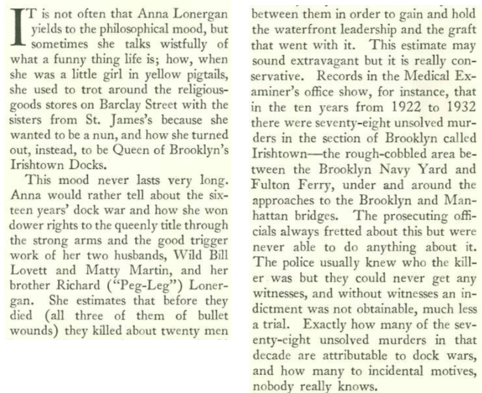
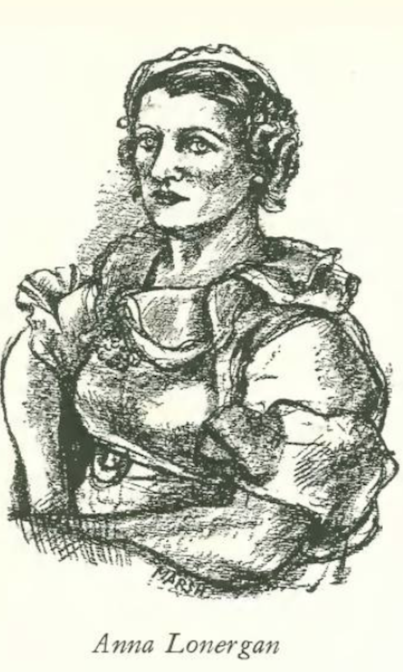
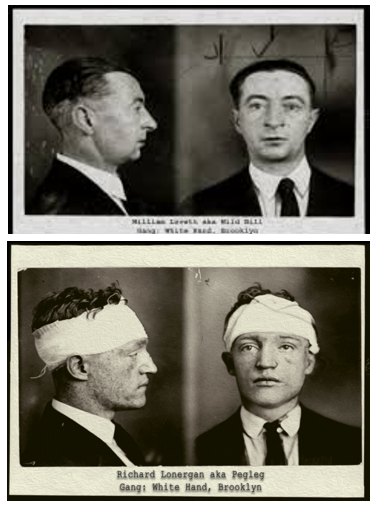
Journalist Meyer Berger (1898-1959) was known for digging deep into his subjects, including a two-part New Yorker profile of Anna Lonergan, “Queen of the Irishtown Docks.” Her two husbands and a brother—notorious killers themselves—were murdered in gang wars along with dozens of others who were Lonergan’s friends and neighbors. She was often called to the morgue to identify murder victims, thus the “Profile” title “Lady in Crepe”—one who is in a constant state of mourning. Here are the opening paragraphs:
* * *
At the Movies
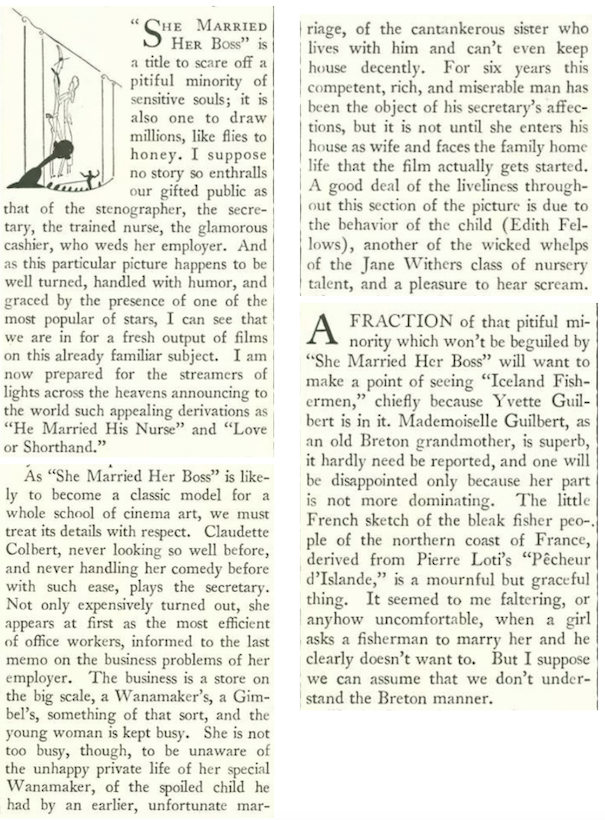
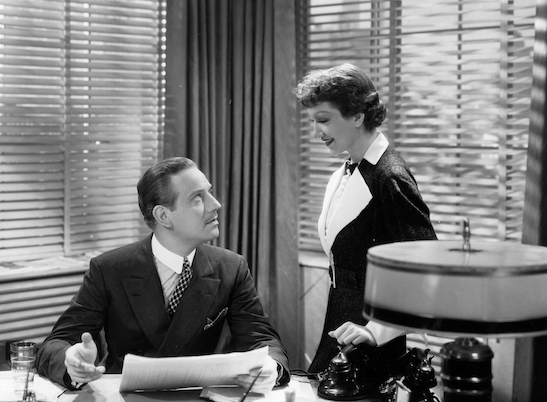
Film critic John Mosher took on a couple of very different films—the lively Claudette Colbert comedy She Married Her Boss, and the “mournful, graceful” Iceland Fisherman featuring the 1890s French cabaret star Yvette Guilbert.

Mosher also screened Soviet Russia through the Eyes of an American, which documented American engineer Charles Stuart’s travels through the Soviet Union. You can watch the entire film here.


* * *
Some Housekeeping
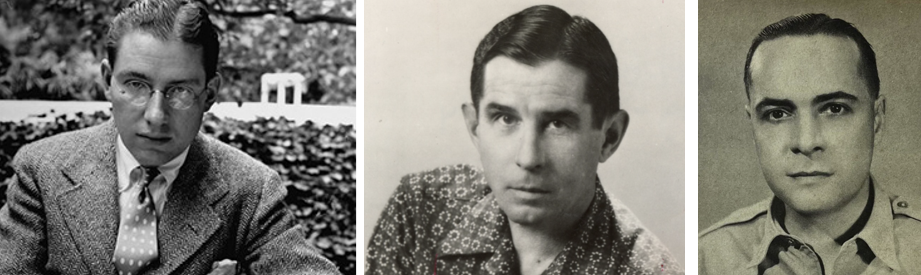
Before we jump into the advertisements, I would feel remiss not to mention other writers in the issue, including poet Ogden Nash (“How Now, Sirrah, Oh, Anyhow”), James Thurber (“Smashup,” featuring henpecked husband Tommy Trinway); Frances Warfield (“Practical Nurse”); Theodore Pratt (“I Jes’ Goin'”); James Reid Parker (“The First Day”); Andree L. Eilert (“Words Across the Sea”) W.E. Farbstein (“Copycat”); and P. S. Le Poer Trench (“Parsons is Prepared”). Some of these contributors are long forgotten—Warfield often wrote about her deafness, but little to nothing can be found out about Eilert or Trench without considerable effort (Trench published twice in the New Yorker in 1935).
* * *
From Our Advertisers
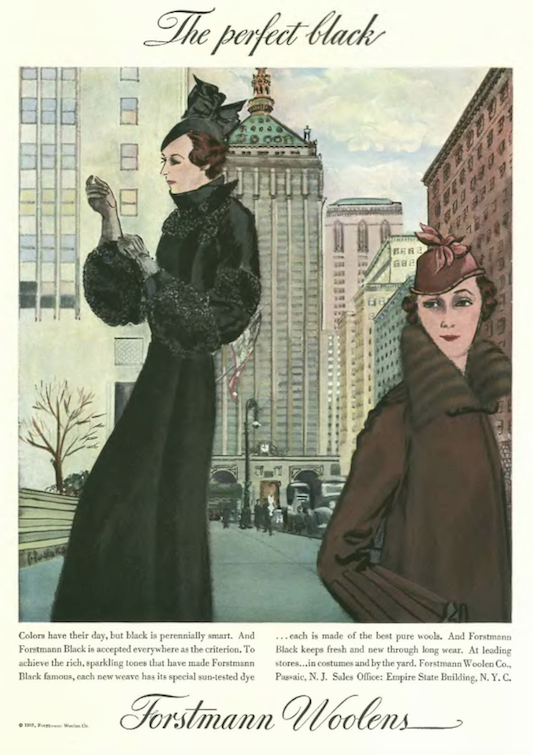
Apparently business was booming at Forstmann Woolens, who continued to post these stylish ads in the opening pages of The New Yorker—note Midtown’s 1927-29 New York Central Building (now Helmsley Building) that served as a gateway to Grand Central…
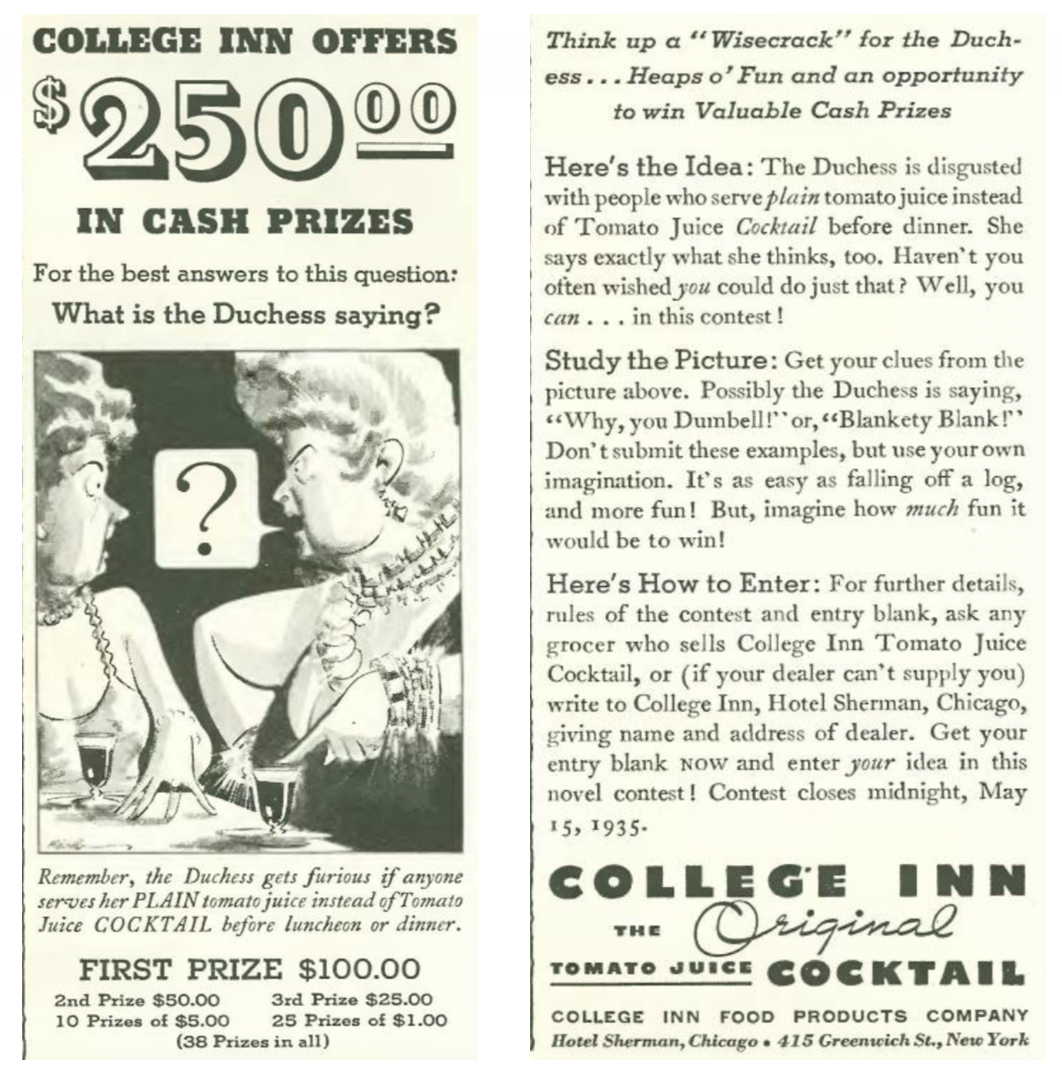
…who knew that one could be so stylish while drinking a glass of tomato juice?…

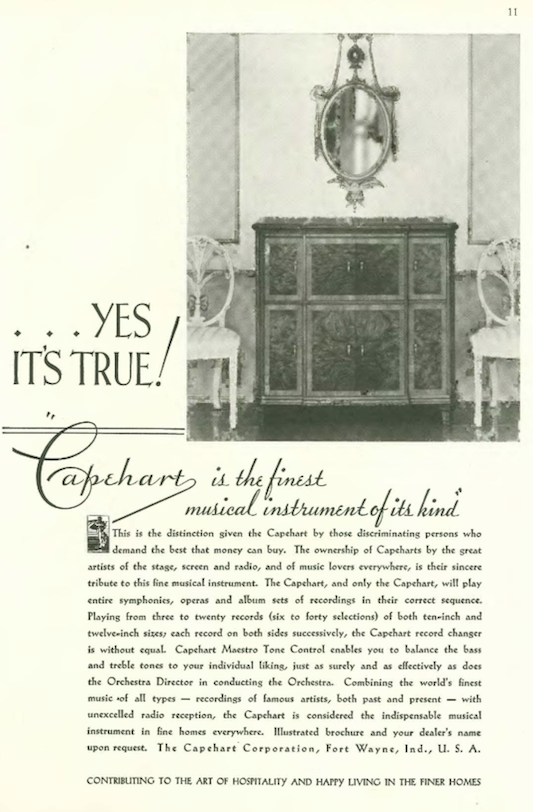
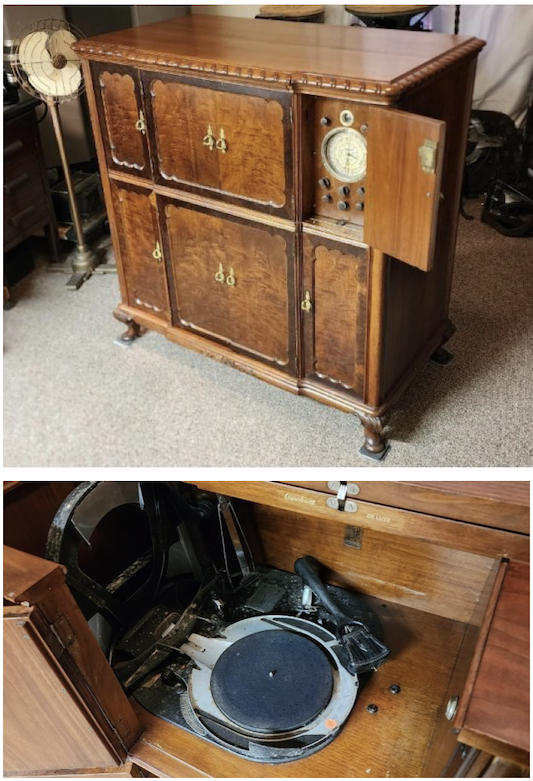
…the Capehart Automatic Phonograph Company produced a radio-phonograph that could automatically flip records to play both sides—this particular model could play up to twenty records in succession…
…Warner Brothers took out a full-page ad to announce the world premiere of A Midsummer Night’s Dream…the lavish, star-studded production featured, among others, James Cagney, Olivia de Havilland, Dick Powell, Anita Louise and Mickey Rooney…


…Stage magazine also took out a full-page ad to trumpet its own star-studded lineup, including contributions by James Thurber, Peggy Bacon and Abe Birnbaum…

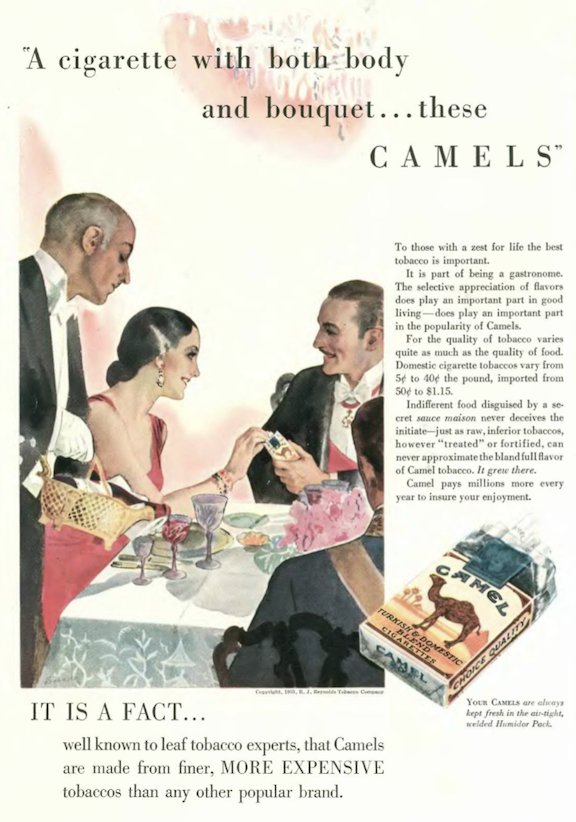
…Mrs. Chiswell Dabney Langhorne, nee Caryetta Davis Saunders (1899-1971), was the latest society maven to encourage women smokers to enjoy the unfiltered pleasures of Camel cigarettes…

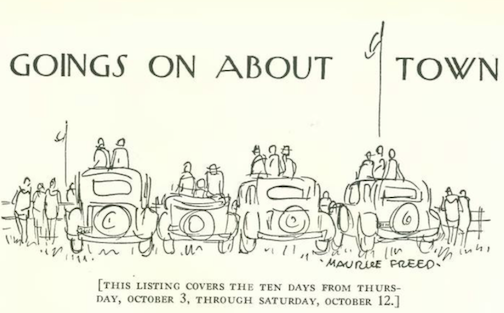
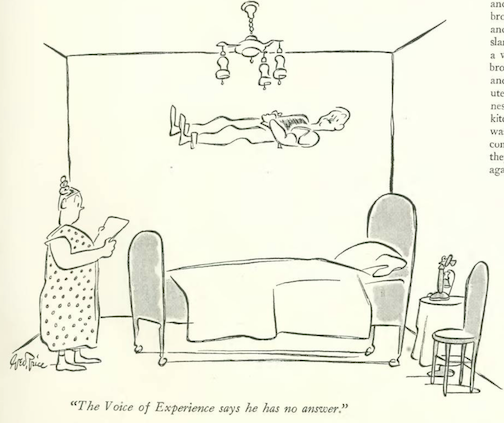
…on to our cartoonists, George Price and Maurice Freed got things rolling with these spot drawings…

…Carl Rose mixed the old with the new on moving day…

…Barney Tobey showed us how the posh travelled to school…

…George Price again, here demonstrating the joys of moneyed eccentricity…

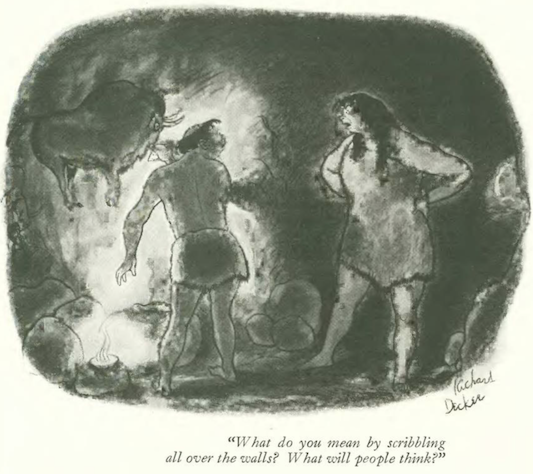
…Richard Decker explored the origins of art criticism…
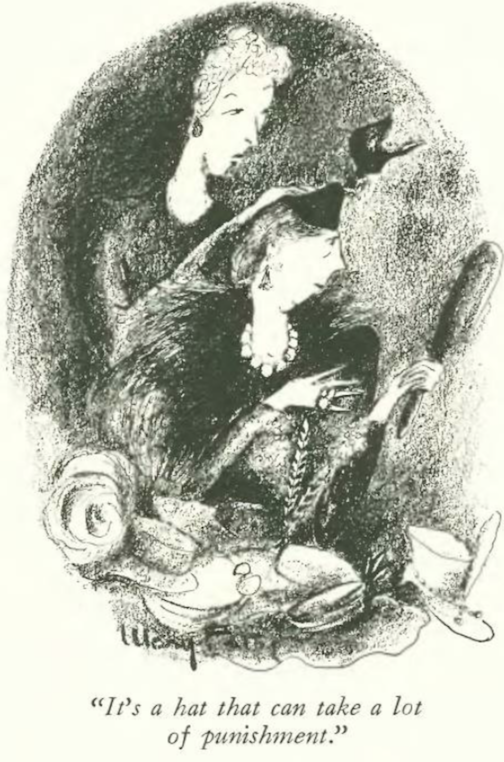
…Mary Petty offered some durable fashion advice…
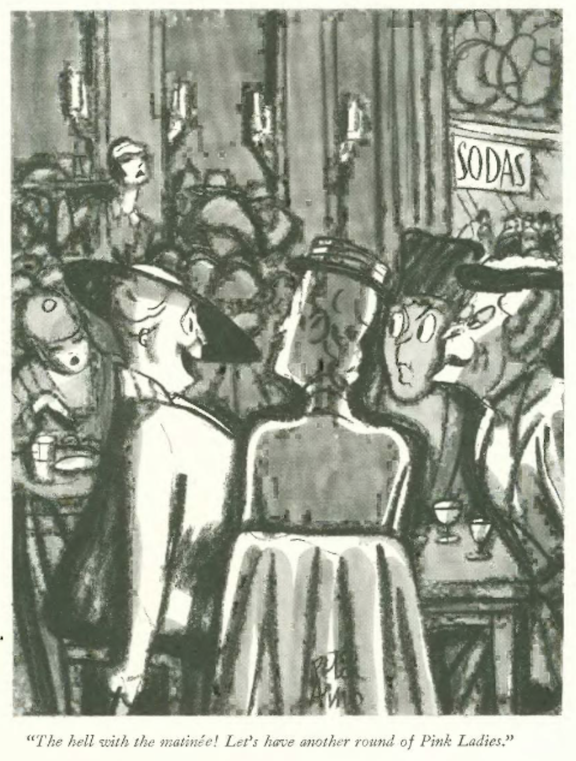
…and we close with Peter Arno, finding sudden inspiration in a Pink Lady cocktail…
Next Time: A Merry Menagerie…

























 A New Yorker State of Mind