The Major’s Amateur Hour

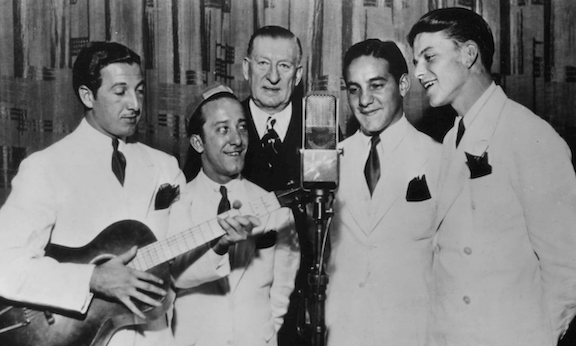
Above: Photo of the Hoboken Four as they appeared on the "Amateur Hour with Major Bowes" in 1935. At center is "Major" Edward Bowes, and at right is Frank Sinatra. The other three members of the Hoboken Four were Frank Tamburro, Patty Prince and Jimmy Petro. (knkx.org)

Nearly seventy years before American Idol appeared on our TV screens, a hugely successful and influential talent show filled the airwaves from NBC’s radio studios at Rockefeller Center.
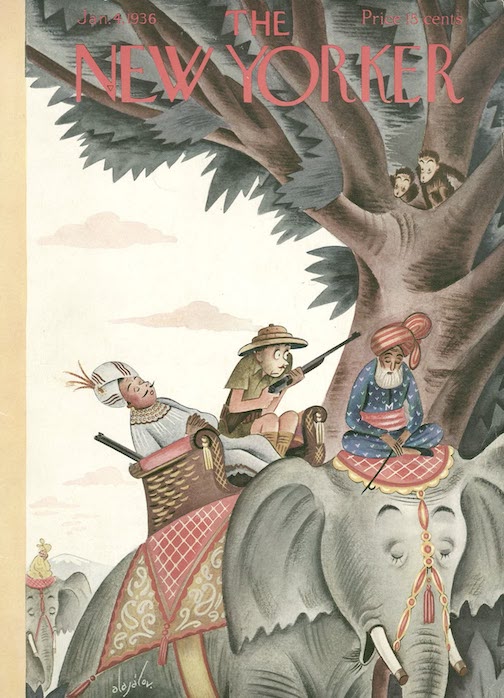
January 4, 1936 cover by Constantin Alajalov.

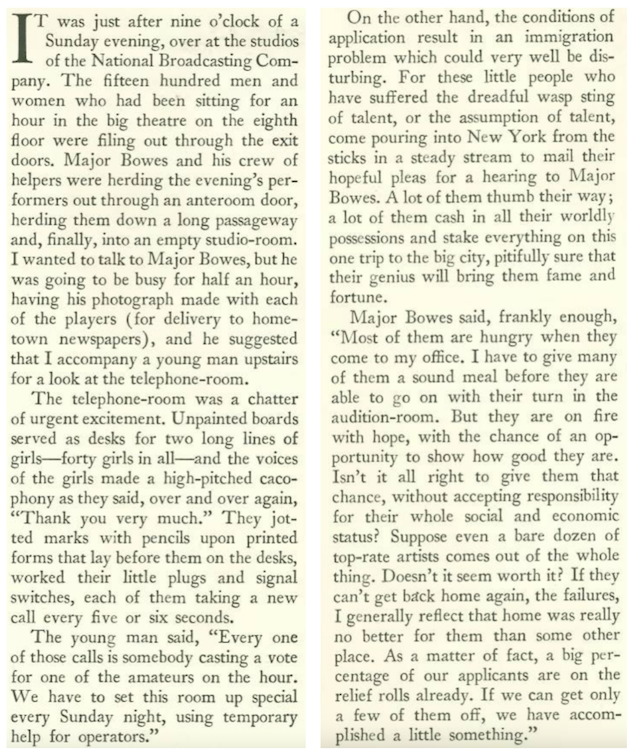
Millions tuned in each week to the Major Bowes Amateur Hour, which got its start in 1934 at radio station WHN before moving to NBC the following year. Created and hosted by “Major” Edward Bowes (1874–1946), Bowes would chat with contestants before listening to their performances, which could be cut short by the Major’s gong (see below). For his “A Reporter at Large” column, Morris Markey paid a visit to Bowes during evening auditions at the NBC studios. Excerpts:
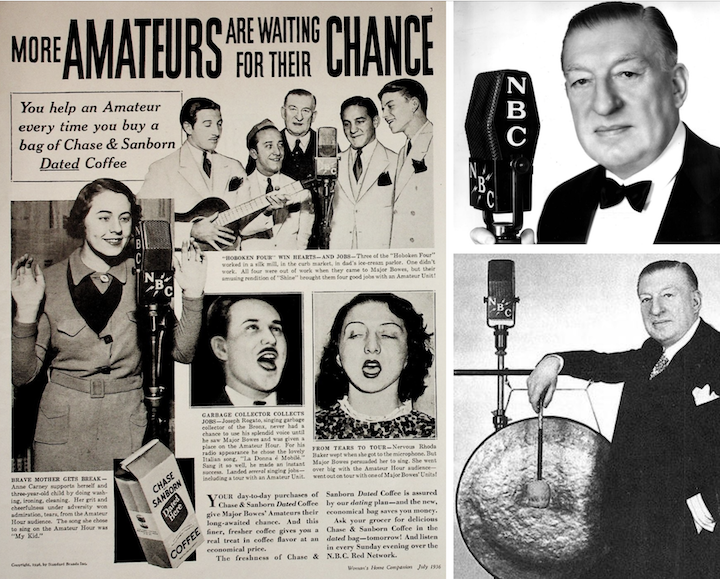
THE GONG SHOW…At bottom right, Edward Bowes with the gong he used to abruptly end acts he deemed poor or inept—he abandoned the prop in 1936 after receiving thousands of letters from listeners who objected to the premature termination of acts (apparently the concept was a direct inspiration for Chuck Barris’s 1970s TV program, The Gong Show). At left, a July 1936 Women’s Home Companion advertisement from the show’s sponsor, Chase & Sanborn. The ads highlighted the rags-to-riches stories of the more successful contestants. (eBay.com/Wikipedia)

Markey ended his piece noting the reality of the many contestants who, unlike Frank Sinatra, would not go on to successful entertainment careers.
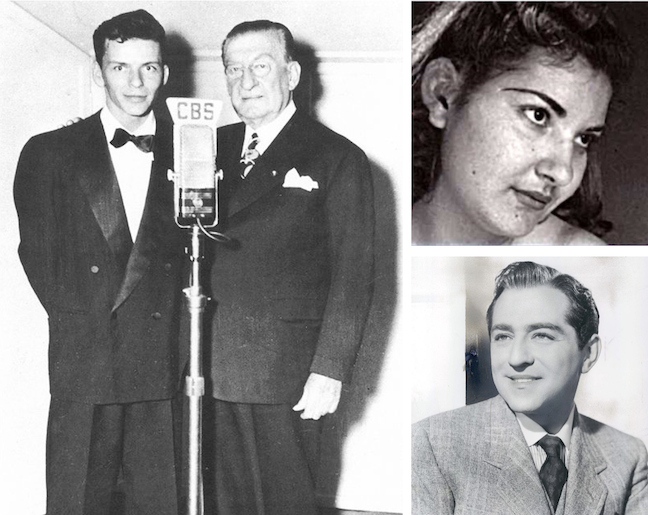
STARMAKER…Clockwise, from left: Major Edward Bowes and returning Amateur Hour performer Frank Sinatra in 1943; in 1935 eleven-year-old Maria Callas performed the Madama Butterfly aria “Un bel dì vedremo,” on the Amateur Hour; actor/baritone Robert Merrill performed on the show in 1936. (winnetoba.com/mariacallasestate.com/Wikipedia)

 * * *

Fleeing the Limelight

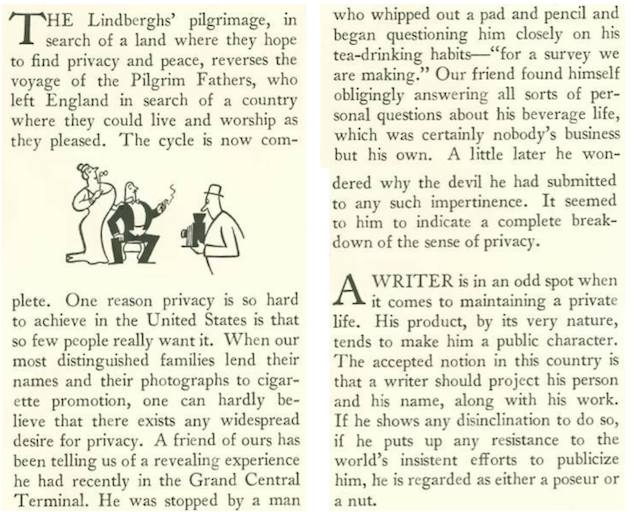
In December 1935 Charles and Anne Morrow Lindbergh secretly boarded a ship in New York and headed to England, seeking to escape the media frenzy that followed their son’s kidnapping and the subsequent trial. Thanks to connections through Anne’s family, they were able to move into a secluded estate in the Kent countryside. In his “Notes and Comment,” E.B. White explained:
HIDEOUT…From 1936 to 1938 Charles and Anne Morrow Lindbergh lived in a secluded English estate called “Long Barn.” The estate in County Kent was owned by a friend of Anne’s family. (waverlyhs.weebly.com)
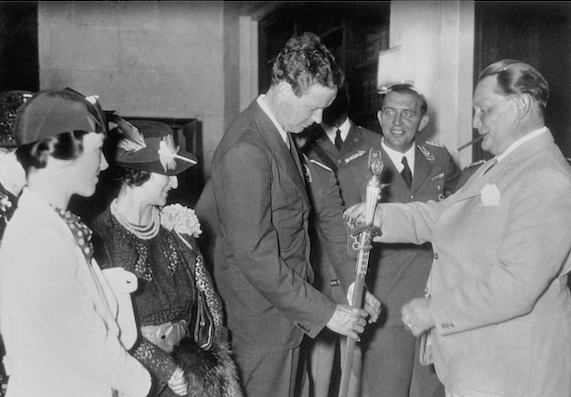
NOT HIS FINEST HOUR…In July 1936 Luftwaffe commander Hermann Goering (right) presented the Sword of Honor of the German Air Force to Charles Lindbergh during a visit to Berlin. Anne Morrow Lindbergh is to the far left. Goering would also present Lindbergh with a high-ranking Nazi-era civilian medal, the Service Cross of the German Eagle, during a 1938 visit. Anne presciently referred to the medal as “the albatross.” (Library of Congress)

According to White, Mayor Fiorello La Guardia cited lax police control of the media in the case of the fleeing Lindberghs. In turn, White attempted to explain the unique temperaments of Irish police officers.

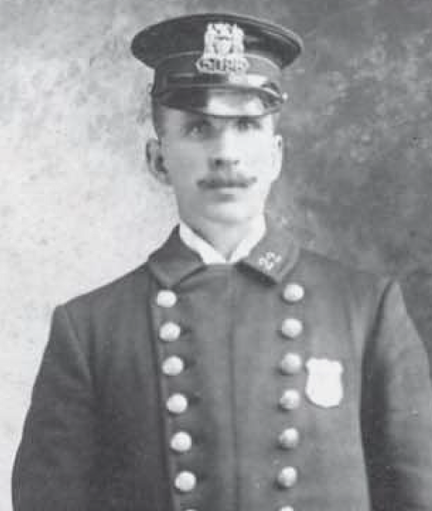
GIVE US A BREAK…E.B. White noted the courage and wisdom of Irish cops, but also found their lassitude “almost theatrical.” Pictured above is Irish immigrant Patrick Leddy, who joined the NYPD in 1910 and remained on the force for more than thirty-five years. (Courtesy of Margaret Fitzpatrick Leddy via nyirishhistory.us)

A final note on the Lindberghs from Howard Brubaker, a snippet from his “Of All Things” column.
 * * *

Italian Swashbuckler

The Italian fencer Aldo Naldi (1899-1965) won three gold medals and one silver at the 1920 Olympics before turning professional. According to West Coast Fencing, Aldo traveled Europe like a prizefighter, “competing in well-attended matches for cash purses…in a world of travel, glamour, drinking, womanizing, gambling and fencing, Aldo Nadi reigned supreme, going nearly eight years without a defeat.” “The Talk of the Town” was on hand for his American debut. Excerpts:
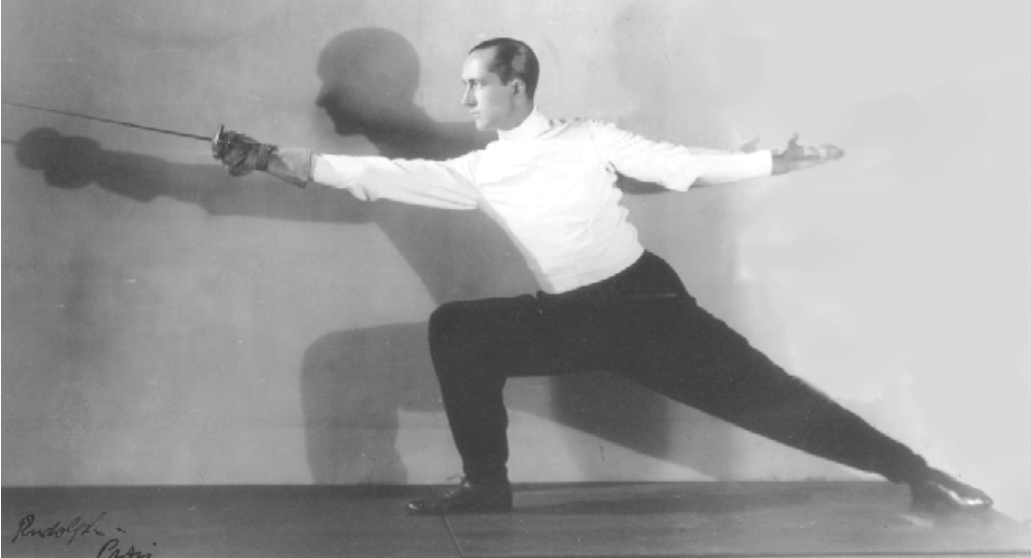
EN GARDE!…During the interwar years Aldo Nadi reigned supreme, going nearly eight years without a defeat. (dennishollingsworth.us)

“Talk” also examined the fuss being made over the Great Chalice of Antioch, which was on display at the Brooklyn Museum. Excerpts:
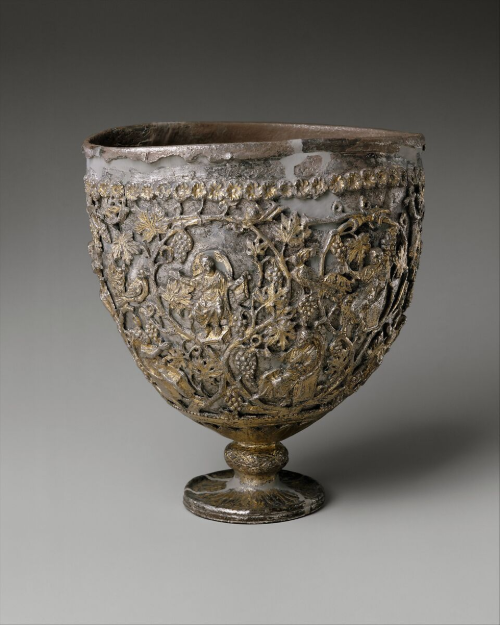
COULD IT BE?…Claimed to have been found in Antioch around 1900, this chalice’s plain silver bowl was ambitiously identified by some as the Holy Grail, the cup used by Christ at the Last Supper. It is displayed with the Metropolitan Museum’s Byzantium collection. (metmuseum.org)

* * *

Year, Schmear

To mark the New Year, Arthur Guiterman offered up one his humorous poems…
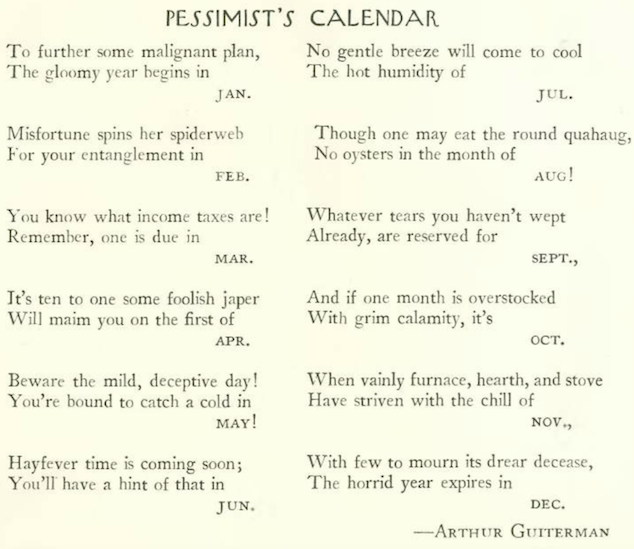
…Guiterman (1871–1943) was an early contributor to The New Yorker—the magazine’s very first issue, Feb. 21, 1925, featured the first installment of Guiterman’s recurring “Lyrics from the Pekinese,” which ran through the first eleven issues.
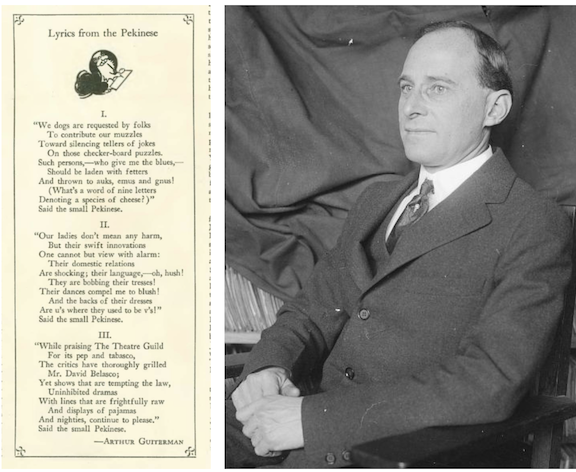
MEOW…Arthur Guiterman’s “Lyrics from the Pekinese,” featured in the first issue of The New Yorker. At right, Guiterman in an undated photo. (Library of Congress)

 * * *

Before He Was Spooky

Robert Benchley’s review of the stage began on a bright note with Victoria Regina, which starred Vincent Price as Prince Albert and Helen Hayes as Queen Victoria. Benchley praised the realism Price and Hayes lent to the production. Excerpts:
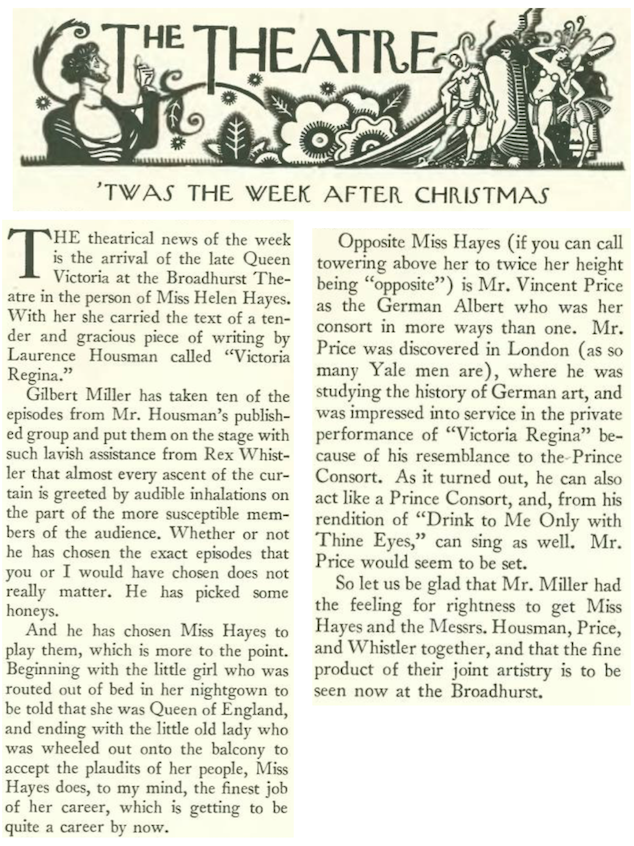
A MATCH MADE ON BROADWAY…The 24-year-old Vincent Price and the 35-year-old Helen Hayes portrayed Prince Albert and Queen Victoria in Victoria Regina, which ran for 203 performances at the Broadhurst Theatre. Robert Benchley thought their casting was ideal. (Pinterest)

Benchley also sat through George White’s latest Scandals revue, finding it similar to White’s older shows—beautiful showgirls, various singers and dancers, and assorted comedians—with Bert Lahr shining above it all.
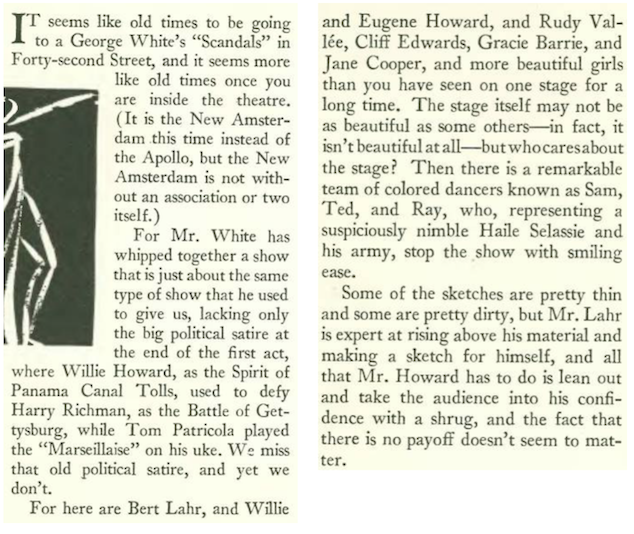
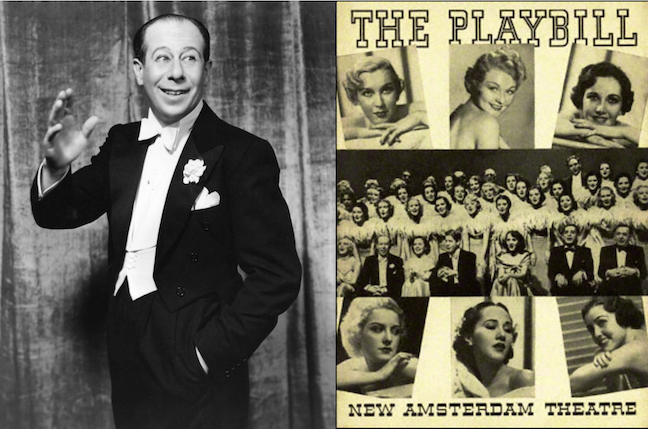
IT SEEMED LIKE OLD TIMES to Robert Benchley as he took in the latest edition of George White’s Scandals. Bert Lahr (left) was among the headliners for the 1936 revue, which ran for 110 performances at the New Amsterdam Theatre before taking to the road. (Wikipedia/Playbill.com)

 * * *

At the Movies

John Mosher had a busy week at the movies, finding “considerable pleasure” in the screen adaptation of Eugene O’Neill’s Ah Wilderness!…
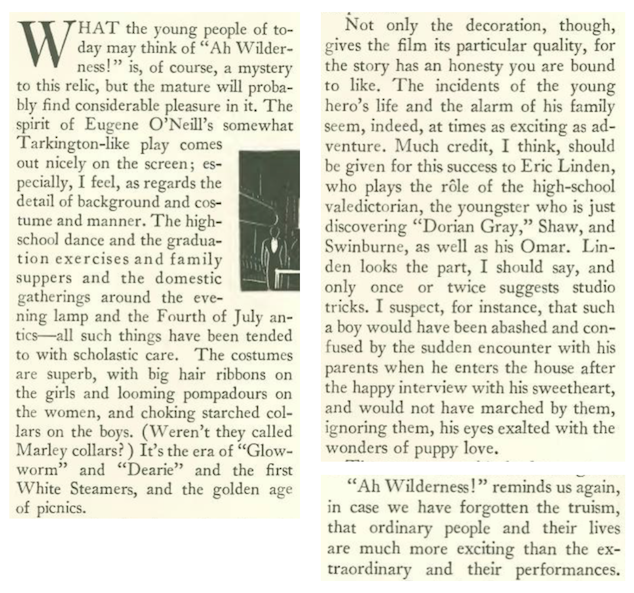
MILLER TIME…The Miller family attends a commencement ceremony that helps kick off the action in Ah Wilderness! From left, Aline MacMahon, Mickey Rooney, Spring Byington, and Bonita Granville. (IMDB)

Mosher also looked at films featuring leading actresses of the day—Barbara Stanwyck in Annie Oakley, Bette Davis in Dangerous, and Claudette Colbert in The Bride Comes Home.
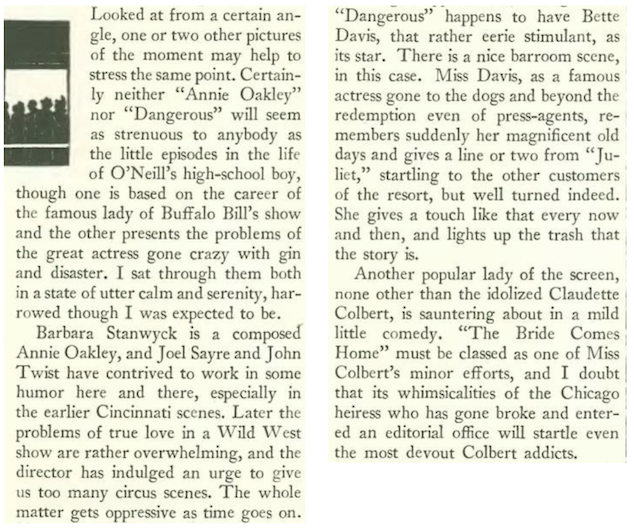
A TRIO OF TALENTS…Clockwise, from top left, Claudette Colbert had her hands full with Robert Young and Fred MacMurray in The Bride Comes Home; Barbara Stanwyck took aim in Annie Oakley; and Bette Davis portrayed a down-and-out actress with trouble on her mind in Dangerous. For her performance, Davis won the Academy Award for Best Actress. (laurasmiscmusings.blogspot.com/girlswithguns.org/vanguardofhollywood.com )

 * * *

Gaming the Games

In her “Paris Letter,” Janet Flanner noted the preparations for the Fourth Olympic Winter games to be held in Garmisch-Partenkirchen, Germany.
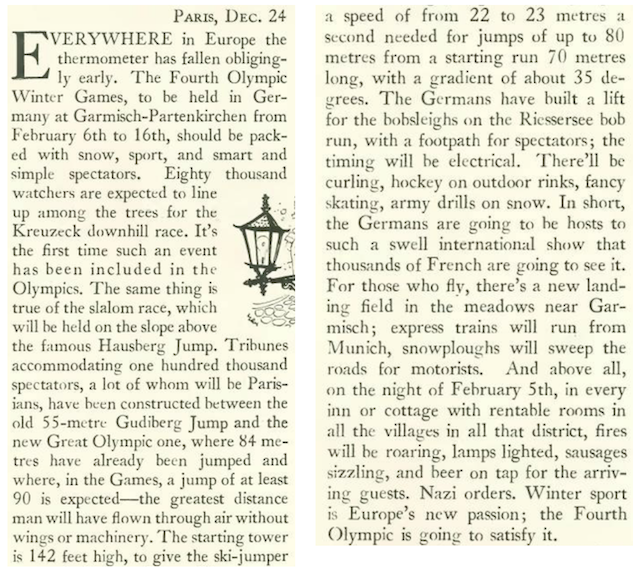
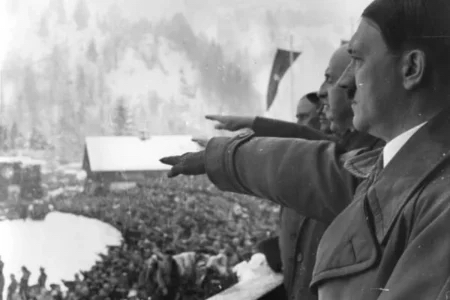
WINTER HAS ARRIVED…Adolf Hitler and his fellow Nazi thugs brought a certain chill to the 1936 Winter Games in Garmisch-Partenkirchen. Garmisch and Partenkirchen were separate communities until Hitler forced them to merge in anticipation of the games. (arolsen-archives.org)

 * * *

From Our Advertisers

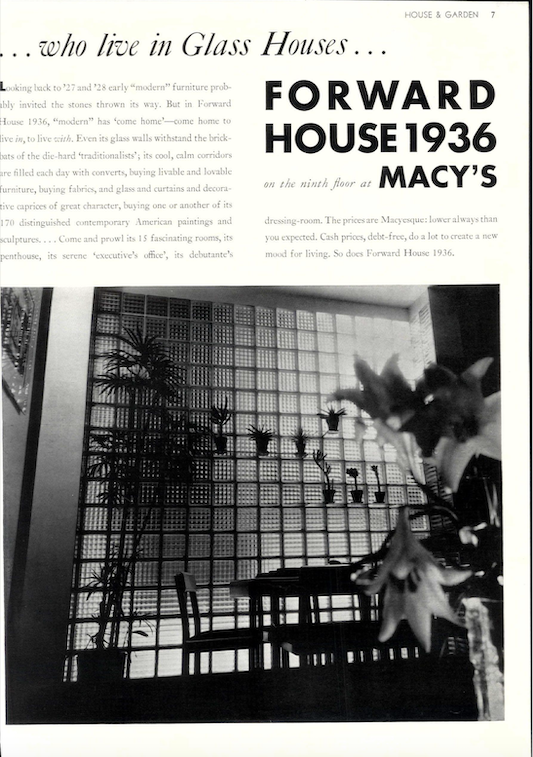
From 1933 to 1939, Macy’s hosted a series of unique design exhibitions under the title “Forward House” that showcased contemporary furniture, decor, and architectural ideas…

…for reference, here is another “Forward House” advertisement from the February 1936 House & Garden magazine…
…the folks at Robbins Island Oysters employed the legend of Giacomo Casanova to market their tasty little rocks…apparently Casanova claimed that he consumed more than fifty oysters each morning to sustain his amorous adventures…

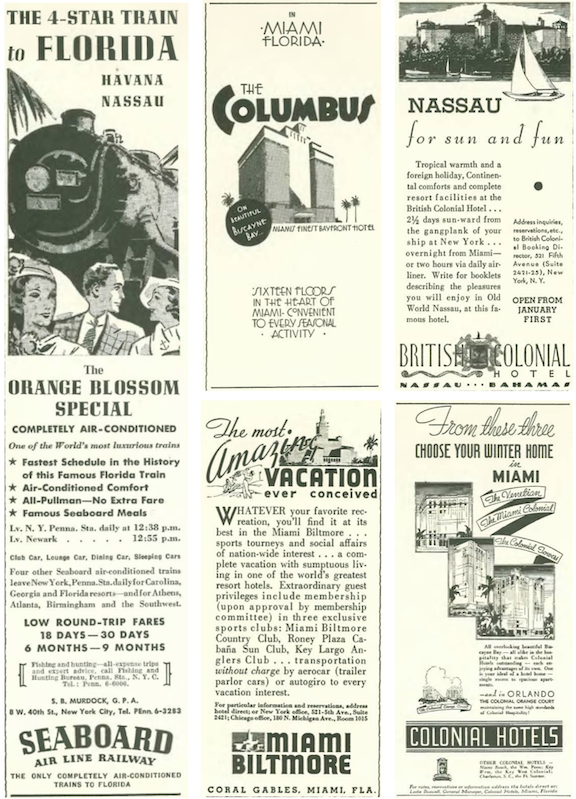
…with the holidays over, the number of ads decreased significantly, leaving readers with a mere sixty pages—less than the half the length of the fat pre-Christmas editions…the theme in the Jan. 4 issue was travel to warmer climes, these examples culled from several back of the book pages…
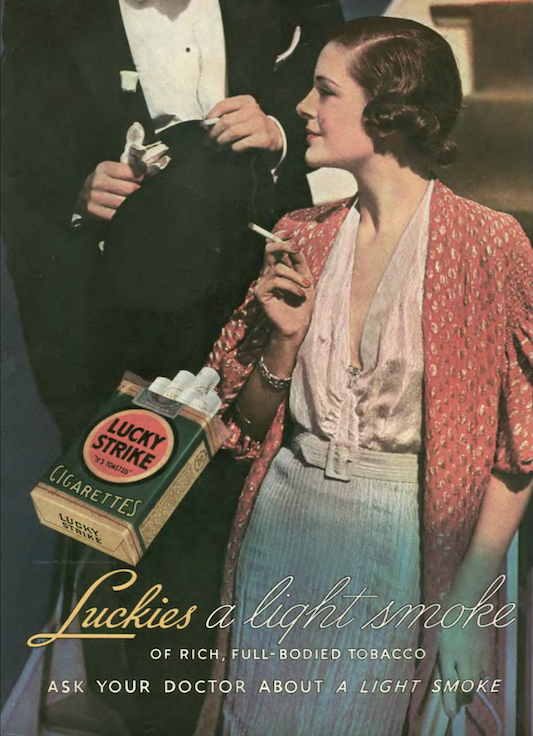
…the end of the holiday season did not stop tobacco companies from taking out lavish full-page advertisements targeting women smokers, this one gracing the back cover…note the implied medical endorsement at the bottom…
…we clear the air and move on to our cartoonists, beginning with spot drawings by D. Krán

…and Christina Malman

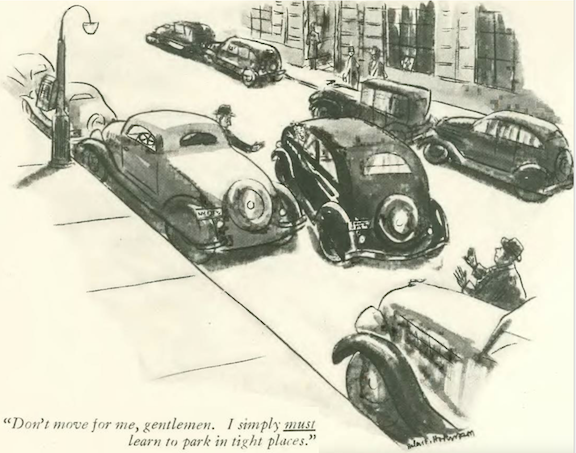
…one of Helen Hokinson’s girls sought an impromptu parking lesson…
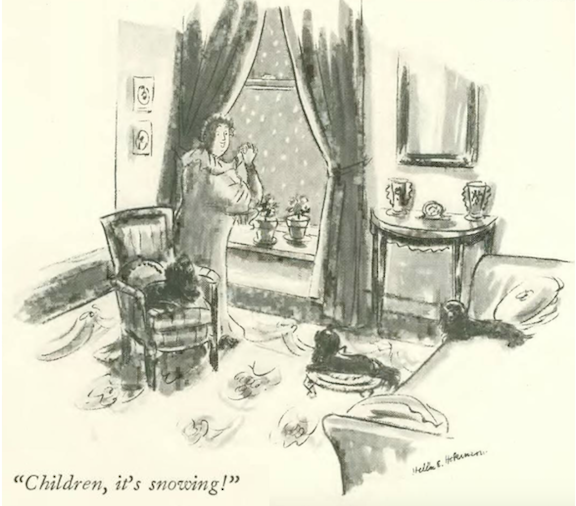
…while another welcomed winter with her furry charges…
Whitney Darrow Jr gave us a full-service information booth…

Mary Petty illustrated a dowager with simple tastes…

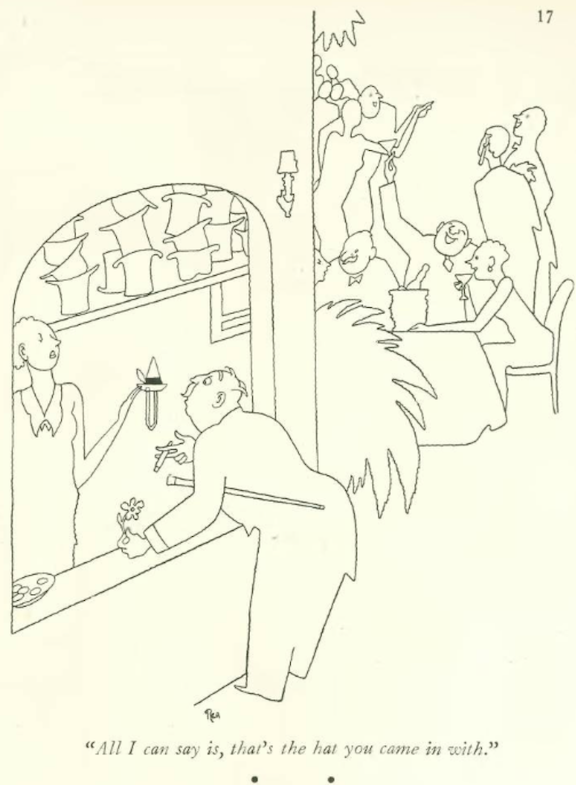
Gardner Rea was confounded at the hat check…
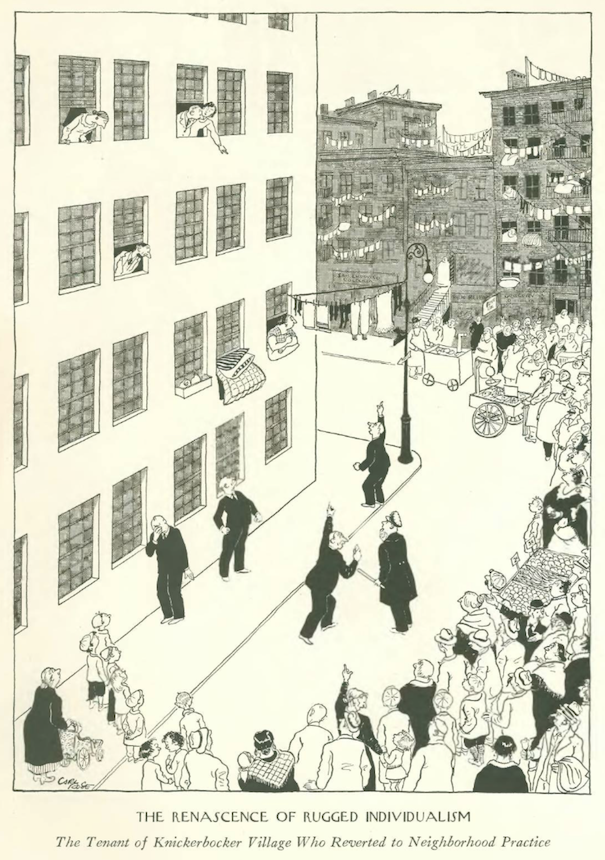
Carl Rose offered up another example of rugged individualism…
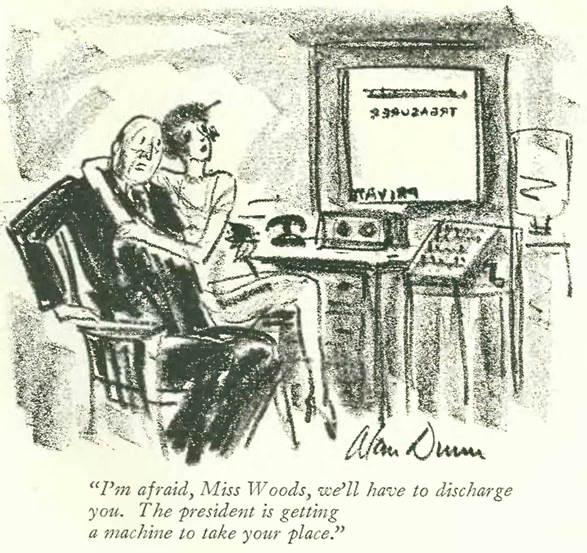
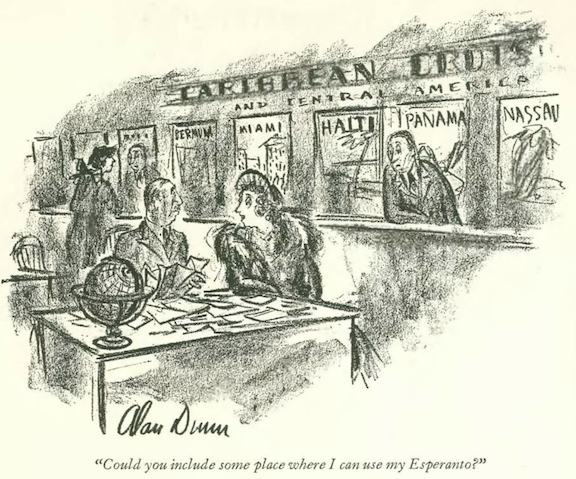
Alan Dunn served up a unique language challenge…
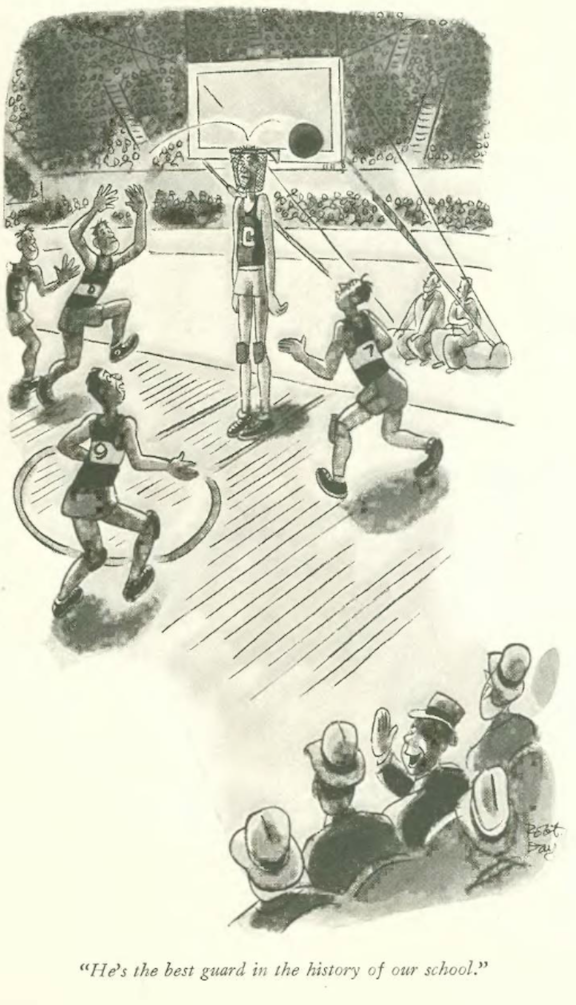
Robert Day stood tall at a basketball game…
William Crawford Galbraith was horsing around…

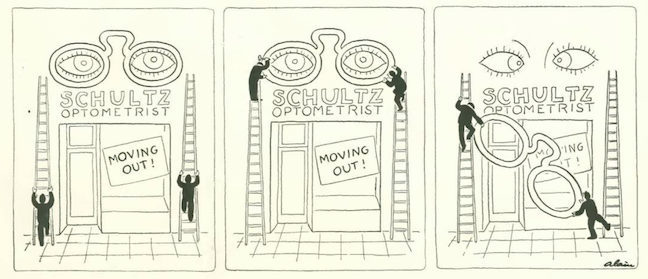
Alain looked crosseyed at a store closing…
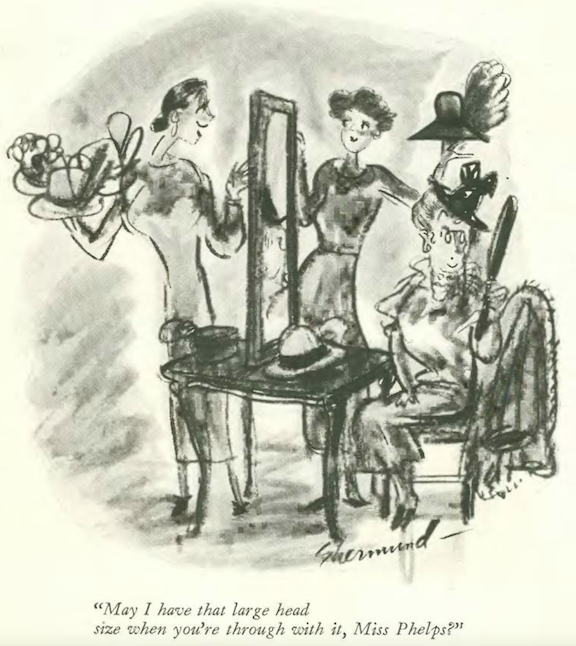
…and we close with Barbara Shermund, who sized up things at a hat shop…
Next Time: Obsessed at the Movies…
The High Place

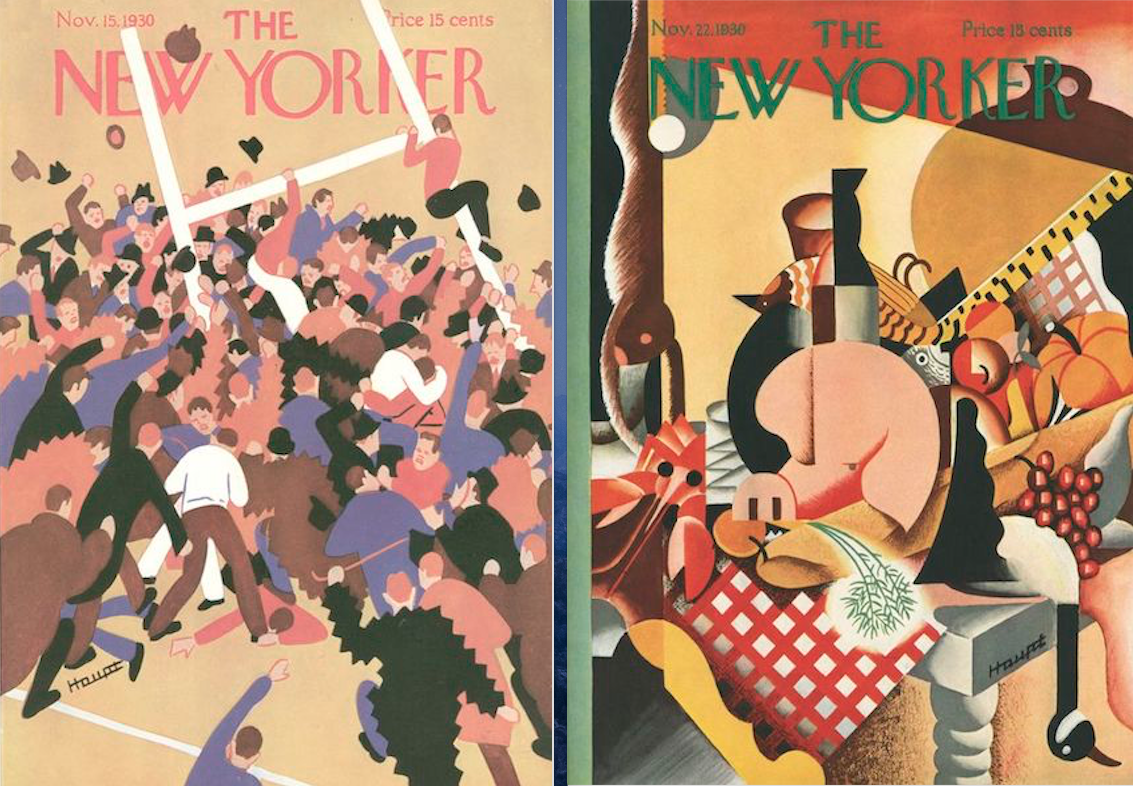
For this installment we look at two issues, Nov. 15 and 22, both featuring covers by Theodore Haupt that celebrated two autumn rituals: football and Thanksgiving.

Let’s begin with the Nov. 22 issue, which climbed to the highest place in Manhattan — no, not the Chrysler Building, but the nearby Empire State Building — with E.B. White admiring the commanding view:

Before the Empire State Building could go up, the old Waldorf-Astoria hotel had to come down. As White observed, the old hotel was built so soundly that it was too costly to deconstruct and salvage. Most of it ended up on the bottom of the ocean.

DOWN IN DAVY JONES’ LOCKER lie the remains of the old Waldorf-Astoria Hotel, which stood for just 36 years before it was razed to make room for the Empire State Building. At right, one of the hotel’s lobbies, and the Grand Ballroom. (nyc-architecture.com/Pinterest)
A LOT OF HOT AIR…Top images: The fabled “mooring mast,” described by E.B. White in his New Yorker brief, as imagined in composite images (old-time Photoshop). In reality, the morning mast never worked; bottom right, a cutaway view of the mast featured in Popular Mechanics; bottom left, New York Times photo from March 22, 1931, announcing the completion of the Empire State Building, just 17 months after the Waldorf-Astoria began coming down. (Keith de Lellis Gallery, rarehistoricalphotos.com/Google Books/The New York Times)
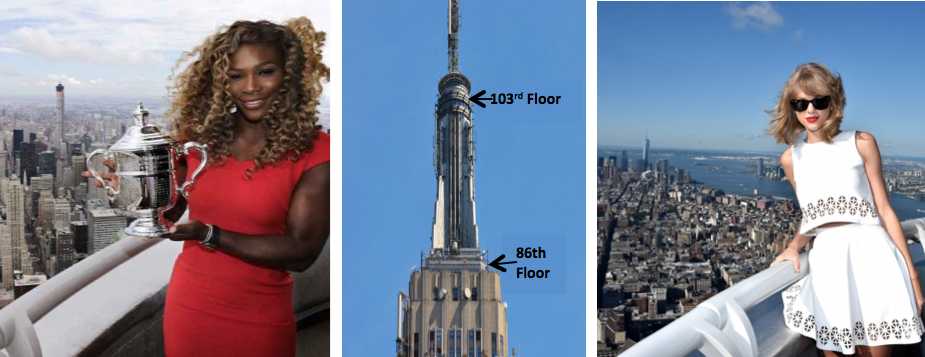
SURVEYING THEIR KINGDOM…Most visitors to the Empire State Building can only go as high as the 86th floor observation deck. However, if you are a VIP like Serena Williams or Taylor Swift, you can get your picture snapped on the 103rd. (Associated Press/Empire State Building/Evan Bindelglass, CBSNewYork)

*  *  *

Sore Winner

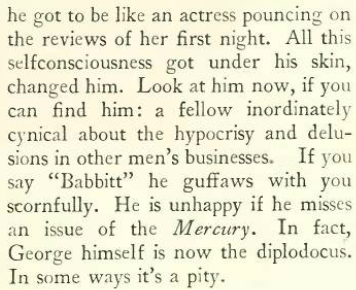
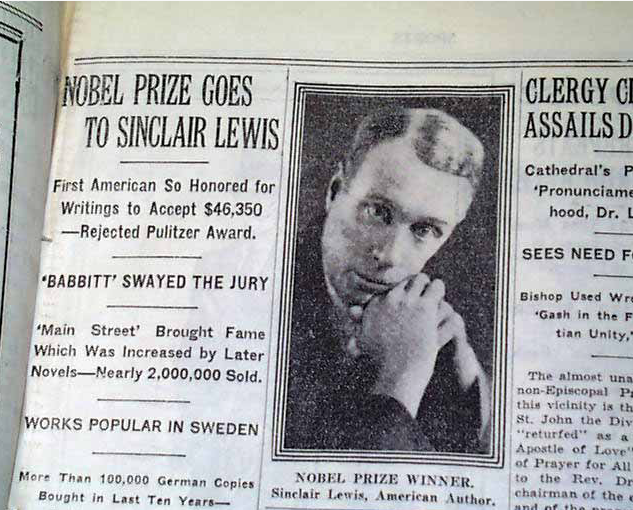
Sinclair Lewis famously declined the Pulitzer Prize for his 1925 novel Arrowsmith, upset that his 1920 novel Main Street had not previously won the prize. But when the Swedish Academy came calling with a Nobel Prize in Literature in 1930, he happily accepted. According to “The Talk of the Town,” this award also seemed a bit tardy, since Lewis’s small town booster archetype, George F. Babbitt, did not fit the dour days of the Great Depression. But it turned out that the 1922 novel Babbitt was ultimately what swayed the Nobel jury:

BOOST FROM A BOOSTER…George F. Babbitt helped make Sinclair Lewis famous, and landed him a Nobel. (NYT, NOVEMBER 6, 1930)

 *  *  *

Not So Sweet

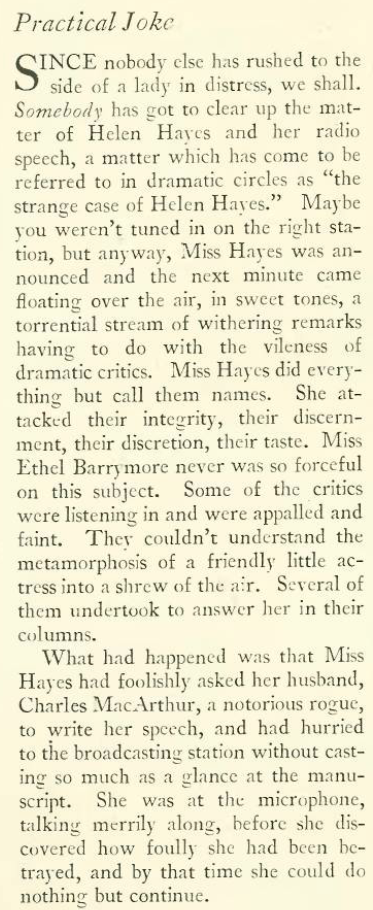
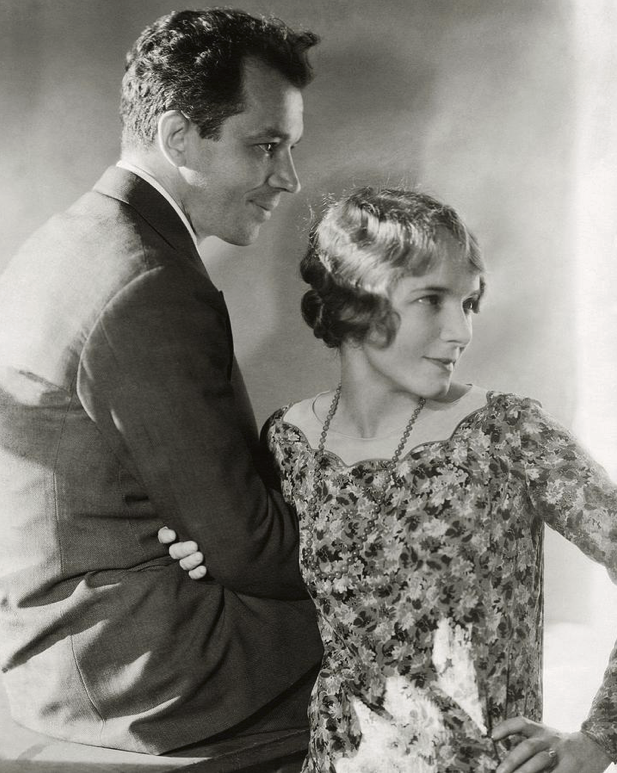
Those of a certain age might remember Helen Hayes as a sweet old lady who appeared on a number of TV shows in the 1970s and 80s, or as the mother in real life of James MacArthur, Disney teen star and later the portrayer of Danny “Book ’em Danno” Williams on the original Hawaii 5-0 TV series. Hayes was married to playwright Charles MacArthur, and “The Talk of the Town” takes it from there…

CREATIVE TYPES…The engaged couple Charles MacArthur and Helen Hayes posed for photographer Edward Steichen for this Jan. 1, 1929 image featured in Vanity Fair magazine. (Condé Nast)

 *  *  *

Ain’t It Grand

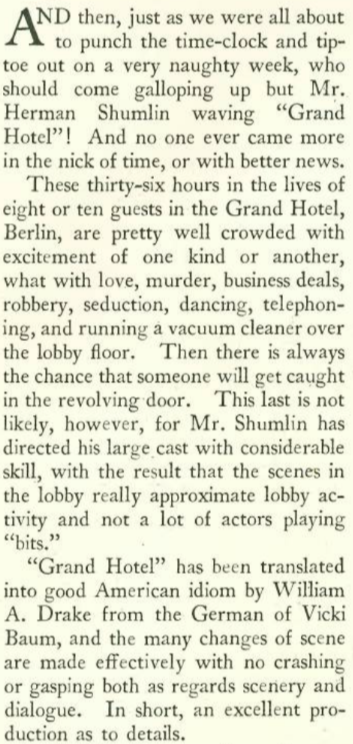
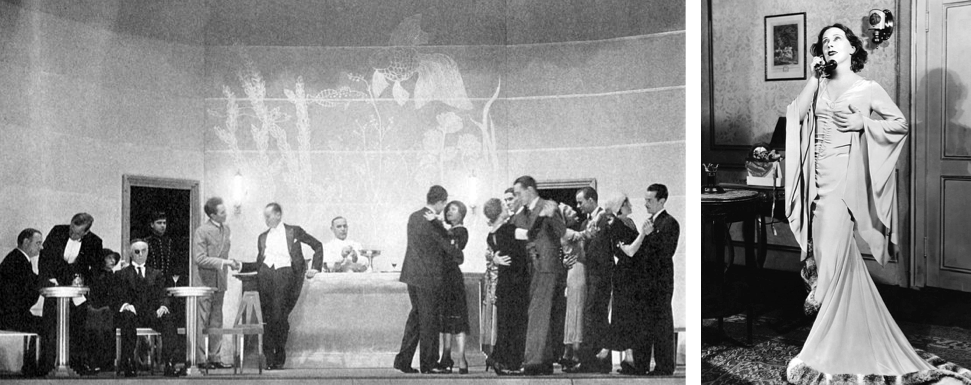
Grand Hotel opened at the National Theatre on Nov. 13, 1930 to strong reviews, including the one below by Robert Benchley that he filed for The New Yorker. The play, adapted from the 1929 novel Menschen im Hotel by Austrian writer Vicki Baum, would prove to be a smash on Broadway and again on the silver screen in a star-studded 1932 film featuring Greta Garbo, John Barrymore, and Joan Crawford.

THE STARS ALIGN…Left, promotional photograph of the original Broadway production of Grand Hotel. At right, Eugenie Leontovich portrayed fading Russian ballerina Grusinskaya in the play. The role would go to Greta Garbo in the 1932 film adaptation. (Theatre Magazine, February 1931/Wikipedia)

…and while we are on the subject of Broadway, the theater review section also featured this Al Frueh illustration promoting a noted production of Twelfth Night at the Maxine Elliott…

Program for the production featuring Jane Cowl. (Playbill)

 *  *  *

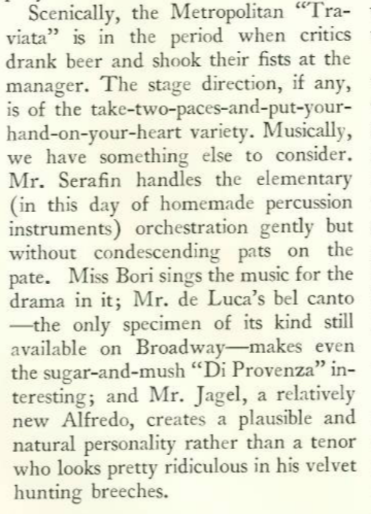
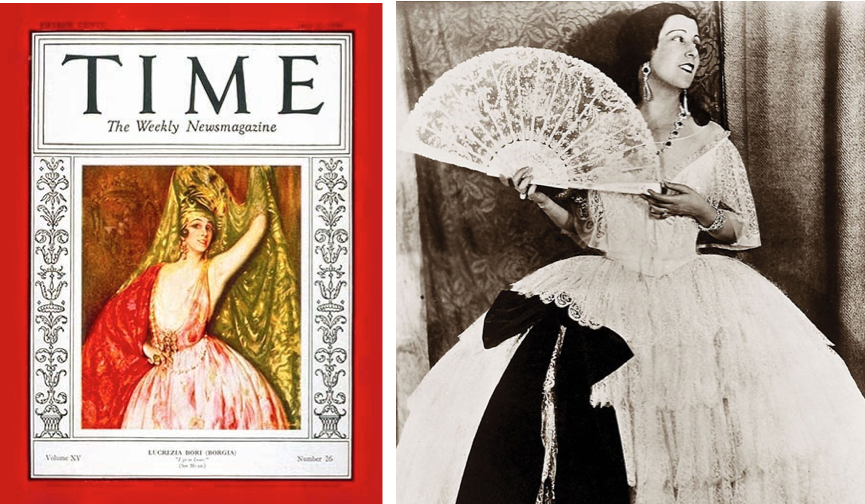
There were also big doings at the Met, where Spanish lyric soprano Lucrezia Bori (1887-1960) wowed audiences with her portrayal of Violetta in La Traviata.

SHE HAD SOME PIPES…right, lyric soprano Lucrezia Bori on the cover of the June 30, 1930 edition of Time magazine. At right, promotional photo of Bori circa 1930. (Time/Wikipedia)

 *  *  *

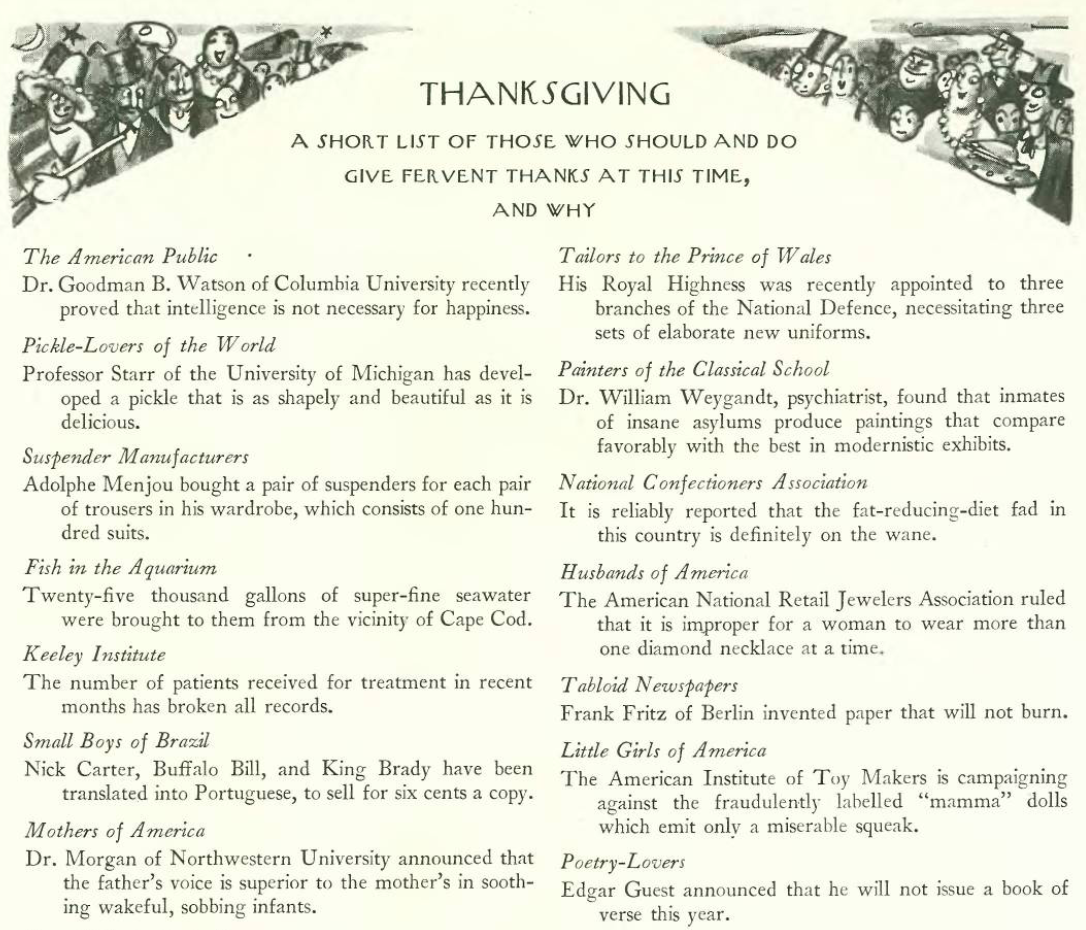
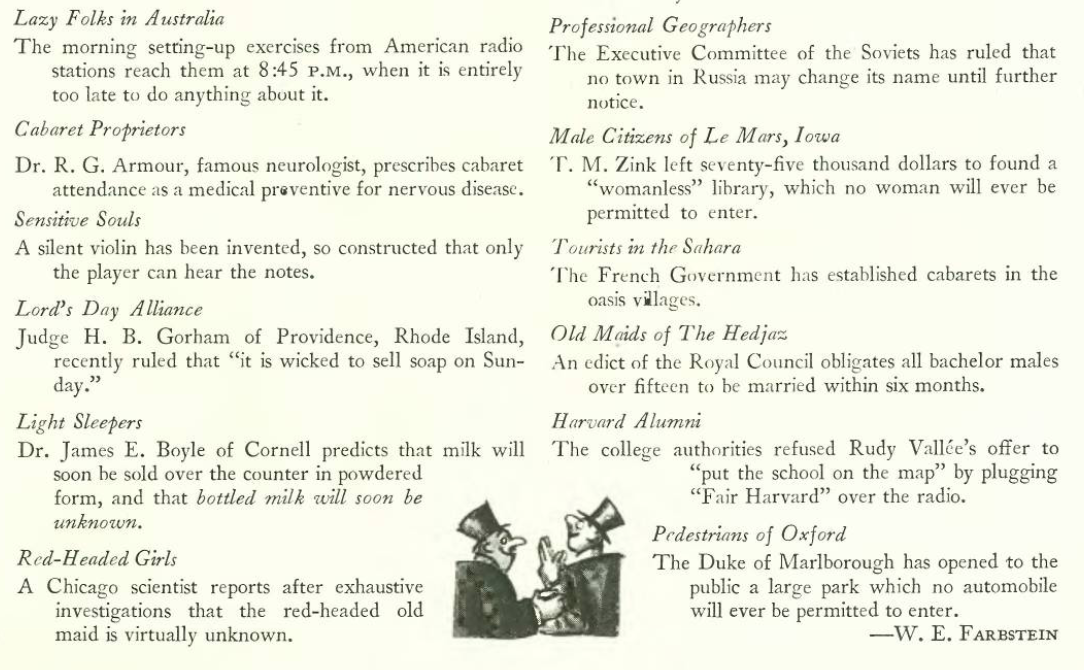
Bounty of Blessings

Humorist W. E. Farbstein gave readers plenty to be thankful for in this tribute to the Thanksgiving holiday…

 *  *  *

From Our Advertisers

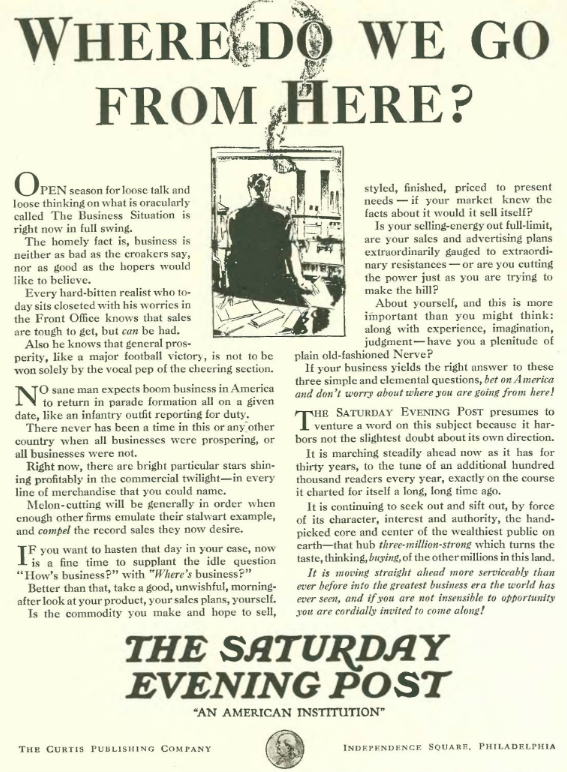
Occasionally advertisements acknowledged the reality of the Great Depression, including this one from The Saturday Evening Post that offered encouraging words to prospective readers…

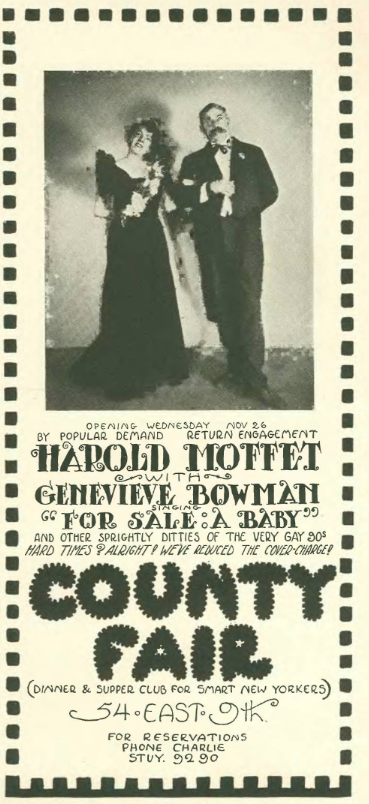
…County Fair, a Greenwich Village country-themed nightclub, offered the diversion of Moffatt and Bowman to take audiences’ minds off of hard times…

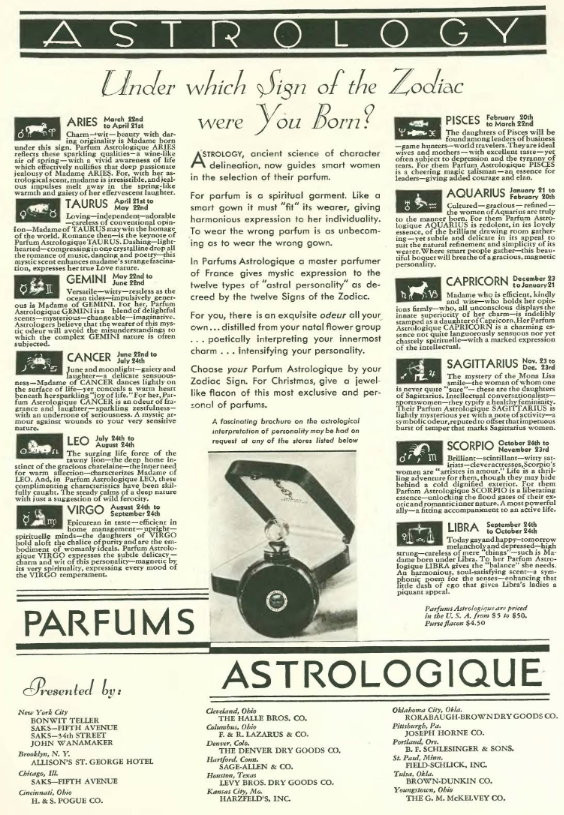
…and for all the supposed sophistication of New Yorker readers, there were still plenty of back page ads offering nostrums laced with superstition…

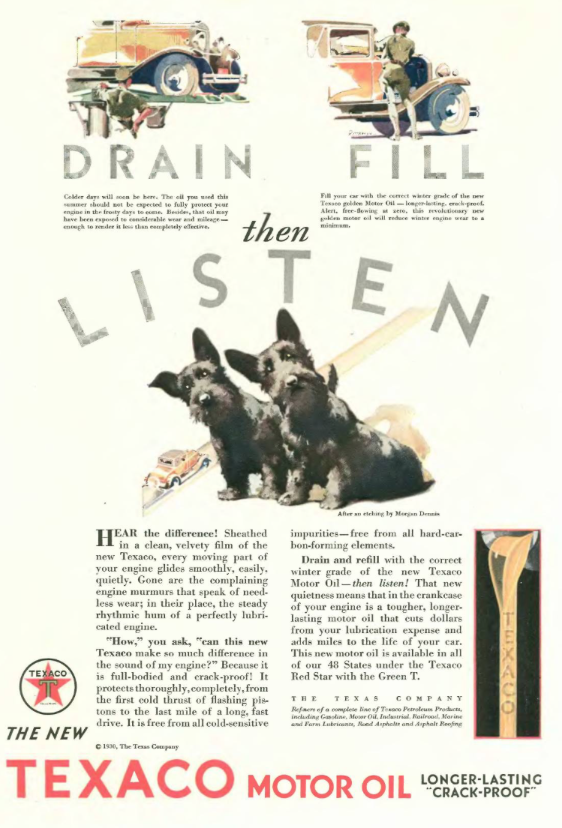
…some of the more colorful, spritely ads from the era were offered up by the producers of Texaco Motor Oil…

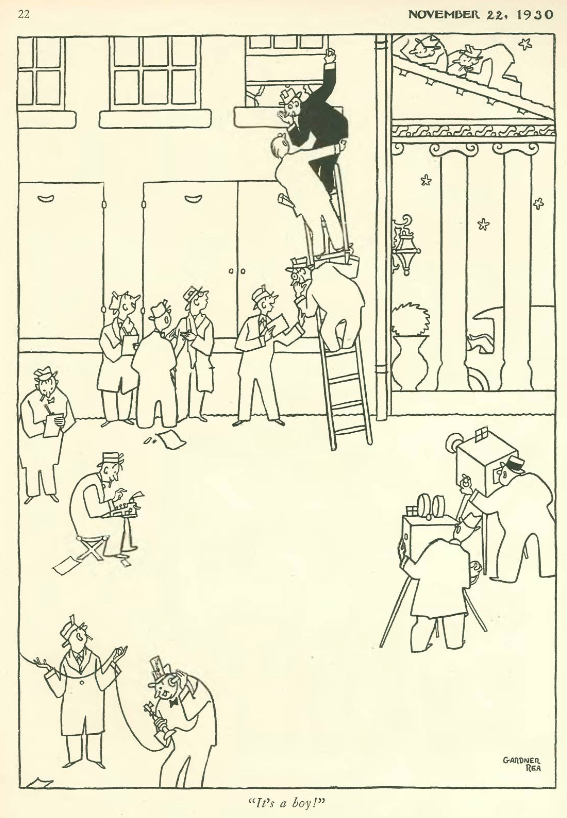
…our cartoons are by Gardner Rea

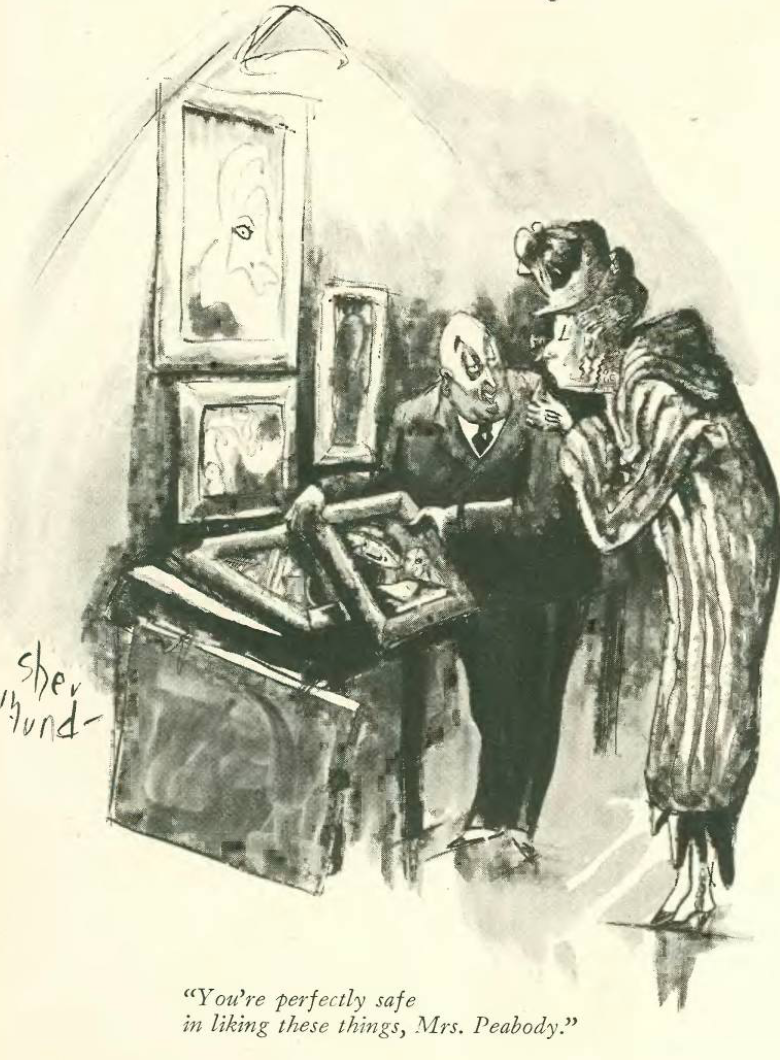
Barbara Shermund

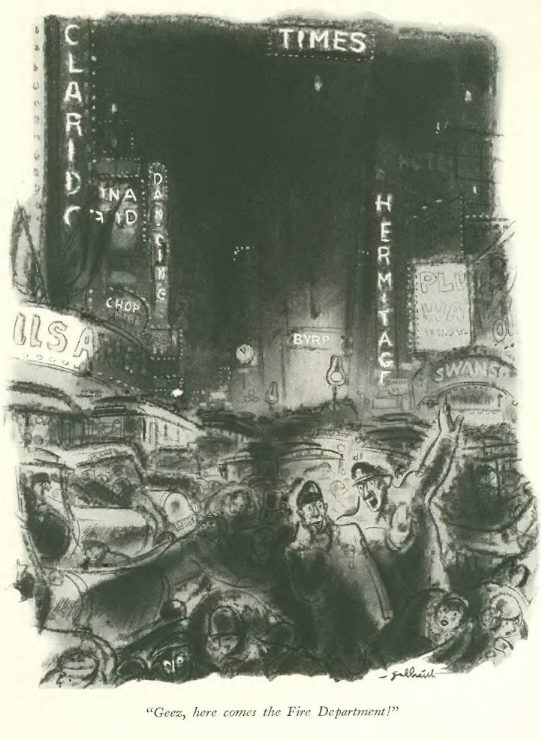
William Crawford Galbraith

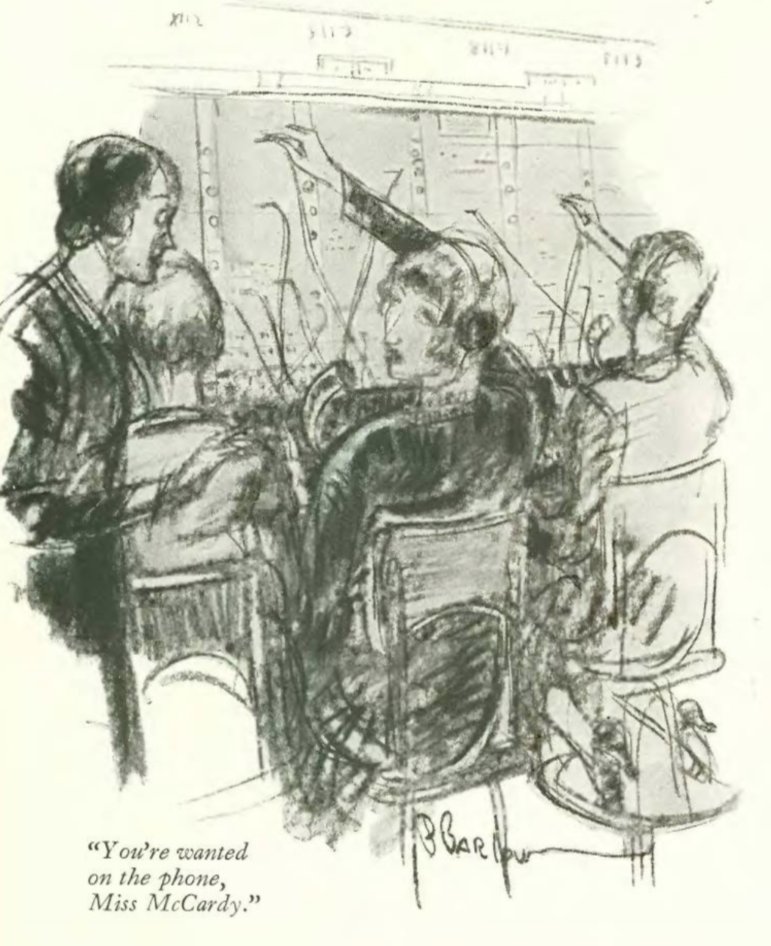
…and Perry Barlow

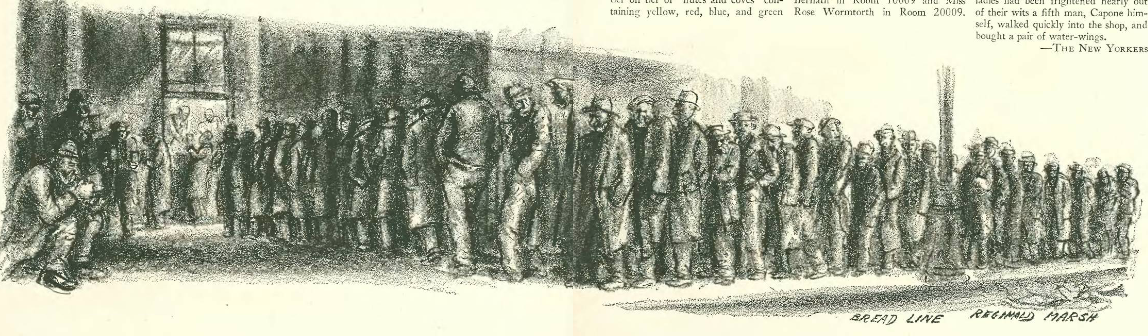
…and for another reminder of reality in the city, this sketch that ran along the bottom of “The Talk of the Town,” by Reginald Marsh

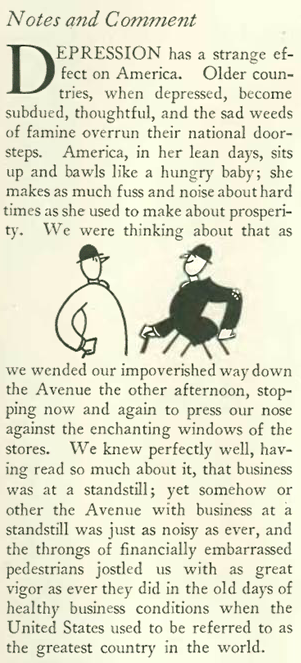
…and now we step back to the Nov. 15 issue, where E.B. White offered a less somber take on the Great Depression…

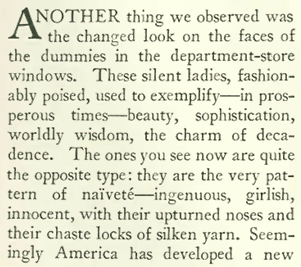
…White also noted a change on the faces of storefront mannequins…

YIN AND YANG…The worldly pose of a Roaring Twenties mannequin, and a more wholesome look for the leaner times in the 1930s. (Pinterest)

 * * *

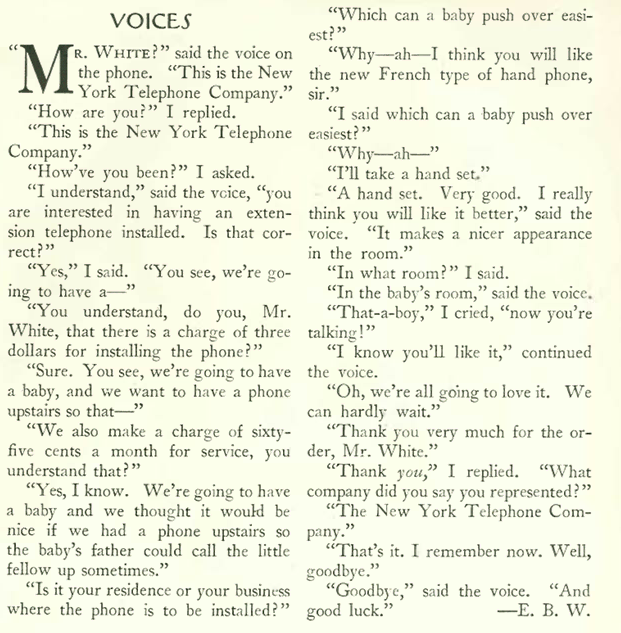
Playing Telephone

Long, long before cell phones, telephones were heavy stationary devices that required a certain amount of planning before installation, as E.B. White explains:

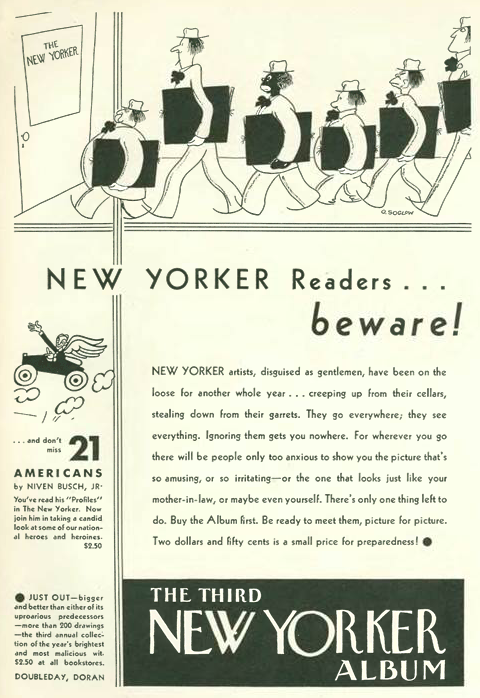
On to our Nov. 15 ads, we have this announcement for The Third New Yorker Album…with illustration by Otto Soglow

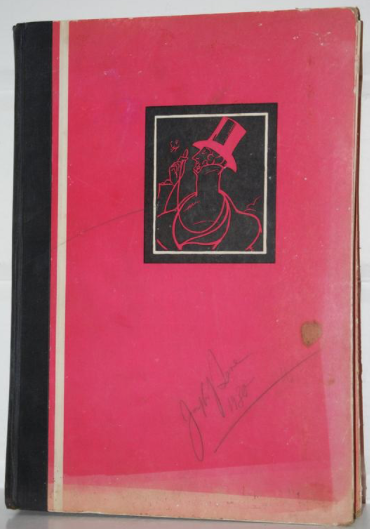
…here is what the album looked like…

…and a couple of inside pages…

(Etsy)

…one of the contributors to the album was Rea Irvin, founding illustrator for The New Yorker, here doing some business with Murad cigarettes…also another Flit insecticide ad by Dr. Seuss

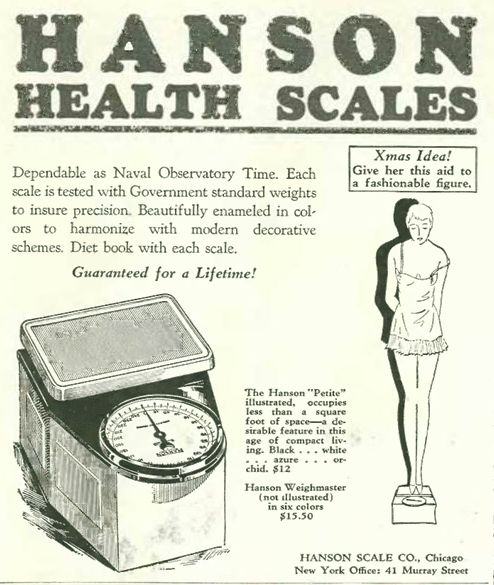
…Christmas ads began appearing in the magazine, including this one for Hanson scales…pity the poor chap (and his wife) who actually thought this might be a suitable present for Christmas, or any occasion for that matter…

…and with Prohibition still in force, advertisers found other uses to promote their products…

…on to our cartoons, Leonard Dove illustrated a couple who didn’t get away with the ruse…

… Alan Dunn depicted what was considered typical office behavior in the 1930s…

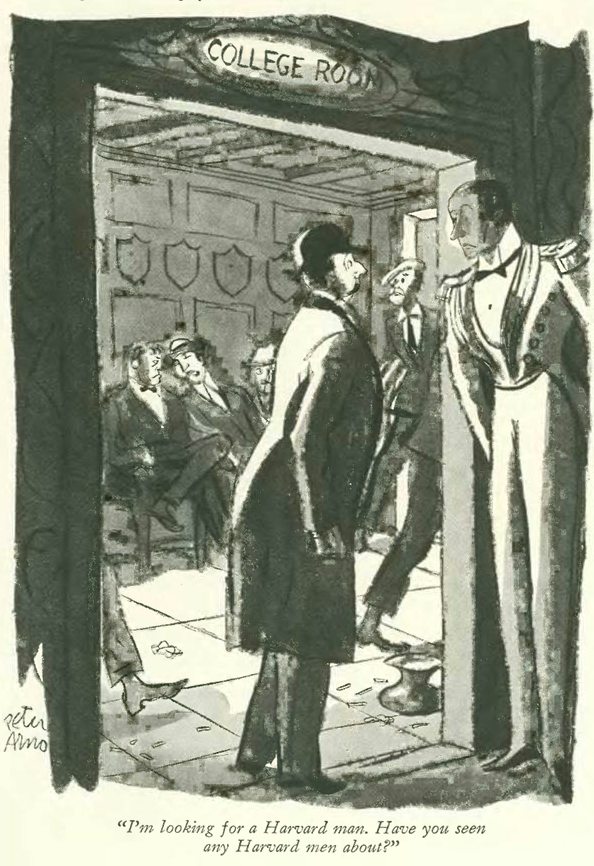
...Peter Arno visited the Harvard Club…

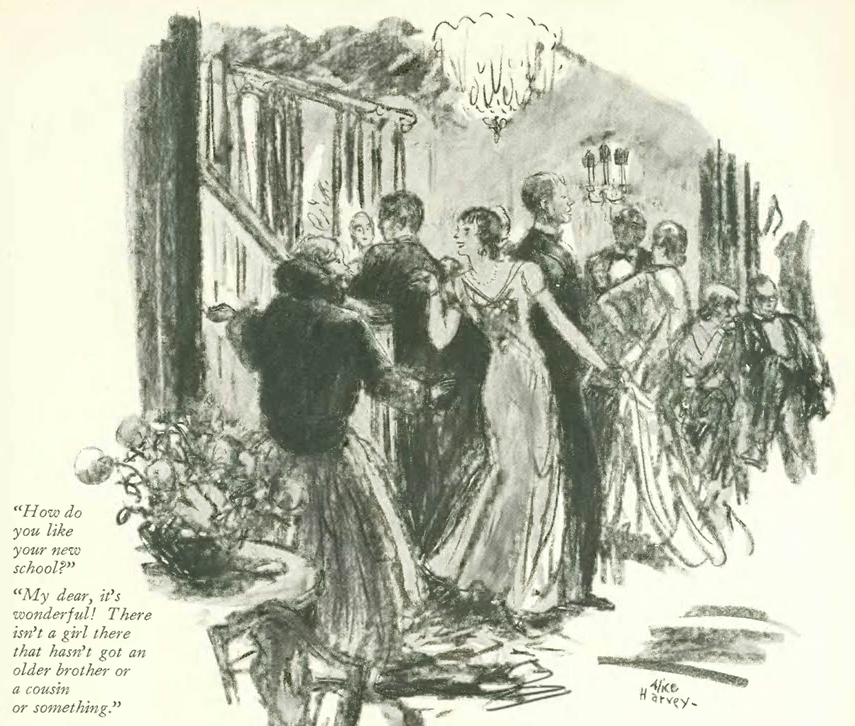
Alice Harvey also explored the college scene…

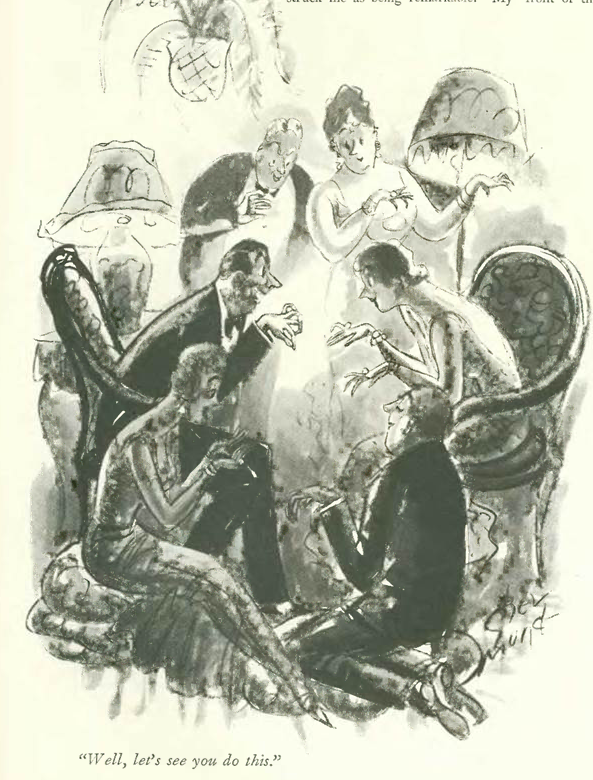
…some parlor games with Barbara Shermund

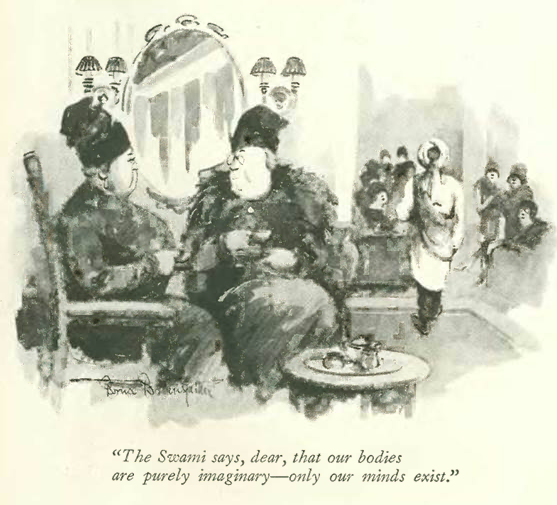
……Bruce Bairnsfather, and some existentialist chat at tea time…

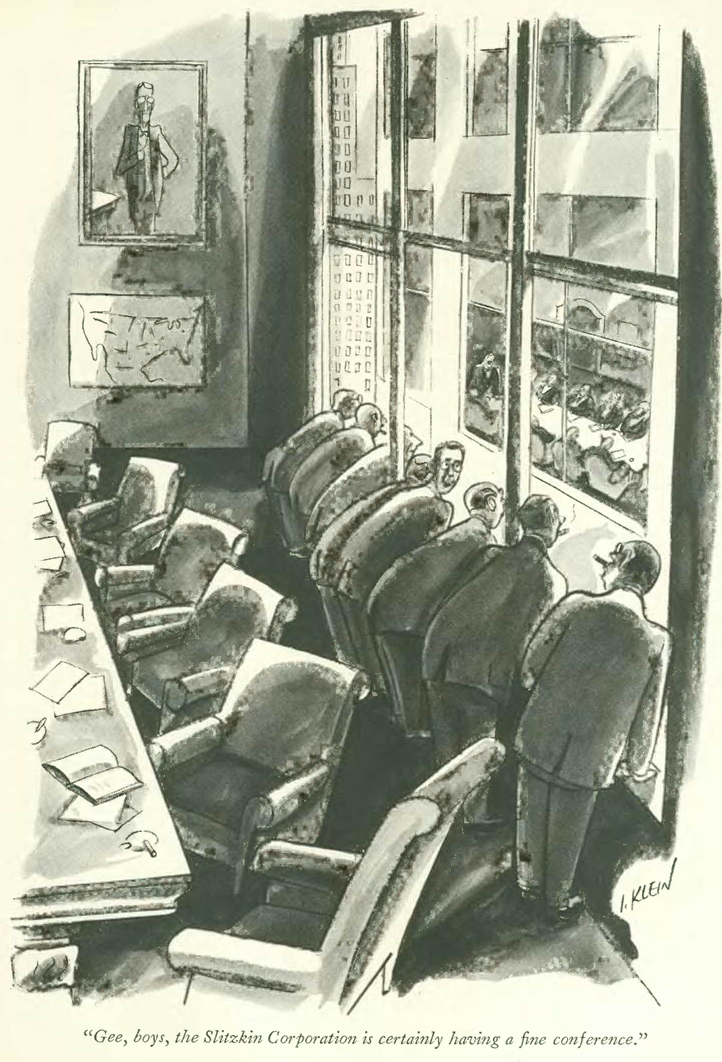
…and we close with Isadore Klein, and the world of corporate competition…

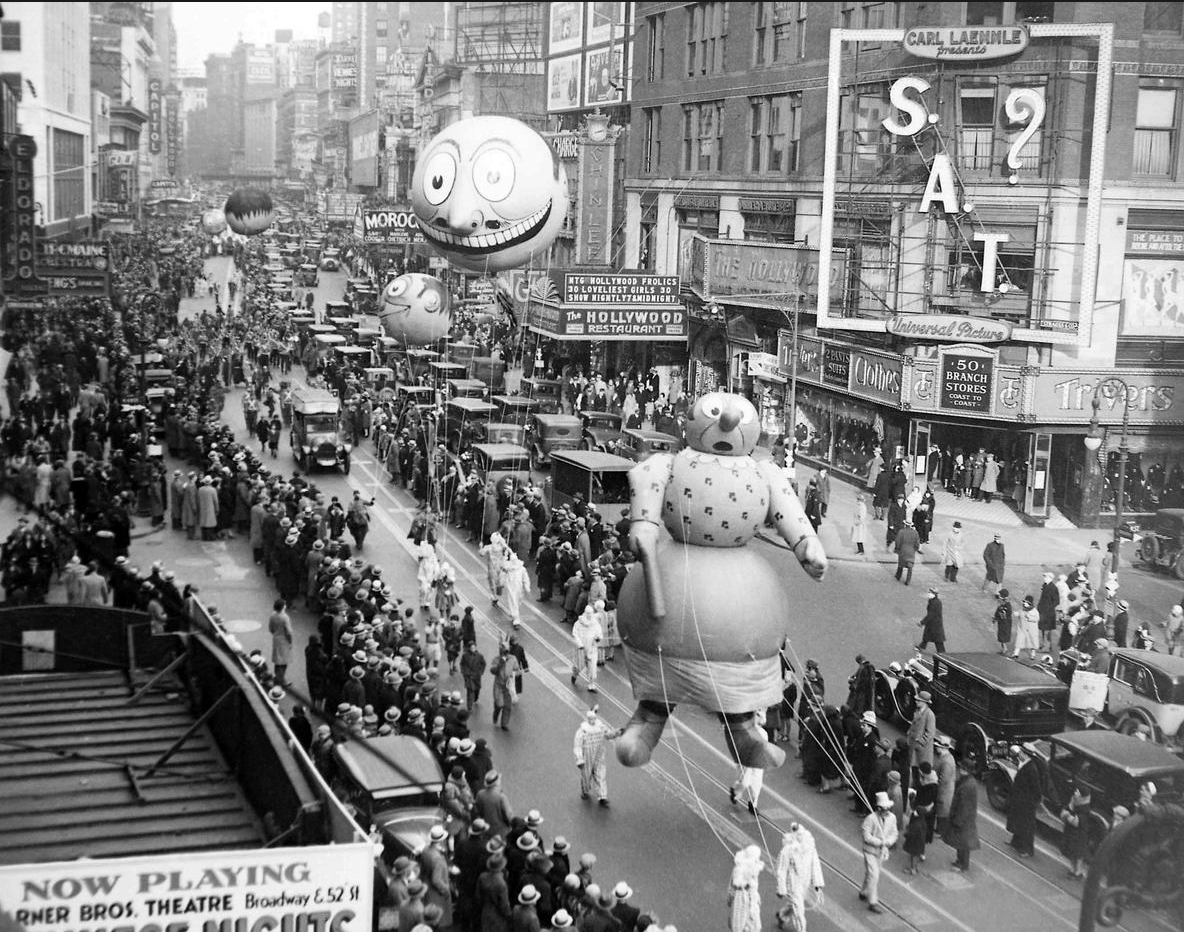
…and a Happy Thanksgiving, from the Macy’s Thanksgiving Parade 89 years ago, Nov. 27, 1930…

(CBS/Associated Press)

Next Time: The Future Was a Silly Place…