Age of the Talkies

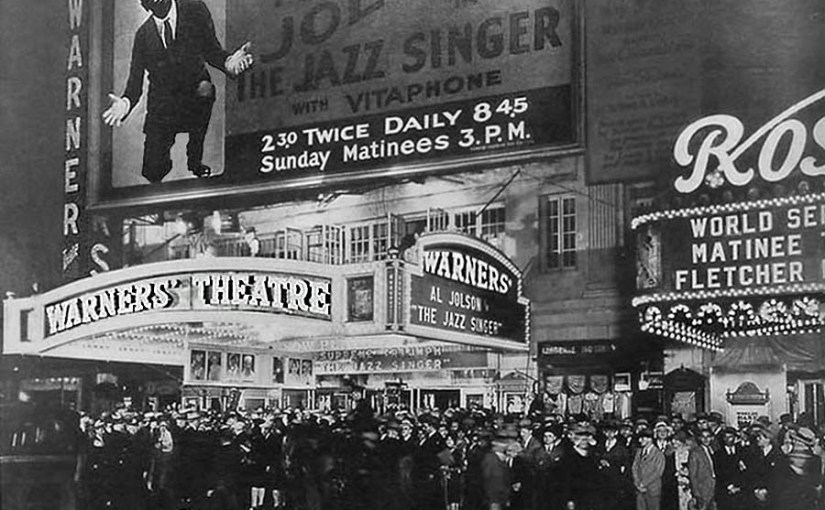
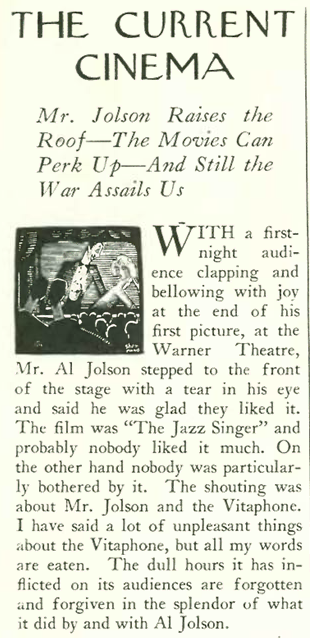
The Oct. 15, 1927 issue featured the premiere of the film The Jazz Singer. Although The New Yorker found the story a bit dull, it also recognized that the film’s use of sound marked a significant turning point in the short history of cinema.

cca81fb3c6aeb61c01f52c8dc5c3c05b
October 15, 1927 cover by Theodore G. Haupt.

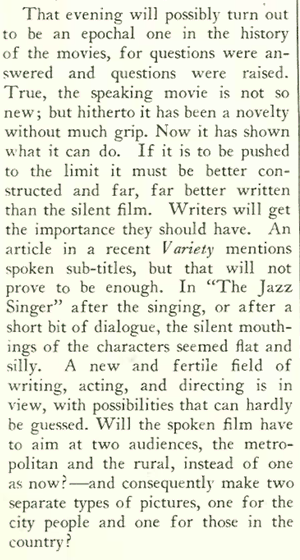
The Jazz Singer was not the first film to employ sound, but as the New Yorker review pointed out, it was the first to effectively use synchronized sound (the industry standard Vitaphone technique) in a way that improved the motion picture.

The film featured only two minutes worth of sound dialogue, so most of the spoken lines were still presented on intertitle cards commonly used in silent films. But it was Al Jolson’s recorded voice, belting out popular tunes including “Toot, Toot, Tootsie,” that really wowed audiences. At the end of the film Jolson himself appeared on stage before an audience “clapping and bellowing with joy”…
jazz-siner-1

jazz-singer2

jazz_singer_f
IT SINGS! IT TALKS!!!…Al Jolson as Jack Robin and Eugenie Besserer as his mother, Sara Rabinowitz, in The Jazz Singer. One attendee at the premiere recalled that when Jolson and Besserer began their dialogue scene, “the audience became hysterical.” (wired.com)

It is interesting that as early as 1927, and even with the relatively crude sound of Vitaphone, The New Yorker was already predicting the advent of a new kind of star (and the decline of the stage actor)…

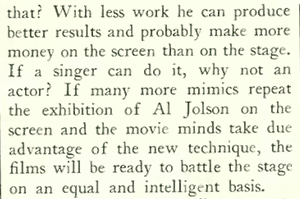
screen-shot-2016-12-09-at-12-26-53-pm

screen-shot-2016-12-09-at-12-27-04-pm

VitaphoneDemo
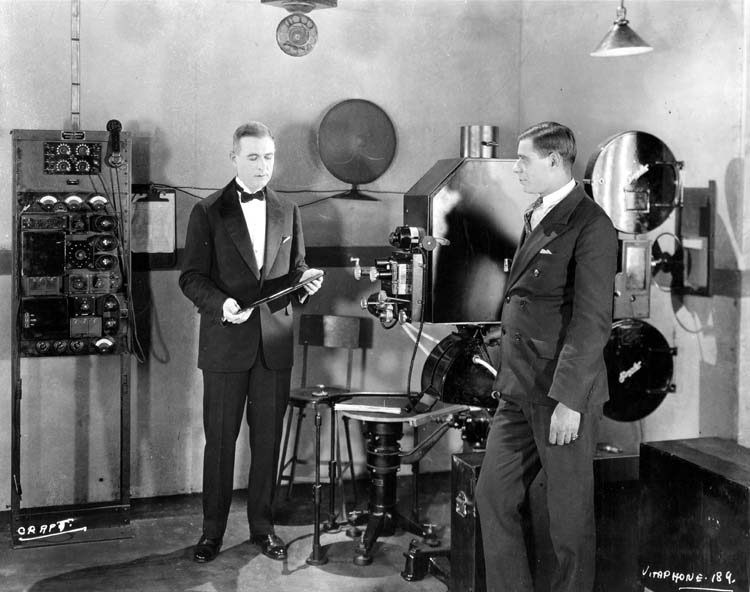
BLACK TIE EVENT…A Vitaphone projection setup at a 1926 demonstration. Western Electric engineer E. B. Craft, left, is holding a soundtrack disc, which was essentially a phonograph record. The turntable, on a thick tripod base, is at lower center. (Wikipedia)

As for the movie itself, well, there was Jolson, beloved by many. Perhaps it’s the sound quality, or the 89 years of changing tastes, but I cannot for life of me understand what audiences (or The New Yorker) saw that was so appealing about the hammy Jolson as a performer.
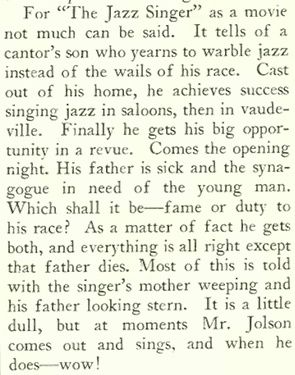
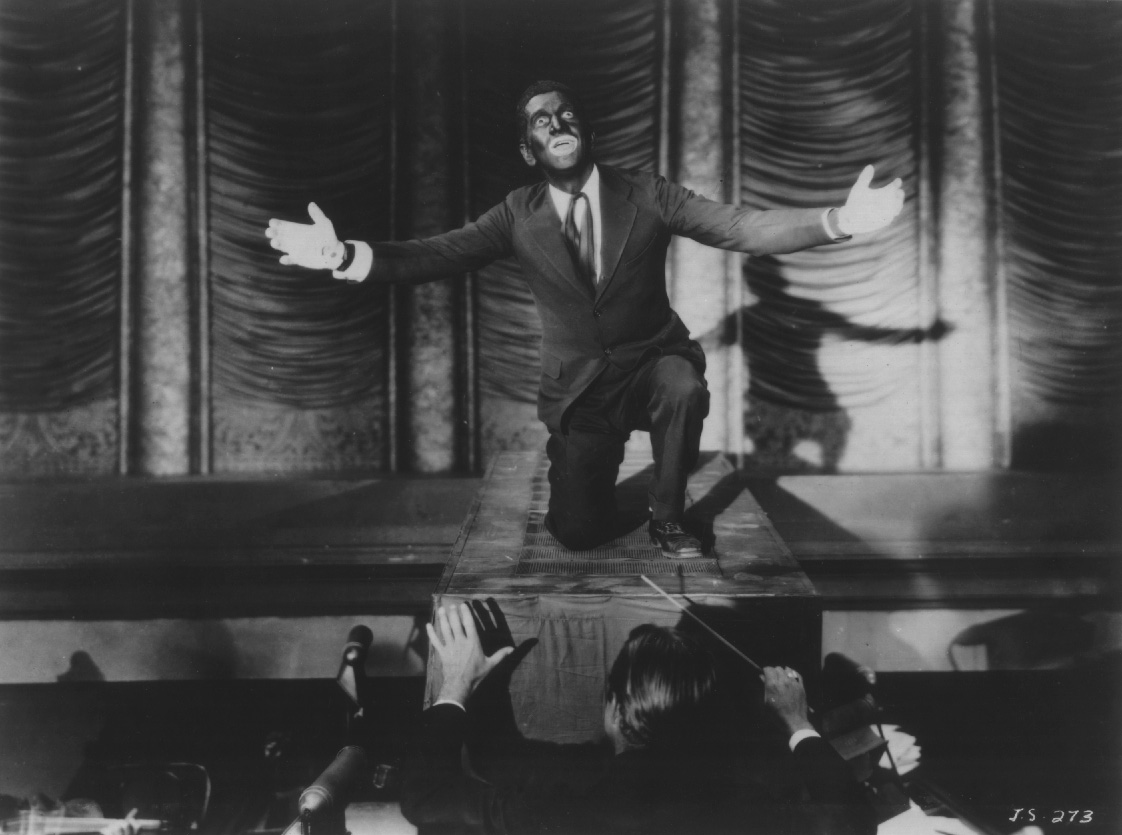
screen-shot-2016-12-09-at-12-27-12-pm

017-the-jazz-singer-theredlist
THAT WAS THEN…Al Jolson as Jack Robin in The Jazz Singer. Although performing in blackface is considered racist today, Jolson’s use of blackface was integral to the film in that it was tied to Jack’s own Jewish heritage and his struggle for identity. Of course that doesn’t make it any less offensive. (YouTube clip)

*  *  *  *  *

Absent-minded Ambassador

The New Yorker’s “Talk of the Town” offered some curious observations about the new ambassador to Mexico, Dwight Morrow.
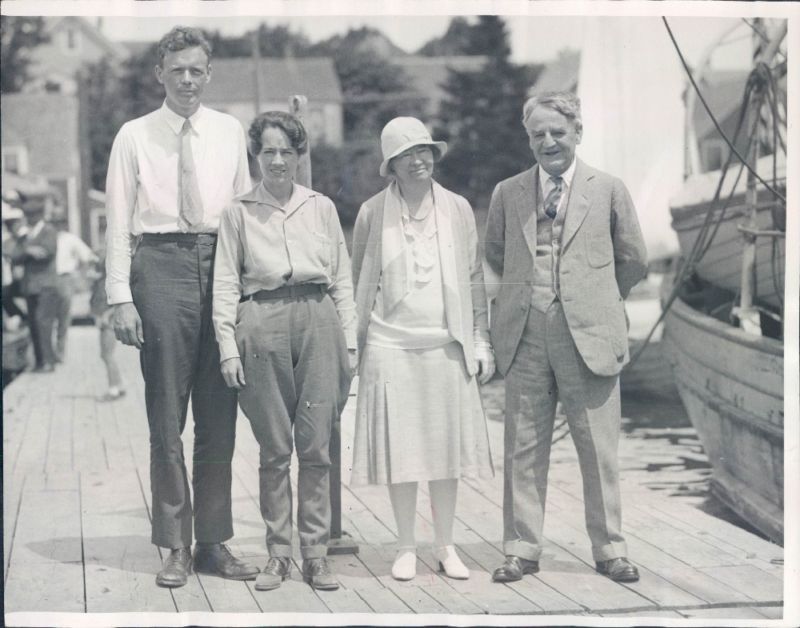
morrows_1931
SON-IN-LAW…Aviator Charles Lindbergh would marry Dwight Morrow’s daughter, Anne, in 1929. in this photo from 1931 are, from left, Charles Lindbergh, Anne Morrow Lindbergh, Elisabeth Morrow, and Dwight Morrow. (kaiology.wordpress.com)

Morrow has been widely hailed as a brilliant ambassador with a keen intellect. The New Yorker, however, offered some additional perspective on the man:

screen-shot-2016-12-09-at-11-59-33-am

screen-shot-2016-12-09-at-11-59-38-am

Flight of Fancy

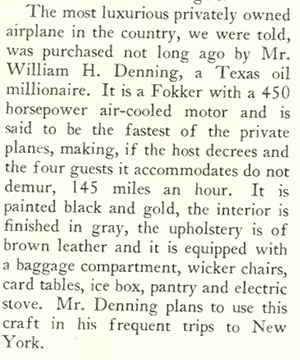
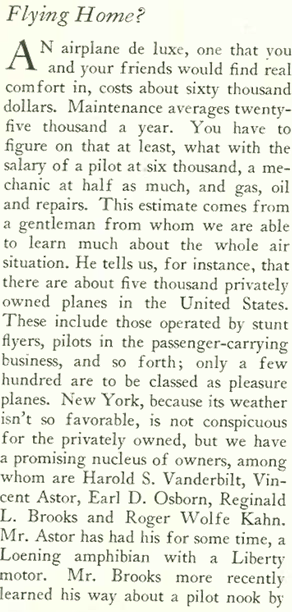
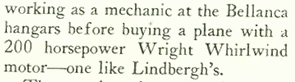
In the wake of Charles Lindbergh’s famous flight, The New Yorker (and the rest of the country) continued its fascination with air travel, which at this point was confined to military and commercial pilots, stunt flyers and the well-to-do.
screen-shot-2016-12-09-at-11-55-12-am

screen-shot-2016-12-09-at-11-55-19-am

screen-shot-2016-12-09-at-11-55-28-am

f7a-2a

f12cabindown
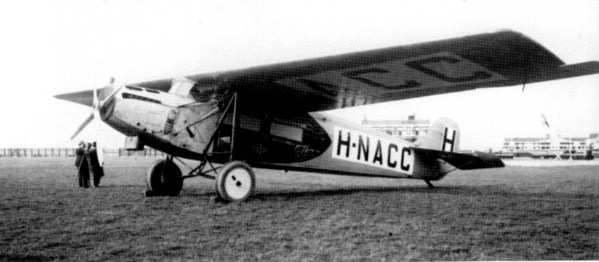
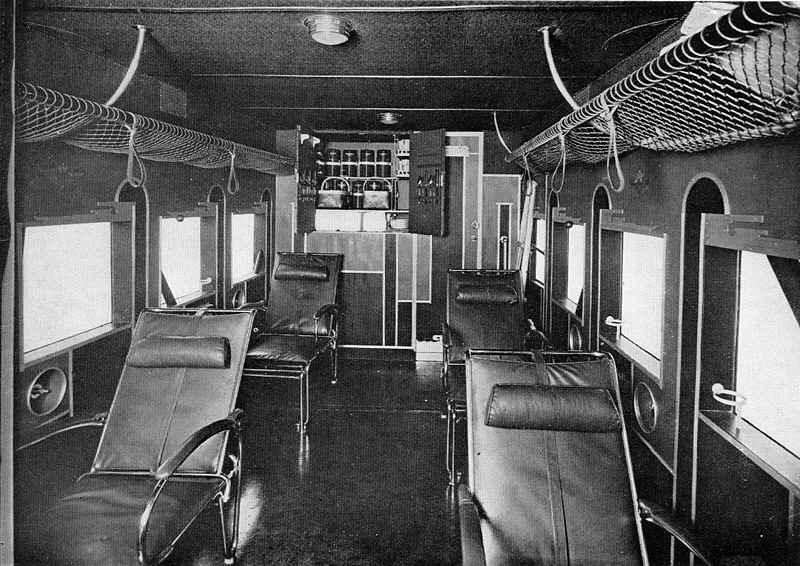
EXTRA LEGROOM…The Fokker F.VII pictured above is likely the same plane or very similar to the one owned by Texas oilman William Denning. The interior depicted below is also similar to what is described in The New Yorker. (aviation-history.com)

 *  *  *  *  *

RIP Isadora Duncan

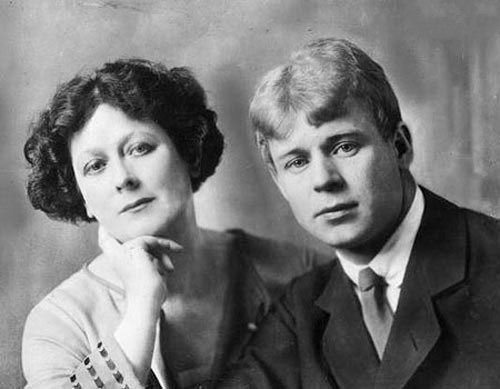
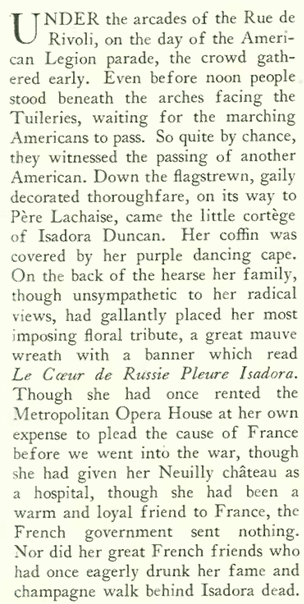
The New Yorker’s Paris correspondent, Janet Flanner, wrote about the funeral of famed modern dancer Isadora Duncan in her column, “Letter from Paris.” Duncan was killed in a freak accident on the night of Sept. 14, 1927, when her silk scarf, draped around her neck, became entangled around the open-spoked wheels of the car in which she was riding, breaking her neck.
screen-shot-2016-12-09-at-12-23-34-pm

screen-shot-2016-12-09-at-12-24-54-pm

Isadora Duncan with her husband, poet Sergei Esenin, in 1922. (Wikimedia)

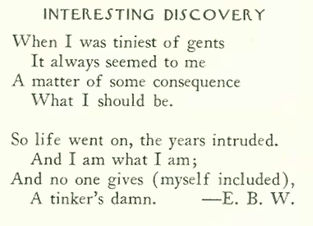
Other items of note from the Oct. 15 issue, E.B. White contributed this ditty…
screen-shot-2016-12-09-at-12-13-06-pm

…and Corey Ford, who gave the fictional Eustace Tilley his persona, wrote of Tilley’s feat crossing Broadway in a parody of adventure stories popular at the time. An excerpt:

croey-ford

And finally, Peter Arno explored childhood angst among the smart set (note reference to “Uncle Thurber”)…

screen-shot-2016-12-09-at-12-08-56-pm

Next Time: Electric Wonders…
6ed825c70c3fd789a666a63ecc376b5d


The Wages of Beauty

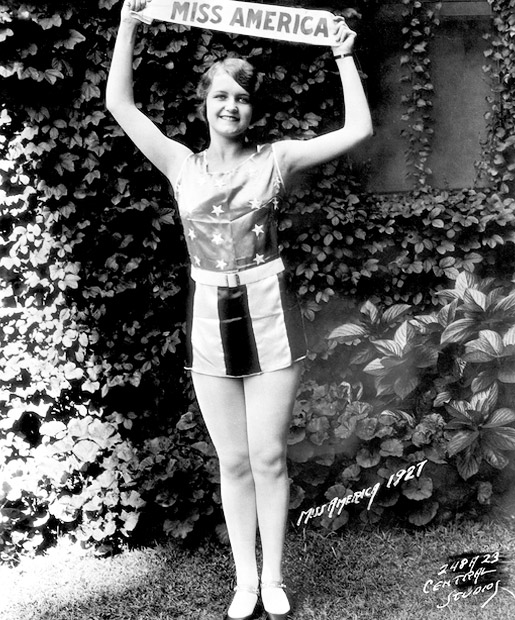
“The Very Golden Apple” was the title of an essay by E. A. Tosbell in the Sept. 3, 1927 issue that examined the transformation of the Miss America pageant–just seven years old–into a big money concern.

31c2a728e871acb0cd991e761bcb7f76
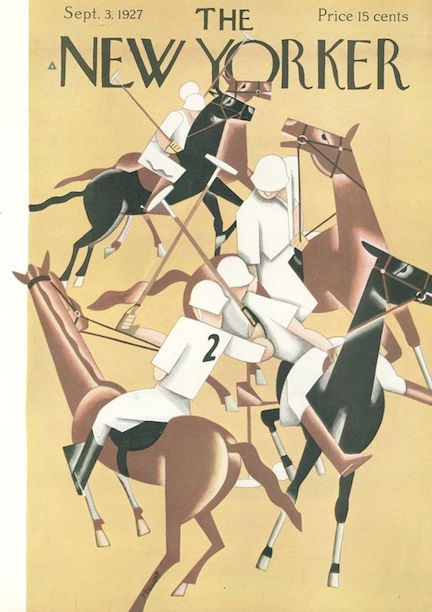
September 3, 1927 cover by Theodore G. Haupt.

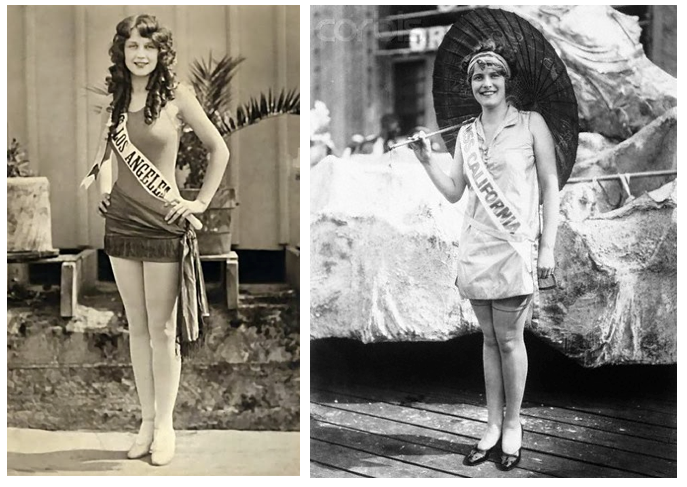
Tosbell opened with the lament that Miss Los Angeles, Adrienne Dore, should have won the 1925 contest save for a lapse in table manners…
screen-shot-2016-11-28-at-9-20-01-am

screen-shot-2016-11-28-at-10-29-38-am
PASS THE SALT, PLEASE…Adrienne Dore, left, was runner-up to fellow Californian Fay Lanphier, who was crowned Miss America in 1925. Dore would go on to a modest movie career through the mid 1930s. (Allure/travsd.wordpress.com)
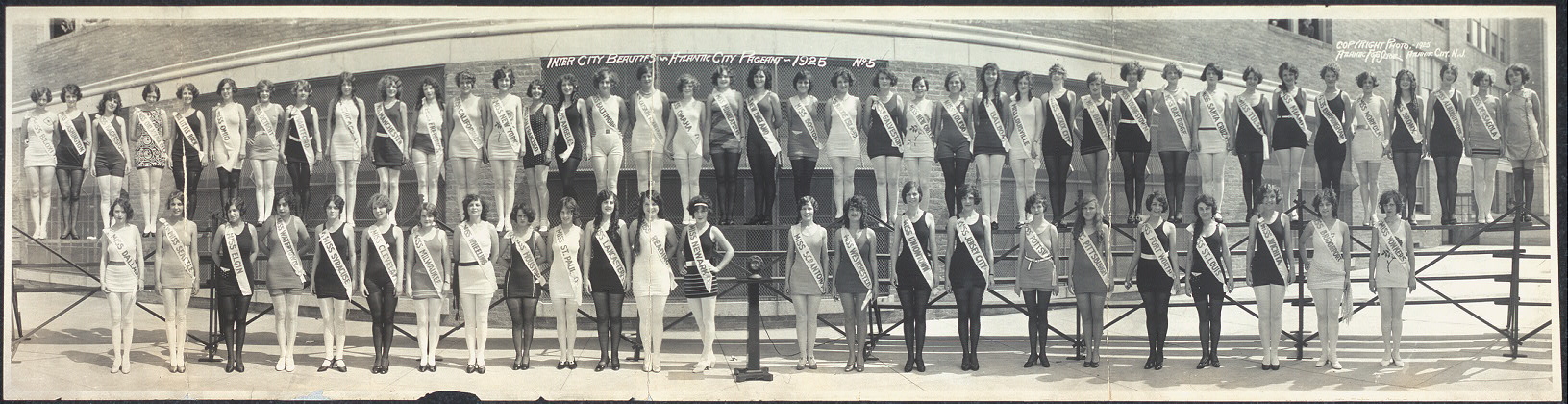
miss_america_contestants_1925
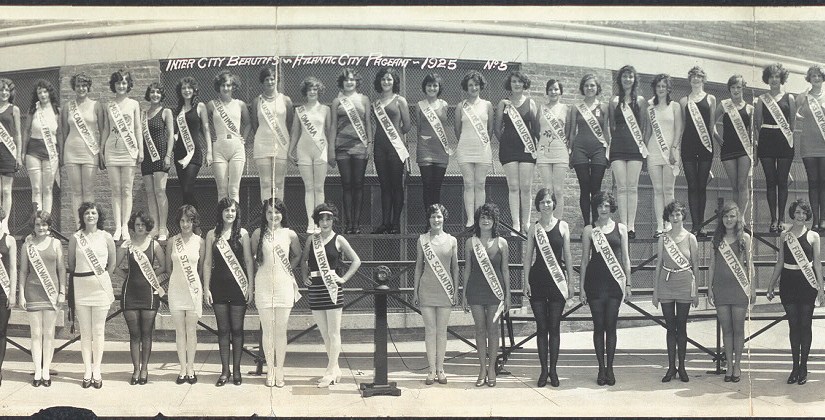
ALL-AMERICAN LINE-UP…Contestants from a hodge podge of states, cities and towns vied for the Miss America crown in 1925. (Wikipedia) Click to Enlarge

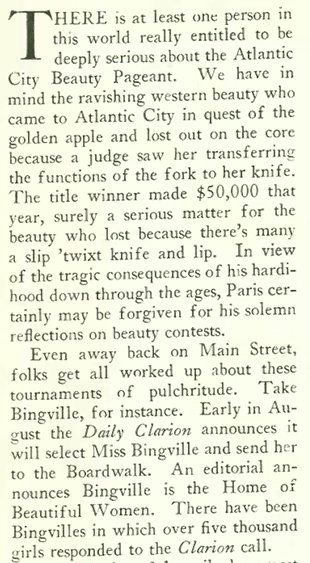
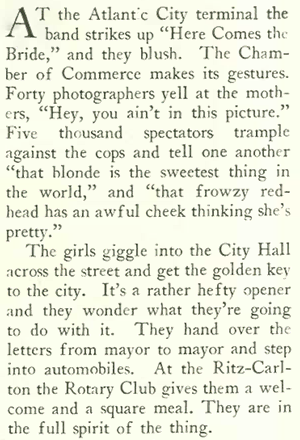
Tosbell offered us a taste of what contestants could expect upon their arrival in Atlantic City…

screen-shot-2016-11-28-at-9-21-54-am

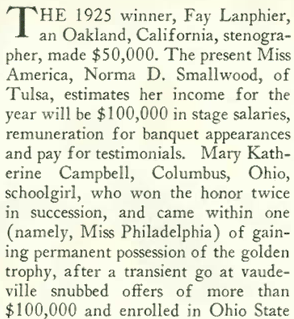
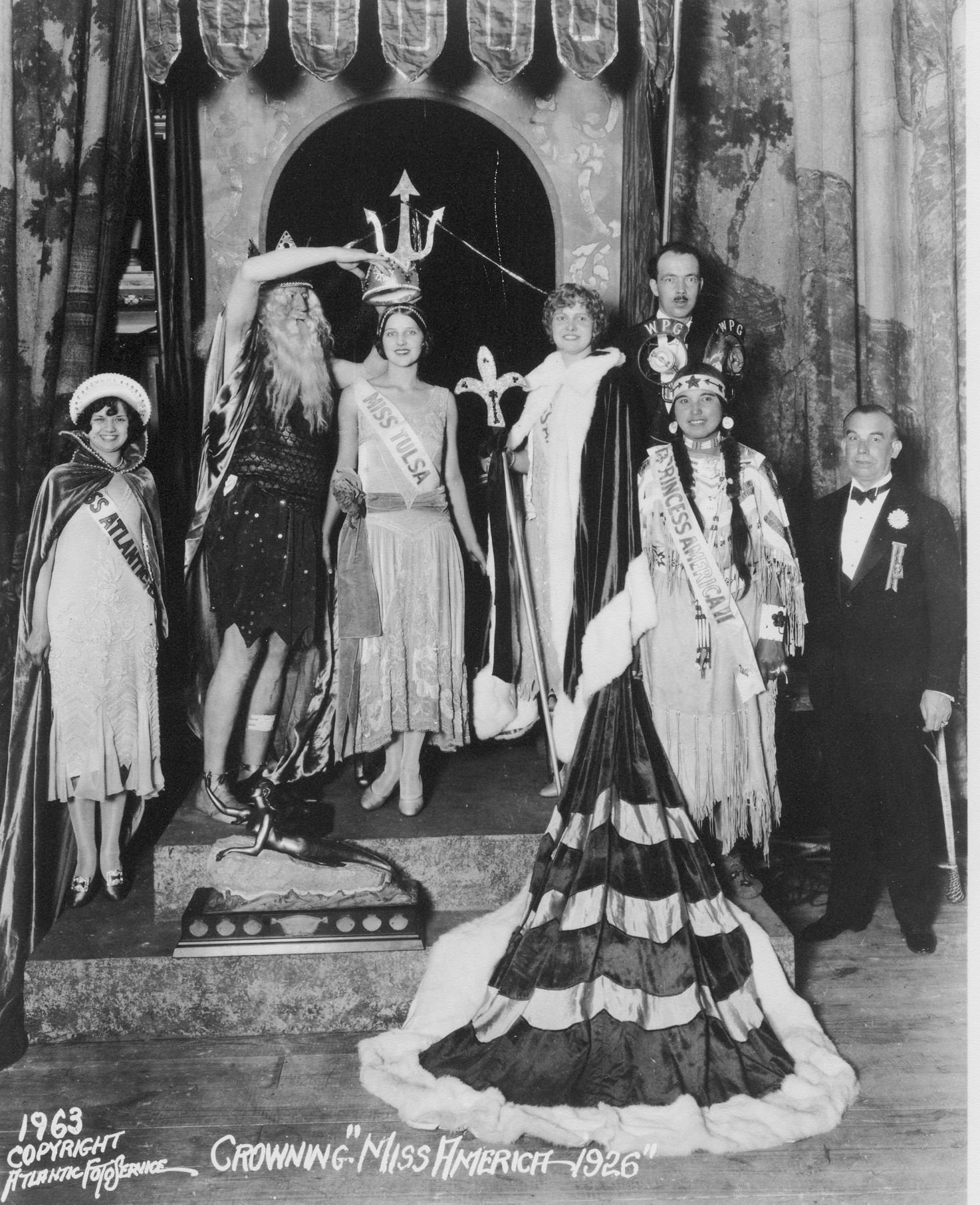
Norma Smallwood from Tulsa, Oklahoma was crowned Miss America 1926, the first Native American to capture the title. Smallwood was highly criticized in the press for her business savvy as she went on to earn $100,000 through personal appearance fees and product endorsements. Tosbell noted:

screen-shot-2016-11-28-at-9-25-25-am

1926-crowned-by-king-neptune1925-looks-on-1
THERE SHE GOES…Norma Smallwood of Tulsa, Oklahoma was crowned Miss America 1926 by “King Neptune” as Miss America 1925 Fay Lanphier (right) held her scepter. (missamerica.org)

In 1927 Smallwood would again draw criticism when she requested $600 from the pageant for her appearance in crowning the new winner, Lois Delander. Delander was a high school student who won her local contest in Joliet, Illinois by reciting Bible verses. Unlike her predecessors, Delander turned down lucrative offers in show business and returned home to continue her school studies.

missamerica-01_zps22408d2c
IT’S NICE, BUT…Lois Delander of Joliet, Illinois was a most unassuming Miss America of 1927. (Time.com)

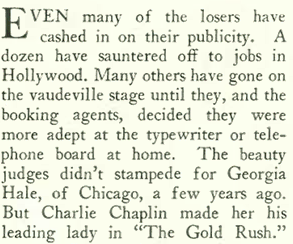
In the case of a 1922 Miss America contestant, Georgia Hale, you didn’t have to win the pageant to make it to the Big Time. Hale was chosen by Charlie Chaplin to be his “leading lady” in 1925’s The Gold Rush, and in the following year she would play Myrtle Wilson in the first filmed version of The Great Gatsby. A savvy businesswoman, Hale would become wealthy through real estate investments in Southern California.

screen-shot-2016-11-28-at-9-26-25-am

charlie_and_georgia_hale_original_ending_03_-_the_gold_rush_1925_-_pdvd_036
SHE STRUCK GOLD…Georgia Hale and Charlie Chaplin in The Gold Rush, 1925. (Wikimedia Commons)

*  *  *

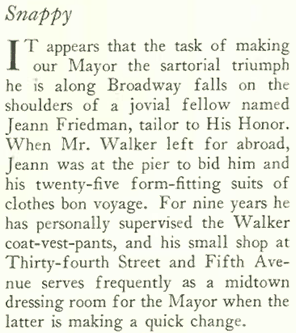
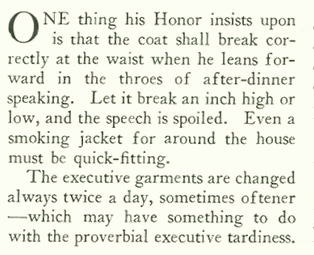
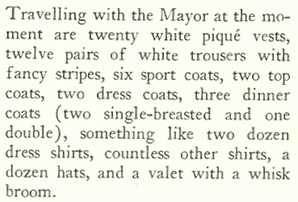
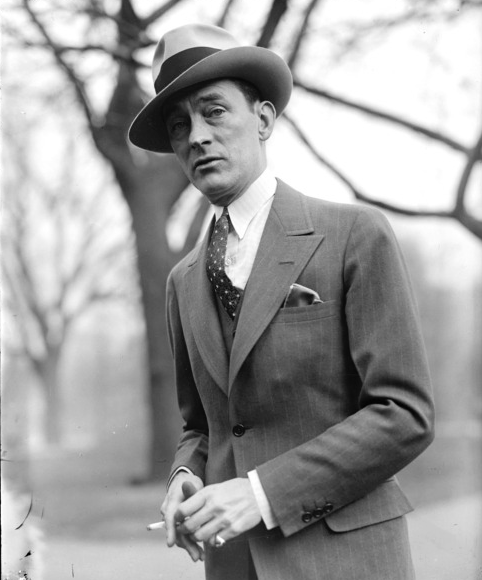
The September 3 “Talk of the Town” offered some insights into the dressing habits (and tardiness) of New York’s dandified mayor, Jimmy Walker, who was preparing for an overseas journey. Excerpts:

screen-shot-2016-11-28-at-9-17-14-am

screen-shot-2016-11-28-at-9-17-27-am

screen-shot-2016-11-28-at-9-17-34-am

Screen Shot 2015-07-24 at 1.01.10 PM
GOTHAM’S CLOTHES HORSE…New York City Mayor Jimmy Walker during a visit to Boston in the late 1920s. (c. Leslie Jones, digitalcommonwealth.org)

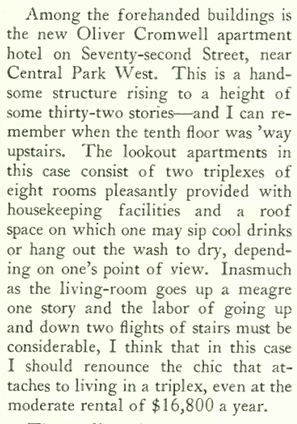
The New Yorker continued its commentary on the changing city skyline as urban residences continued their skyward climb, including the oddly named Oliver Cromwell apartment hotel:

duplex

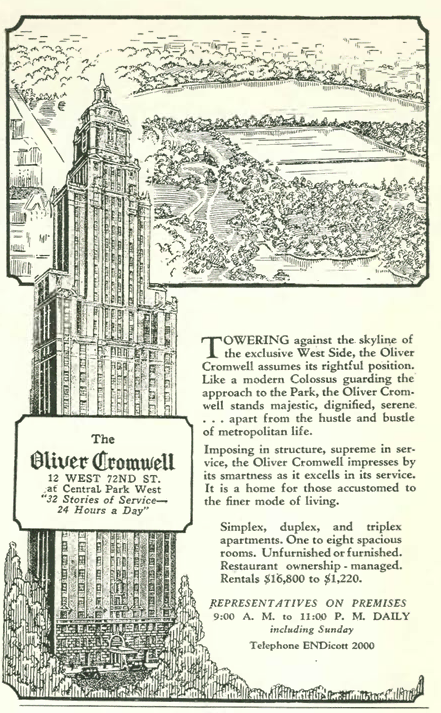
An advertisement in the same issue touted the Cromwell’s serene, park-like setting:

screen-shot-2016-11-28-at-9-30-03-am

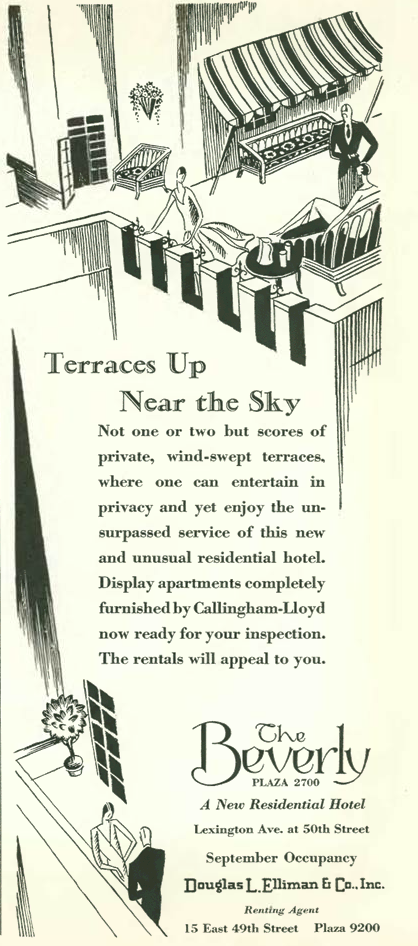
There were numerous advertisements like these in The New Yorker. Another promoted the Beverly’s sky-high “wind-swept terraces…”

screen-shot-2016-11-28-at-9-27-39-am

125-east-50th-top
The Beverly today (now the Benjamin Hotel). The 30-story building was designed by Emery Roth with Sylvan Bien and built in 1926-27. Commissioned by Moses Ginsberg to host middle-income visitors to New York City, it was recently submitted for landmark designation as an important fixture in Grand Central Terminal’s “Hotel Alley.” (Historic Districts Council)

 *  *  *

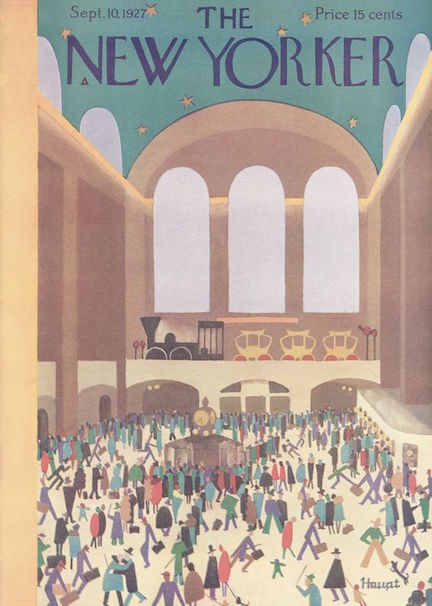
On to the Sept. 10, 1927 issue, and a couple of cartoons that aptly represented the spirit of Roaring Twenties…

e2f69e45ad57152eae57b86f94f11cb8
Sept. 10, 1927 cover by Theodore G. Haupt.

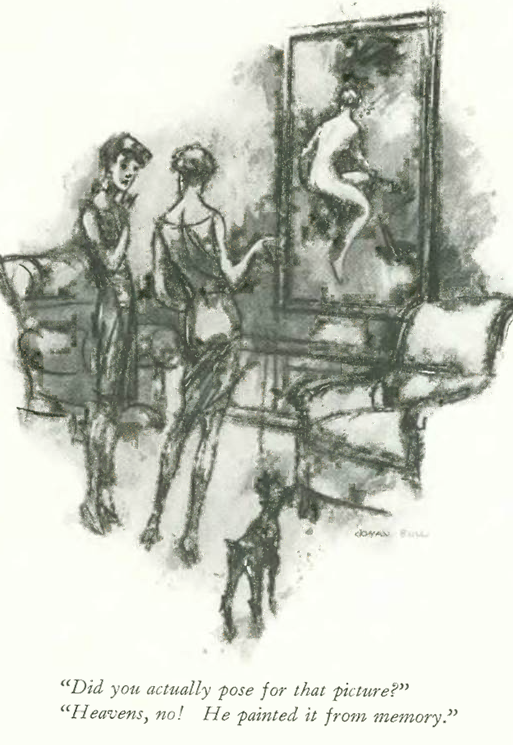
Johan Bull offered a glimpse of the new rich in the realm of culture…

screen-shot-2016-11-28-at-9-32-01-am

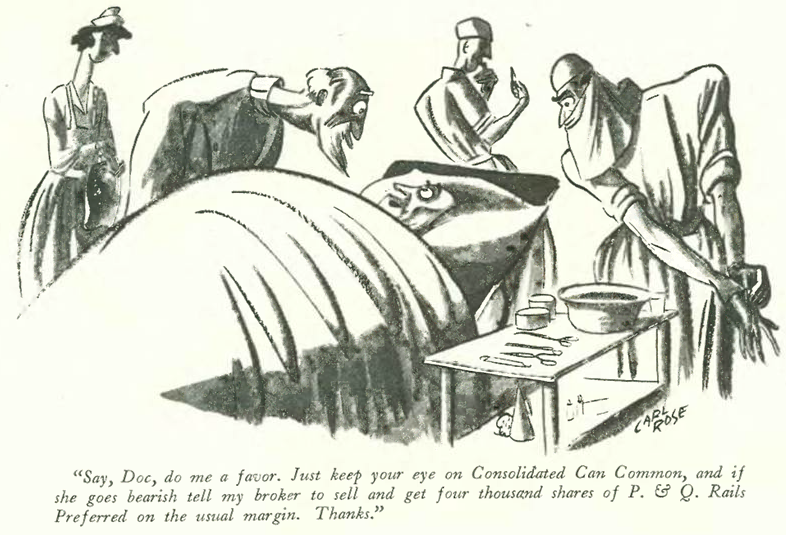
…while Carl Rose captured the spirit of investors during the waning days of the red hot 1920s stock market…

screen-shot-2016-11-28-at-9-34-03-am

Next Time: The Thurber Effect…

1ff86ce7dfa34152a1ab0aa892031914

The Movies Take Wing

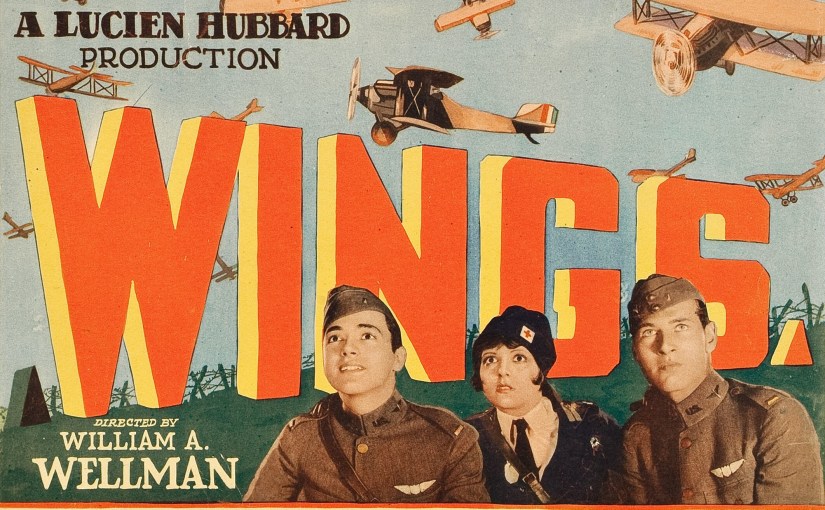
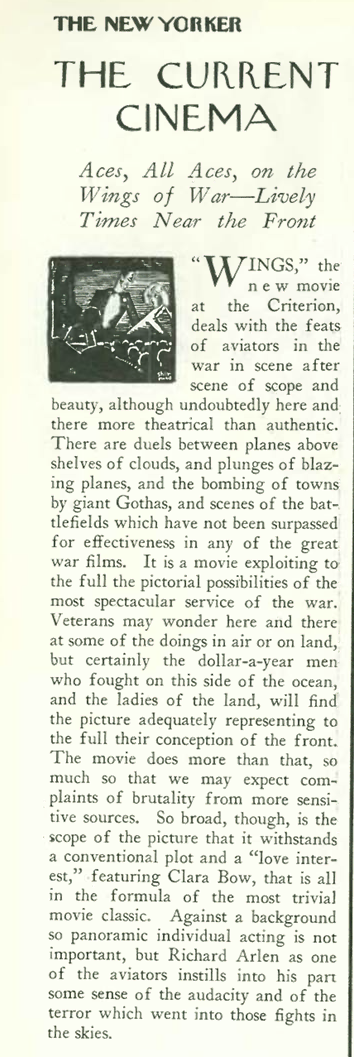
The First Academy Award for Best Picture went to Wings, a romantic action-war picture directed by William Wellman and featuring Paramount’s biggest star at the time, the “It Girl” Clara Bow and a young Gary Cooper in a role that would launch his Hollywood career.

31163f0a903d36d43f89b8495fe4e9a4
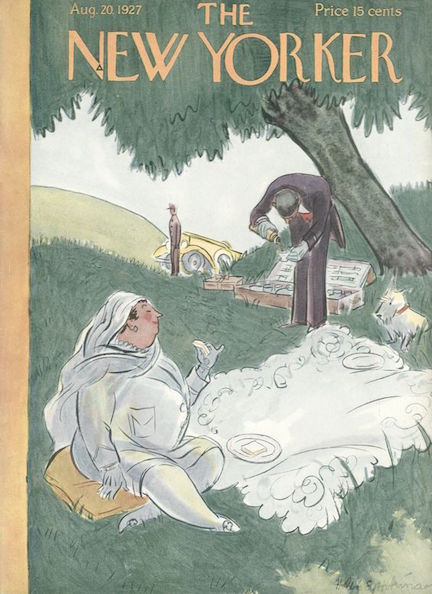
August 20, 1927 cover by Helen Hokinson.

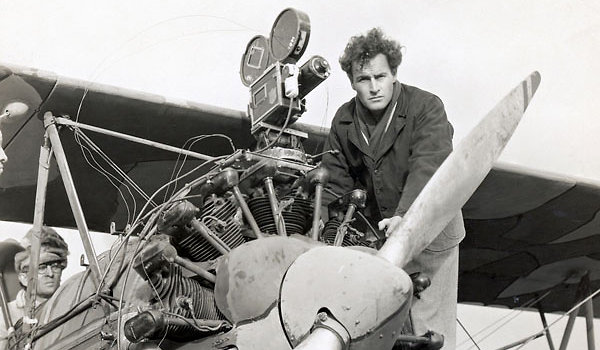
The film was shot on location at Kelly Field in San Antonio, Texas, on a budget of $2 million (about $27 million today). About 300 pilots were involved in filming  realistic (and dangerous) air-combat sequences using both mounted and hand-held cameras.

_57942979_wings_pose_hi
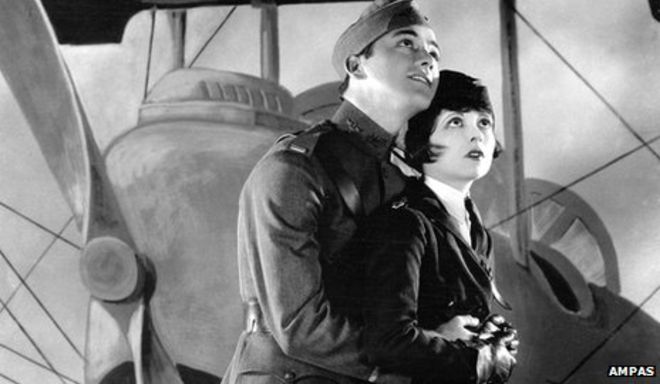
LOFTY AMBITIONS…Charles “Buddy” Rogers and Clara Bow in Wings, 1927. (BBC)

wings

william-wellman
NO CGI HERE…Director William Wellman, during production of Wings, 1927. (Paramount Pictures via New York Times)
photo33chic_0632
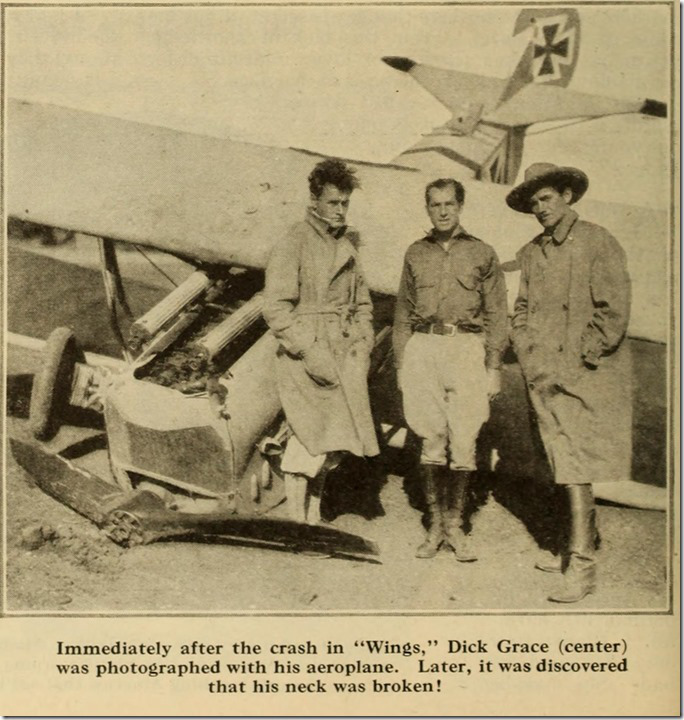
INSURANCE RISK…Stunt pilot Dick Grace specialized in crashing planes for films, and was one of the few stunt pilots who died of old age. (ladailymirror)

 *  *  *

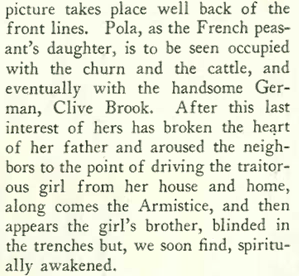
We leave the skies for the trenches in another World War I film–Barbed Wire–that was entertaining New Yorkers in 1927…

barbed-wire-1927-image-10
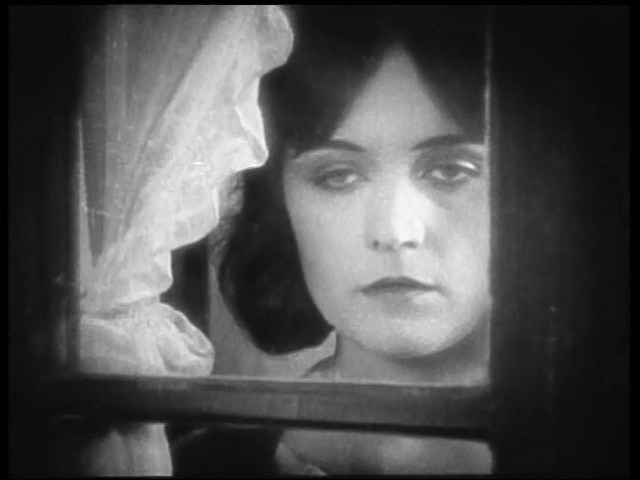
LOOKS MORE INTERESTING OUT THERE…Pola Negri watches the Germans in Barbed Wire, 1927. (Wikipedia)

screen-shot-2016-11-15-at-12-53-17-pm

screen-shot-2016-11-15-at-12-53-28-pm

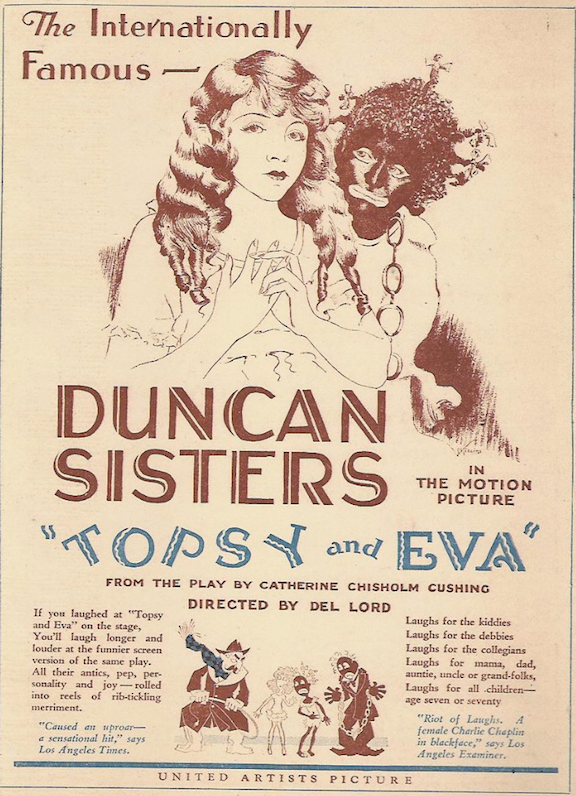
The Duncan Sisters were back, this time on the silver screen in an adaptation of their Broadway hit play, Topsy and Eva. One of the sisters performed in blackface, which was acceptable to white audiences of the time (including New Yorker critics). You can read more about this duo in my recent blog entry, Fifteen Minutes is Quite Enough.

screen-shot-2016-11-21-at-4-24-40-pm
Advertisement for the film, Topsy and Eva, 1927. (nilsasther.blogspot.com)

screen-shot-2016-11-15-at-12-53-42-pm

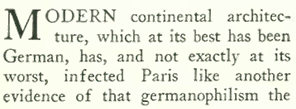
Meanwhile, Paris correspondent Janet Flanner was noting some modern influences in the city thanks to the influence of the German Bauhaus…

screen-shot-2016-11-15-at-12-55-16-pm

genet-mod-arch

002_mallet_stevens_rue_mallet_stevens_paris_theredlist
Rue Mallet Stevens was designed by Paris-based architect, designer and production designer Robert Mallet-Stevens, who founded the Union of Modern Artists (UAM) in 1929. (theredlist.com).

*  *  *

From the “they couldn’t see it coming” department, this item in “The Talk of the Town” caught my eye. We have since learned that carbon emissions are indeed taking a toll on human life…

screen-shot-2016-11-15-at-12-39-27-pm

screen-shot-2016-11-15-at-12-39-36-pm

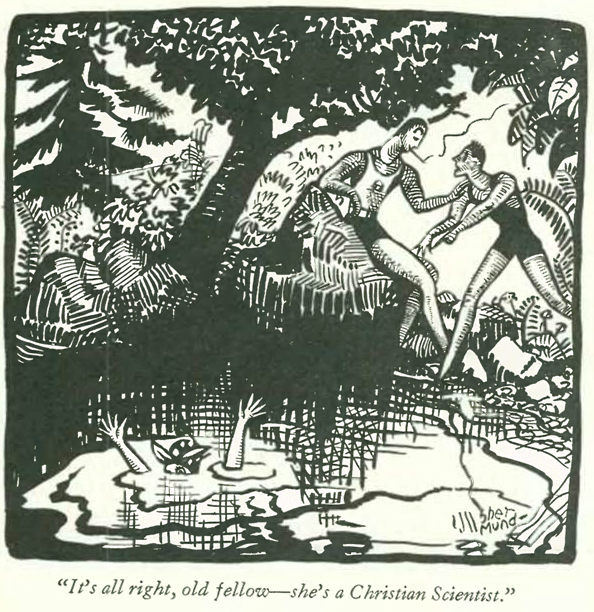
…and a couple of cartoons from this issue, this one courtesy of Barbara Shermund

screen-shot-2016-11-15-at-12-40-32-pm

…and this from an unidentified cartoonist (Dussey?) that gives us a glimpse of the world to come thanks to merger of technology and tedious, proud parents…

screen-shot-2016-11-15-at-12-46-17-pm

*  *  *

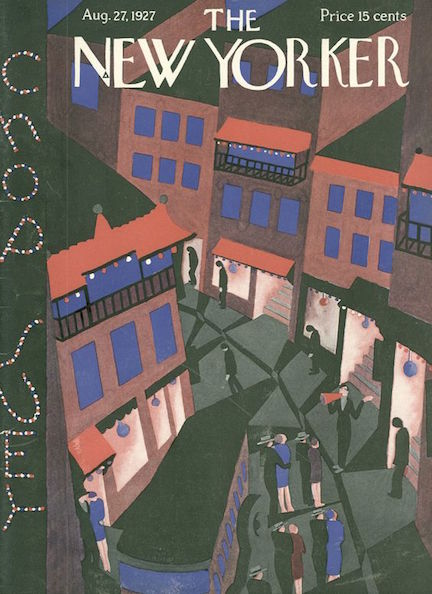
And to end on a “Wings” theme, the following week’s issue…

029648b8835cd8a9600d9dc4caf29b32
August 27, 1927 cover by Theodore G. Haupt.

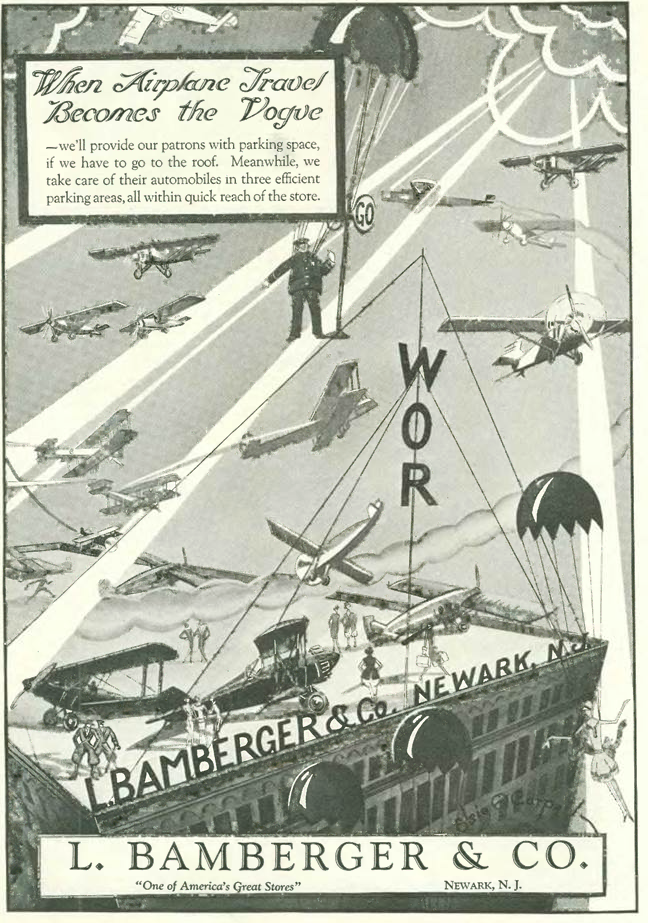
…offered this advertisment from L. Bamberger & Co. that gave us a tongue-in-cheek glance at the future of aviation…

screen-shot-2016-11-15-at-12-58-09-pm

Next Time: The Wages of Beauty…