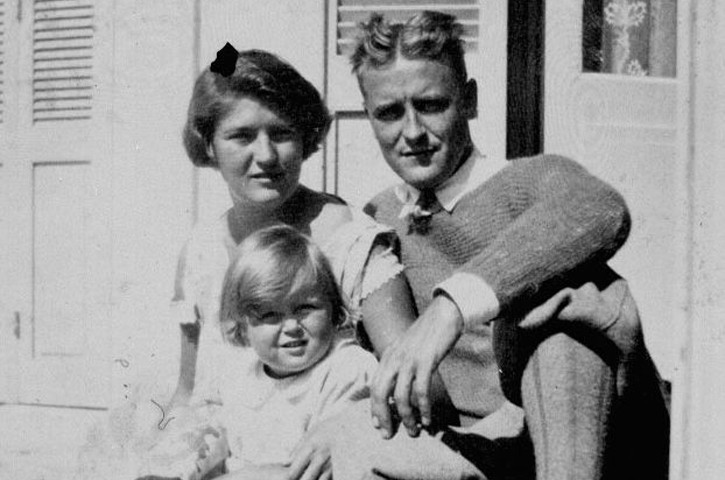
The “sad young man” in question was none other than F. Scott Fitzgerald, who was profiled by John Mosher (who would succeed Theodore Shane as film critic) in the April 17, 1926 issue of The New Yorker.
April 17, 1926 cover by Clayton Knight.
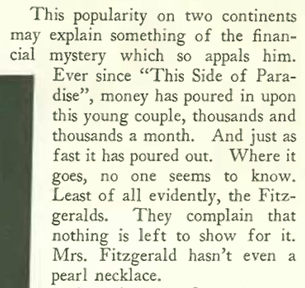
Mosher wrote that Scott believed he was “getting on in years,” even though he was only 29 years old and had recently published The Great Gatsby (which had received a brief, lukewarm review from The New Yorker in 1925). Mosher observed that the novelist and his wife, Zelda, famous on two continents and with money pouring in from the publication of This Side of Paradise, nevertheless complained of being broke:
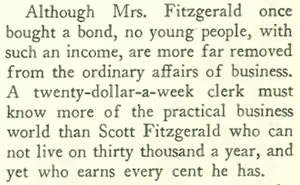
It was noted however that the couple had little financial sense:
Mosher found Fitzgerald to be a grave, hardworking man, and seemed to sense the melancholy that would lead to madness (in Zelda’s case), alcoholism and an early grave (Fitzgerald would be dead in 14 years).
Illustration of Fitzgerald by Victor De Pauw for the April 17 “Profile.”
In this issue we were also introduced to Peter Arno’s “Whoops Sisters,” although they are not yet identified here by that title:
According to New Yorker cartoonist Michael Maslin, “in 1925, The New Yorker published nine Arno drawings. In 1926, it ran seventy-two. The enormous jump was due to the wild success of two cartoon sisters Arno created: Pansy Smiff and Mrs. Abagail Flusser, otherwise known as The Whoops Sisters. The Sisters were not sweet little old ladies — they were naughty boisterous grinning “wink wink, nudge nudge” sweet little old ladies, their language laced with double entendres.”
April 24, 1926 cover by Ilonka Karasz.
In the April 24, 1926 issue, the dyspeptic film critic Theodore Shane took aim at Cecil B. DeMille’sThe Volga Boatman:
VOLGA HOKUM…Elinor Fair and Victor Varconi in The Volga Boatman. (Virtual History)
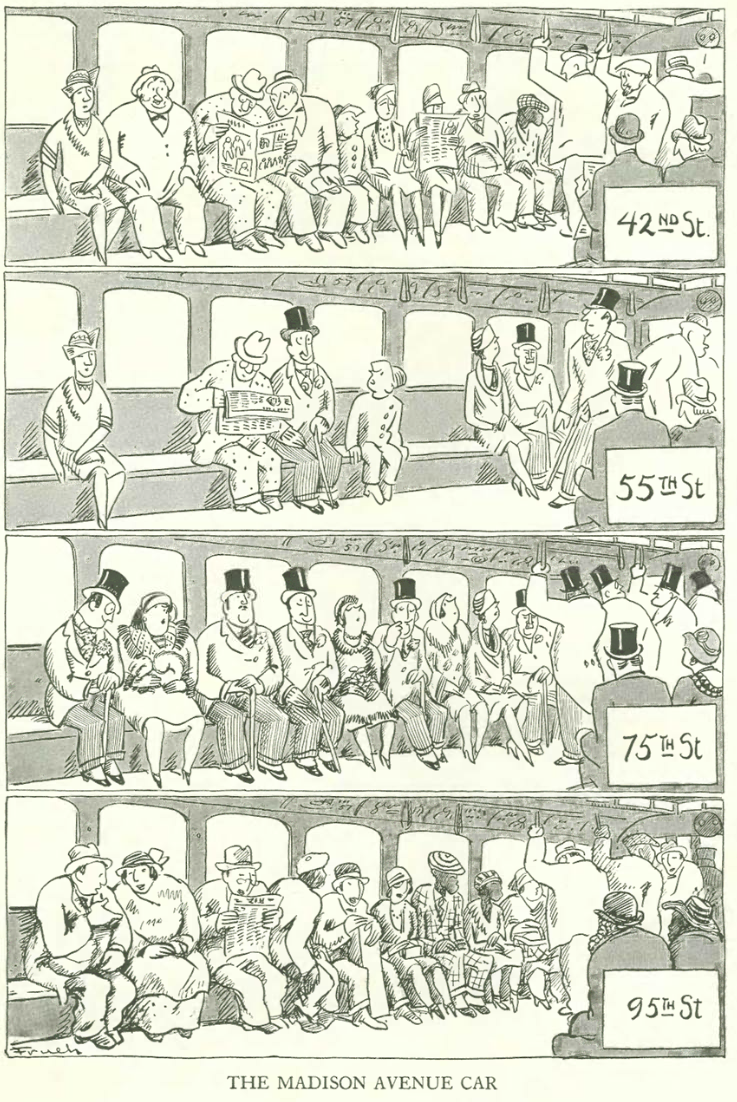
Also in this issue, Al Frueh’s interpretation of New York’s social strata via the city’s Madison Avenue train stops:
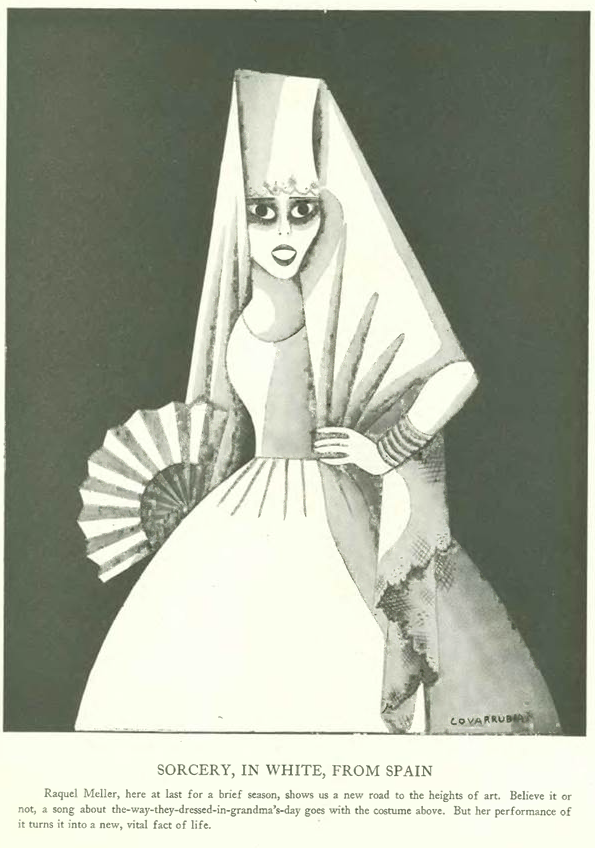
Near the theatre section, this illustration of famed Spanish singer and actress Raquel Meller, as rendered by Miguel Covarrubias:
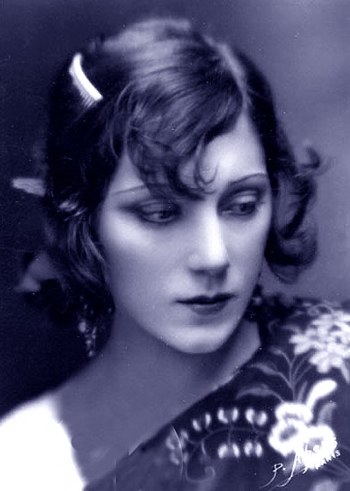
And a photo of Meller from the 1920s that looks like it could have been taken yesterday:
(rameller.tripod.com)
An international star in the 1920s and 1930s, Meller appeared in several films and sang the original version of the well known song La Violetera.
Coney Island was famous for its side-show freak exhibits, but from 1925 to 1969 Hubert’s Dime Museum and Flea Circus in Times Square brought the show to the heart of Manhattan.
In addition to sword swallowers, tattooed ladies and other human oddities (the famous Zip the Pinhead did a short stint there), there was also Professor Heckler’s Flea Circus, which operated in the basement. It indeed featured real fleas attached by very thin wires to miniature chariots, merry-go-rounds and the like.
The New Yorker mentioned Hubert’s in this brief “Talk of the Town” item:
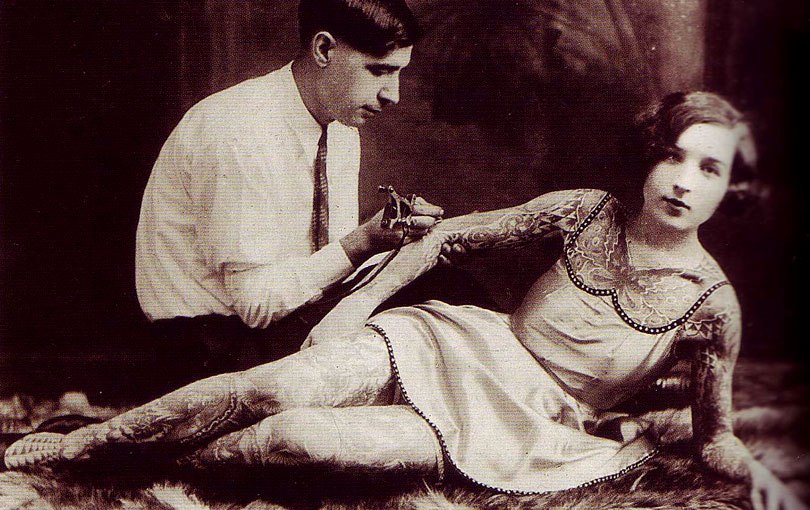
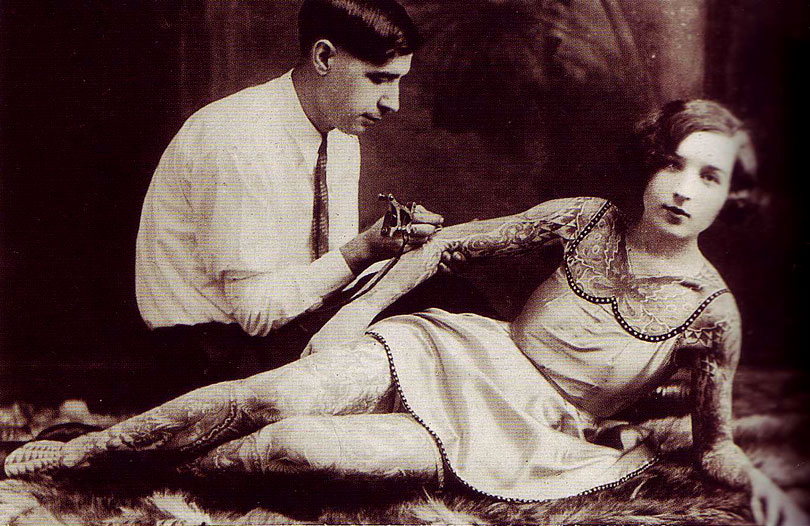
These days it seems a bit strange that women covered in tattoos were once considered sideshow oddities. Among the more famous was Stella Grassman, who worked as a “Tattooed Lady” in the late 1920’s in the Ringling Bros. Barnum & Bailey Circus and also appeared at Hubert’s. Stella and her husband, Deafy (pictured below) owned a tattoo shop on the Bowery.
Stella Grassman and her husband, Deafy (Tattoo Archive)
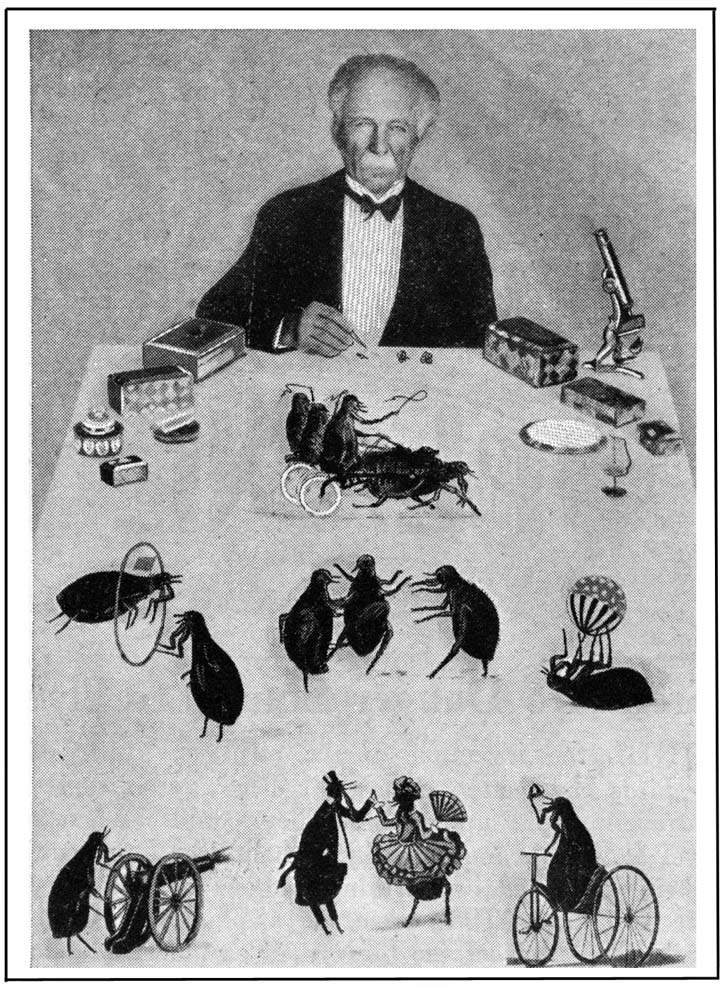
And then there was Professor Heckler’s Flea Circus, depicted below (the “fleas” enlarged 700 times, and obviously embellished) in a feature on Prof. Heckler in the March 1930 issue of Modern Mechanics:
(Sideshow World)
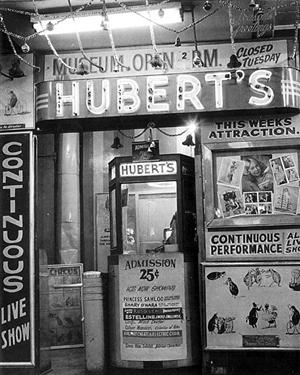
The entrance to Hubert’s, photo undated, but probably from the early 1950’s:
Entrance to Hubert’s Museum (Ephemeral New York)
After Hubert’s closed it became just another porno peep show, a ubiquitous sight on Times Square until the city began a “clean up” of the area in the 1990s.
* * *
Profiles examined the life and work of playwright Eugene O’Neill, and in the “Critique” section Gilbert W. Gabriel (who sometimes wrote under the pseudonym Golly-Wogg) gave a strong review of O’Neill’s The Great God Brown, writing that the play represented “some of the finest writing of his lifetime.”
Peter Arno’s rendering of Eugene O’Neill for “Profile.”
I should note here that Gabriel had replaced Herman J. Mankiewicz as drama critic following HJM’s firing by editor Harold Ross in January of 1926. Ross, miffed by Mankiewicz’s interest in Hollywood, famously fired “Mank” by telegram (Mankiewicz would go on to a successful career as a screenwriter on such films as Citizen Kane and The Wizard of Oz).
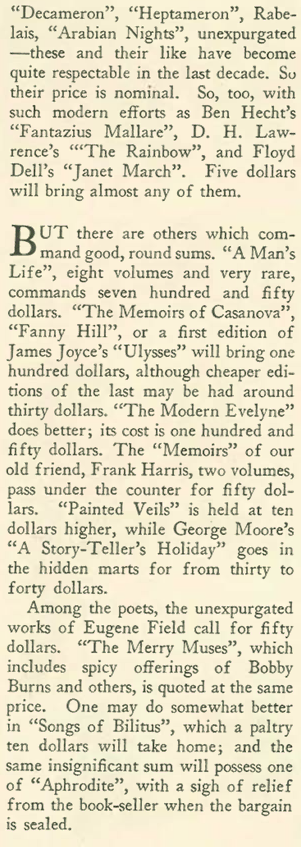
Finally, an interesting take in “Talk of the Town” on book censorship of the day:
“Talk” ended with this helpful advice on current cocktail recipes (remember we are in the midst of Prohibition). The “Titantic,” with six parts gin, seems deadly indeed:
What is “Nuxated Iron” you ask? It was sold as a performing enhancing iron supplement in the early 20th century, endorsed by such athletes as boxer Jack Dempsey and baseball’s Ty Cobb. The blog Peterboriana explains it thus:
“Nuxated Iron” pills, as endorsed by Dempsey, were, obviously, iron supplements. As for the “nuxated” part of it, that refers to nux vomica, a deadly substance better known as strychnine (i.e. rat poison). Fortunately, the stuff being hawked…actually contained very little strychnine, and not much iron either. It was comparatively useless as a performance-enhancing drug, but would not kill you unless you took a lot of it.
So if the Titanic’s six parts gin don’t get you first, maybe the Nuxated Iron will.
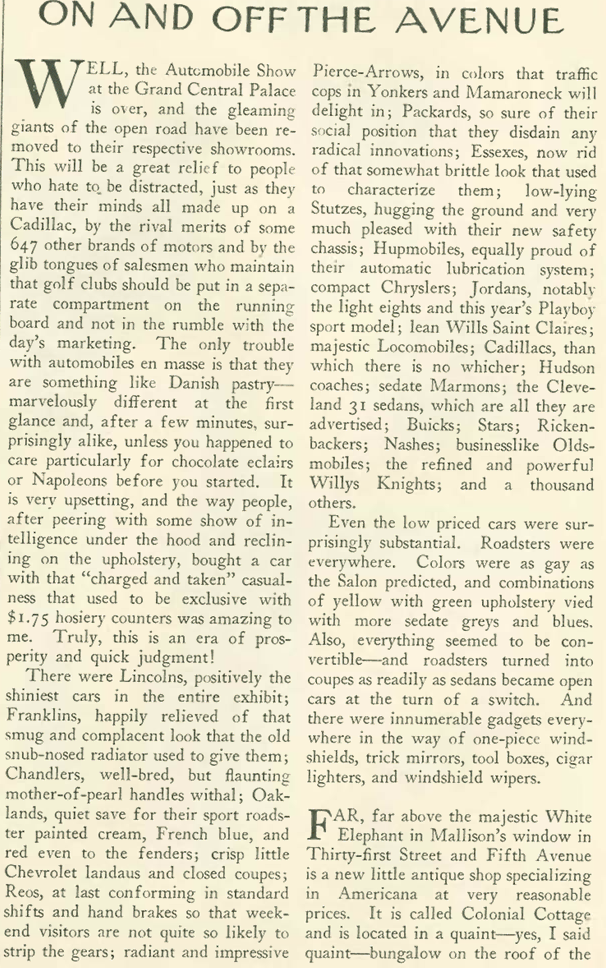
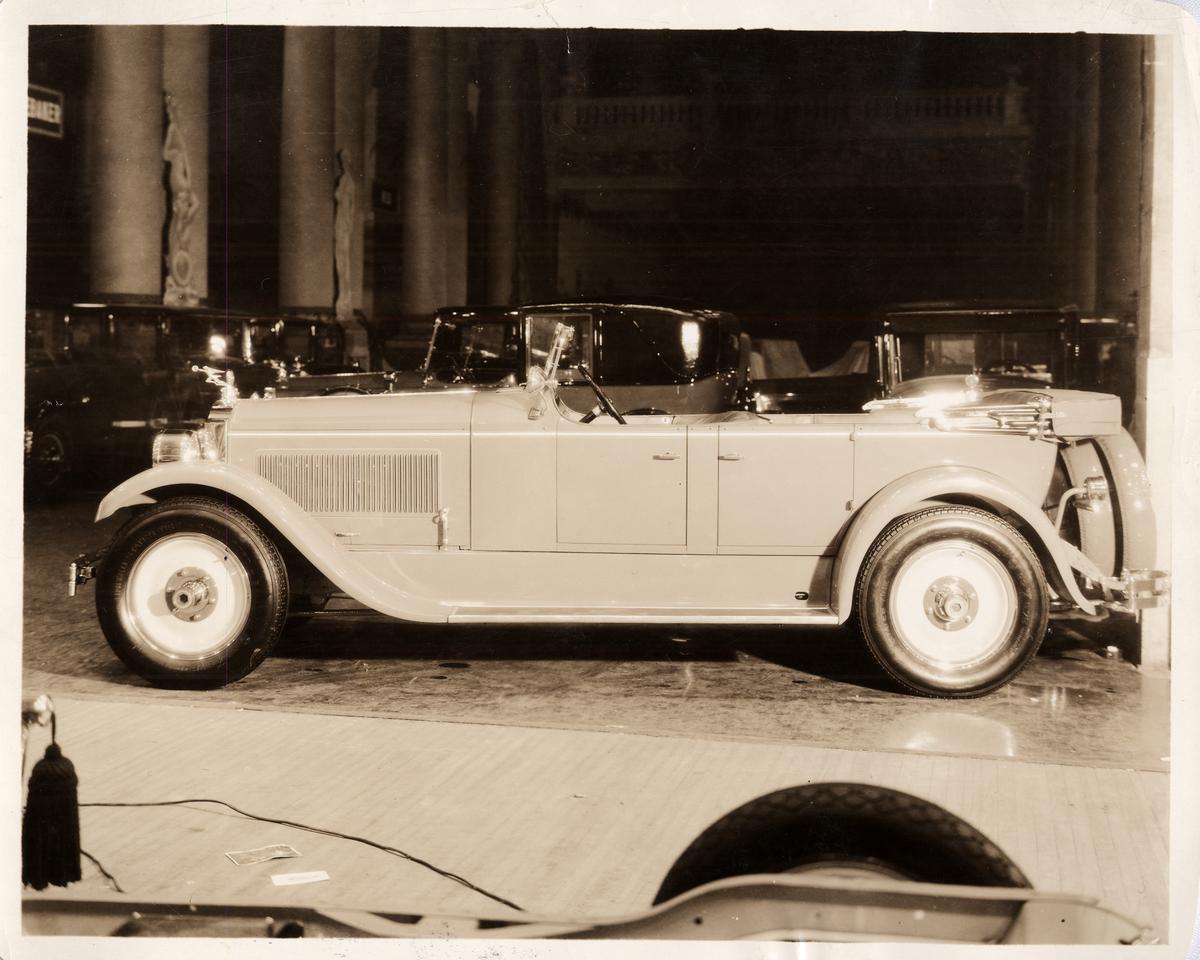
As if covering the nightclub scene and the fashion set wasn’t enough, Lois Long found the time to attend the National Automobile Show at the Grand Central Palace and offer her insights and criticisms on the latest in automotive design.
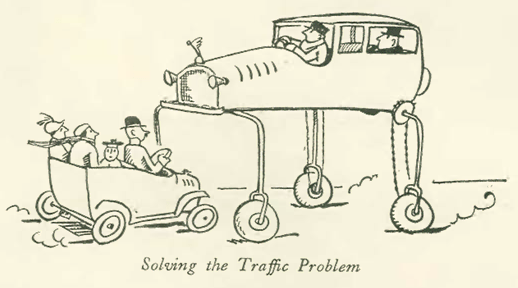
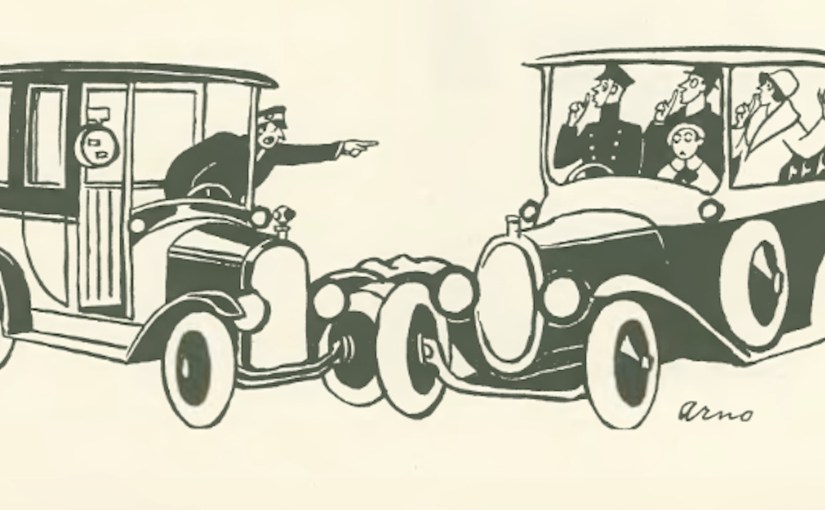
The show featured more than 500 new models, bigger and more powerful cars mounted on new-fangled balloon tires. There were also cheaper cars available–GM introduced the Pontiac line to appeal to the mass market, and other manufacturers lowered their prices in an effort to lure customers. Visitors packed the show despite the fact that the city streets were already hopelessly clogged with traffic and navigating them was difficult and often perilous. Al Frueh offered his take on the traffic situation with a little doodle in “The Talk of the Town” section (featured above).
Long gave readers her usual straightforward assessment of the show (her Danish pastry metaphor in the first paragraph is spot on). Note her list of American car companies, many of which are long gone:
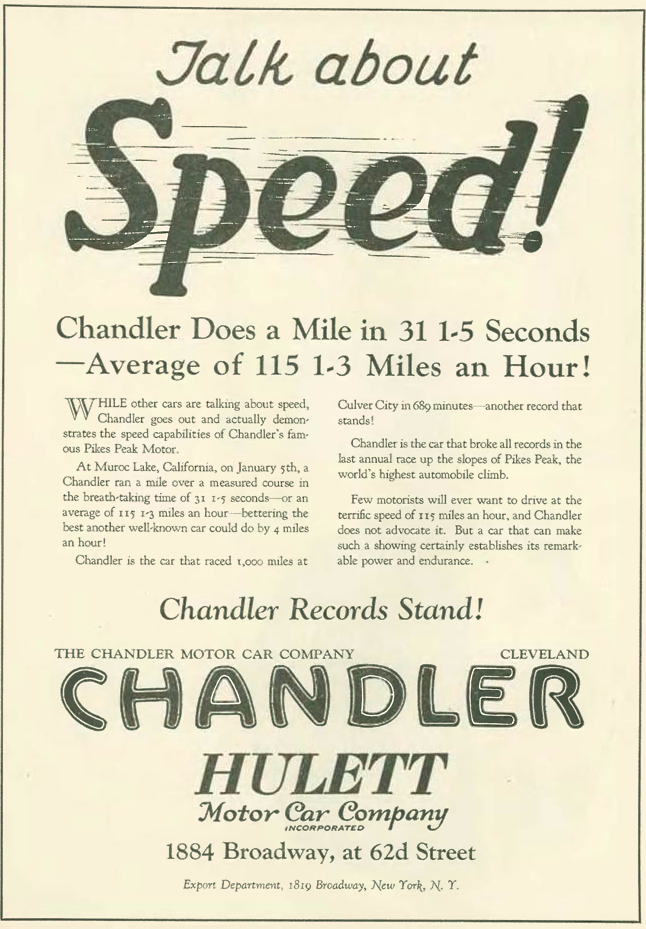
LOOK AT ME…No doubt Lois Long walked by this Packard special sport phaeton, prominently displayed at the 26th National Automobile show. (Wayne State University)GRAND INDEED…The 26th National Automobile Show was at the Grand Central Palace, which occupied the block of Lexington Avenue between 46th and 47th Streets. It was razed in 1963. A 44-story office tower, 245 Park Avenue, took its place. (New York Times)A Cleveland auto manufacturer, Chandler, took advantage of the moment by placing this ad in the Jan. 23 issue of The New Yorker.
***
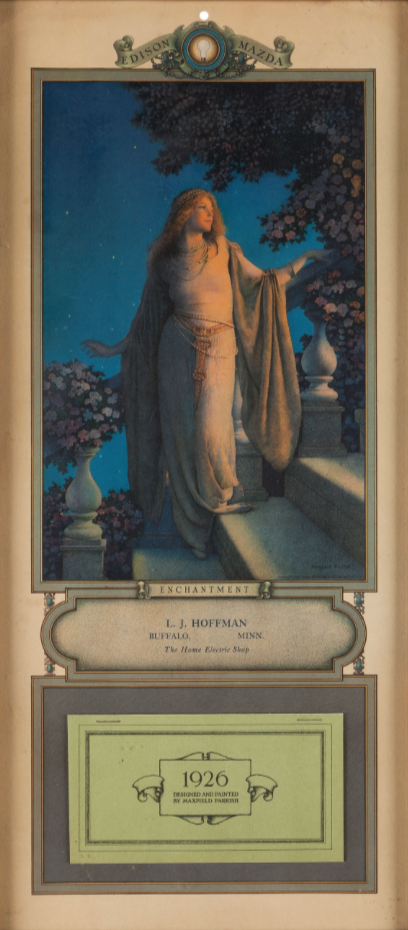
“The Talk of Town” editors were bemused over the news that artist Maxfield Parrish had received “a check in six figures” following his first-ever exhibition. It was reported that Parrish received $80,000 (roughly equivalent to $1 million today) for a single painting, which the editors suggested made him “the highest paid artist living.” They also wondered “if he gets amusement out of being the highest paid painter,” since Parrish was known for wanting to be left alone, and until recently was “not well off” because no one “could persuade him to the sell the pictures with which he lined his house.”
A 1926 Edison MAZDA calendar featuring artwork by Maxfield Parrish. (icollector.com)
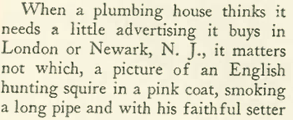
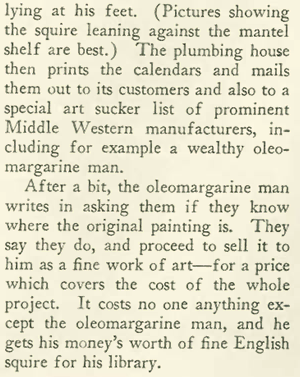
In a previous issue (Dec. 12, 1925), New Yorker art critic Murdock Pemberton wrote a dismissive critique of the young Parrish’s work and noted that the artist was largely glorified in American advertising and not in serious art circles. This was followed by another “Talk” item in which the editors sneered at the trade calendar market that fed the popularity of artists like Parrish:
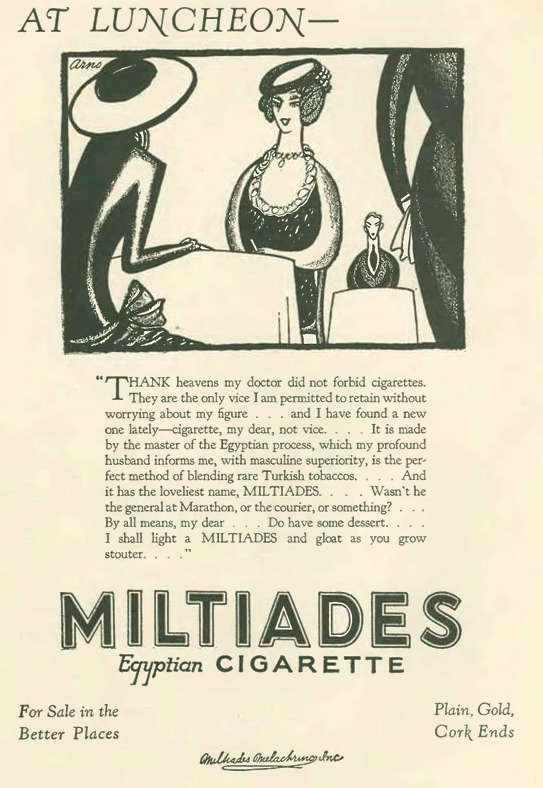
And to close, this message (illustrated by Peter Arno) from Miltiades Egyptian cigarettes. Apparently they empower you to call your non-smoking friend “fatso.”
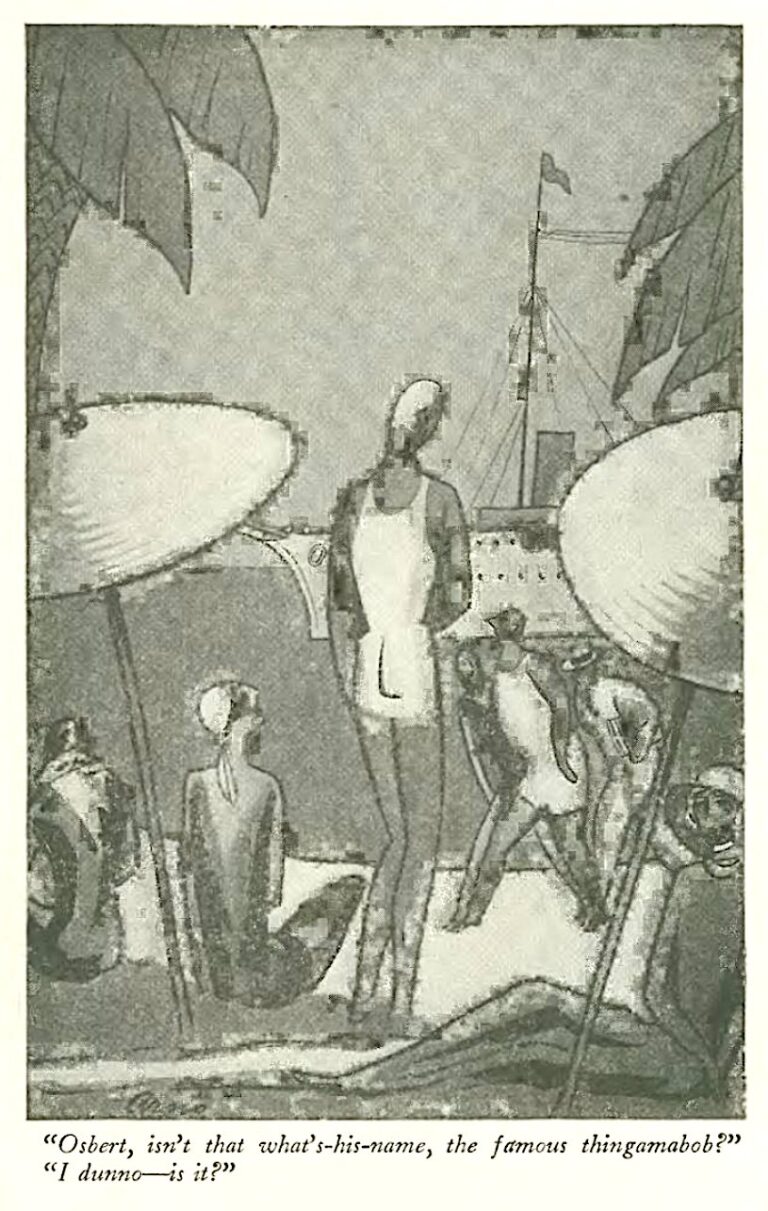
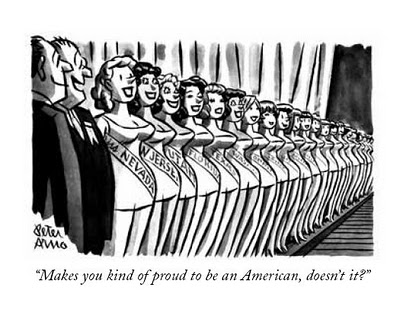
On the subject of Arno, there was only one drawing with a caption…by Arno…
MGM spent nearly $5 million (about $70 million today) to make the silent epic Ben-Hur, filming the movie on location in Egypt, Italy and the United States. The New Yorker’s film critic Theodore Shane was not impressed.
Shane wrote that $4,999,999.95 had been spent “on massive effects and the remaining $.05 on drama.”
He noted, however, that the original story, an 1880 novel by Lew Wallace (who was a Union general in the Civil War, among other things), was pretty lacking in drama to begin with, just a “piece of bric-à-brac romance (that was) nothing more than a super Rover Boys story touched up with a Biblical background.” Here’s Shane’s entire review of the film, which was released by MGM on December 30, 1925:
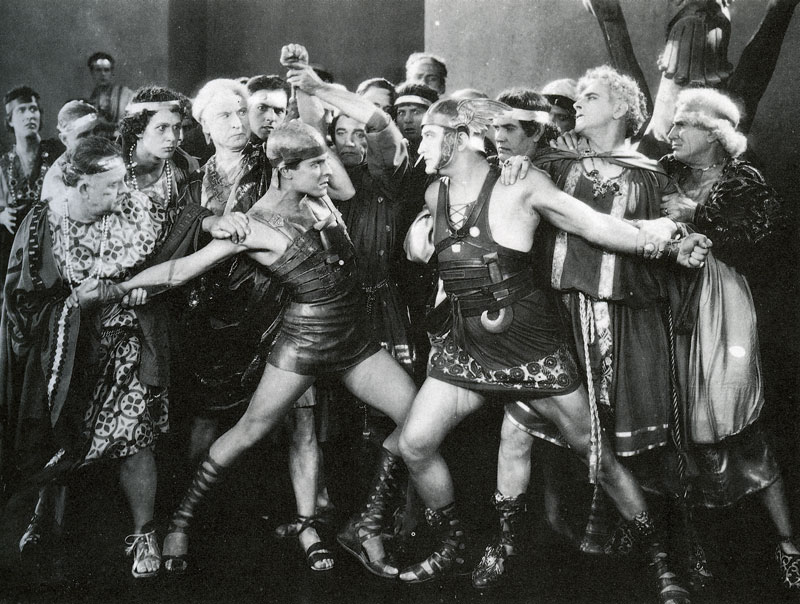
A Nickel’s Worth of Drama…Ramon Novarro (left) and Francis X. Bushman mix it up in Ben-Hur (1925) (Virtual History)
This was actually the second Ben Hur film. The first was made in 1907, a 15-minute silent costing $500 (and it really was made on the cheap; the producers stole some shots of a mock chariot race at a fireworks show at Sheepshead Bay, Brooklyn, and then added some interior shots to complete the picture).
For the 1925 Ben Hur, filming on location proved difficult from the start. Italy’s new leader, Benito Mussolini, was in an anti-American mood when production began, and labor disputes often delayed filming. By all accounts, conditions were miserable. Kevin Hagopian, in an essay for the New York State Writers Institute, observed “The worst agonies were reserved for the film’s climax, the chariot race. Legendary second unit director B. Reeves Eason’s nickname “Breezy” was certainly not earned by his work on the Ben-Hur set, for his merciless pace cost the lives of over a hundred horses. As [actor Francis X.] Bushman said sadly, “If it limped, they shot it.” A stunt man was killed in a chariot crash, and [actor Ramon] Navarro himself only narrowly escaped death.”
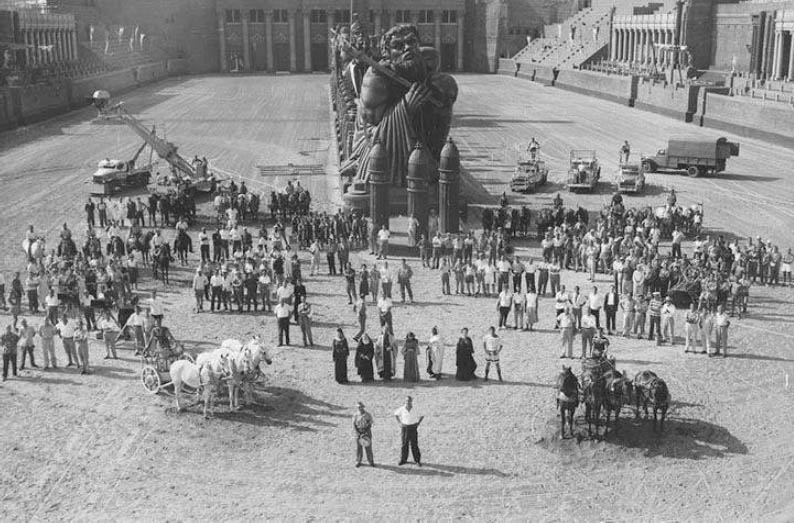
The troubled Italian set was eventually torn down and a new one built in Culver City, California. The crowd scenes and master shots for the race were done in a single day, with forty-two cameras covering the action.
The famed chariot race staged in Culver City, California, was shot with 42 cameras.
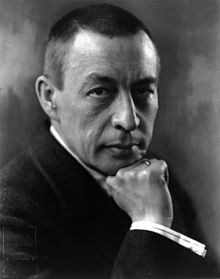
In “Profiles” Esther Carples looked at the life of Sergei Rachmaninoff, who was widely considered one of the great pianists of his day, and as a composer represented the last vestiges of Romanticism in Russian classical music. Carples painted a portrait of a brooding genius, a man with aristocratic bearing who lived in lonely exile from his native Russia.
Sergei Rachmaninoff in 1921. (Library of Congress)
In 1921, Rachmaninoff bought a house on 33 Riverside Drive in New York City, where he lived until 1925. There he consciously recreated the atmosphere of Ivanovka (his beloved Russian summer house) entertaining Russian guests, employing Russian servants, and observing old Russian customs.
*****
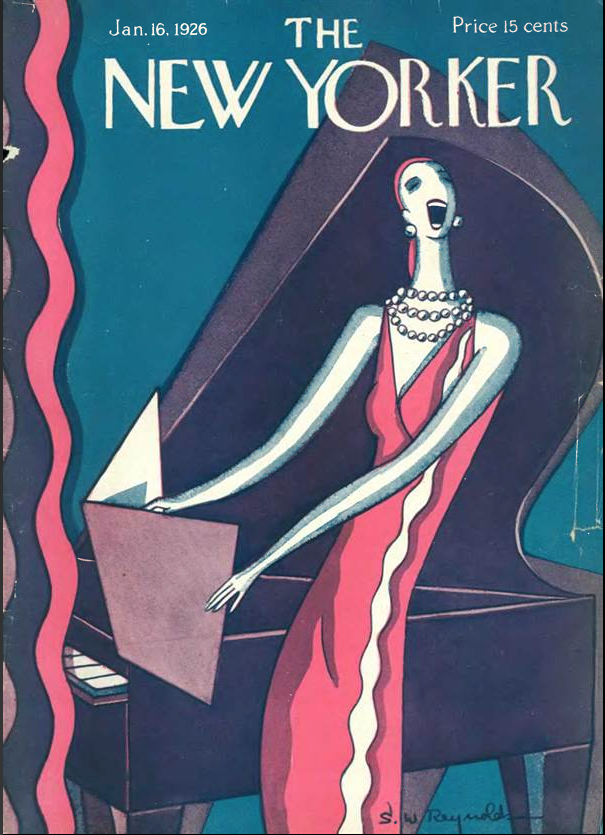
Jan. 16, 1926 cover by S.W. Reynolds.
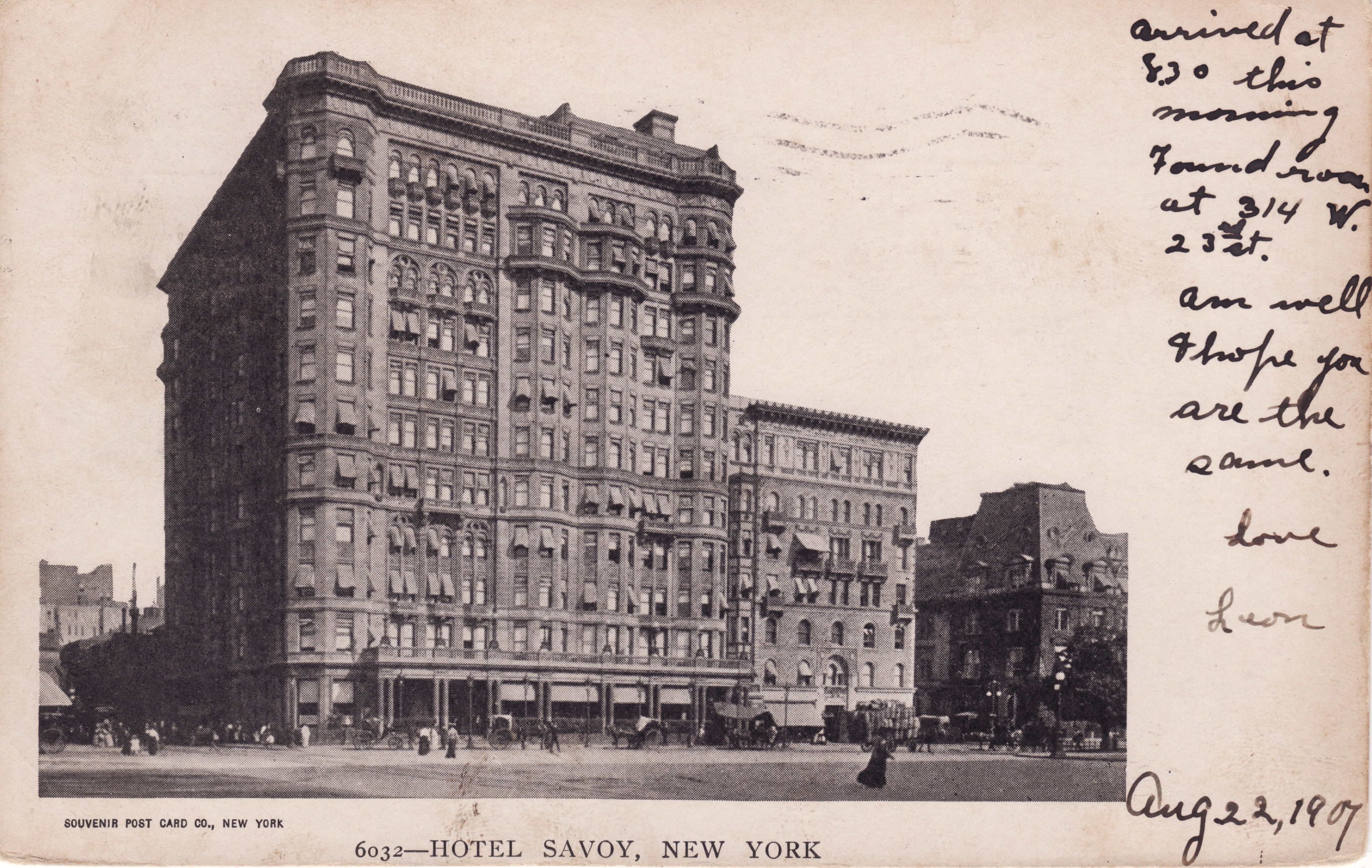
Let’s move on to the next issue, Jan. 16, 1926. “The Talk of the Town” noted another loss of a Fifth Avenue landmark with the Savoy Hotel was falling to the wrecking ball.
The Savoy, built in 1891-92, was slated to be replaced by The Savoy Plaza Hotel, which itself would be demolished in 1965-66 (amid significant public outcry and protest) to make way for the eastern headquarters building of General Motors.
It was observed that the new year would see a boon in construction of huge new buildings along the Avenue, and buildings only five years old (such as Heckscher Building) would be dwarfed by the new towers.
Another One Bites The Dust…The Savoy Hotel (stuffnobodycaresabout.com)
The New Yorker continued to have fun with actress Gloria Swanson‘s pretensions to royalty (she was married to the Marquis de La Coudraye at the time). This time it came from the pen of Jimmie the Ink (James Daugherty), part of his series of drawings that coupled famous people of the day in comic situations:
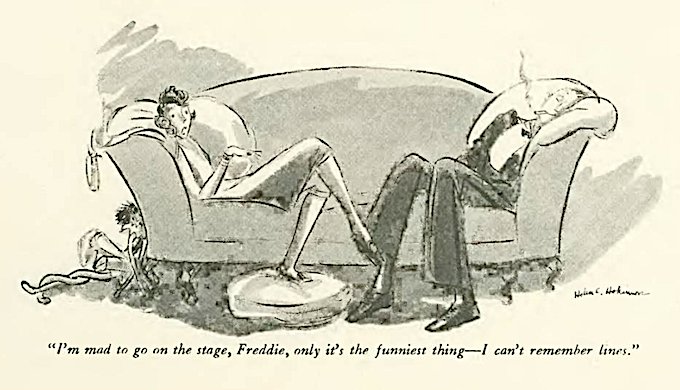
The issue also featured Helen Hokinson with a cartoon that seemed more in Barbara Shermund’s wheelhouse…
…a Julian de Miskey drawing for the theatre section…
…and a Peter Arno illustration…
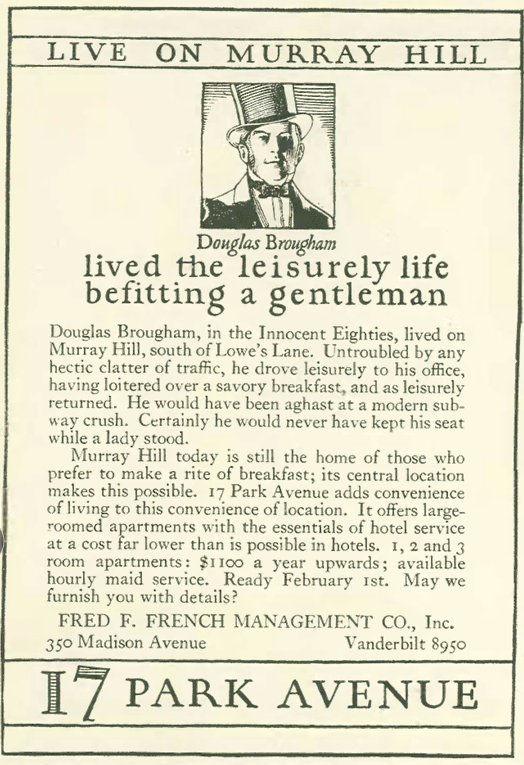
To close, two ads from the Jan. 16 issue, this one appealing to Anglophilic, aristocratic aspirations of certain readers…
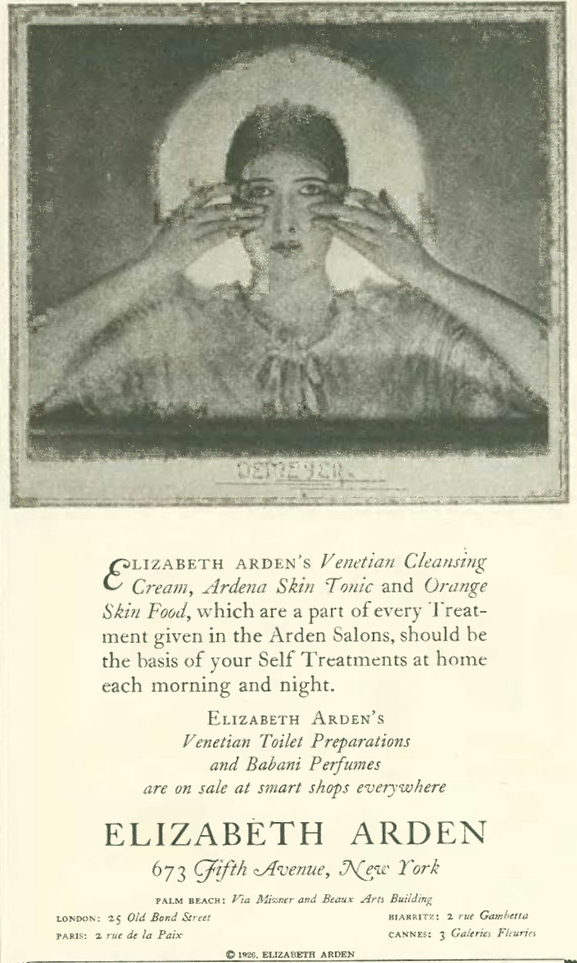
And this one from Elizabeth Arden, who will become a mainstay in the magazine with these ads featuring women with ghostly stares, usually with their heads wrapped tightly to combat sagging skin. Thanks to Hollywood, it was the age of the close-up, so wrinkles and blemishes be gone!
In the fall of 1925, Peter Arno’s illustrations began to pop up in the pages of The New Yorker magazine.
Arno’s early illustrations were surprisingly understated, given that he would go on to become one of the magazine’s best known cartoonists, contributing many memorable illustrations and cartoons–and 99 covers–to the magazine from 1925 until 1968, the year of his death.
Recently described by longtime New Yorker writer Roger Angell as “the magazine’s first genius,” in 1927 Arno would marry fellow New Yorker contributor Lois Long (“Tables for Two” and “On and Off the Avenue”).
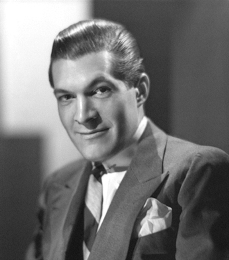
Peter Arno
In his memoir Here at The New Yorker, Brendan Gill wrote that editor Harold Ross frowned on office romances, but “it was perhaps inevitable that Arno and Miss Long should have fallen in love.”
To keep his party-loving contributors close to the workplace, Ross opened a staff speakeasy in the basement of a near-by property. Long later relayed this story to writer Harrison Kinney about Ross’s ill-fated experiment:
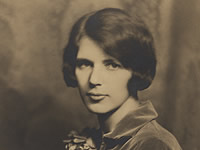
Lois Long
“(Ralph) Ingersoll came in one morning and found Arno and me stretched out on the sofa nude and Ross closed the place down…Arno and I may have been married to one another then; I can’t remember. Maybe we began drinking and forgot that we were married and had an apartment to go to.”
The marriage would last only three years (and produce a daughter…more on that in a later post), but they would collectively give more than eight decades of their lives to the magazine.
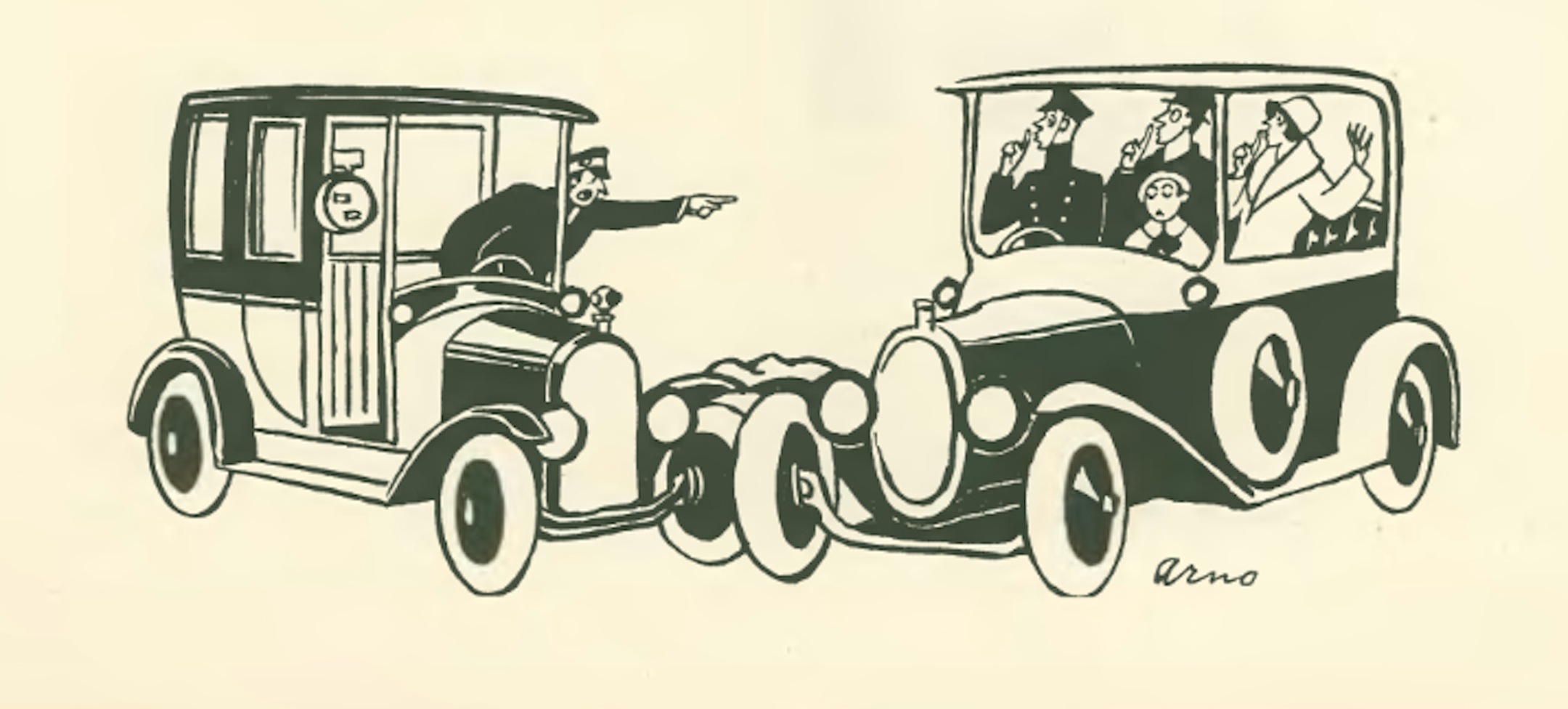
Examples of Arno’s early contributions:
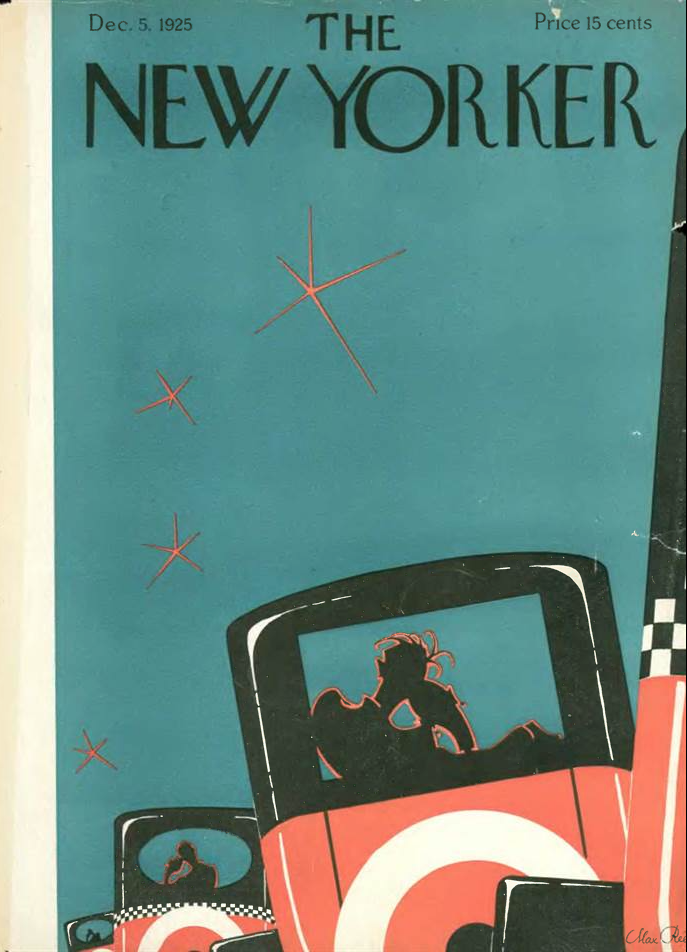
August 1925Dec. 5, 1925
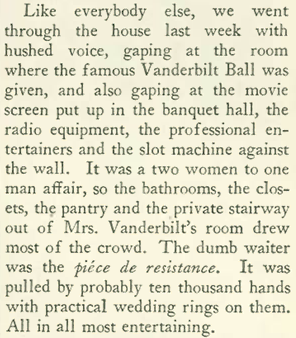
And his later work…a cartoon from 1960:In other news, “The Talk of the Town” editors also joined the throng of gapers taking one last look at the Vanderbilt mansion:
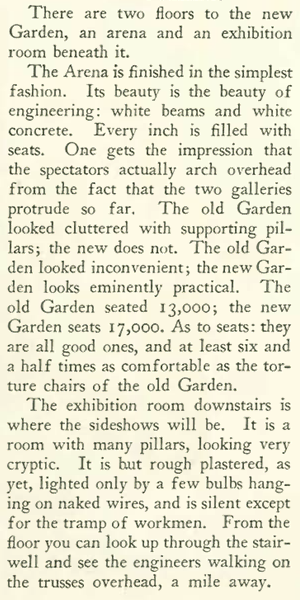
And they rhapsodized about the new Madison Square Garden, which was nearing completion at Eighth Avenue between 49th and 50th streets:
Postcard image of New York City’s Madison Square Garden No. 3, which remained in use until 1968. (Wikipedia)
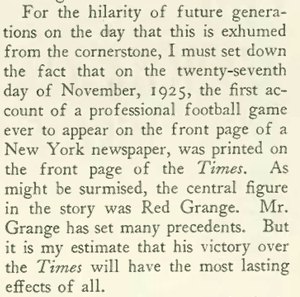
“Profiles” featured the “Apostle of Perfection,” Dutch conductor Willem Mengelberg, famed for his performances of Mahler and Strauss. “The Current Press” noted the first-ever coverage of a professional football game by a New York newspaper (NY Times):
An excerpt from the lengthy Times article referenced by The New Yorker:
THE GALLOPING GHOST…Red Grange with the Chicago Bears in 1925. (Library of Congress)
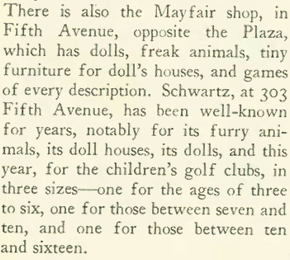
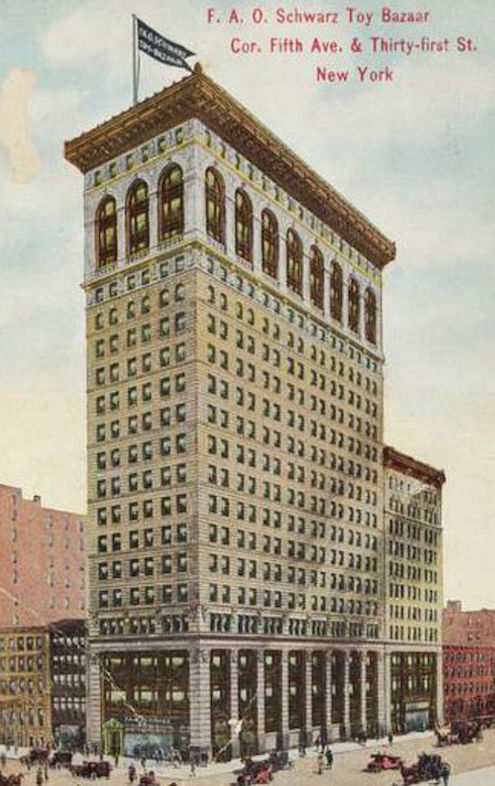
In “On and Off the Avenue,” Lois Long wrote about the wonders of children’s toys on display for the Christmas season:
It is worth noting that the “Schwartz” store to which she referred (known to most of us as FAO Schwartz) will be closing its current Fifth Avenue store at the end of 2016. The name will live on (sadly) in online retailing as a unit of Toy’s R Us.
This is the F.A.O. Schwarz store that would have been familiar to Lois Long. (6sqft.com)
And in her “Tables for Two” column, Long referred to the previous issue’s blockbuster article penned by the reluctant debutant, Ellin Mackay, which perhaps made Long’s nighttime forays a bit less novel:
The Dec. 5 issue also carried a response to Mackay’s article, written by a young Yale alumnus named William Adee. A couple of brief excerpts:
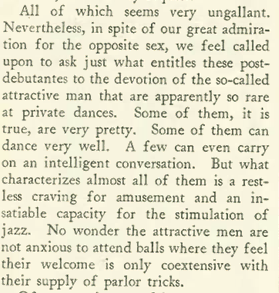
Later in his lengthy rebuttal, Adee offers this (exasperated) observation:
In “Motion Pictures,” Theodore Shane found little to recommend: Cecille B. DeMille’sThe Road to Yesterday was “hokum,” The Masked Bride tame, and the new Tom Mix picture, The Best Bad Man, was in need of a plot.
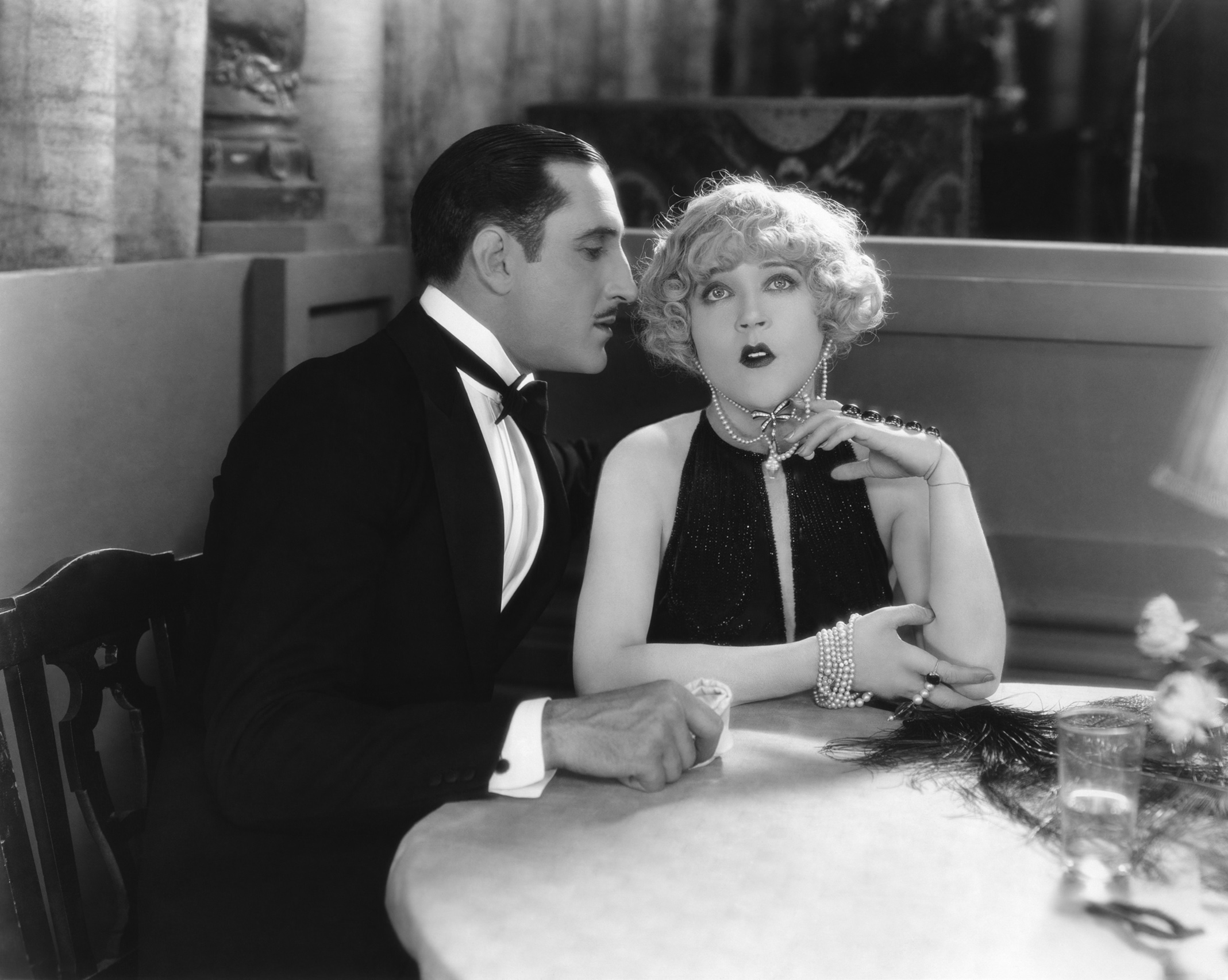
HO HUM…Basil Rathbone and Mae Murray in The Masked Bride. The film is now lost. (doctormacro.com)
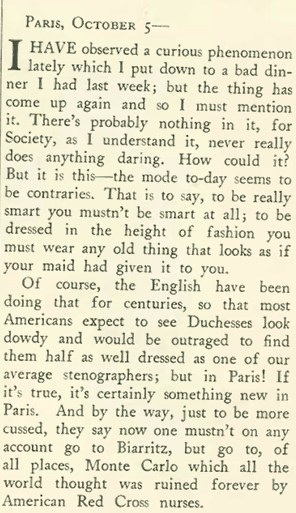
Apparently even Parisians have fashion lapses from time to time. Janet Flanner (Genêt) reported with some alarm a “curious phenomenon” from Paris in the Oct. 24, 1925 issue of The New Yorker.
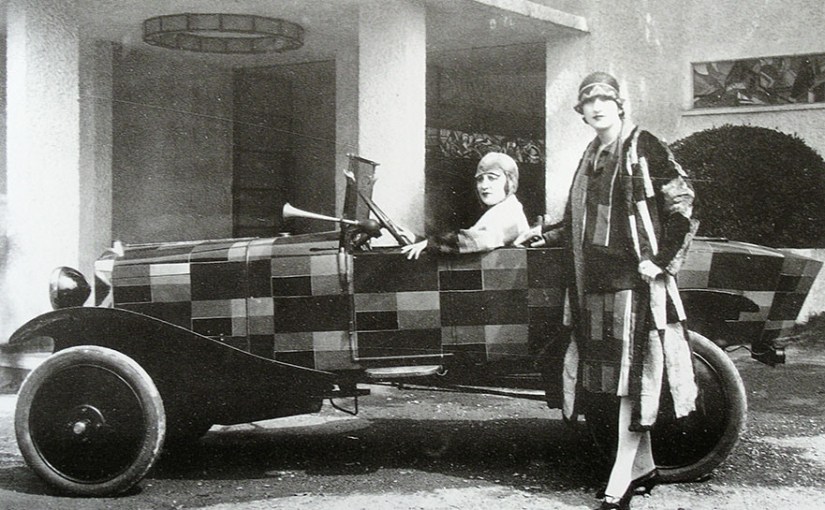
It seemed that the otherwise fashionable Parisians were slumming it a bit and had adopted a dowdy look previously associated with residents of the British Isles. (The un-dowdy image at the top of the page is French designer Sonia Delaunay and her matching Citroen in 1925).
Apparently such pedestrian tastes had also caused a shift from formerly fashionable travel destinations on the Atlantic coasts to Mediterranean destinations:
And to top things off, the French were agog over the latest Charlie Chaplin film, The Gold Rush (another French favorite of American clown-dom, Jerry Lewis, would be born the following year):
But then there was another new distraction in town, the Autumn Salon:
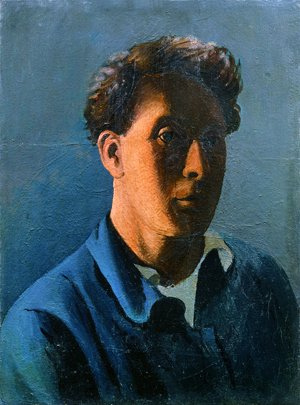
Pavel Tchelitchew, self-portrait, 1925 (Flickr)
Pavel Tchelitchew was known as a leader of “mystical surrealist” painting. He left his native Russia in 1920 and lived in Berlin before moving to Paris in 1923. There he became acquainted with Gertrude Stein and Edith Sitwell, the latter with whom he had a long-standing friendship.
The French were also on display in a comic piece by Theodore Shane, who also served as the magazine’s movie critic.
Shane wrote a piece titled “Fra~nce” in a style that suggested he was teaching children about France by dividing words into syllables (it was similar to a piece about Russia (“Rus~sia”) in the Aug. 29 issue, signed “Freudy”) Here’s a sample:
A full-page ad on the Page 1 announced the “The Midnight Open” event at The 19th Hole Club in the Hotel Roosevelt, with an impressive lineup of golf professionals such as Walter Hagen and Gene Sarazen and even “prominent amateurs” including Bobby Jones.
The Roosevelt Hotel, which opened in 1924 (Expedia)
I was surprised that the annual membership fee was advertised as only $10, which would roughly translate to $135 today—a bargain compared to what it costs today to join even the lowliest golf club.
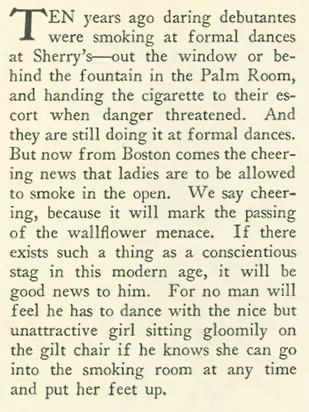
“Talk of the Town” welcomed news from Boston that “ladies are to be allowed to smoke in the open” in that city (drawing by Johan Bull):
In a feature “Our Collegiate Hilltop,” Elmer Davis wrote about the droves of college students who had taken over much of the available housing along Morningside, “a ghetto for the Nordic native-born.” Davis offered this lament about Columbia’s continued creep into the surrounding neighborhoods (with accompanying art by Helen Hokinson):
“Profiles” examined the life of “A Kind Man,” William Lyon Phelps. That title was not meant as a complement from writer Waldo Frank, but rather it was his “kindness” toward authors that caused him to praise books that were not worthy of praise and made him the personification of the “most American of disasters: the disaster of Good Intentions, when they are not fortified by intellectual hardness, when they are not drained of all sentimental juices.”
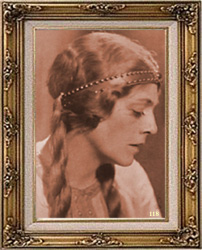
Ethel Barrymore in 1925 as Ophelia in Walter Hampden’s Production of Hamlet. (barrymorefamily.com)
In “The Theatre” Elsie Ferguson and Basil Rathbone were appearing in The Grand Duchess and the Waiter at the Lyceum (“an agreeable piece of work”), while Ethel Barrymore “wowed” critic Herman J. Mankiewicz with her performance as Ophelia in a revival of Hamlet at Walter Hampden’s Theatre.
Or at least I think she wowed him. Mankiewicz knew and worked with the Barrymore family, and I wonder if his over-the-top style here is a wink to the fact that a 45-year-old Ethel was playing the part of a young virgin. Here’s an excerpt from the review:
I hate to jump ahead, but in the Nov. 14 issue, “Talk of the Town” offered this humorous anecdote from one of Barrymore’s performances:
In sporting news, John R. Tunis continued his coverage of rivalry matches staged at Yankee Stadium, this time the fiercely competitive Notre Dame vs Army matchup. Despite Notre Dame’s renown under Knute Rockne, Army was a worthy foe in the 1920s and in this particular matchup the Cadets blanked the Irish 27-0. The matchup between these teams was so popular that it was played at Yankee Stadium until 1947.
And finally, Lois Long sharpened her pencil and offered her thoughts on a dull dinner crowd at Pierre’s:
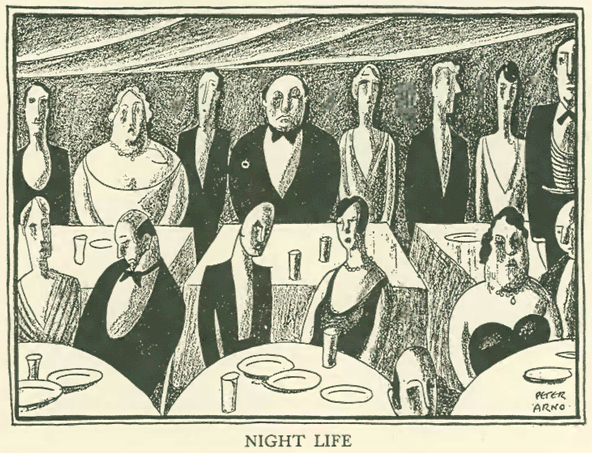
A drawing by Peter Arno (who would marry Long in 1927) in another section of the magazine seemed to refer to Long’s lament:
Long also offered some criticisms of a “new negro revue” that decidedly differed from the mainstream:
A great illustration by Julian de Miskey of the Bellows exhibition at the Met:


 According to New Yorker cartoonist Michael Maslin, “in 1925, The New Yorker published nine Arno drawings. In 1926, it ran seventy-two. The enormous jump was due to the wild success of two cartoon sisters Arno created: Pansy Smiff and Mrs. Abagail Flusser, otherwise known as The Whoops Sisters. The Sisters were not sweet little old ladies — they were naughty boisterous grinning “wink wink, nudge nudge” sweet little old ladies, their language laced with double entendres.”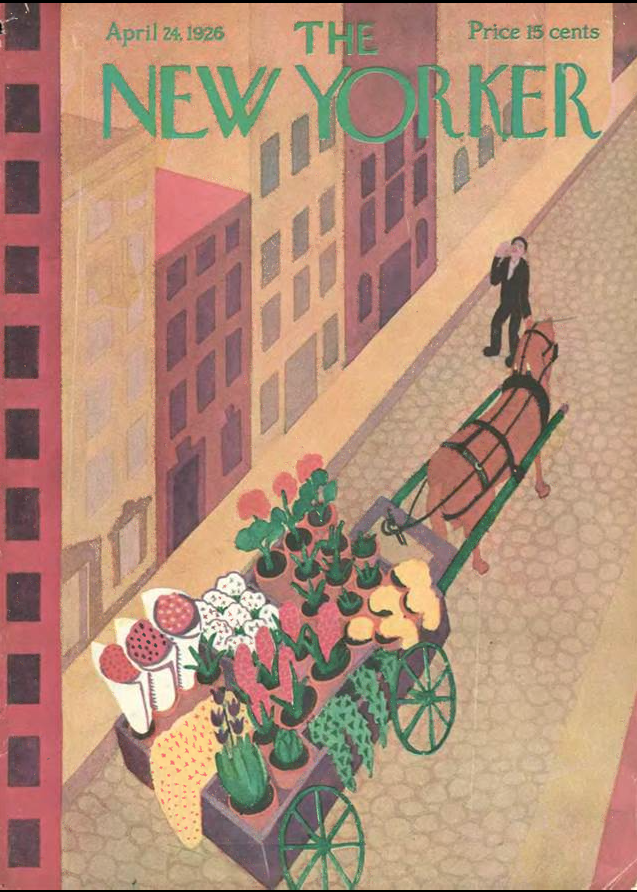






























 A New Yorker State of Mind