
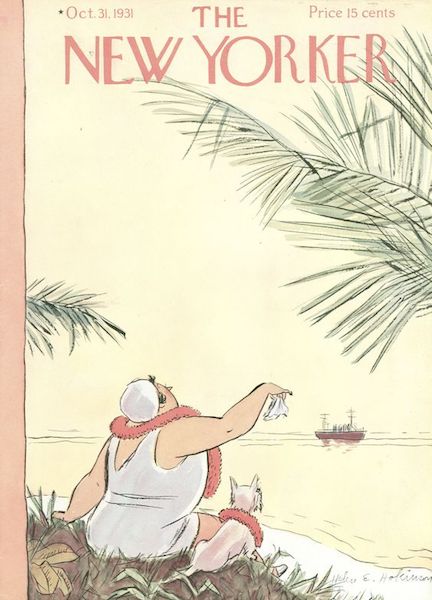
Anticipated in science fiction in the early 20th century, television was one of those signifiers of a better life in the future, and the popular press drove home that message with its breathless reporting on the latest advancements. E.B. White, on the other hand, found the latest experiment in television to be less than thrilling, maintaining prescience of mind to see things as they were, and what they might become.
In “The Talk of the Town” White wrote about the unusual demonstration of television to an audience in the B.S. Moss playhouse. They were treated to a broadcast from the Guild Theatre, just one block away.

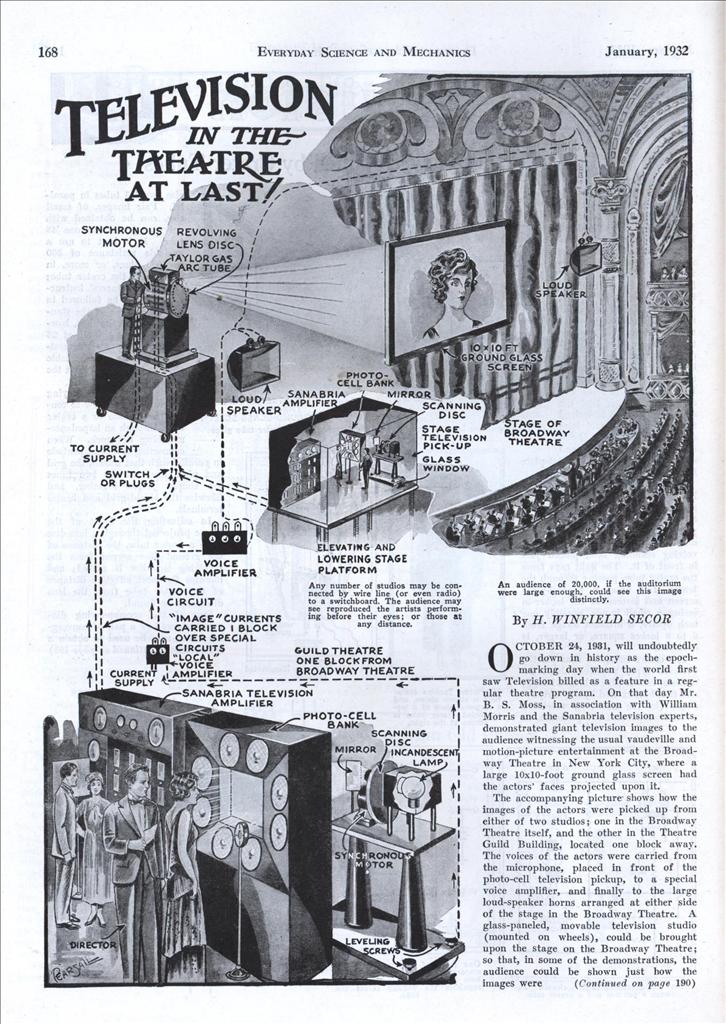
…now to the popular press, the demonstration—contrary to White’s account—was a wonder to behold:
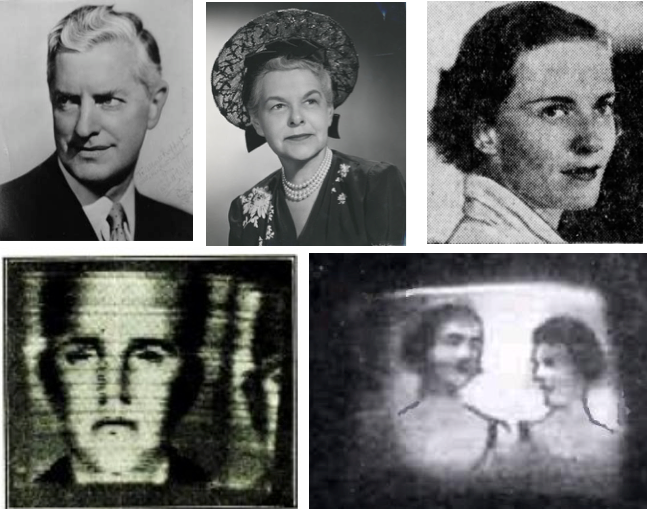
The actual product, however, had a long way to go…
* * *
Comeback Kid
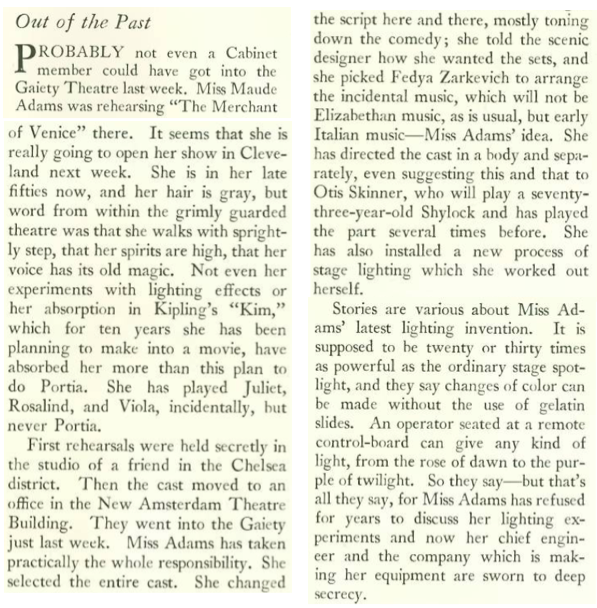
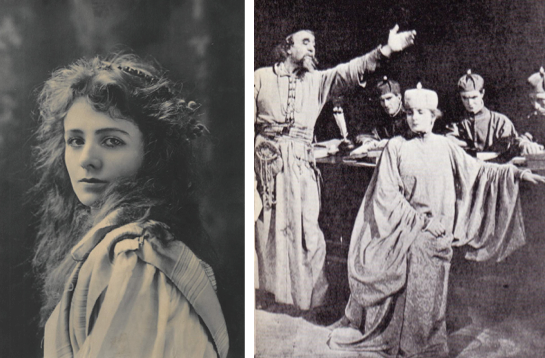
Not well known today, but in the early 20th century Maude Adams (1872-1953) was a household name; her touring productions beginning around the turn of the century made her the most popular actress in America, and she sealed that deal in 1905 when she played Peter Pan on Broadway to great acclaim. Her success continued until 1918, when the Spanish flu pandemic nearly claimed her life. After recovering from the illness she retired from acting and turned her attention to making improvements in electric lighting, creating an industry standard for both stage and film. When she returned to acting in 1931, it was big news, and “The Talk of the Town” was there to tell us about it. Excerpts:
* * *
Rags to Rags
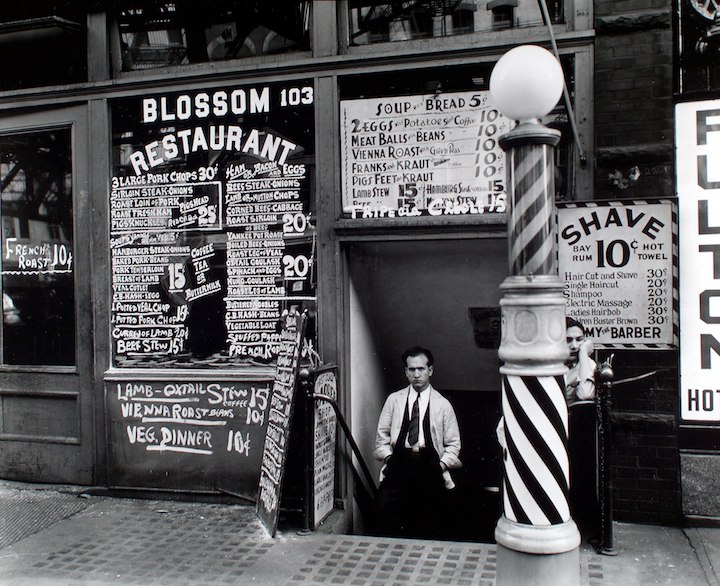
The New Yorker departed from its usual profiles of the rich, powerful and/or famous and focused instead on a “Bowery Bum” named John McGoorty. Also unusual was the profile’s author, Russel Crouse, better known then and now and as an American playwright and librettist. Appropriately, Reginald Marsh lent his “Ashcan School” style to the illustration. Here are some excerpts:

* * *
From Our Advertisers
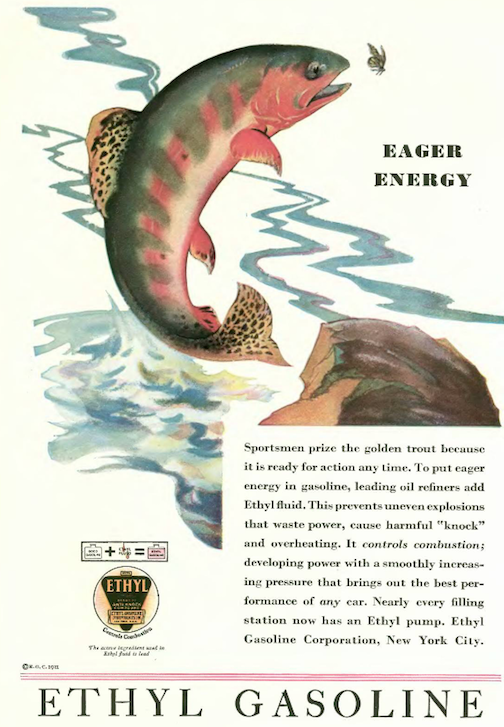
We begin with some lovely color ads…the makers of the gasoline additive Ethyl (active ingredient, lead) continued their series of nature-themed ads…
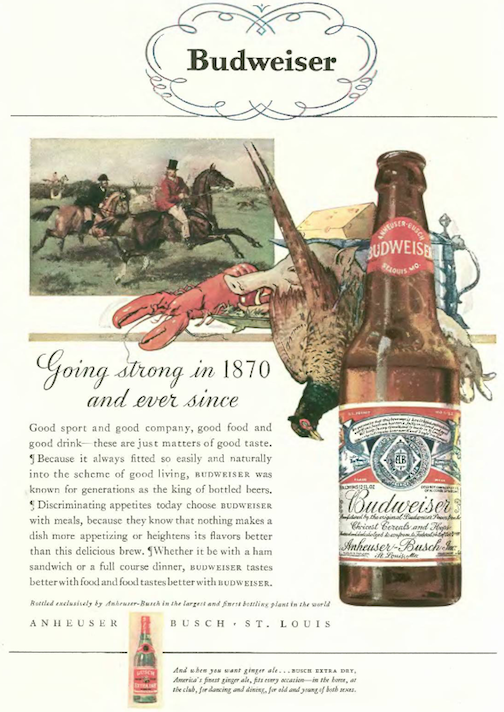
…while Budweiser, perhaps anticipating the end of Prohibition, reminded readers of the refreshing flavor of its beer, even if it was non-alcoholic…
…R.J. Reynolds reminded women smokers that their Camel cigarettes left no after-taste…
…while Lorillard went a step further and claimed its Old Gold brand made a smoker downright kissable…

…the makers of Pepperell Peeress sheets and pillowcases offered this “Talk of the Town” parody to promote their wares…

…illustrator Frank McIntosh, known for his Art Deco travel drawings, (and who contributed just four drawings to The New Yorker), gave us this stylish illustration for Guillaume Lenthéric’s famed parfums…

…New Yorker cartoonist/illustrator H.O. Hofman contributed this drawing on behalf of the Artists and Writers Guild, offering their designer bridge cards…

…and speaking of bridge, we have Alan Dunn opening our cartoons…

…and in a less refined setting, we have this from Raymond Thayer, another contributor of just four drawings to The New Yorker…

…and this entry from Carl Rose reminds us of where we are in history, namely the Depression…

…James Thurber continued his exploration of the mysterious encounters between the sexes…

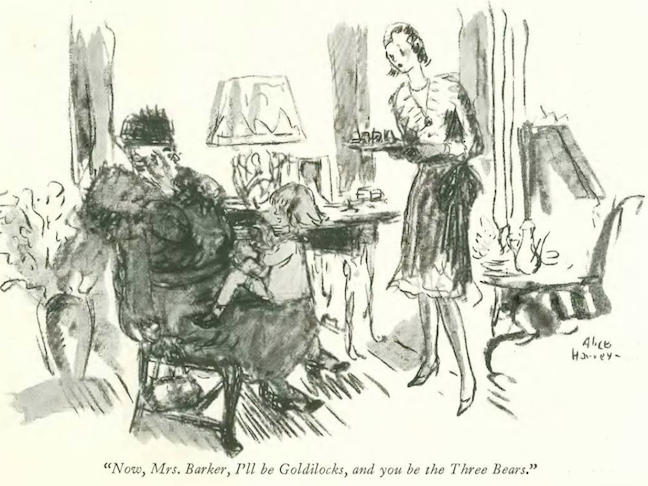
…and we end with Alice Harvey, and one unlikely play date…
Next Time: The Tragic Pose…





 A New Yorker State of Mind