Nize & Not So Nize

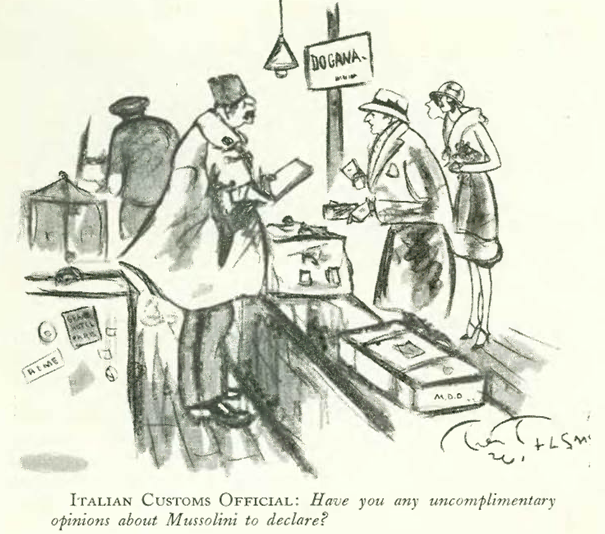
This entry opens with a “Nize Baby” comic illustration by Milt Gross, since Milt’s book by the same title was advertised in the May 22 issue (featured later in this entry). I thought it better to begin with a bright comic than with a depressing image of NYC’s “The Tombs” prison, which was featured in the May 15 issue’s “Reporter at Large” piece written by Morris Markey.

Screen Shot 2015-12-11 at 9.44.03 AM
May 15 cover by Ronald McRae.

The somber, colloquial name of the prison was actually derived from a previous prison that had occupied the area, designed in a fashion that resembled an “Egyptian mausoleum.” The original Tombs (pictured below) was built in 1838:

The-Tombs-First
(daytoninmanhattan)

The first Tombs was notorious as a place of extreme cruelty—most of the prisoners were simply detainees awaiting their hearings and few had been convicted of actual crimes. Nevertheless some remained imprisoned for up to ten months in horrible conditions. The city’s answer to the problem was simply to demolish the prison in 1897 and replace it in 1902 with a Châteauesque-style structure. This was the prison to which Markey paid his visit:

The_Tombs-built_1902
The prison (left) that replaced The Tombs connected to the 1892 Manhattan Criminal Courts Building with a “Bridge of Sighs” crossing four stories above Franklin Street. (Wikipedia)

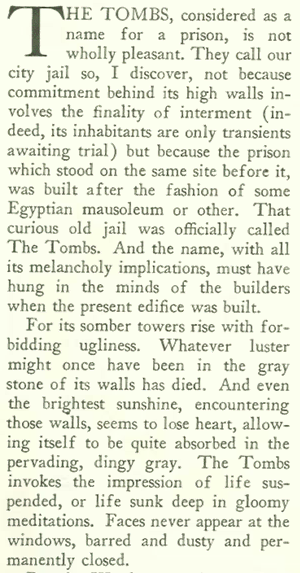
The prison may have been an improvement over the original Tombs, but Markey nevertheless found it a gloomy place:

Screen Shot 2015-12-17 at 1.30.44 PM

Now on to something a bit cheerier. It is springtime in New York, after all:

Screen Shot 2015-12-17 at 1.33.44 PM
May 22, 1926 cover by Julian de Miskey.

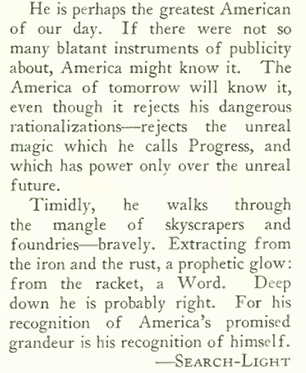
“The Talk of the Town” briefly commented on Sinclair Lewis’s refusal to accept the Pulitzer Prize for his novel Arrowsmith. Lewis said he did not agree with contests where one book or author was praised over another. In the “Profile” section, Waldo Frank looked at the life of philosopher and education reformer John Dewey…through a jaded lens:

Screen Shot 2015-12-17 at 1.42.00 PM

The issue featured this advertisement for a new book by cartoonist Milt Gross. He was best known for his comic characters who spoke a Yiddish-inflected English dialogue.

Screen Shot 2015-12-17 at 1.47.28 PM

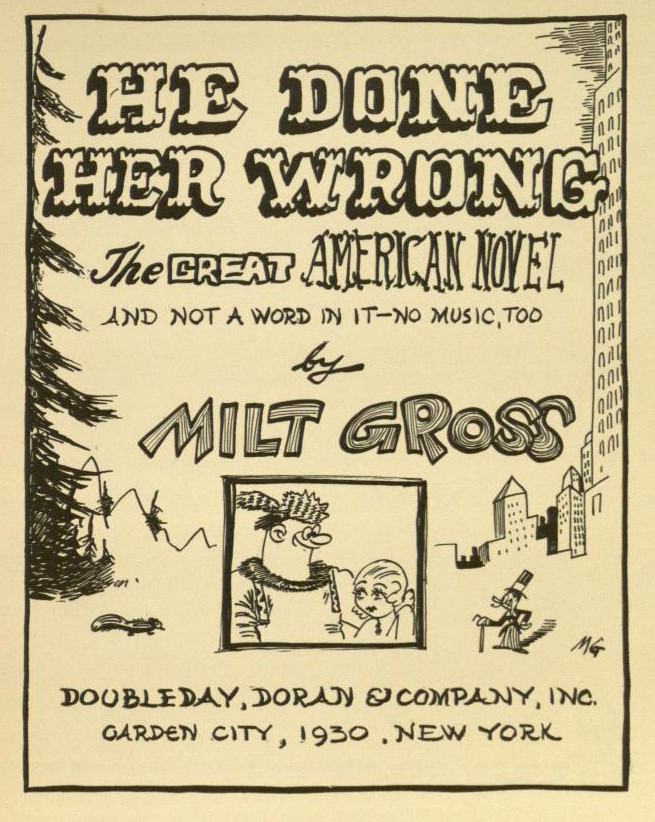
Gross is perhaps one of the first comic artists to publish (in 1930) what today we call a graphic novel—his pantomime tale He Done Her Wrong: The Great American Novel and Not a Word in It — No Music, Too. At nearly 300 pages, it was composed entirely of pen-and-ink cartoons.

Milt_Gross_(1930)_He_Done_Her_Wrong_(title_page)
Cover for He Done Her Wrong (Wikipedia)

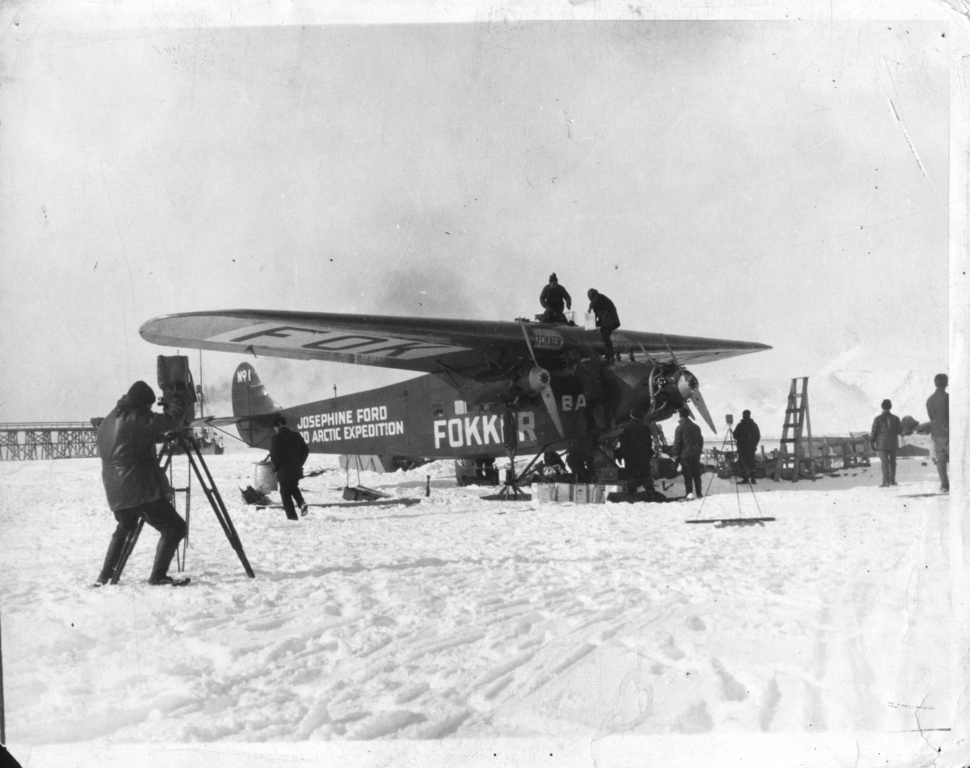
And The New Yorker took its usual blasé tone in reporting on the latest world news, namely Admiral Richard Byrd’s attempted flight over the North Pole.

web_Byrd7739_6
Pathé cameraman filming the Josephine Ford as it was being prepared for flight to the North Pole. (The Ohio State University Archives)

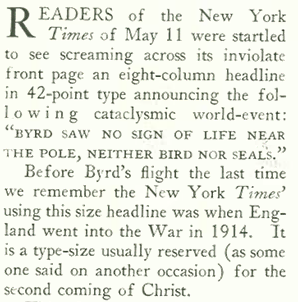
New Yorker editors had some fun taking jabs at The New York Times for its sensational headlines regarding the event:

Screen Shot 2015-12-17 at 1.43.41 PM

And to close, the first of what would be a series of ads for Grebe radios, including the weird testimonials by Confucius and “Doctor Wu”…

Screen Shot 2015-12-17 at 2.02.48 PM

Next Time: What to Drink During Prohibition…

Screen Shot 2015-12-17 at 1.51.20 PM


A Fine Mess

Screen Shot 2015-10-27 at 4.32.20 PM
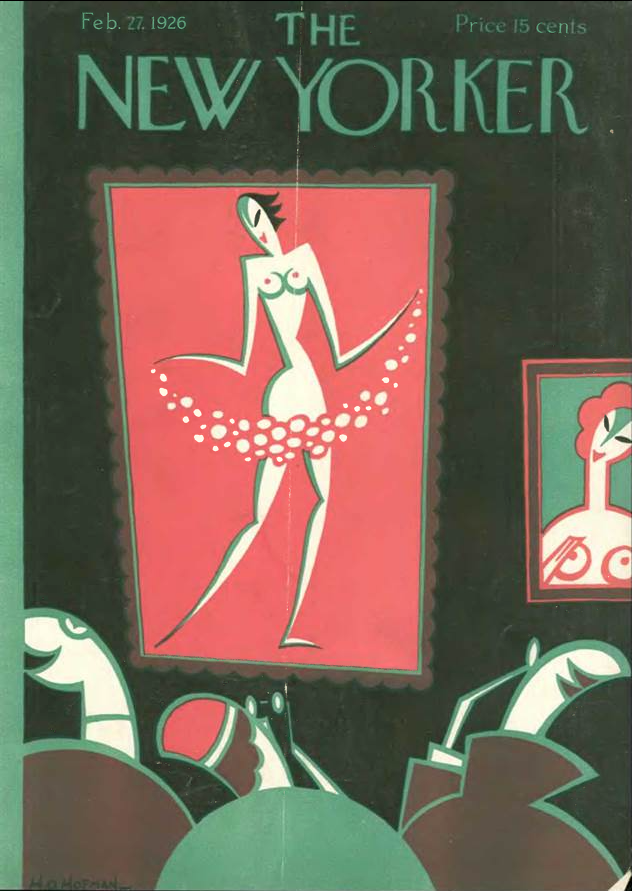
Feb. 27, 1926 cover by H.O. Hofman.

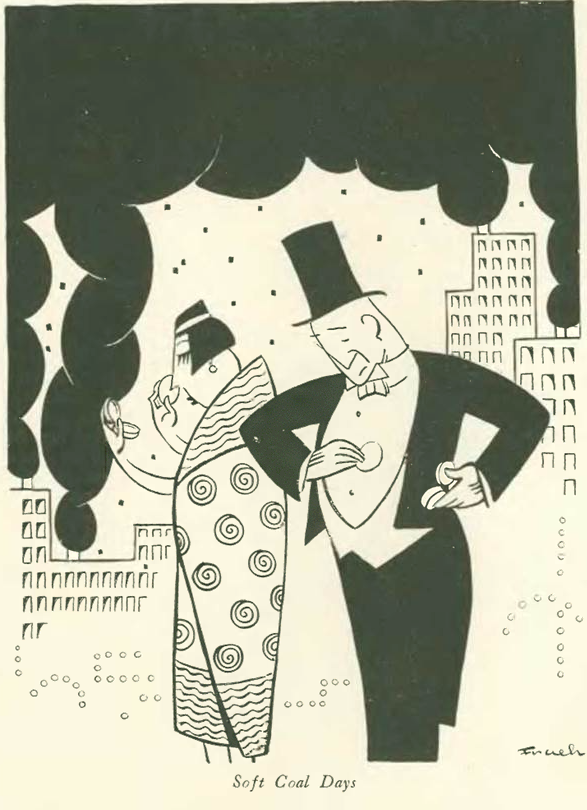
The month of February 1926 must have been miserable in New York City. A massive blizzard made a mess of the streets, which were then topped by a soot-laden smog. The smog was the result of homes and businesses burning soft coal, which produced far more smoke than the hard variety (which was in short supply).

The photo above, from the Daily News archive, shows a chaotic scene on Orchard Street (Manhattan’s Lower East Side) after the storm.

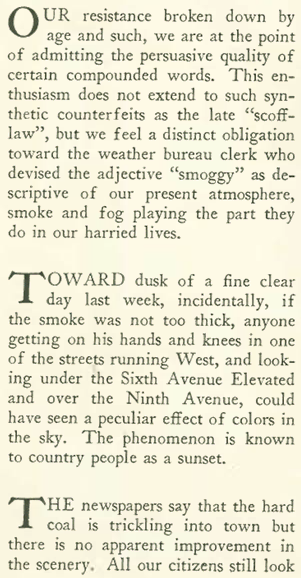
As could be expected, The New Yorker editors tried their best to make light of the situation, although they couldn’t resist making a racist remark regarding the effects of soot on the population. It is also interesting to note that the word “smoggy” was considered by the editors to be a relatively new term:

Screen Shot 2015-10-30 at 9.51.38 AM

Screen Shot 2015-10-30 at 9.51.50 AM

Al Frueh showed us how the toffs dealt with the situation…

Screen Shot 2015-10-30 at 9.52.10 AM

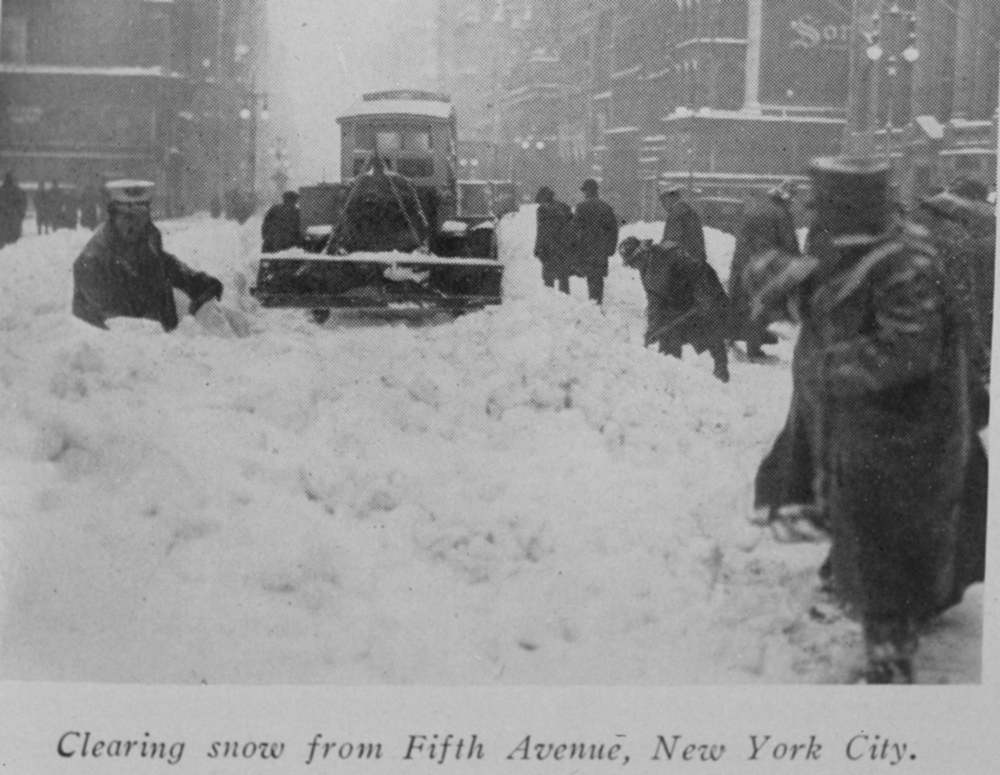
…and Fifth Avenue was not the best place for a fashionable stroll…

nycsnowshoveling
Shovelers were hired to clear the streets after 1926 blizzard (National Oceanic and Atmospheric Administration)

No doubt the foul weather contributed to the mood of the writers and critics at The New Yorker, who reacted rather sourly to the much ballyhooed Feb. 17, 1926 debut of young Marion Talley at the Metropolitan Opera. At the tender age of 19, she was the youngest prima donna to sing at the Met at that time.

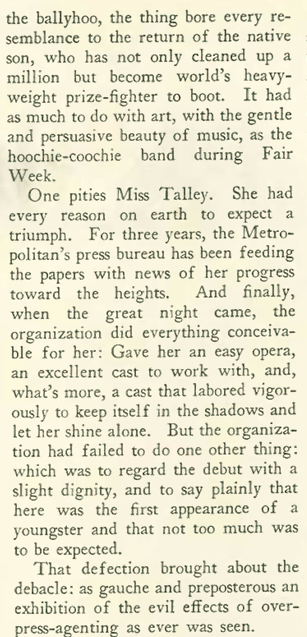
In his “A Reporter at Large” column, Morris Markey scoffed at the hype and small-town boosterism that accompanied the young singer from rural Missouri:

Screen Shot 2015-10-30 at 10.00.32 AM

Screen Shot 2015-10-30 at 10.00.47 AM

Talley’s debut performance was as Gilda, the daughter of the title character in Giuseppe Verdi’s Rigoletto. The Metropolitan Opera’s general manager, Giulio Gatti-Casazza, hoped Talley’s debut would be low-key and not overshadow the production. However, a delegation of two hundred leading citizens of Kansas City, including the mayor, arrived via a special train for the event.

Adding to the chaos, a noisy telegraph machine was set up backstage so Talley’s father could send dispatches to the Associated Press.

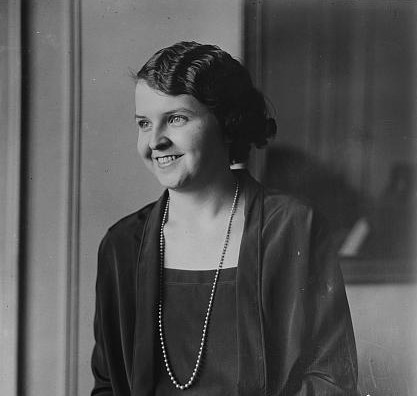
Marion_Talley_crop
OVER EXPOSED: Marion Talley in 1926. (Library of Congress)

Talley’s swift rise to fame would be followed by a relatively quick return to obscurity. After appearing in seven productions at the Met, her contract was not renewed for the 1929 season.

Next Time: Life of a Rum Runner…

Screen Shot 2015-10-30 at 10.13.15 AM