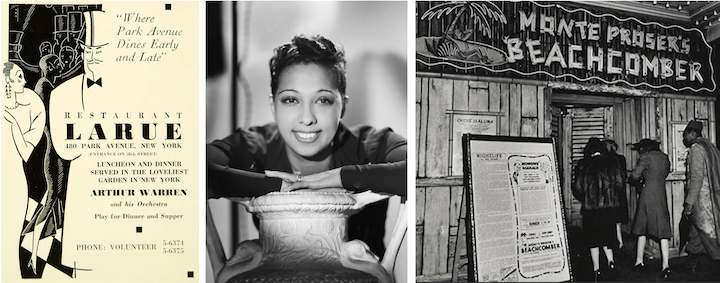
Above: Nightlife correspondent Lois Long checked out the latest clubs as well as old-time favorites in her column "Tables for Two." From left, advertisement for Restaurant Larue; Josephine Baker in 1937; and the entrance to Monte Proser's Beachcomber, an early iteration of the tiki bar that would become ubiquitous in midcentury America. (eBay.com/Wikipedia/mytiki.life)
Part three of Janet Flanner’s profile of Adolf Hitler can be found below, but it’s time to lead with something more pleasant, namely Manhattan nightlife through the eyes of Lois Long.
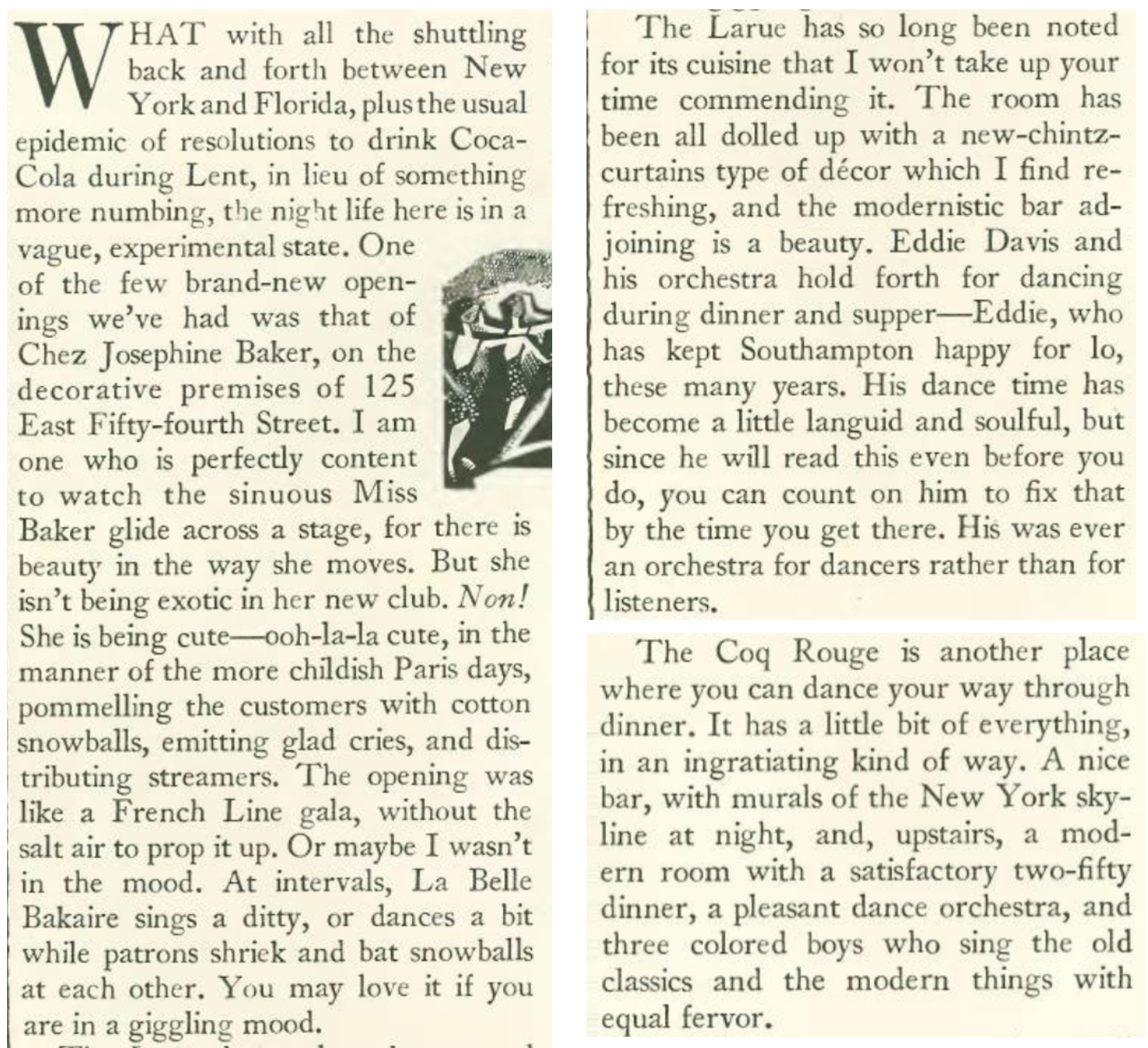
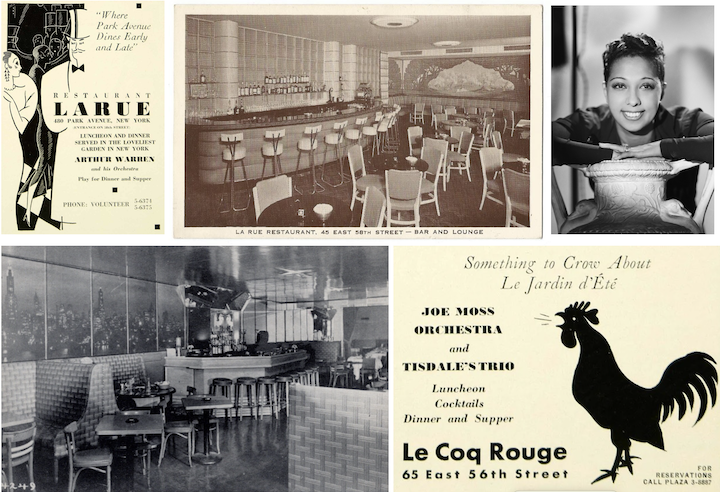
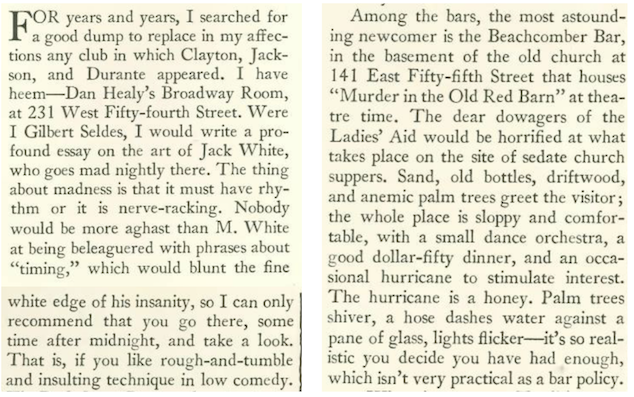
In her “Tables for Two” column headlined “Nostalgic Notes,” Long checked out the new Chez Josephine Baker, the garden-like delights of Restauarnt Larue, and the French-themed Le Coq Rouge.
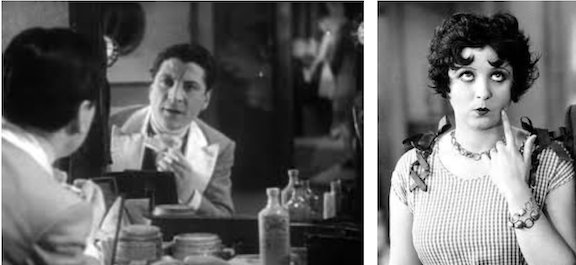
Long also noted the Beachcomber Bar, which originated in the basement of an old church, and actor Dan Healy’s Broadway Room.
* * *
Bummed Out
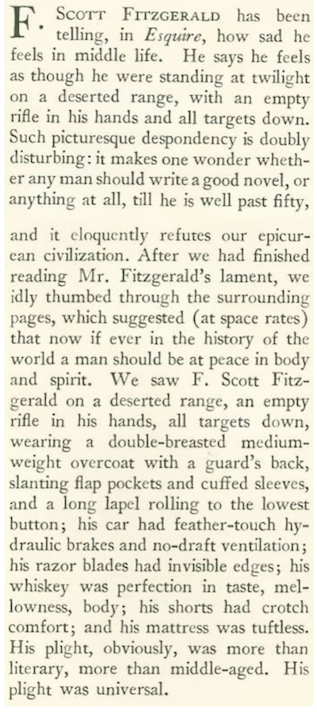
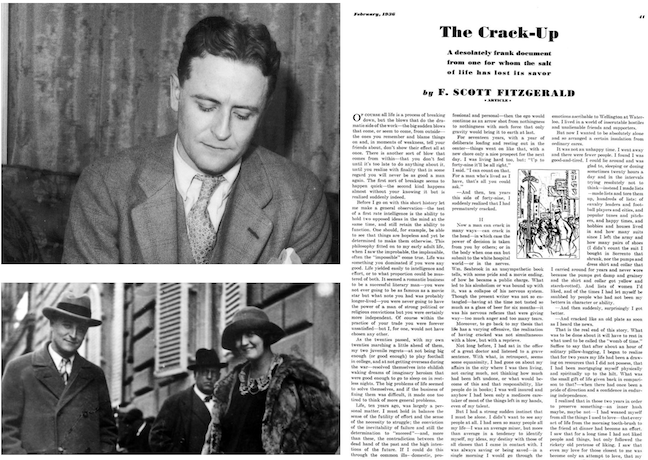
E.B. White (in “Notes and Comment”) referred to confessional essays published in Esquire magazine by F. Scott Fitzgerald that frankly described his struggles with alcoholism and the decline of his literary reputation. The confessional tone of the essays (three in all, published in February, March and April 1936) proved controversial at the time.
In his first essay, “The Crack-Up,” Fitzgerald famously observed that “the test of a first-rate intelligence is the ability to hold two opposed ideas in the mind at the same time, and still retain the ability to function.”
* * *
Say What?
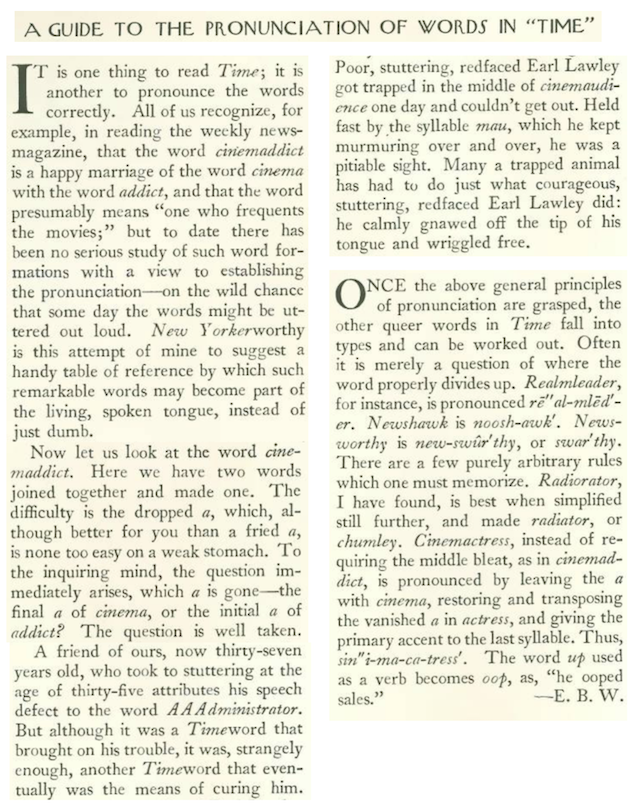
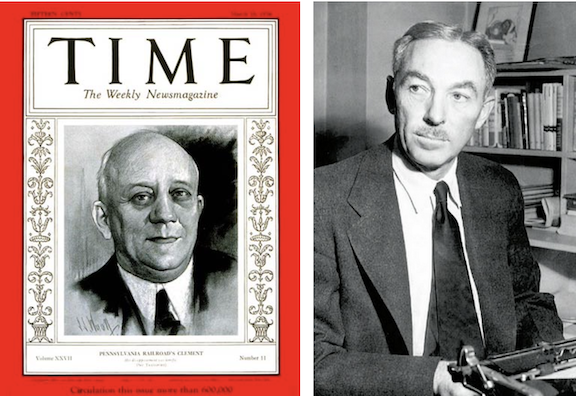
New Yorker writers rarely missed an opportunity to poke fun of Time magazine’s unique ways with the English language. E.B. White again, in an excerpt:
* * *
Dying to Know
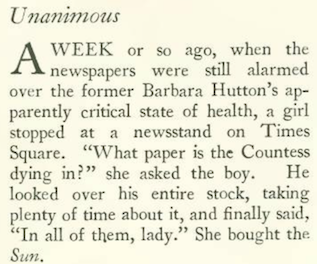
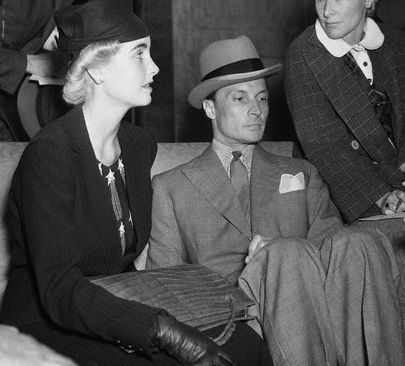
“The Talk of the Town” made brief mention of a rumor regarding Woolworth heiress Barbara Hutton’s health. Reports of her demise were premature; she died in 1979.
* * *
Part Three
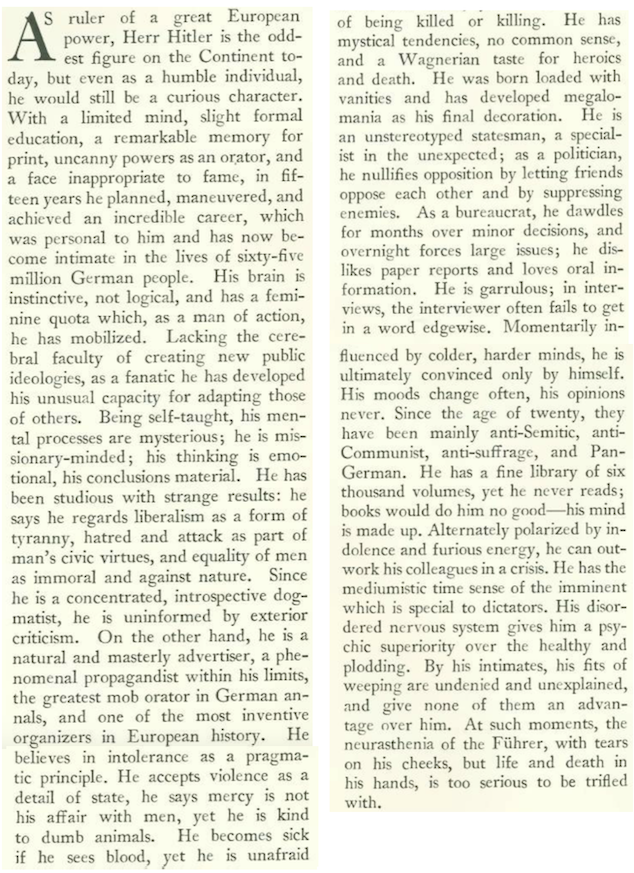
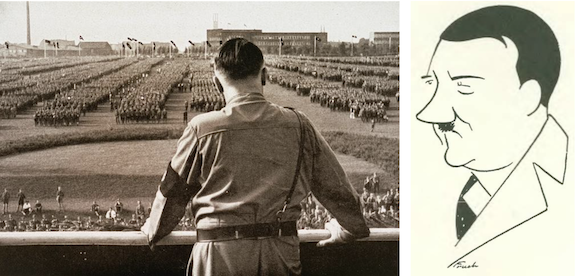
Janet Flanner completed her three-part profile of Adolf Hitler by looking into the man’s mind, if that was even possible.
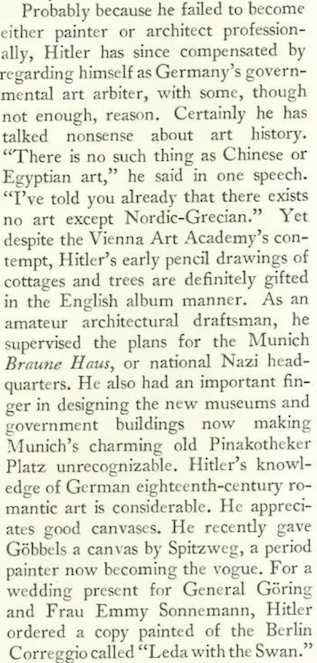
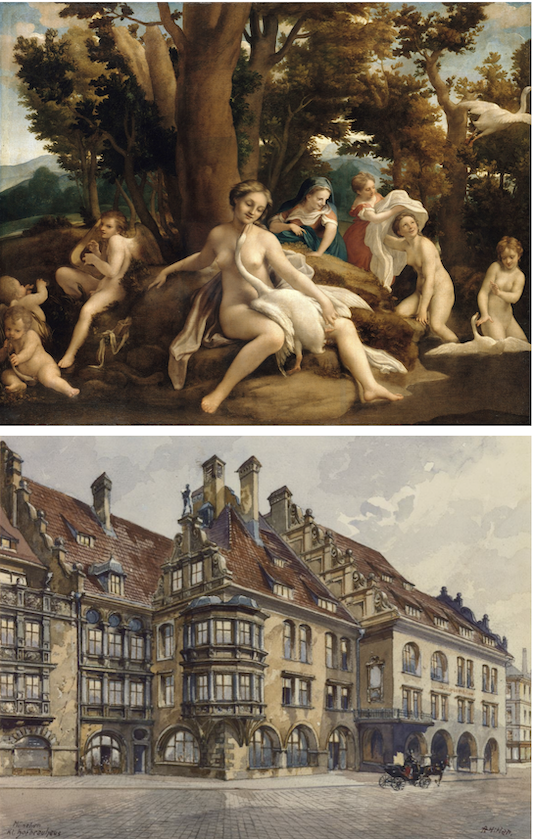
Flanner also noted the Führer’s early days as an unsuccessful painter, and an odd wedding gift to his buddy Hermann Göring:
* * *
China Syndrome
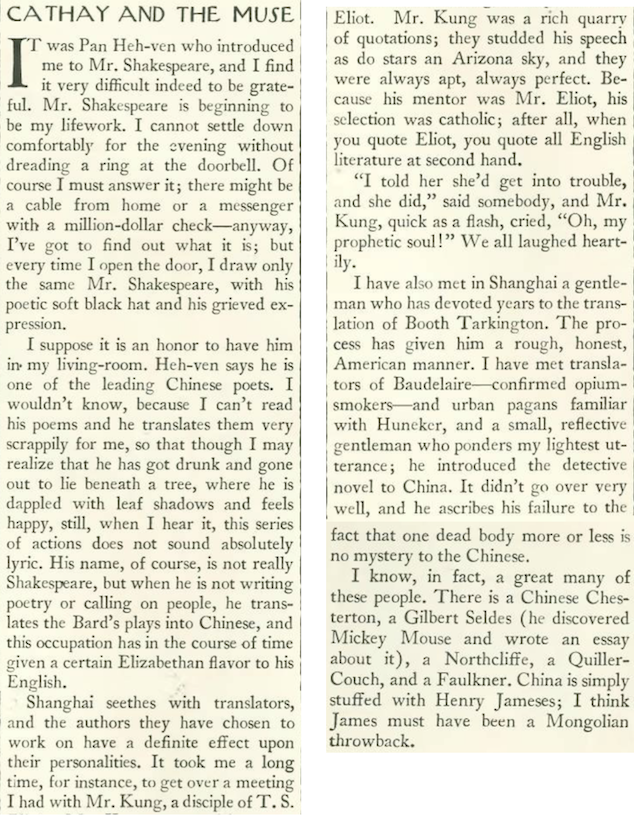
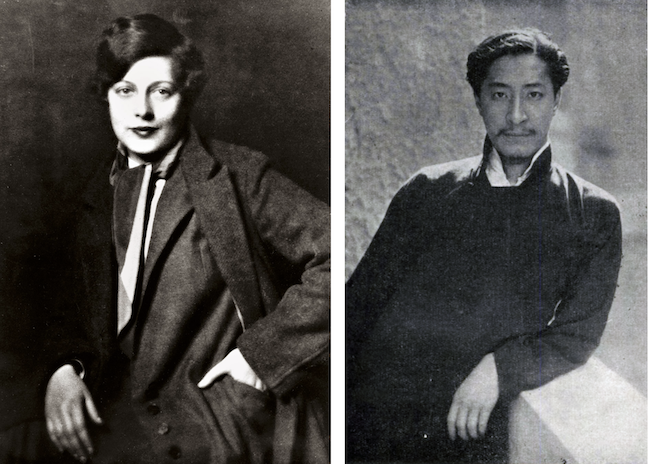
Supporting herself as a writer for The New Yorker, Emily Hahn’s years in Shanghai, China (1935 to 1941) were tumultuous. Living in the city’s red light district, she became romantically involved with the Chinese poet and publisher Shao Xunmei (aka Sinmay Zau) and became addicted to opium. In this excerpted short essay, Hahn described her literary encounters with Shao Xunmei (here referred to as “Pan Heh-ven”) and a passel of translators.
* * *
At the Movies
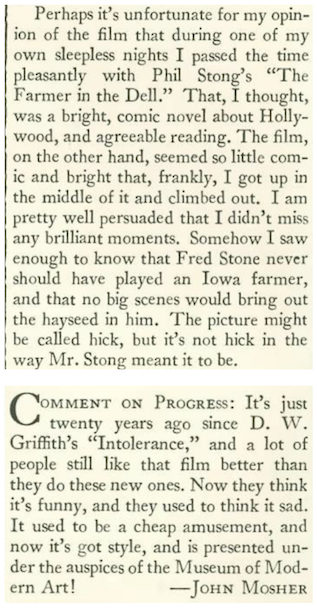
Critic John Mosher did his best to stay awake during the latest fare from Hollywood…
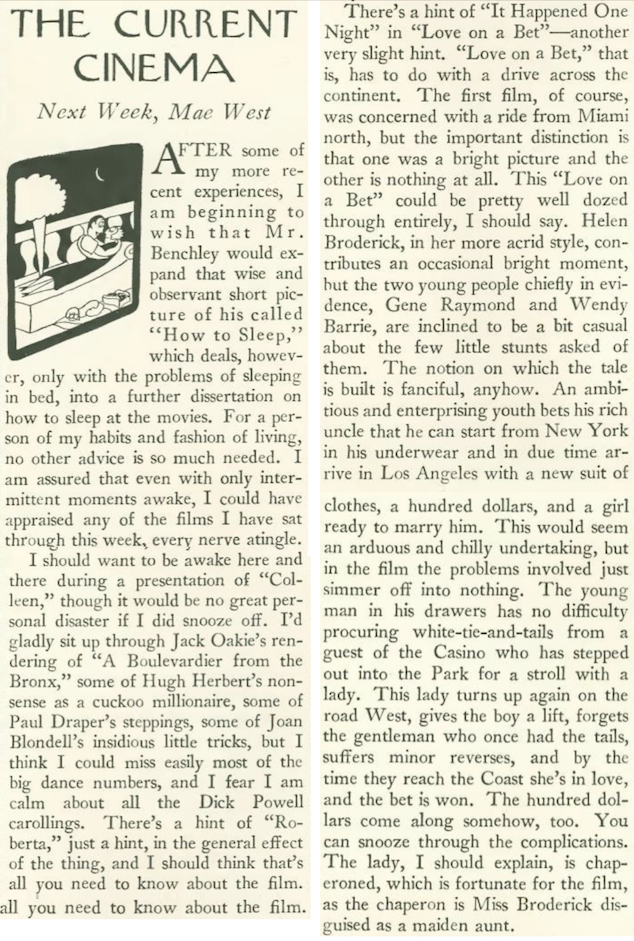
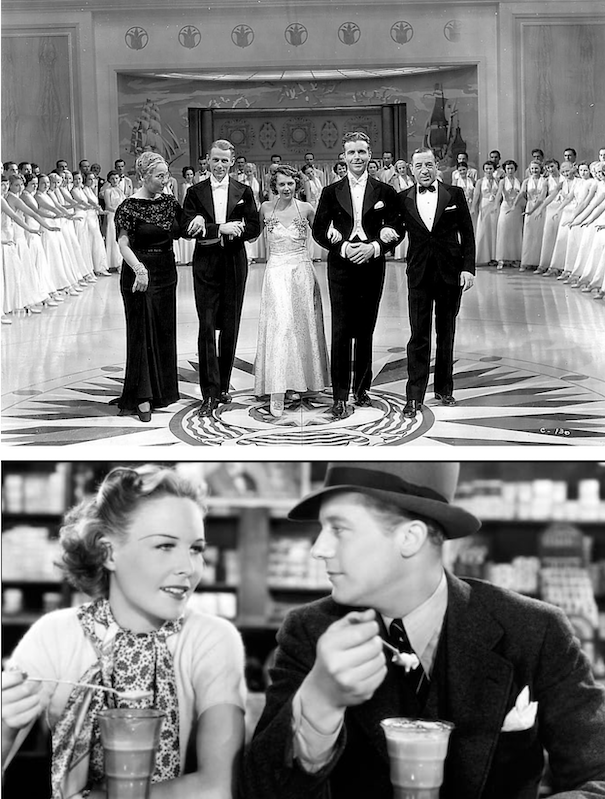
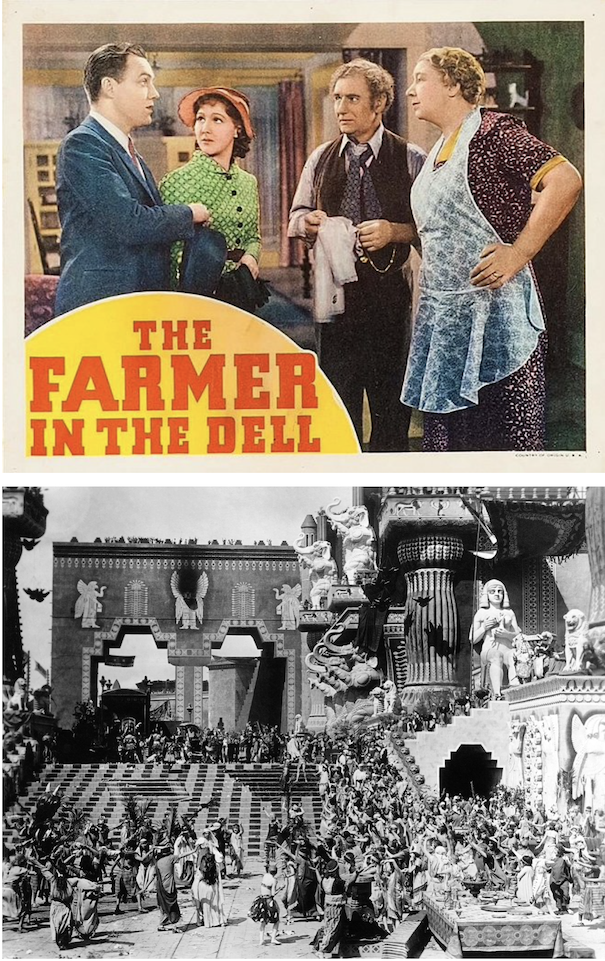
Mosher also commented on a film he walked out on (The Farmer in the Dell), and considered the twentieth anniversary of Intolerance, a 1916 drama that had become a “cheap amusement.”
* * *
From Our Advertisers
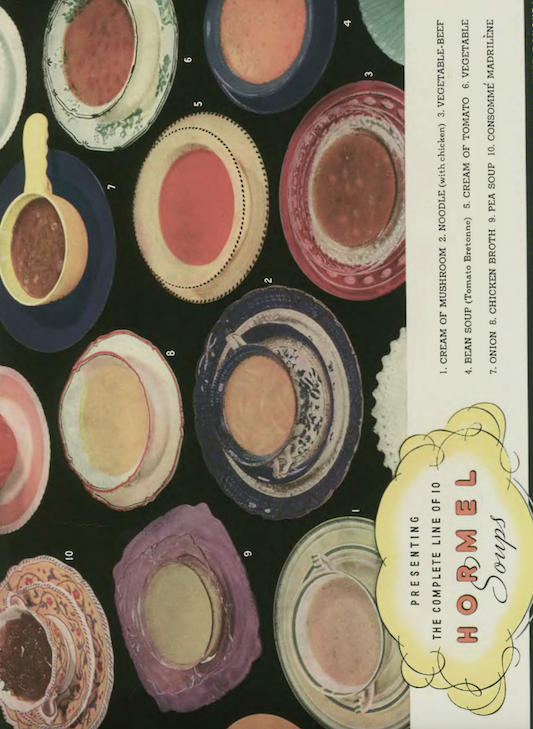
The folks at Hormel once again claimed the inside front cover with this array of soups featured sideways, in full color…
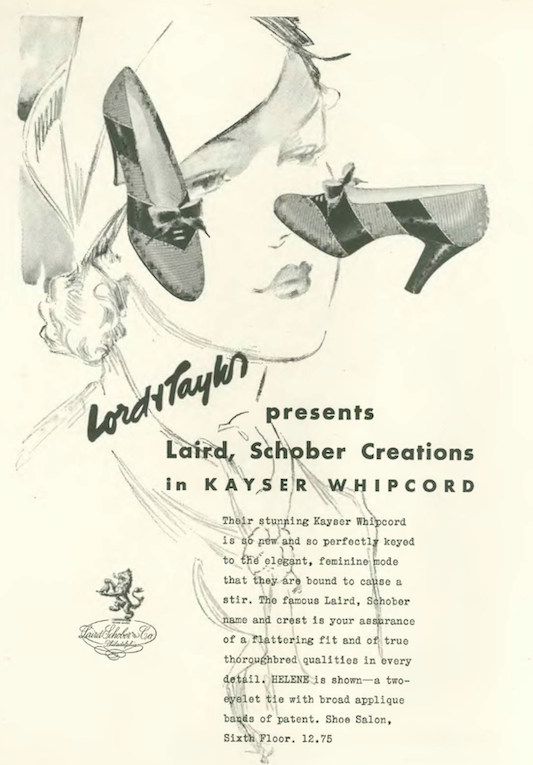
…the illustrator of this Lord & Taylor advertisement hoped to superimpose a pair of shoes over a woman’s face, with less than convincing results…
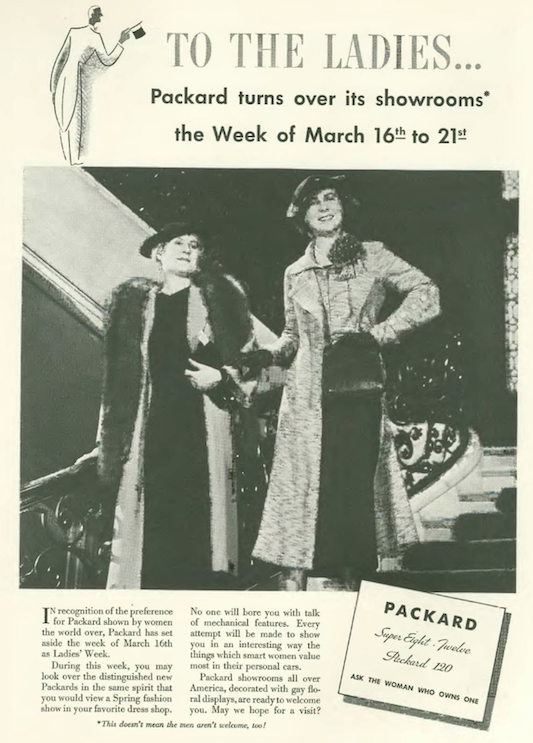
…the makers of Packard automobiles sent a condescending message “To The Ladies,” promising not to “bore them” with talk of mechanical features…
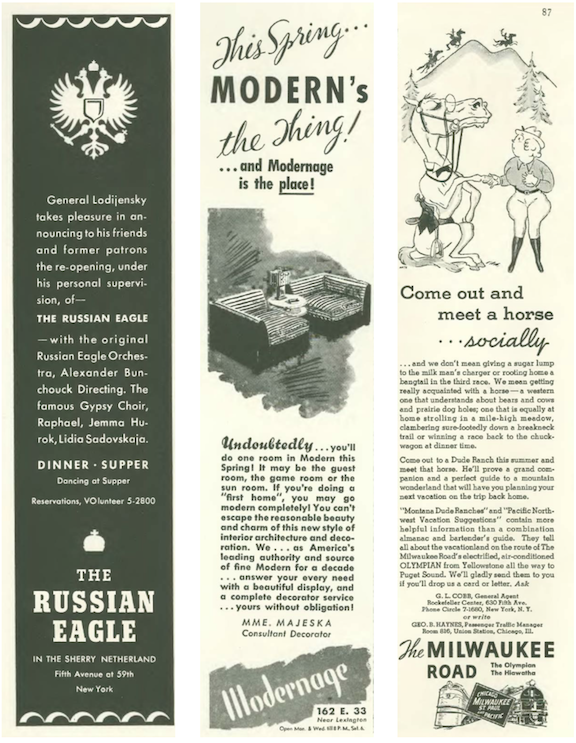
…a sampling of one-column ads featured, from left, the renowned Russian Eagle cafe-bar at the Sherry-Netherland, the Modernage furniture store on East 33rd, and the Milwaukee Road railroad, which offered adventure at such places as a Montana dude ranch…
…the inside back cover featured this drawing of actress/dancer/singer June Knight by Abe Birnbaum…
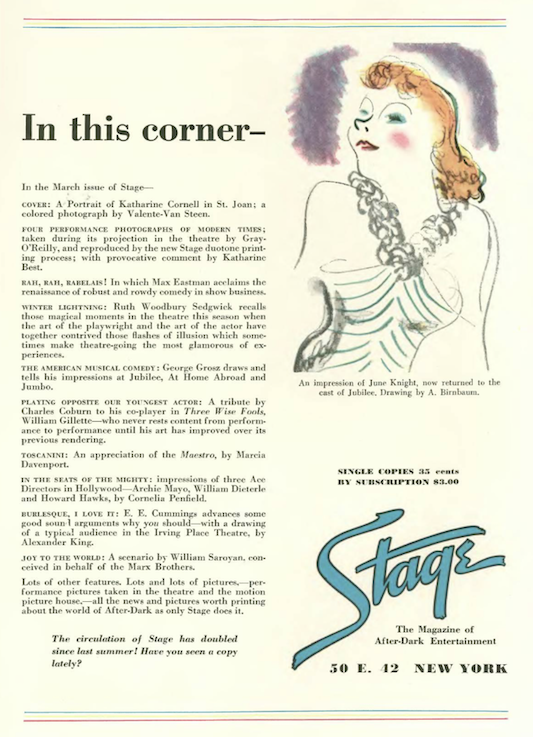
…Birnbaum was a terrific artist, but his portrait of Knight was not terribly flattering…this is what she looked like in the 1930s…

…on to the cartoons, we kick off the issue with Canadian cartoonist Richard Taylor…
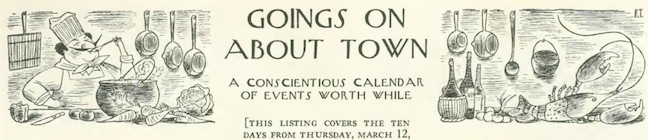
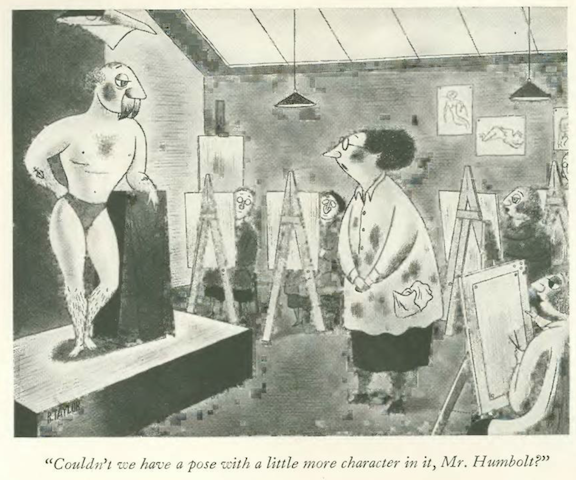
…and Taylor again, striking a pose…
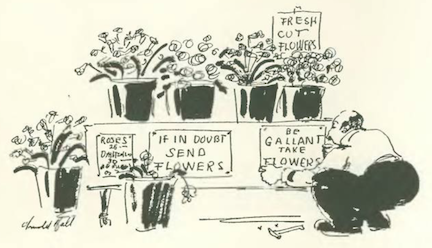
…Arnold Hall contributed an example of floral marketing…
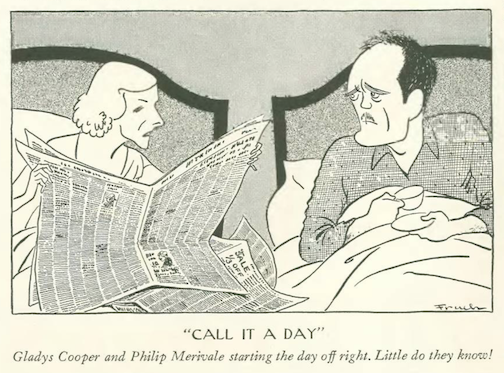
…Al Frueh contributed to “The Theatre” section…
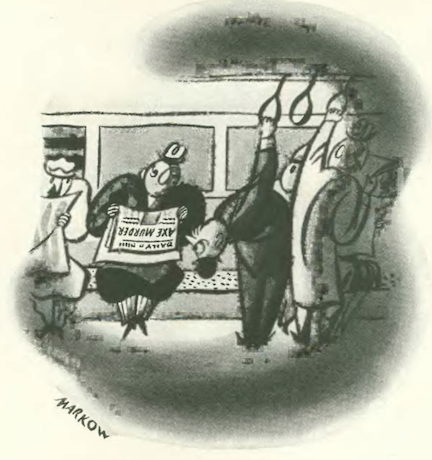
…Jack Markow did some rubbernecking…
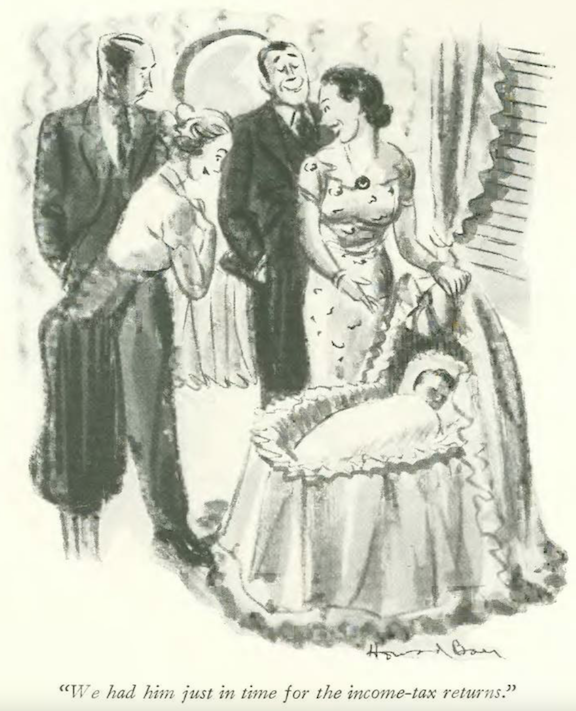
…Howard Baer welcomed a new tax deduction to the world…
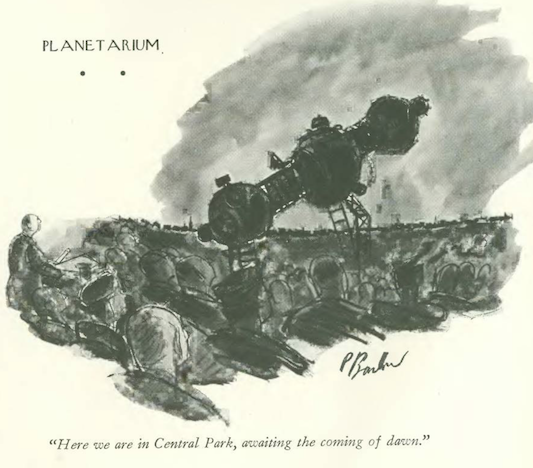
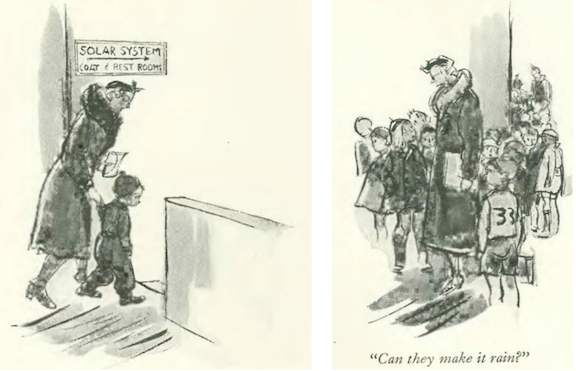
…Perry Barlow drew up impressions of a field trip to the Hayden Planetarium…
…Barlow again…
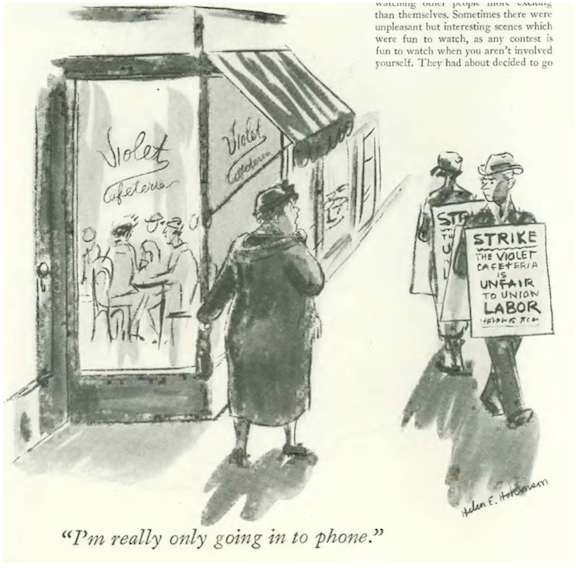
…one of Helen Hokinson’s “girls” explained herself…
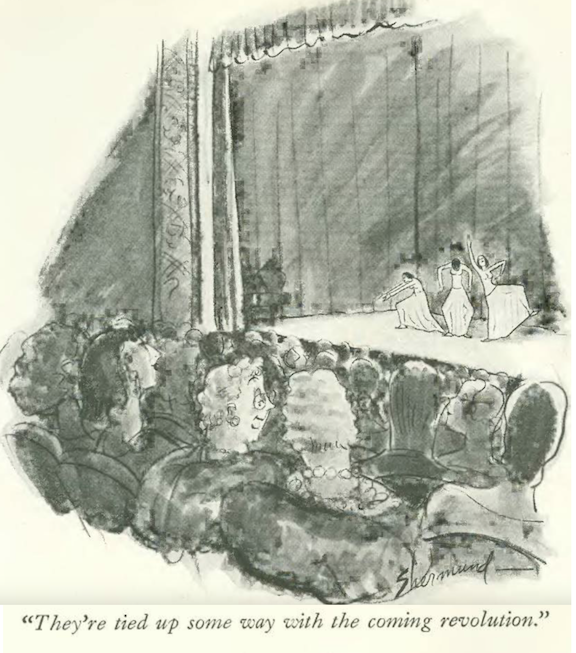
…Barbara Shermund interpreted modern dance…
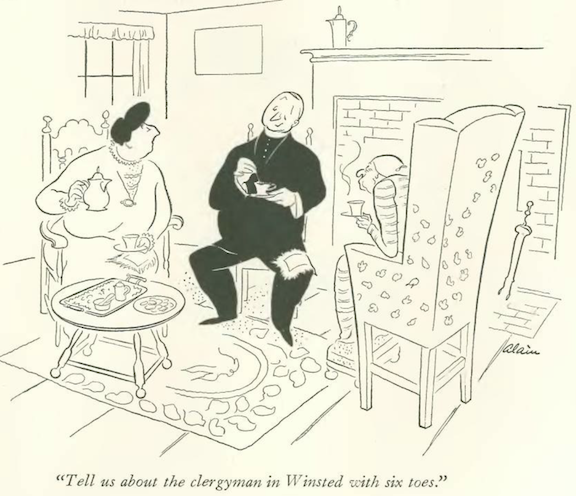
…Alain sought some dish over tea with the vicar…
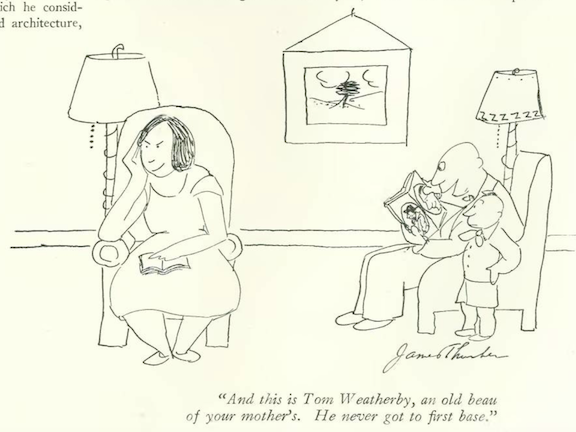
…and we close with James Thurber, and a penny for her thoughts…
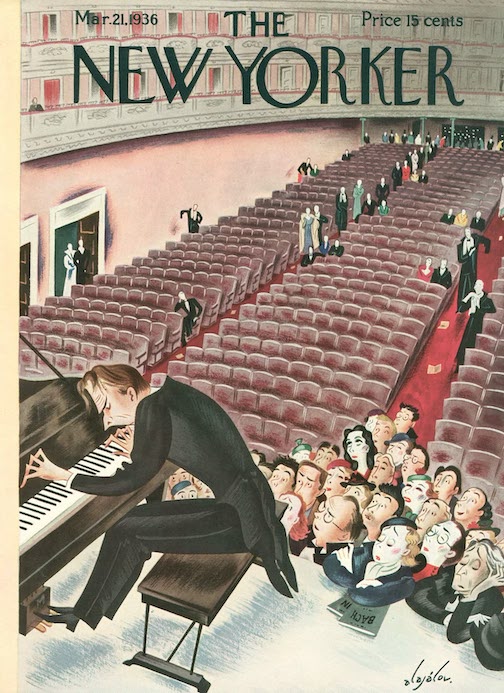
Next Time: The Harsh Glare of Fame…

 A New Yorker State of Mind