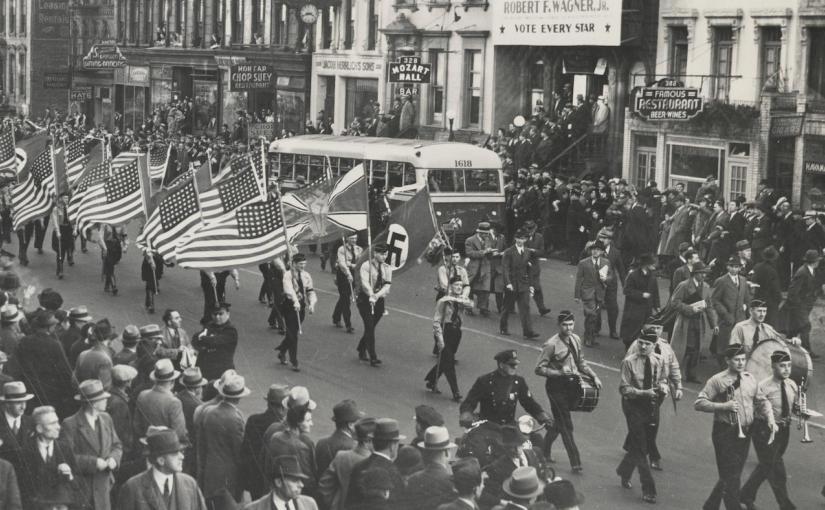
Above: A German American Bund parade in New York City on East 86th Street. Oct. 30, 1937. (Library of Congress)
Among the many ethnic enclaves of 1930s New York City was a neighborhood that was feeling the influence of world events, and not necessarily in a good way.
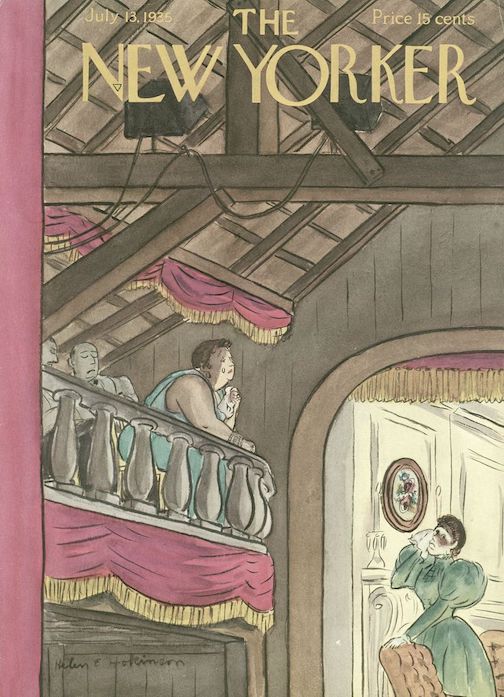
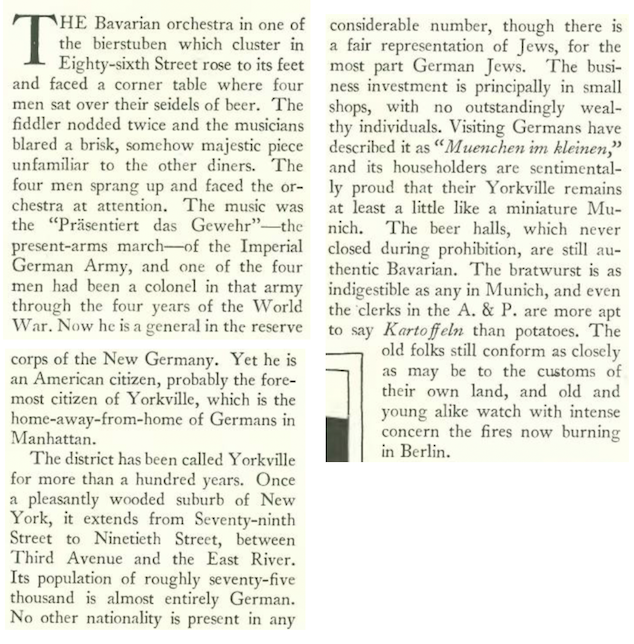
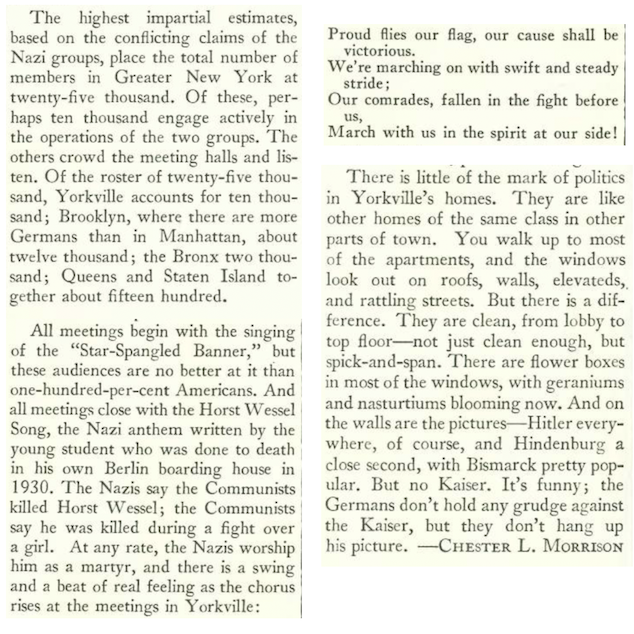
Journalist Chester L. Morrison looked at life among German immigrants on the Upper East Side for “A Reporter at Large.” Under the title “Muenchen Im Kleinen” (Little Munich), Morrison examined the everyday life of the Yorkville district between East 79th and East 96th streets.
Germans had settled in New York City almost from its first days, and by 1885 the city had the third-largest German-speaking population in the world, outside of Vienna and Berlin, the majority settling in what is today the East Village. Following the General Slocum disaster in 1904, German settlement migrated to Yorkville, which was commonly referred to as Germantown. Here are excerpts of Morrison’s observations:
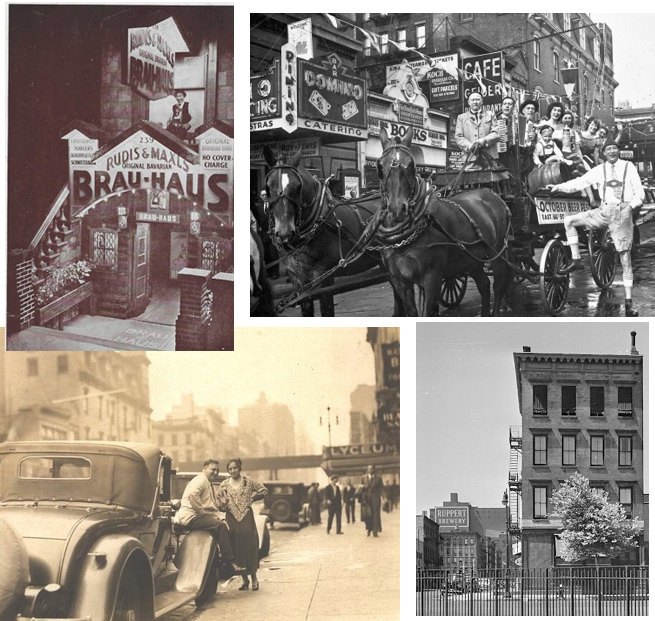
With the rise of the Nazi Party in Germany in the 1930s, a pro-Hitler group called the German-American Bund began to organize street rallies and marches on 86th Street and on 2nd Avenue. Although they represented a minority of German settlers, the Bund made itself visible in parades and other public events that culminated in a mass demonstration at Madison Square Garden in 1939. The Bund also organized training camps for young men outside of the city, such as Camp Siegfried in Yaphank, L.I.
Morrison noted that Yorkville homes looked like many others across the city, that is until you saw the pictures on their walls.


* * *
Garden Varieties
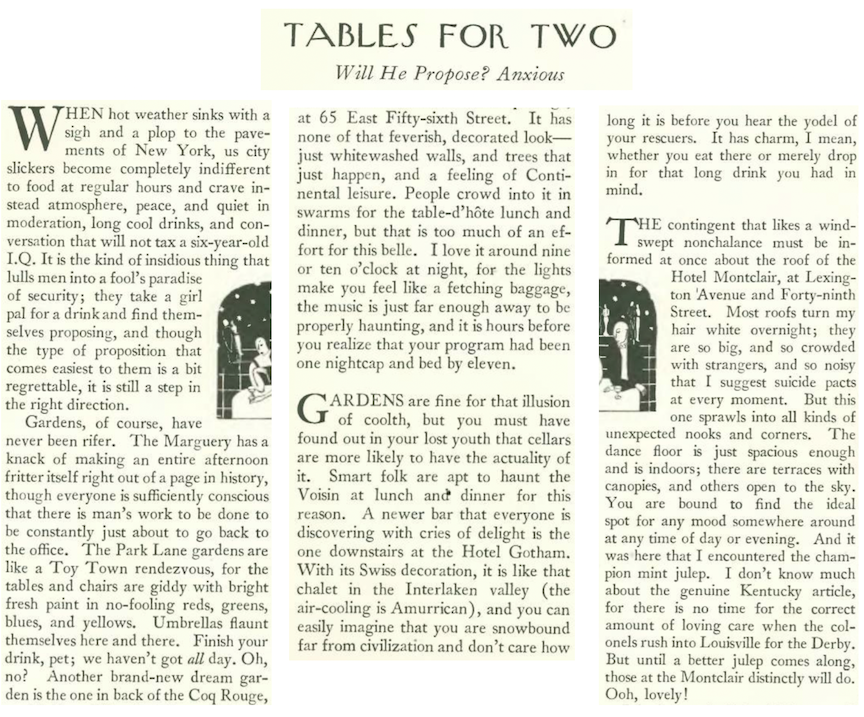
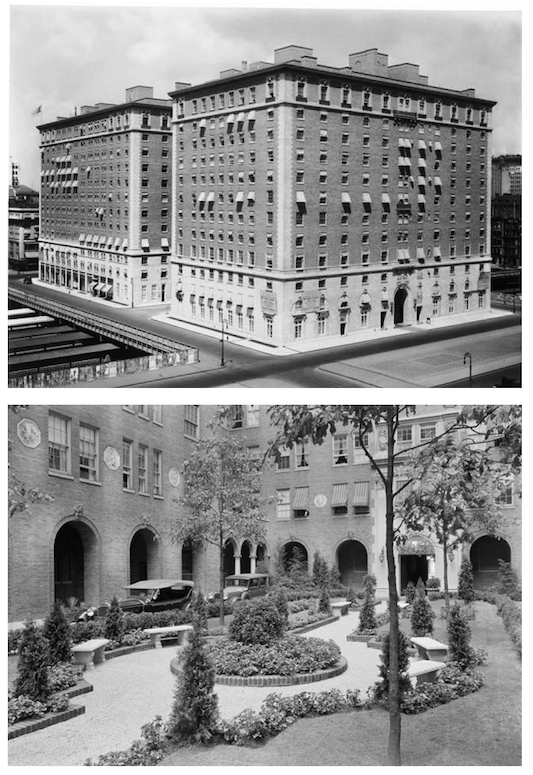
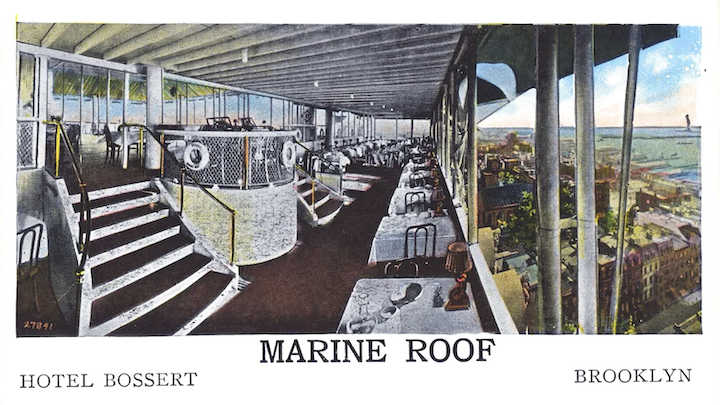
Now for a palate cleanser as we turn to Lois Long and her “Tables For Two” column, in which she examined the confluence of hotel gardens and marriage proposals. Excerpts:

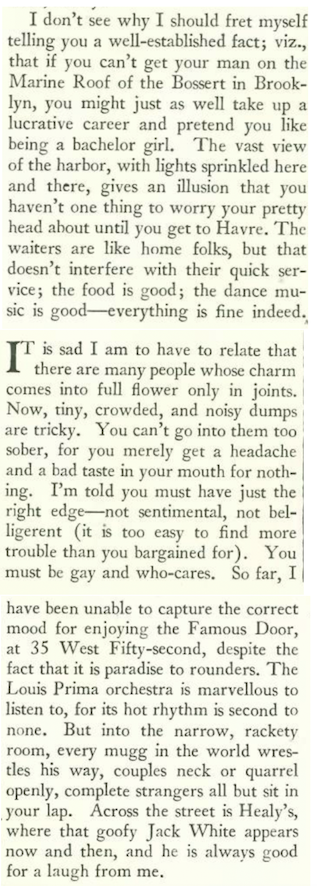
Long continued as she set her sights on Brooklyn…

* * *
Monster Mash-up
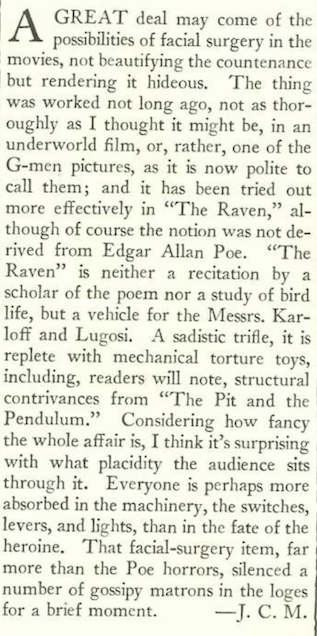
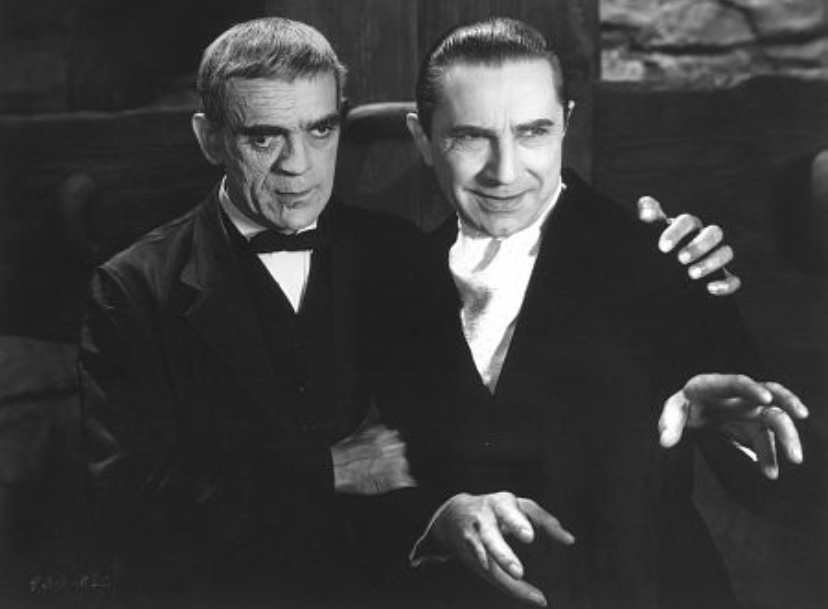
Boris Karloff and Bela Lugosi are synonymous with 1930s monster flicks (they did eight together) but their latest outing, The Raven, left critic John Mosher wondering where the Poe was in the midst of this “sadistic trifle.”

* * *
Ode to Education
Clarence Day, best known for his Life With Father stories, also contributed a number of cartoons to The New Yorker that were accompanied by satirical poems…here he examines attempts at education in the arts and sciences…

* * *
From Our Advertisers
We start at the back of the book, and a couple of one-column ads (appearing on the opposite sides of the same page) that catered to very different clientele…

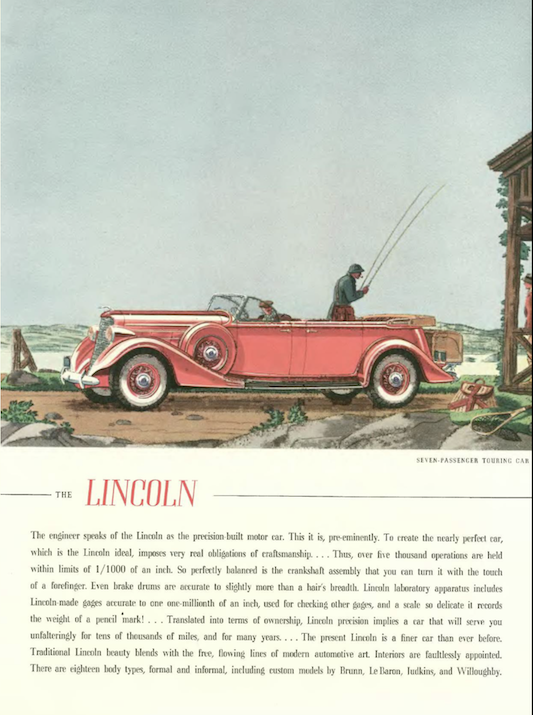
…the makers of Lincoln luxury cars knew the type of client they were fishing for here…
…pin-up artist George Petty continued exploring his beauty and the beast theme on behalf of Old Gold cigarettes…

…and Camel offered more reasons why you should smoke your way to athletic glory…

…this inside back cover advertisement reminds us that we are indeed back in 1935…
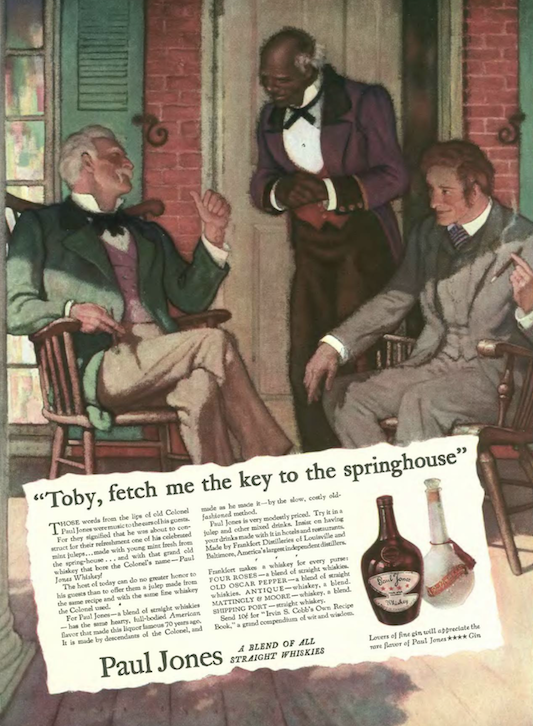
…as does this one from Dr. Seuss, with a shot of insecticide for a talking toddler…

…on to our cartoonists, beginning with Charles Addams and some Navy hijincks…

…Gluyas Williams offered his latest take on American club life…

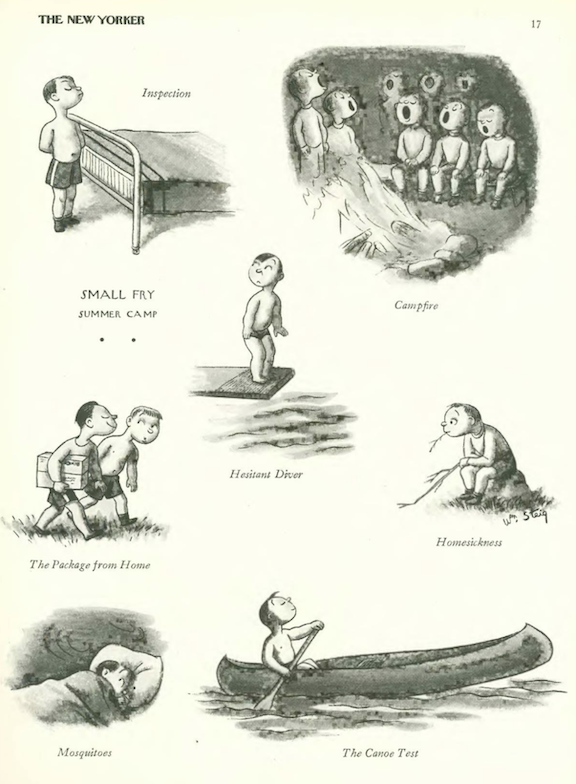
…William Steig took us to summer camp…
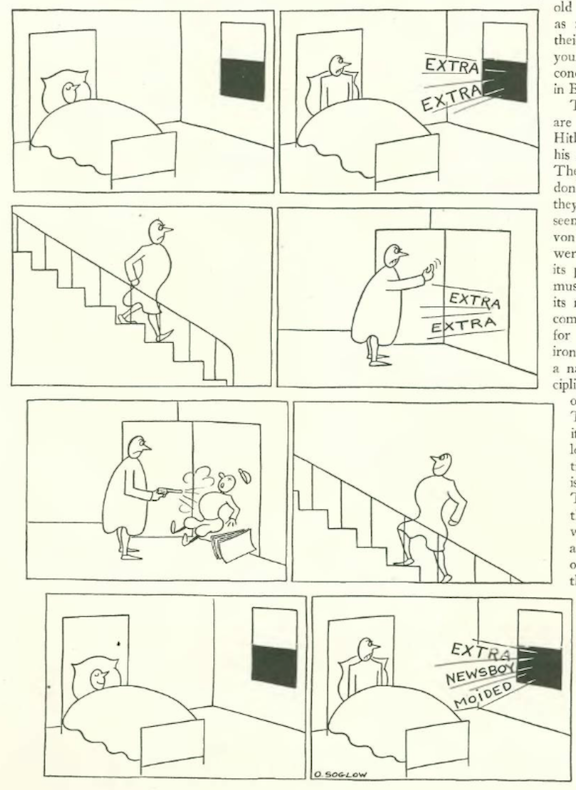
…Otto Soglow looked for a good night’s rest…
…Mary Petty explored the latest in bathing fashions…

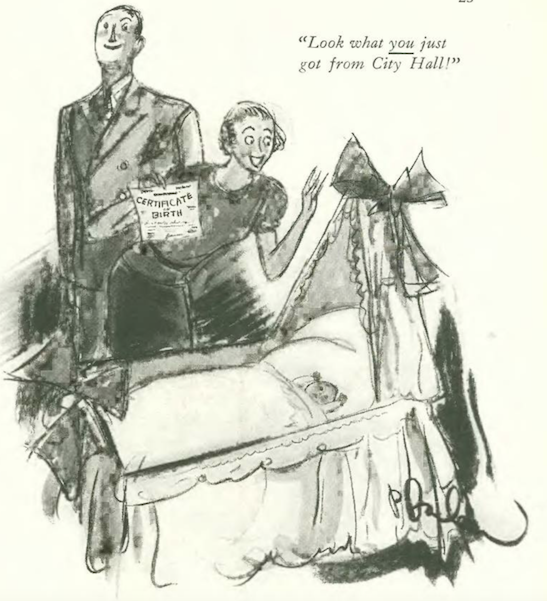
…Perry Barlow introduced us to some proud parents…
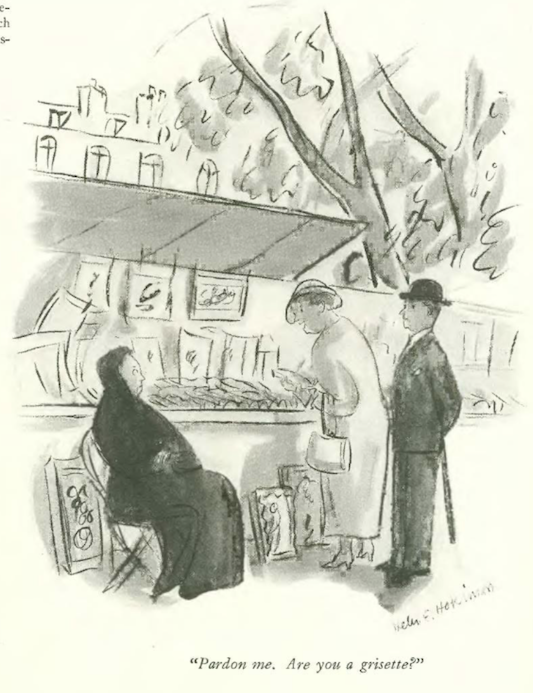
…and to close with Helen Hokinson, who showed us some innocents abroad…
Next Time: A Double-Header…


 A New Yorker State of Mind