
Above: Sheila Hibben became The New Yorker's first food critic in 1934. She also wrote several cookbooks, including Good Food for Bad Stomachs, a book that was suggested by New Yorker founder and editor Harold Ross. Hibben was a pioneering advocate for American regional dishes, and despised food snobbery (she wanted to banish the word "gourmet" from the English language). (Wikipedia/Amazon)
Long overdue is a look at The New Yorker’s first food critic, Sheila Hibben, who wrote frankly about the dining scene in her restaurant reviews and in her column “Markets and Menus.” Decades ahead of her time, she drew attention to America’s regional dishes, persuading readers to embrace the comforts of humble, practical recipes during the lean years of the Depression and the Second World War.
Born Cecile Craik, Hibben (1888–1964) detested food snobbery, and through her pioneering work “persuaded housewives to be proud of their American culinary identity, to embrace traditional regional cuisines, and to reject fancier fare for the sake of fashion,” observed Meaghan Elliott in her 2021 dissertation at the University of New Hampshire.
In addition to her “Markets and Menus” column and restaurant reviews, Hibben also wrote several books including Good Food for Bad Stomachs, which was inspired by New Yorker founder and editor Harold Ross. Plagued by ulcers and discouraged by his limited diet, Ross encouraged his gastroenterologist, Sara Murray Jordan, to write a cookbook with Hibben. Good Food for Bad Stomachs was published in 1951, with a laudatory foreword by Ross, who unfortunately did not have long to enjoy the recipes, dying of heart and lung problems that same year.

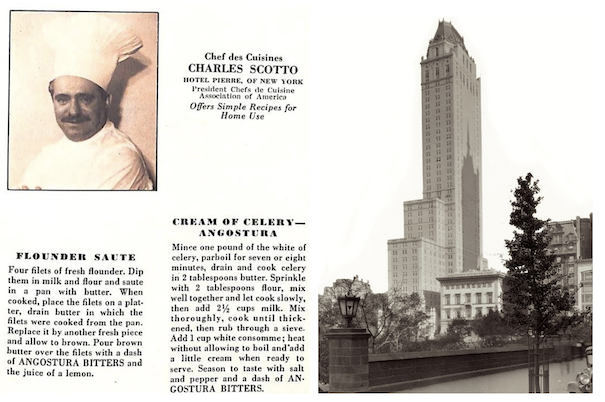
Here are excerpts from Hibben’s “Restaurants” column for the Feb. 22 issue, featuring her takes on a couple of the city’s finer dining establishments, including Theodore Titze’s restaurant on East 56th and the famed fare of Charles Scotto at the Hotel Pierre:
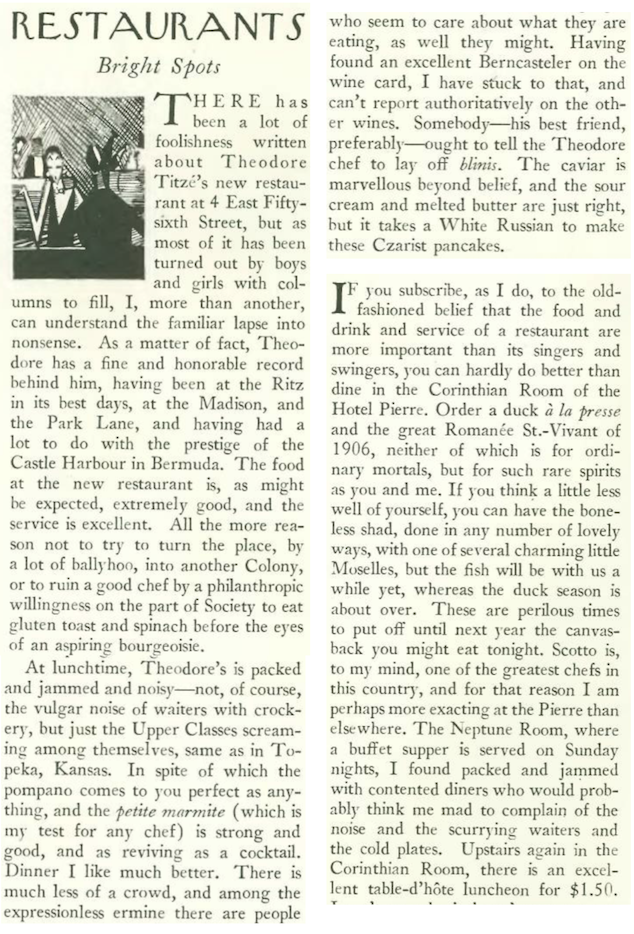
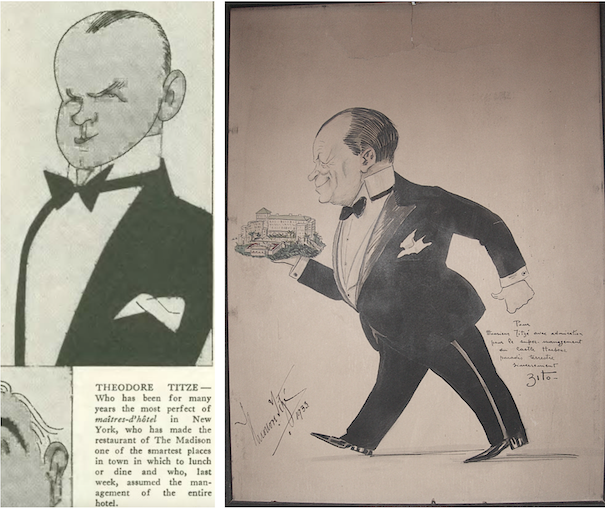
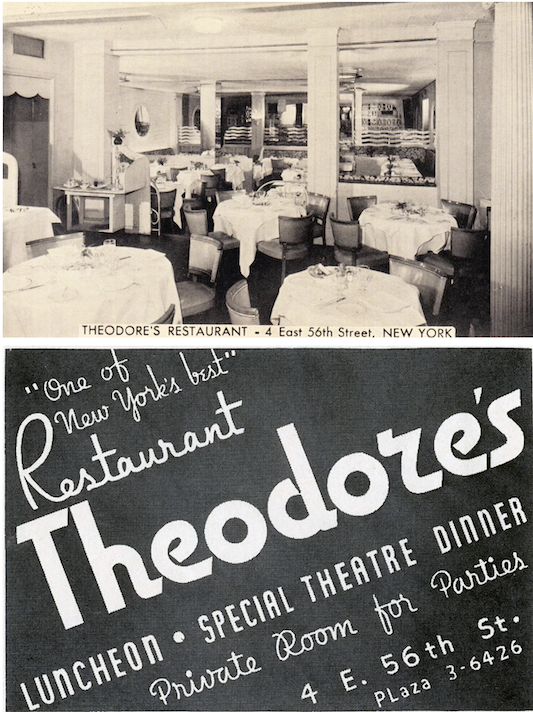
Hibben also wrote about the excellent fare at the Hotel Pierre, where Chef Charles Scotto, an early protégé of the legendary Chef Auguste Escoffier, reigned supreme.
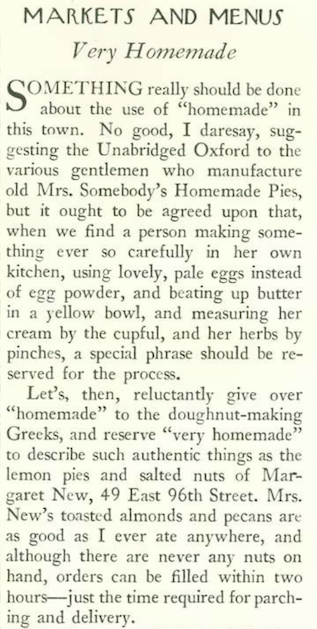
From 1934 to 1962 Hibben wrote the “Markets and Menus” column, which appeared in rotation with several other columns that were tacked onto Lois Long’s weekly “On and Off the Avenue.” Here is an excerpt from Hibben’s Feb. 1, 1936 column:
* * *
Not Music to His Ears
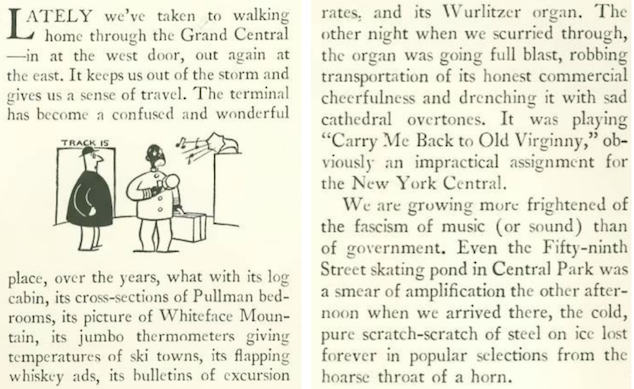
In his “Notes and Comment,” E.B. White took issue with “the fascism of music” in public places including Grand Central Station and the Central Park skating pond.
* * *
At the Movies
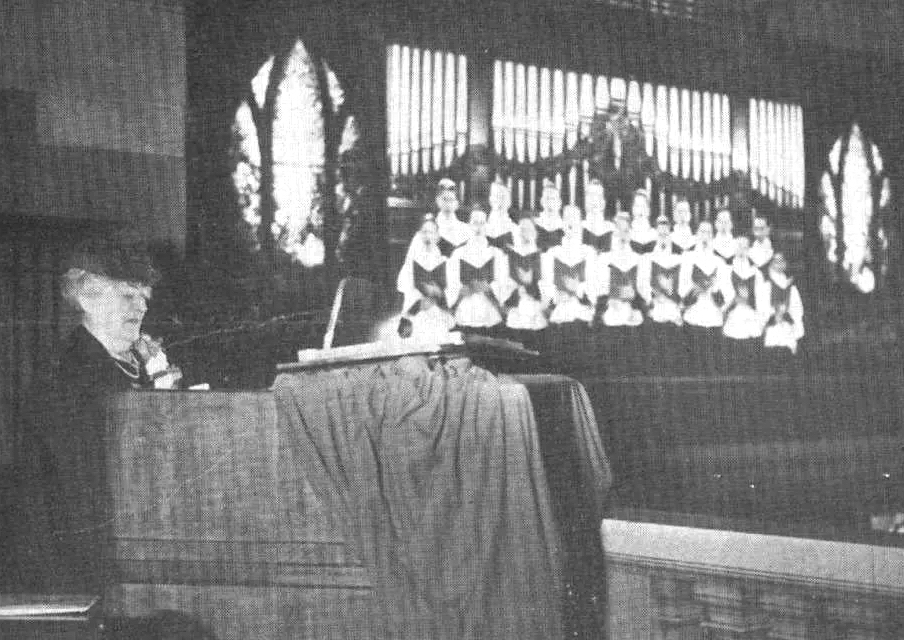
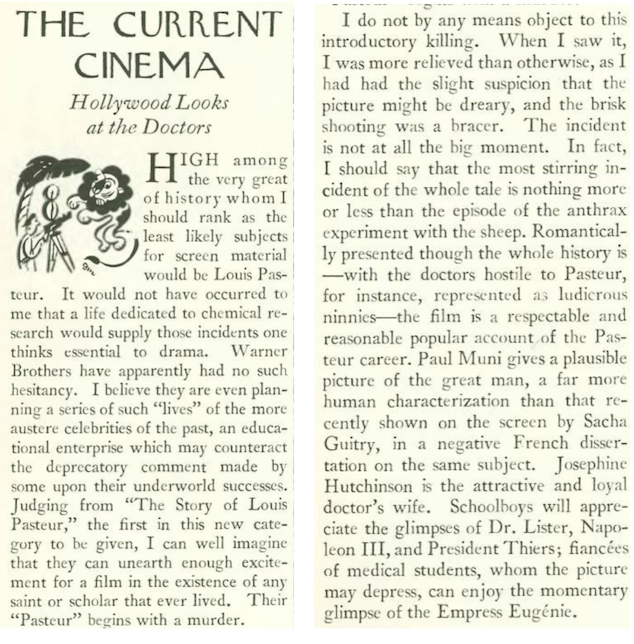
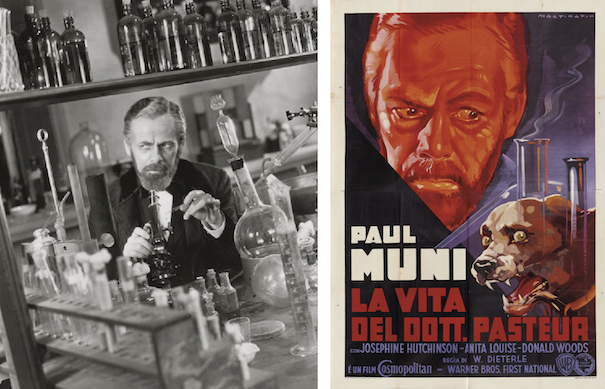
Paul Muni was considered one of the best actors of the 1930s, his talents so appreciated by Warner Brothers that he was allowed to choose his own roles, including the lead in The Story of Louis Pasteur. It was a good choice, as it landed him a Best Actor Oscar in 1936. New Yorker critic John Mosher had these observations:
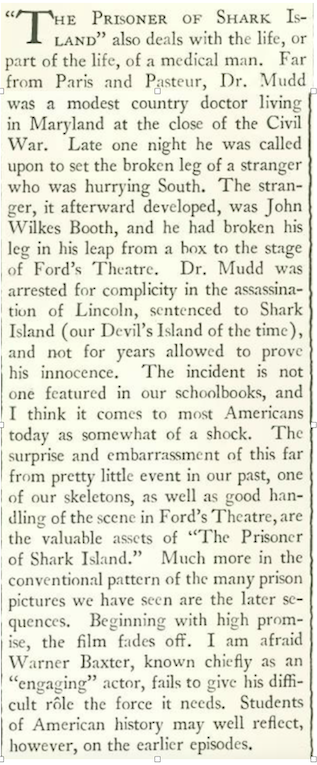
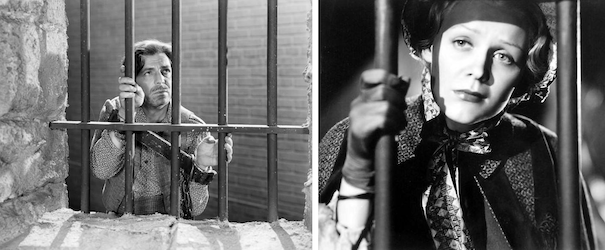
Mosher also took in The Prisoner of Shark Island, featuring Warren Baxter as a man falsely accused of complicity in the assassination of President Abraham Lincoln.
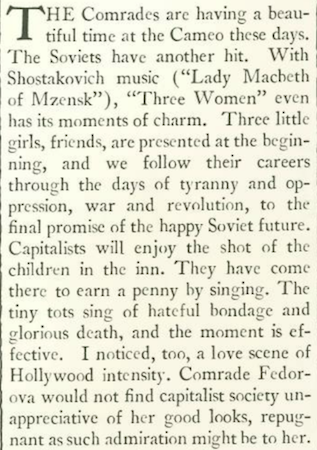
Mosher found much to like in a Soviet film about the struggles and hardships of three childhood friends from Petrograd who become nurses to serve the cause of the Bolshevik Revolution.

* * *
From Our Advertisers
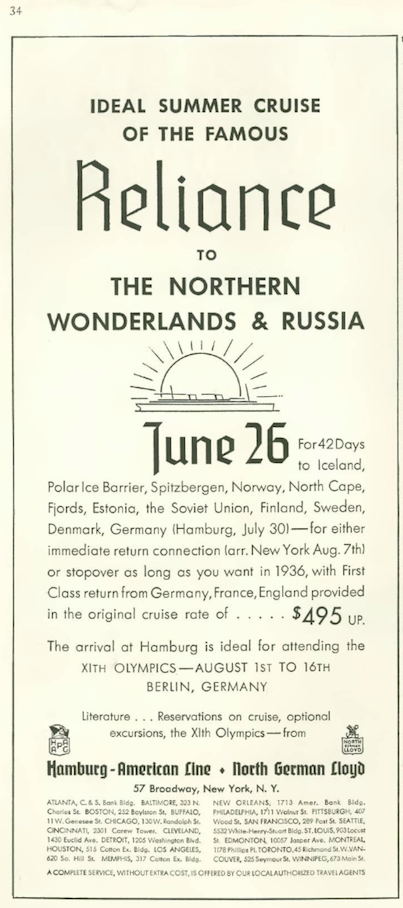
If you wanted to visit the land of the Soviet film, Three Women, you could have hopped onto this Reliance cruise to Russia as well as to the Summer Olympics in Berlin…in just a little over three years the Germans would invade Poland and these “wonderlands” would become a living hell for many…
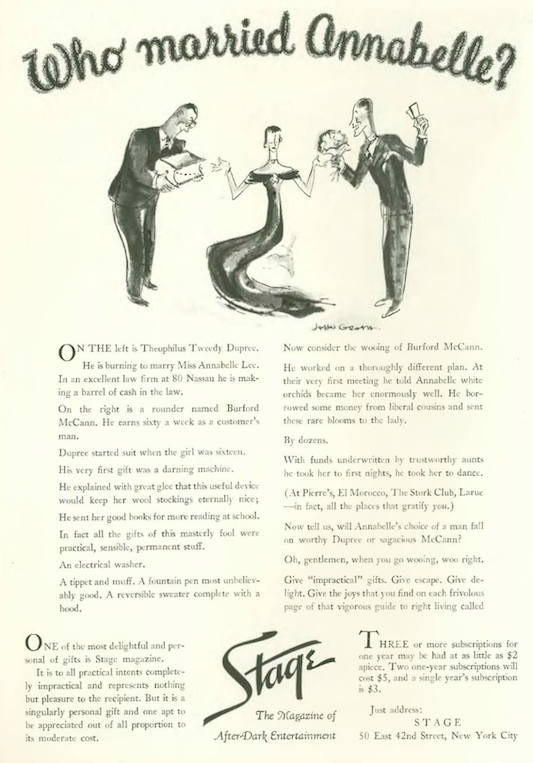
…John Groth, who would contribute cartoons to The New Yorker in the 1940s, provided this illustration for a Stage magazine ad…
…the folks at Minnesota Valley Canning Company continued the theme of a rich man returning to his humble roots via canned Green Giant vegetables…here the man is brought to tears over “Niblets”…
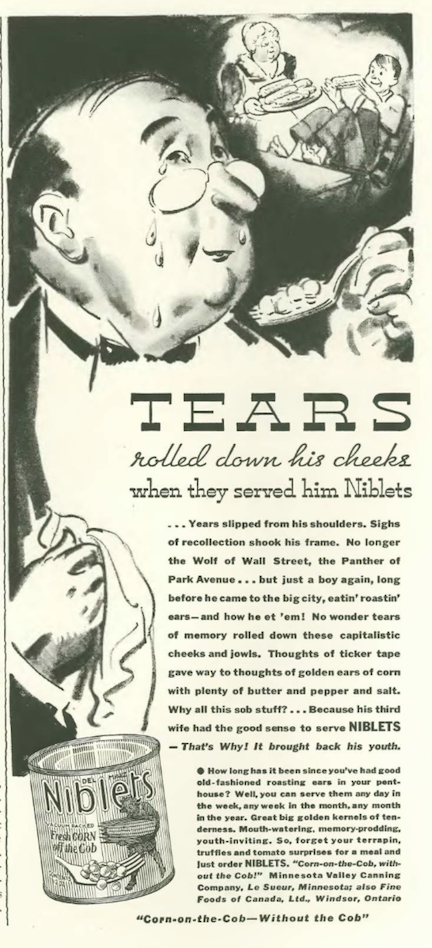
…as you might recall, it was a wealthy “Major” who recently (Dec. 21, 1935) sought to rekindle lost youth through Green Giant Niblets…
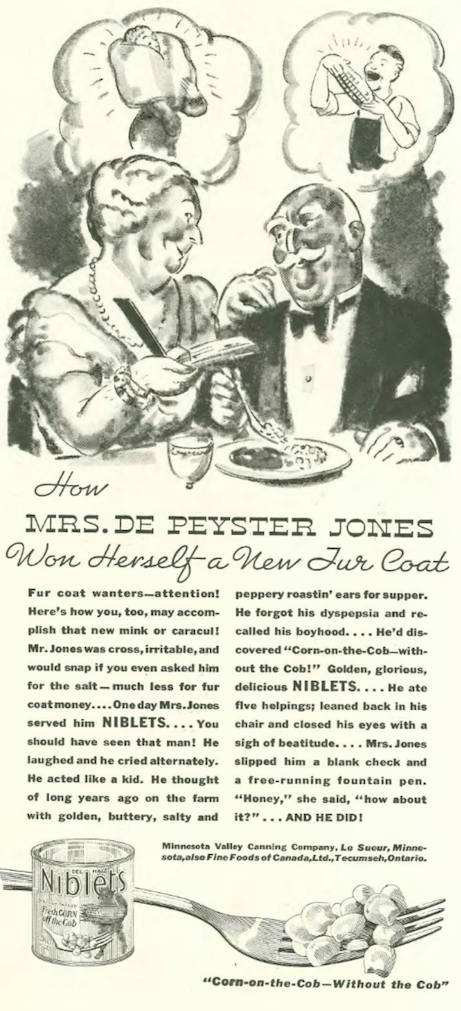
…and what’s the deal with the Duchess trope found in so many ads?…she has been featured in a Green Giant ad for peas, as well as in ads for tomato and grapefruit juice…

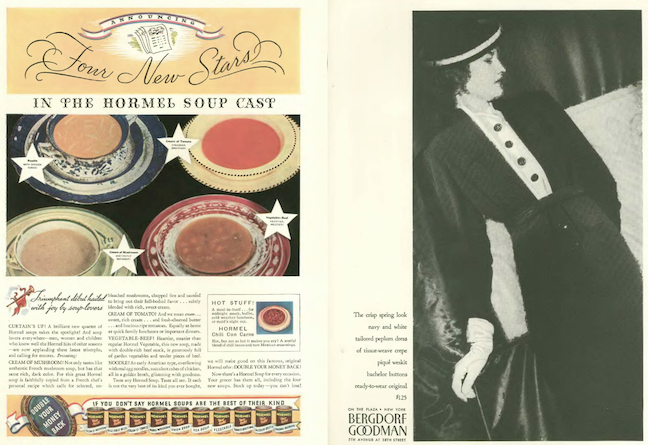
…the magazine’s opening spread once again featured the odd juxtaposition of canned soup and high fashion…
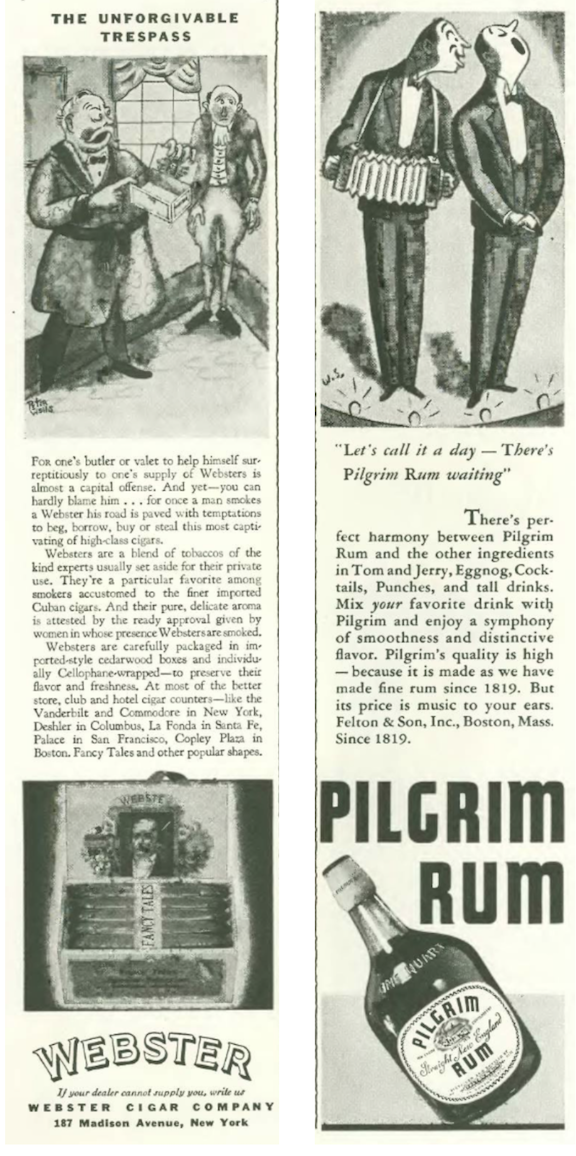
…one-column ads in the back of the book featured illustrations by Peter Wells (at left), and William Steig…
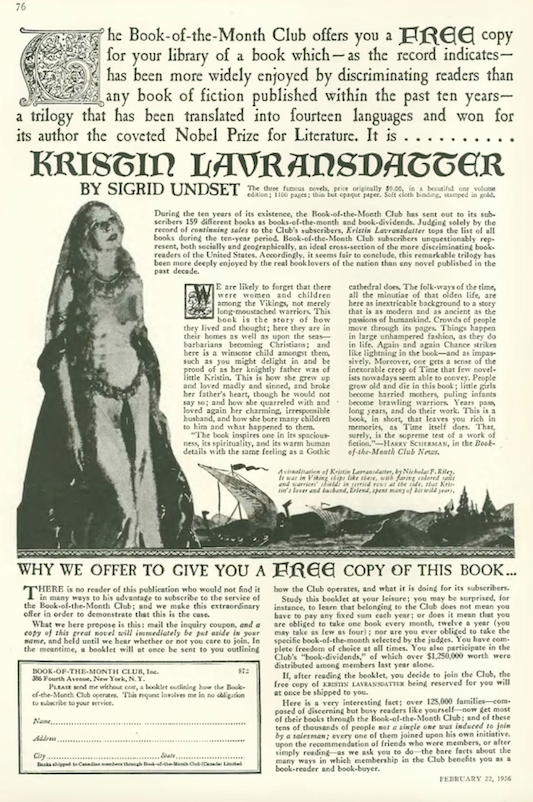
…Book-of-the-Month Club enticed new members with a FREE copy of the Nobel Prize-winning trilogy Kristin Lavransdatter by Danish-Norwegian author Sigrid Undset…
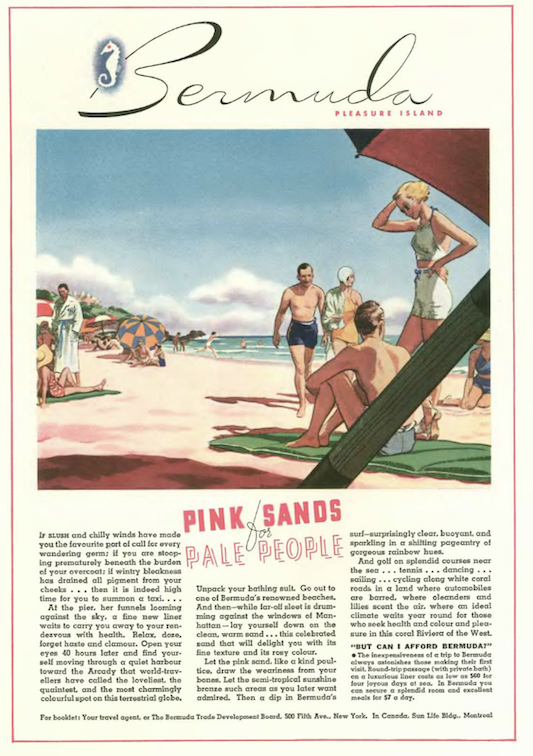
…this colorful ad from the Bermuda Trade Development Board beckoned New Yorkers to trade “slush and chilly winds” for the pink sands of the British island territory…
…the back cover cycled back to Camel cigarettes with a lineup of fashionable debs enticing young women to join their ranks…as Camel smokers, at least…

…more one-column ads, featuring the latest in reading material…
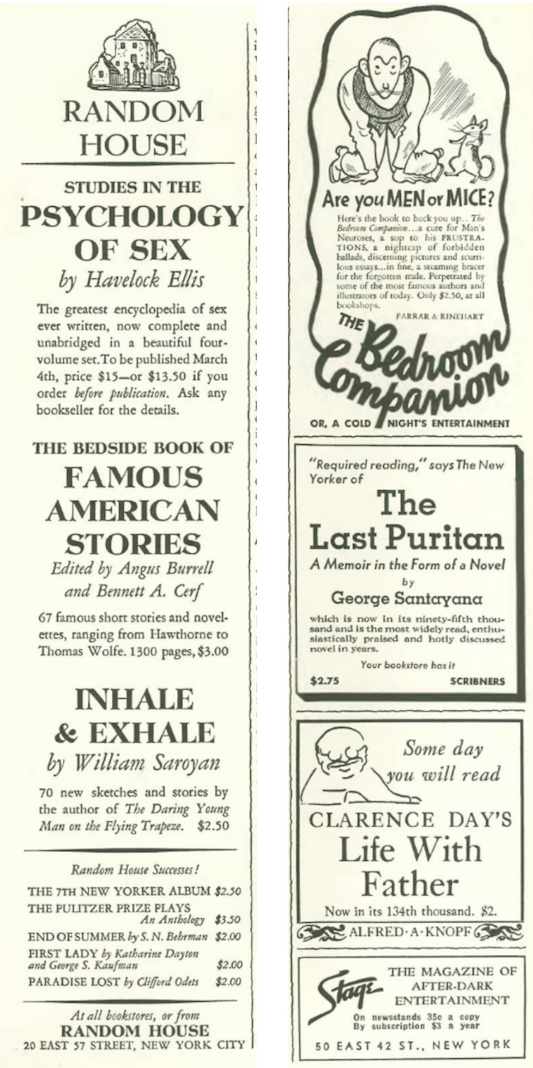
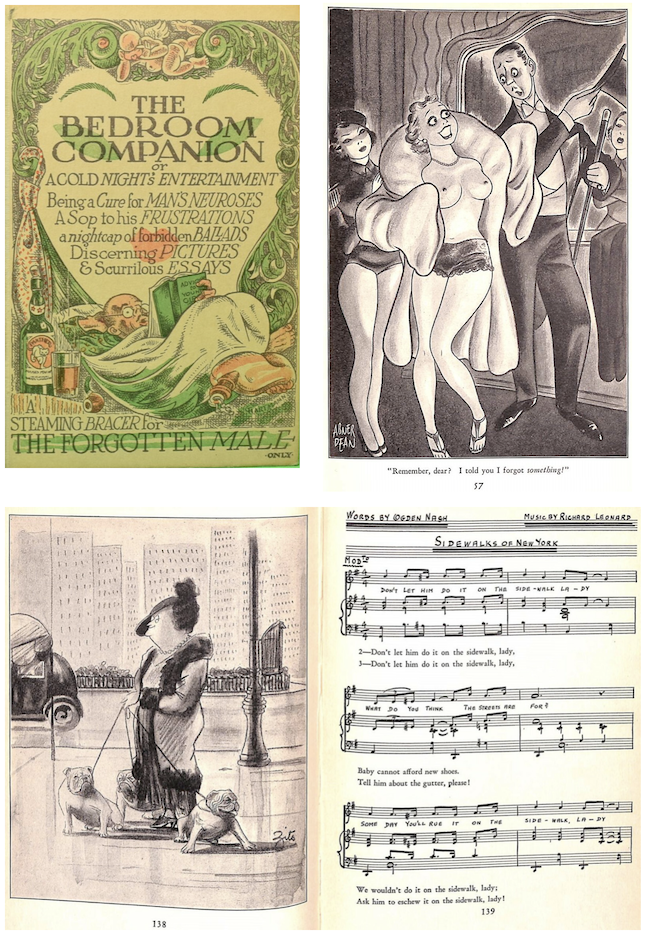
…including the latest edition of The Bedroom Companion…it was one of those “For Men Only” books that compiled some previously published pieces with other contributions…

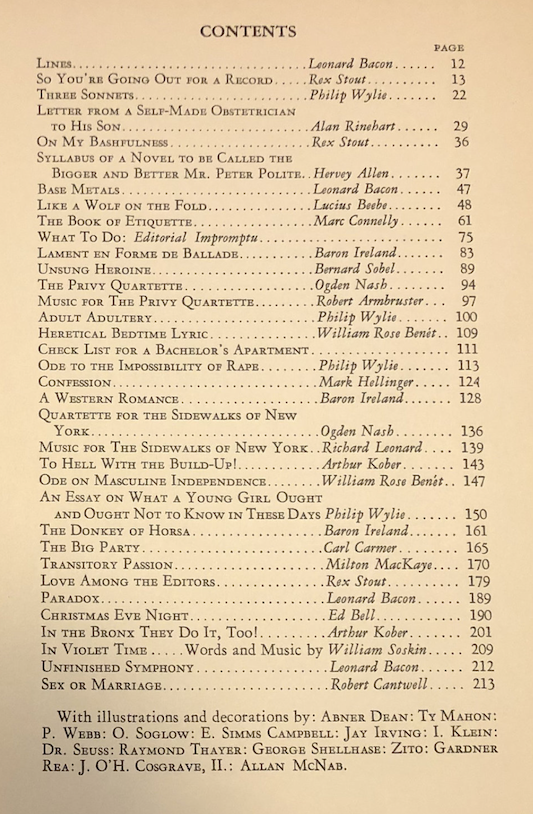
…the index of the 1935 edition included a number of New Yorker regulars…
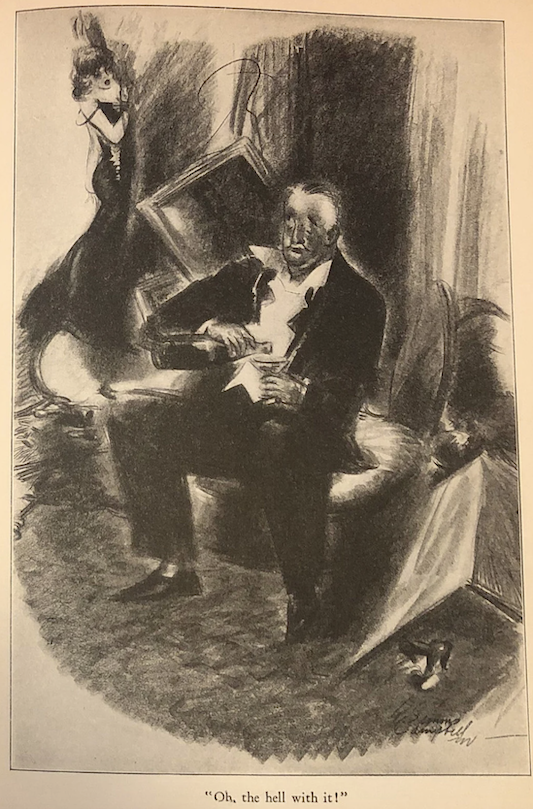
…such as E. Simms Campbell…
…and Abner Dean…
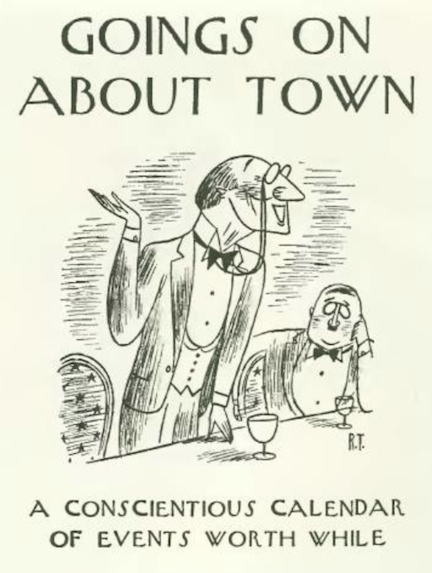
…on to our other cartoonists, we begin with spots by Constantin Alajalov…

and Richard Taylor…
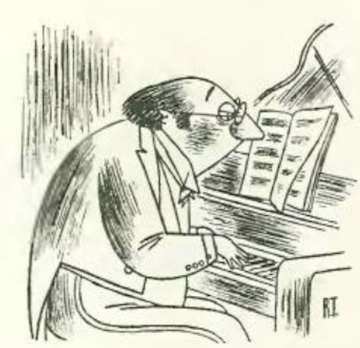
…Taylor again, a spot in the “Musical Events” section…
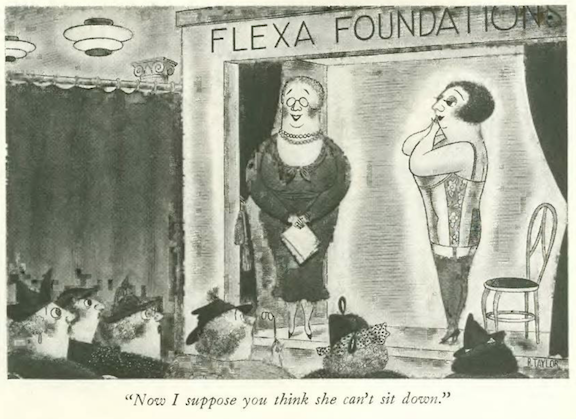
…and a Taylor cartoon…
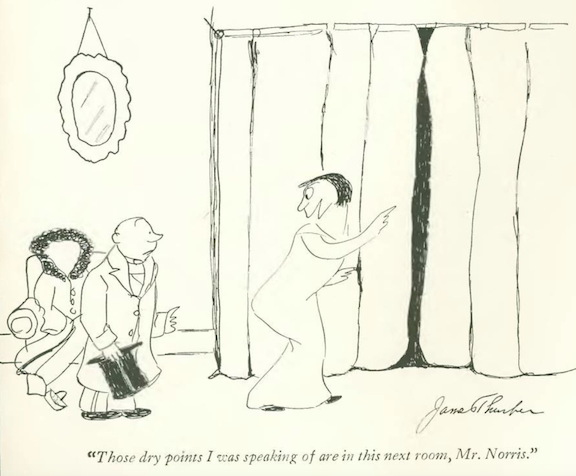
 …and we wonder what’s behind the curtain, with James Thurber…
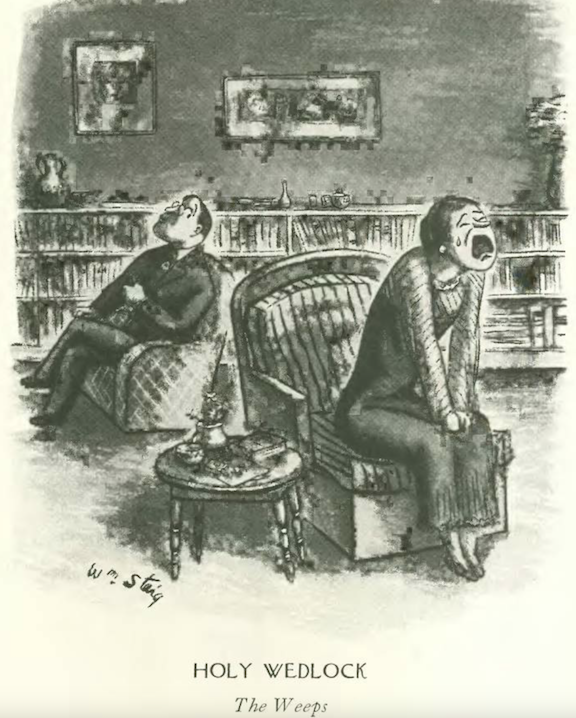
…William Steig continued to probe the downsides of matrimony…
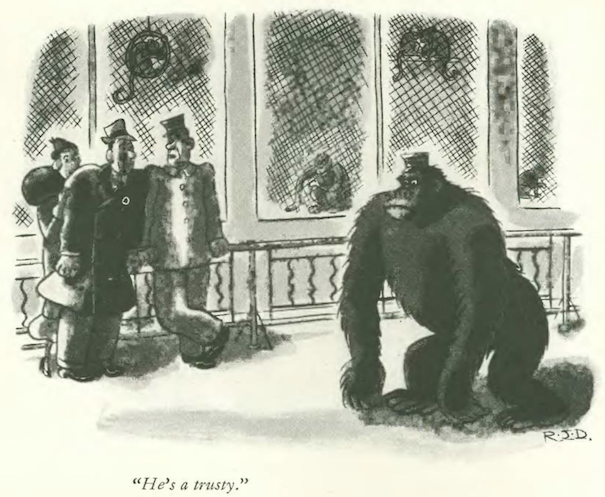
…Robert Day showed who’s in charge at the zoo…
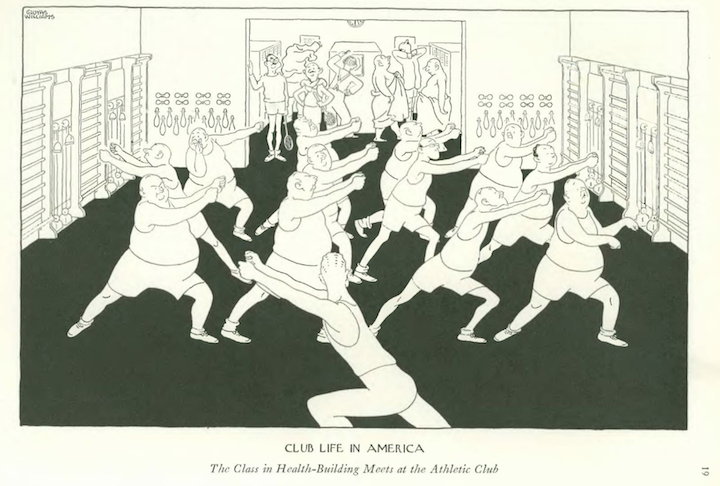
…more club life from Gluyas Williams…
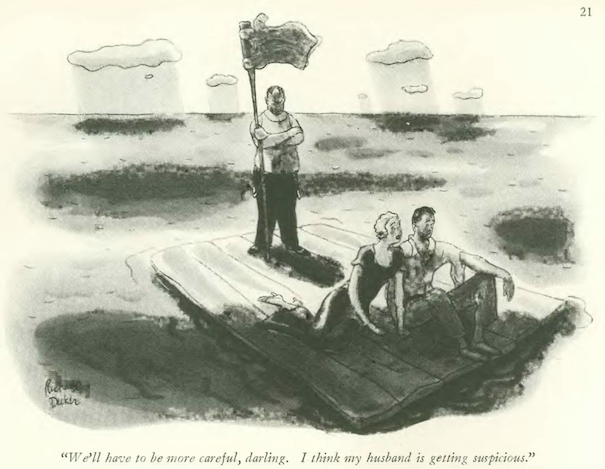
…Richard Decker was in a tight situation…
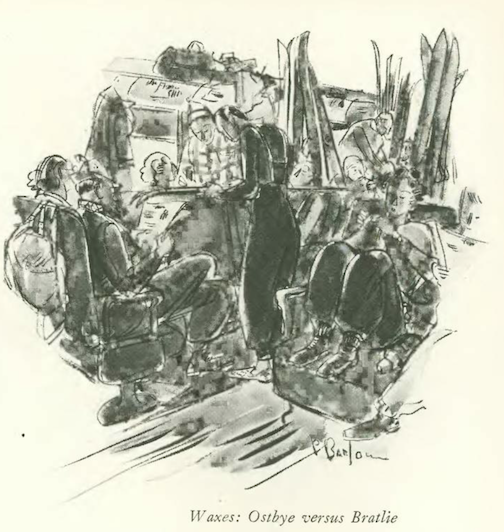
…Perry Barlow drew up two pages of scenes from Snow Trains that took thousands of skiers from Grand Central to the Berkshires and Adirondacks…

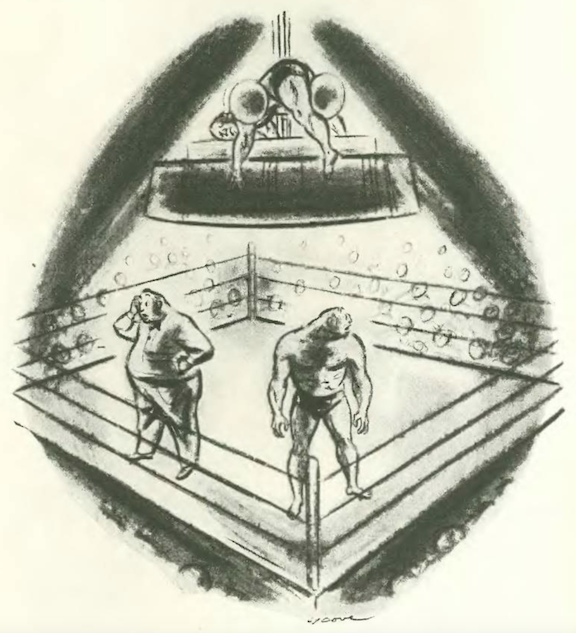
…Leonard Dove delivered a knockout punch…
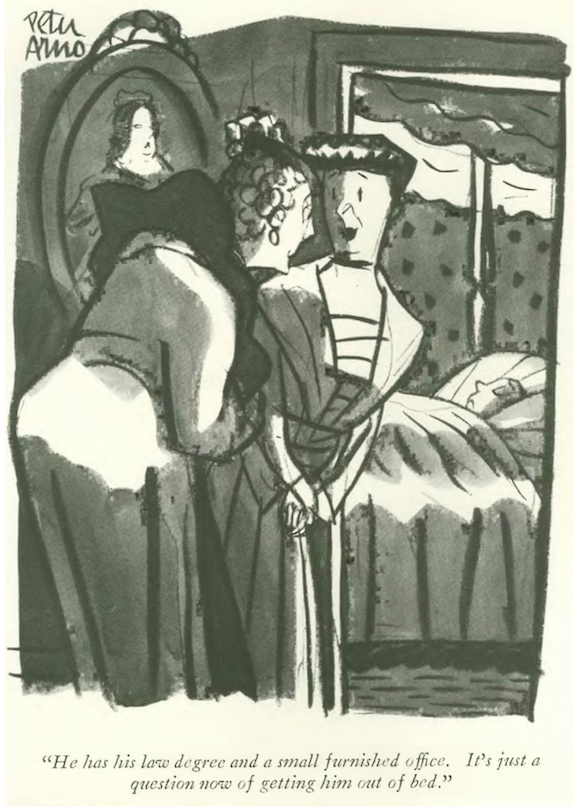
…Peter Arno raised a question of initiative…
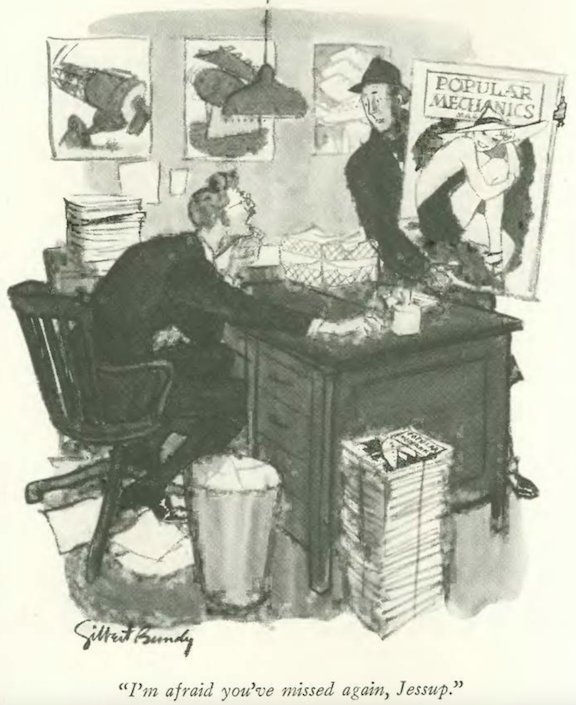
…and Gilbert Bundy sought to spice things up at Popular Mechanics…
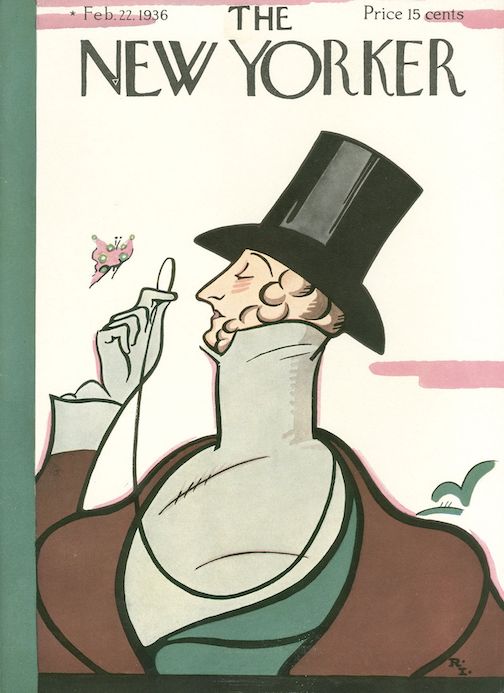
A final note: Aside from the recurring Rea Irvin cover, this issue made no reference to the eleventh anniversary…except, on the bottom of page 57…

…a recurring column filler, “The Optimist,” appeared in Issue No. 1, and was featured in subsequent issues until Katharine Angell mercifully put an end to it.
Next Time: Führer Furor…

 A New Yorker State of Mind
Hello. In your discussion of the July 30, 1927 cover, you say: (Cover is unsigned, but I suspect it is by John Held Jr.).
I had a look in the new full Archive and it states “July 30, 1927,” by Ilonka Karasz. https://www.newyorker.com/magazine/1927/07/30
Thanks for your blog. Very informative.
LikeLike
Hi Todd, thank you for catching that. Most appreciated! I will make the correction.(and thanks for reading!)
LikeLike