The Din and Bustle

City life is a noisy life, especially in places like Manhattan, one of the most densely populated places in the world.

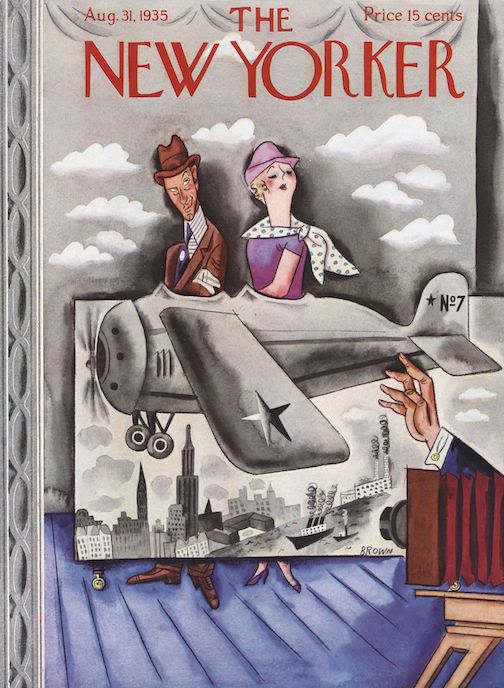
August 24, 1935 cover by Rea Irvin.

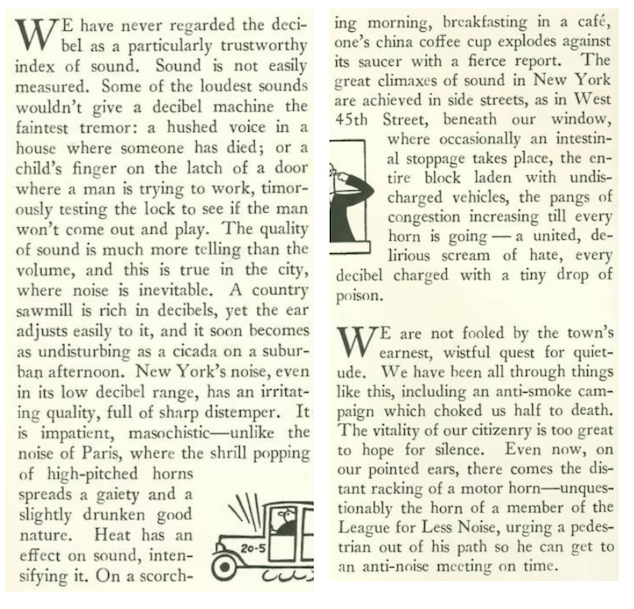
In his “Notes and Comment” column, E.B. White described the occasional “intestinal stoppage” of traffic outside The New Yorker’s offices at West 45th Street, an entire block “laden with undischarged vehicles, the pangs of congestion increasing till every horn is going—a united, delirious scream of hate, every decibel charged with a tiny drop of poison.”
ABOVE THE FRAY…E.B. White with his pet dachshund Minnie at the West 45th Street offices of The New Yorker. (New York Times)
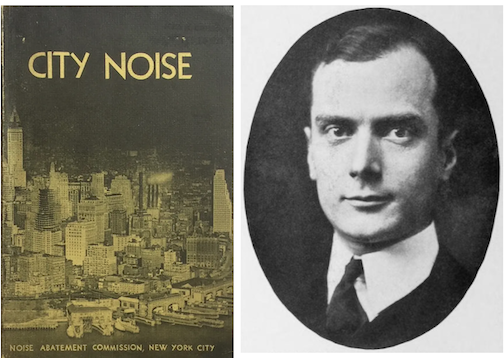
AND DON’T CALL ME SHIRLEY…New York City’s Commissioner of Health, Shirley Wynne (right), created a Noise Abatement Commission in 1929. After eight months of research the Commission published City Noise, which included recommendations for a quieter city. (Wikipedia/trevianbooks.com)

The city began addressing the problem in 1929, when New York City’s Commissioner of Health, Shirley Wynne (1882-1942), created a Noise Abatement Commission, likely the first such commission in the U.S. The Commission cited the “mounting roar and crash of traffic, building, manufacture and sundry other noises which have accompanied the growth of the city.” After eight months of research the Commission published City Noise, which included recommendations for a quieter city.
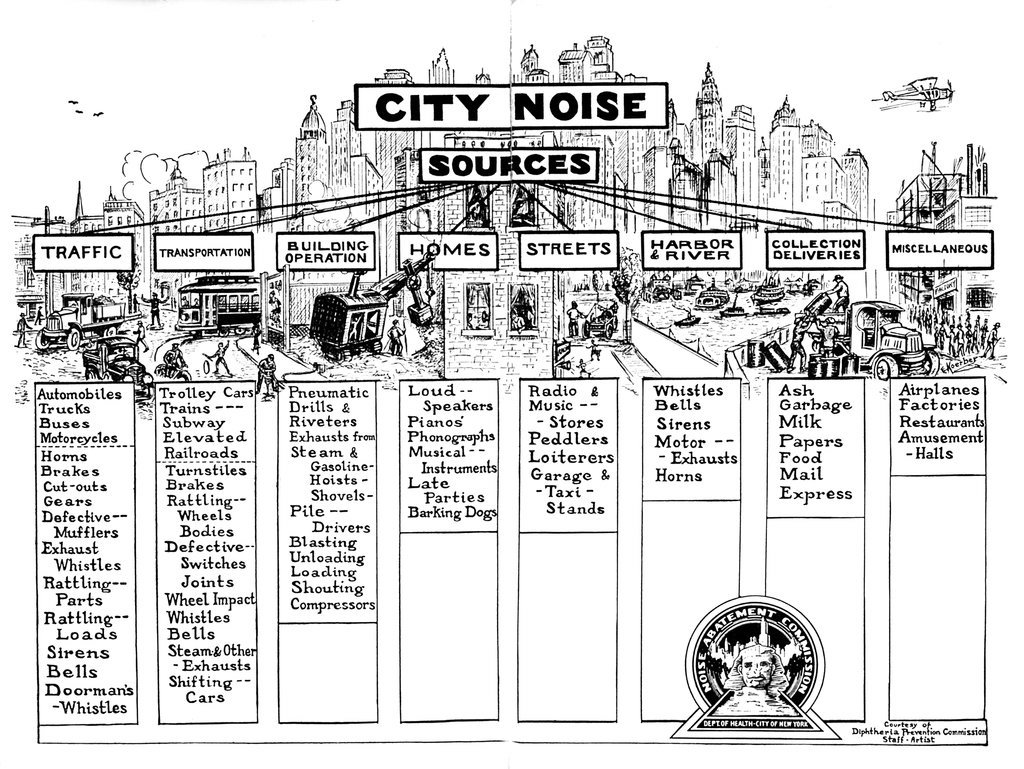
URBAN CHORUS…A chart featured in City Noise depicted some of sources of noise in New York City.
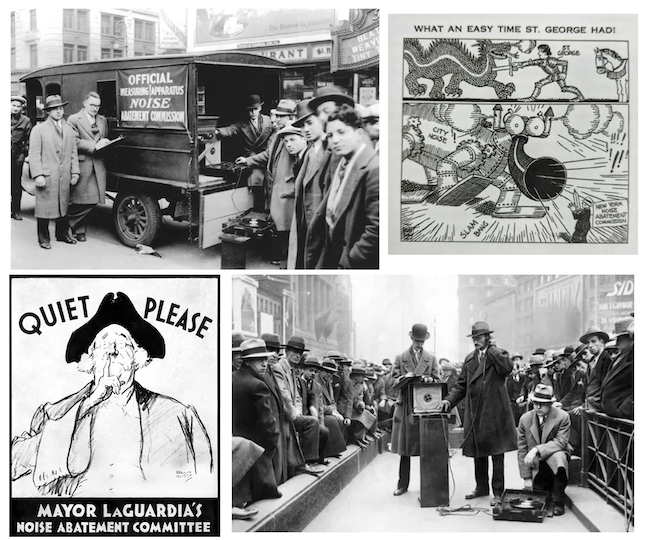
PIPE DOWN!…Clockwise, from top left: The Noise Abatement Commission took to the streets with a municipal acoustics-measuring truck in 1930; cartoon in the New York Herald Tribune illustrated the challenge ahead; Commission officials conducting noise tests in Times Square, circa 1930; poster circa 1936 promoted Mayor Fiorello La Guardia’s anti-noise drives. A 1936 noise code put sound restrictions on everything from radios to the “prolonged and unreasonable blowing of a horn.” A first offense cost $1; the second, if committed within the next year, $2. (hii-mag.com/Bloomberg.com/NYTimes.com)

Not one to leave a stone unturned, White also added this note about the noisy doors on Pullman train car toilets…

Here are the Otto Soglow spot drawings that accompanied the “Talk” piece:

Final note: A colorful exploration of sound can be found on the One Thousand Birds site, Hii Magazine. Check it out!

 * * *

Puff Pushers

Tobacco companies like Philip Morris have long been savvy in finding ways to expand their market, including taking their product directly to the consumer, as “The Talk of the Town” explained in this entry:
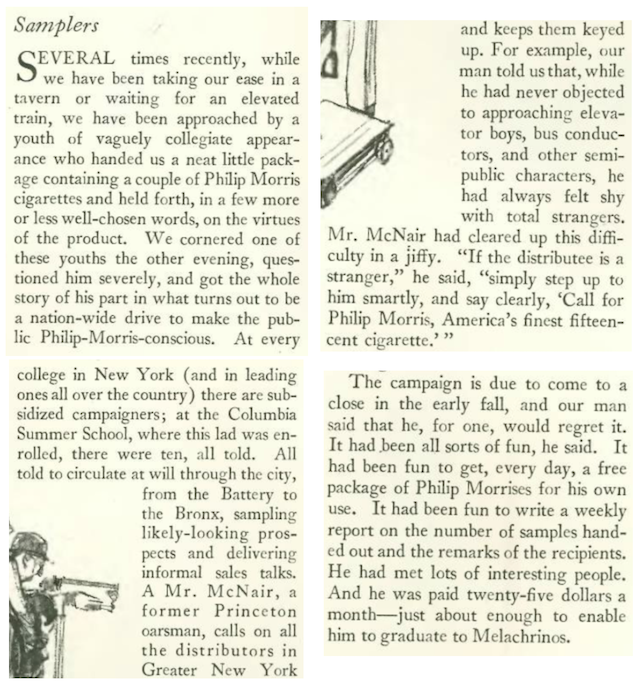
SMOKE FREE…Sample pack of Philip Morris cigarettes, circa 1930s. (Ebay)

 * * *

A Rare Glimpse

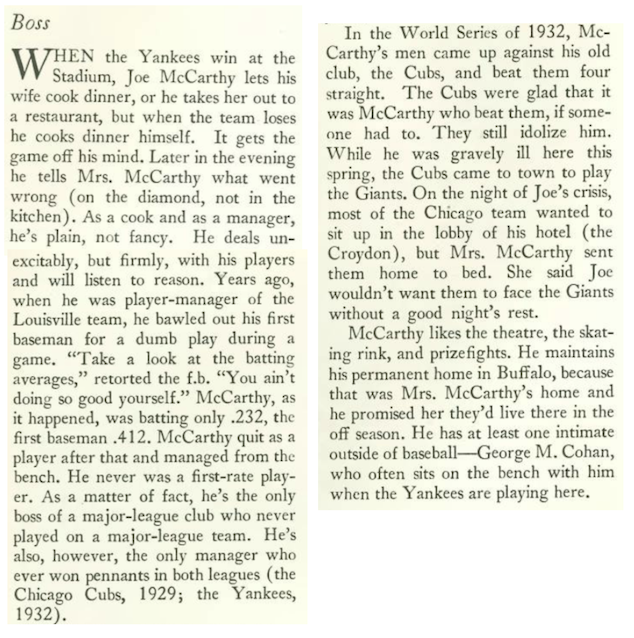
Before Roger Angell started writing about baseball in 1962, there wasn’t a whole lot written about the sport in the pages of The New Yorker. In the magazine’s early years, the game was probably perceived as too low-brow, while other athletic pursuits such as golf, tennis, and polo were more in line with the desired or perceived readership. Early contributors such as Ring Lardner had also soured on the sport, thanks to the Black Sox Scandal of 1919 and the greed of team owners. So here is a rare look at baseball, and Yankee coach Joe McCarthy (1887-1978), in “The Talk of the Town.” Excerpts:
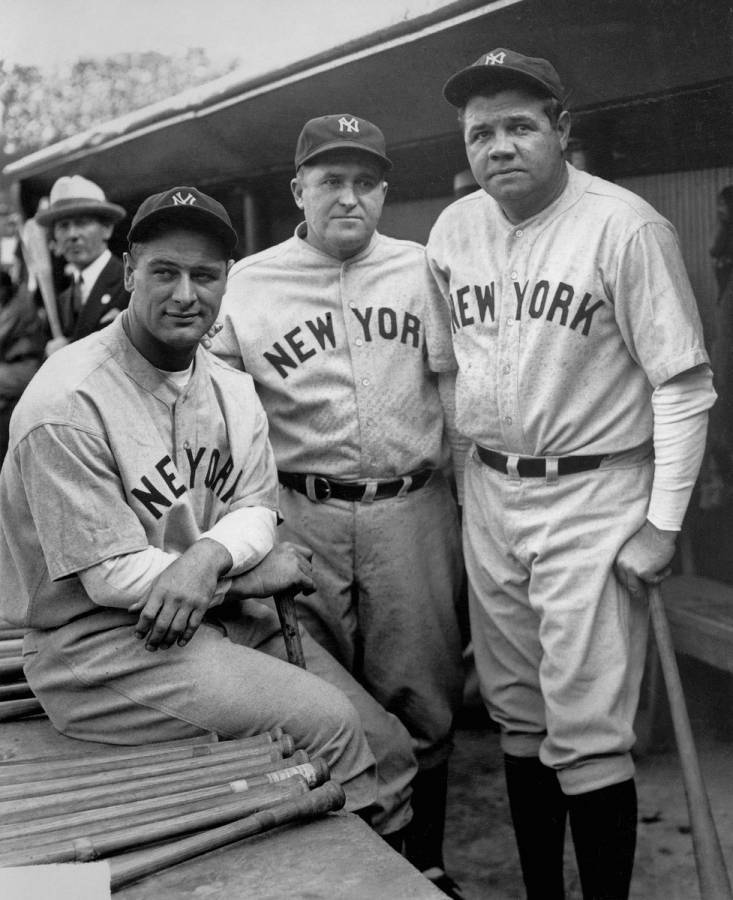
BRONX BOMBERS…Coach Joe McCarthy (center) with sluggers Lou Gehrig, left, and Babe Ruth during the 1932 World Series. The first manager to win pennants in both the National and American leagues, McCarthy’s teams would win a total nine league pennants and seven World Series championships. (CARLI Digital Collections)

 * * *

Music Under the Stars

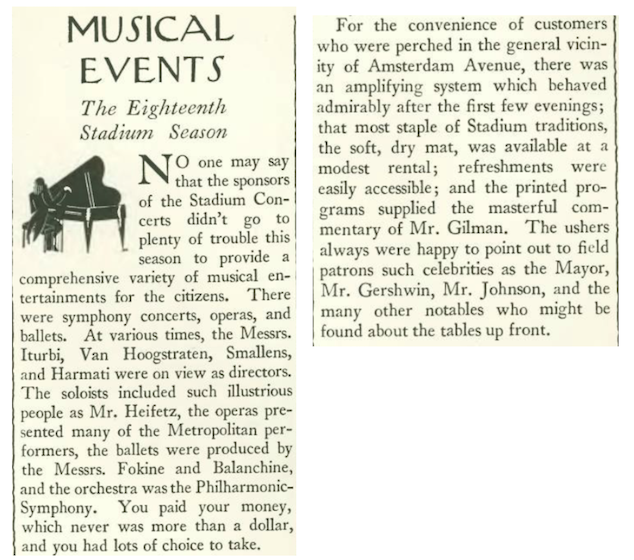
The monumental Lewisohn Stadium was a popular classical music venue on the City College of New York campus until its unfortunate demolition in 1973. According to BBC Music Magazine, “for nearly half a century, Lewisohn Stadium gave people from all walks of life the chance to hear performances by the likes of violinist Fritz Kreisler, soprano Leontyne Price and clarinettist Benny Goodman for as little as 25 cents admission. The New Yorker paid a visit during eighteenth season of the Stadium Concerts. Excerpts:
CLASSICAL MASSES…At left, cover of the 1935 Stadium Concerts Review; at right, Andre Kostelanetz conducts before a crowd of thousands at Lewisohn Stadium in 1939. The stadium was demolished in 1973 to make way for City College of New York’s North Academic Center. See The New York Philharmonic Archive for the complete digital version of the 1935 Stadium Concerts Review. (NY Philharmonic Archive/PressReader.com)

 * * *

At the Movies

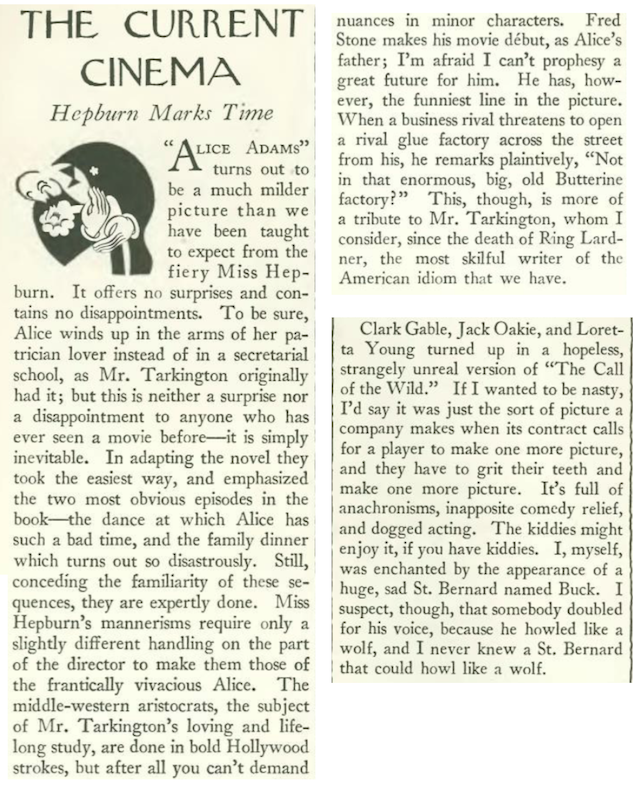
Film critic John Mosher continued to search in vain for a film he could endorse, but he came away empty-handed after screening a star-studded screen adaptation of Jack London’s novel The Call of the Wild. Star power also fell short for Mosher in the screen version of Booth Tarkington’s Alice Adams. 
SMALL TALK…The film adaption of Booth Tarkington’s Alice Adams seemed to have all of the right elements in place, including director George Stevens and stars Katharine Hepburn and Fred MacMurray (left), but critic John Mosher found it somewhat average. In a 1991 retrospective review, however, The New Yorker’s Pauline Kael deemed the romantic comedy “a classic” and stated that “Hepburn gives one of her two or three finest performances.” At right, the character of Alice Adams was first portrayed on the silver screen by Florence Vidor in a 1923 silent film. (Toronto Film Society/Wikipedia)
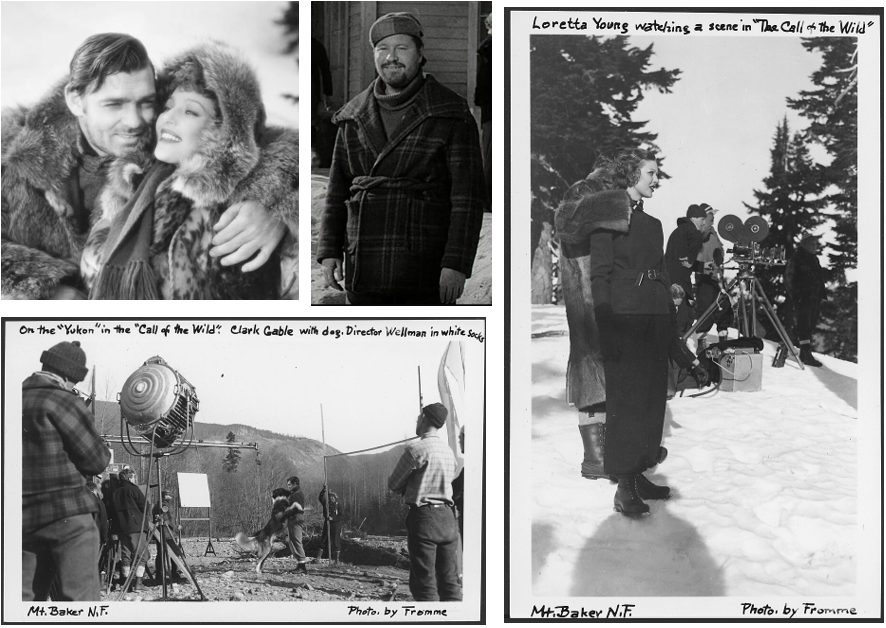
THE BIG CHILL…Clockwise, from top left, Clark Gable and Loretta Young brave the Yukon wilds (actually Washington State) in The Call of the Wild; Jack Oakie provided comic relief as Gable’s sidekick Shorty Hoolihan; Young watches the filming of a scene on location at Mt. Baker National Forest; Gable shoots a scene with the St. Bernard Buck. (IMDB/Wikimedia)
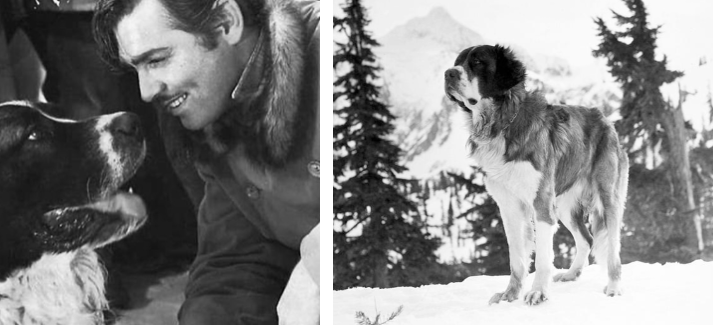
CLARK’S BEST FRIEND…Dog lover Clark Gable became very close with Buck during the filming of The Call of the Wild. Buck appeared in seven more films from 1935 to 1940, even receiving star billing as “Buck the Wonder Dog.” (Facebook/Pinterest)

 * * *

From Our Advertisers

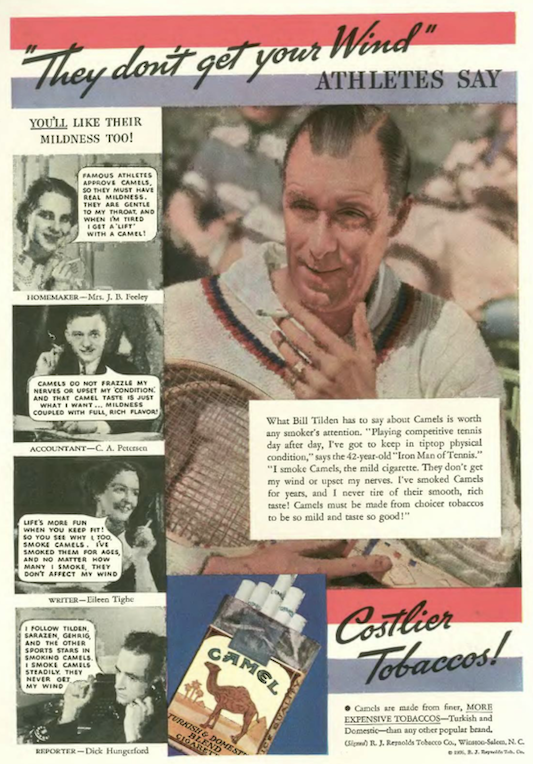
Colorful ads returned to the August 24 issue, featuring familiar sponsors who could afford full-page, full-color spots, namely tobacco and liquor producers…Camel was back with their athletic theme, however they might have chosen someone other than Bill Tilden, who looked perfectly ancient…
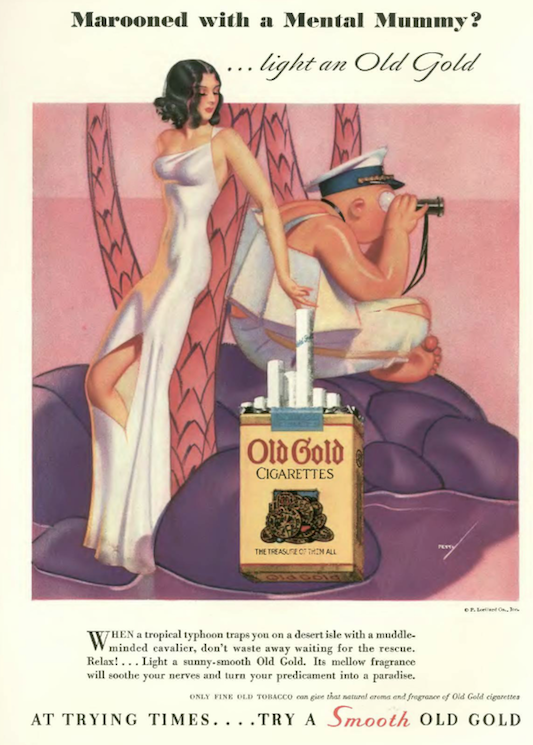
…Old Gold returned with another George Petty-illustrated ad…
…Courvoisier cognac took the back page spot…

…Powers Reproduction showed off their color printing expertise…I wonder if that is a Lucky she is smoking…
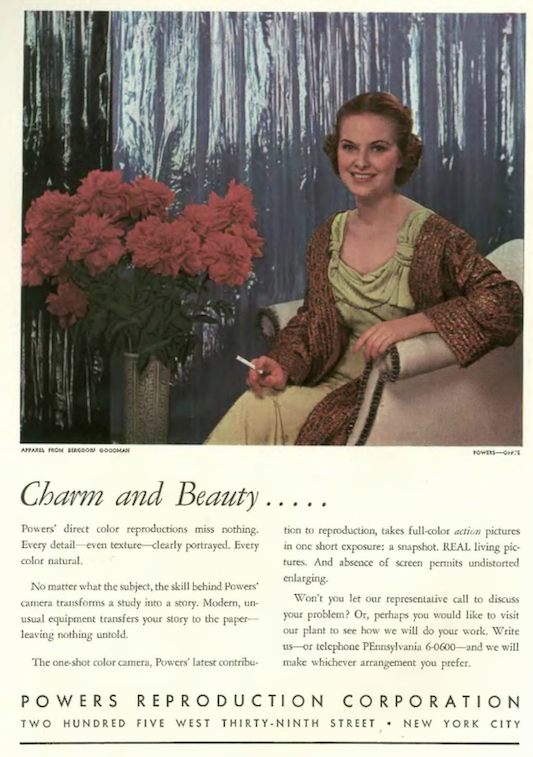
…because I believe she is the same woman who appeared in this ad from the July 27 issue:
…back to August 24, where we were encouraged to enjoy a Johnny Walker highball to stave off the late summer heat…

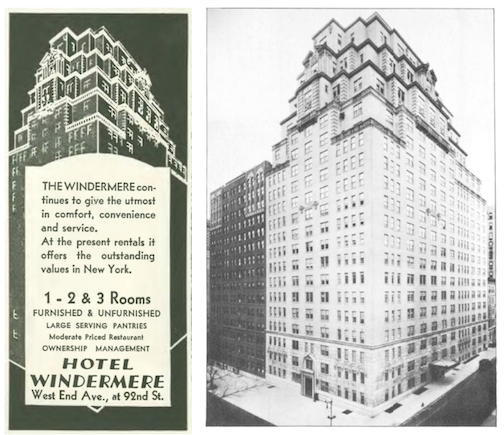
…the distinctive crown of Hotel Windemere on the Upper West Side was an eye-catcher even in this one-column ad from the back of the book…photo at right from around the time it was completed, 1927…
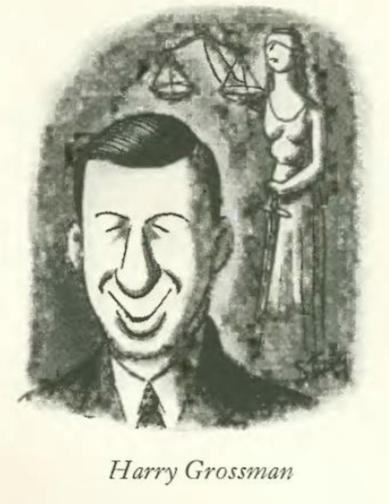
…on to our cartoonists, an unexpected profile caricature by William Steig (this two-part profile featured process-server Harry Grossman)…
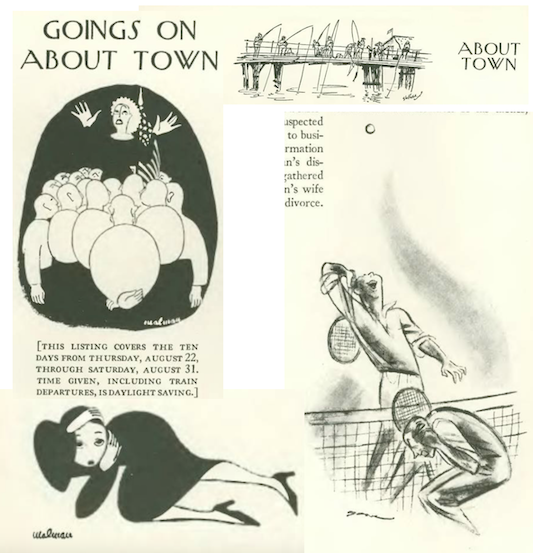
…interesting spot drawings by George Shellhase (top) and Leonard Dove (bottom right), and at left, two by Christina Malman

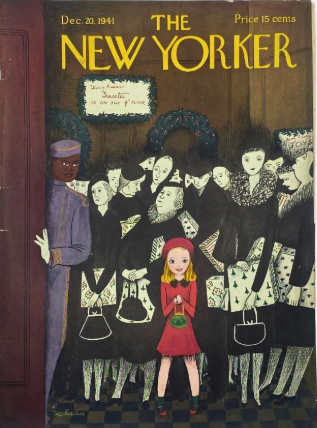
…Malman (1912-1959) produced at least two-dozen covers for The New Yorker between 1937 and 1956, including this gem from 1941:
…some baby names have real meaning, according to Alan Dunn…

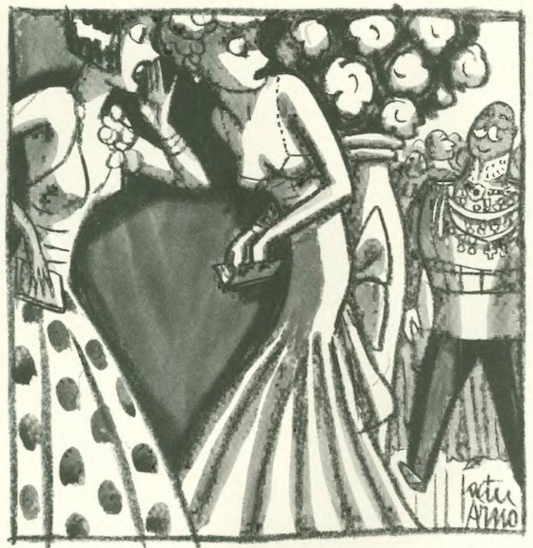
Peter Arno offered caution about dancing with a prickly Colonel…
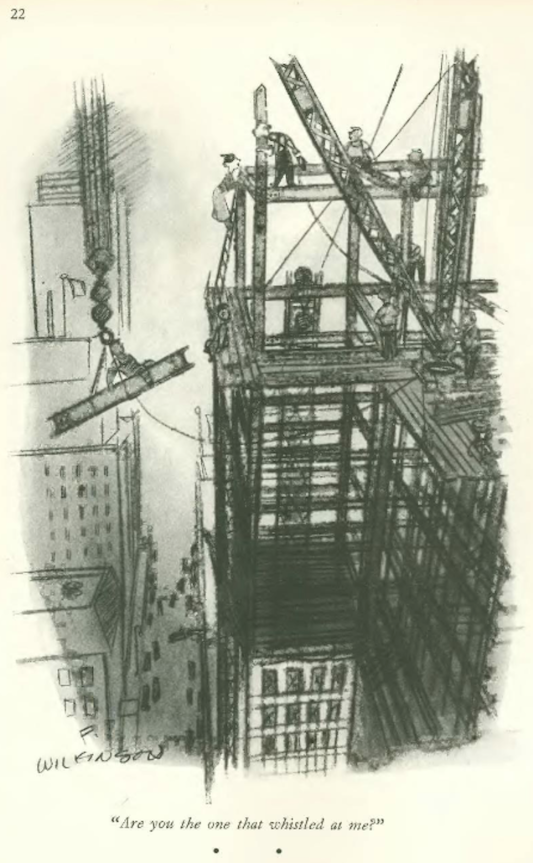
Fritz Wilkinson answered one cat call high above the city…
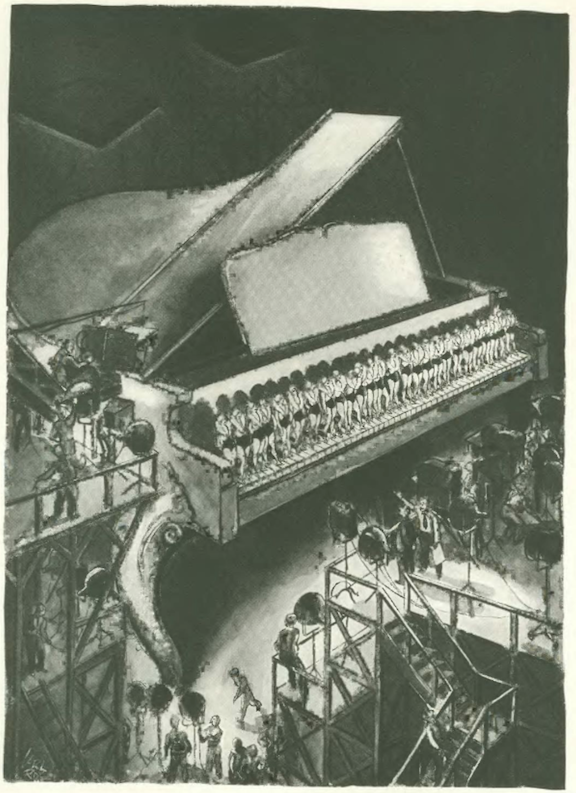
Franz Shubert met Busby Berkeley, via Carl Rose

George Price persisted in threading a needle…

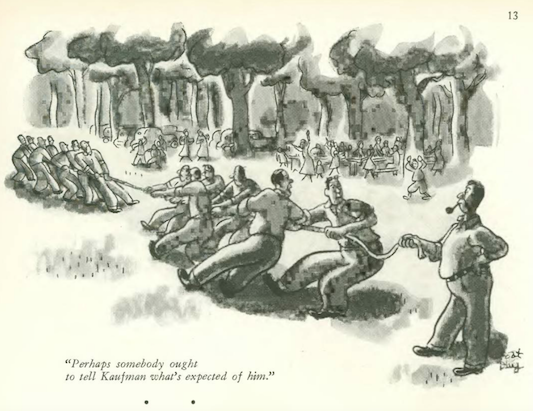
Robert Day gave us a pacifist of sorts in a game of tug-of-war…
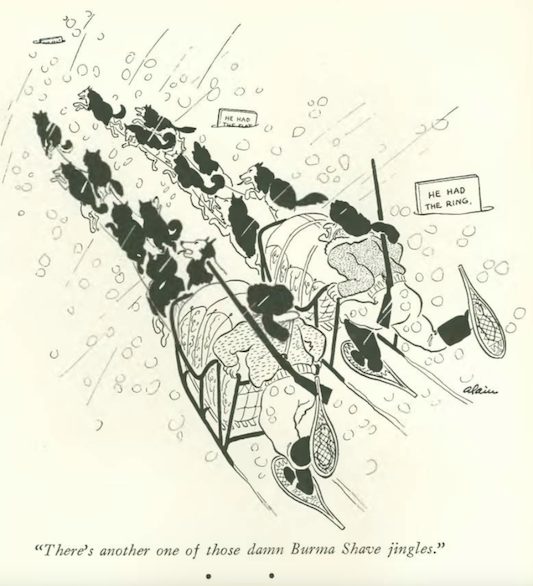
…Burma Shave jingles seemed to be everywhere in the 1930s, per Alain

…An example of replica Burma Shave signs along Route 66:

(roadsideamerica.com)

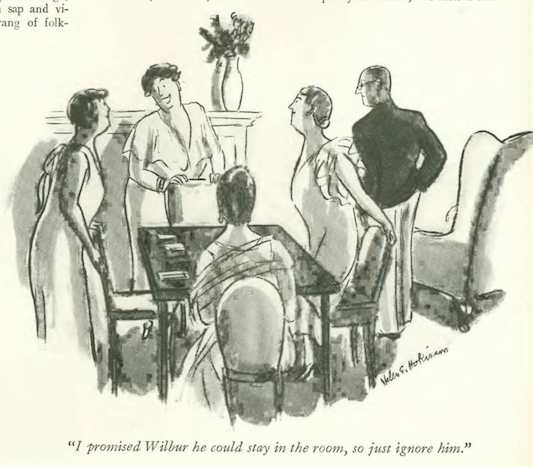
…some parenting tips came our way via Helen Hokinson

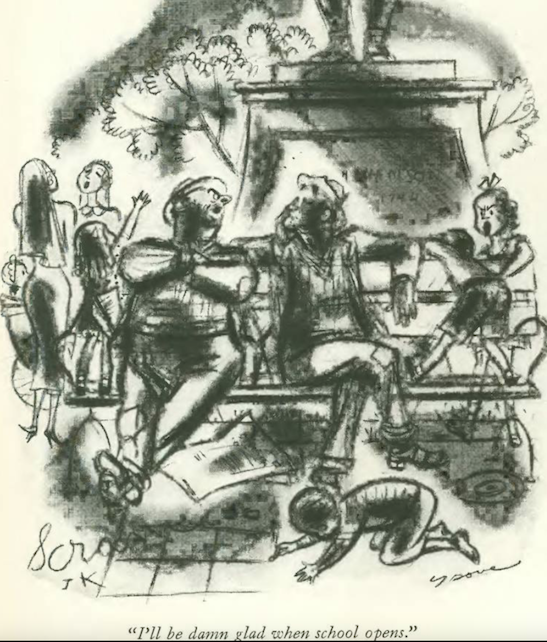
…and Leonard Dove took us back to school…finally…
Next Time: Down to Earth…
Hays Hokum

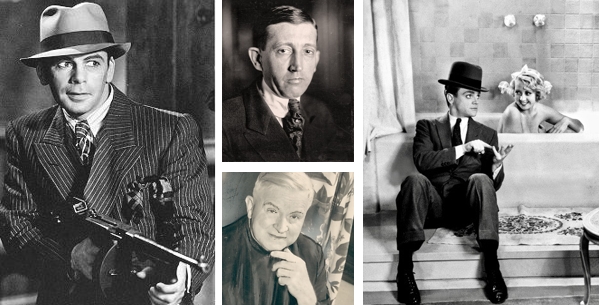
Above: Will Hays (center, top) was the enforcer and Fr. Daniel A. Lord was the author of the Production Code that was rigidly enforced beginning in 1934. They and others were responding to the sex, violence and other forms of "immorality" in such films as 1932's "Scarface" (with Paul Muni, pictured at left) and 1931's "Blonde Crazy" with James Cagney and Joan Blondell. (Wikipedia/cinemasojourns.com)

With the Production Code fully enforced, New Yorker film critic John Mosher found even less to get excited about during his visits to Manhattan’s cinemas.

August 17, 1935 cover by Julian de Miskey. He contributed 62 covers to the magazine, as well as 82 cartoons from 1925 to 1962.

The Motion Picture Production Code—a set of industry guidelines for the self-censorship of content—had been around for awhile, but it was mostly ignored until June 13, 1934, when an amendment to the Code required all films released  to obtain a certificate of approval. Hoping to avoid government censorship and preferring self-regulation, studios adopted the Code.

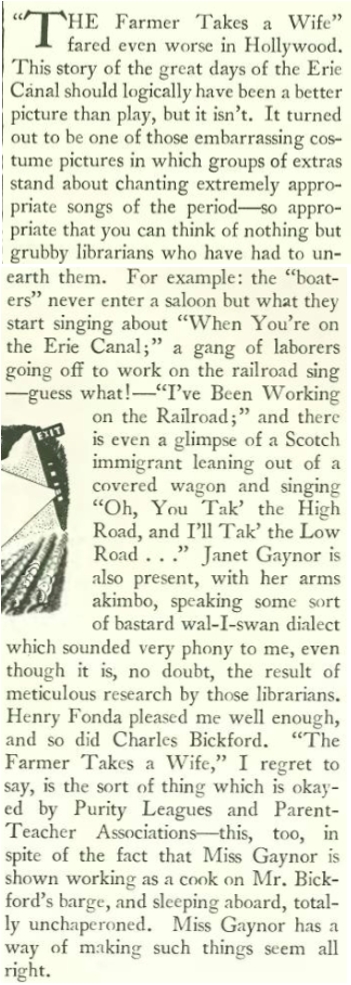
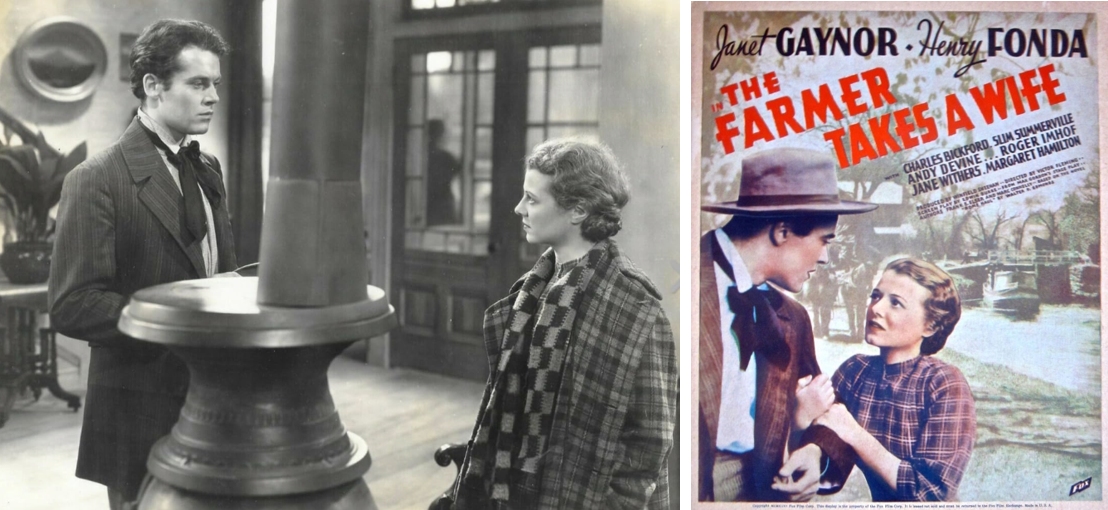
The Code’s effects were felt in such films as The Farmer Takes a Wife, a romantic comedy about a Erie Canal boatman, portrayed by Henry Fonda, who dreams of becoming a farmer (a role reprised by Fonda from the Broadway production of the same name; it was Fonda’s first break in films). Mosher was pleased by Fonda’s performance, but found the film adaptation to be corny and phony, filled with “bastard” dialect and schmaltzy musical numbers. “It is the sort of thing which is okayed by Purity Leagues…” Mosher concluded.

SILVER SCREEN DEBUT…Boatman Dan Harrow (Henry Fonda) woos barge cook Molly Larkins (Janet Gaynor) in a scene from A Farmer Takes a Wife. While it was Fonda’s film debut, Gaynor was an established star known for playing sweet, wholesome characters. One of the few actresses who made a successful transition to sound movies in the late 1920s, Gaynor was the number-one draw at the box office in 1935. (IMDB)
STILL KEEPING IT CLEAN…The Code was still in force when The Farmer Takes a Wife was remade in 1953; however, nineteen years after the Code took effect there was a notable easing of restrictions, as can be seen in the generous display of Betty Grable’s famous gams (seen here with Thelma Ritter). (IMDB/Wikipedia)

To get a clearer idea of what the Code did to the pictures, compare the scene from 1934’s Tarzan and His Mate (left), which was released two months before the Code went into effect, and Tarzan Escapes (right), from 1936.

CLOTHED IN THE CODE…Johnny Weissmuller and Maureen O’Sullivan appeared together in six Tarzan films. In their second outing, 1934’s Tarzan and His Mate, O’Sullivan wore a skimpy halter-top and loincloth (left) and was shown sleeping and swimming in the nude. In their next film, 1936’s Tarzan Escapes (right); Jane is more chastely clad. (mikestakeonthemovies.com/rottentomatoes.com)

 * * *

Noted and Notorious

In his weekly column “Of All Things,” Howard Brubaker offered wry observations on the passing scene, including this latest brief that described the rise and fall of a very unlikely quartet of celebrities.

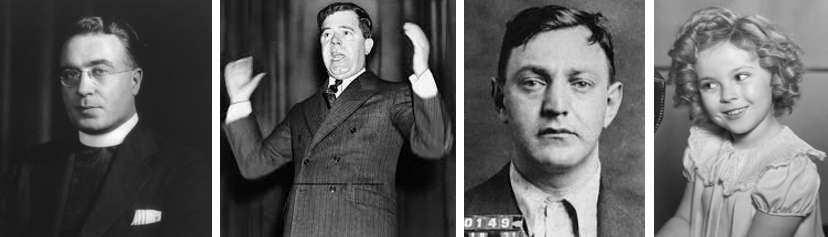
DEMOGOGUES, DUTCH & DIMPLES…(Left to right) Support appeared to be on the wane for radio priest and demagogue Father Charles Coughlin and fellow-fascist Louisiana Sen. Huey Long, while stock was on the rise for mobster Dutch Schultz, who successfully swayed public opinion (while under indictment for tax evasion) by generously donating to various charities. Shirley Temple continued to charm audiences, her films ranking number-one at the box office in 1935 (as well as in 1936, 1937, and 1938). The year 1935 would also be the last for Long and Schultz–both would be assassinated. (Wikipedia)

 * * *

Titlemania

Lacking the strictures of Old World caste systems, Americans have had an anxious relationship with class signifiers. In a land where trade schools become universities overnight and their faculty members refer to one another as “doctor,” there is much confusion and hand-wringing in the honorifics trade. H.L. Mencken examined the proliferation of titles in his country, freely handed out without regard to merit. Excerpts:

 * * *

From Our Advertisers

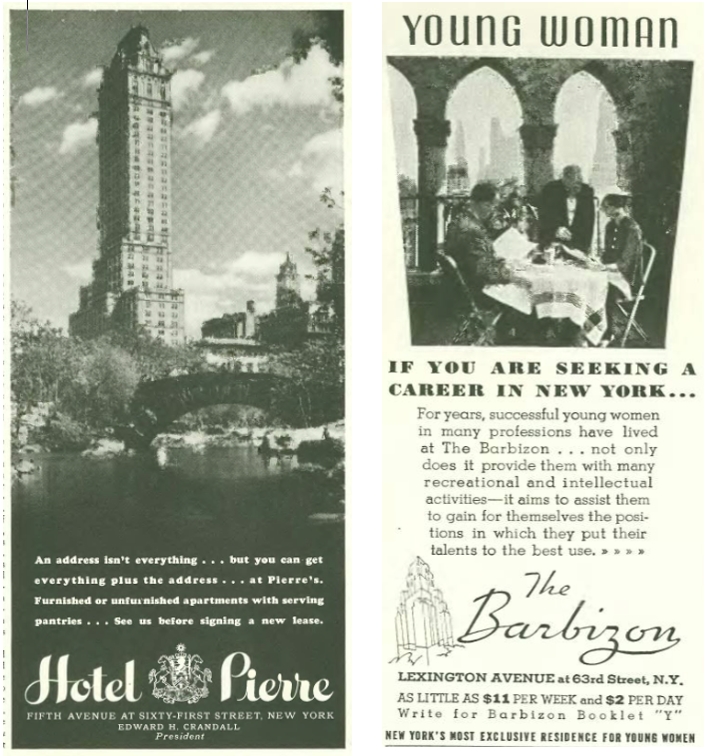
The back of the book was where one could find advertisements for upscale urban living, including these two touting the advantages of the Hotel Pierre and The Barbizon…

…In a joint venture with a group of Wall Street financiers, the former busboy-turned restauranteur Charles Pierre opened the Hotel Pierre in 1930—not the most auspicious time to open a luxury hotel as markets continued to collapse…the Pierre went into bankruptcy in 1932 and was later purchased by oilman J. Paul Getty…the legendary Barbizon Hotel for Women, completed in 1927, was designed as a safe and respectable haven for women seeking to pursue careers in New York, especially in the arts, and would host numerous famous women through the 1970s…

At left, the Barbizon in 1927; right, the Hotel Pierre circa 1930. (loc.gov)

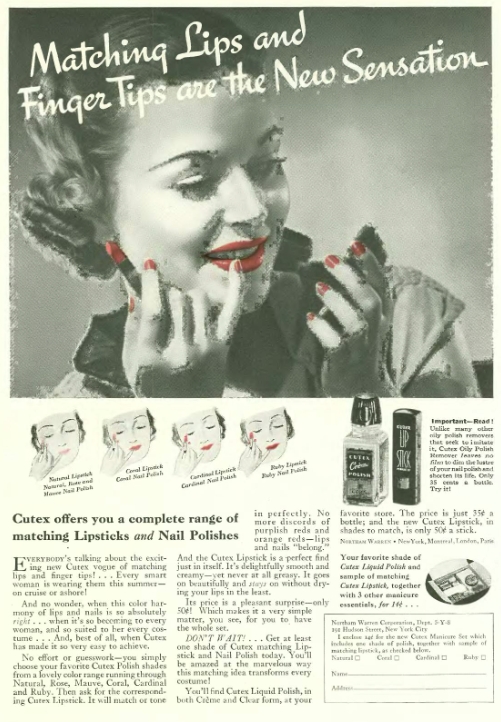
…like the tobacco companies, brewers targeted women as a growth market for a product mostly associated with men…

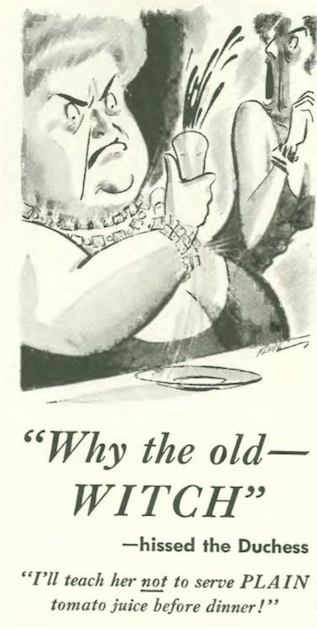
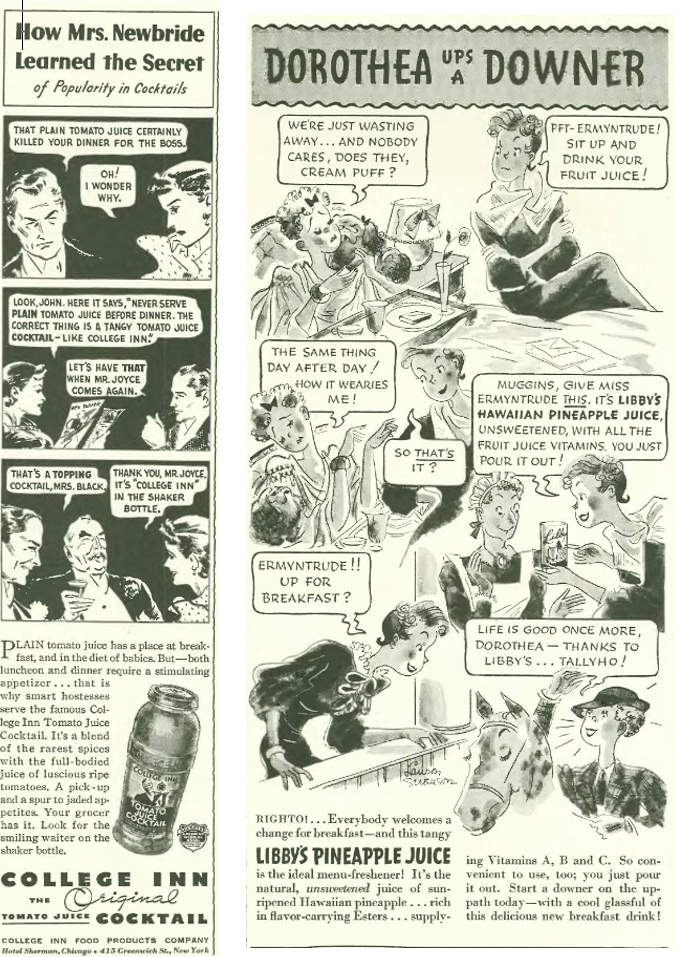
…the makers of juices, meanwhile, created comic strips to promote their products…College Inn still went negative with their ads—recall the violent outbursts of the Duchess…

…here a spiteful husband blames his wife’s choice of tomato juice for his lack of success with the boss…Libby’s, on the other hand, promoted their pineapple juice as a surefire cure for a young woman’s ennui…

…notable in these somewhat thin, late summer issues is the lack of full-color ads…this was on the back inside cover…

…Flit and Dr. Seuss continued to be a weekly presence…

…which brings us to our cartoonists, and a spot drawing by Constantin Alajalov

…also a modest spot by Robert Day, keeping us cool with this polar bear…

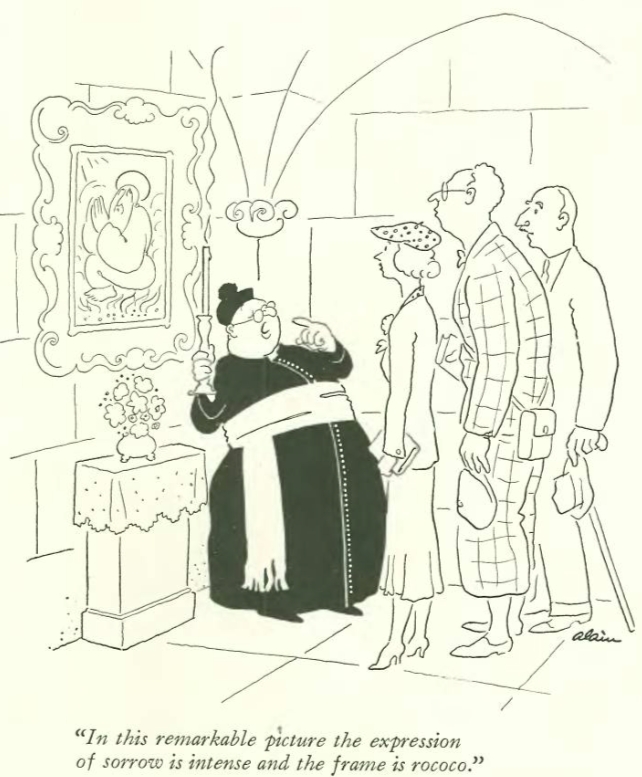
Alain offered a short course in art appreciation…

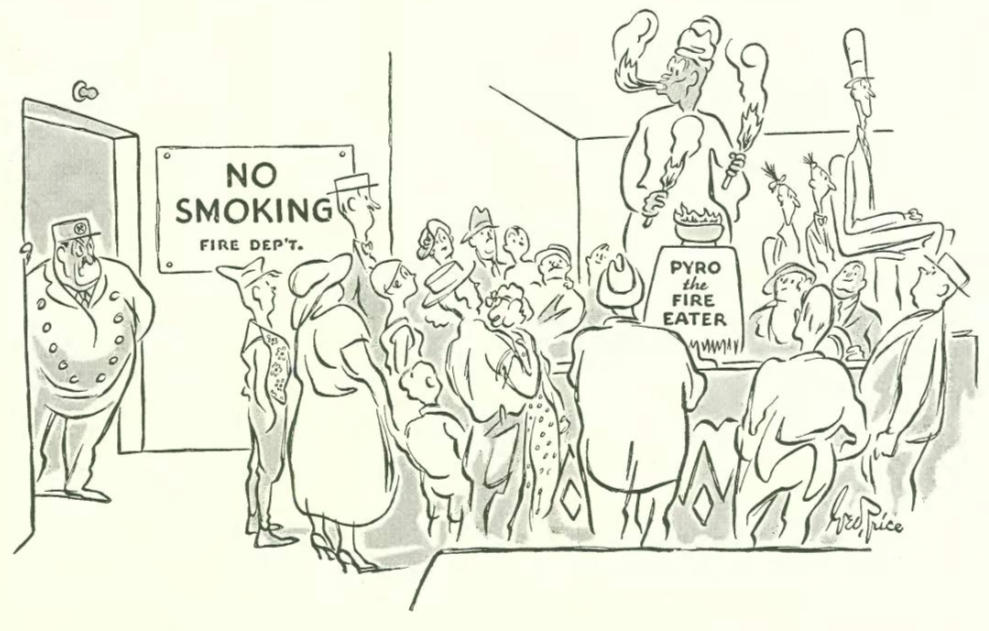
George Price ran afoul of the fire code…

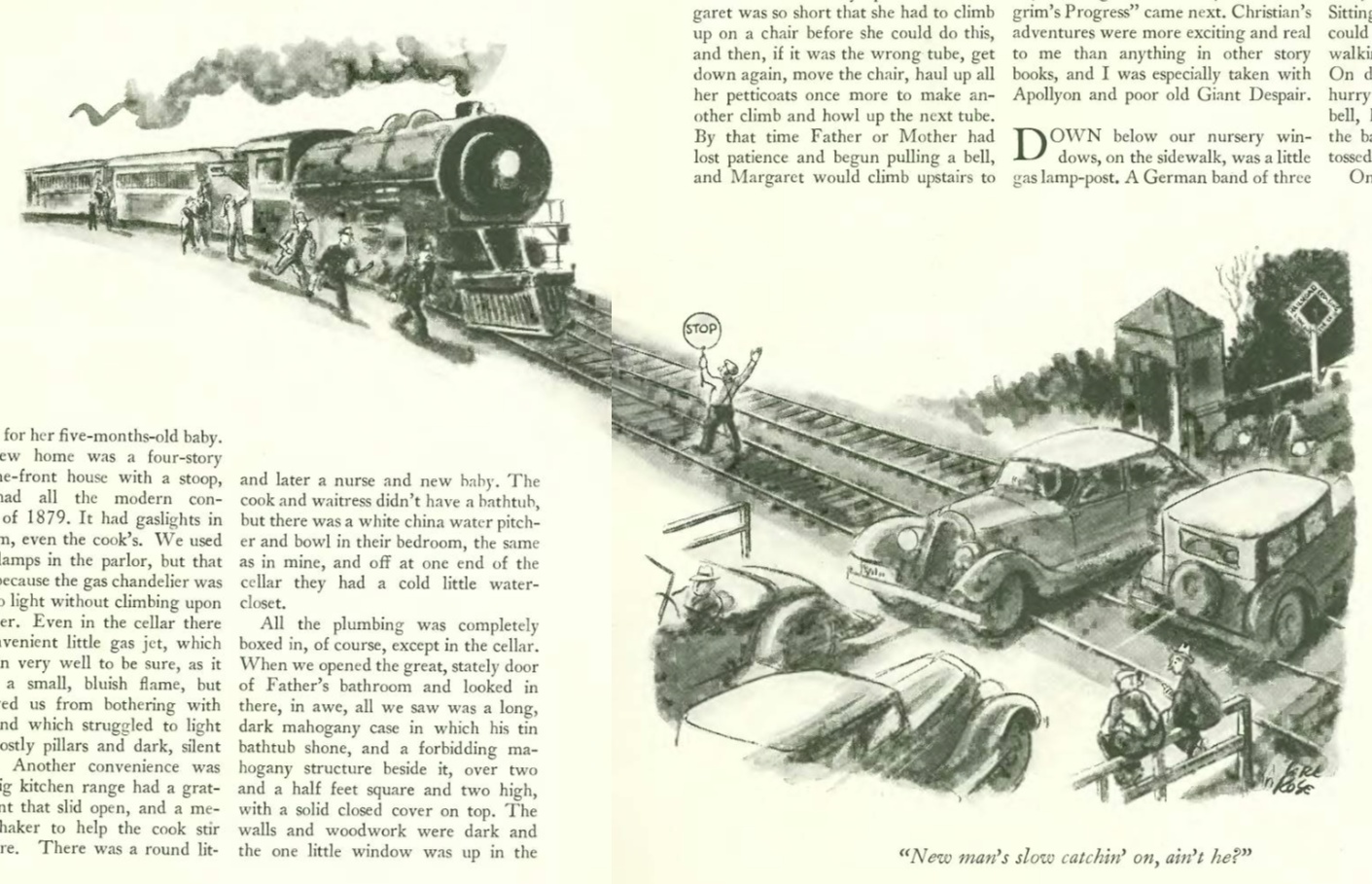
Carl Rose ran his tracks across this two-page spread…

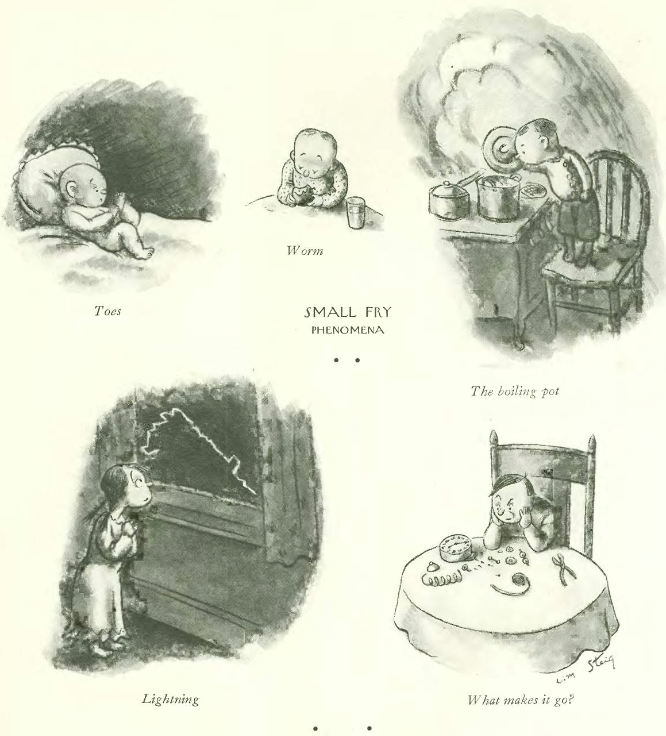
William Steig gave us the small fry’s perspective on the world’s wonders…

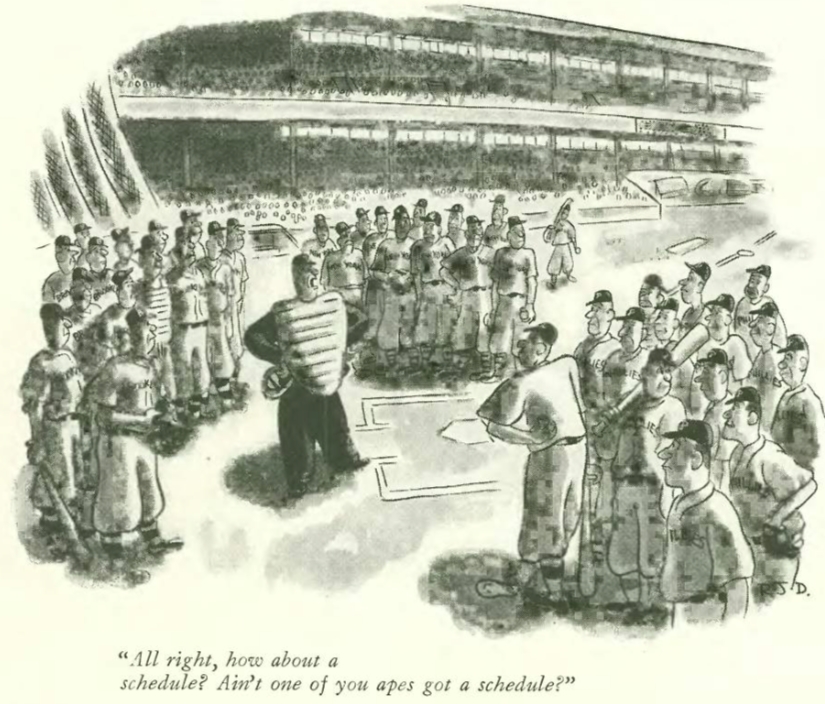
…a rare appearance of baseball in the magazine, thanks to Robert Day...

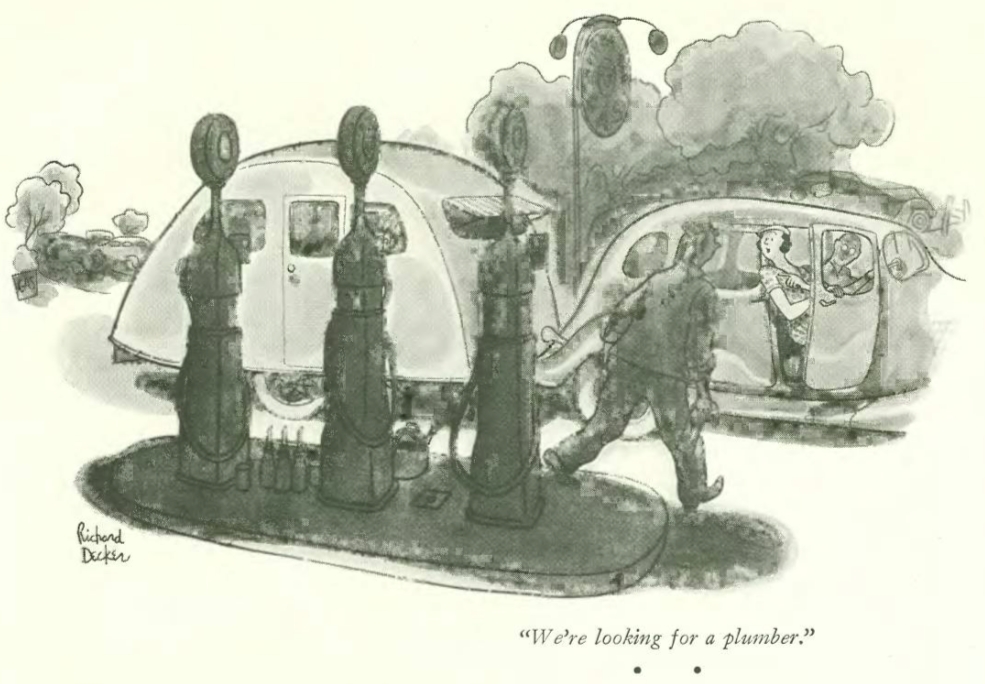
Richard Decker brought a modern world challenge to one filling station…

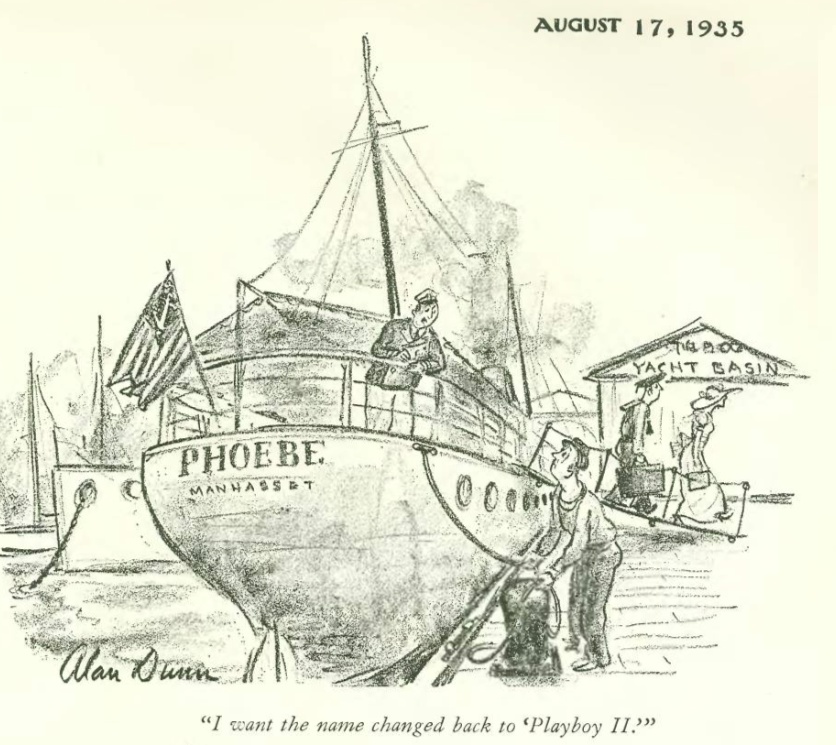
…A sailor’s return to bachelorhood required a new paint job, per Alan Dunn

…and who else but Charles Addams would circle vultures over an amusement park?…

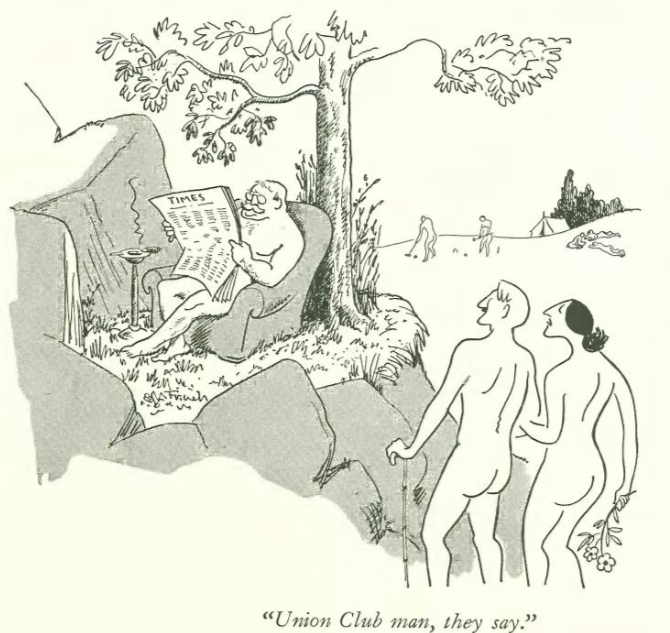
…and we close with Al Frueh, and a Union Club member not concerned with a dress code…

Next Time: The Din and Bustle…


She Who Must Be Obeyed

The 1935 film She was one of those old movies you’d see on television during the 1970s when there were only three or four channels (plus UHF) and local stations would tap into the “B” movie vault to fill airtime. One of those films was She.

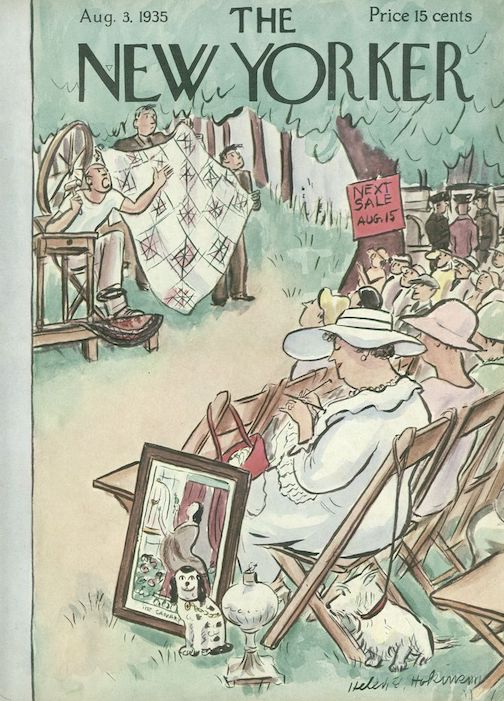
August 3, 1935 cover by Helen Hokinson.

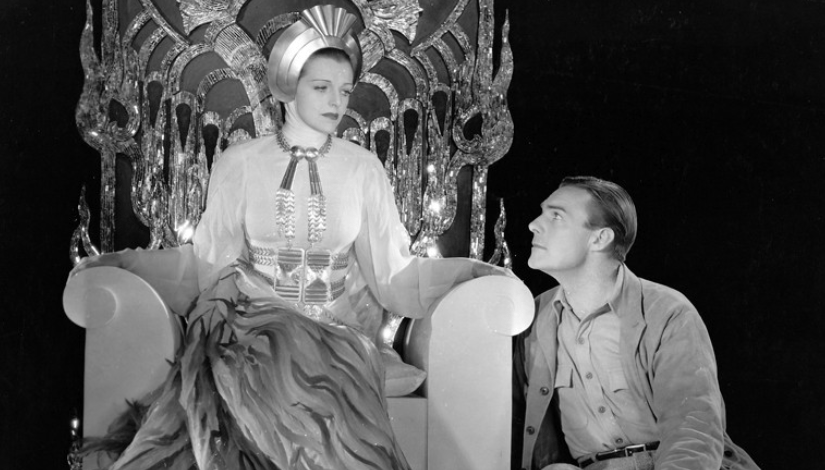
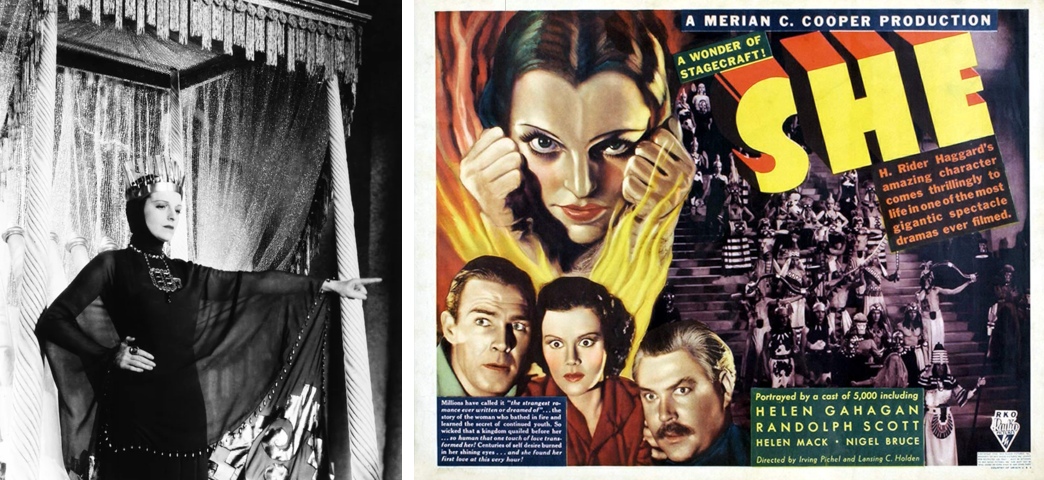
Film critic John Mosher felt a bit sorry for Helen Gahagan, who portrayed “She Who Must Be Obeyed” (aka “She”)—an immortal who ruled an exotic, lost civilization near the Arctic Circle. The challenge for Gahagan was to seem imperious before her co-stars Randolph Scott and Helen Mack, who seemed more suited to the high school hijinks of an Andy Hardy picture. The film was a pretty standard adventure tale, in the mold of producer Marian C. Cooper’s 1933 King Kong, with two explorers falling in love during a perilous journey.

ARCHETYPE…At left, Helen Gahagan as “She” (Who Must Be Obeyed). Her costume possibly inspired the Evil Queen in Disney’s 1937 animated Snow White and the Seven Dwarfs. At right, lobby card that promoted the film. (Scifist.net/Reddit)
WHEN YOU PLAY WITH FIRE…She Who Must Be Obeyed (Helen Gahagan), believing that the explorer Leo Vincey (Randolph Scott) was a reincarnation of his ancestor (whom she loved), and jealous of his girlfriend Tanya (Helen Mack), invites Leo to join her in the eternal flame. Unfortunately, her re-entry into the flame that gave her immortality turned her into a dying, withered crone. (The Nitrate Diva/Scifist.net)

The 1887 H. Rider Haggard novel, She, inspired eponymous silent films in 1908, 1911, 1916, 1917, and 1925. The 1935 film reviewed here received tepid reviews and lost money on its first release, however in a 1949 re-release it fared much better. She was re-made in 1965 with Ursula Andress in the lead role, and again in 1984 in a post-apocalyptic film that had virtually nothing to do with Haggard’s novel.

SHE THROUGH THE YEARS…Clockwise, from top left, “She” (Marguerite Snow) offers a dagger to Leo Vincey (James Cruze) in a 1911 two-reel (24 min.) adaptation; Valeska Suratt as “She” in the 1917 film (now lost); Betty Blythe took the title role in the 1925 production, considered to be the most faithful to the 1887 H. Rider Haggard novel; Sandahl Bergman appeared dressed for a Jazzercise video in the 1984 post-apocalyptic She; and finally, Ursula Andress and John Richardson in the 1965 CinemaScope production of She. (Wikipedia / digitalcollections.lib.washington.edu / cultcelebrities.com / Reddit)

 * * *

Colonial Ambitions

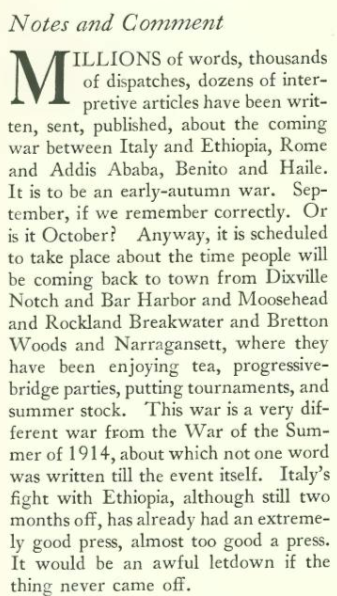
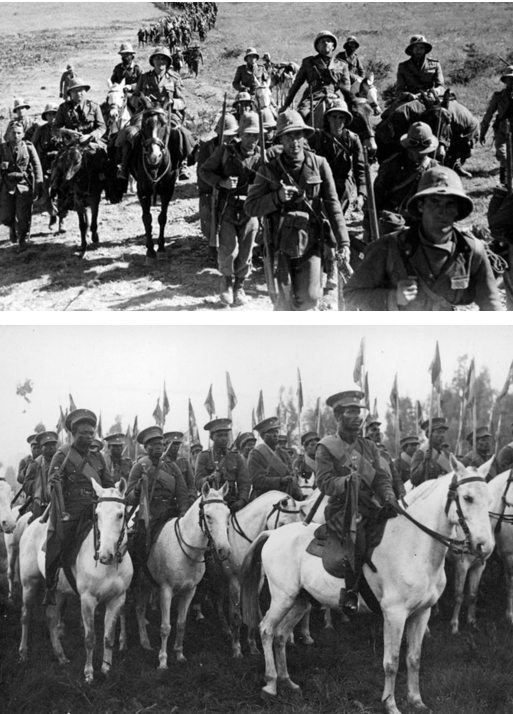
With most of Africa carved up by other European powers (Britain, France, Belgium etc.) in the 19th century, Italy set its sights on Ethiopia, which by the end of the 19th century was the only independent country left on the continent. Ethiopia fought off Italy’s first attempt at conquest in the Battle of Adwa (1896), but with the rise of fascist dictator Benito Mussolini, Italy paid a return visit, this time with heavy artillery and airstrikes that included chemical weapons. E.B. White tried to make sense of this latest invasion in his opening comments.

THOSE GUYS AGAIN…Italy invaded Ethiopia on October 3, 1935, a significant act of aggression in the lead up to World War II. Despite facing a technologically superior Italian army (top) equipped with modern weapons, including tanks, aircraft, and chemical weapons, the Ethiopian forces (bottom photo) mounted a strong resistance. (Wikipedia)

In his weekly column, Howard Brubaker mused on the Italian aggressions and other rumblings of the coming European war.

 * * *

Author, Author

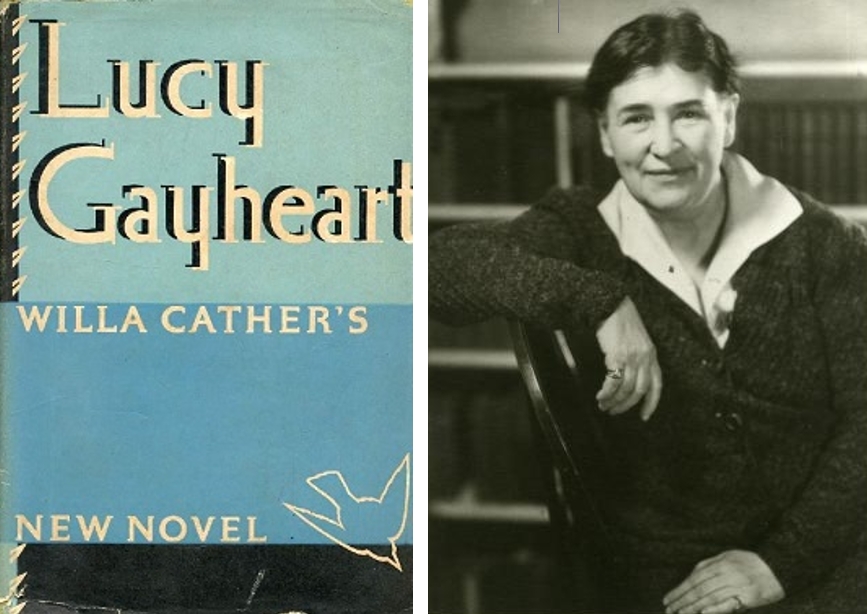
The writer Willa Cather was a favorite of New Yorker critics, including Clifton Fadiman, however her latest novel was a bit too mild for his tastes.

HERE’S LUCY…Clifton Fadiman confessed he was “mortified” to admit that he found Willa Cather’s latest novel a bit too gentle. At right, portrait of Cather on her birthday, December 7, 1936. (willacather.org)

 * * *

From Our Advertisers

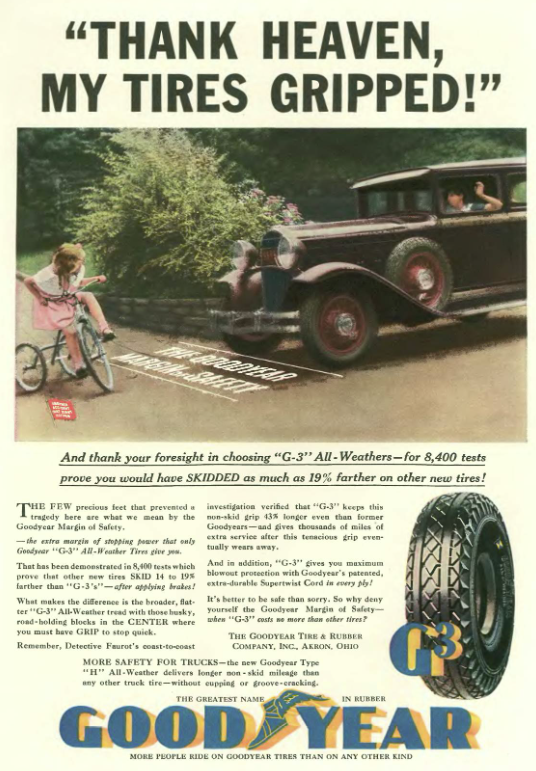
We begin with more fearmongering from the folks at Goodyear, who offered weekly reminders of the perils of not choosing their all-weather tires…

…the Liggett and Myers Tobacco Company conjured up this “naughty maiden” to encourage even timid souls to take up the habit…

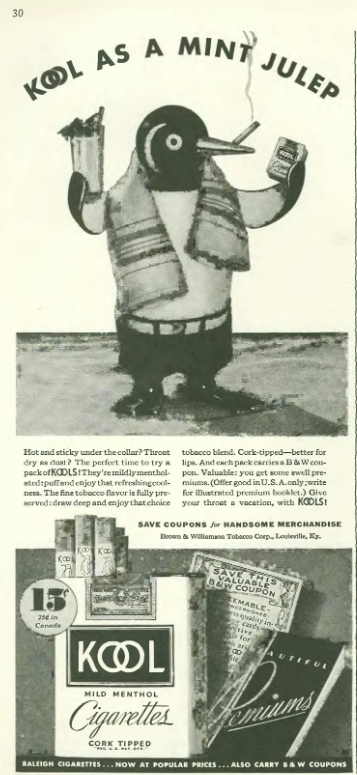
…on the other hand, the makers of the upstart KOOL brand kept it simple with their chain-smoking penguin, who was grabbing ever more market share from rival menthol pusher SPUD…

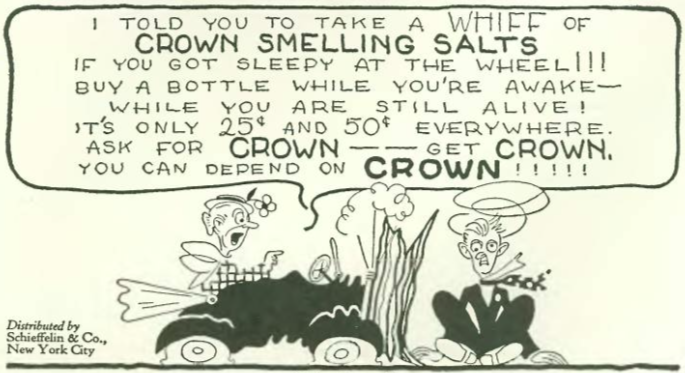
…ads in the back of the book offered up even less sophisticated products, such as Crown Smelling Salts…

…while Dr. Seuss and Norman Z. McLeod continued to make a living with their distinctive illustrations…

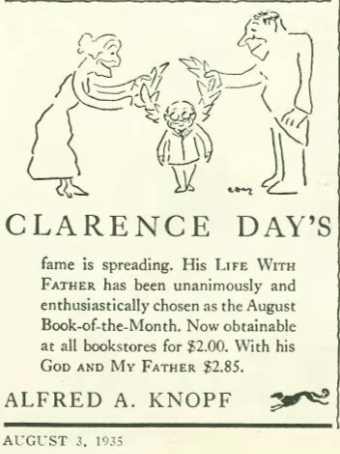
…at the very back of the magazine, this tiny ad from Knopf promoted Clarence Day’s Life With Father, published just months before Day’s death on Dec. 28…

…which brings us to our cartoonists…Constantin Alajalov kicked us off with this happy number…

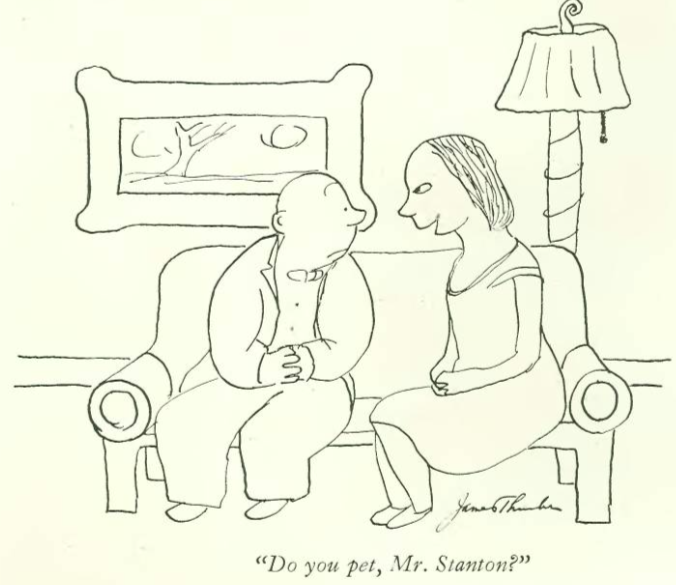
James Thurber found steamy goings on in the parlor…

Charles Addams came down to earth with this pair…

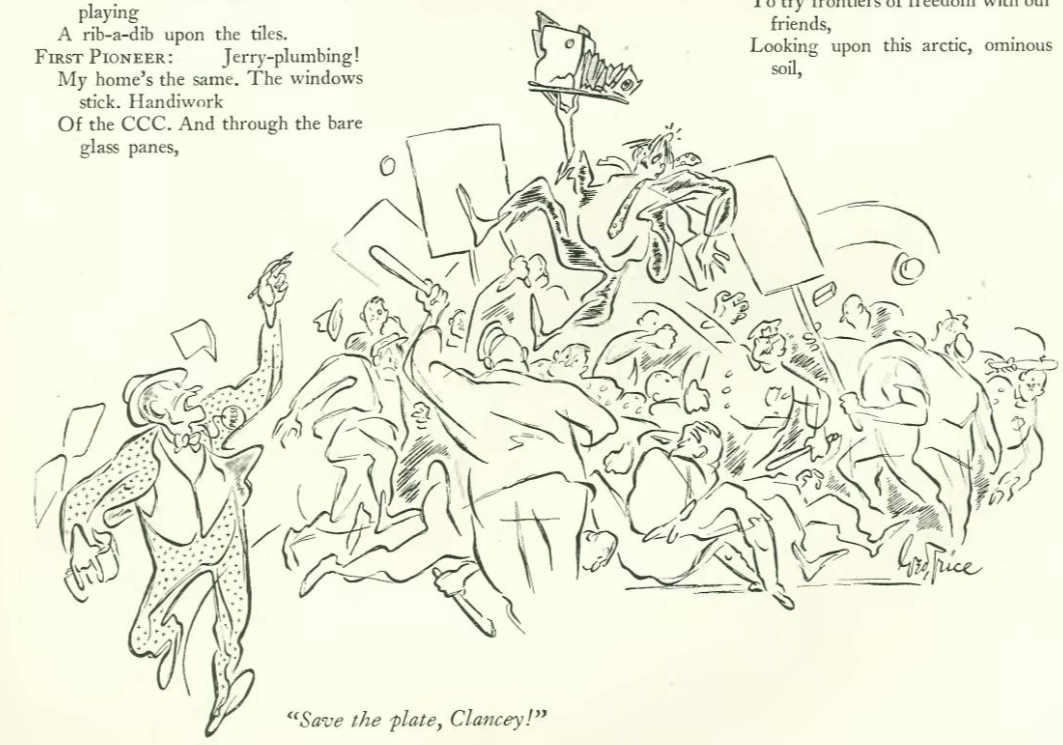
George Price showed us the rough and tumble of news reporting…

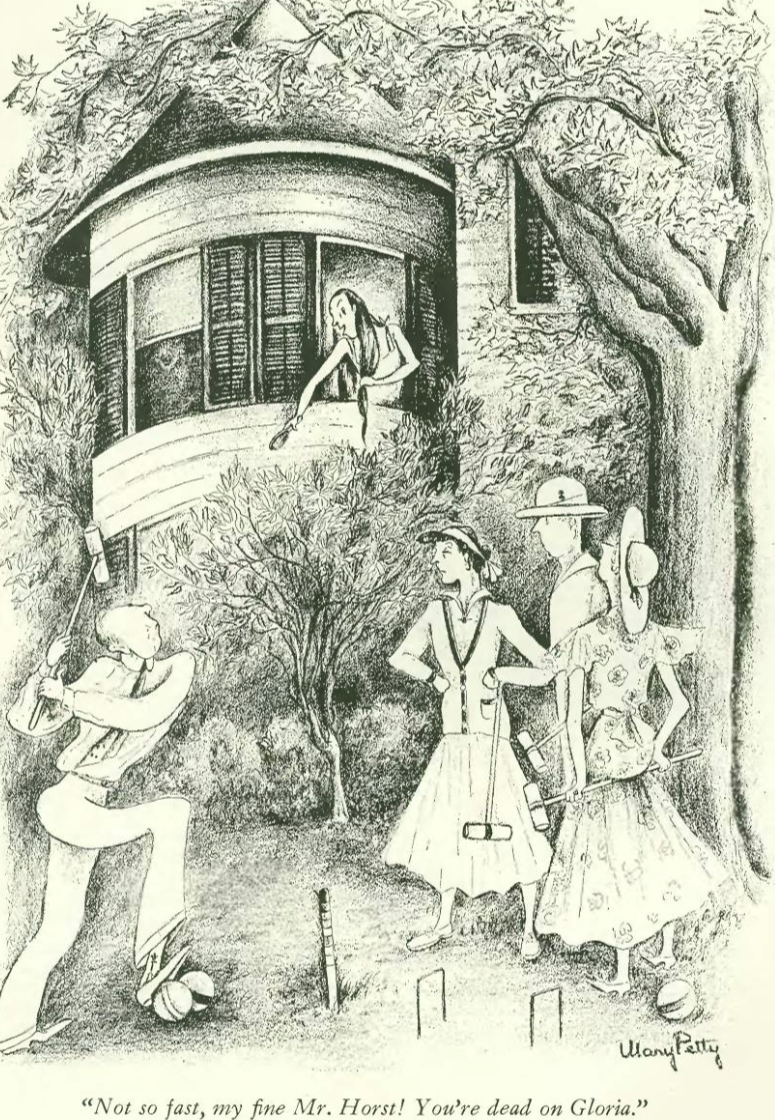
Mary Petty contributed this sumptuous drawing of a croquet match…

Helen Hokinson was in a transcendental mood…
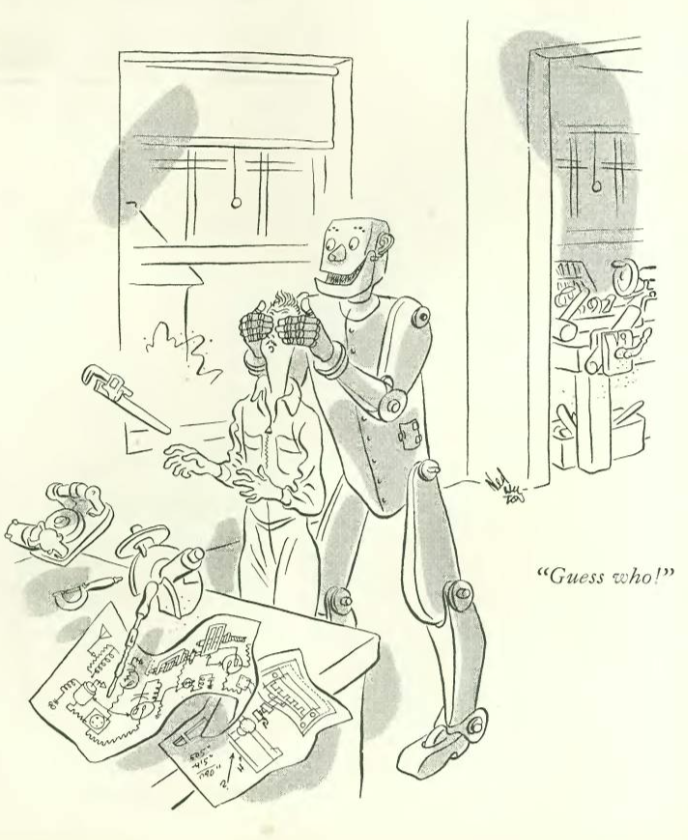
…and Ned Hilton had a big surprise for one garage tinkerer…

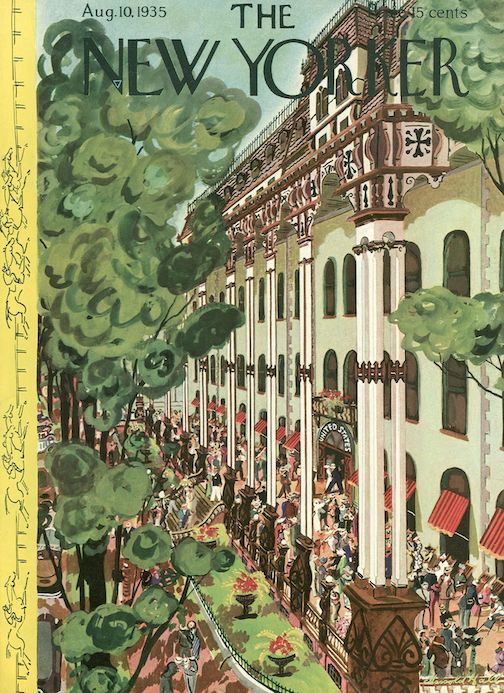
…on to August 10 and a rich summer scene by Arnold Hall:

August 10, 1935 cover by Arnold Hall.

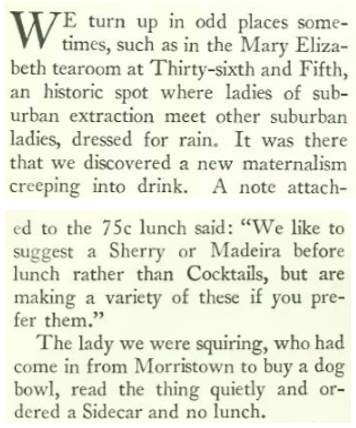
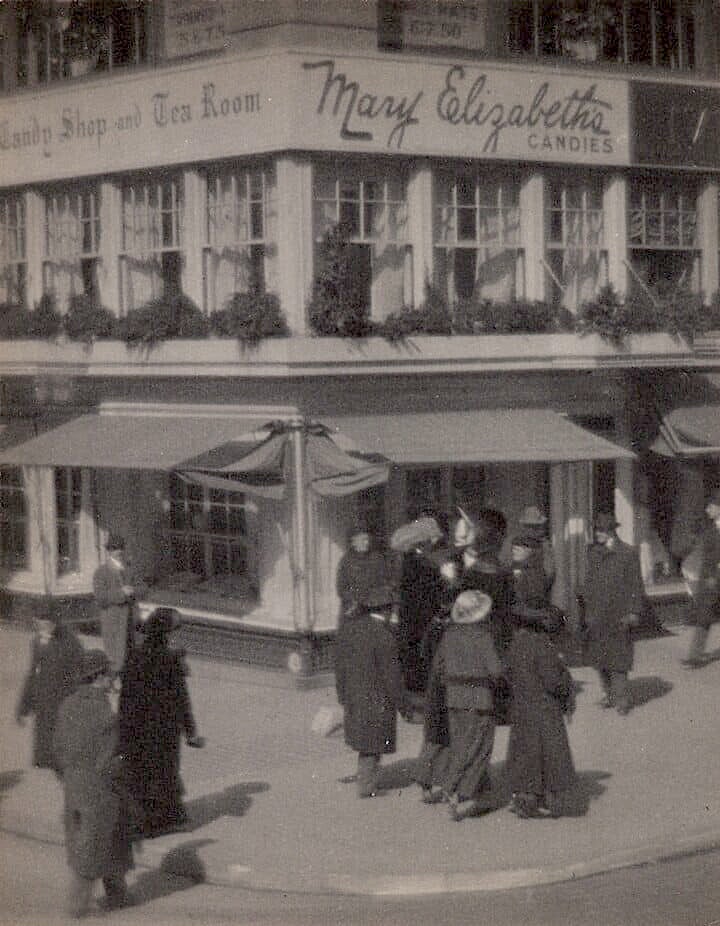
“The Talk of the Town” checked the lunch crowd at Mary Elizabeth’s Tea Room, where some preferred to drink their lunch.

TEA AND SWEETS (and cocktails) were among the offerings at Mary Elizabeth’s Tea Room at 36th and Fifth, seen here circa 1912. (Photo by Karl Struss via Facebook)

 * * *

Comic Relief

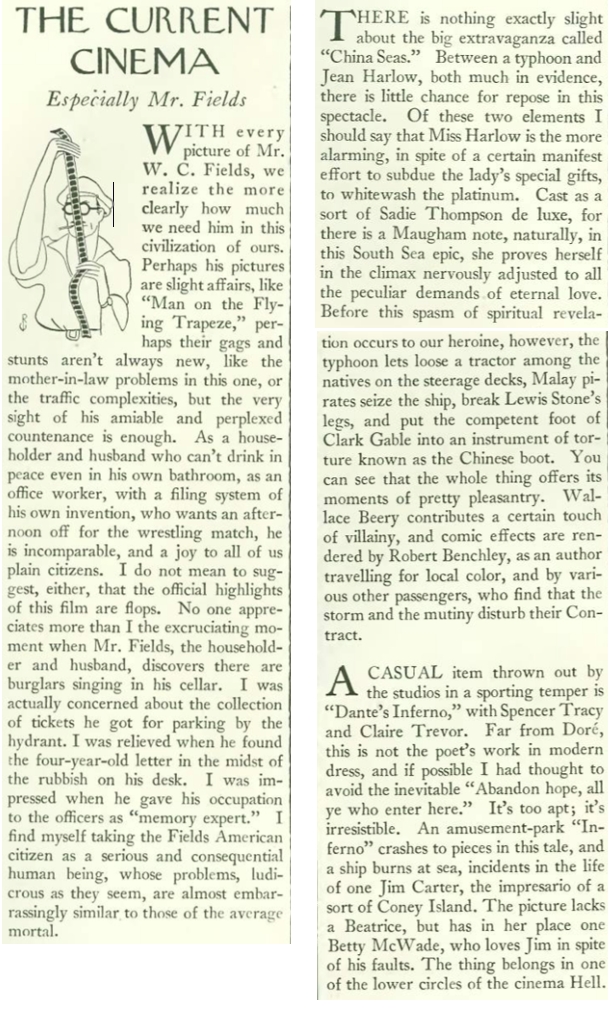
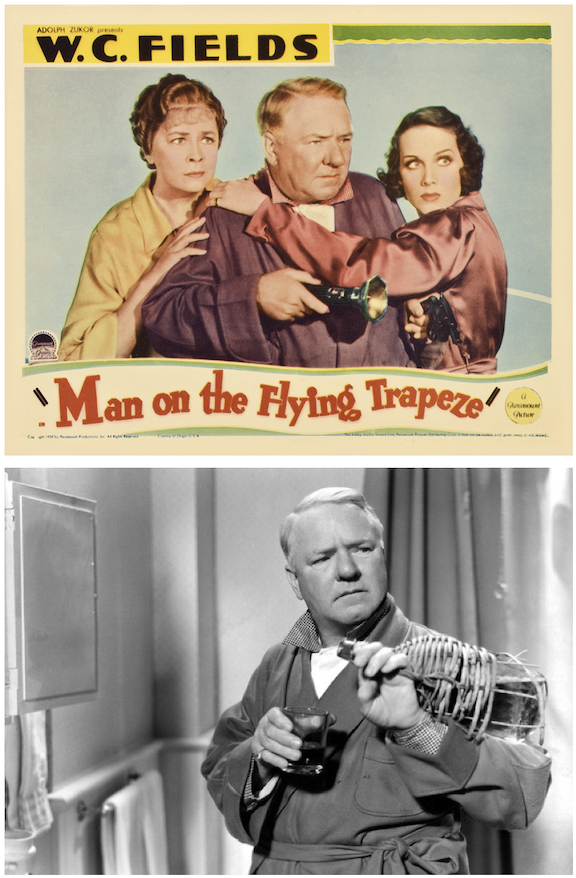
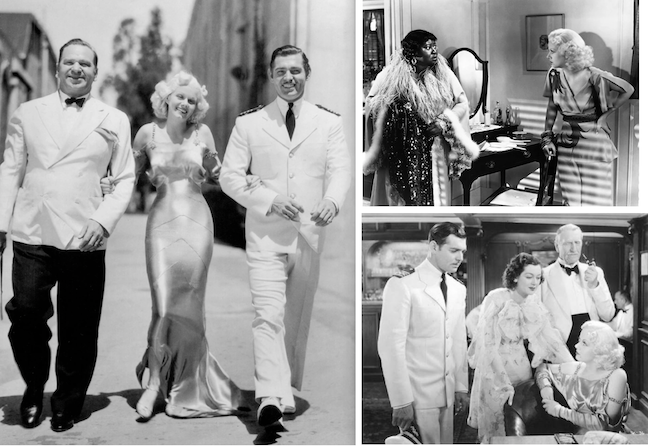
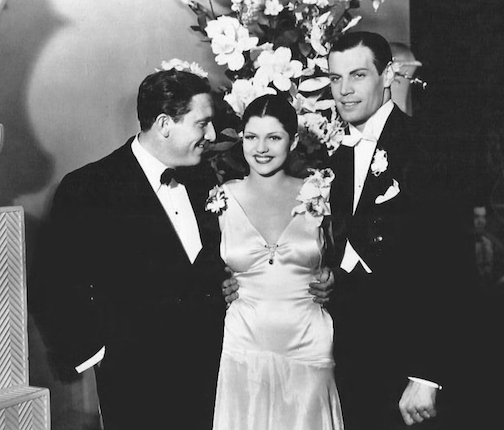
Film critic John Mosher offered an appreciation of W.C. Fields, noting that civilization needed films like Man on the Flying Trapeze during those hard years. Mosher also found some worthy distractions in the Jean Harlow vehicle China Seas, but was prepared to consign Spencer Tracey’s latest offering to the “lower circles of cinema hell.”

ANSWERING HIS NATION’S CALL…W.C. Fields brought joy to millions during the Depression in movies such as Man on the Flying Trapeze. Above, from left, Kathleen Howard, Fields, and Mary Brian. (IMDB/Rotten Tomatoes)
SHORE LEAVE…At left, Wallace Beery, Jean Harlow, and Clark Gable on the set of China Seas; top right, Hattie McDaniel with Harlow in a scene from the film; below, Gable, Rosalind Russell, and C. Aubrey Smith with Harlow in China Seas. (musingsofaclassicfilmaddict.wordpress.com / Pinterest)
FRESH FACE…Cinema newcomer Rita Hayworth was credited as Rita Cansino (she was born Margarita Carmen Cansino) in Dante’s Inferno. Here she is flanked by Spencer Tracy and Gary Leon. Dante’s Inferno was Spencer Tracy’s final film for 20th Century Fox. It was at MGM where his career really took off. (IMDB)

 * * *

All Wet

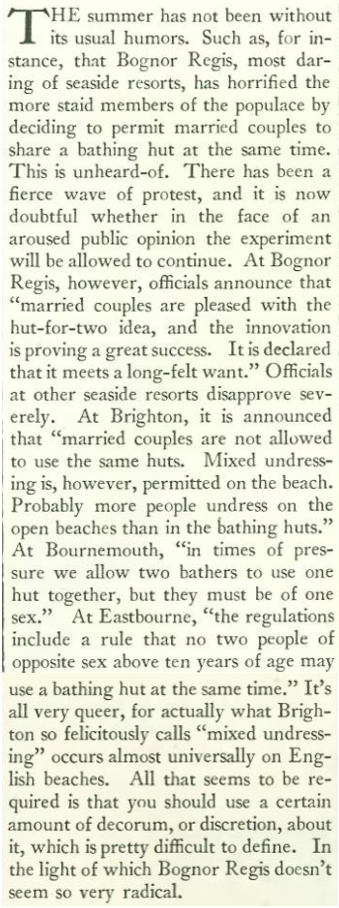
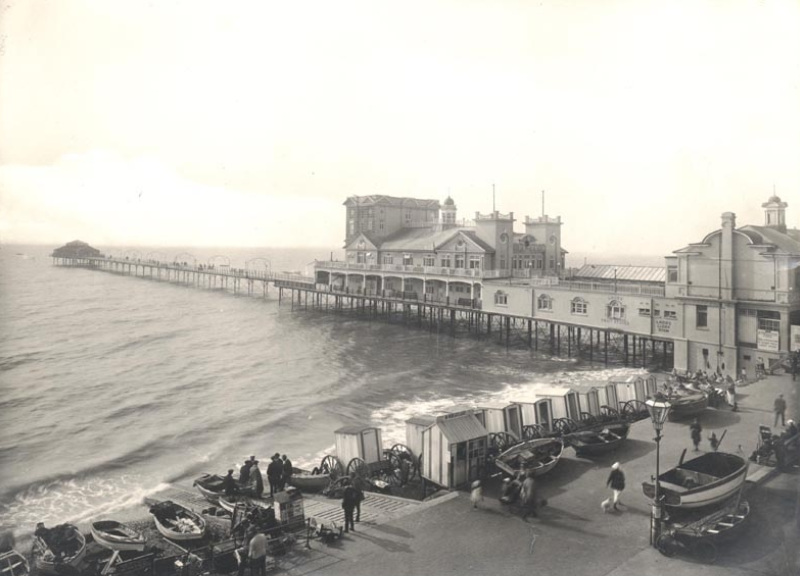
In his London Letter, Conrad Aiken (pen name Samuel Jeake Jr) examined the priggish ways of England’s seaside resorts.

SITE OF SCANDAL…Bathing huts at Bognor Regis, circa 1921. (bognorregistrails.co.uk)

 * * *

Beware the Bachelor

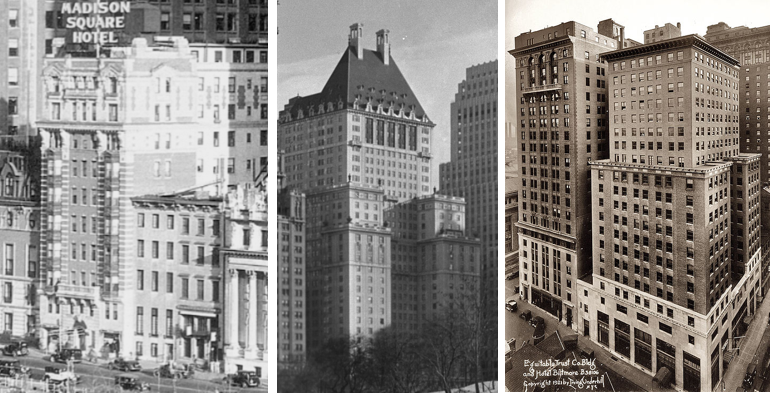
In her “Tables for Two” column, Lois Long examined some of the city’s seasonal escapes for “summer bachelors.”

GHOSTS OF THE PAST…Lois Long recommended the air-conditioned lounges of the Madison Square Hotel and the Savoy Plaza (center) or the cooling breezes of the Biltmore roof (right), which featured music by Morton Downey. Sadly, all three of these beautiful buildings have been demolished. (geographicguide.com/Wikipedia)

Other more casual venues recommended by Long included Nick’s Merry-Go-Round…

…a menu from Nick’s dated 1937…

(nypl.org)

…and its cryptic back cover…

From Our Advertisers

…speaking of the Biltmore and Morton Downey, we kick off our advertising section…

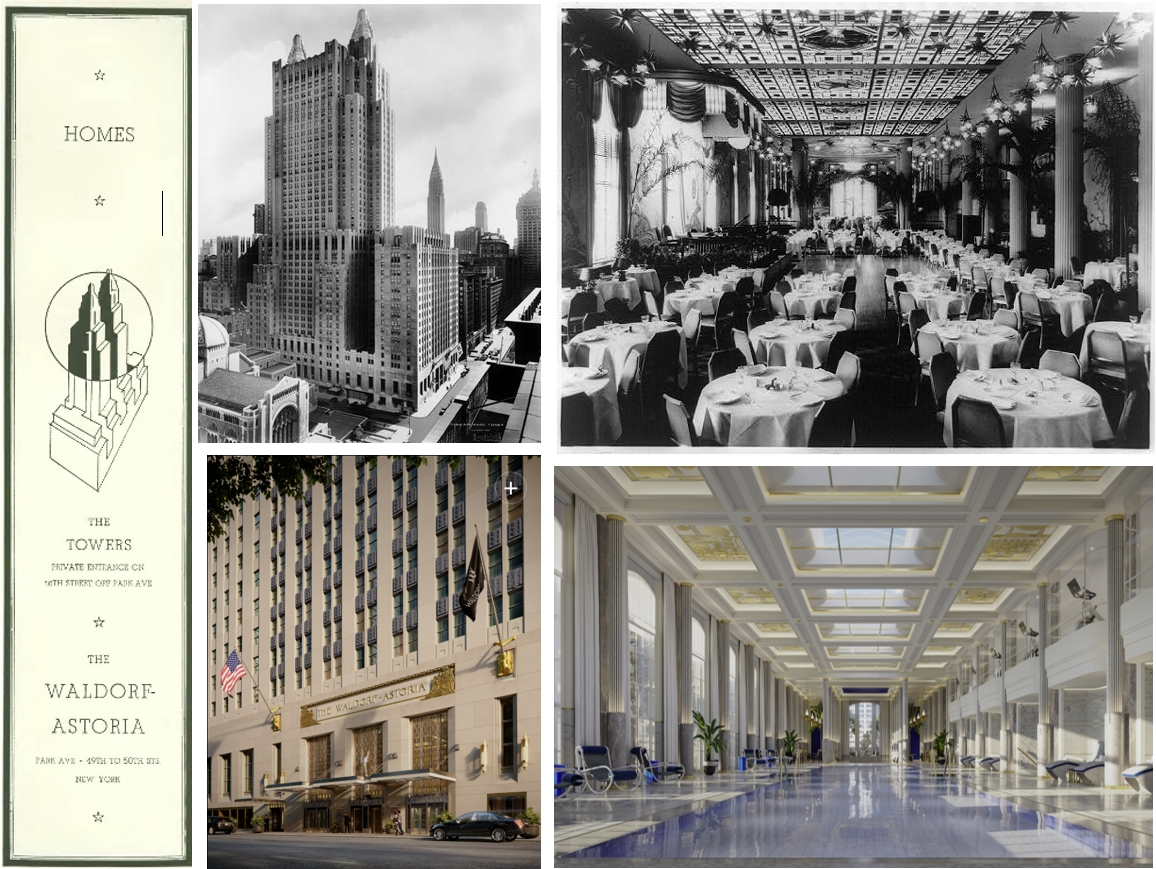
…the ad on the left announced the private residences at the Waldorf-Astoria…

Clockwise, from top left, the Waldorf Astoria circa 1930; the Waldorf’s Starlight Roof in the 1930s; after eight years and billions in restorations and renovations, the hotel has seen many changes including the transformation of the Starlight Roof into a swimming pool. Decades of grime were also cleaned from the building’s exterior. (mcny.org/loc.gov/som.com)

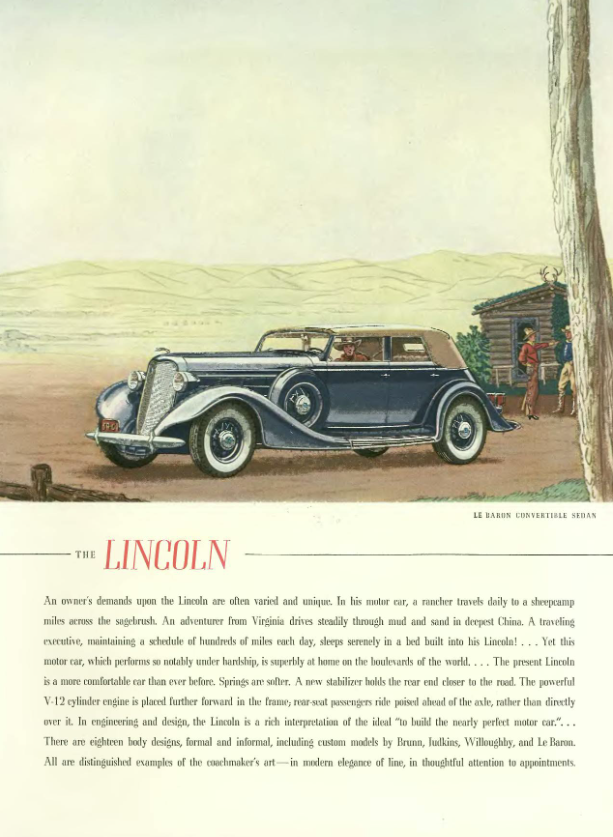
…another ad from the makers of Lincoln suggesting that the market for their luxury auto wasn’t confined to citified execs…

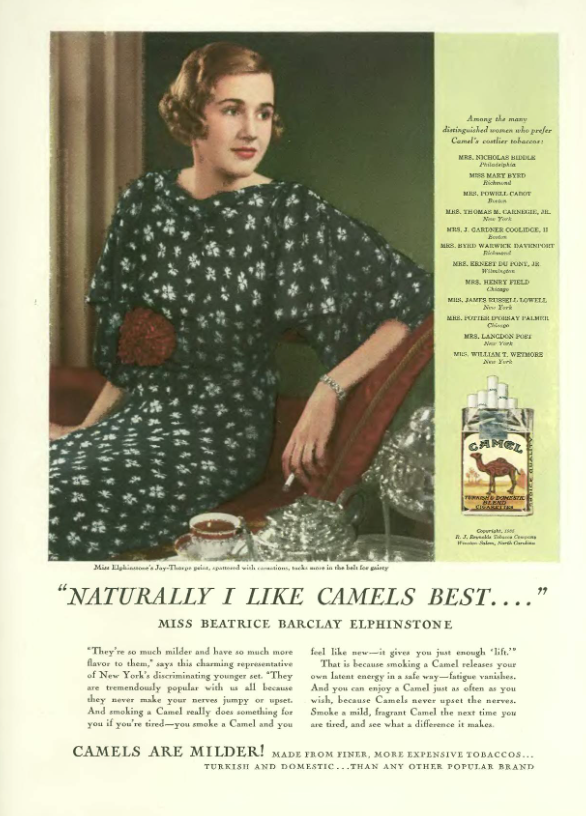
…the Camel folks introduced us to their latest society shill…

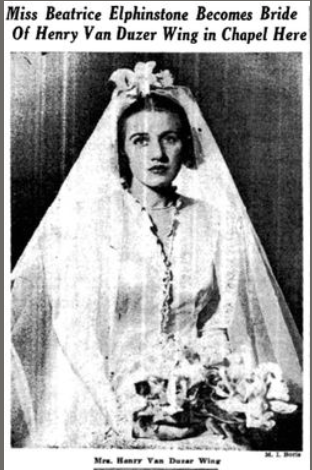
…I didn’t find much about Beatrice Barclay Elphinstone (1916-1977), described in the Camel ad as a “charming representative of New York’s discriminating younger set”…she did make the Times‘ Dec. 10, 1937 society wedding announcements, however…

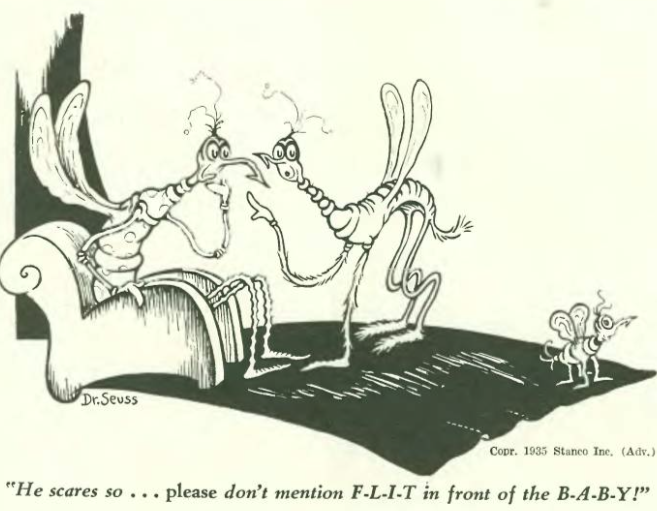
Dr. Seuss was back with another twist on Flit insecticide…

…on to our illustrators and cartoonists, a nice charcoal by Hugo Gellert for a profile titled “Yankee Horse Trader,” written by Arthur C. Bartlett…the harness horse racing legend Walter Cox (1868-1941) was known in New England as “the king of the half-milers”…

James Thurber contributed this cat and dog face-off to the opening pages…

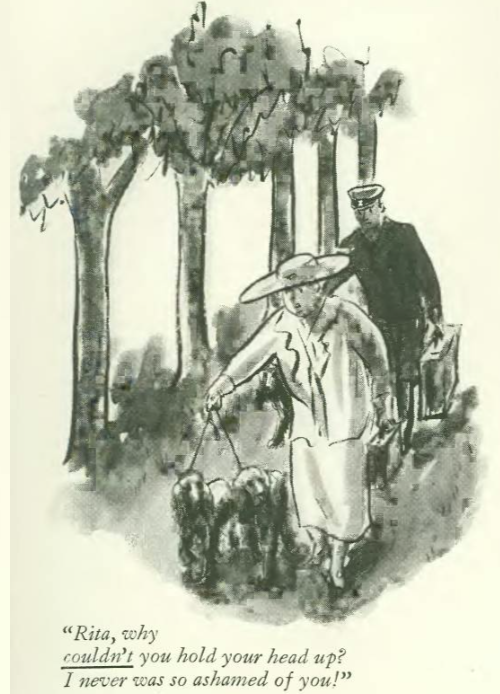
Helen Hokinson offered her perspectives on the summer dog show across pages 16-17…

…and for a closer look…

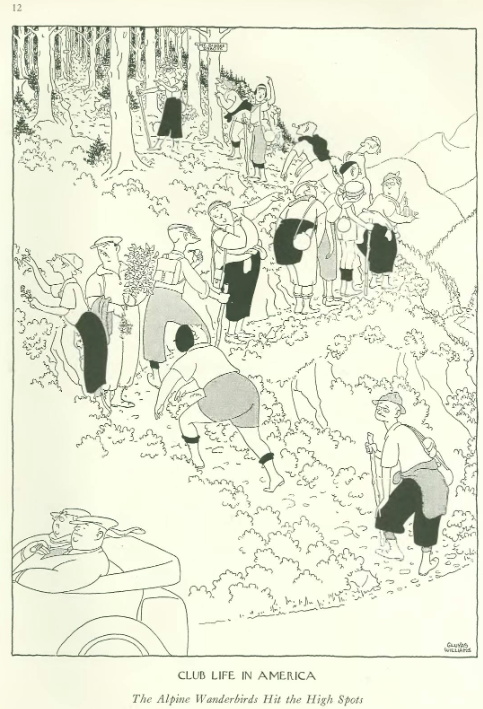
Gluyas Williams went back to nature in his “Club Life” series…

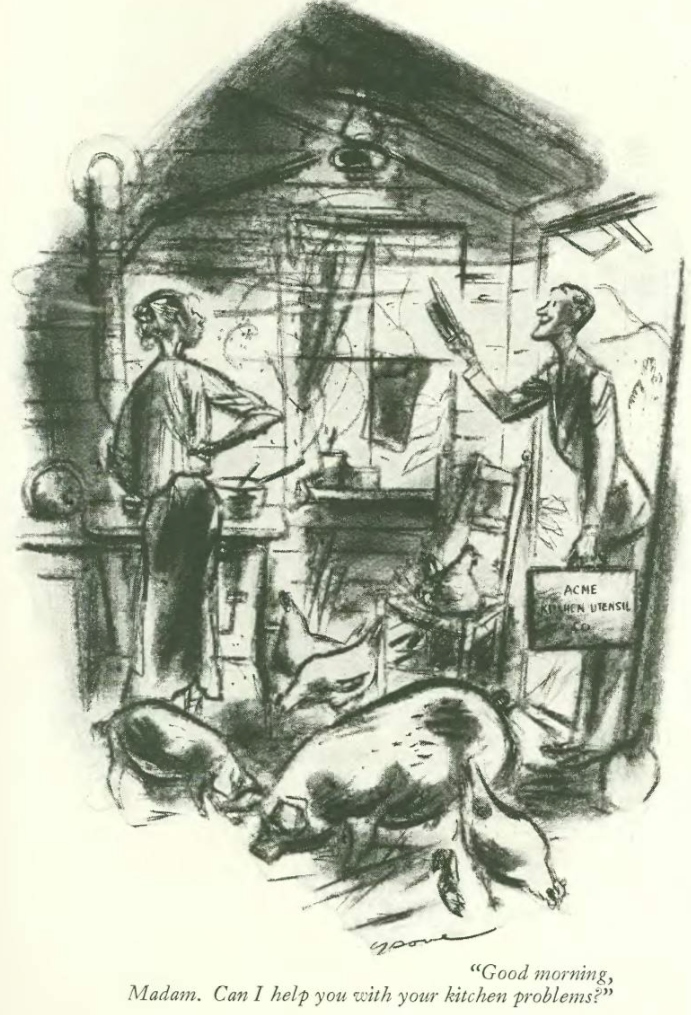
Leonard Dove introduced us to an undaunted salesman…

…in the world of George Price, crime didn’t pay…

Barbara Shermund gave us a rare glimpse into the secret lives of men…

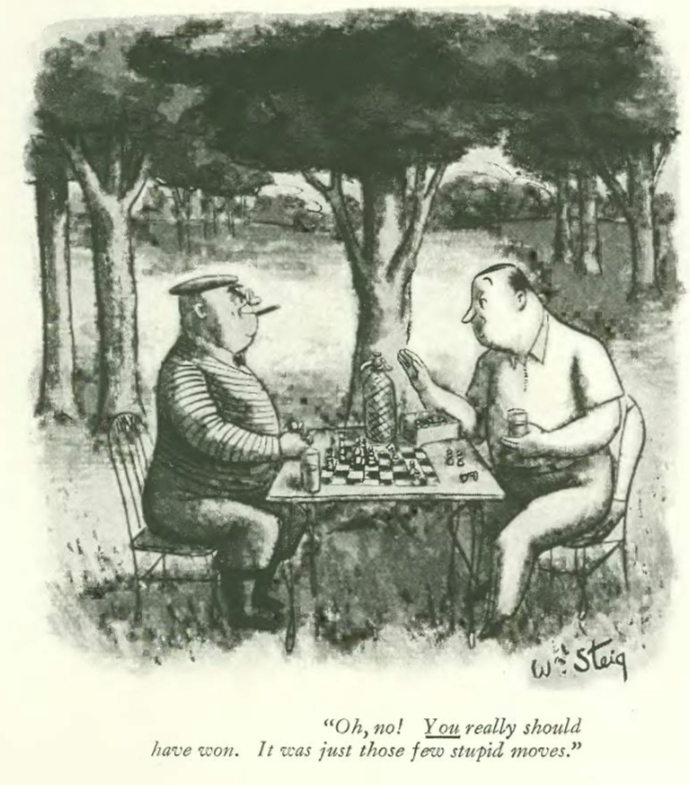
…patronizing words were unwelcome at this chess match, per William Steig

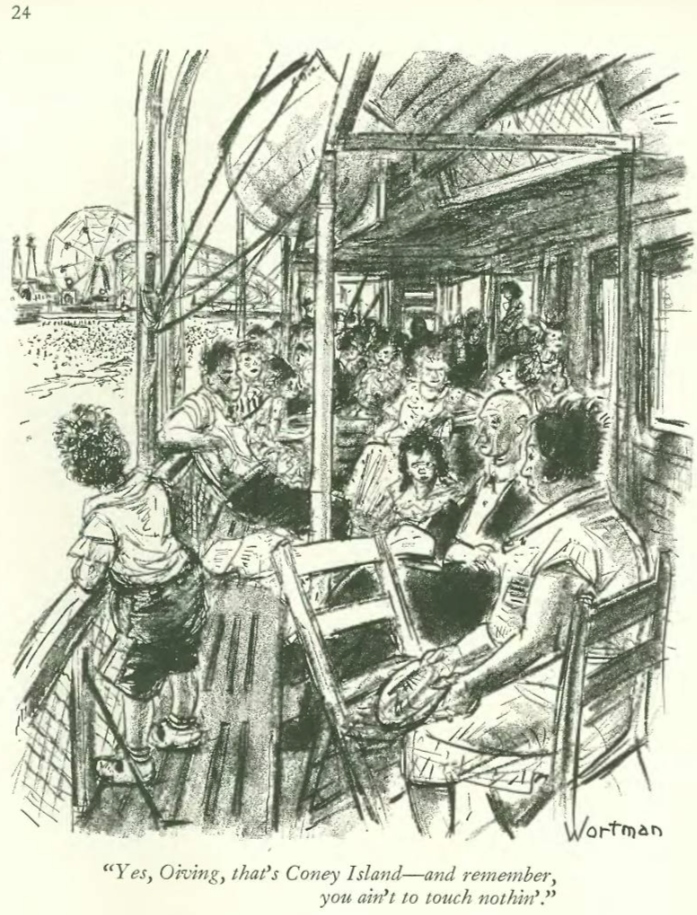
Denys Wortman took us on a family outing…

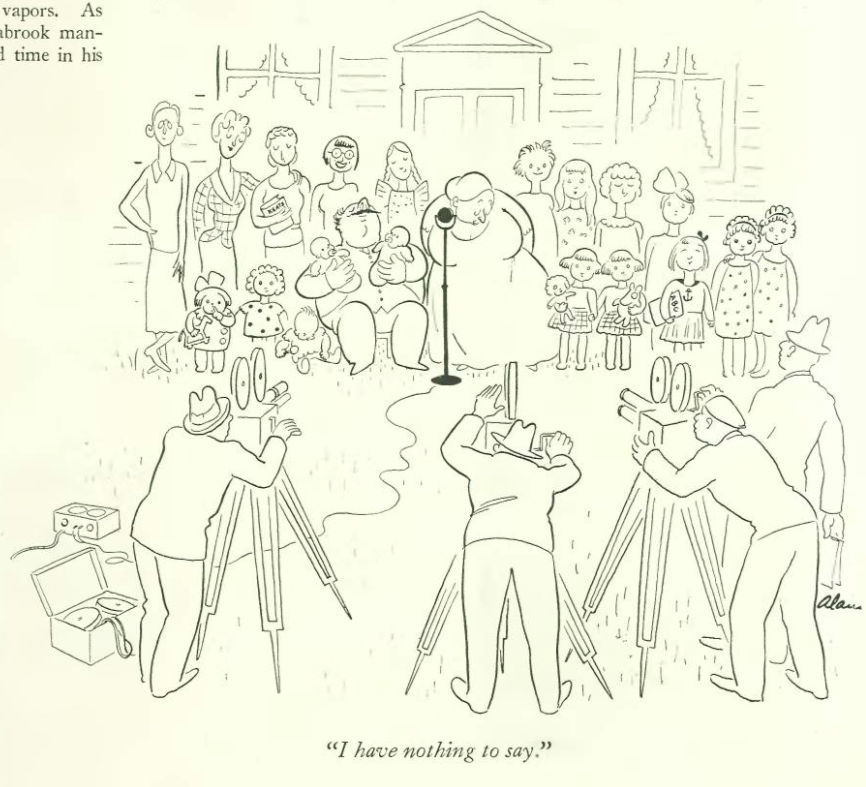
…and we close with Alain, and a mother of multiples…except words…

Next Time: Hays Hokum…