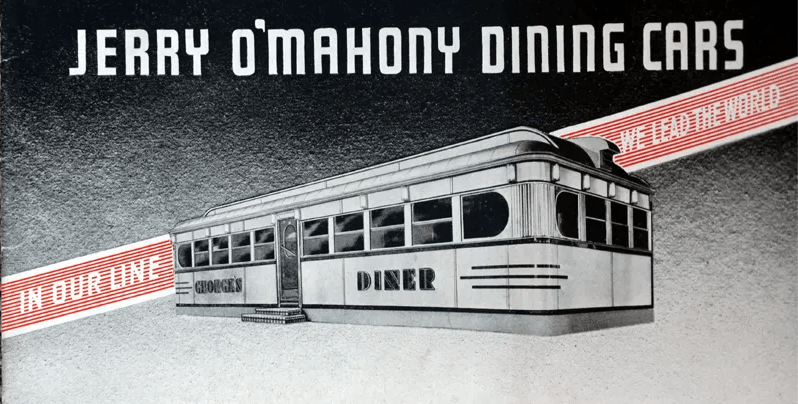
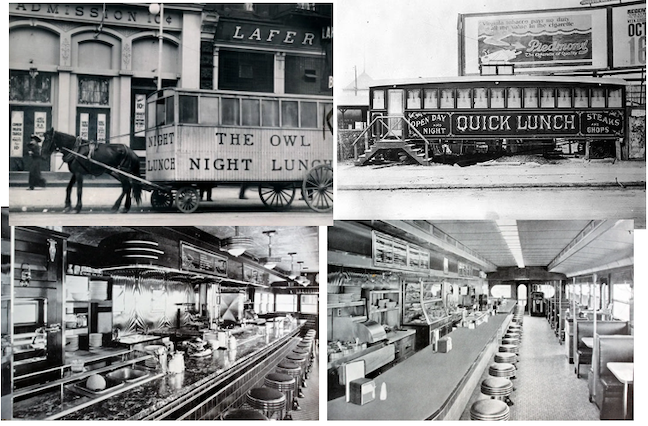
If you think today’s food trailers are the result of some hipster craze, consider that their origins go back more than a century; by 1934 Manhattan was home to 300 of the country’s 5,000 “lunch wagons,” which were commonly called “dog wagons.”
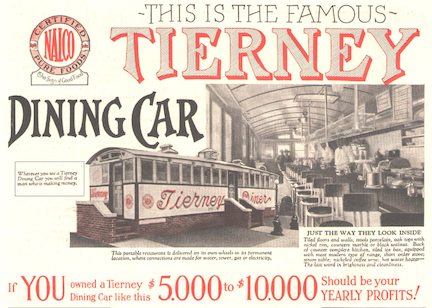
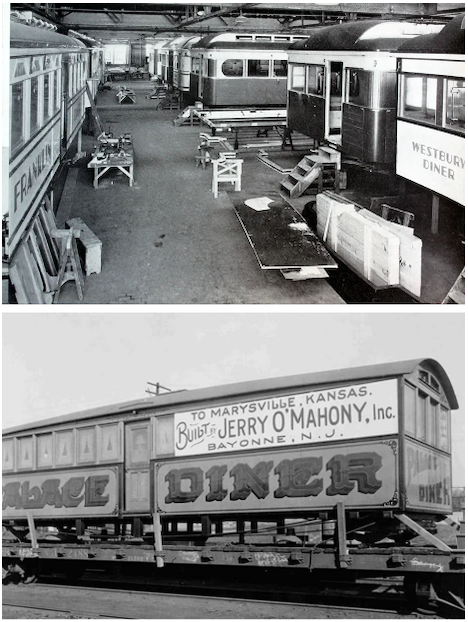
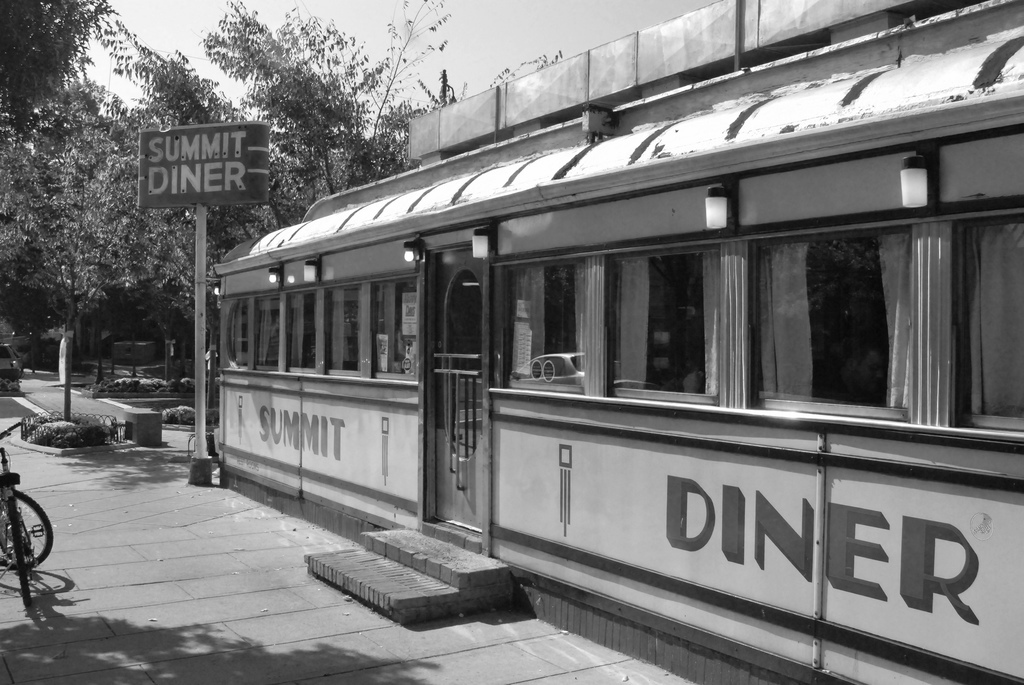
Some of Manhattan’s dog wagons belied the moniker, however, resembling the sleek roadside diners over which many today wax nostalgic. Jerry O’Mahony Diner Company of Elizabeth, New Jersey, produced more of these dining cars than any other concern—2,000 of them between 1917 and 1952 (only about twenty remain today). “The Talk of the Town” had this to say about the dog wagon phenomenon. Excerpts:

* * *
A Captain’s Curios
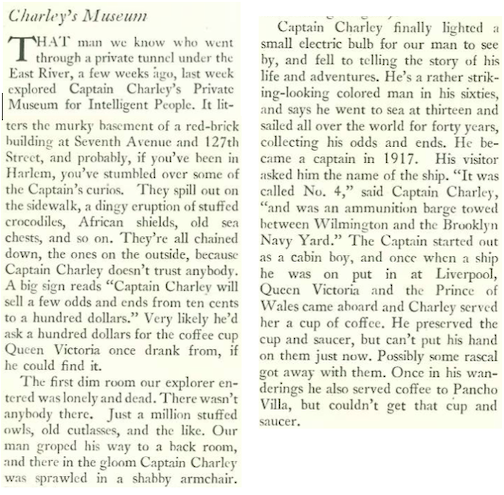
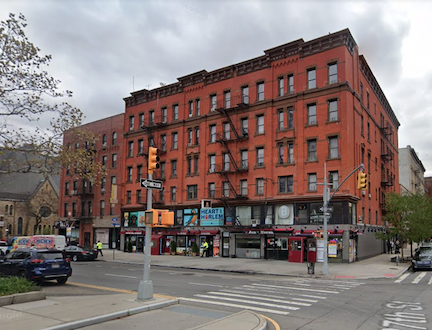
“The Talk of the Town” also paid a visit to Captain Charley’s Private Museum for Intelligent People, a place that would later be visited (and written about) by The New Yorker’s chronicler of the commonplace, Joseph Mitchell. Excerpts:
* * *
Origins of Life
Wolcott Gibbs took his turn as theater reviewer (in relief of Robert Benchley) and managed to sit through Life Begins at 8:40, which had a successful run at the Winter Garden.
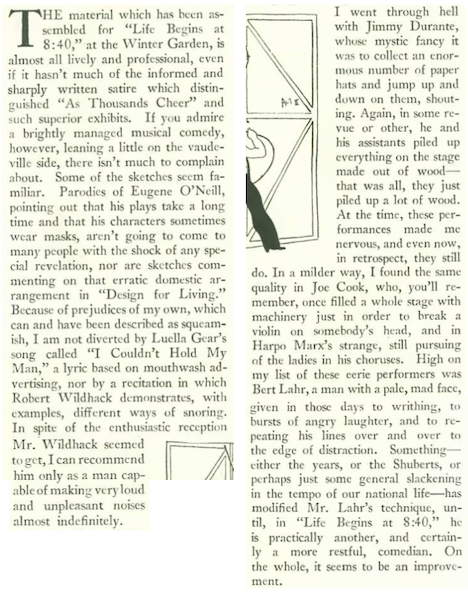

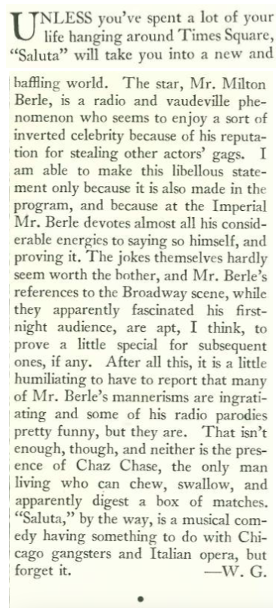
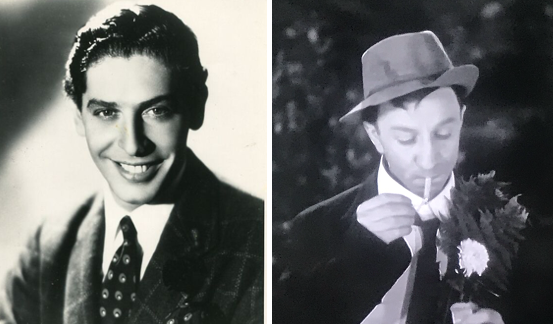
In contrast to Bert Lahr’s new toned-down style, Milton Berle’s outlandish antics over at the Imperial Theatre had Gibbs wondering what the comedian’s vaudeville-style show Saluta was all about, if it was about anything. Whatever it was, it worked—Berle would enjoy a comedy career spanning eight decades, including becoming one of early television’s biggest stars.
* * *
From Our Advertisers
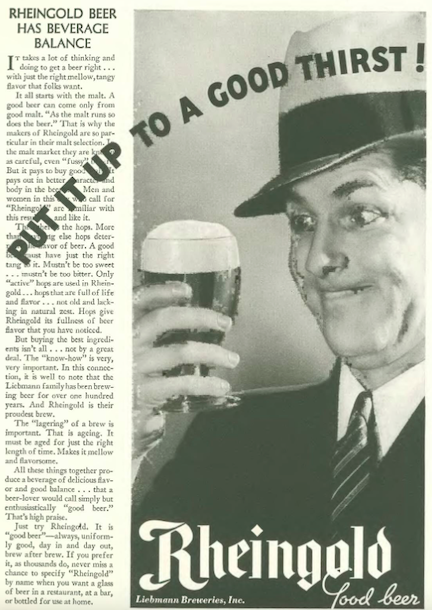
We begin with a cold one from Rheingold, which had “beverage balance” and wasn’t afraid to stamp a slogan right over its ad copy…
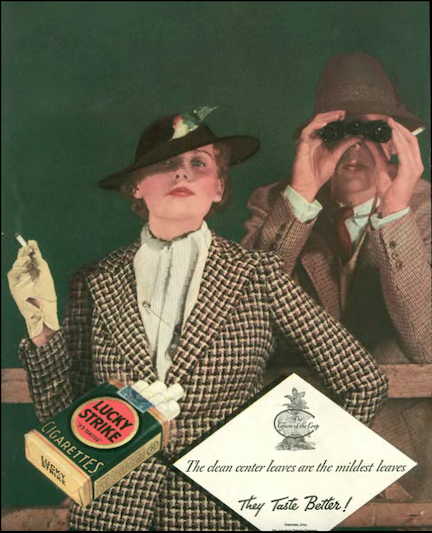
…Lucky Strike gave us another stylish reason for taking up a bad habit…
…Arts & Decoration magazine took out this full page to tout the latest news in modern design…

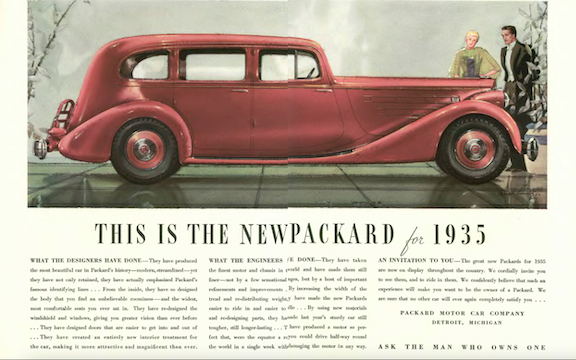
…while the folks at Packard bought this center spread to give ample space to their 1935 model, which must have been a helluva thing to parallel park…
…clothing companies continued use class shaming to goad aspiring toffs to purchase the “correct” attire for school…

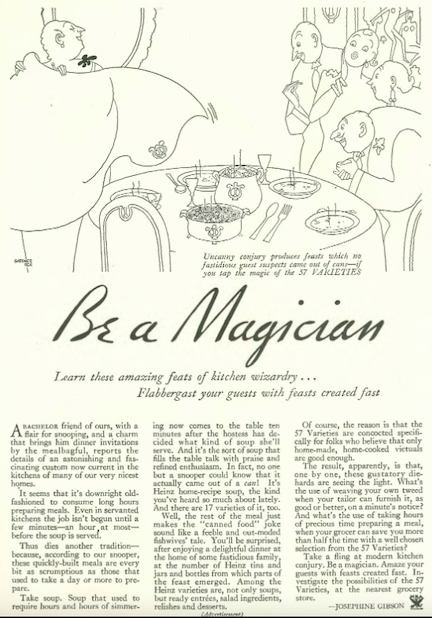
…with the help of Gardner Rea, Heinz suggested that the upper orders would simply swoon over cuisine you managed to scoop out of a can…
…on to our cartoonists, we begin with spots by James Thurber…
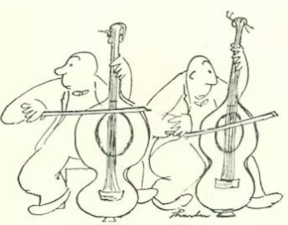
…and Lloyd Coe…

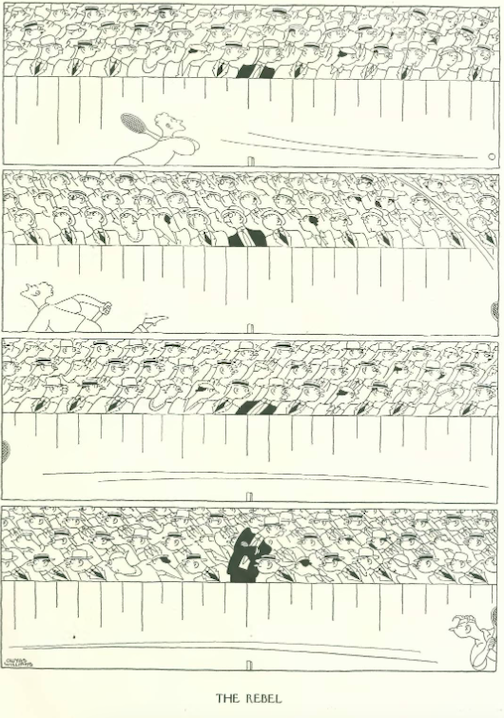
…with the absence of Otto Soglow’s Little King, Gluyas Williams did his best to fill the void of a full page, something Williams did quite nicely…
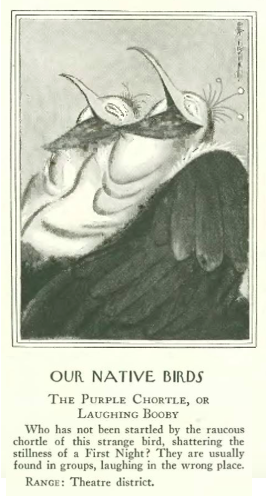
…Rea Irvin gave us yet another local bird sighting…
…Richard Decker found understatement over a reservoir…

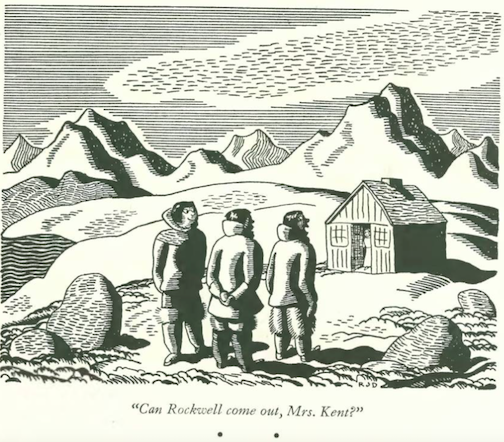
…Robert Day borrowed from the style of Rockwell Kent to offer a bit of humor from the northern climes…
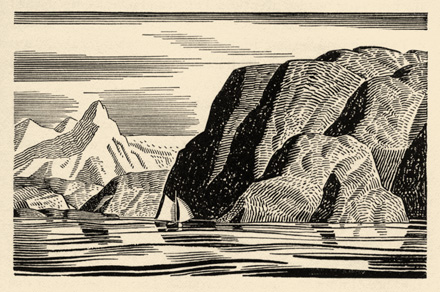
…here is a woodcut from Kent’s N by E is, an illustrated story of his voyage to Greenland…
…Reginald Marsh lent his social realism to an uglier side of American life…

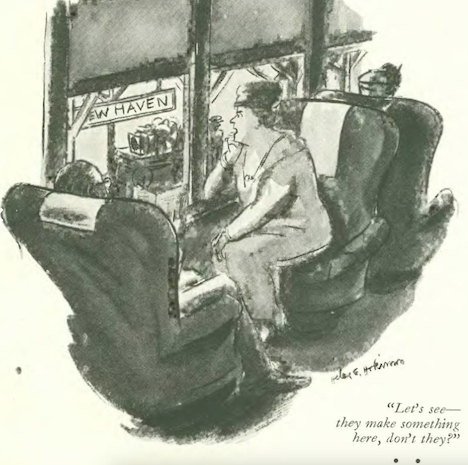
…and we close with Helen Hokinson, just taking in the passing scene…
Next Time: Sticks and Stones…


 A New Yorker State of Mind