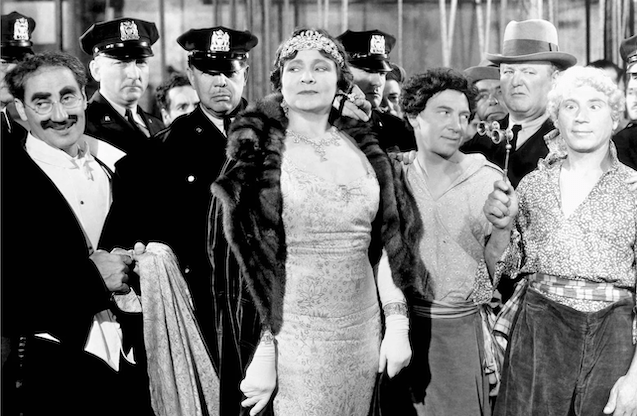
Above: Margaret Dumont with Groucho, Chico and Harpo Marx in A Night at the Opera. A trained operatic singer, Dumont portrayed wealthy, regal women as comic foils to the Marx Brothers in seven of their films. Groucho once referred to her as "the fifth Marx brother." (Britannica.com)
If you were looking for a break from the doldrums of winter or the mad rush of the holidays, a ticket to the Marx Brothers’ A Night at the Opera could fit your bill.

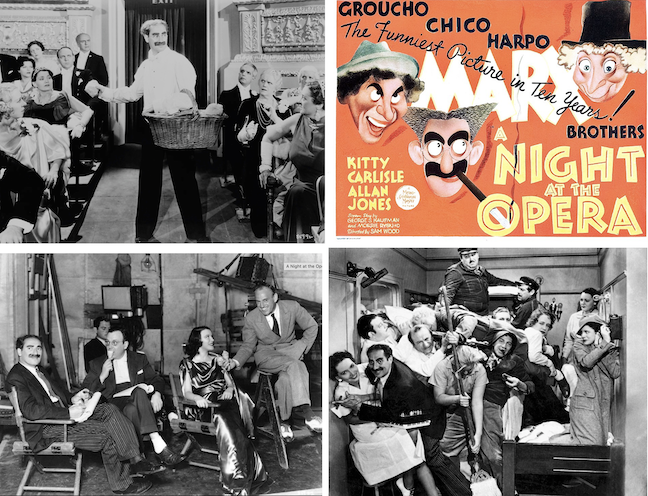
With their move from Paramount to MGM, Groucho, Chico and Harpo Marx launched a new style of comedy with A Night at the Opera, one of 1935’s biggest hits. Critic John Mosher was pleased to see the trio’s familiar antics on the screen, but with more story structure than their previous films.
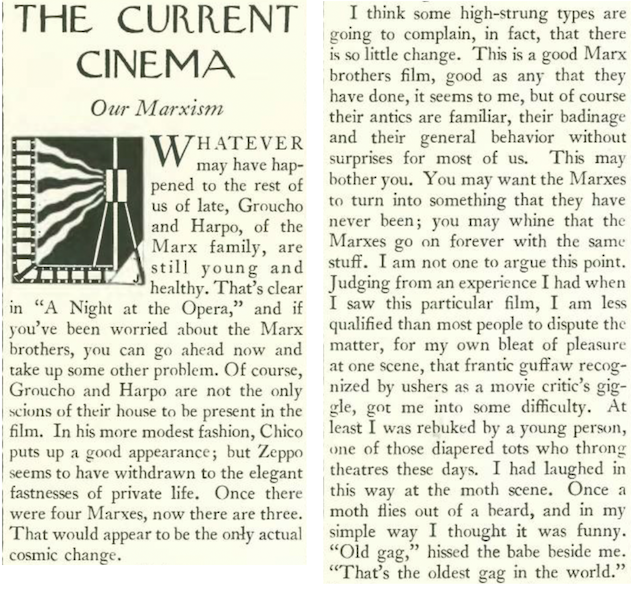
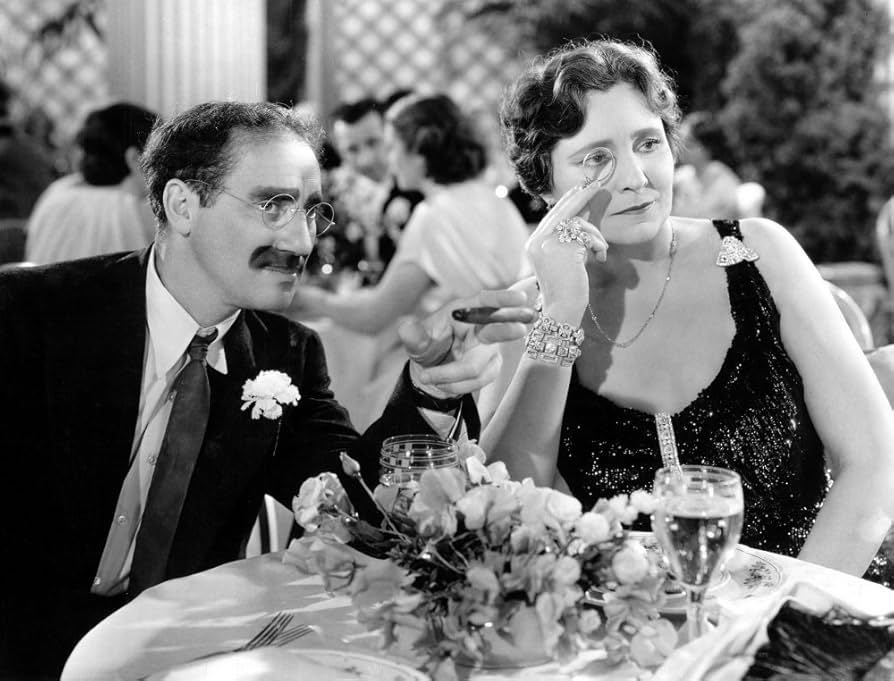
Sure, there were some old gags, as one “youngster”—seated next to Mosher—noted, but even this newbie pronounced the film “excellent.” As Mosher observed, “It may not be new or surprising, but it’s quick and funny.”

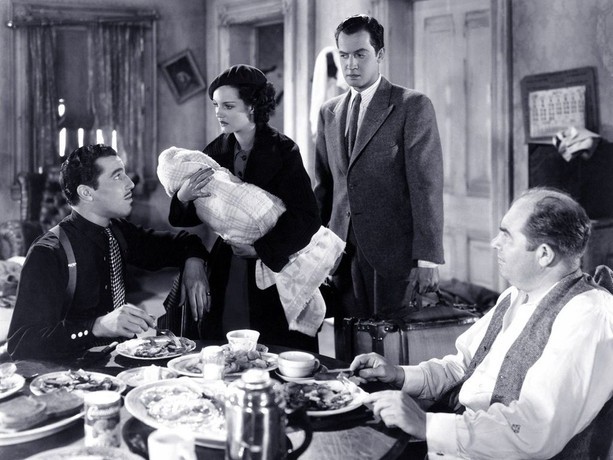
Mosher also reviewed the underworld thriller Show Them No Mercy!, which displayed some of the effects of the Hays Code…

* * *
Fond Memories
In his “Notes and Comment,” E.B. White recalled the good old days at a place called Tony’s on 49th Street. I couldn’t find any record of the place (or images), but apparently the new Tony’s lacked the smoke-filled charm of the original. Not to mention that the air-conditioning gave an earache to one of White’s acquaintances: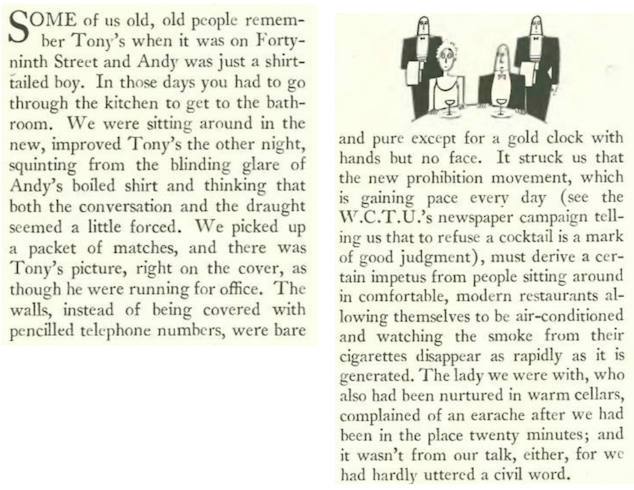
* * *
Gun Shy
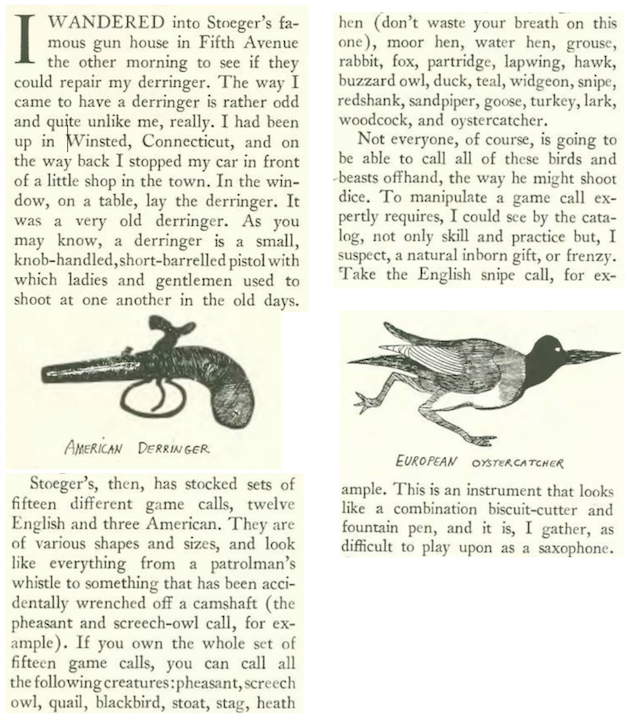
James Thurber was also facing the challenges of the modern world, being the unlikely owner of a very old derringer and hoping to possibly get it repaired. He stopped in at Stoeger’s gun store on Fifth Avenue, where a salesman tried to sell him a newer model. Instead, Thurber opted for a copy of the catalog (which he found fascinating), and pondered the store’s various game calls, which he thought might make suitable holiday gifts. Some brief excerpts:

* * *
Hello Dolly
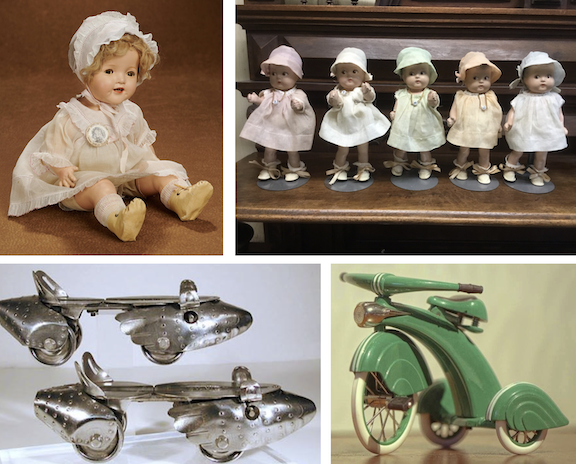
Dolls of all sorts—ranging from Popeye to the Dionne quintuplets—were all the rage for the holidays, according to the magazine’s third installment of its exhaustive Christmas lists.

* * *
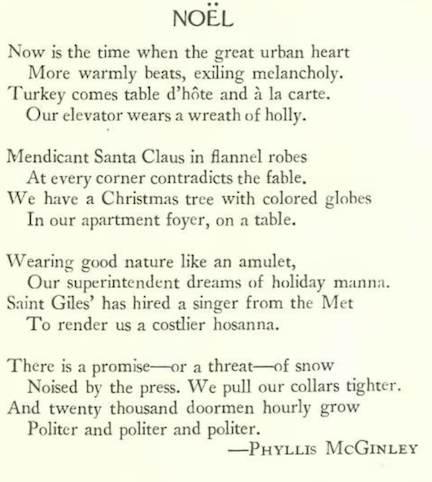
Some Light Holiday Verse
This poem comes courtesy of Phyllis McKinley (1905–1978), a children’s author and poet who lovingly satirized her suburban life, publishing in both popular as well as literary magazines, including The New Yorker.
* * *
From Our Advertisers
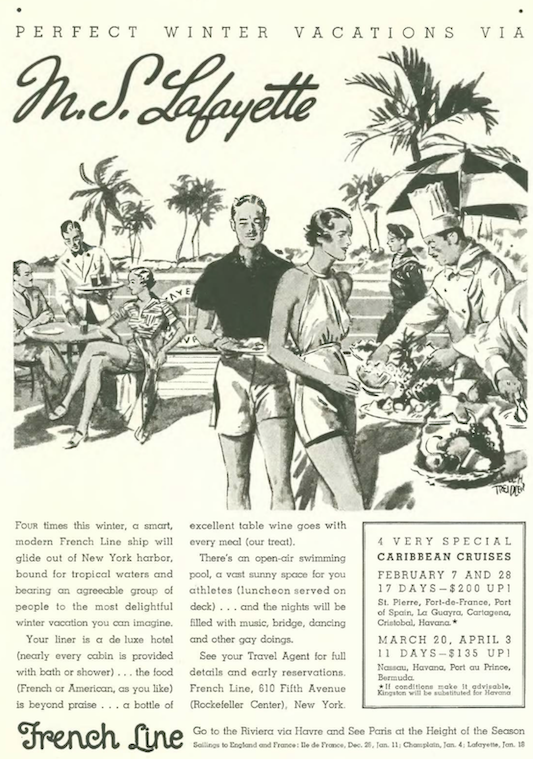
Mixed in with the advertisements for last-minute Christmas gifts were a slew of ads beckoning those with wealth and leisure time to head south for the winter…

…Forstmann Woolens switched gears, replacing their lovely seasonal ads (featuring fall and winter fashions) with the latest in tropical togs…
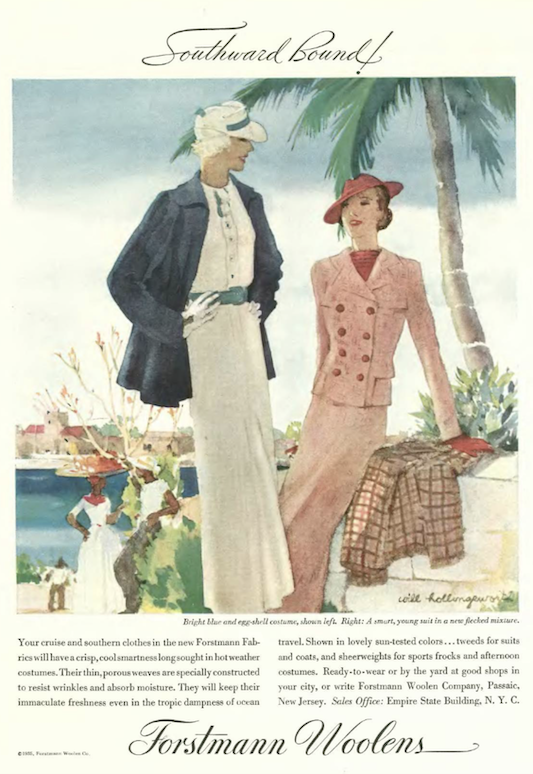
…Bermuda beckoned to those fashionable folks…

…as did the cruise lines heading south…
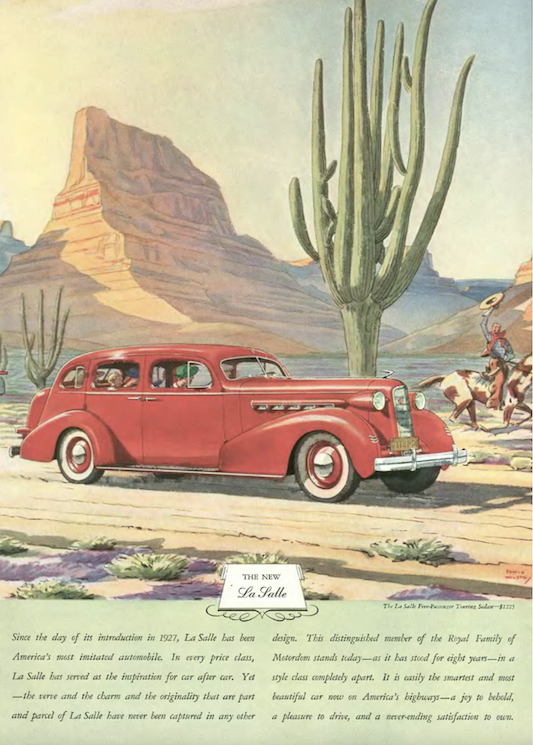
…even the makers of the La Salle (Cadillac) were feeling the warmth with this image of the sunny Southwest (this was the left panel of a two-page spread)…
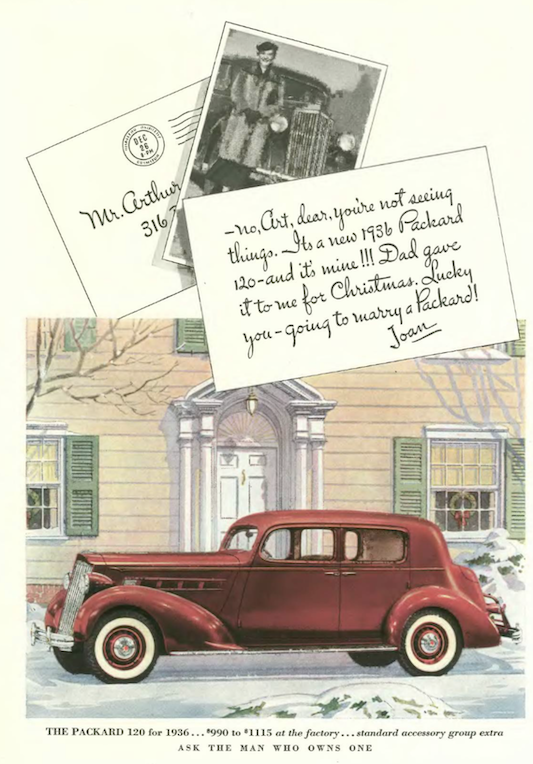
…Packard could sweeten a woman’s dowry, according to this holiday message…
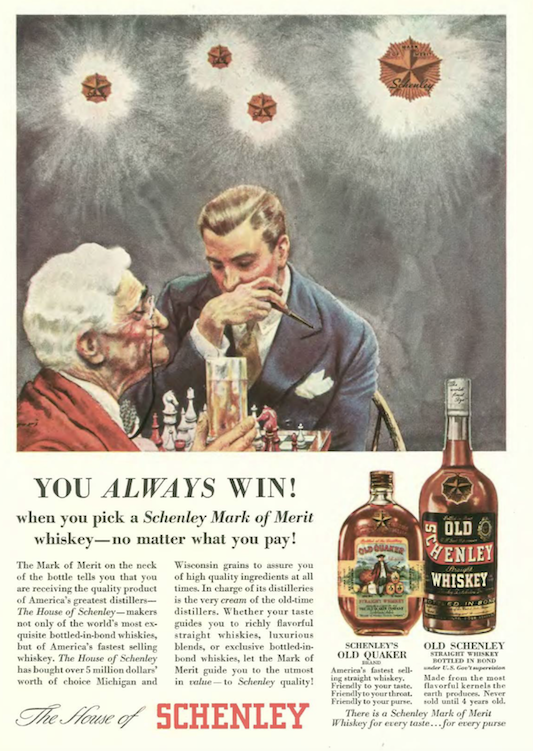
…it looked like Grandpa had a bit too much of the Old Schenley…
…according to this Heinz ad, modernism should play a “minor role” on Christmas, so for a real “olden time” treat, you could enjoy some of their figgy pudding…out of a can…

…and leave it to good old St. Nick to push his bagful of cigarrettes…

…Old Gold also employed Santa for this George Petty-illustrated ad…

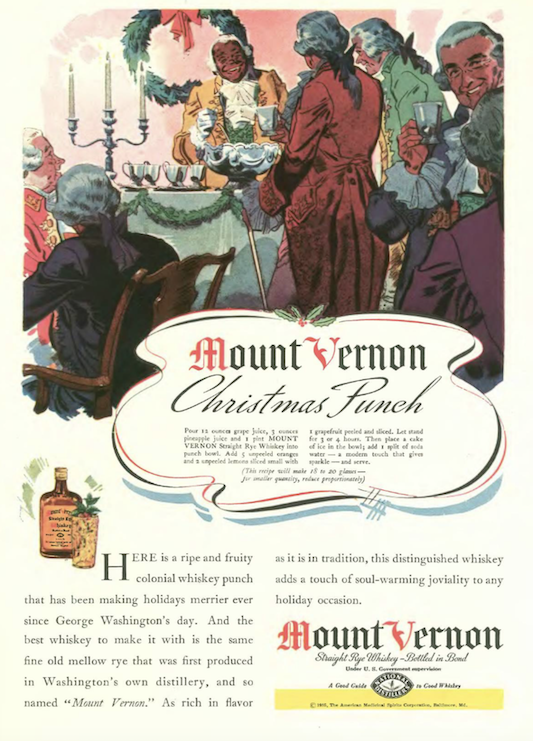
…Mount Vernon continued its series of ads that idealized the days before Emancipation…
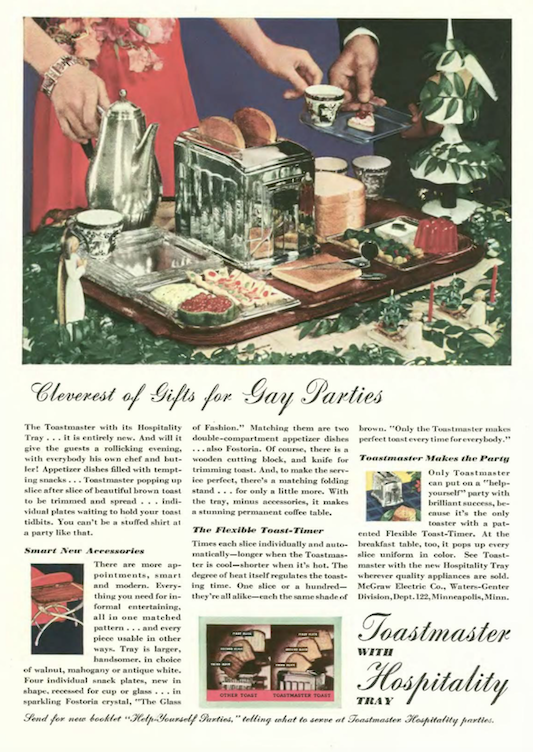
…the automatic toaster, still something of a novelty, was front and center at this holiday gathering…
…Stage magazine touted Broadway’s hit-filled season…

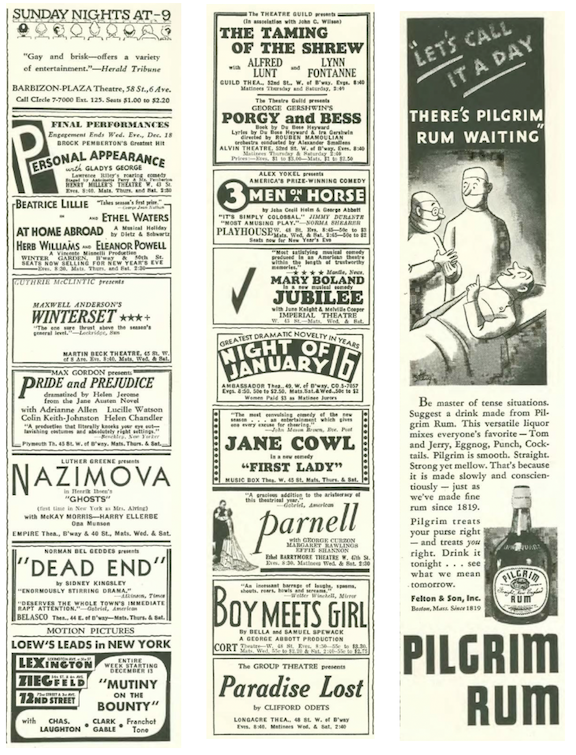
…back of the book, single-column ads featured delights of the stage and screen and an appeal for Pilgrim Rum aided by the talents of William Steig…
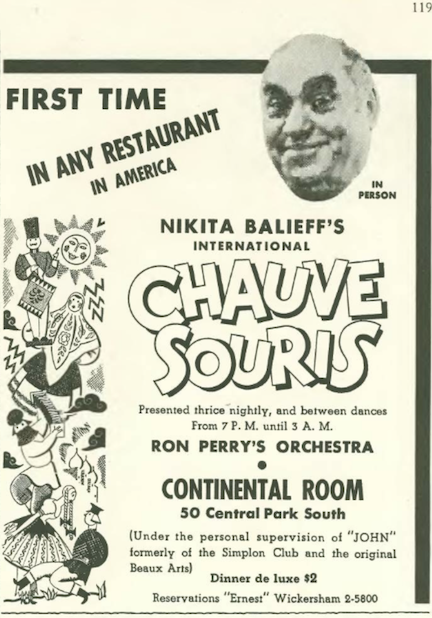
…Nikita Balieff’s La Chauve-Souris had seen better days when it showed up at the Continental Room…
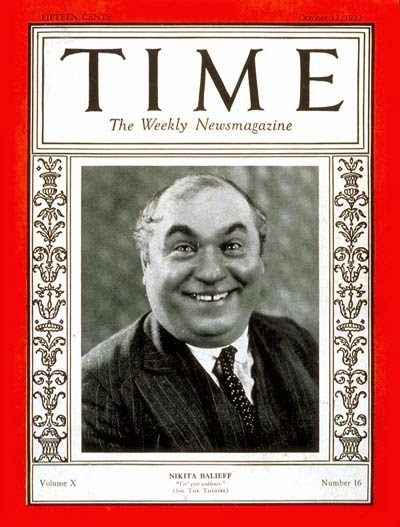
…Balieff (1877–1936) was a Russian Armenian performer best known as the creator and master of ceremonies of the theatre group La Chauve-Souris. The company toured the U.S. six times from 1922–1929—including appearances on Broadway—presenting a variety of songs, dances and sketches based on Russian stories and legends. The troupe’s popularity even landed Balieff on the cover of Time (Oct. 17, 1927)…
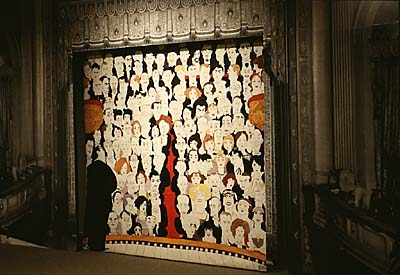
The New Yorker’s Ralph Barton designed a curtain for the 1922 Chauve-Souris, and Alexander Woollcott heaped praise on the performances. However, his fellow Algonquin Round Table wit, Dorothy Parker, was not impressed: it has come to the stage where these poor nerves jangle nastily every time the local cognoscenti hail as incomparable art any bit of literature, play, writing or stagecraft that comes out of Russia. ….. what I don’t really grasp is just why “Russian” and “great” should have come to be looked upon as synonyms…
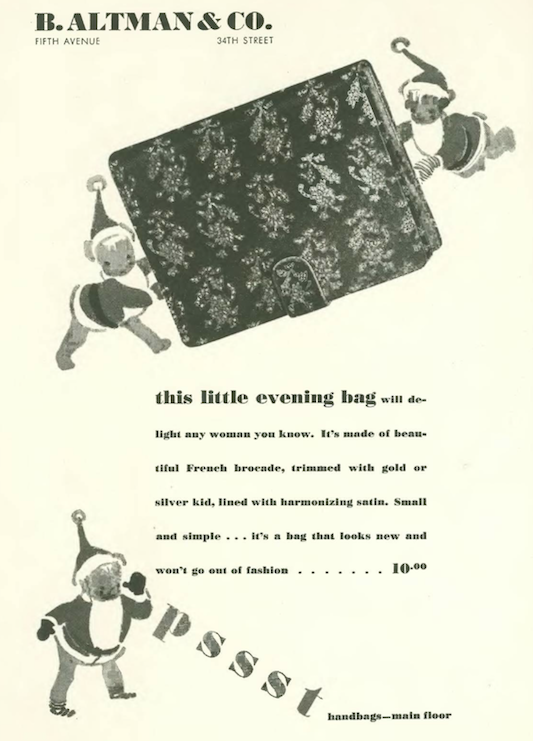
…back to our ads…B. Altman had a suggestion for the last-minute shopper…
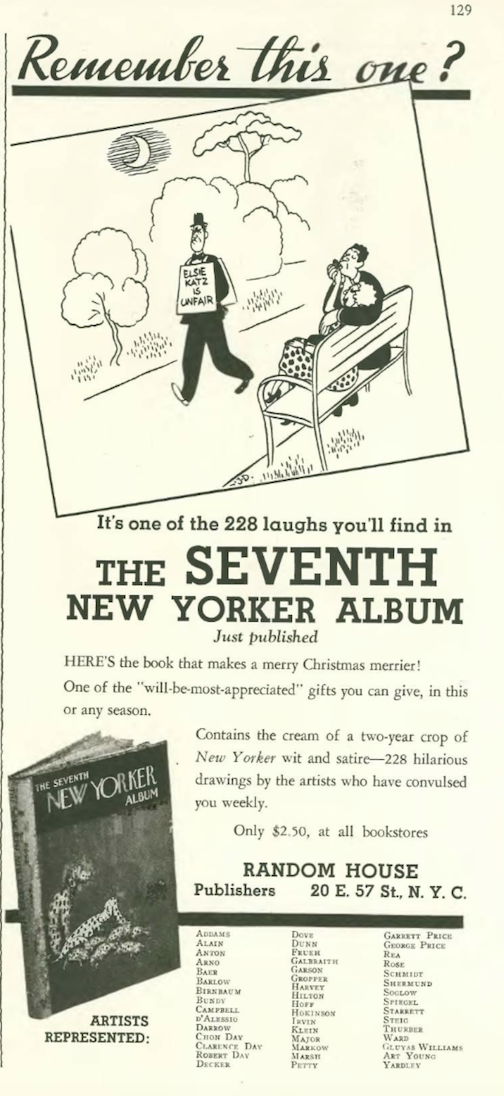
…a Robert Day cartoon was employed to advertise the latest New Yorker Album…
…Thomas Eastwood opens up our cartoon section…

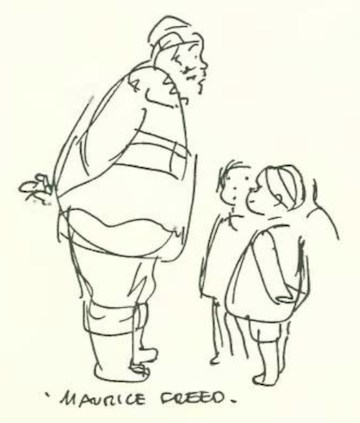
…Maurice Freed tossed in this spot drawing…
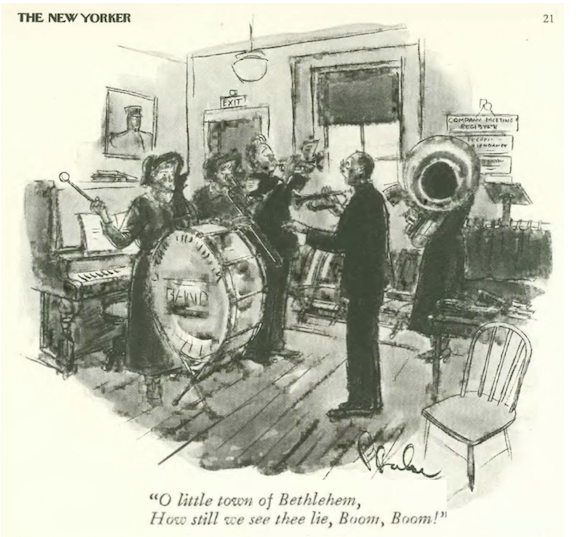
…Perry Barlow got into the rhythm with the Salvation Army…
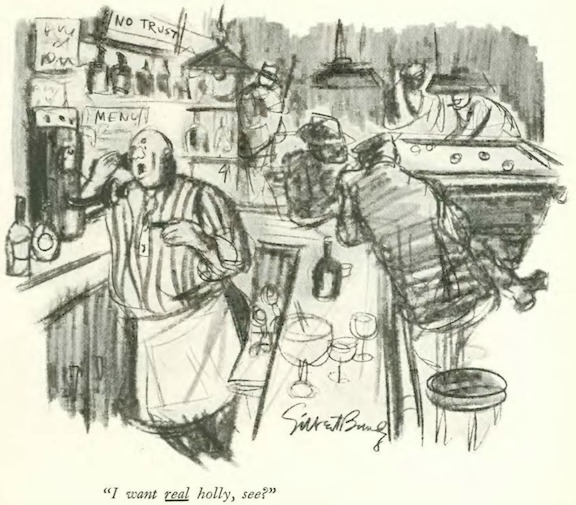
…Gilbert Bundy looked for some holiday cheer at a neighborhood tavern…
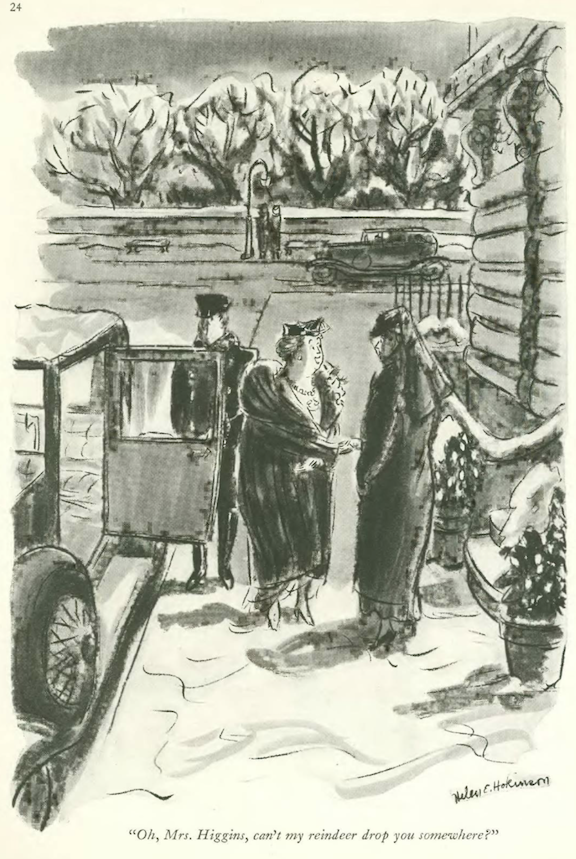
…Helen Hokinson gave us a generous spirit…
…Walter Lippmann’s column raised eyebrows at George Price’s breakfast table…

…Price again, on an urgent request…

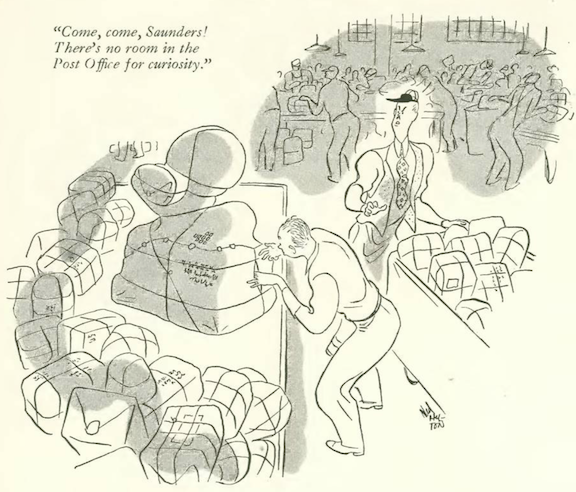
…Ned Hilton did some peeking…
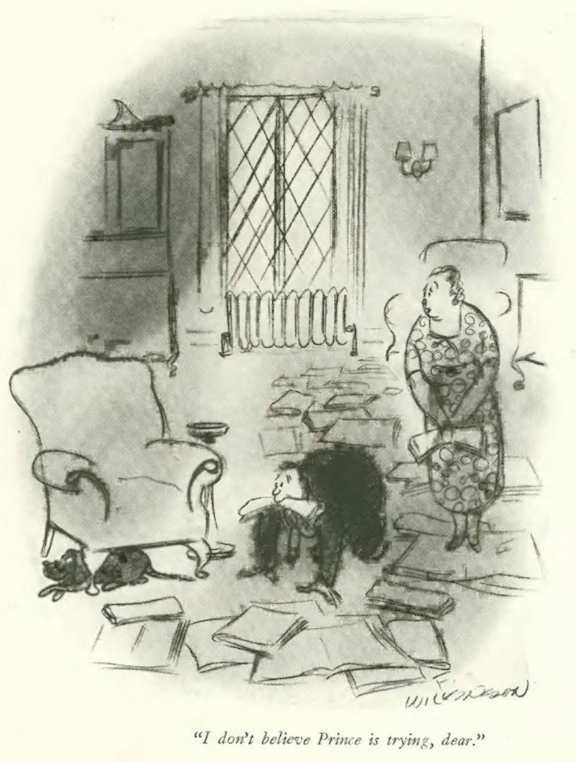
…Fritz Wilkerson showed us a couple in need of a dog whisperer…
…Carl Rose unmasked an imposter…

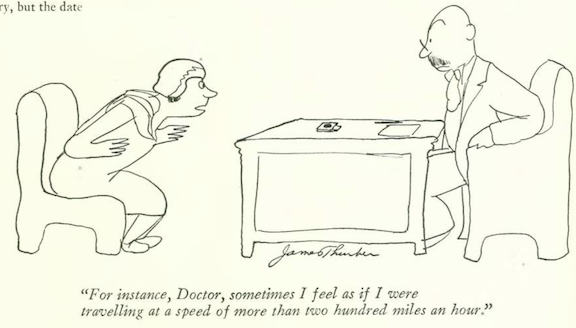
…and James Thurber presented a medical challenge…
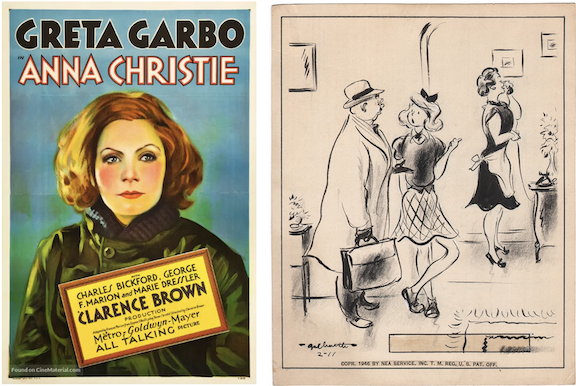
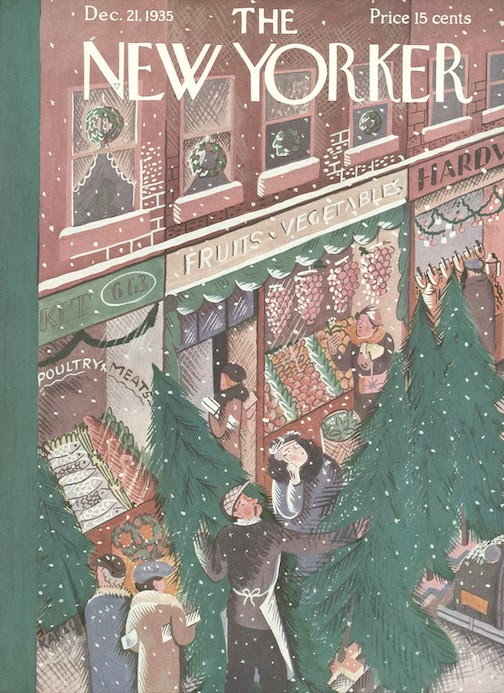
…and before we go, another word on our cover artist, William Crawford Galbraith, who also created posters for MGM from the 1920s to the 1940s and drew cartoons for Harper’s Bazaar, Redbook, Vanity Fair, the Saturday Evening Post, and Cosmopolitan. He took over the nationally syndicated “Side Glances” comic panel from George Clark in 1939 and worked on it for two decades.
Next Time: Picking on Pickford…
 A New Yorker State of Mind