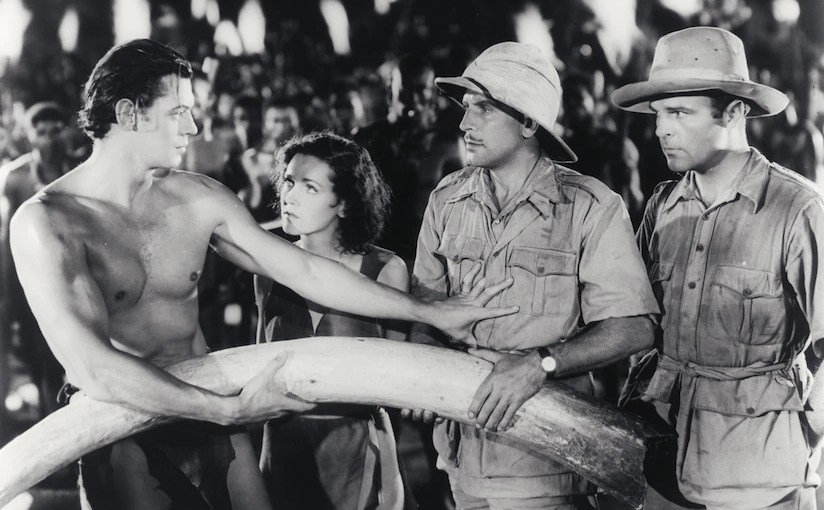
Lord of the Apes

In 1912, Edgar Rice Burroughs published the short story Tarzan of the Apes.  Since then at least ninety books, 350 radio serials, three TV series and forty-five full-length films have told the story of the Lord of the Apes.
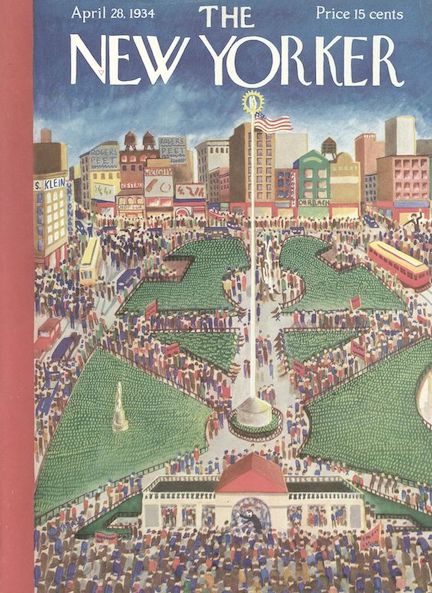
April 28, 1934 cover by Ilonka Karasz.

Tarzan was the first pop culture icon to attain worldwide fame, paving the way for a host of comic-book superheroes that would follow. Recalling his youth in post-war Leningrad in the early 1950s, Joseph Brodsky wrote of the bootleg Tarzan movies he devoured at the local cinema, and the effect a “long-haired naked loner” had on the regimented, inhibited lives of Soviet youth: “The Tarzan (film) series alone, I daresay, did more for de-Stalinization than all of Khrushchev’s speeches.”
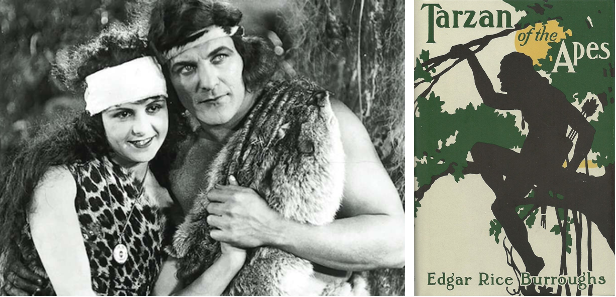
ME ELMO, YOU ENID…Elmo Lincoln as Tarzan and Enid Markey as Jane Porter in the 1918 silent film Tarzan of the Apes. The movie was released just six years after the publication of Edgar Rice Burroughs’ short story and subsequent book. (times-herald.com/Wikipedia)

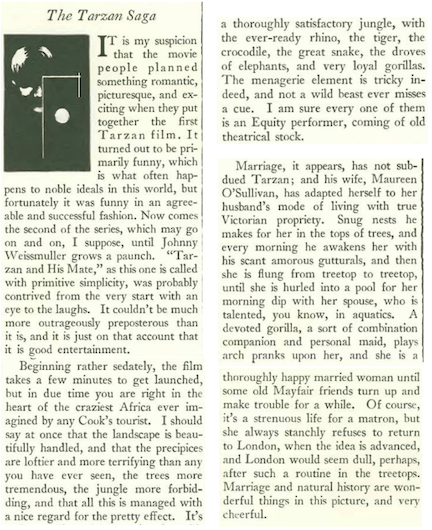
Starting with Elmo Lincoln in 1918, four different silent film actors portrayed Tarzan before Johnny Weissmuller (1904–1984) swung onto the screen with co-star Maureen O’Sullivan. Other Tarzan portrayers would follow, but it was Weissmuller—winner of five gold medals as an Olympic swimmer—who defined the role over two decades, starring in twelve Tarzan films from 1932 to 1948, O’Sullivan playing Jane in the first six of those films. Critic John Mosher sensed that Weissmuller was in for the long haul in just his second outing:
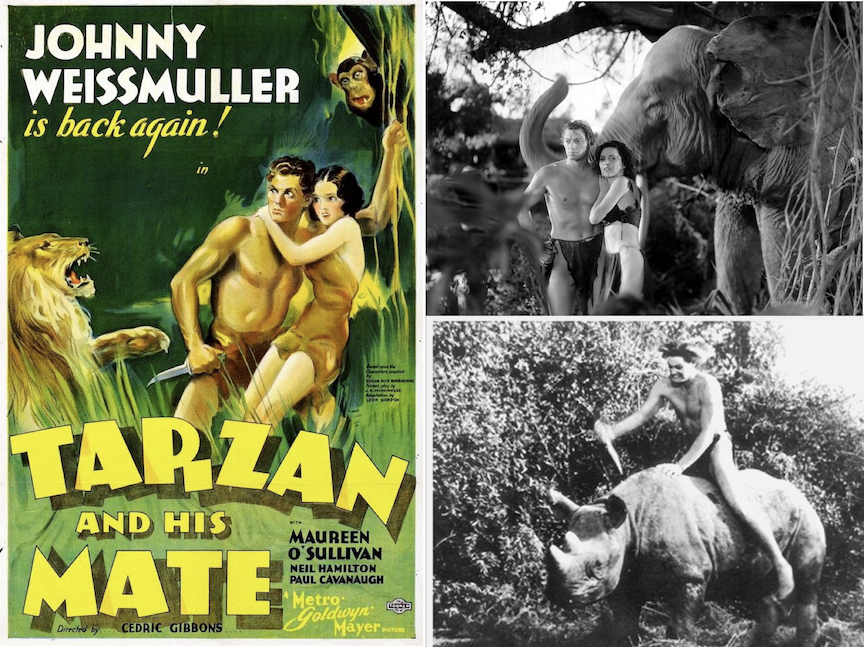
FAUX JUNGLE…Critic John Mosher was impressed by the wild and forbidding jungle scenes portrayed in Tarzan and His Mate—actually locations around Los Angeles. At left, MGM poster proclaims “Johnny Weissmuller is back again,” a reference to the 1933 dud Tarzan the Fearless starring Buster Crabbe (his single turn at Tarzan); top, Indian elephants taken from MGM’s zoo had attachments fixed to their ears and tusks to suggest African elephants; bottom, Weissmuller rides a rhino (named Mary), imported from a German zoo to appear in the scene. (Wikipedia/IMDB/Reddit)
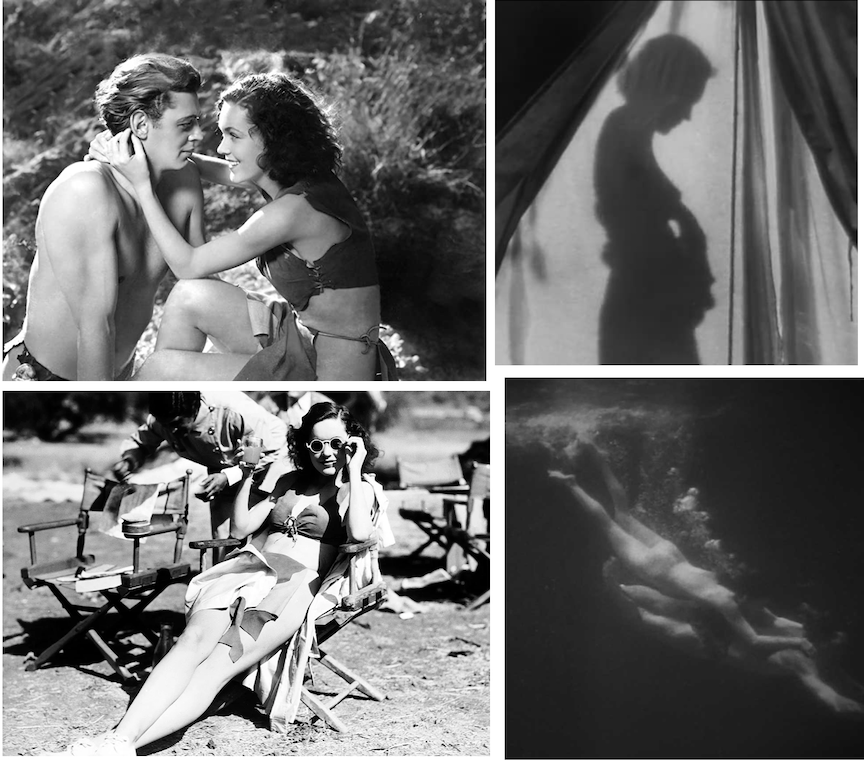
NOTHING TO HIDE…Tarzan and His Mate has acquired cult status mainly due to Maureen O’Sullivan’s skimpy halter top and loincloth—in 1934 it was one of the most revealing costumes ever seen on the silver screen. Hays Code puritans had fits over scenes that showed O’Sullivan nude in silhouette and swimming sans bathing suit with Weissmuller (the swimming scene used a body double, Olympic swimmer Josephine McKim). On April 24, 1934, all prints of Tarzan and His Mate were ordered changed, the nude scenes removed—the original print was not restored until 1986. At bottom left, O’Sullivan on the set of Tarzan and His Mate, looking quite unperturbed. (IMDB/hotcorn.com/Twitter)

In 2003, the Library of Congress deemed Tarzan and His Mate “culturally, historically or aesthetically significant” and selected it for preservation in the National Film Registry.

A note of trivia: Irish actress Maureen O’Sullivan (1911–1998) was the mother of actress Mia Farrow and grandmother of journalist Ronan Farrow. She’s also the grandmother of Soon-Yi Previn, Mia’s adopted daughter and current wife of Mia’s ex-partner, Woody Allen. 

 * * *

Spring Has Sprung

E.B. White began his weekly column with some thematic suggestions for the Maypole’s ceremonial ribbons. Excerpt:
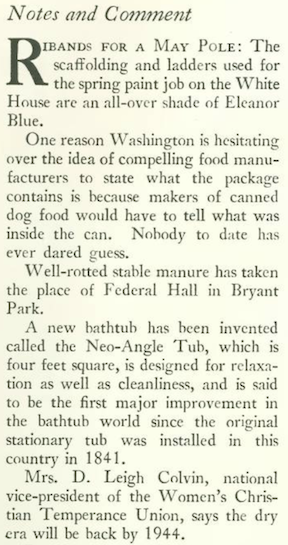
A few of White’s references explained:

SPRING IS IN THE AIR, or in E.B. White’s case, horse manure, likely used to amend the soil in Bryant Park. In 1933 Parks Commissioner Robert Moses had the park’s Federal Hall replica demolished (erected in 1932 to commemorate the bicentennial of George Washington’s birth) and embarked on an ambitious facelift that included elevating the park from street level and planting numerous trees and hedges. The bottom image shows a 1934 view of the reconstruction looking south on 6th Avenue from 42nd Street. (Untapped Cities/NYC Parks Dept.)

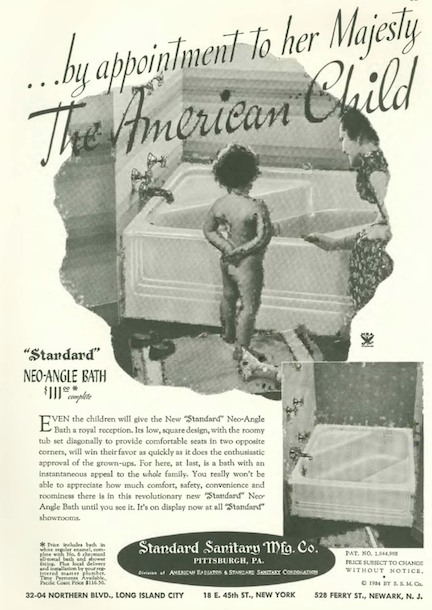
White also referenced the “Neo-Angle” bathtub, shown here in an ad from the same issue:
James Thurber added this embellishment along the bottom of White’s column…

 * * *

Freaked Out

Alva Johnston contributed his third and final installment on the world of circus freaks, using descriptive language that would not pass muster today:
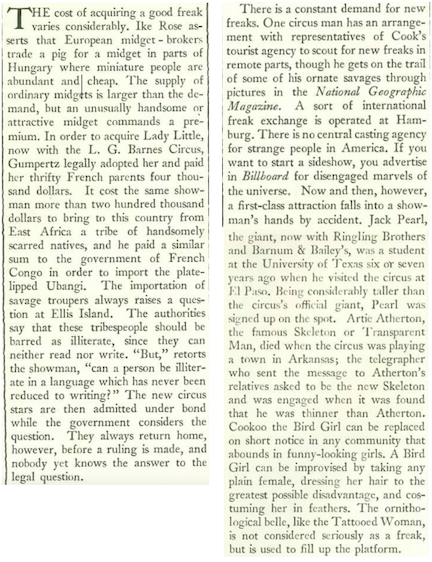
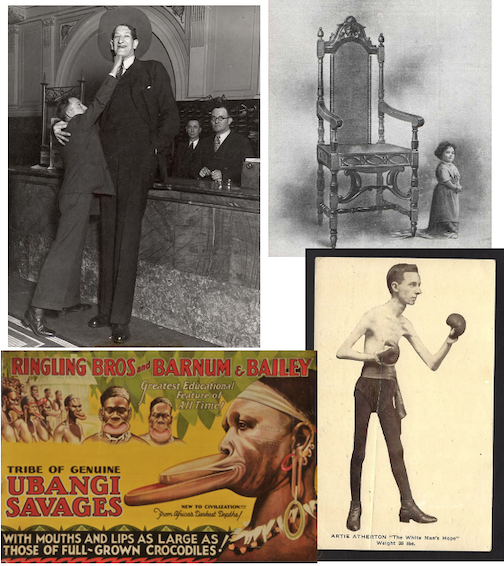
THE LONG AND SHORT OF IT…In his third installment of the world of circus freaks, Alva Johnston referenced the following performers, clockwise, from top left: circus giant Jack Earle; Lady Little, aka “Anita The Doll Lady,” on a 1918 postcard that described her as “26 inches high, 36 years old”; Artie Atherton, aka “Skeleton Dude,” weighing in at 38 pounds; Ringling Bros. and Barnum & Bailey Circus advertised “Geniune Ubangi Savages”—the word “Ubangi” was made up, plucked from a map of Africa because it sounded exotic. These “savages” were actually Congolese natives. (Pinterest/University of Sheffield/Worthpoint/Harry Ransom Center)

 * * *

Biding Its Time

“The Talk of the Town” took notice of a lighthouse that was mounted atop the Seamen’s Church Institute, which overlooked New York Harbor from Battery Park. A time ball above the lighthouse would drop down a pole to signal twelve noon to ships in the harbor. Installed on April 15, 1913—to mark one year after the sinking of the RMS Titanic—the lighthouse and time ball were relocated to the South Street Seaport Museum in 1968.

REFUGE BY THE SEA…The Seamen’s Church Institute at 25 South Street (left) could house up to 580 seafarers in dormitory-style rooms. The building also housed a shipping bureau, a restaurant, a postal service and a chapel. When the building was demolished in 1968, the lighthouse and time ball were salvaged and relocated to South Street Seaport Museum. (southstreetseaportmuseum.org)

 * * *

Gall of a Gaul

French writer Céline, aka Dr Louis Ferdinand Auguste Destouches (1894–1961), is considered by some to be one of France’s greatest 20th century writers, influencing the likes of Henry Miller, Samuel Beckett, and Charles Bukowski. However Céline is also widely reviled as a Nazi sympathizer and anti-semite, but whatever one thinks of the writer, most agree that he hated pretty much everyone. Clifton Fadiman tried to make sense of the bilious Céline and his most celebrated novel, Journey to the End of the Night (Voyage au bout de la nuit). An excerpt:

DON’T STAND SO CLOSE TO ME…The French writer Céline in a 1932 photograph. (Bibliothèque nationale de France)

 * * *

From Our Advertisers

There’s nothing hateful about these brightly colored blankets and throws if you were looking for something for Mother’s Day…

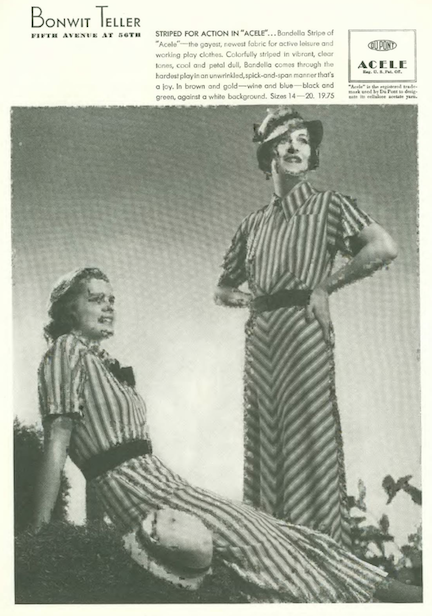
…it’s interesting how Fifth Avenue department stores such as Bonwit Teller embraced new-fangled synthetics made by Dupont—not exactly material favored by those to the manor born…
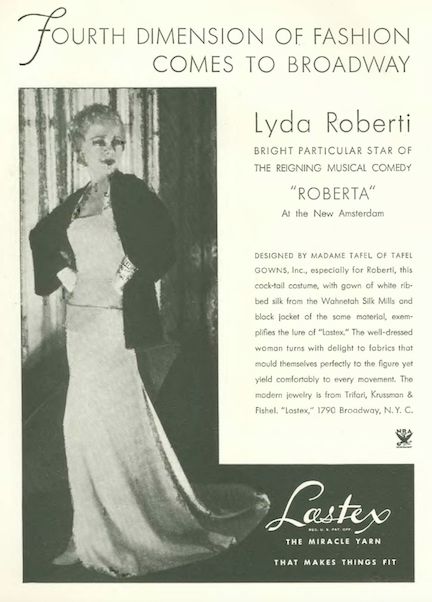
…however Lyda Roberti, the “Bright Particular Star” of the Broadway musical Roberta, seemed pleased to be sporting a gown spun from “Lastex,” formed from a combination of silk and rubber…
…more fashionable women, this time paired with Buick’s latest model displaying a bit of streamlined flair…

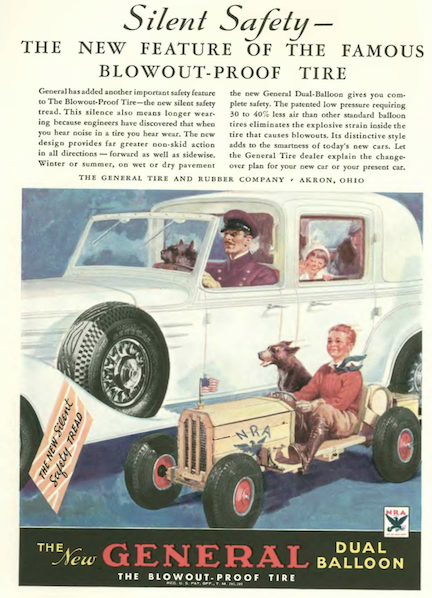
…the folks at General Tire touted the safety of their blowout-proof tires, but as with most things in the 1930s, the scene suggests little regard for safety in general…the boy driving the soapbox racer perilously close to the limo is not a supporter of the National Rifle Association—in the 1930s NRA stood for the New Deal’s National Recovery Act…
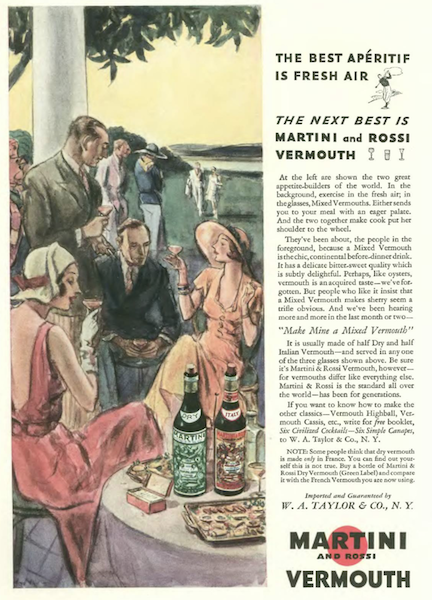
…recalling a style perfected by fashion illustrator Carl “Eric” Erickson, this lovely ad beckoned us to an outdoor cocktail party courtesy of Martini & Rossi…
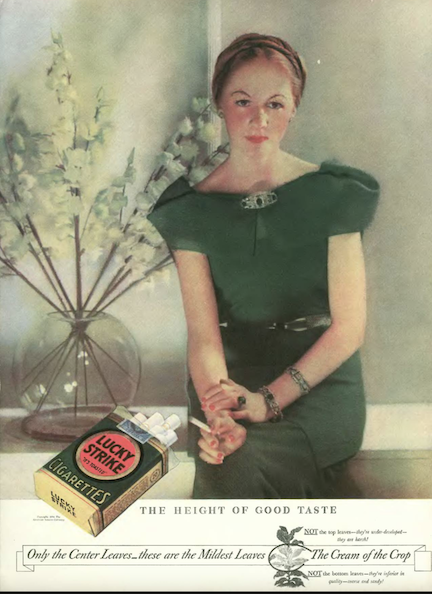
…working the growing market of female smokers, the folks at Lucky Strike gave us this sophisticate caught in a pensive mood…
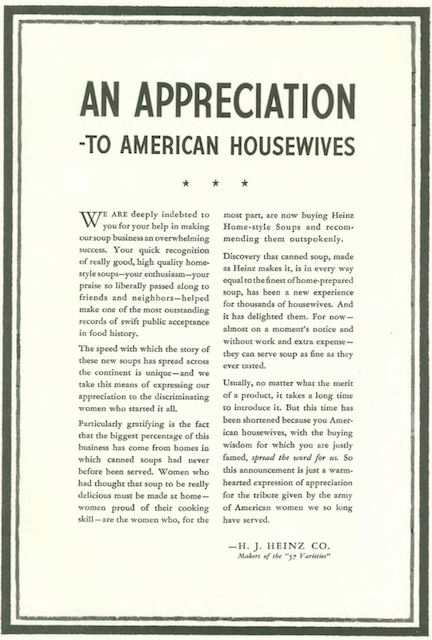
…of course advertisers also appealed to another female market, the majority of women stuck at home doing the cooking and cleaning…and so we have pandering ads like this one from Heinz (did people really read these things?)…
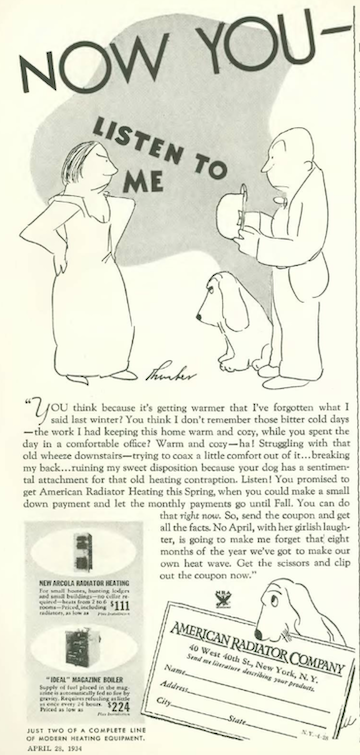
…another approach was to cast women as a nagging emasculators, here illustrated by James Thurber

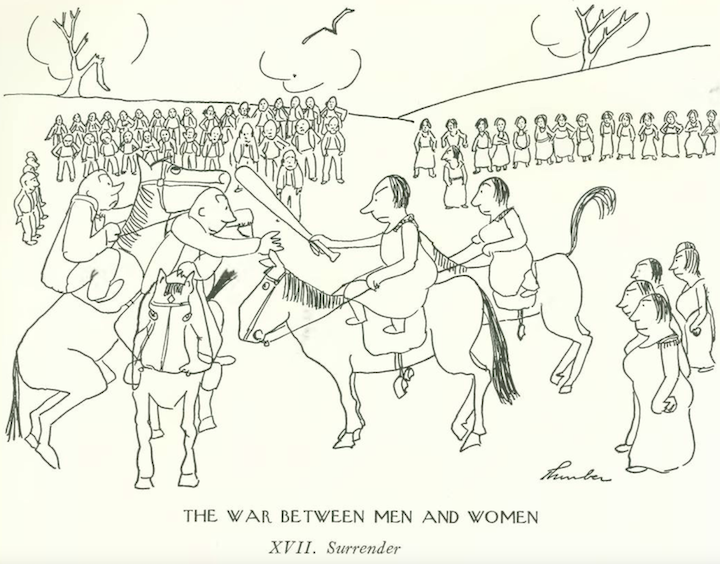
…however, in Thurber’s cartoon world, it was the men who got the upper hand in the final installment of his “war” series…
…Thurber was busy in this issue, also supplying this spot illustration…
…we switch to a more leisurely pace with Syd Hoff

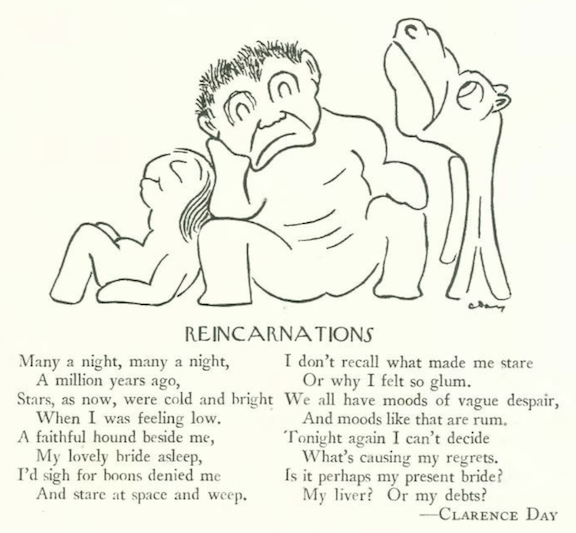
…and check in with Clarence Day, who in addition to his continuing “Life With Father” series occasionally contributed these illustrated poems…
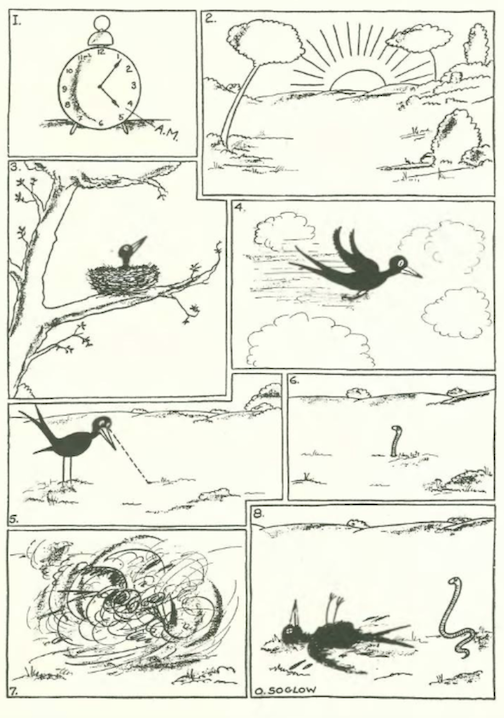
…and we close with Otto Soglow, and an early bird who should have stayed in bed…
Next Time: A Tadpole on Wheels…

 

Dirge for a Dirigible

There was a time when dirigibles were considered the future of transatlantic transportation. In the 1930s they could carry more passengers than any other type of aircraft while offering amenities usually associated with ocean liners such as private cabins, dining rooms and large observation decks. They were also faster than those water-borne vessels.

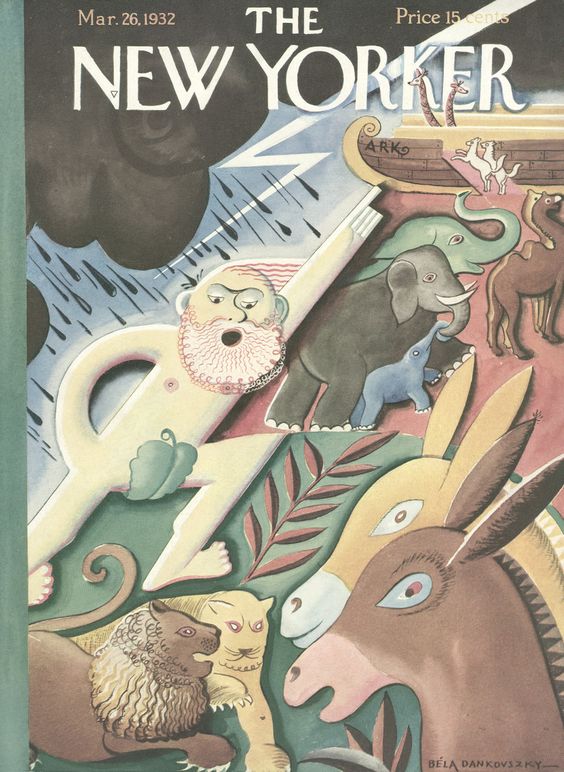
March 26, 1932 cover by Bela Dankovsky.

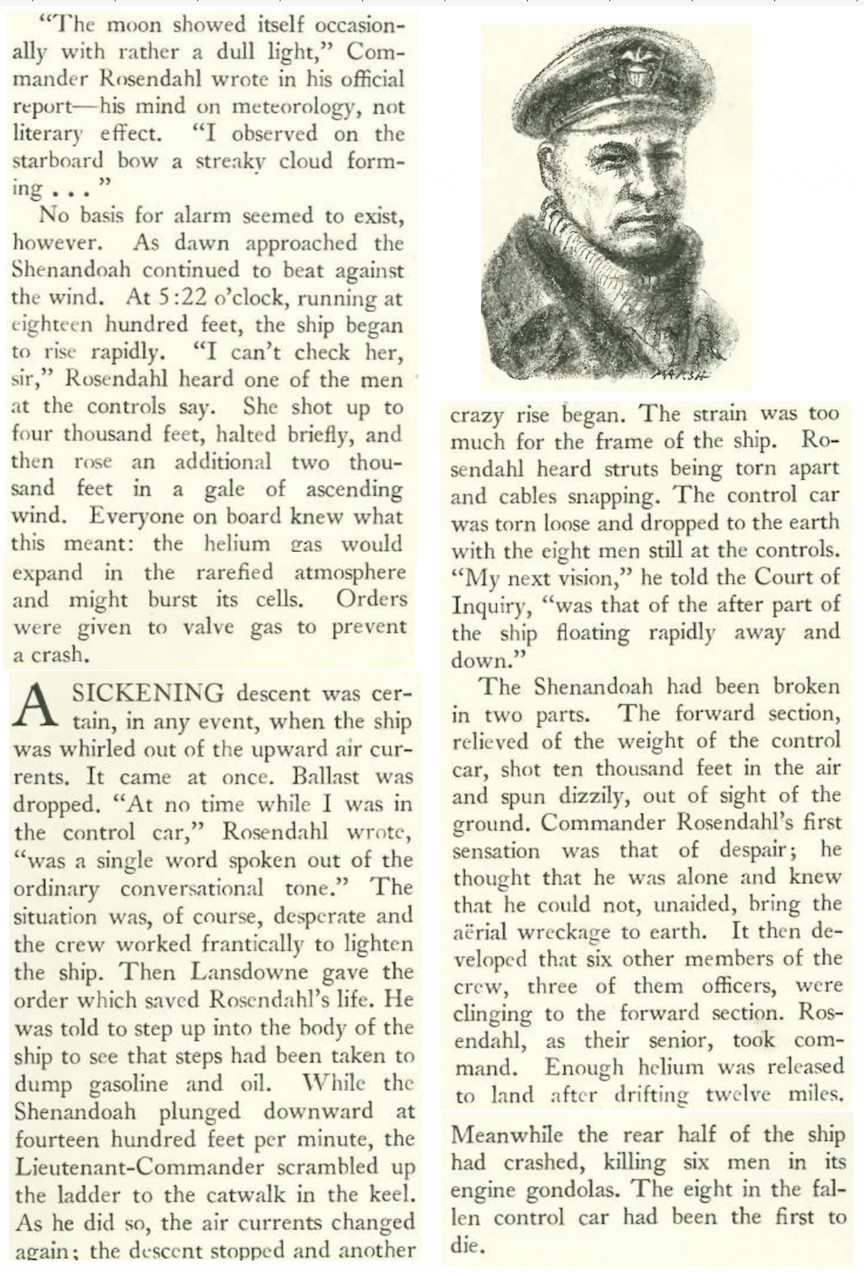
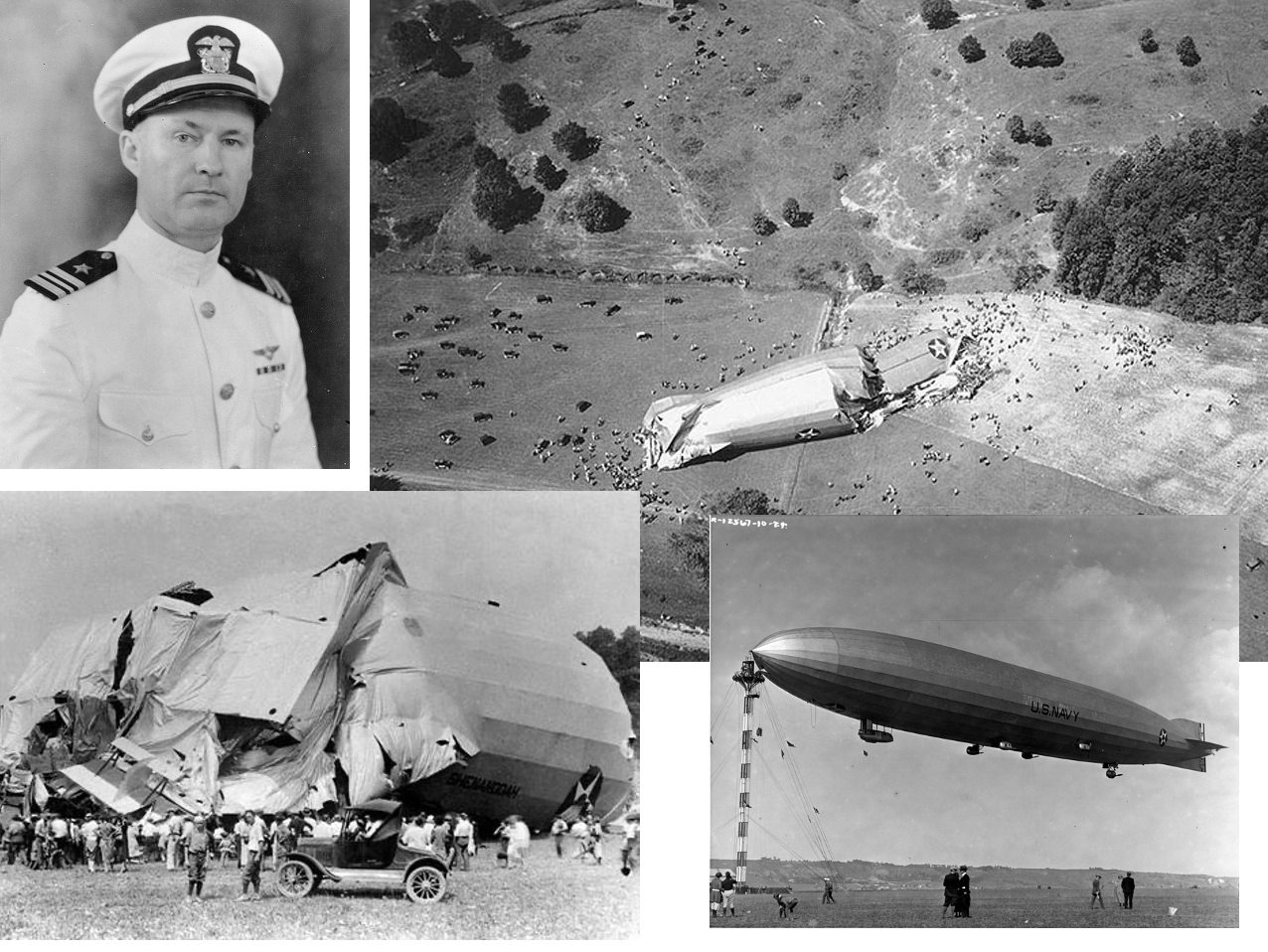
Dirigibles, however, were challenging to operate—with crew members outnumbering passengers—and sometimes they fell from the sky. Such was the fate of the USS Shenandoah during a 1925 publicity flight over Ohio. On board was the Navy’s Lt. Cmdr. Charles Emery Rosendahl (1892–1977), who had to act quickly when the airship encountered a severe thunderstorm. Hitting a violent updraft that carried it beyond the pressure limits of its gas bags, the airship was torn apart. For the March 26 “Profile,” writer Henry Pringle recounted Rosendahl’s experience:

HE LIVED TO TELL ABOUT IT…Clockwise, from top left, Lt. Cmdr. Charles Rosendahl, USN, circa 1930; the USS Shenandoah in pieces near Caldwell, Ohio; the airship in better days; close-up view of the wreckage. (Wikipedia/airships.net)
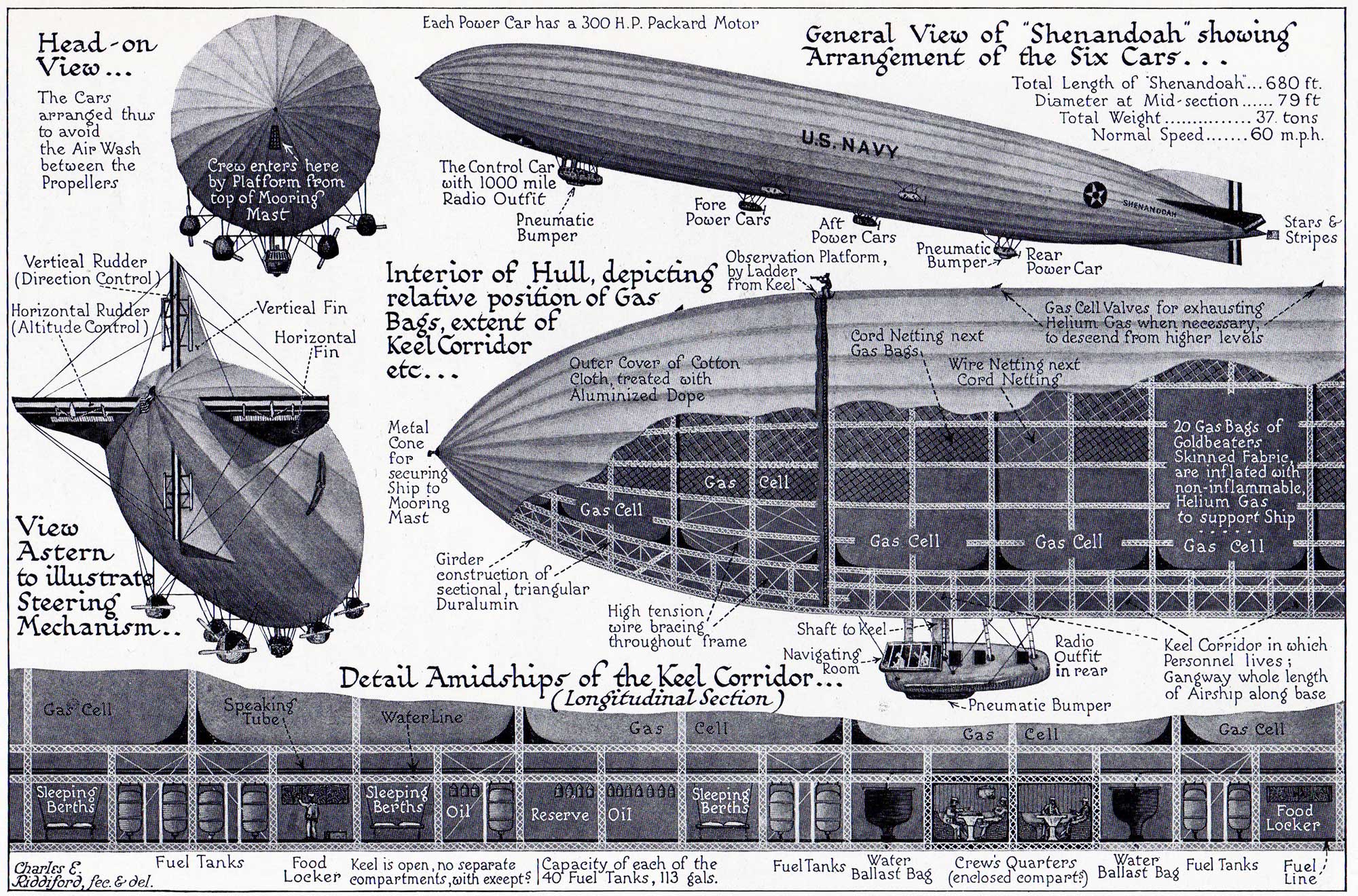
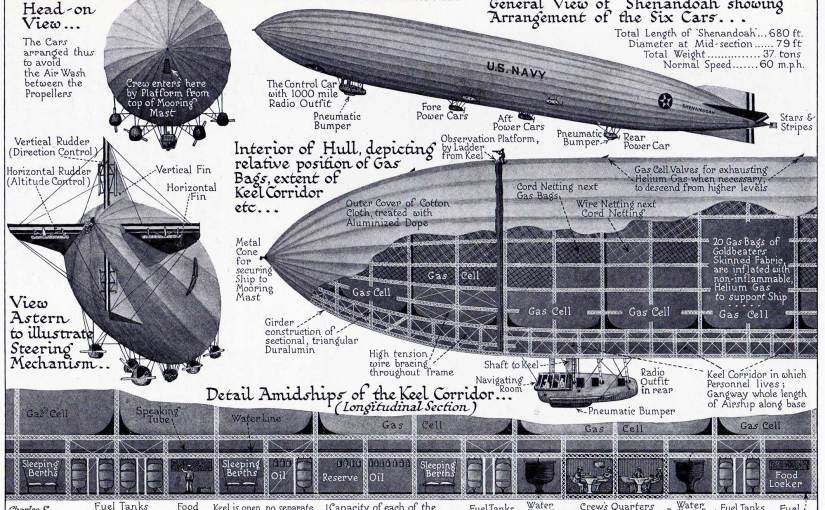
IT WAS A GAS…Like other other early dirigibles, the USS Shenandoah was designed for war (fleet reconnaissance) rather than passenger service. It was the first rigid airship to use a safer gas, helium, rather than hydrogen to gain lift. However, helium was scarce at the time, and the Shenandoah used almost all of the world’s reserves to fill its gas cells, which held 2,100,000 cubic feet. (fly.historicwings.com)


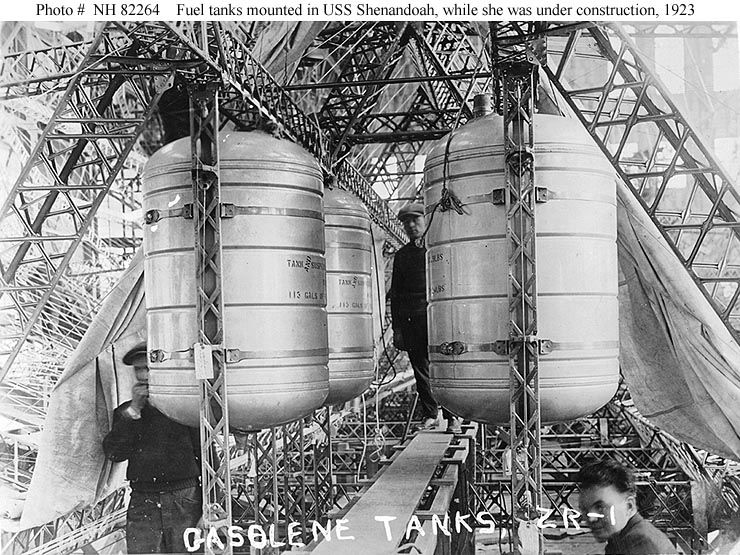
ON THE CATWALK…Lt. Cmdr. Charles Rosendahl hurried through this area while the USS Shenandoah was being torn apart in mid-air. Rosendahl was ordered out of the control car by the airship’s pilot, Cmdr. Zachery Landsdowne, to check on the Shenandoah’s oil and gas tanks. It was an order that ultimately saved Rosendahl’s life: Eight crew members in the control car, including Landsdowne, perished. In all, 14 crew members lost their lives. (airships.net)

 *  *  *

Untouchable Unmentionables

In his “Notes and Comment,” E.B. White mused about one Boston store’s promotion of a line of women’s underwear as “Gandhi panties,” apparently inspired by the loincloth worn by Indian liberator Mahatma Gandhi:

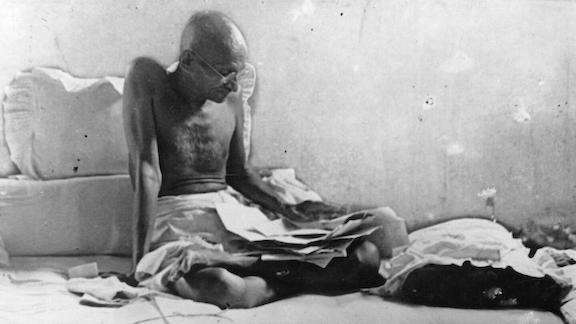
THE SIMPLE LIFE…Mahatma Gandhi held numerous hunger strikes during his years of protest against India’s caste system and British Imperial rule. He is pictured here in jail in September 1932 during the second of his fasts, protesting the British government’s decision to separate India’s electoral system by caste. (history.com)

 *  *  *

Hearst Wurst

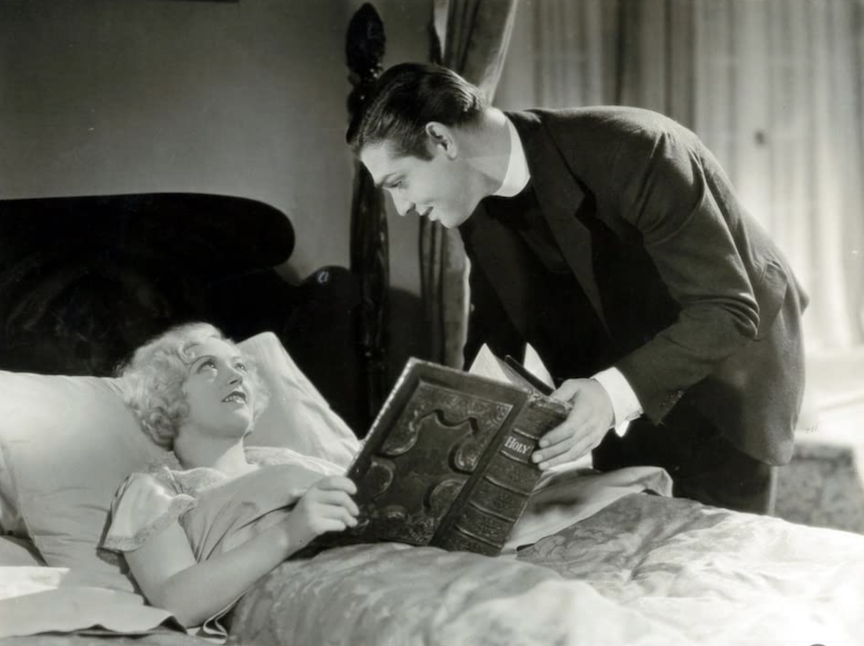
Film critic John Mosher was not happy with the happy ending (or much else) in the William Randolph Hearst-backed Polly of the Circus, which starred Hearst’s mistress, Marion Davies, along with emerging star Clark Gable, who portrayed a small-town minister who risked his career for love with a trapeze artist.

JUST READ THE NAUGHTY BITS…Top image: With the backing of William Randolph Hearst, Marion Davies was able to bill her latest MGM film as a “Marion Davies Production.” Davies had star billing over Clark Gable in Polly of the Circus, but as his star rose in the 1930s, Davies saw her fortunes (and Hearst’s) drain away during the Depression years. Bottom image: the Reverend John Hartley (Gable) and trapeze artist Polly Fisher (Davies) “look for something hot” in the Book of Ruth. (IMDB)

 *  *  *

From Our Advertisers

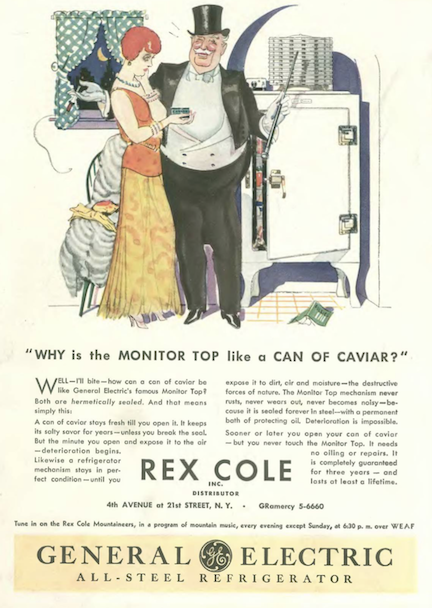
Electric refrigerators for home use had been around for less than decade in 1932, but as more companies got into the business, the drive to distinguish one’s product from the competitor’s became keen…the distinctive “Monitor Top” GE refrigerators were touted by Rex Cole in both their ads and in the design of their showrooms…
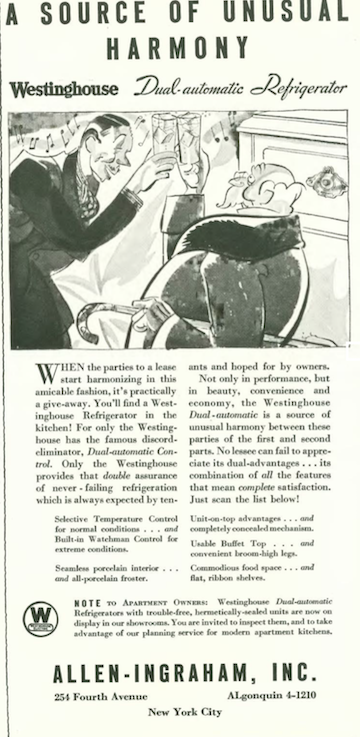
…Allen-Ingraham, on the other hand, demonstrated how their “dual-automatic” Westinghouse could bring harmony to a party of bootleg-swilling old gents…

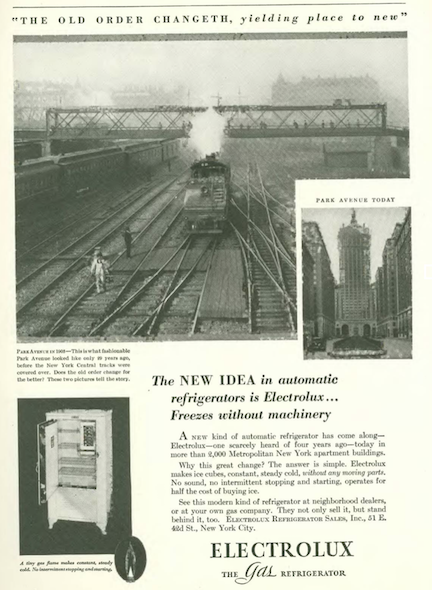
…the makers of Electrolux invoked the inevitable march of time and progress in promoting their “automatic” refrigerator…

…on to sundry things, the upscale British department store Fortnum & Mason employed this simple ad to demonstrate the superiority of old money over the preening lower orders…

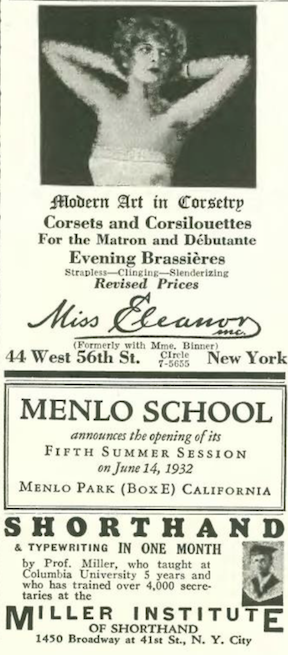
…and in the back pages we find these cheap ads for corsets, a prep school and a shorthand lessons…

…the makers of Listerine reminded readers of the connection between their old line of antiseptic products and their new line of cigarettes…

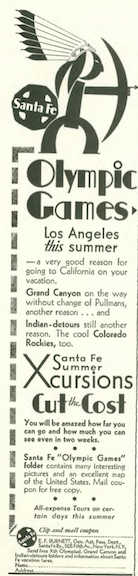
…the Santa Fe Railroad invited travelers to the Summer Olympics in Los Angeles…

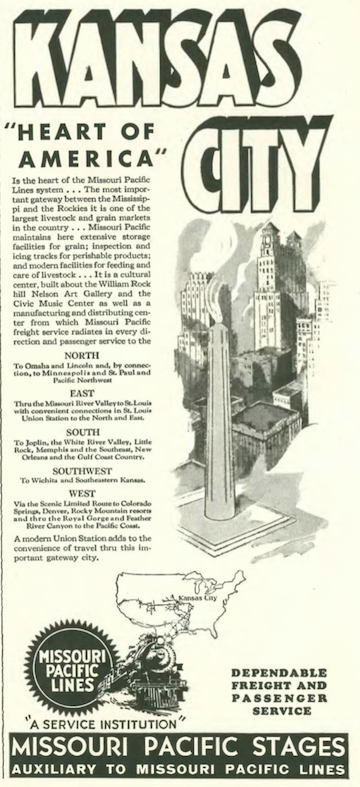
…while the Missouri Pacific line promoted the wonders of Kansas City, the “Heart of America”…

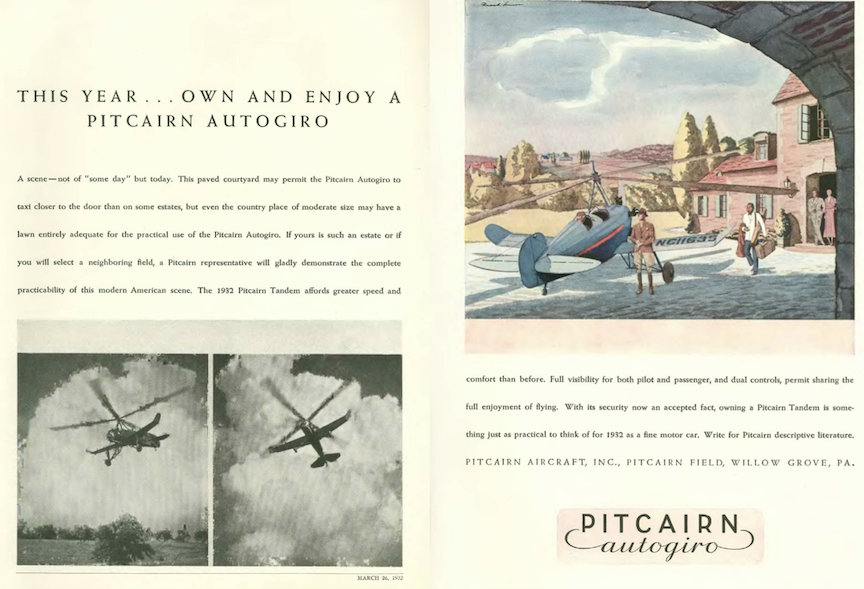
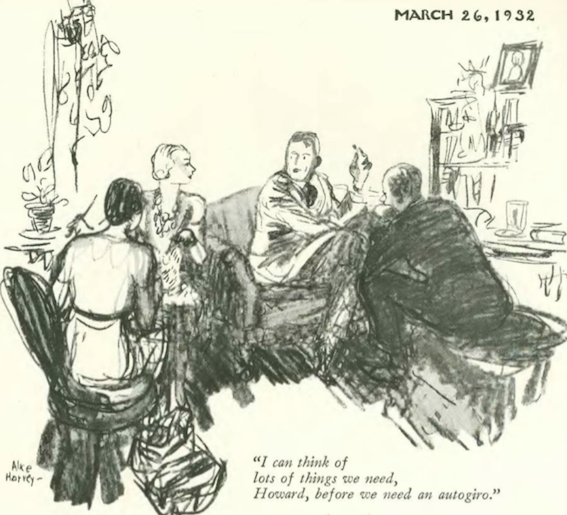
…makers of the autogiro — part airplane, part helicopter — continued to promote the advantages of this supposedly easy to fly contraption…in the 1930s the autogiro was seen as the future of personal air travel, some predicting that the craft would join the automobile in many a garage…

…on to our cartoons, Alice Harvey found one man who was ready for the autogiro lifestyle…

…and Peter Arno gave us an old walrus ready to take advantage of an unsuspecting host…

……and Helen Hokinson’s “girls” also found themselves involved in a scandalous situation…

…on to the April 2, 1932 issue…

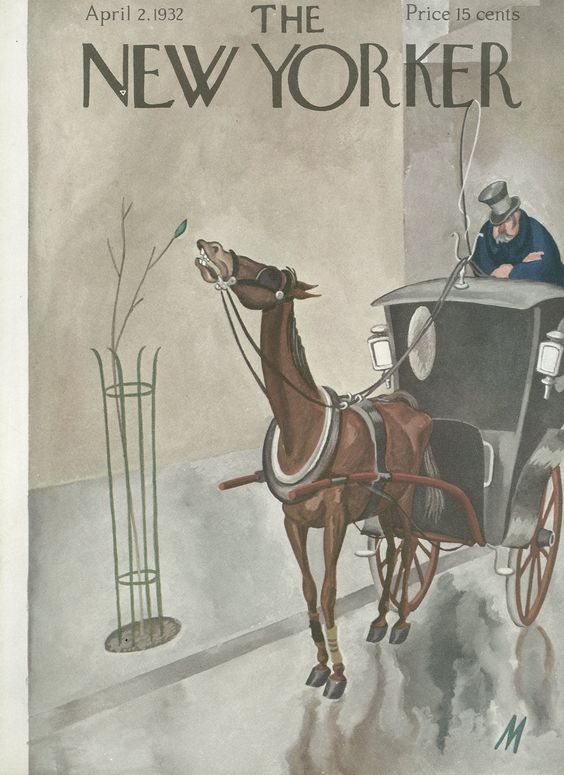
April 2, 1932 cover by Julian de Miskey.

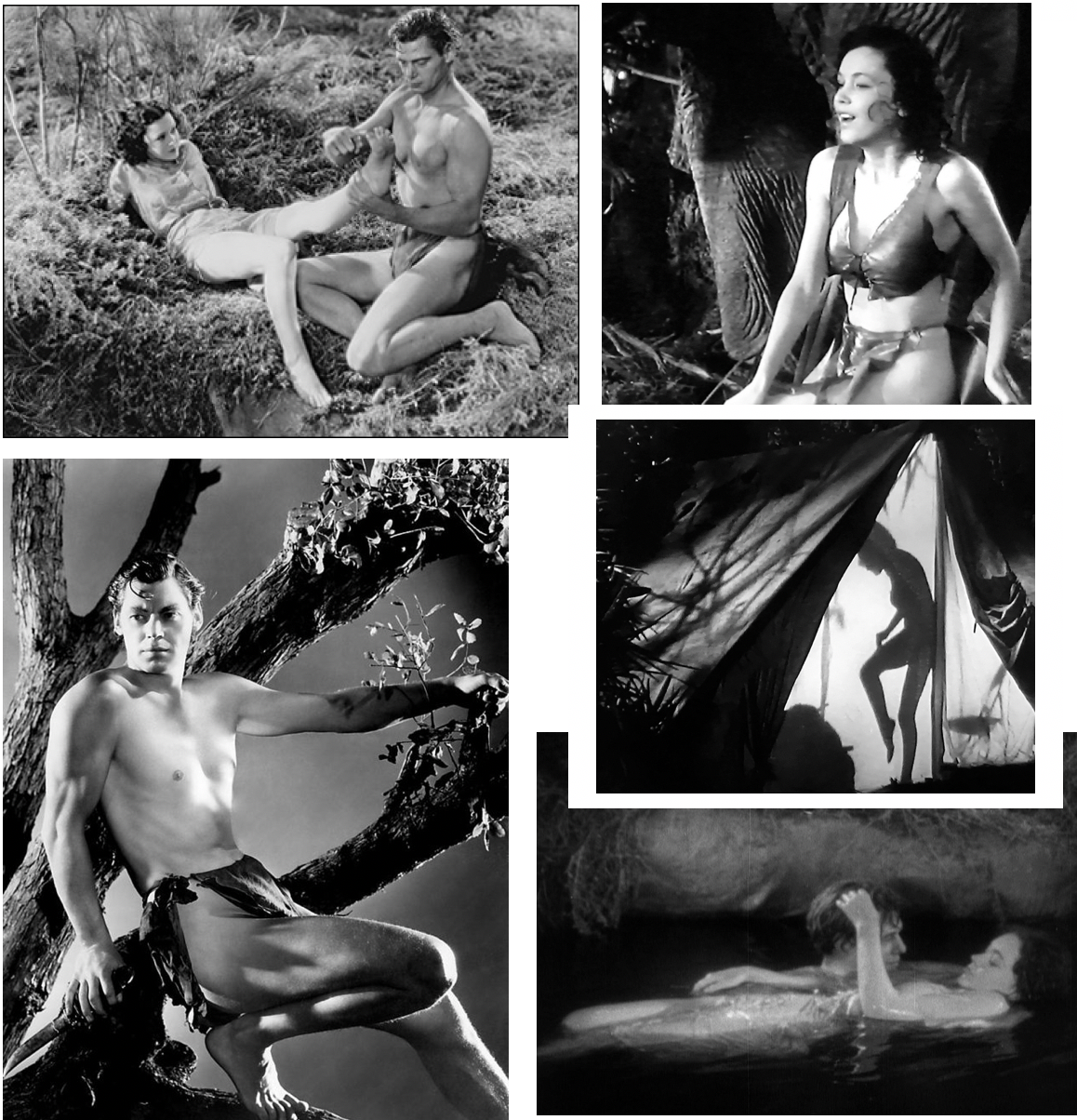
…where this time critic John Mosher took a look at a new film (and a new film genre) — Tarzan, the Ape Man, starring Johnny Weissmuller and Maureen O’Sullivan.

Weissmuller (1904-1984) was well known in the 1920s as a five-time Olympic Gold Champion swimmer, so the 28-year-old was a familiar face when he stepped into the title role. The Irish-born O’Sullivan (1911-1998) had appeared in seven films in 1930-31 before she was cast as Jane Parker in Tarzan, the Ape Man. Mosher found the film silly, but entertaining nonetheless.

THAT PRE-CODE LOOK…Before decency codes were strictly enforced in Hollywood, many early 1930s films featured scenes that were pretty racy for those times. Both Maureen O’Sullivan and Johnny Weissmuller were scantily clad for their roles in 1932’s Tarzan the Ape Man. (IMDB/fanpop.com/manapop.com/YouTube)

 *  *  *

Cancel Me, Kate

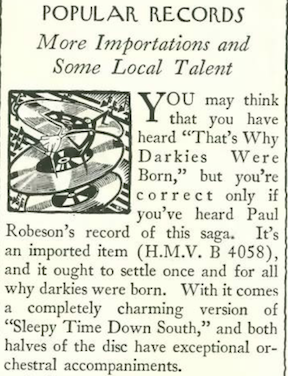
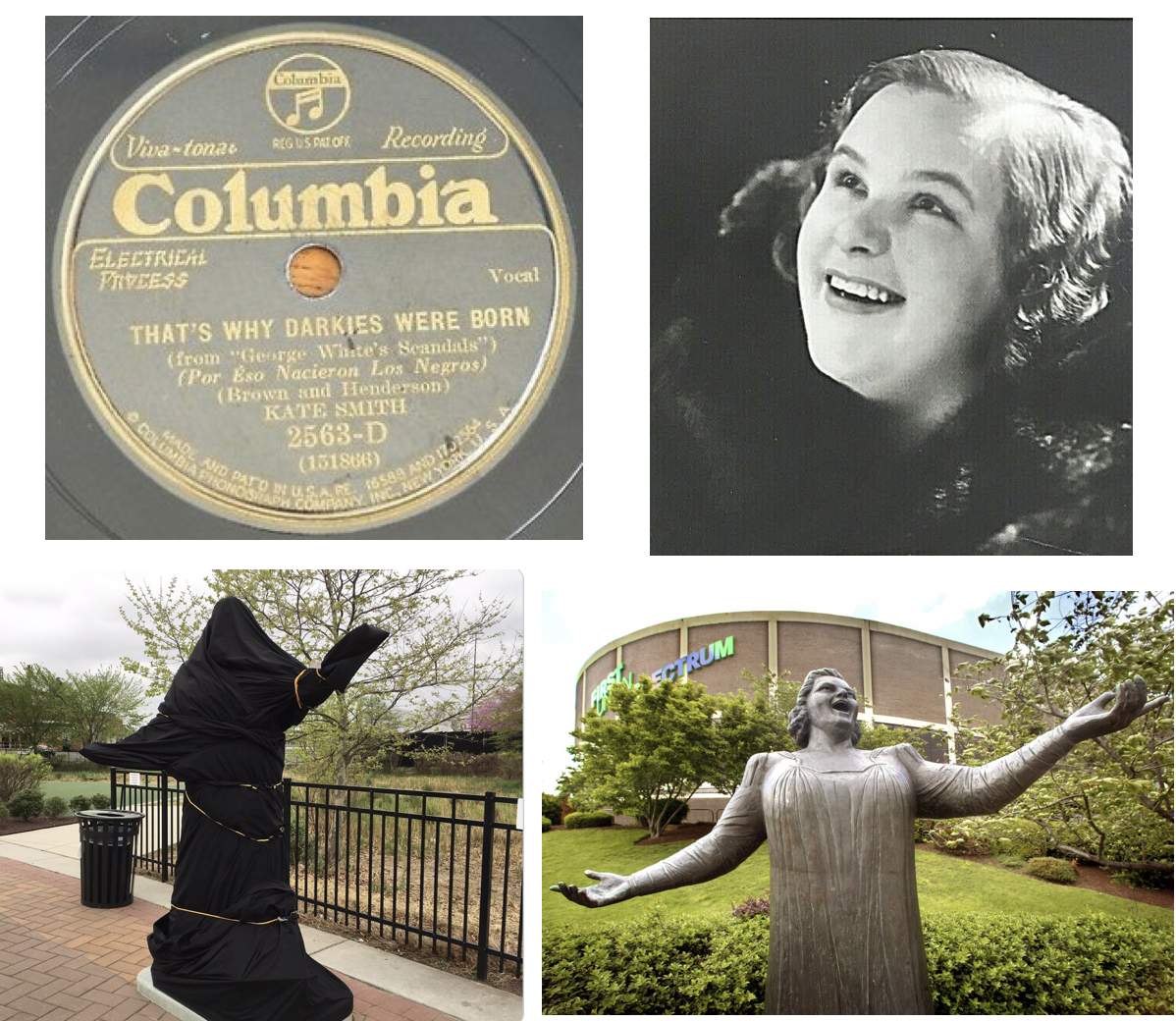
“That’s Why Darkies Were Born” was a popular song in those days of casual racism, written by Ray Henderson and Lew Brown for George White’s Scandals of 1931. It was recorded by a number artists including Paul Robeson (see below) and Kate Smith — it was one of Smith’s biggest records and also the reason she was recently “cancelled” in some sports venues.

In 2019 the New York Yankees announced that Smith’s rendition of “God Bless America” would no longer be played at Yankee Stadium, citing not only Smith’s version of “That’s Why Darkies Were Born” but also her past performances of the song “Pickaninny Heaven.” The Philadelphia Flyers followed the Yankees example, covering up and later removing a statue of Smith outside the Wells Fargo Center.

THAT’S WHY YOU WERE CANCELLED…One of Kate Smith’s biggest early hits was her performance of “That’s Why Darkies Were Born.” In 2019 the Philadelphia Flyers organization covered and later removed a statue of Smith outside the Wells Fargo Center. (mprnew.org)

 *  *  *

From Our Advertisers

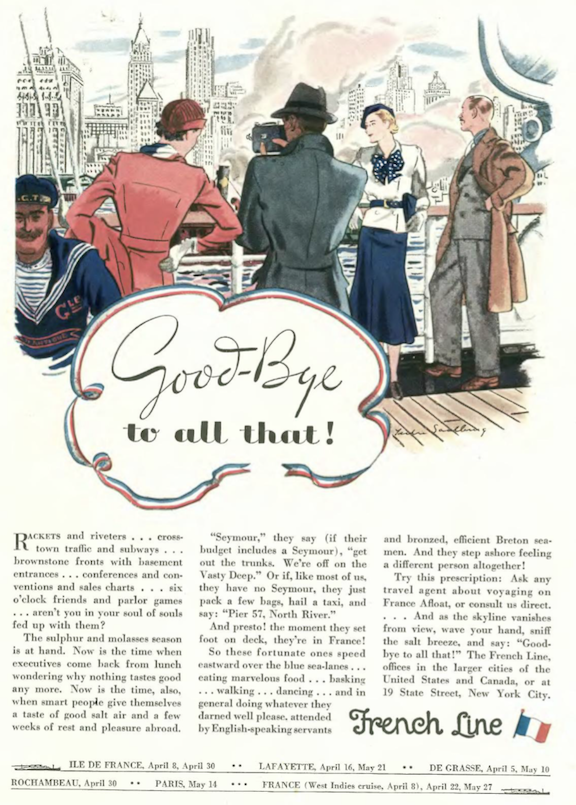
We have more inducements to travel, this time abroad and in style aboard the French Line…

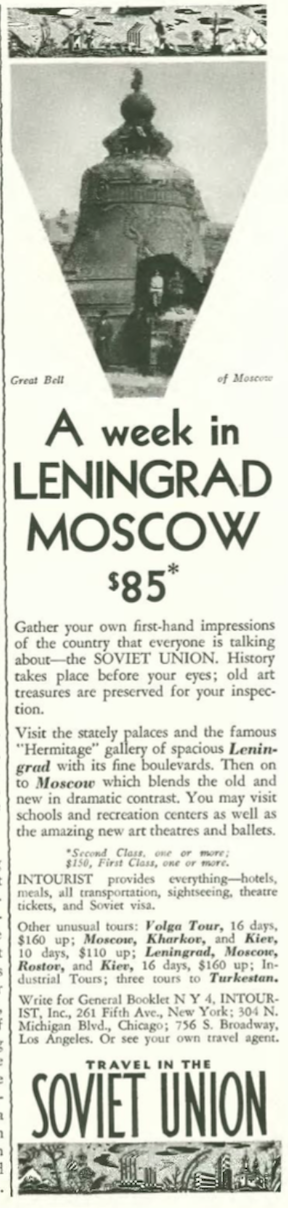
…or if you were looking for something a bit more exotic, Intourist could book you passage to the Soviet Union…

…on to our cartoonists, we begin with this great spot illustration by Victor De Pauw, who contributed to The New Yorker from 1928 to 1948…

William Crawford Galbraith offered some insight into the cultural tastes of the upper orders…

…while Alan Dunn illustrated the Depression’s domestic woes…

…and we have what I believe is the first appearance of William Steig’s “Small Fry” children identified as such…many more would follow, later to be collected into a popular book by the same name…

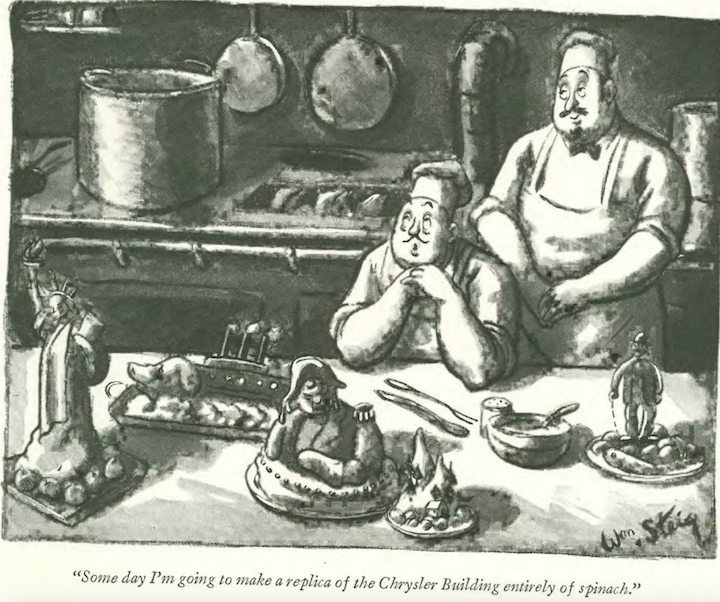
…and another by Steig of a person contemplating his life’s desire…

…and we end with James Thurber, with all of his familiar themes tied up in one drawing…

Next Time: A Return to the Nightlife…