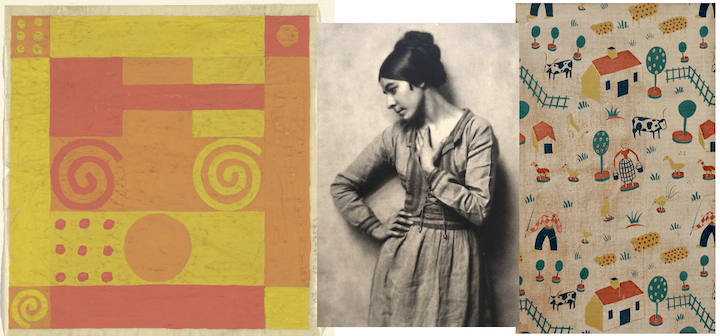
Above: Ilonka Karasz designed six children's rooms for a holiday display at Saks Fifth Avenue, featuring colorful rugs (left) and nursery screens (detail at right) among other items. In a House and Garden article, Karasz wrote: "Through new theories of design, production and distribution, [these rooms] have more vision than the manufacturer who still insists upon Little Bo-Peep." (MoMA.org/1stdibs.com)
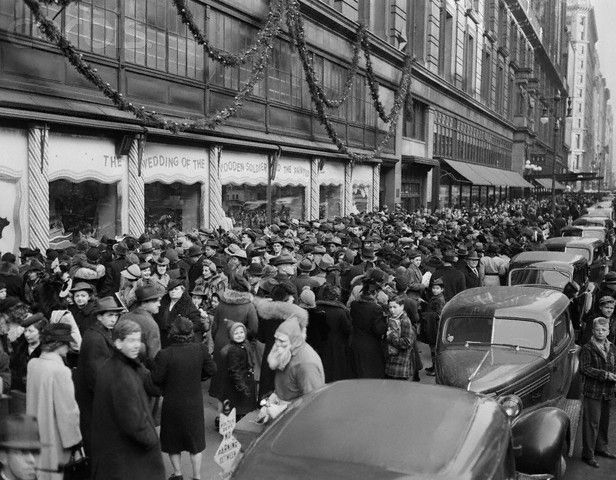
In the Days of Yore, Christmas celebrations were largely adult- or family-centered affairs, that is until the Industrial Age enabled the mass production of toys and other goodies. Beginning in the 1870s, Macy’s began offering impressive toy displays, and even children in the hinterlands could get in on the action with a Sears catalog, the company raising its game in 1933 with the introduction its Wish Book.

*
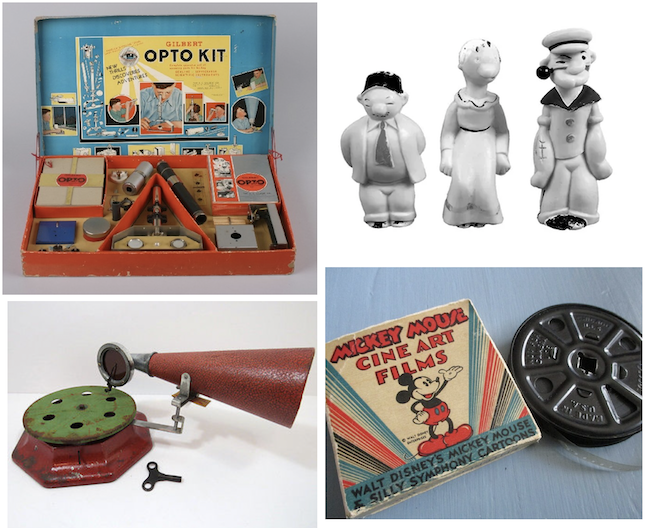
The New Yorker was no exception when it came to toy shopping, featuring exhaustive lists of toys, games and other items for children available at the city’s major retailers.
These lists were in the back of the book, following Lois Long’s “On and Off the Avenue” fashion column. Here are some excerpts:

Of course it wouldn’t be Christmas in New York without F.A.O. Schwarz, and if you shopped at Saks you could be dazzled by children’s rooms designed by Ilonka Karasz.


* * *
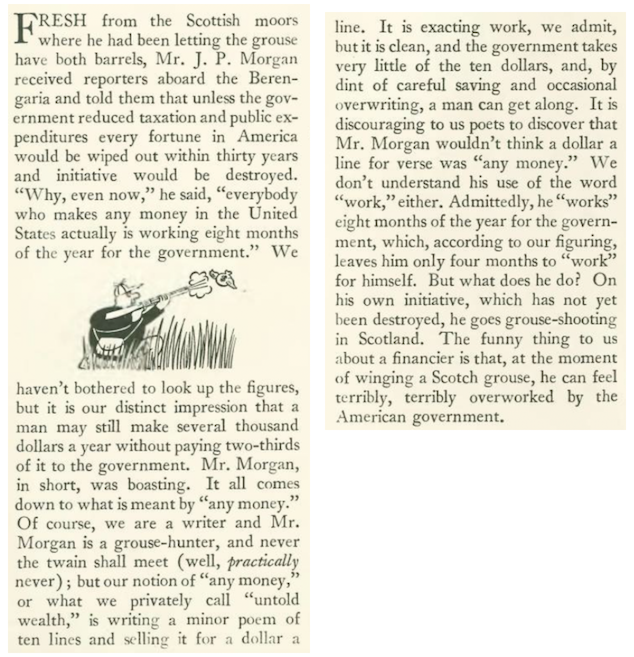
Pouting Plutocrat
In his “Notes and Comment,” E.B. White took issue with J.P. Morgan’s gripes about taxation while grouse hunting in Scotland.
* * *
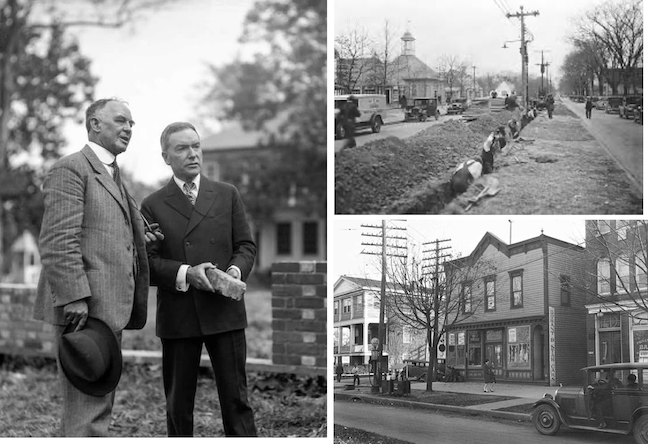
A City Resurrected
Founded in 1632, Williamsburg, Virginia played an important role in colonial and revolutionary America, but by the 20th century it had become a quiet and rather neglected little town. Then in 1924 the town’s rector, Rev. W.A.R. Goodwin—bolstered by the successful restoration of his parish church—approached oil tycoon John D. Rockefeller Jr. for funds to restore the entire colonial capital. As John Peale Bishop noted in these excerpts from “Onward & Upward With The Arts,” the project left some residents scratching their heads.


* * *
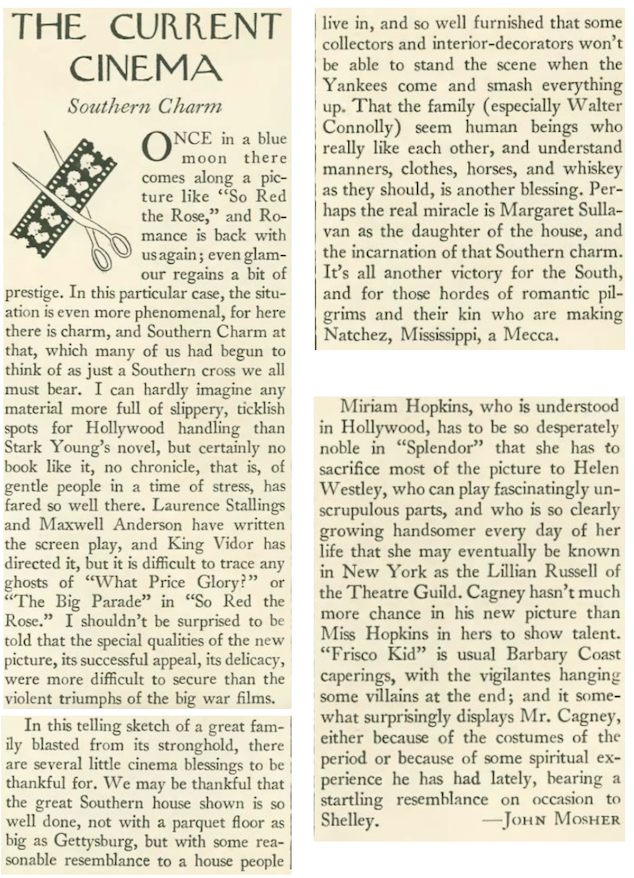
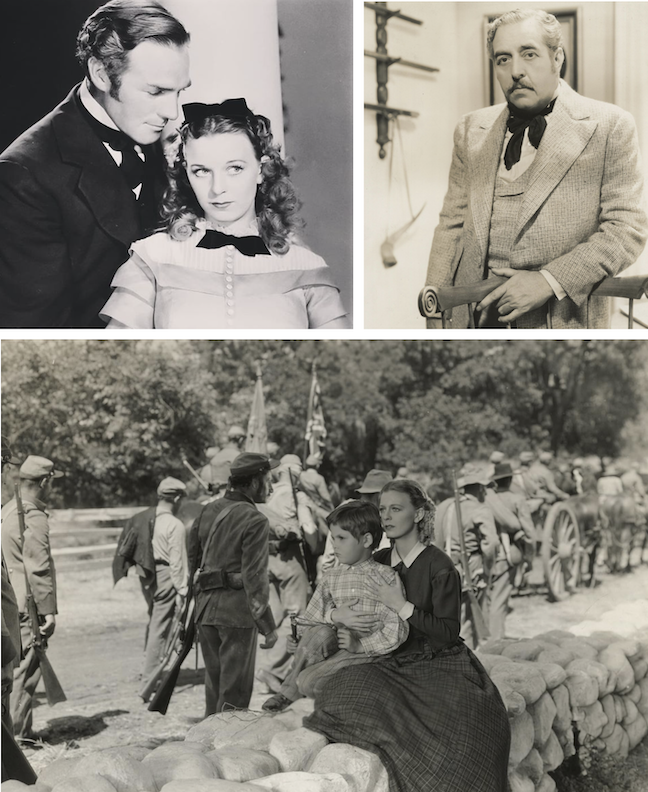
At the Movies
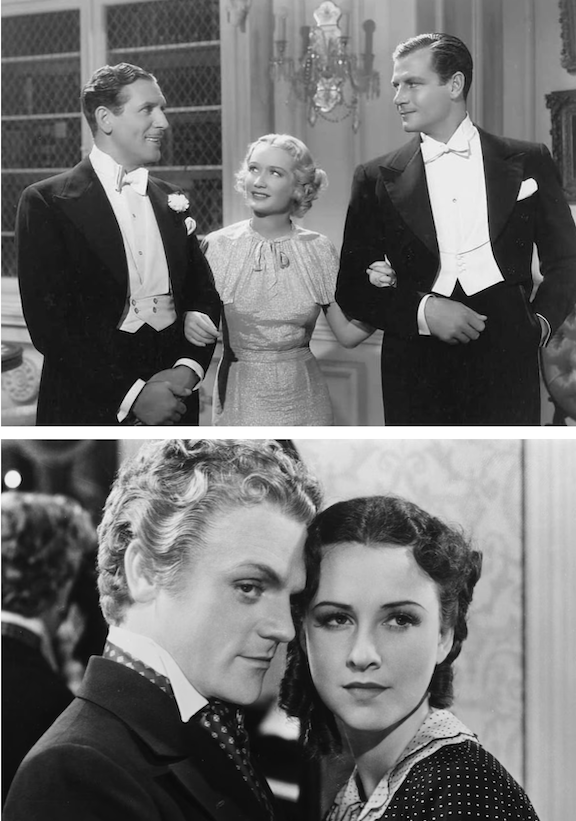
John Mosher had high praise for King Vidor’s Civil War romance, So Red the Rose. Although it did not have the epic sweep (or epic length) of 1939’s Gone With The Wind, Mosher and other critics praised the film’s human qualities. It did not, however, do well at the box office.
* * *
From Our Advertisers
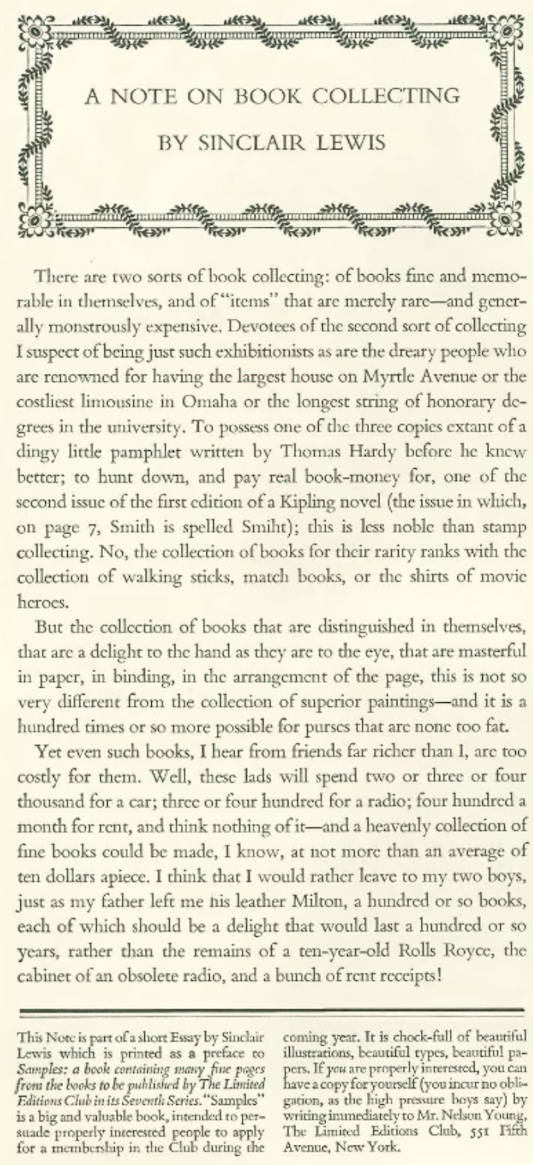
We start with this advertisement from The Limited Editions Club, founded in New York by George Macy in 1929. The 29-year-old Macy, determined to make his living from books, focused on publishing beautifully illustrated classic titles in limited quantities, available to subscription-paying members. Illustrators of the editions have included Pablo Picasso, Henri Matisse, Reginald Marsh, Norman Rockwell and many other noted artists. The ad below includes an excerpt from a Sinclair Lewis essay that extolled the virtues of investing in fine books.

…as the holidays grew near the automobile ads grew more luxurious…this Cadillac spot featured an illustration of posh tots driven by their chauffeur…

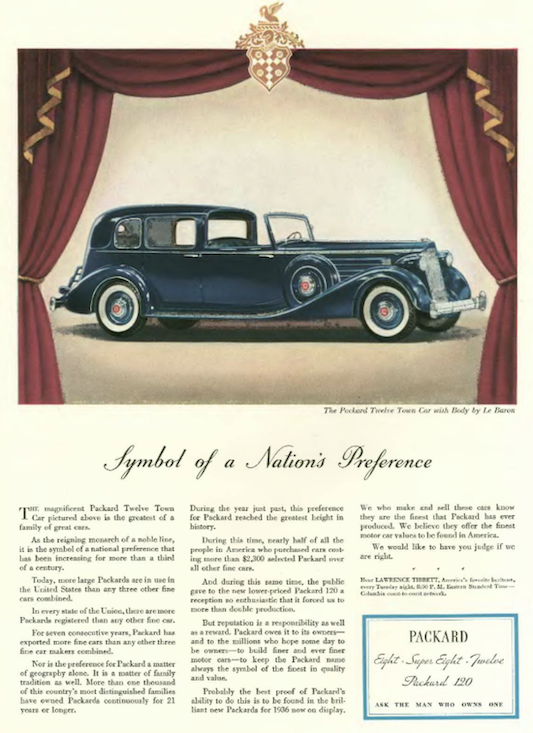
…and from Packard, an automobile designed with the assumption that you already had a liveried driver…
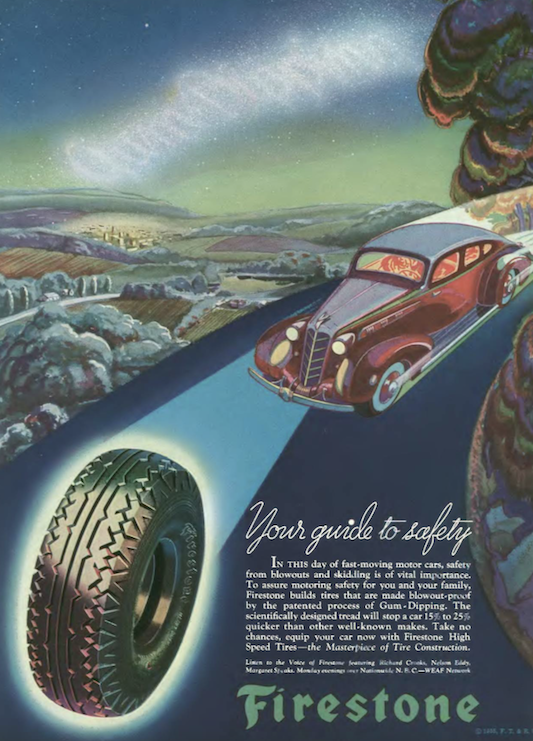
…colorful ads also came our way from Firestone…
…and Goodyear…these two companies were the largest suppliers of automotive tires in North America for more than 75 years…

…World Peaceways continued their series of provocative anti-war advertisements…

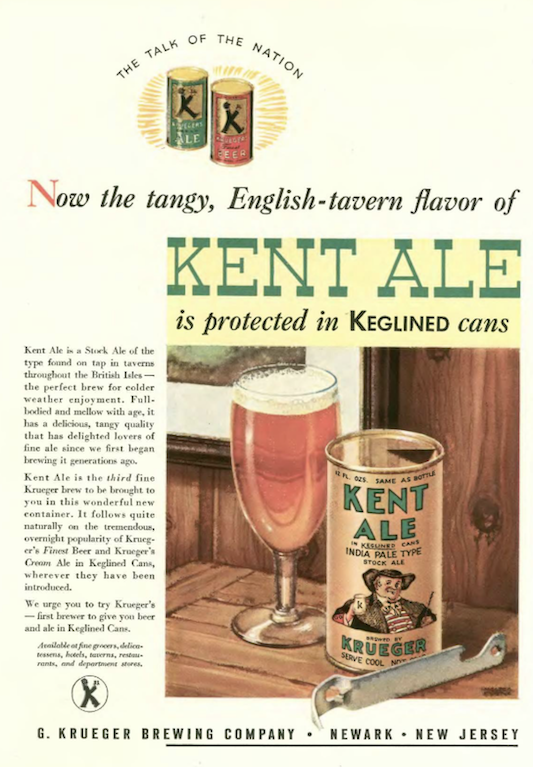
…Kent Ale was produced by Krueger Brewing Company, one of the first breweries to use cans that were coated with some substance referred to as “Keglined”…
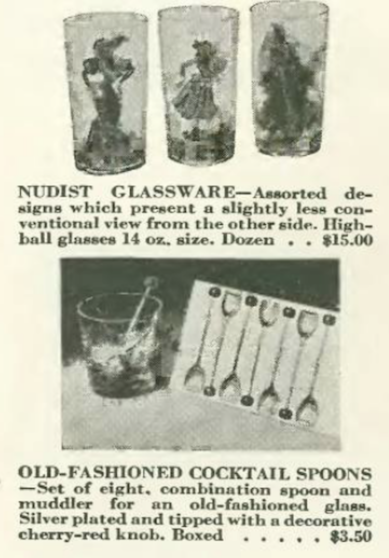
…a detail from an Abercrombie & Fitch advertisement, which suggested “Nudist Glassware” as a unique gift idea for the holidays…
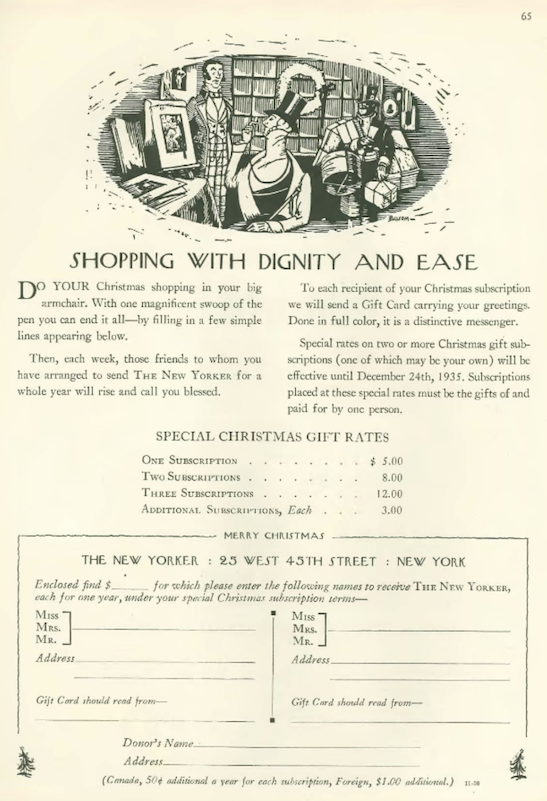
…while The New Yorker suggested a subscription (or three) as a gift that keeps on giving…curiously, the magazine used the talents of artist Lowell Leroy Balcom (1887-1938) to render this woodcut illustration of Eustace Tilley…
…James Thurber kicked off our cartoons with a familiar theme…
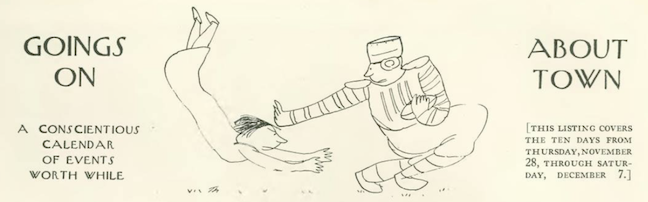
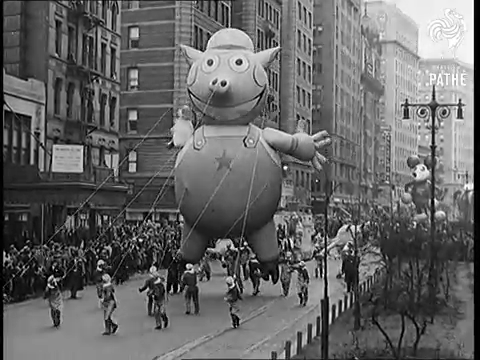
…and Victor de Pauw offered up this Macy’s Thanksgiving Day parade image to calendar section…
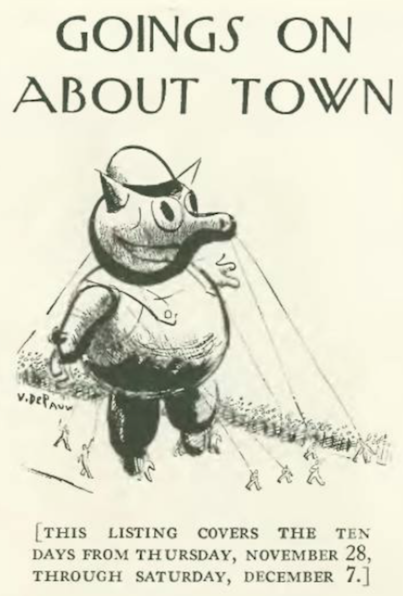
…what de Pauw illustrated…
…William Steig stepped in for Al Frueh in providing the illustration for the “Theatre” section…
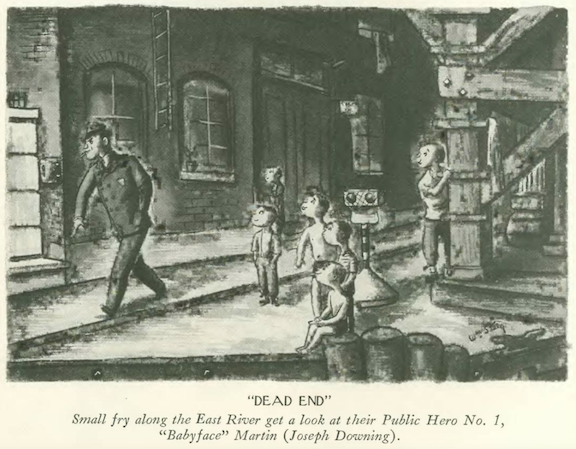
…and Steig again…

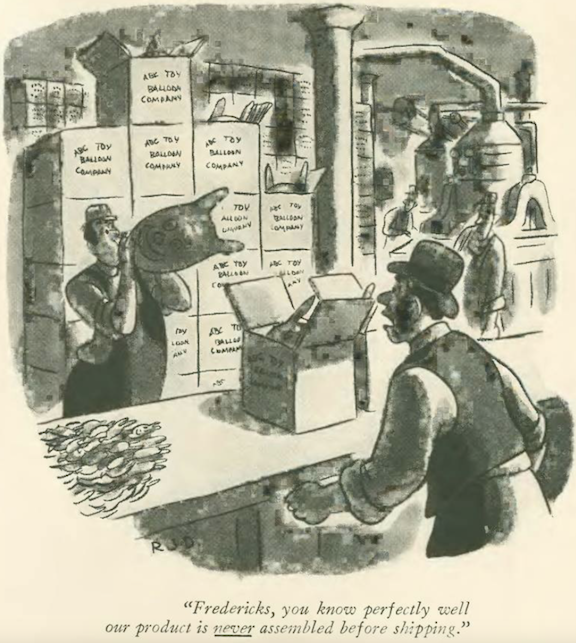
…Robert Day gave us an airhead at a balloon factory…
…Day again, with some evicted ghosts…

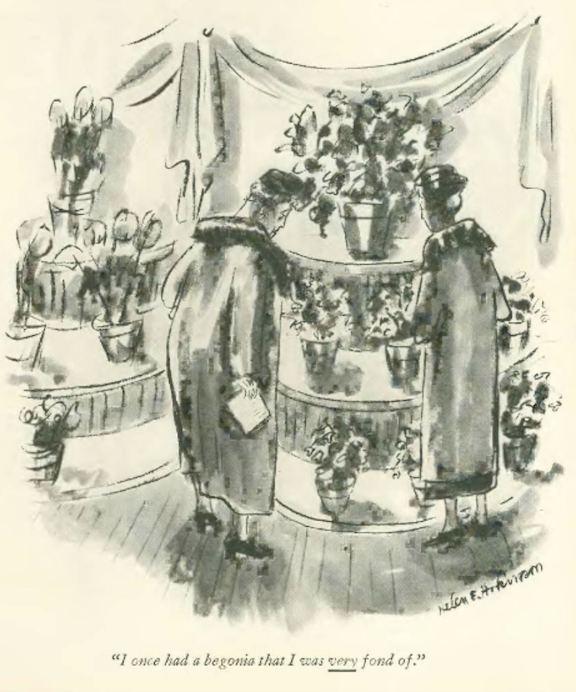
…Helen Hokinson went plant shopping…
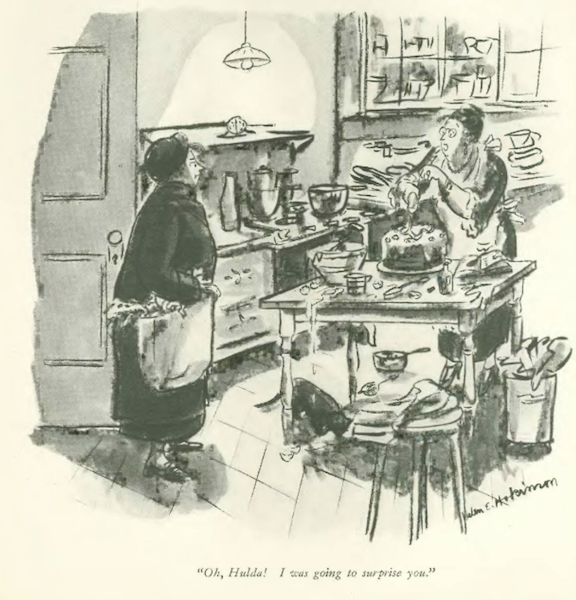
…and found a surprise in the kitchen…
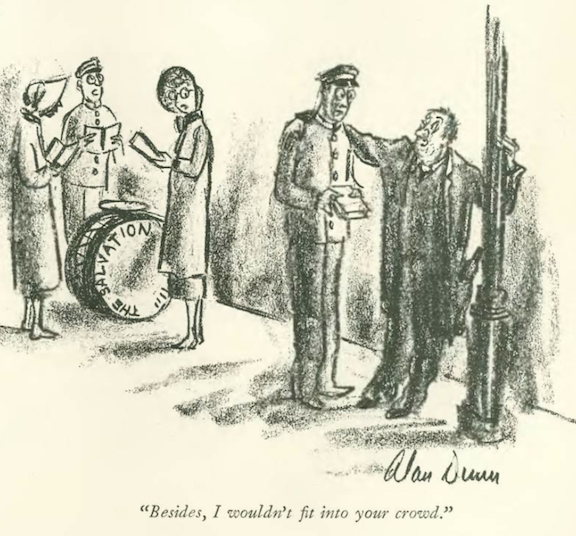
…Alan Dunn offered a challenge to the Salvation Army…
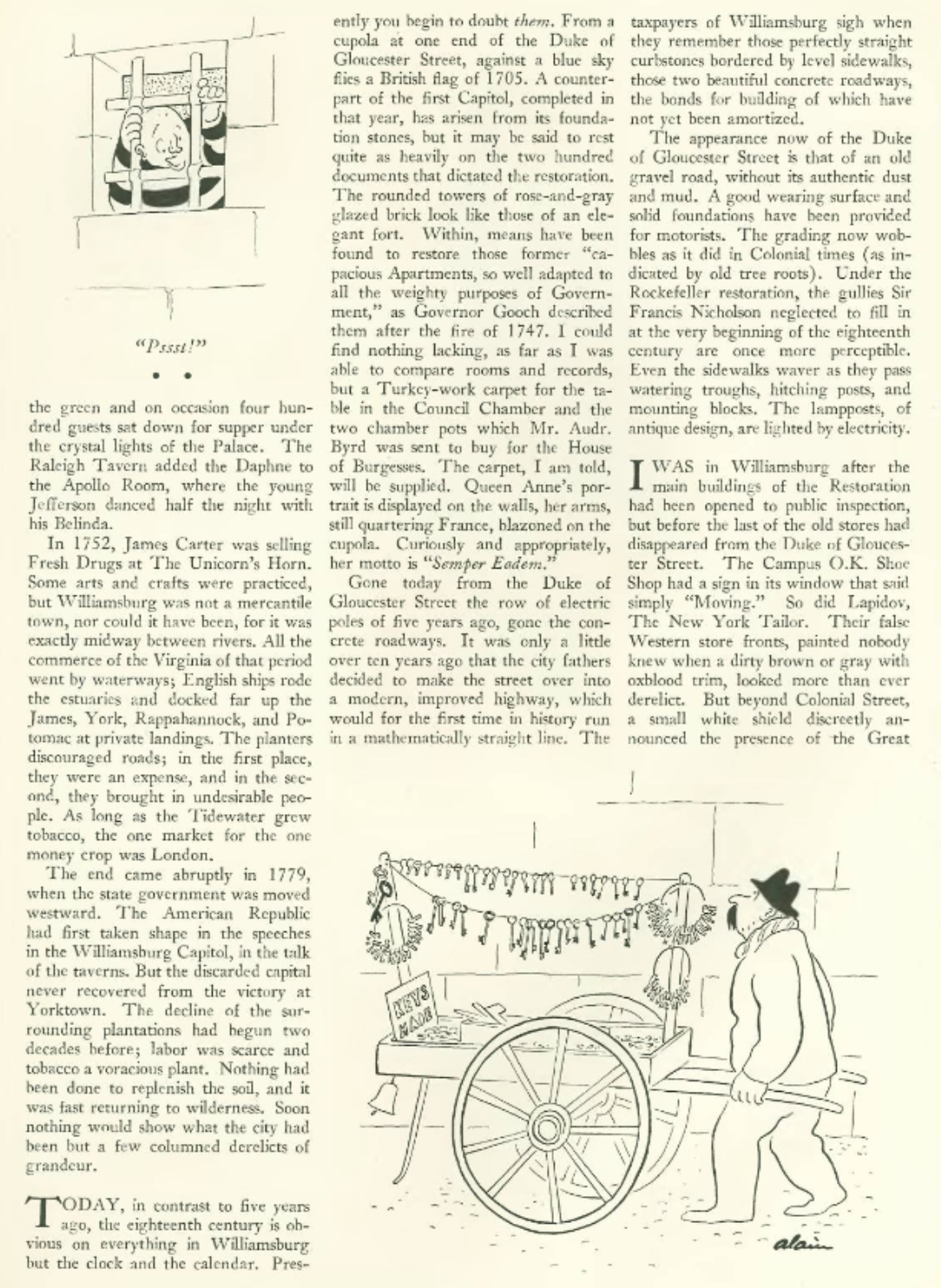
…Alain received a special layout for this cartoon…
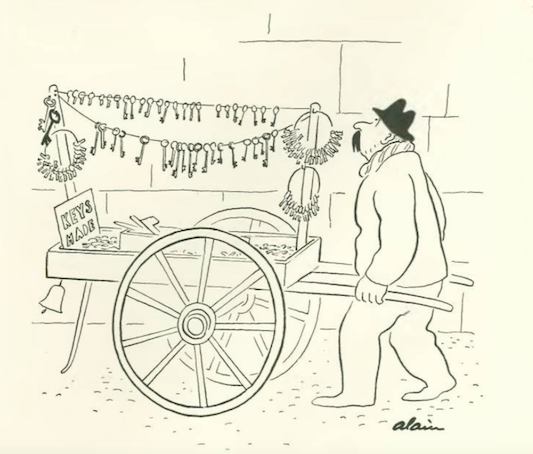
…which was arranged thusly…
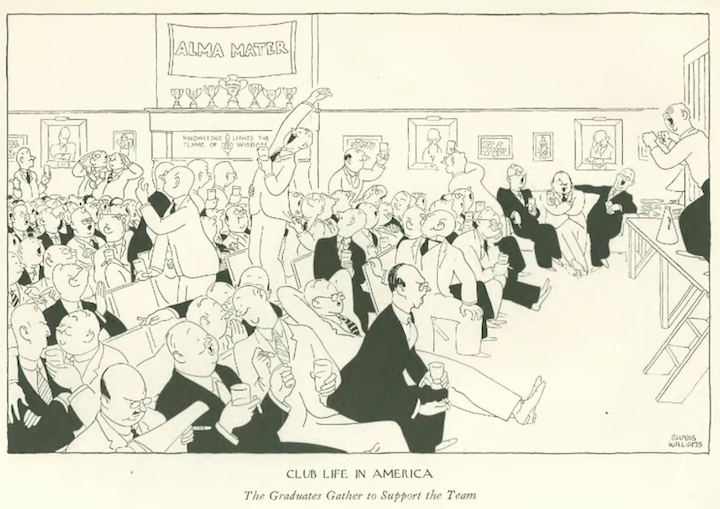
…Gluyas Williams was back with his look at club life…
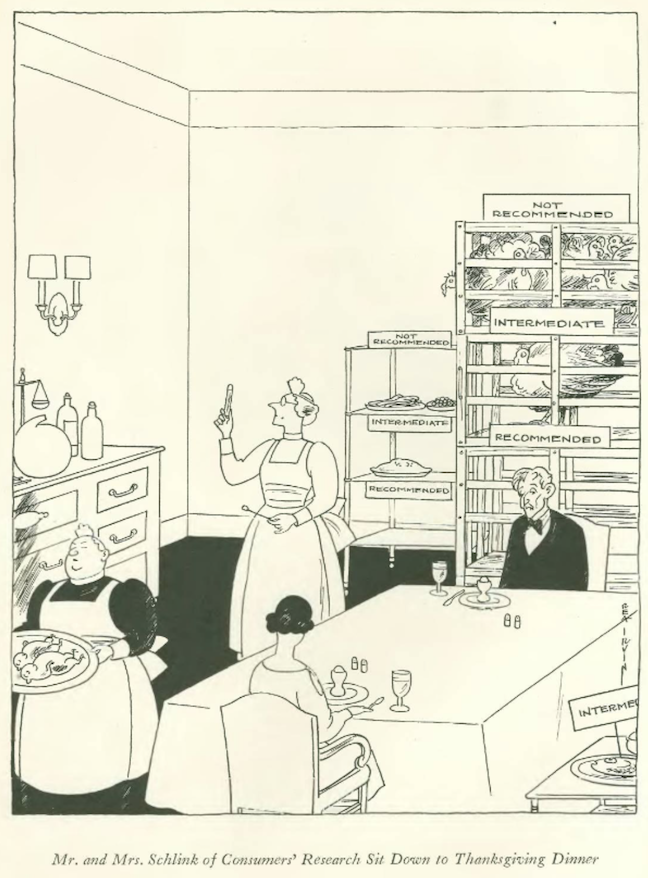
…and we close with Rea Irvin, and the science behind a holiday feast…
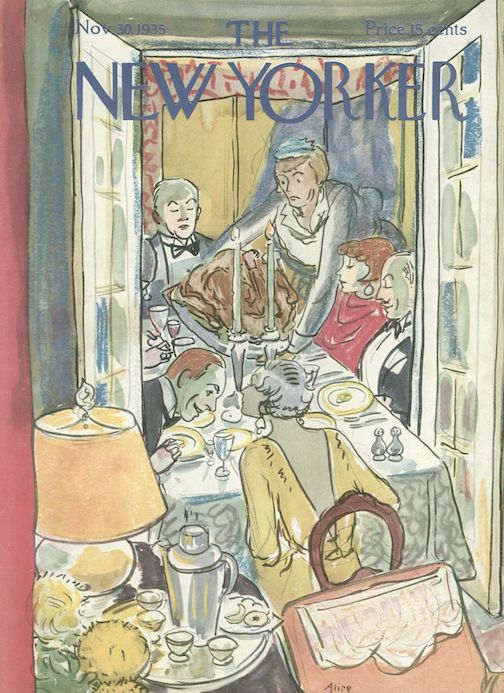
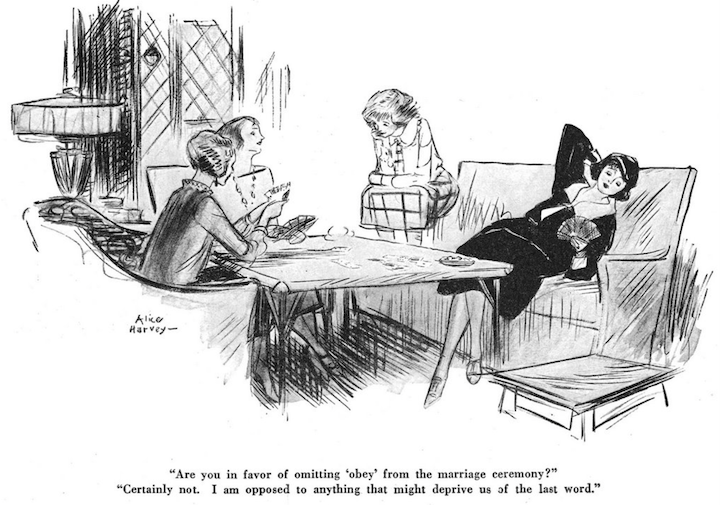
…and before we go, our cover artist, Alice Harvey, was publishing New Yorker-style cartoons in Life magazine at least three years before the New Yorker got off the ground. Here is an example of her early work, published 103 years ago on December 28, 1922:
Next Time: Two Nights at the Opera…
 A New Yorker State of Mind