They Call It Burlesque

Screenshot 2015-06-09 14.01.58
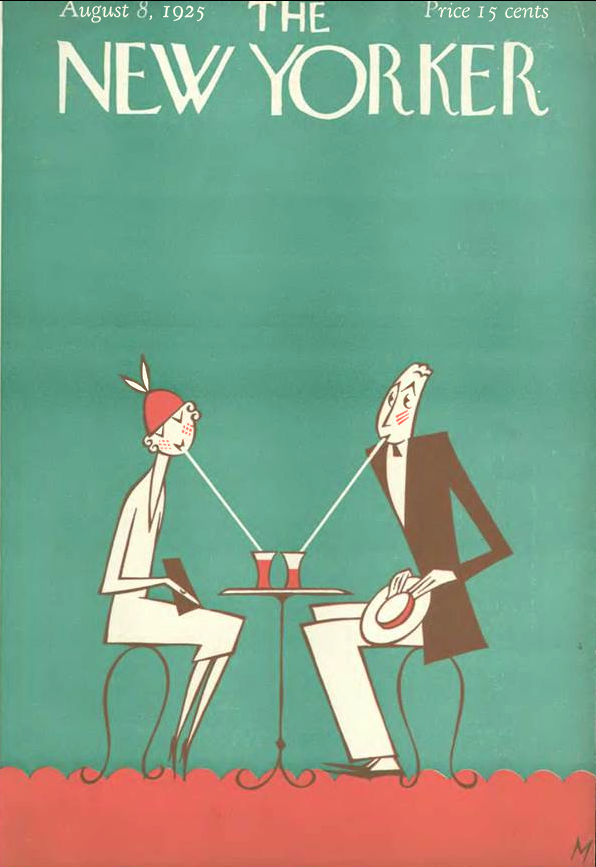
August 22, 1925 cover by A.E. Wilson.

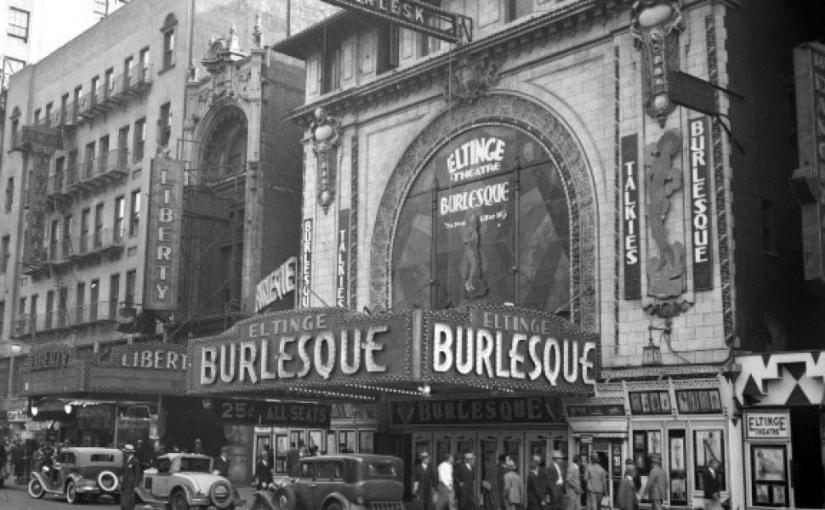
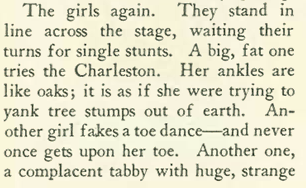
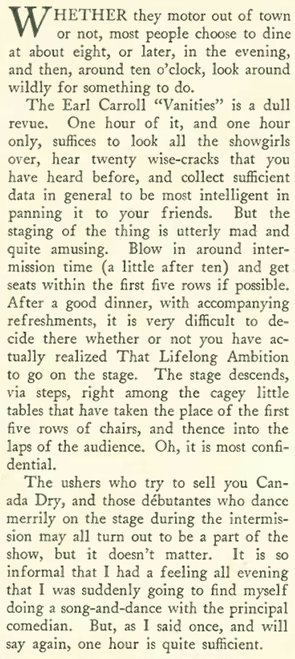
The critic Gilbert W. Gabriel was more than a bit appalled by the spectacle at the old Olympic Theatre, where a tired and “degenerated” cast of burlesque performers took turns shaking their ancient haunches in the direction of the former Julliard student.

Gilbert’s article in the August 22, 1925 New Yorker, “They Call It Burlesque,” described the performance at the Olympic on East Fourteenth Street as “on its last legs.” The once “honest animalistic, gorgeously orgiastic burlesque show of ten or twenty years ago” had “degenerated in decency,” he wrote.

Screenshot 2015-06-12 11.13.55
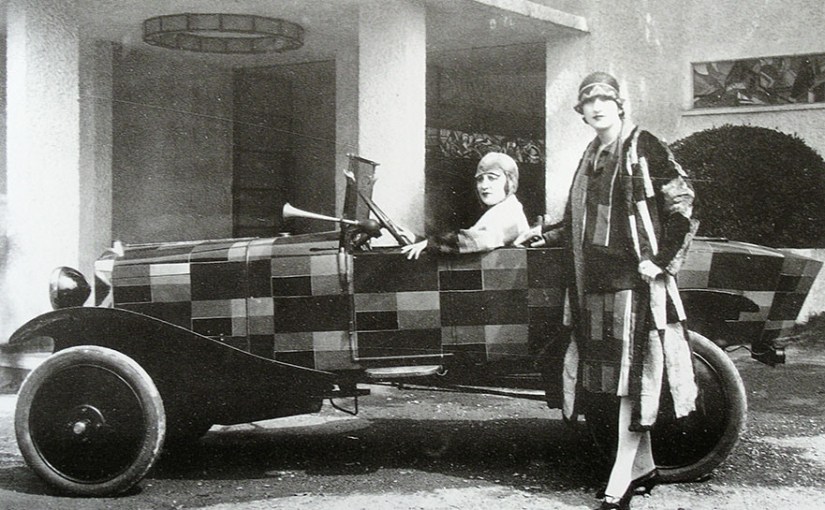
Illustration in The New Yorker of the Olympic Burlesque by Reginald Marsh.

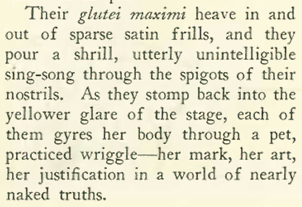
As the performers wiggled up and down the runways, Gilbert noted:

Screenshot 2015-06-12 11.06.57

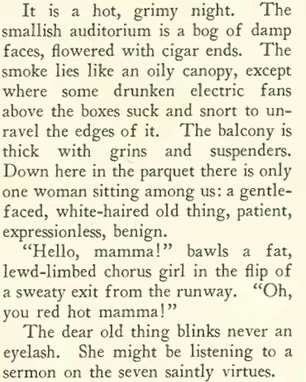
The audience was an equally sad lot:

Screenshot 2015-06-12 11.08.02

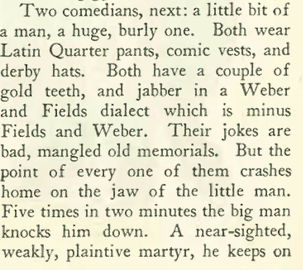
There is some relief expressed when two comedians appeared, but they offer an unimaginative routine:

Screenshot 2015-06-12 11.10.25

Screenshot 2015-06-12 11.10.33

And then back to the dancers:

Screenshot 2015-06-12 11.11.03

Screenshot 2015-06-12 11.11.26

And still more…
Screenshot 2015-06-12 11.11.56

Happier news over in “The Talk of the Town,” where jazz was getting some respect: “Jazz, successor to the outcast ragtime, each day is becoming acceptable. It is the young brother of the musical family, irresponsible and at time highly irritating, but, nevertheless, acknowledged.”

It was reported that even famed violinist Jascha Heifetz “dabbled” in jazz as an amusement, and writers of jazz were “no longer those products of East Side dives,” but rather included the likes of Buddy de Sylva, lyrist to Al Jolson, and George Gershwin, “high priest of jazz,” who was besieged by symphony conductors for his “Symphony in Blue” (better known today as Rhapsody In Blue).

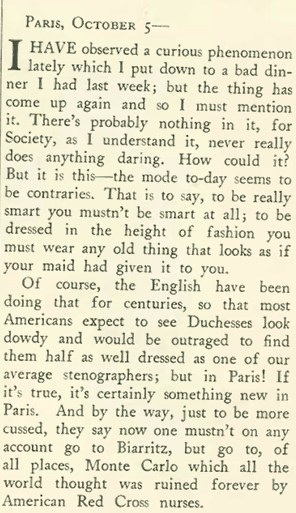
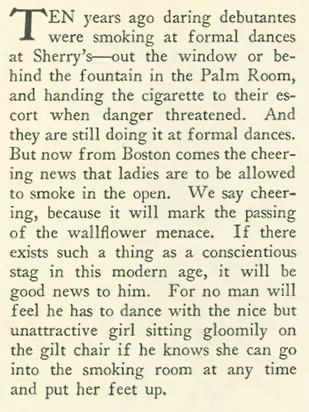
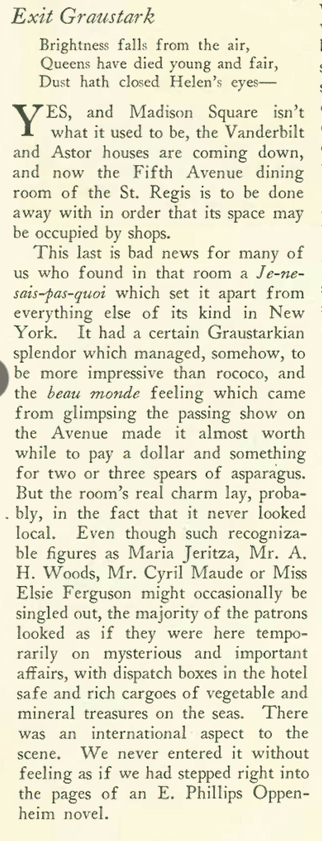
“Talk” continued its lament of the changing face of Fifth Avenue:

Screenshot 2015-06-12 14.20.34

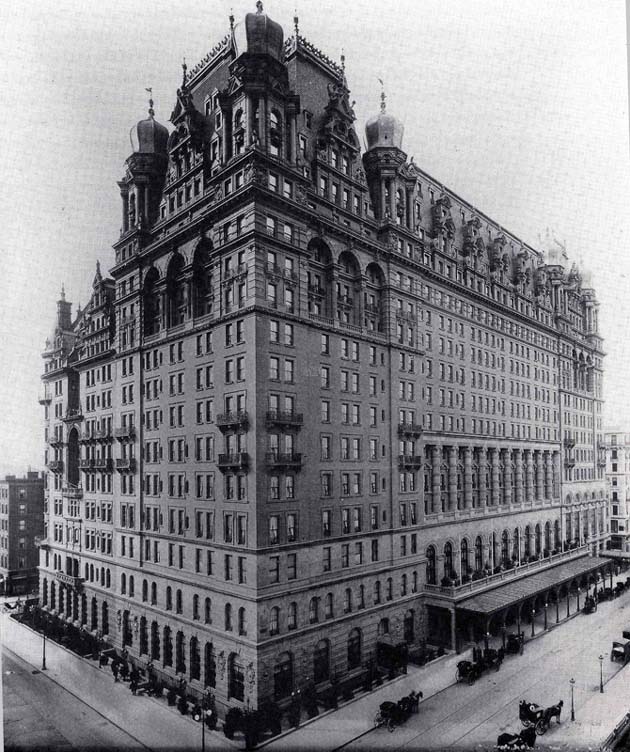
And the Waldorf Astoria was being remodeled in order to add shops on the ground floor along with “125 bathrooms,” giving the famed hotel “a bath for almost every room.” In just four years the old Waldorf would be torn down and replaced by the Empire State Building.

017- Waldorf Astoria
The old Waldorf Astoria was getting an upgrade, but it would fall to a wrecking ball in only four years. (nycago.org)

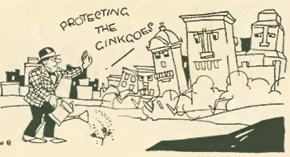
“Talk” also noted the planting of Ginkgo trees in the city:

Johan BullScreenshot 2015-06-10 16.20.44

Screenshot 2015-06-10 16.20.33

Although prized today for their beauty and hardiness, not all New Yorkers are in love with the strong odor of its fruit. In the June 30, 2008 issue of The New Yorker, Lauren Collins examined the activities of the “Anti-Ginkgo Tolerance Group” in her article “Smelly Trees.”

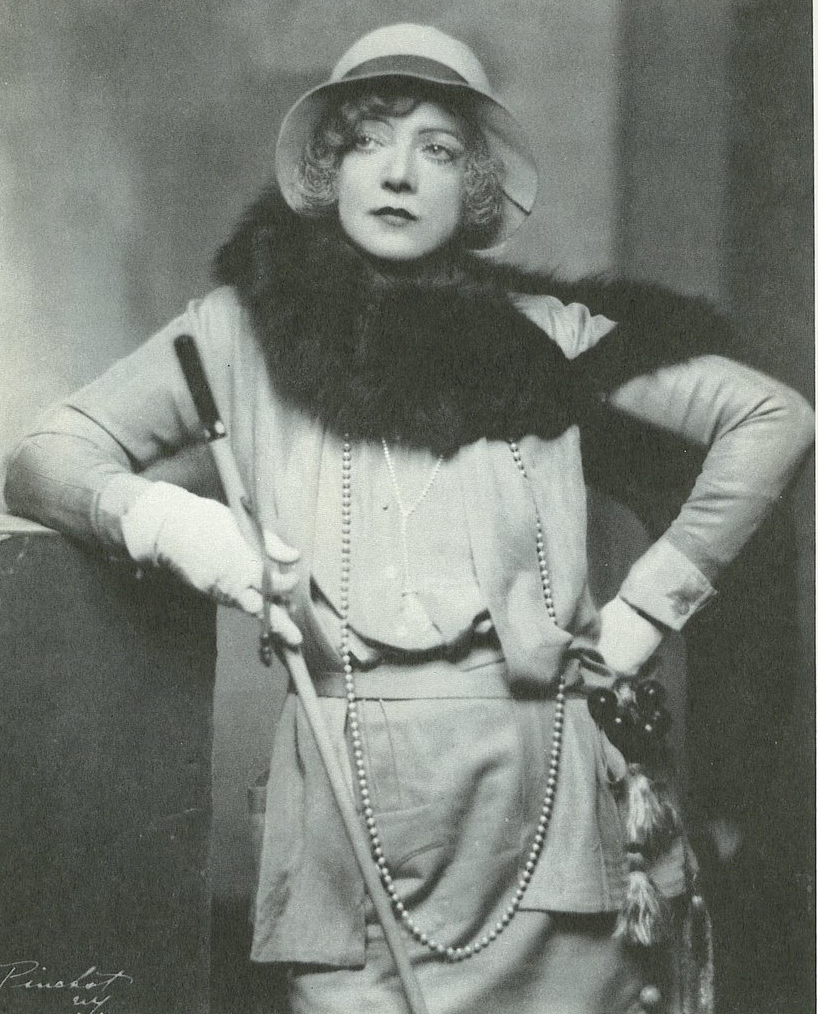
“Talk” also offered a brief glimpse into the latest adventures of Pola Negri, noting in its “This Week” section that the actress had paid “$57,000 customs dues in seized jewels…”

honey-kennedy-pola-negri-by-edward-steichen-vanity-fair-june-1925-02
Pola Negri liked nice things (Edward Steichen for Vanity Fair, 1925)

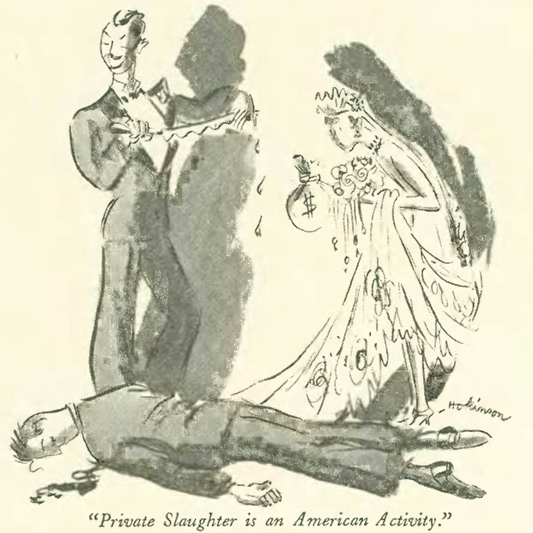
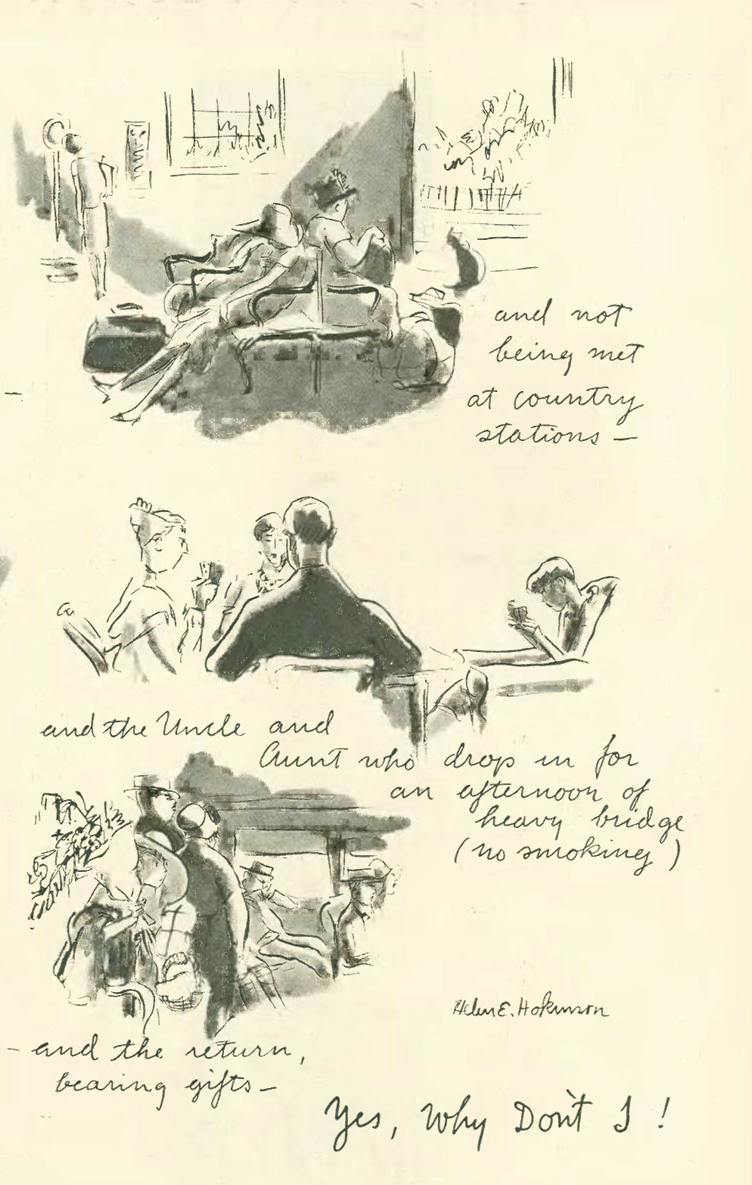
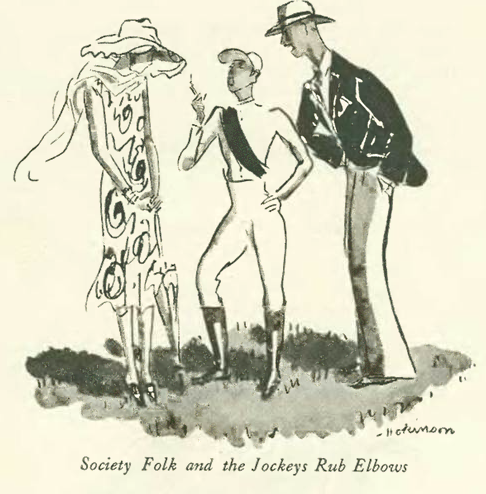
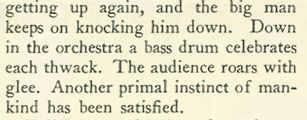
In other items, Helen Hokinson provided illustrations for an article on the horse races at Saratoga…
Screenshot 2015-06-12 14.24.41

John Tunis examined the life of tennis star Elizabeth “Bunny” Ryan in “Profiles” … and E.B. White and Alice Duer Miller offered their thoughts on why they liked New York:

Screenshot 2015-06-12 14.27.59

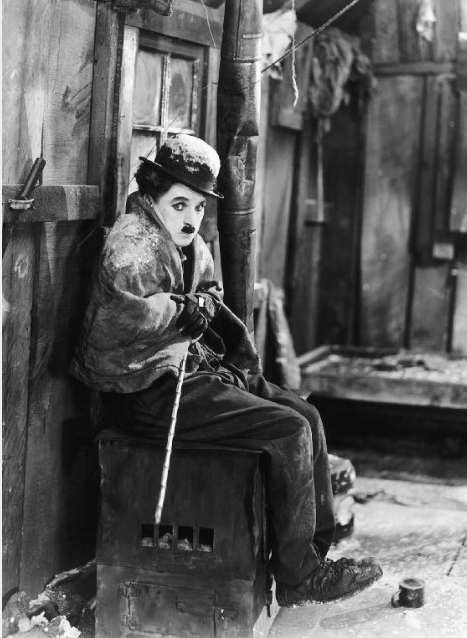
“Moving Pictures” featured a lengthy review of Charlie Chaplin’s The Gold Rush. Theodore Shane (“T.S.”) wrote that the film’s opening night at the Strand attracted such celebrities as Will Rogers and Constance Bennett.

Screenshot 2015-06-12 16.21.41
Cheer Up Charlie…Chaplin in The Gold Rush (1925) (United Artists)

Shane observed that this “dramatic comedy” was a “serviceable picture,” but perhaps Chaplin was getting “too metaphysical about his pathos” and could have used some old-fashioned pie-in-the-face slapstick.

As an example, in a scene in a typical Klondike town, Shane wrote that “one might be given to expect wonders of Gold Rush burlesque with the old Chaplin at the receiving end of the Klondike equivalent of a custard. But one is doomed to disappointment, for Chaplin has seen fit to turn on his onion juices in a Pierrot’s endeavor to draw your tears…We cannot help but recall with a tinge of sadness, the old days when custard was young.”

The_Lucky_Horseshoe_1925_Poster
(Wikipedia)

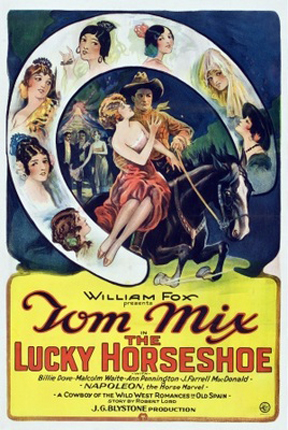
Shane went on to give short but favorable reviews to Rex Reach’s Winds of Chance (at the Piccadilly Theatre), the film’s chief props consisting of “string ties, wooden saloons, ½ dozen cold-blooded murders and the tenderfoot who conquers everything…Shane also noted that the “spiritual features” of Tom Mix in The Lucky Horseshoe (at the Rialto) lent themselves delightfully to “a lovely and sensitive drama of moyen age and modern machinations in the Fairbanks style.”

In “Books,” Harry Este Dounce (“Touchstone”) suggested readers take a look at Carl Van Vechten’s Firecrackers as a good introduction to the writer’s unique style, while J.D. Bereford’s The Monkey Puzzle was deemed only “partly good” but worth reading.

Screenshot 2015-06-12 16.35.08
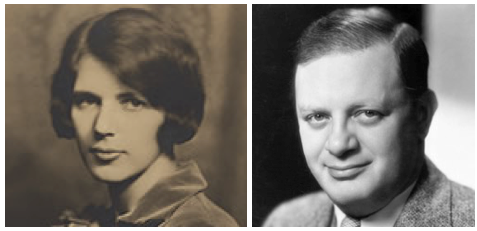
Lois “Lipstick” Long and Herman J. Mankiewicz. (PBS/Wikipedia)

In her regular nightlife review (“When Nights Are Young”), Lois Long (“Lipstick”) playfully sparred with her New Yorker colleague, theater critic Herman J. Mankiewicz:

Screenshot 2015-06-12 14.58.10

Long was referencing this Mankiewicz review in a previous issue (Aug. 8):

Screenshot 2015-06-12 15.05.24

And it all started when Long offered this observation in her July 25 “When Nights Bold” column:

Screenshot 2015-06-12 15.11.51

I hope you are fully sated. As a palate cleanser, I offer yet another droll observation of the world of old money by Gardner Rea:

Screenshot 2015-06-12 14.30.06

Next time: The waning summer season…

Screenshot 2015-06-10 16.51.20

No More Monkey Business

Screenshot 2015-05-21 15.40.37
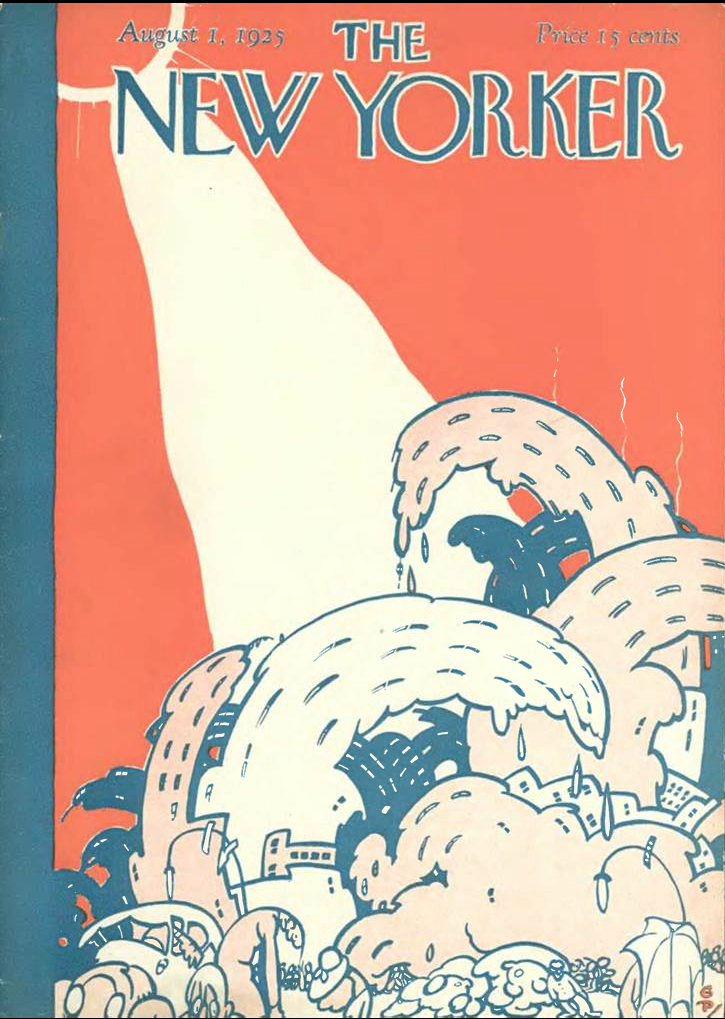
August 1, 1925 cover by Garrett Price.

For all of The New Yorker’s attention to the Scopes Monkey Trial, the August 1, 1925 issue had little to say about the trial’s outcome.

The State of Tennessee v. John Thomas Scopes was decided in the Criminal Court of Tennessee on July 21, 1925, with Scopes found guilty and fined $100 (equivalent to $1,345 in 2015), but the verdict was overturned on a technicality.

“The Talk of the Town” offered this brief observation under its weekly wrap-up column: “Mr. Scopes, found guilty, goes home to Paducah, Kentucky…”

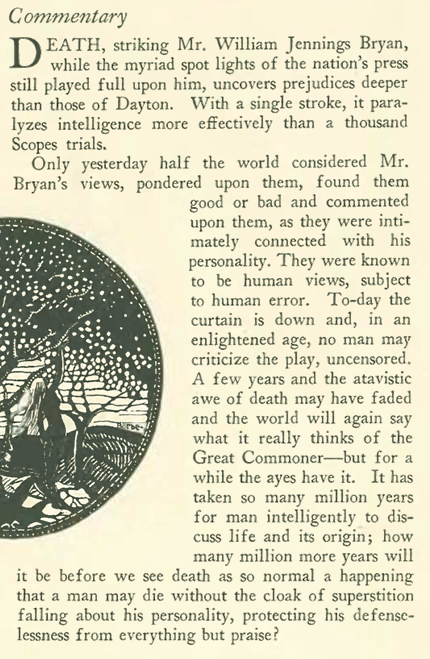
And then this item toward the end of “Talk,” announcing the death of the Scopes Trial defense attorney (and one of the magazine’s favorite punching bags) William Jennings Bryan:

Screenshot 2015-05-22 13.06.22

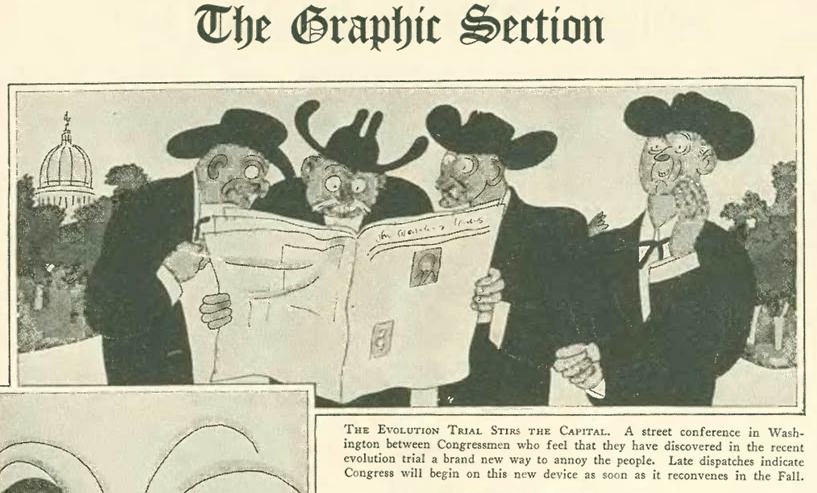
“The Graphic Section” offered this cynical twist on the trial’s outcome:

Screenshot 2015-05-22 13.09.12
(New Yorker Digital Archive)

In a related item under “Of All Things,” Howard Brubaker wrote, “Representative Upshaw of Georgia will introduce an anti-evolution bill in Congress. Upshaw is never happy unless the Ship of State is making twenty thou-shalt-nots an hour.”

Clarence Darrow, a famous Chicago lawyer, and William Jennings Bryan, defender of Fundamentalism, have a friendly chat in a courtroom during the Scopes evolution trial. Darrow defended John T. Scopes, a biology teacher, who decided to test the new Tenessee law banning the teaching of evolution. Bryan took the stand for the prosecution as a bible expert. The trial in 1925 ended in conviction of Scopes. ca. 1925 Dayton, Tennessee, USA
Clarence Darrow and William Jennings Bryan have a friendly chat during the Scopes Monkey Trial. Following the trial Bryan traveled hundreds of miles, delivering speeches in multiple towns. On July 26, 1925, he returned from Chattanooga, Tennessee to his home in Dayton. After attending church services he ate a large meal, then died during a nap that afternoon, five days after the trial’s conclusion. When someone remarked to Darrow that Bryan died from a “broken heart”, Darrow responded, “Broken heart, hell, he died of a busted belly!” (Wikipedia)

Brubaker also quipped, “Tennessee is not the only State where there is arrested mental development, but it is the only one so far where it has been fined.”

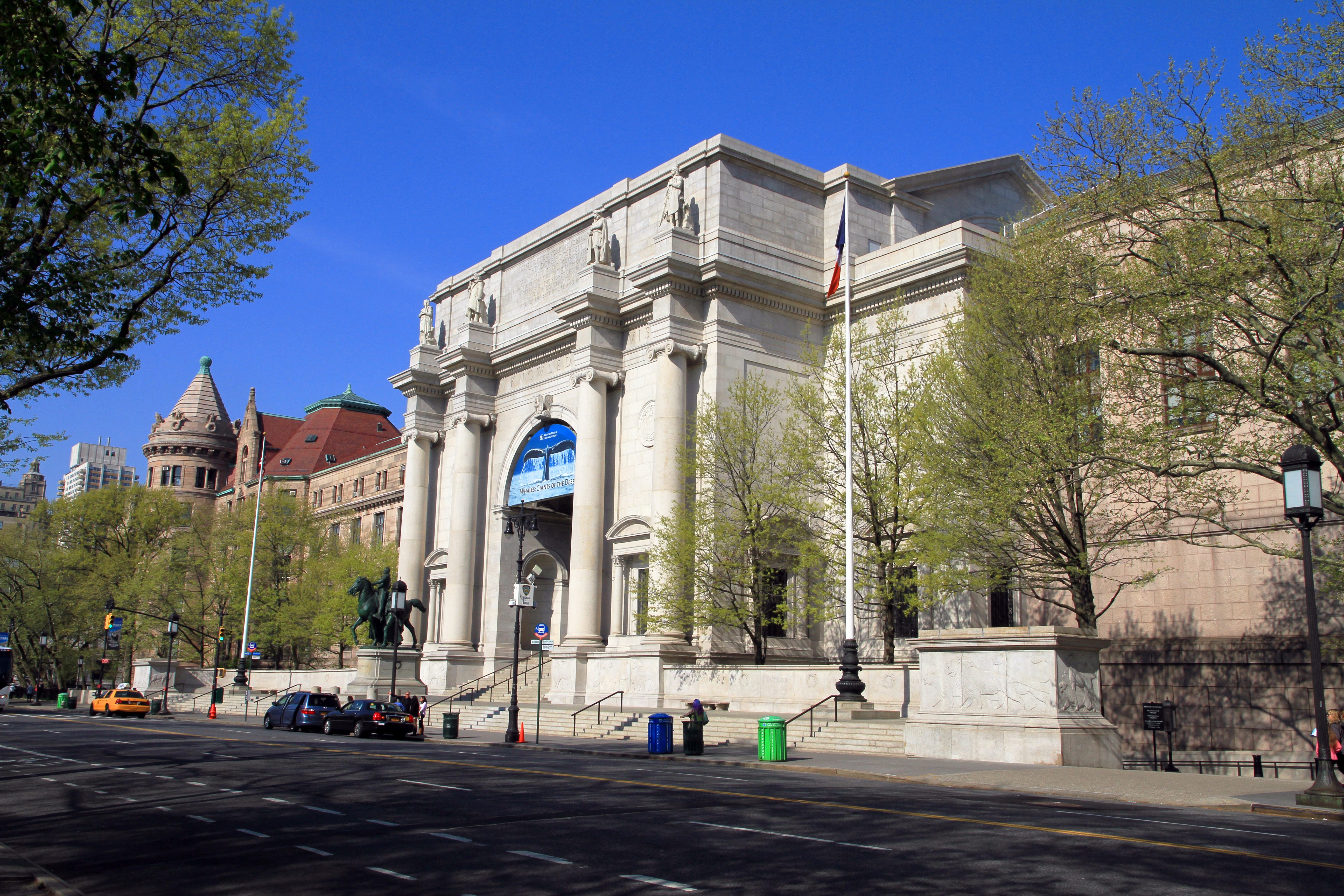
Back to “The Talk of the Town,” the design for a memorial to Teddy Roosevelt was approved, to be erected as part of the east façade of the Museum of Natural History. It was noted that the design featured Ionic columns that Roosevelt “would have detested in favor of a “native expression of the arts…”

USA-NYC-American_Museum_of_Natural_History
The Museum of Natural History façade designed by John Russell Pope. (Wikimedia Commons)

“Talk” continued: “One recalls that Colonel Roosevelt wrote the American Institute of Architects deprecating the use of the lions which doze at the entrance to the Public Library, and advocating the placing there of bisons instead…The memorial to the man who insisted thus on American art, rather than imitation of foreign models, is to be a severely classic as the facade of –let us say—the First National Bank of Dubuque, Iowa.”

New_York_Public_Library_060622
Lion guards New York Public Library entrance. Teddy would have preferred the native bison. (Wikimedia Commons)

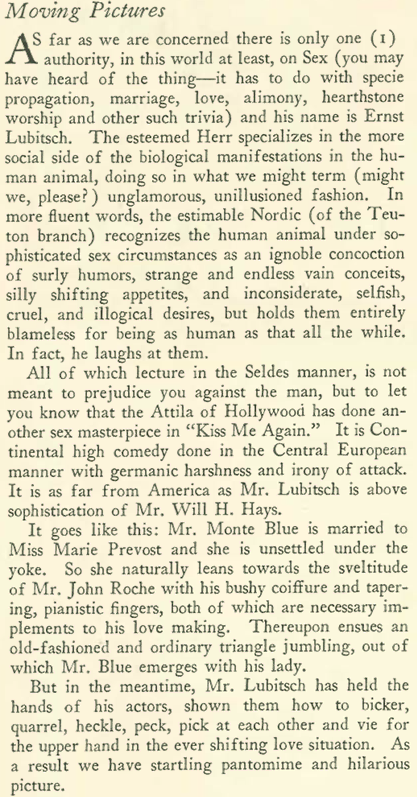
“Profiles” featured Walter L. Clark, a “genius who made art into business.” The movie reviews included Theodore Shane’s fumings on prudishness of American censors (Will Hays in particular) especially when compared to more liberal European productions by directors such as Ernst Lubitsch:

Screenshot 2015-05-22 15.46.17

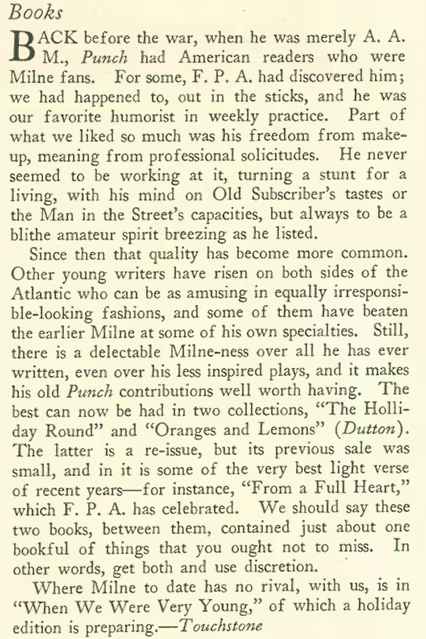
In books, the magazine continued its admiration for the jottings of A.A. Milne:

Screenshot 2015-05-22 15.47.46
(New Yorker Digital Archive)

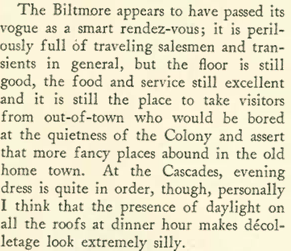
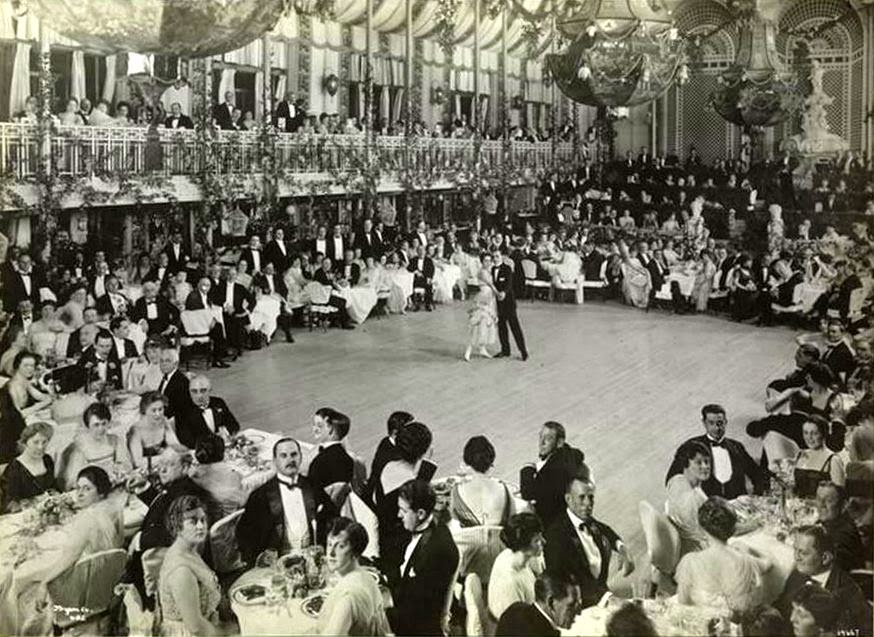
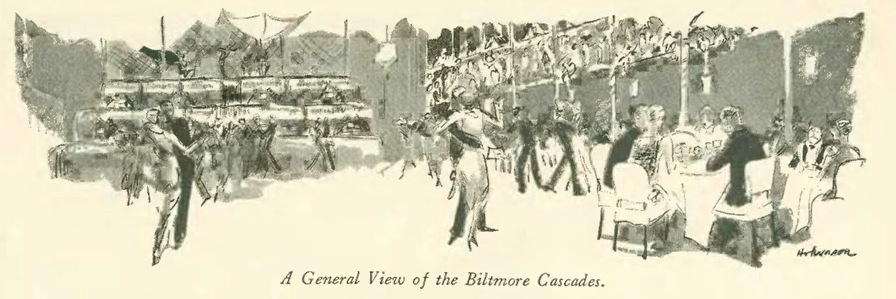
As for night life, The New Yorker lamented (“When Nights Are Bold) that the rooftop garden at the Biltmore “was the only bower worthy of the name left in town where quiet or startling simplicity reigns”:

Screenshot 2015-05-22 15.50.27

BiltmoreCascades
The Biltmore Cascades (Museum of the City of New York)
Screenshot 2015-05-22 15.51.01
Illustration of the Cascades by Helen Hokinson. (New Yorker Digital Archive)

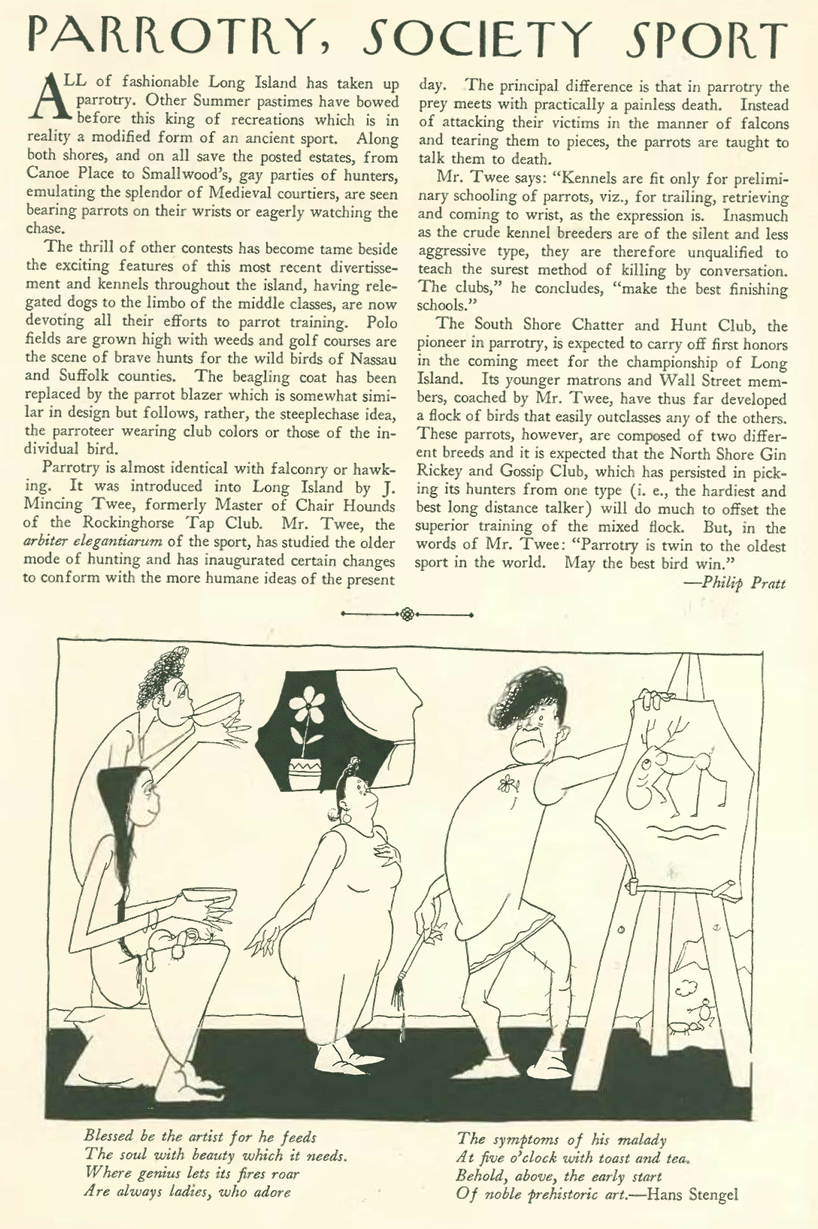
And speaking of society pursuits, Philip Pratt offered this parody on falconry, while Hans Stengel took aim at the starving artists:

Screenshot 2015-05-22 15.41.45
(New Yorker Digital Archive)

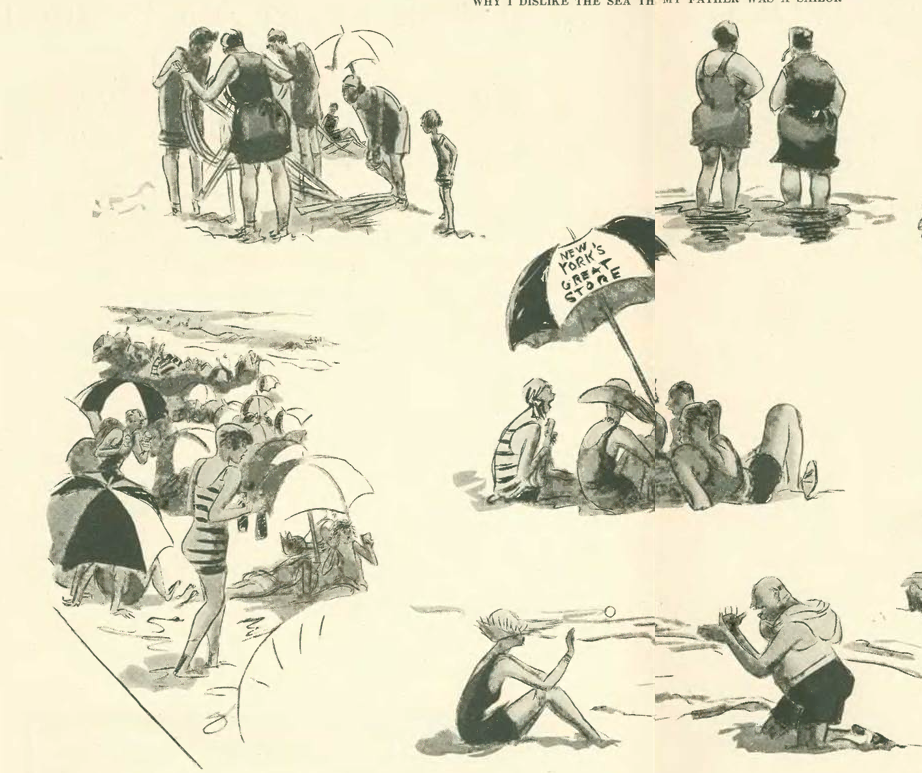
And we end with a detail of summertime images (by Helen Hokinson) from the center spread of the August 1 issue:

Screenshot 2015-05-22 15.39.56
(New Yorker Digital Archive)

Next time: The dog days of summer.

Screenshot 2015-06-04 12.52.15