
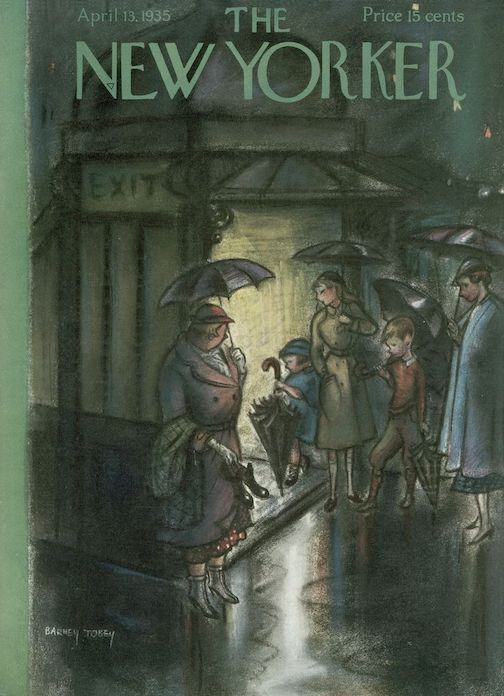
If you lived in Germany in 1935, or in Italy or Spain for that matter, the world would have looked very different from the one most Americans were experiencing, clawing their way out of the Great Depression and hoping to improve their domestic lives. War was not big on their worry list.
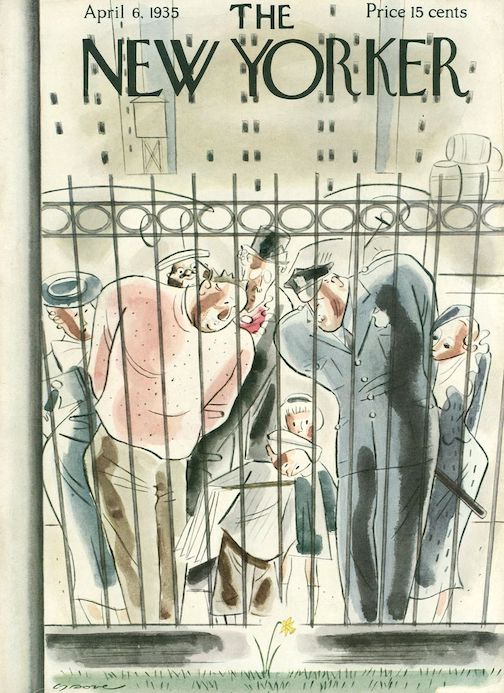
In his “Notes and Comment,” E.B. White satirized the talk about war that was filling more column inches in the nation’s newspapers. He was particularly scornful of journalists such as Arthur Brisbane—the influential editor of William Randolph Hearst’s media empire—who was fond of giant headlines warning of impending war.

White wasn’t naive about the possibilities of war; however, he believed obsessing about things over which we have little control did little to help the human condition. Helping one’s neighbor, on the other hand, would do the world more good. In 1939, just six months before Germany invaded Poland, White wrote a piece titled “Education” for his Harper’s Magazine column, One Man’s Meat. This excerpt helps define his worldview:
“I find that keeping abreast of my neighbors’ affairs has increased, not diminished, my human sympathies…in New York I rise and scan Europe in the Times; in the country I get up and look at the thermometer—a thoroughly set-contained point of view which, if it could infect everybody everywhere, would I am sure be the most salutary thing that could happen to the world.”
With that, here is a selection from the April 6 “Notes and Comment”…


In March 1973, a “Mr. Nadeau” wrote a letter to E. B. White expressing fears about humanity’s bleak future. Here are the first and last lines of White’s reply:
As long as there is one upright man, as long as there is one compassionate woman, the contagion may spread and the scene is not desolate. Hope is the thing that is left to us, in a bad time. I shall get up Sunday morning and wind the clock, as a contribution to order and steadfastness…Hang on to your hat. Hang on to your hope. And wind the clock, for tomorrow is another day.
* * *
Another Viewpoint
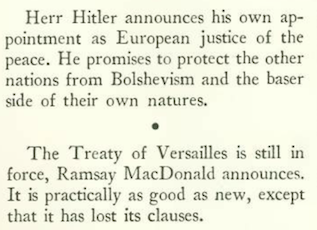
Ever the observer of the passing scene, Howard Brubaker made these relevant observations in “Of All Things”…
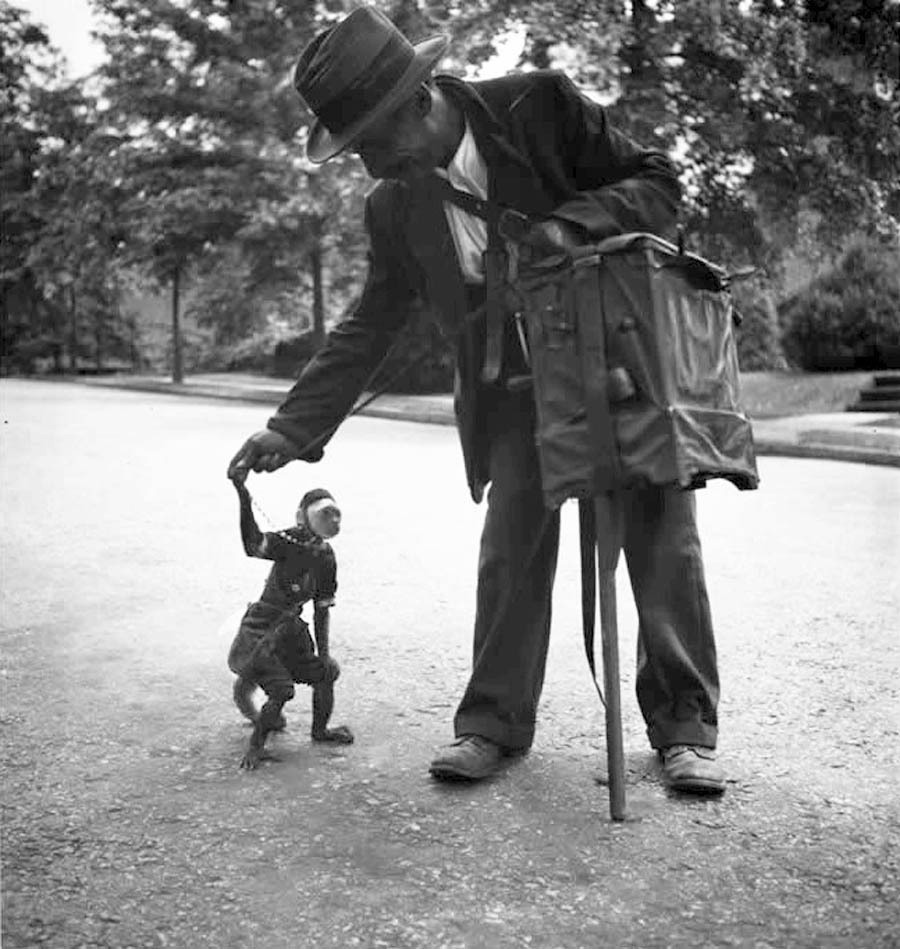
…and back to White’s “Notes,” and the imminent passing of the beloved organ grinder…

* * *
Give Him More Mickey Mouse
John Mosher expressed his displeasure with movies that failed to deliver some escape from life’s mundane realities or offered little more than tepid storylines.


* * *
Odds and Ends
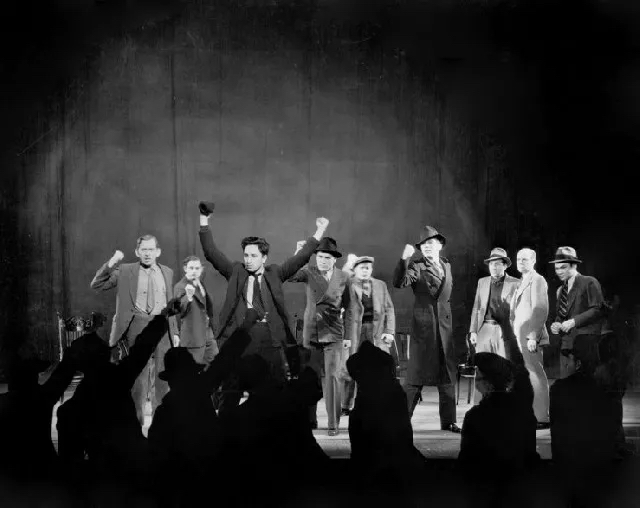
Also in the issue, John O’Hara kicked off the short fiction with “I Could Have Had A Yacht,” Margaret Case Harriman penned a profile of Elizabeth Arden (of cosmetics empire fame), and theatre critic Wolcott Gibbs enjoyed the “bitterly effective performances” in Clifford Odets’ Waiting For Lefty, which was being produced at the Longacre Theatre.
* * *
From Our Advertisers
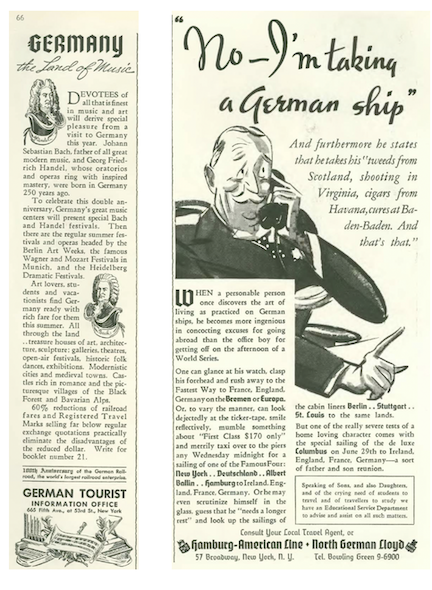
While Hitler ramped up weapons production and prepared to enact the Nuremberg Race Laws, the German Tourist Office touted their country as “The Land of Music” in this one-column advertisement on page 66 (left)…a couple of pages later we have an old chap looking forward to a German cruise and a quiet soak at Baden-Baden in the midst of madness…
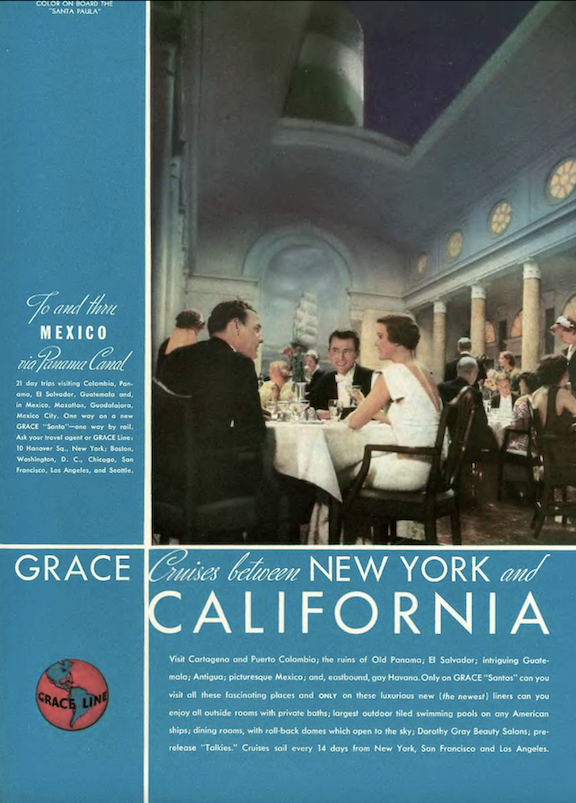
…now this is more like it, fine dining under the stars aboard the Santa Paula, far from the maddening crowds…
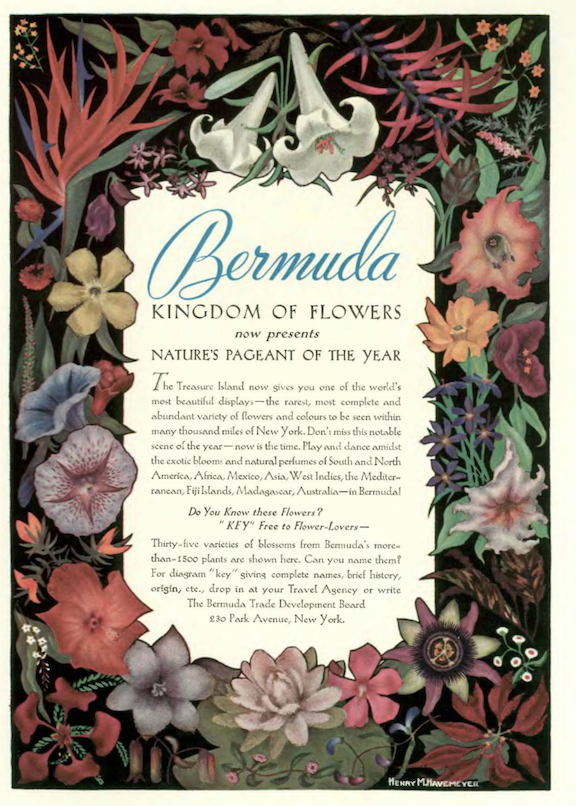
…there were several colorful full-page ads in the issue, including this splashy display from the very un-splashy-sounding Bermuda Trade Development Board…
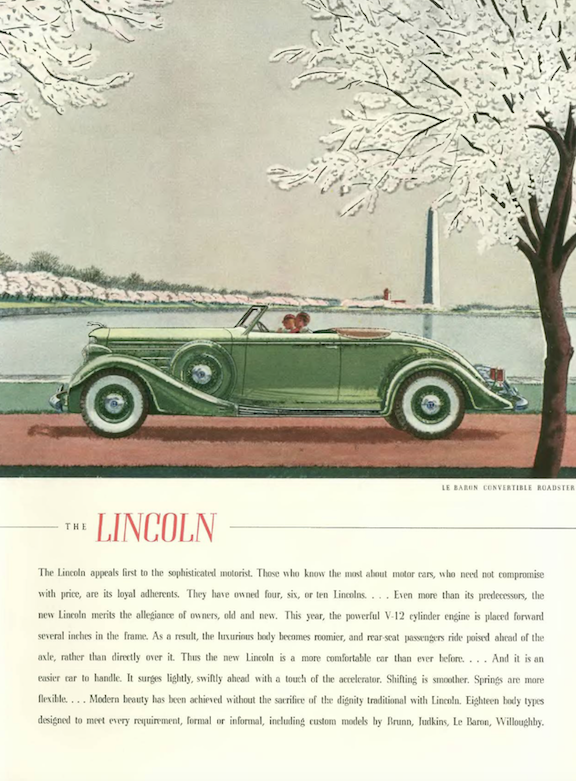
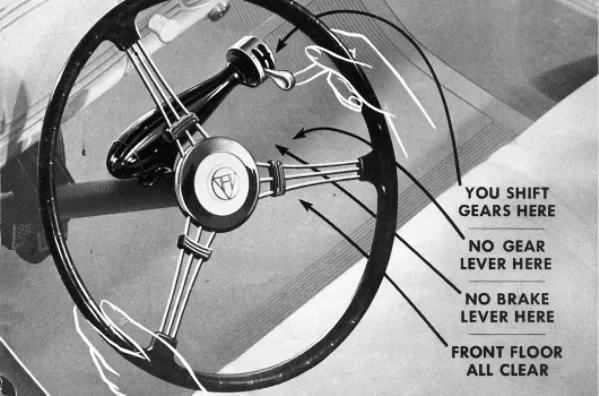
…cherry blossoms lined the path of Lincoln’s Le Baron Roadster…
…Camel played to a wide demographic, from ads featuring stylish young women to ads like this that roped in everyone from an “enthusiastic horsewoman” to an engineer working on the Boulder (now Hoover) Dam…

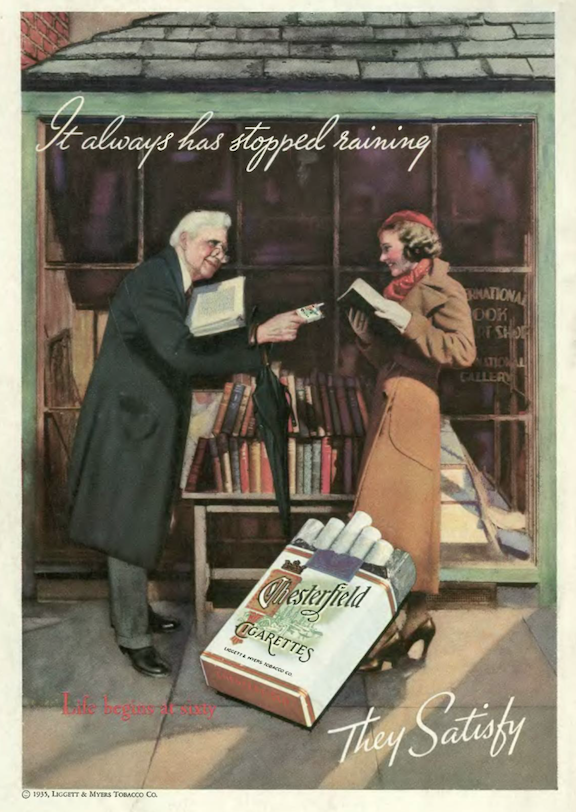
…I’m not sure what “Life begins at sixty” is supposed to mean, unless it’s about tempting young women with your bad habit…
…the New York American was hoping that some of the “Best People” who read The New Yorker would also want to read their apartment rental want ads…

…spring was in the air at Richard Hudnut’s Fifth Avenue salon…if you had dry skin, it was recommended you try a product with the unfortunate name “Du Barry Special Skin Food”…

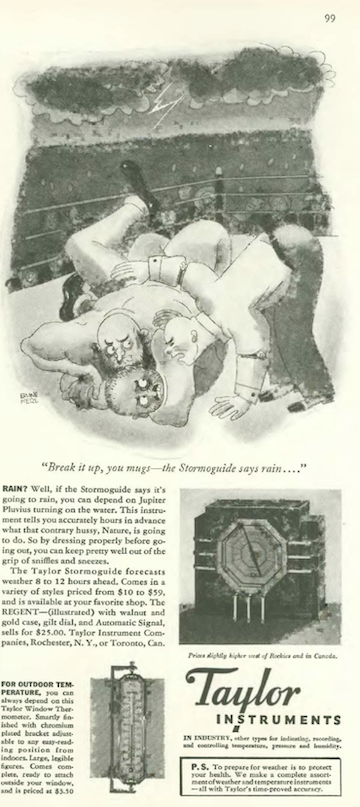
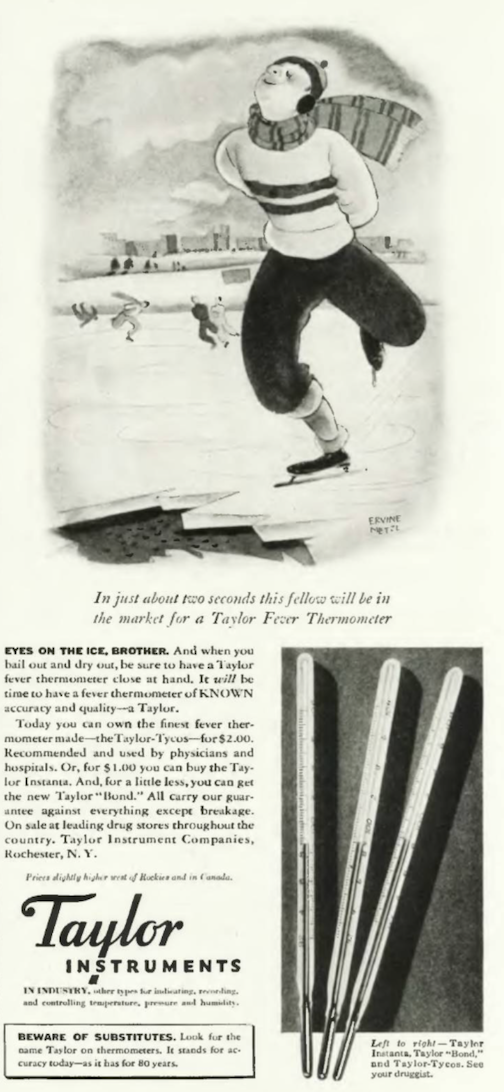
…Taylor Instruments hoped readers would monitor the spring weather with one of their stylish thermometers…American graphic artist and illustrator Ervine Metzl provided the artwork…he was best known for his posters and postage stamp designs…
…which brings us to our illustrators and cartoonists, beginning with this small woodcut on page 6 signed “Martin”…

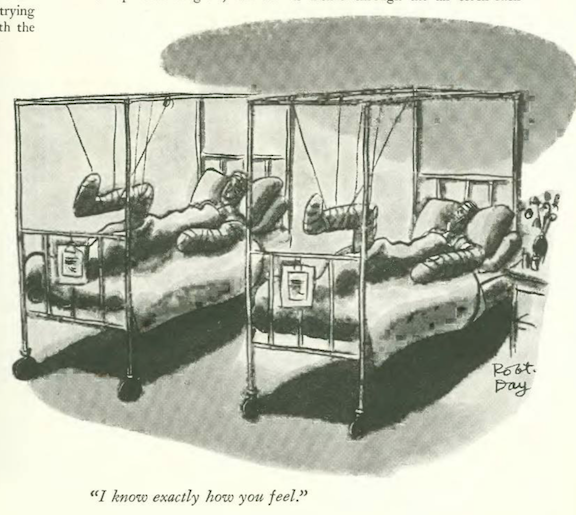
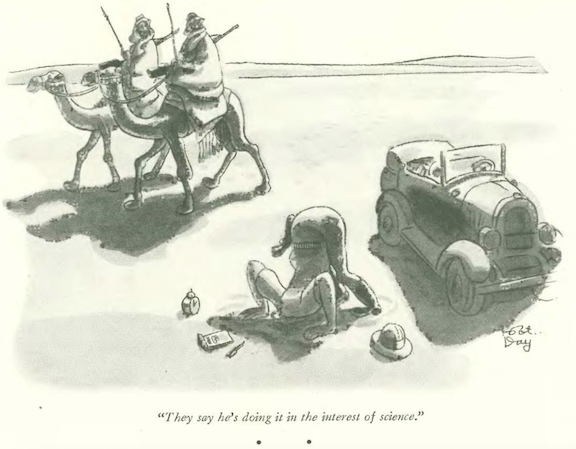
…empathy gained some traction in this Robert Day cartoon…
…Alan Dunn demonstrated the effect of the Depression on the building trades…

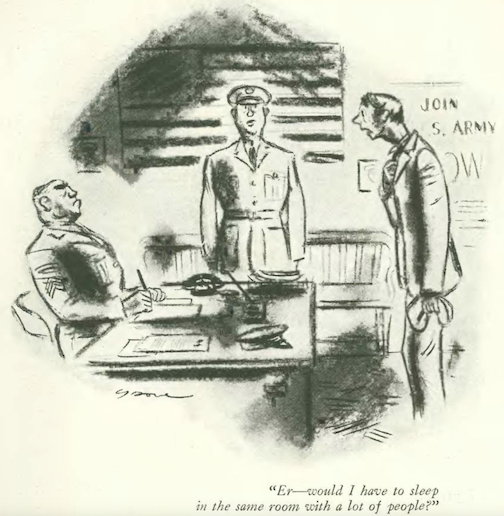
…Leonard Dove found one enlistee not ready for basic training…
…Syd Hoff showed us all the right moves…

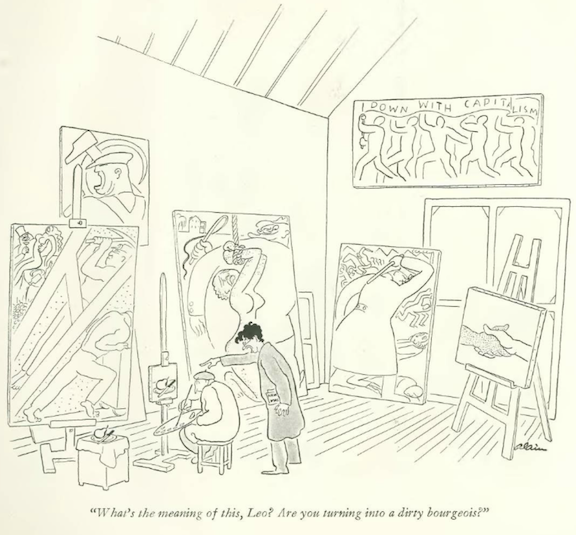
…Alain was up in the garret with an artist in need of some peace…
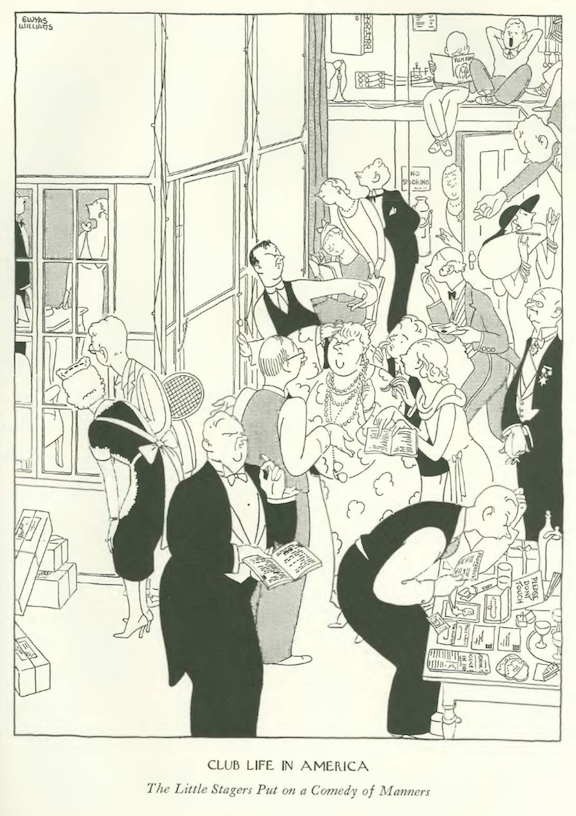
…Gluyas Williams took a glimpse backstage…
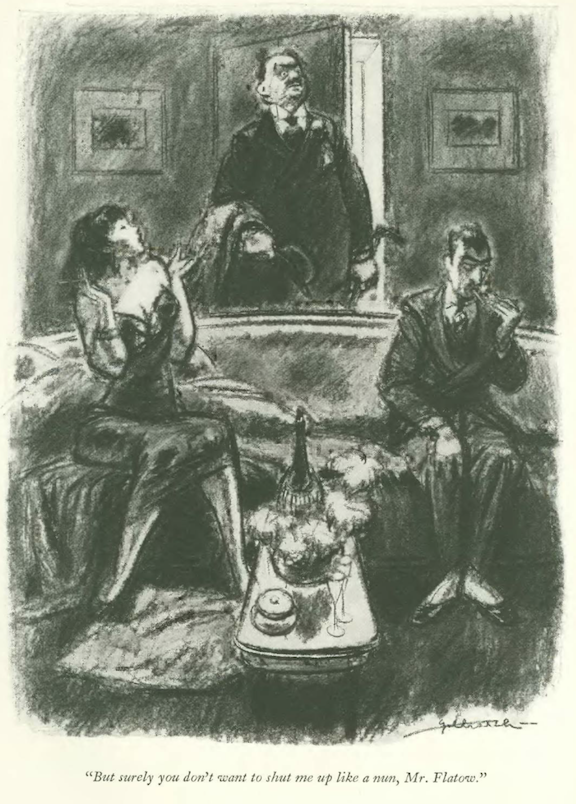
…William Crawford Galbraith was still exploring the world of sugar daddies and golddiggers…
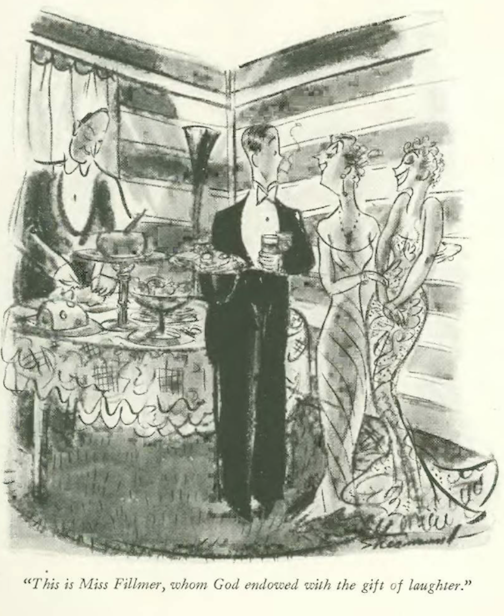
…Barbara Shermund introduced a few giggles…
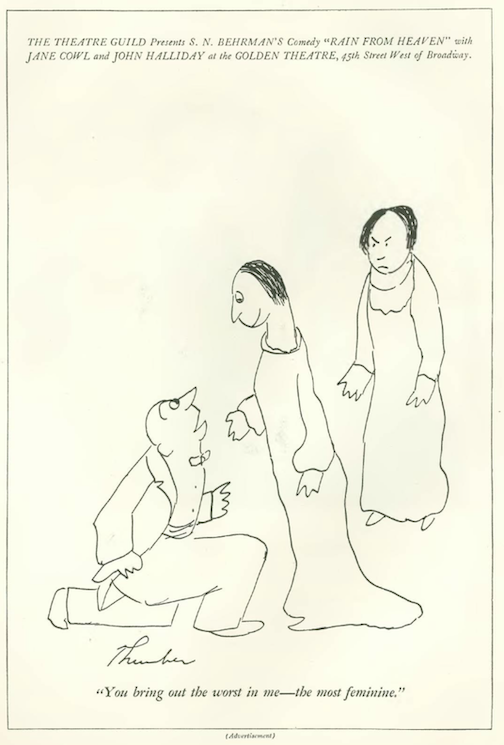
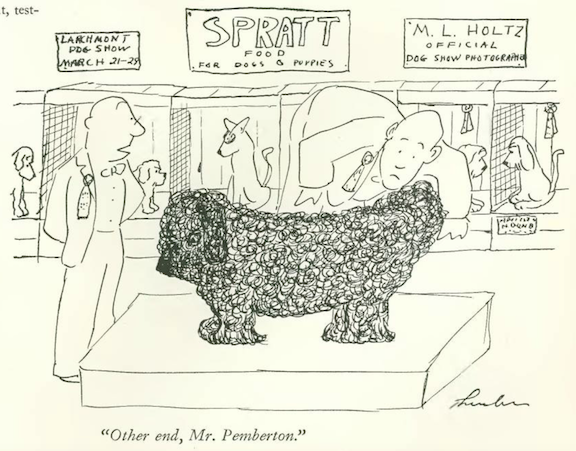
…and we close with another James Thurber classic…

Next Time: The Cowboy Philosopher…













 A New Yorker State of Mind