
Above: Portrait of Georgia O'Keeffe, 1935, by Alfred Stieglitz, gelatin silver print; at right, O'Keeffe's Ram's Head, White Hollyhock-Hills, 1935. Oil on canvas. (National Gallery/Brooklyn Museum)
Over the seven decades of her career, Georgia O’Keeffe created works that did not necessarily follow the art movements of the 20th century. Critic Lewis Mumford referred to these works as “autobiographies in paint,” every painting “as enigmatic as the Mona Lisa.”
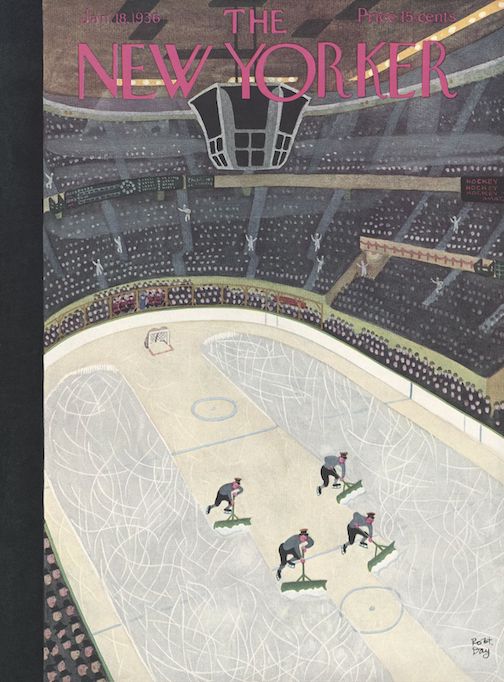

O’Keeffe was married to art dealer and photographer Alfred Stieglitz, who exhibited her works at his “An American Place” gallery at 53rd and Madison. The couple had a complex, open relationship (Stieglitz had a number of affairs) that proved painful to O’Keeffe, and in 1933 she was hospitalized for two months after experiencing a nervous breakdown; she did not paint again until the following year. Although Mumford did not directly reference this episode in O’Keeffe’s life, he did note that “Certain elements in O’Keeffe’s biography were plainly visible” in her paintings.
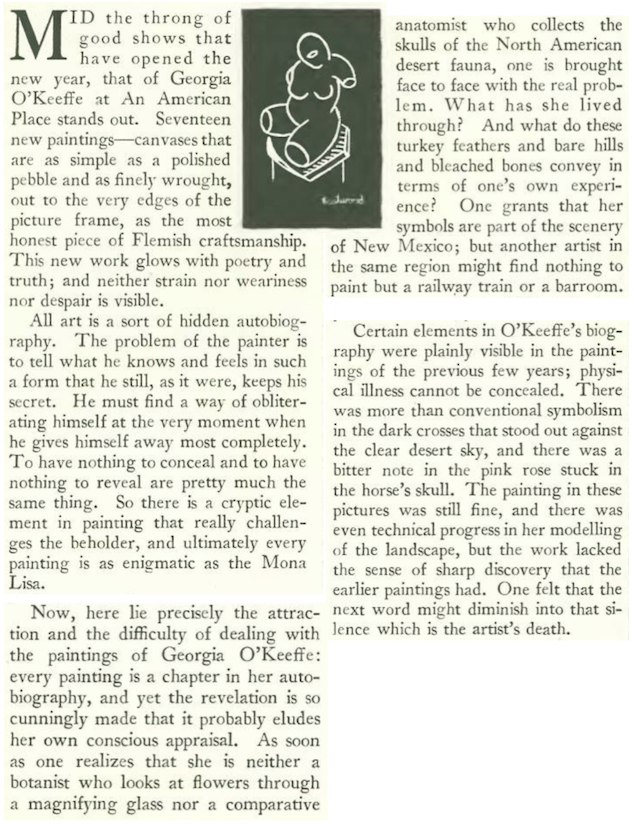

Mumford noted that O’Keeffe’s newer works revealed a “resurrection of spirit,” such as the painting of a ram’s skull, “with its horns acting like wings, lifted up against the gray, wind-swept clouds…”

* * *
Lights Out
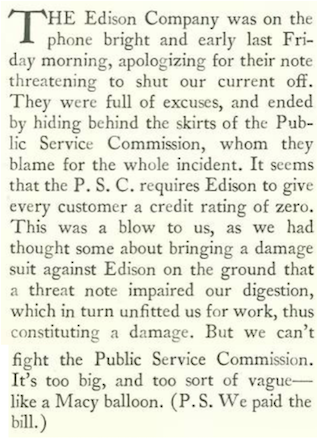
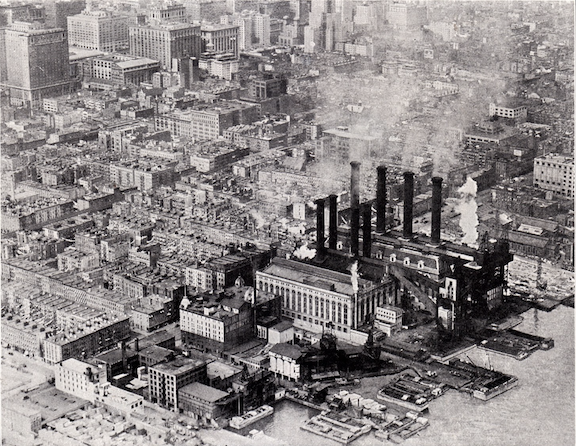
In the previous issue E.B. White noted that the Edison Company was threatening to cut off electric service to the magazine’s offices due to nonpayment. This “Notes and Comment” update cleared up the matter.
* * *
Revisiting a Pint-size Poet
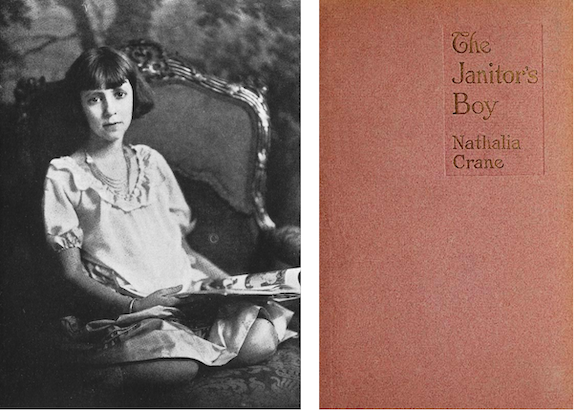
“The Talk of the Town” paid a visit to Nathalia Crane (1913–1998), who became famous after the 1924 publication of her first book of poetry, The Janitor’s Boy, at the age of ten. Excerpts:
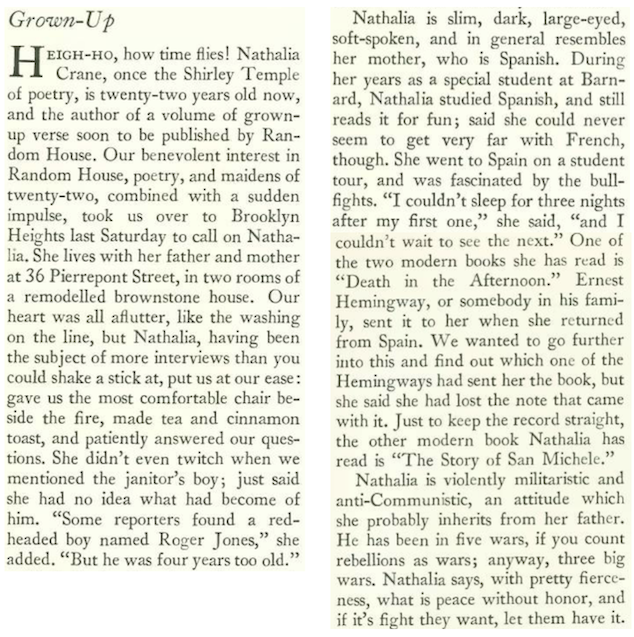
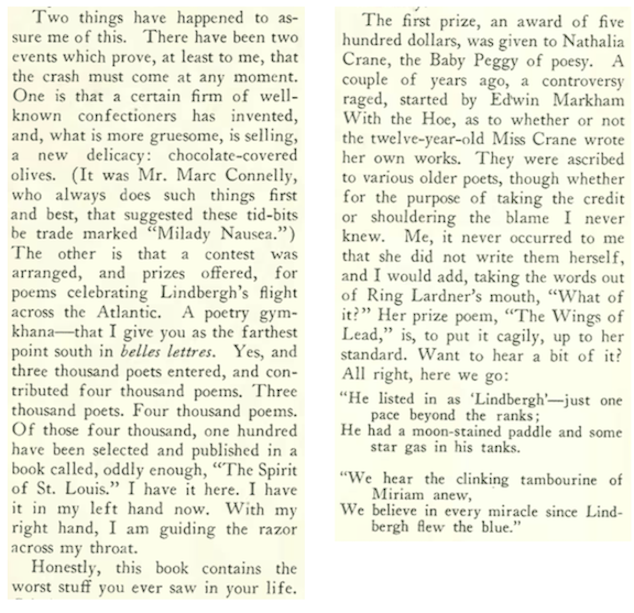
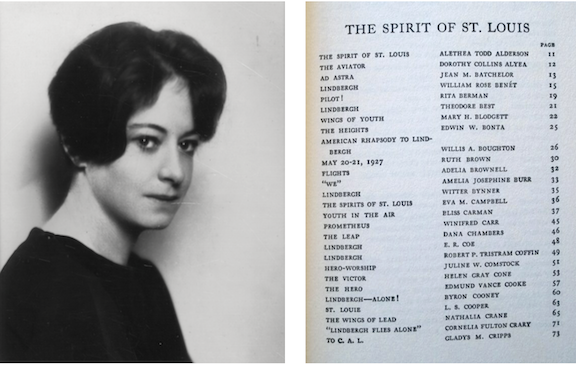
The fledgling Crane received a very different New Yorker reception in 1928, when Dorothy Parker took her to task for contributing to the collapse of grammar and civilization in general. Here’s an excerpt from Parker’s Jan. 7, 1928 “Reading & Writing” column:
* * *
Order in the Court
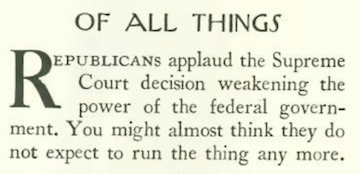
Howard Brubaker commented on a recent ruling by the Supreme Court regarding the ongoing fight by Republicans to curtail FDR’s New Deal.
* * *
Cinderella Stories
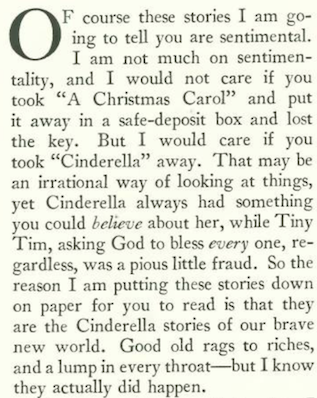
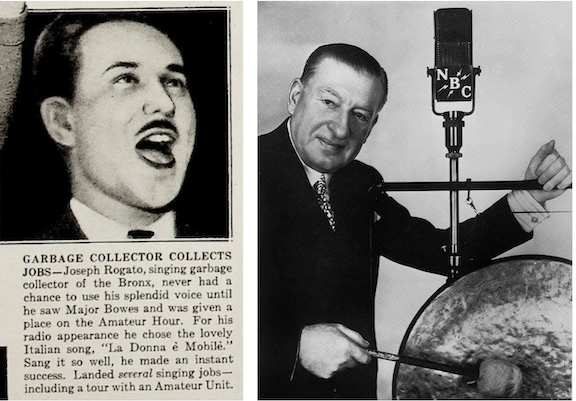
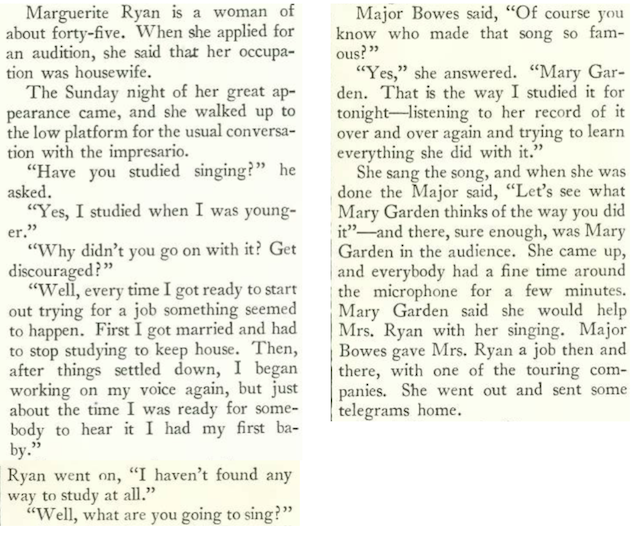
For his Jan. 4, 1936 “A Reporter at Large” column Morris Markey visited “Major Bowe’s Amateur Hour” at NBC’s Rockefeller Center radio studios. He was so impressed by the rags-to-riches stories that he shared a few in his Jan. 18 column, titled “The Crystal Slipper.” He warned readers that the stories were “sentimental,” but not in the vein of A Christmas Carol: “Tiny Tim, asking God to bless every one, regardless, was a pious little fraud,” Markey noted. Excerpts:
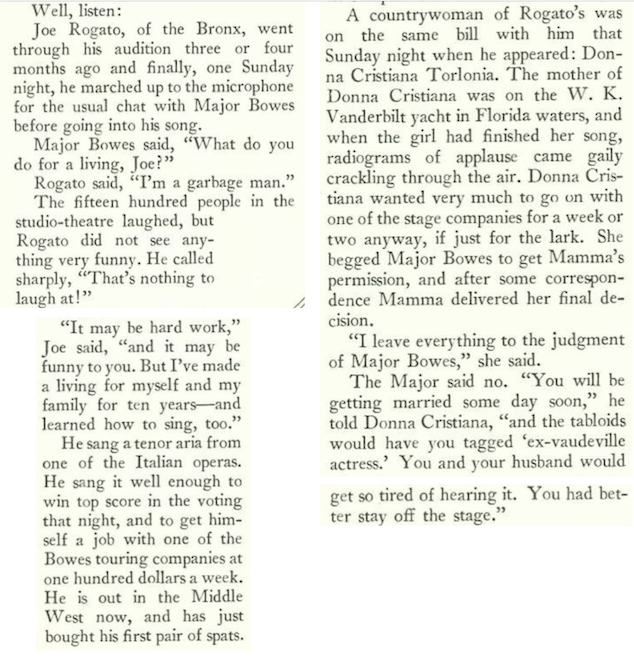
Markey shared the story of a garbage collector turned opera tenor, and a wealthy debutante who was encouraged to “stay off the stage” by “Major” Edward Bowes himself.
Markey next told the story of Marguerite Ryan, the “Singing Housewife”…
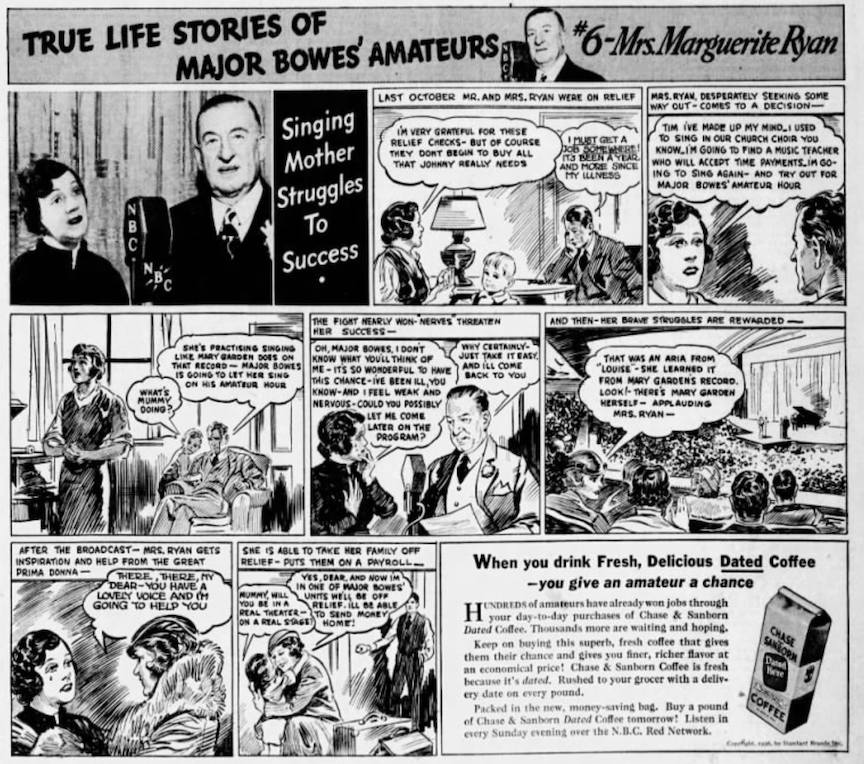
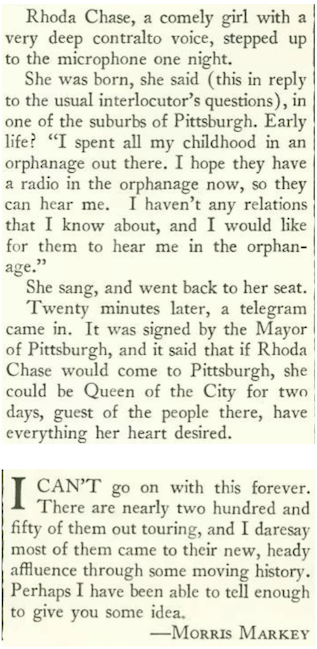
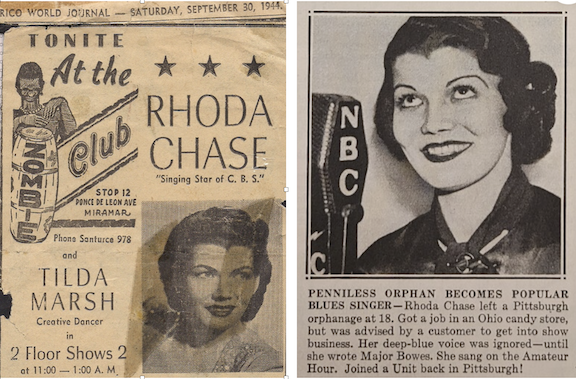
Finally, the story of Rhoda Chase, whom Bowes promoted as a “penniless orphan.” Born Anna Blanor, her stage name, Rhoda, was selected by a psychic, while her last name was inspired by sponsors Chase & Sanborn.
* * *
At the Movies
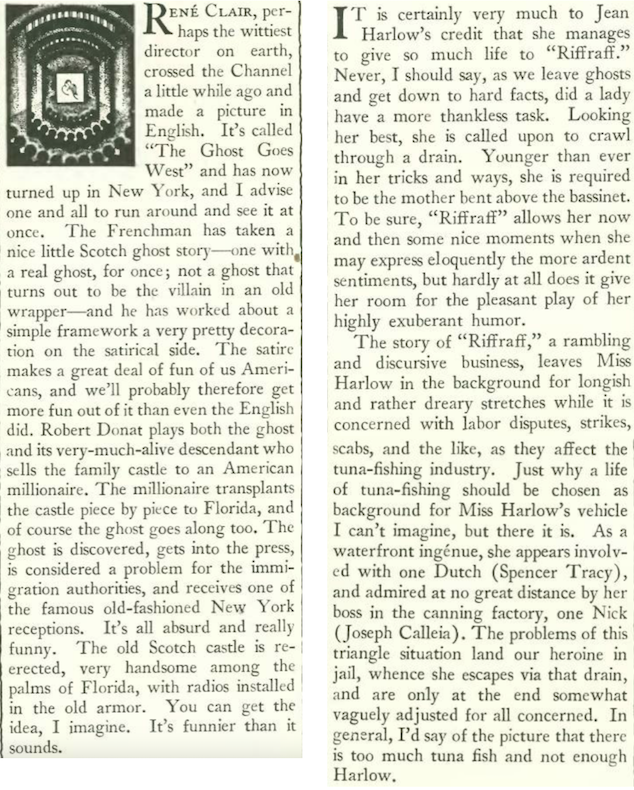
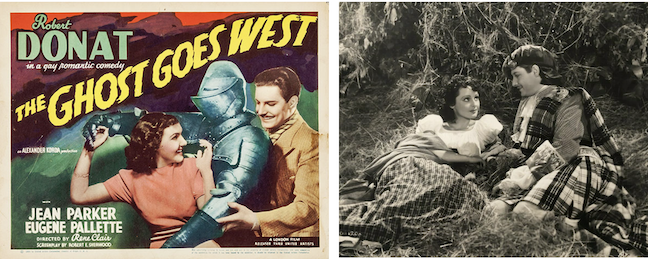
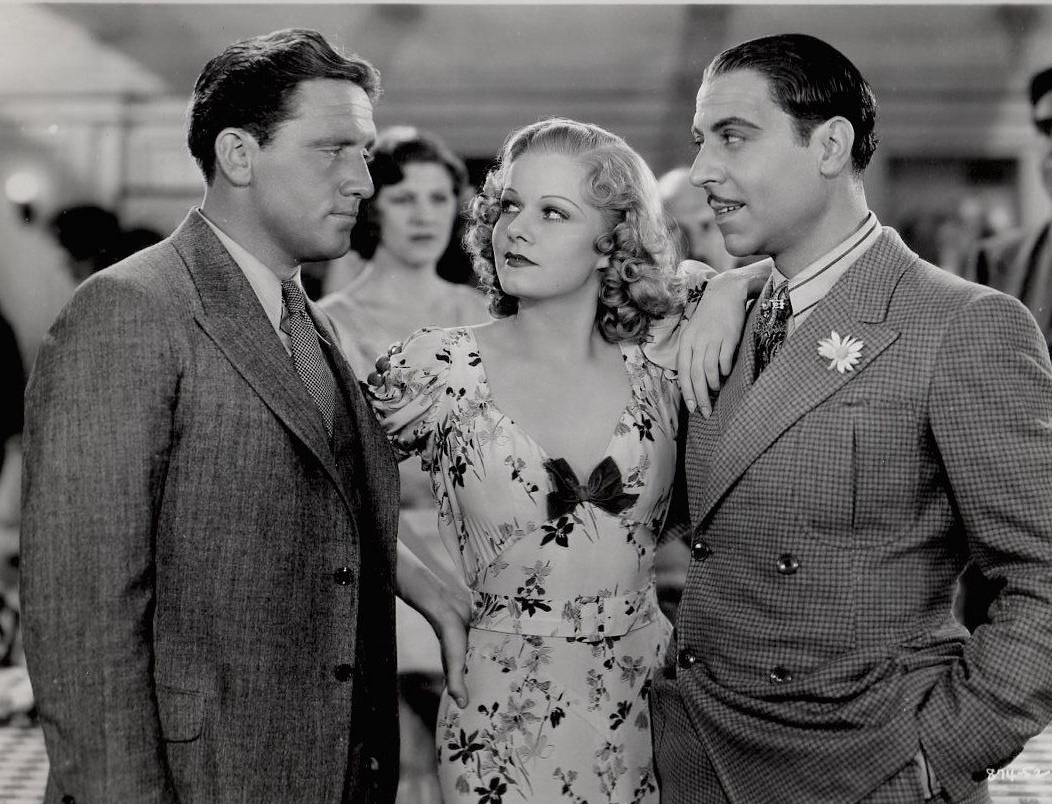
Film critic John Mosher found some bright spots at the movies, praising René Clair’s The Ghost Goes West but feeling sorry for Jean Harlow in her “thankless” role in Riffraff, a film about the tuna-fishing industry.
Mosher didn’t know what to make of Katharine Hepburn’s latest film, Sylvia Scarlett, in which she portrayed a con artist disguised as a boy hiding from the police. Despite its major star power and George Cukor as director, the film was a flop. 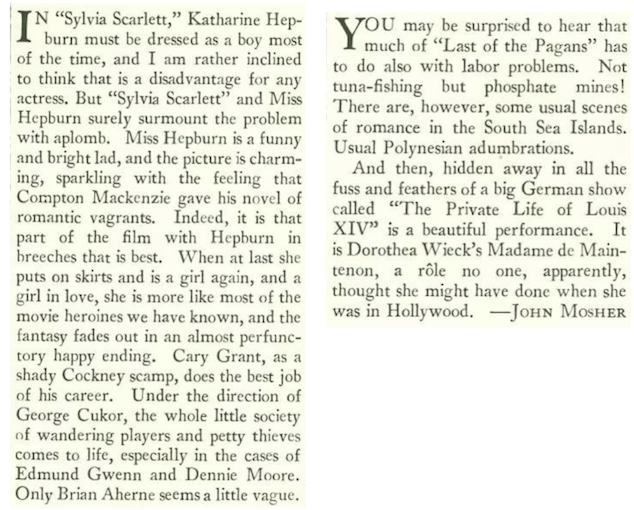
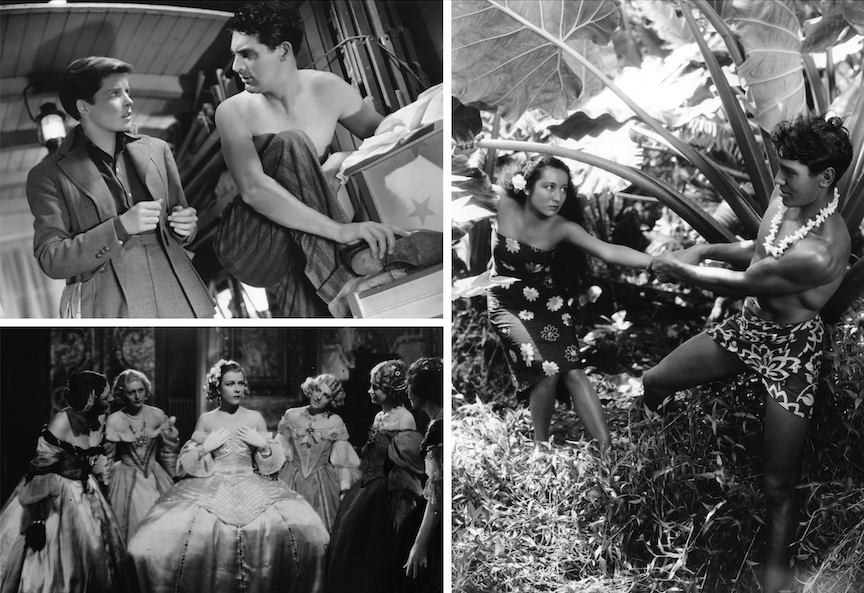
Mosher also reviewed Last of the Pagans (also about a labor dispute!) and The Private Life of Louis XIV (released in Germany in 1935 as Liselotte von der Pfalz).
* * *
From Our Advertisers
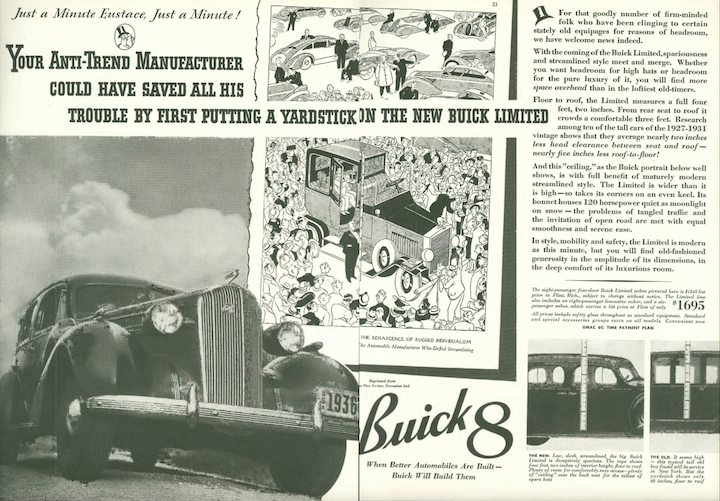
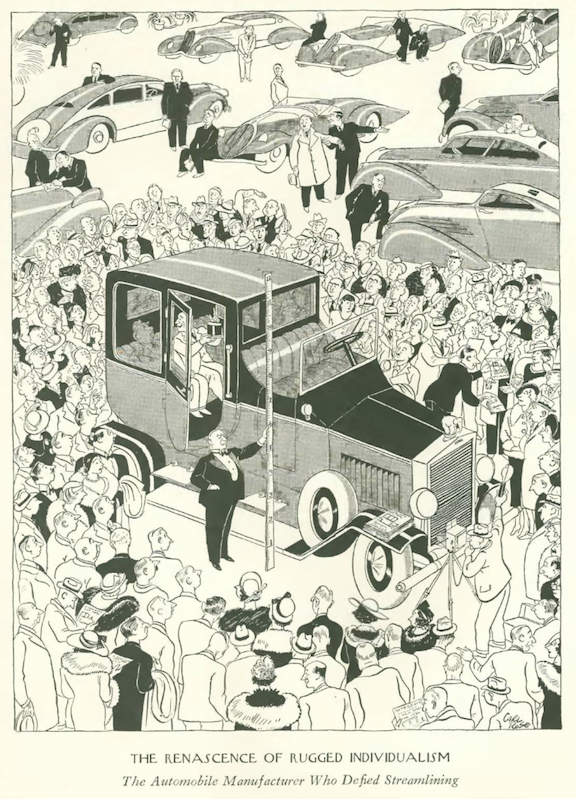
General Motors promoted their Buick Eight in a two-page advertisement that called out Eustace Tilley and reprinted a Carl Rose cartoon from the Nov. 2, 1935 issue…
…here is the original cartoon…
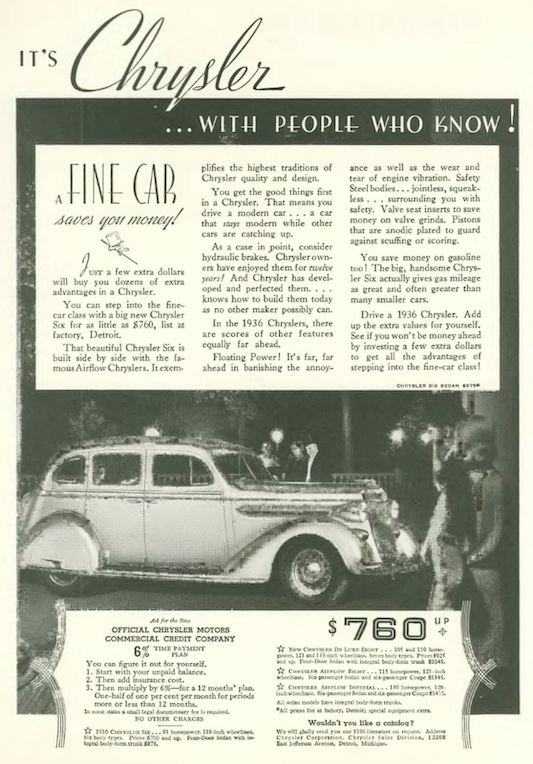
…with the holidays a memory and the Depression still lingering, most of the automobile ads touted economy over luxury, however Chrysler claimed you could have both with this $760 model…
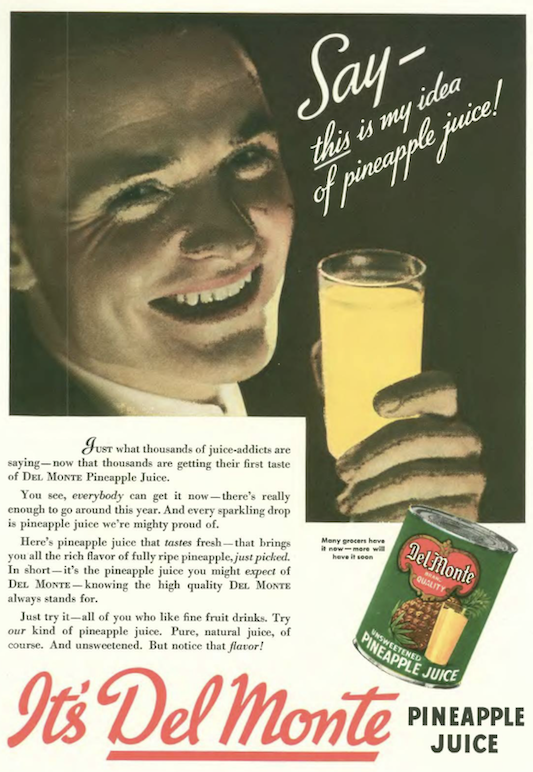
…by the looks of this guy, he probably added three fingers of vodka to his pineapple juice…
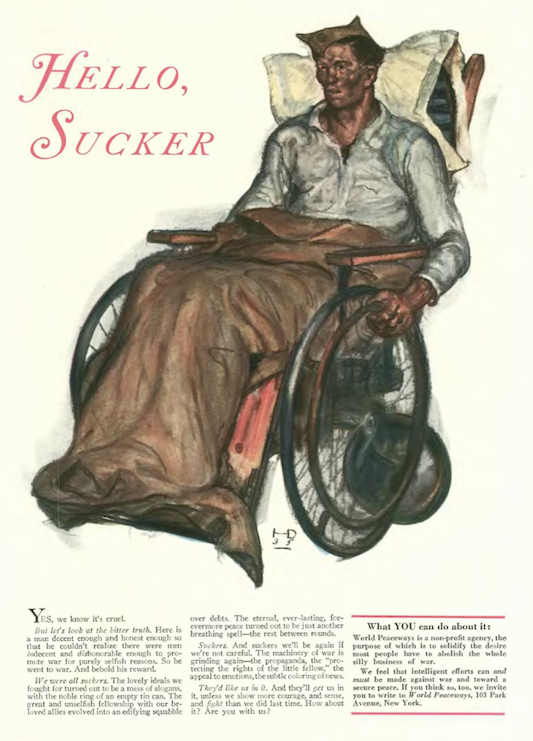
…as noted before, the folks at World Peaceways pulled no punches with their anti-war appeals…
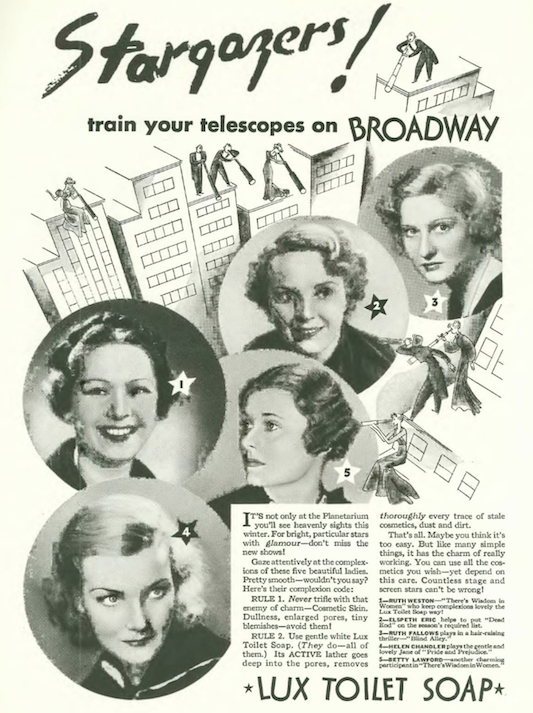
…the makers of Lux were still rolling out Broadway stars to endorse their toilet soap…(Betty Lawford, #5, was an English film and stage actress and a cousin of actor Peter Lawford)…
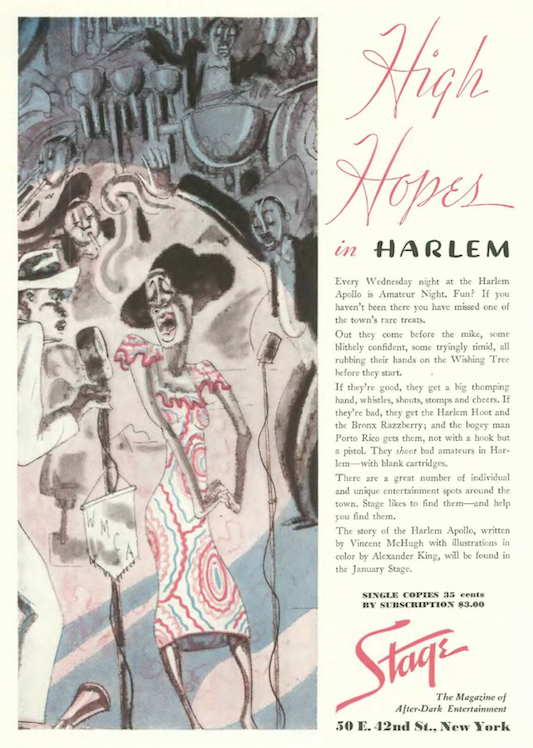
…the inside back cover belonged to Stage magazine…the illustration, “Amateur Night at the Apollo,” is by Alexander King…
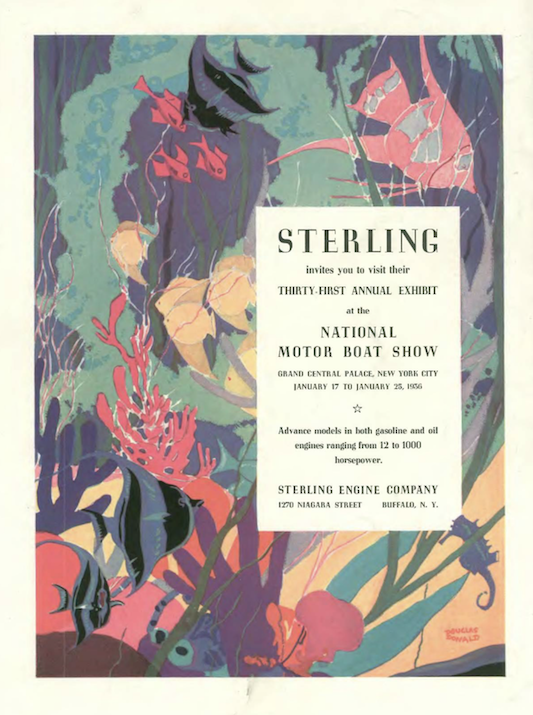
…the Grand Central Palace was hosting the thirty-first annual National Motor Boat Show, a rare back cover not taken by a tobacco company…
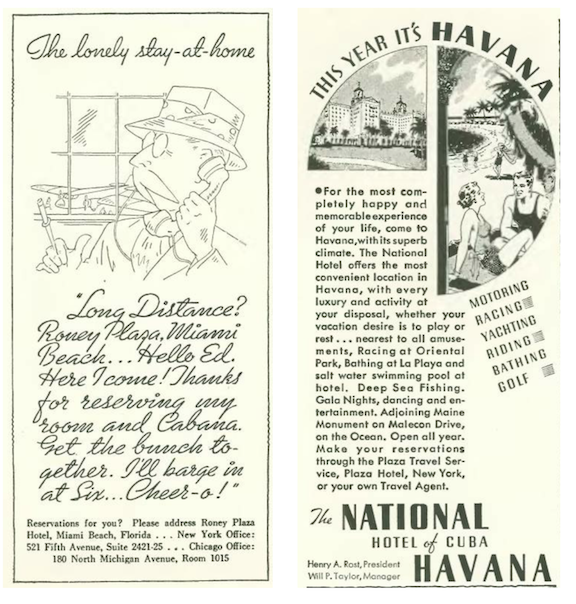
…a couple of ads from back of the book…at left, an Anglophilic appeal from Miami’s Roney Plaza Hotel, and, at right, pre-revolutionary days at the National Hotel in Havana (I had a drink there a few years ago during the Obama thaw…the lobby is beautiful, a classic from another era still hanging on thanks to Canadian and European tourists)…
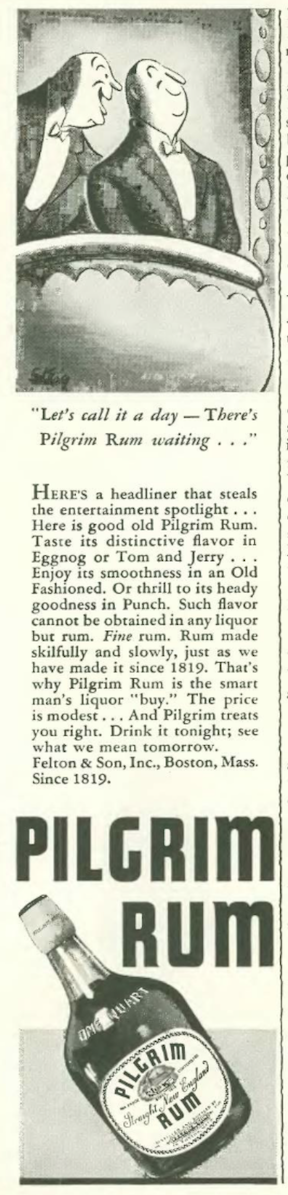
…William Steig continued to illustrate these one-column ads from Pilgrim Rum…
…which segues to our cartoonists…on the bottom of page 3 was this one-column drawing by Peggy Bacon…
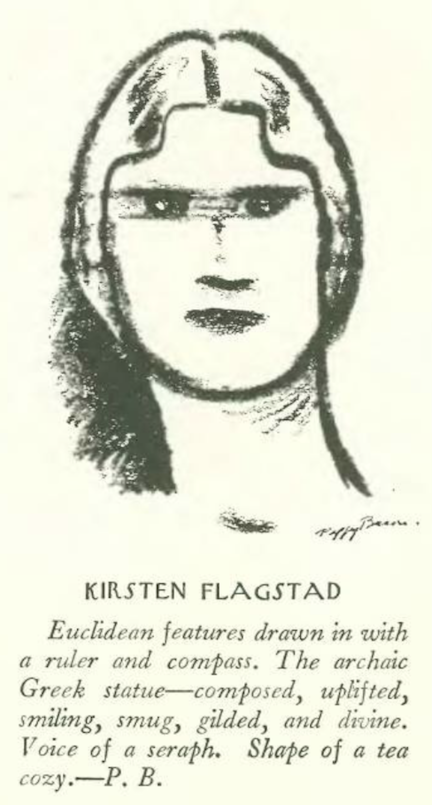
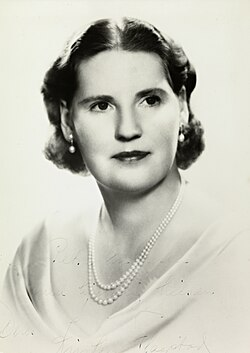
…Norwegian opera singer Kirsten Flagstad (1895–1962) was a famous Wagnerian soprano who made a triumphant debut at the Metropolitan Opera in 1935…
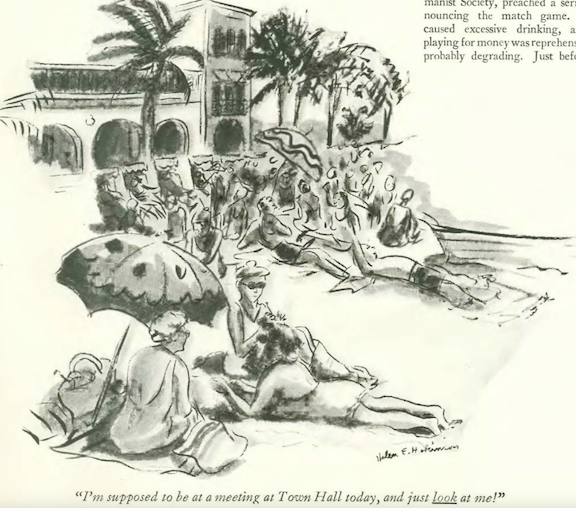
…we continue with Helen Hokinson soaking up some sun…
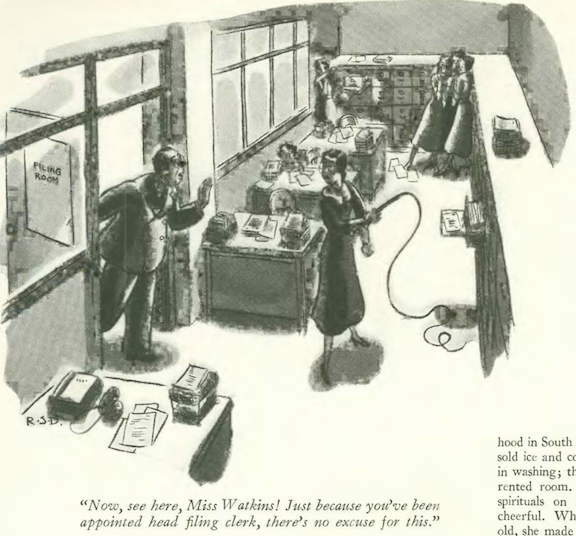
…Robert Day cracked the whip in the steno pool…
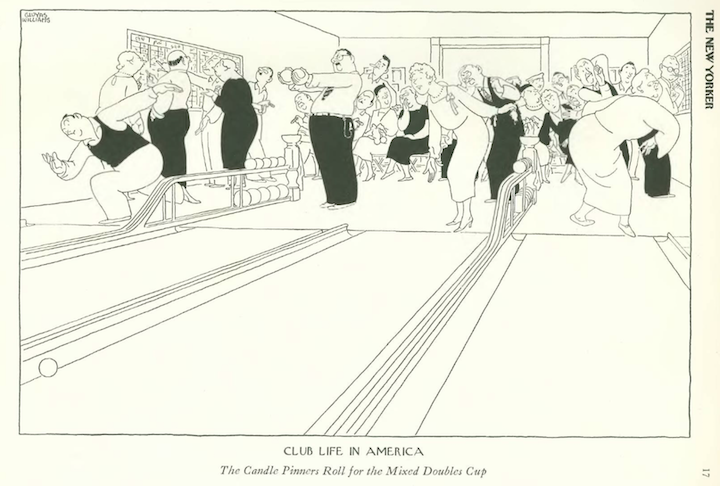
…originally published sideways, another look at club life by Gluyas Williams...
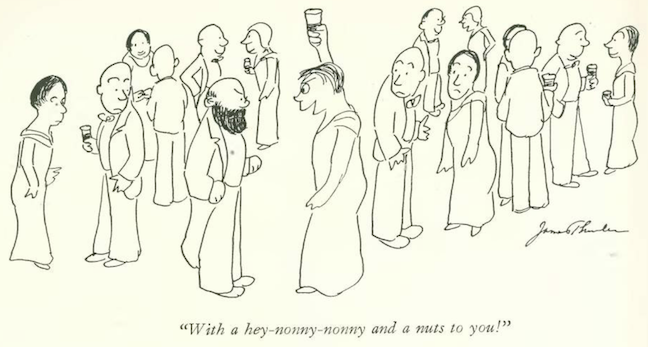
…James Thurber offered up a toast…
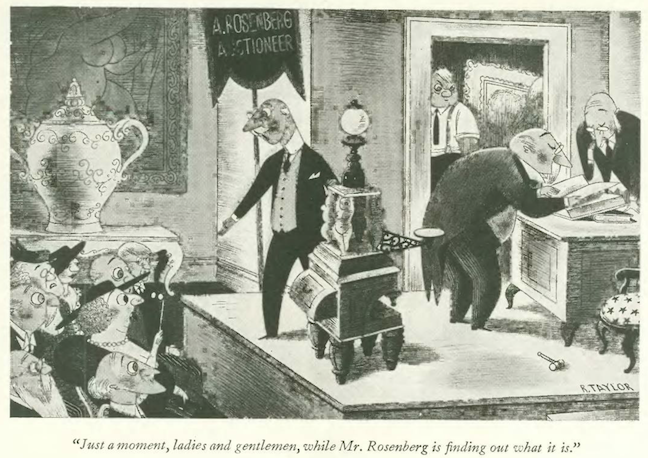
…Richard Taylor looked into an auction mystery…
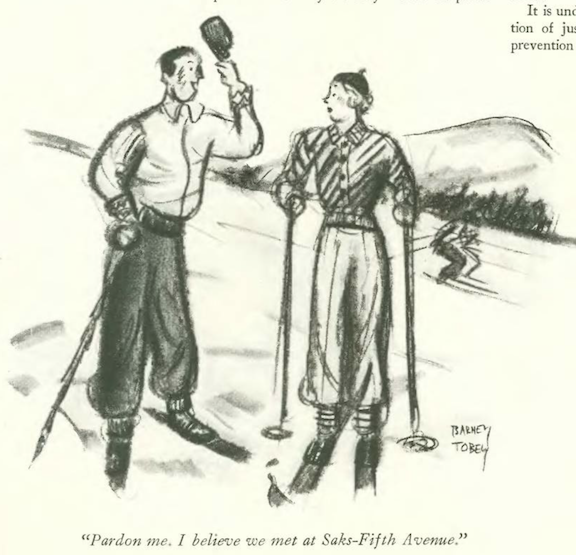
…Barney Tobey gave us a friendly greeting on the slopes…
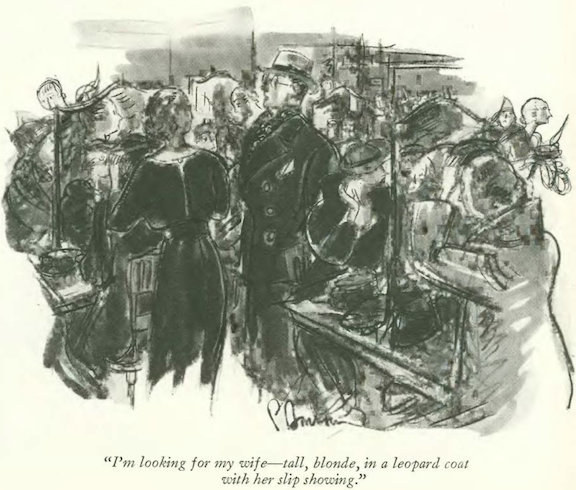
…Perry Barlow was lost in a department store…
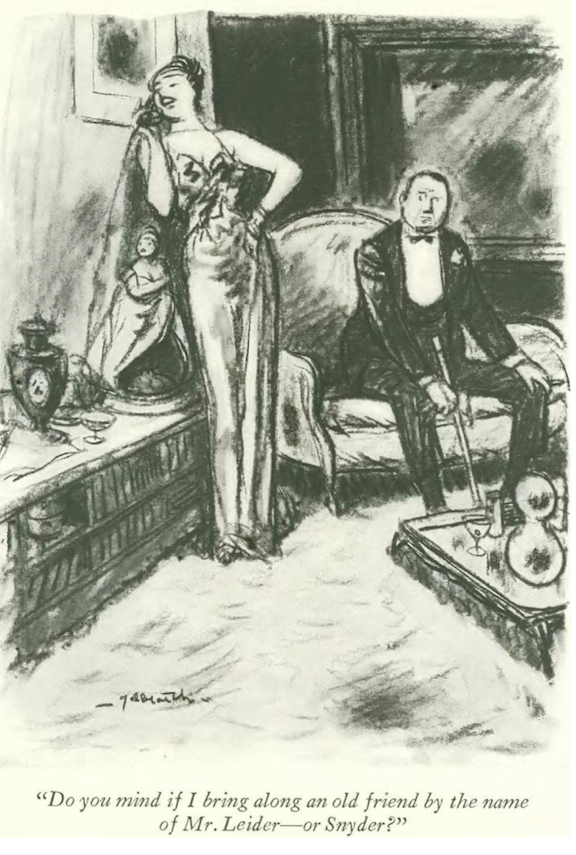
…William Crawford Galbraith continued to probe the woes of sugar daddies…
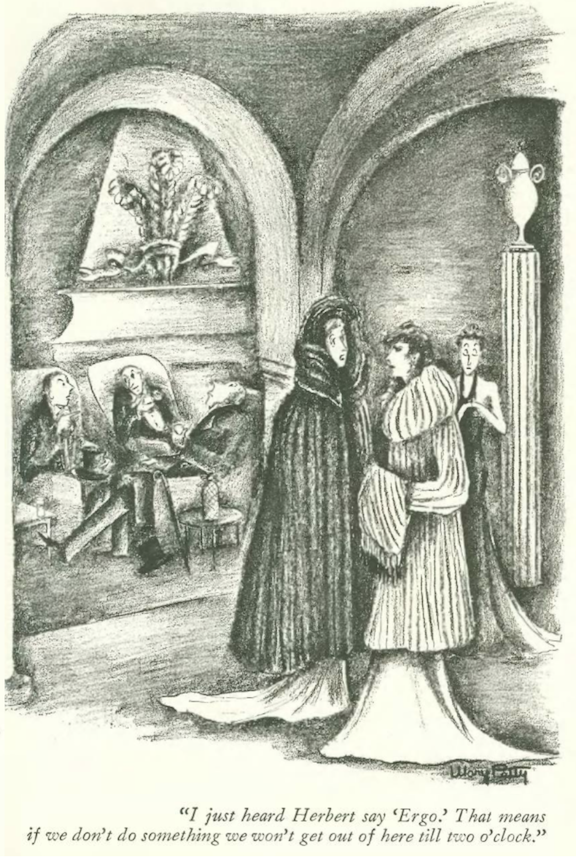
…and we get the last word from Mary Petty…
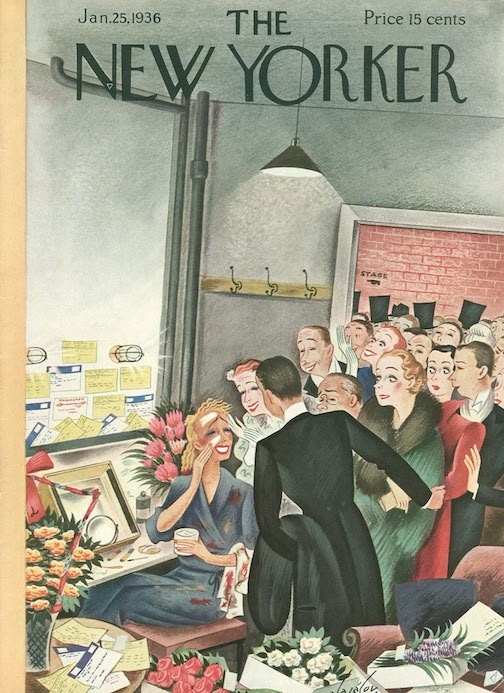
Next Time: Strike Me Pink…

 A New Yorker State of Mind
One thought on “A Profile in Paint”