Ben Hur Bric-à-brac

Screen Shot 2015-09-25 at 9.48.36 AM
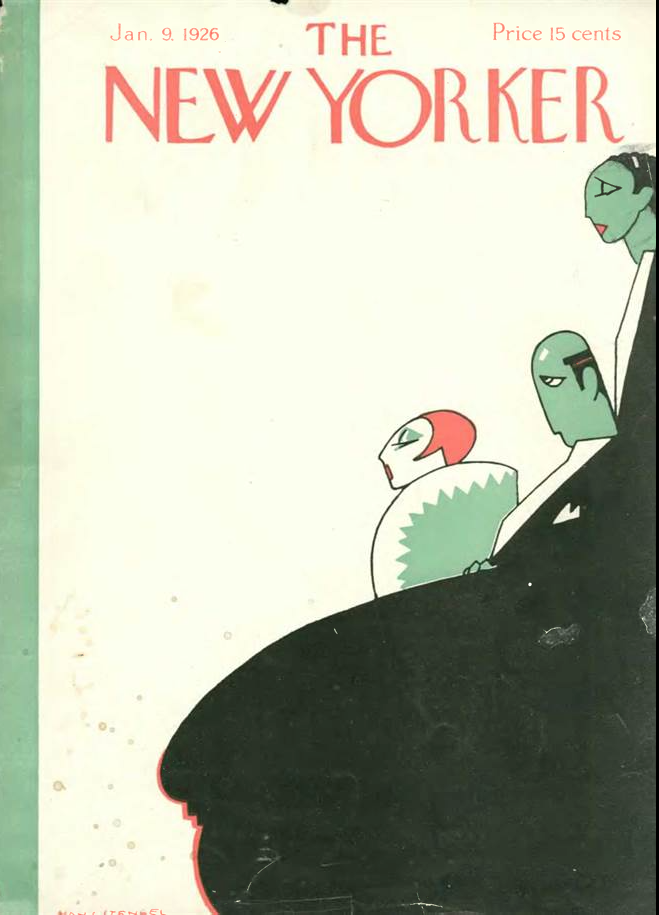
Jan. 9, 1925 cover by Hans Stengel.

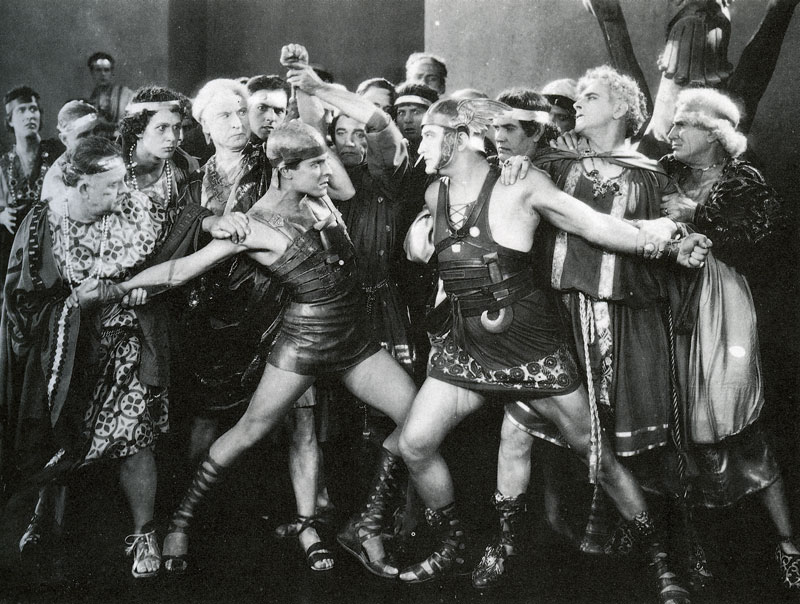
MGM spent nearly $5 million (about $70 million today) to make the silent epic Ben-Hur, filming the movie on location in Egypt, Italy and the United States. The New Yorker’s film critic Theodore Shane was not impressed.

Shane wrote that $4,999,999.95 had been spent “on massive effects and the remaining $.05 on drama.”

He noted, however, that the original story, an 1880 novel by Lew Wallace (who was a Union general in the Civil War, among other things), was pretty lacking in drama to begin with, just a “piece of bric-à-brac romance (that was) nothing more than a super Rover Boys story touched up with a Biblical background.” Here’s Shane’s entire review of the film, which was released by MGM on December 30, 1925:

Screen Shot 2015-09-28 at 3.49.54 PM

00239
A Nickel’s Worth of Drama…Ramon Novarro (left) and Francis X. Bushman mix it up in Ben-Hur (1925) (Virtual History)

This was actually the second Ben Hur film. The first was made in 1907, a 15-minute silent costing $500 (and it really was made on the cheap; the producers stole some shots of a mock chariot race at a fireworks show at Sheepshead Bay, Brooklyn, and then added some interior shots to complete the picture).

For the 1925 Ben Hur, filming on location proved difficult from the start. Italy’s new leader, Benito Mussolini, was in an anti-American mood when production began, and labor disputes often delayed filming. By all accounts, conditions were miserable. Kevin Hagopian, in an essay for the New York State Writers Institute, observed “The worst agonies were reserved for the film’s climax, the chariot race. Legendary second unit director B. Reeves Eason’s nickname “Breezy” was certainly not earned by his work on the Ben-Hur set, for his merciless pace cost the lives of over a hundred horses. As [actor Francis X.] Bushman said sadly, “If it limped, they shot it.” A stunt man was killed in a chariot crash, and [actor Ramon] Navarro himself only narrowly escaped death.”

The troubled Italian set was eventually torn down and a new one built in Culver City, California. The crowd scenes and master shots for the race were done in a single day, with forty-two cameras covering the action.
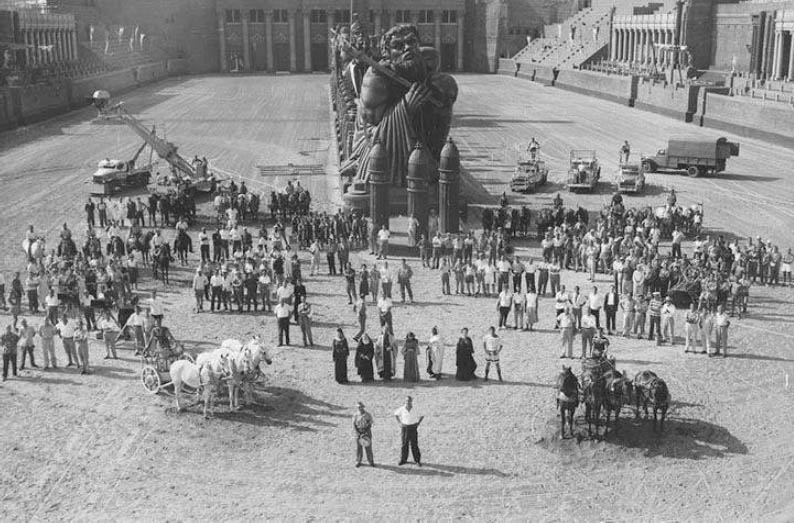
The famed chariot race staged in Culver City, California, was shot with 42 cameras.

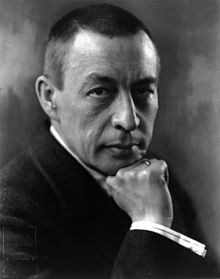
In “Profiles” Esther Carples looked at the life of Sergei Rachmaninoff, who was widely considered one of the great pianists of his day, and as a composer represented the last vestiges of Romanticism in Russian classical music. Carples painted a portrait of a brooding genius, a man with aristocratic bearing who lived in lonely exile from his native Russia.
Sergei_Rachmaninoff_cph.3a40575
Sergei Rachmaninoff in 1921. (Library of Congress)

In 1921, Rachmaninoff bought a house on 33 Riverside Drive in New York City, where he lived until 1925. There he consciously recreated the atmosphere of Ivanovka (his beloved Russian summer house) entertaining Russian guests, employing Russian servants, and observing old Russian customs.

*****
Screen Shot 2015-09-28 at 4.33.35 PM
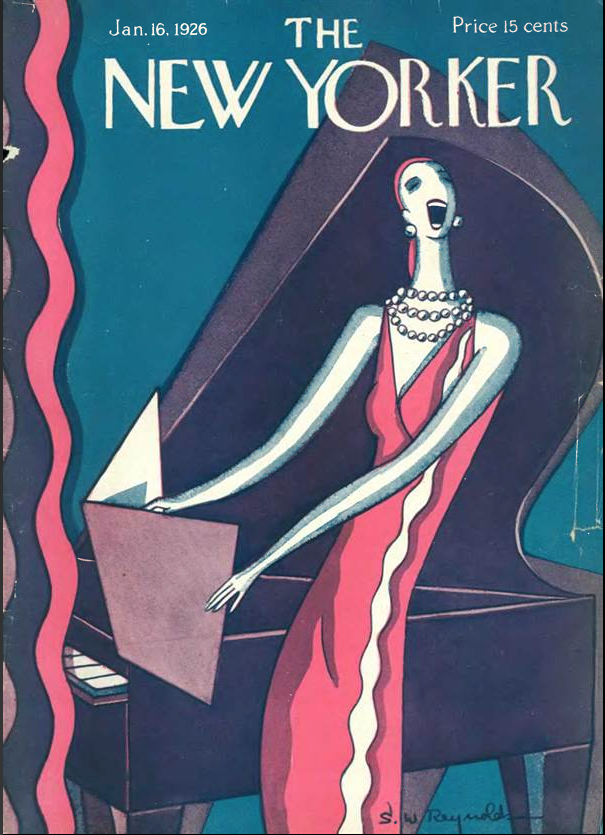
Jan. 16, 1926 cover by S.W. Reynolds.

Let’s move on to the next issue, Jan. 16, 1926. “The Talk of the Town” noted another loss of a Fifth Avenue landmark with the Savoy Hotel was falling to the wrecking ball.

The Savoy, built in 1891-92, was slated to be replaced by The Savoy Plaza Hotel, which itself would be demolished in 1965-66 (amid significant public outcry and protest) to make way for the eastern headquarters building of General Motors.

It was observed that the new year would see a boon in construction of huge new buildings along the Avenue, and buildings only five years old (such as Heckscher Building) would be dwarfed by the new towers.
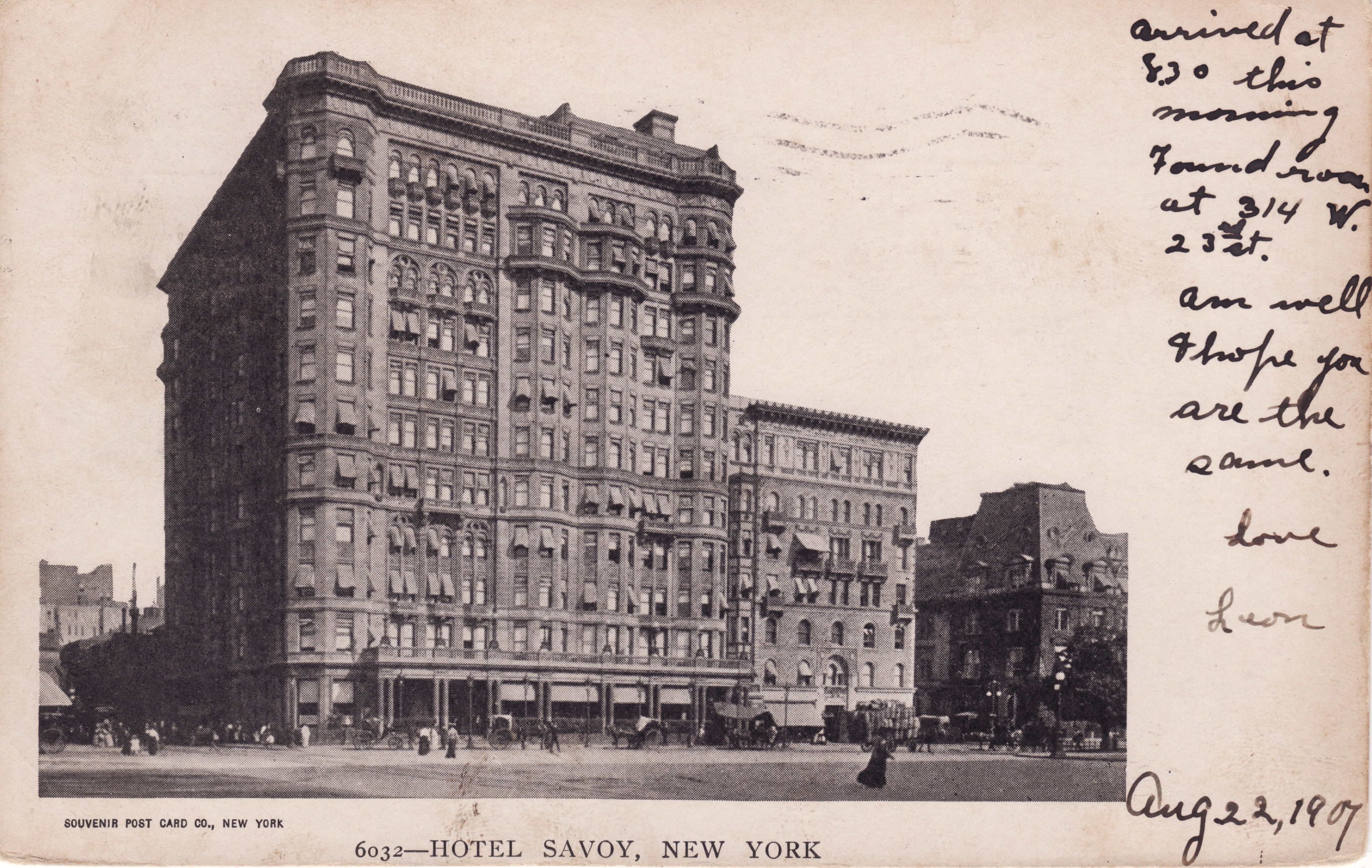
Hotel-Savoy-hres
Another One Bites The Dust…The Savoy Hotel (stuffnobodycaresabout.com)

The New Yorker continued to have fun with actress Gloria Swanson‘s pretensions to royalty (she was married to the Marquis de La Coudraye at the time). This time it came from the pen of Jimmie the Ink (James Daugherty), part of his series of drawings that coupled famous people of the day in comic situations:

Screen Shot 2015-09-29 at 9.32.55 AM

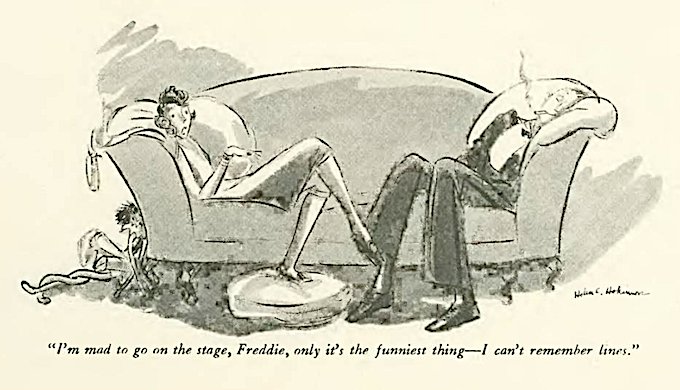
The issue also featured Helen Hokinson with a cartoon that seemed more in Barbara Shermund’s wheelhouse…
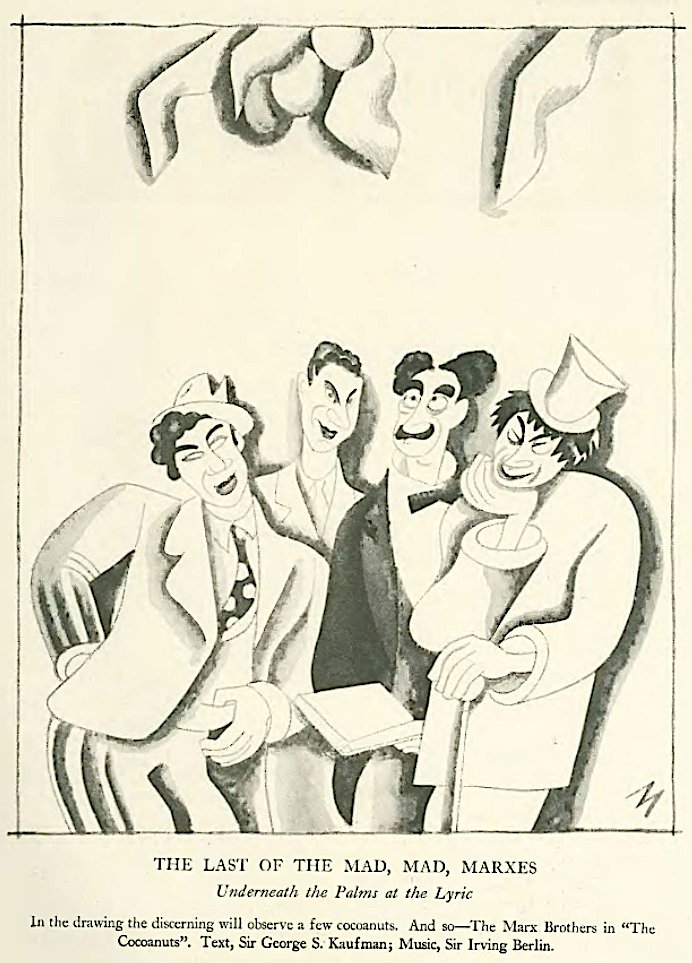
…a Julian de Miskey drawing for the theatre section…
…and a Peter Arno illustration…

To close, two ads from the Jan. 16 issue, this one appealing to Anglophilic, aristocratic aspirations of certain readers…
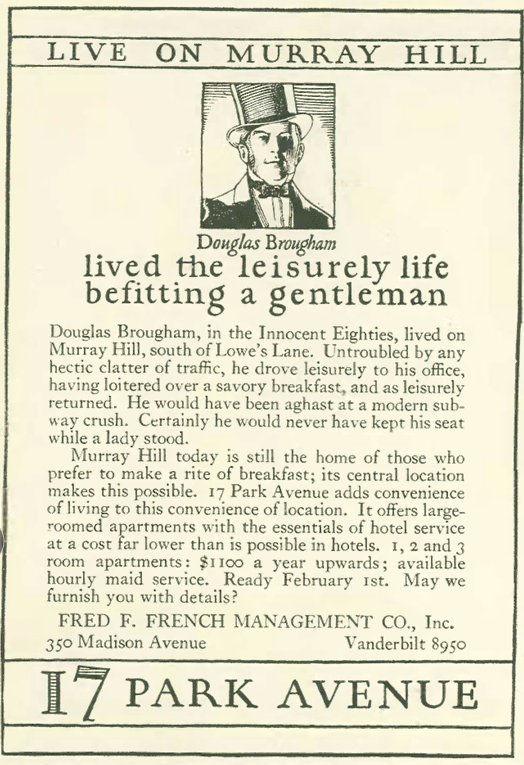
Screen Shot 2015-09-29 at 9.34.08 AM

And this one from Elizabeth Arden, who will become a mainstay in the magazine with these ads featuring women with ghostly stares, usually with their heads wrapped tightly to combat sagging skin. Thanks to Hollywood, it was the age of the close-up, so wrinkles and blemishes be gone!
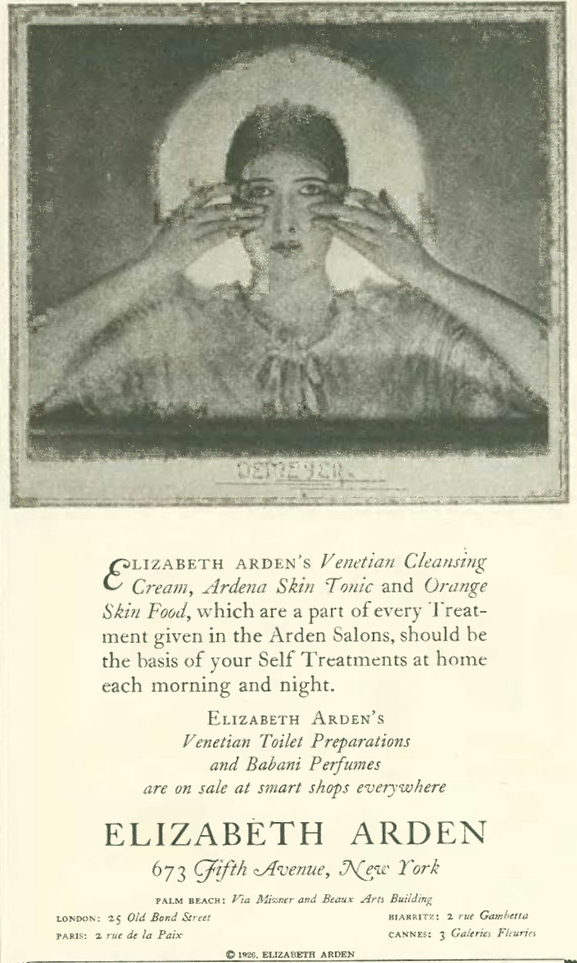
Screen Shot 2015-09-29 at 9.36.19 AM

Next Time: Lois Long Talks Cars…
Screen Shot 2015-09-28 at 4.36.32 PM


The Eyes of Lois Long

Screenshot 2015-06-30 12.24.30
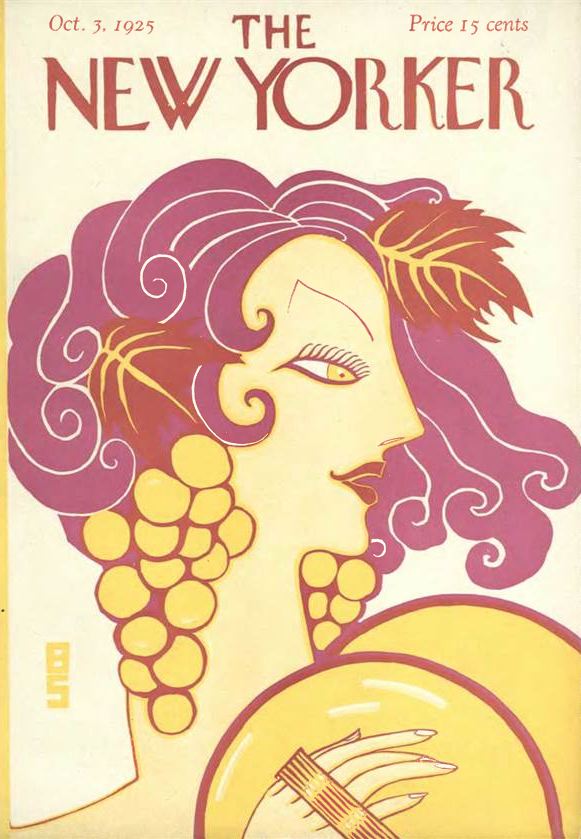
Oct. 3 cover by Barbara Shermund.

At an age when most students are barely out of college (23), Lois Long was emerging as one of The New Yorker’s most prolific contributors and a prominent voice of Roaring Twenties New York.

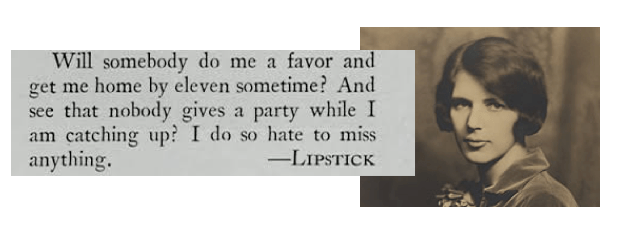
The Oct. 3, 1925 issue not only saw her continuing coverage of night life in “Tables for Two” (which she signed under the pen name “Lipstick”), but also the introduction of her column, “Fifth Avenue” (which she signed L.L.), that would further define her voice at the magazine for years to come.

And The New Yorker wasn’t even her first professional stint as a writer.

Beginning in 1922, Long wrote for both Vanity Fair and Vogue before she caught the eye of New Yorker editor Harold Ross, who hired her to take over the “When Nights Are Bold” column from Charles Baskerville. She later made it her own by changing the name to “Tables for Two.”

S4772-lg
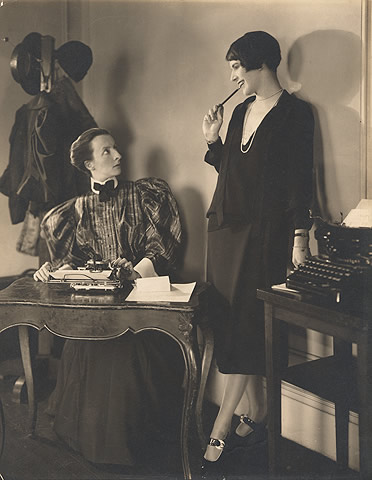
Lois Long in the 1920s. Photo from Andrea Long Bush. (Wikipedia)

With the Oct. 3 issue she doubled her workload as both an observer of night life and the fashion scene.

According to Judith Yaross Lee’s Defining New Yorker Humor, the “Fifth Avenue” column took a very different tack from the magazine’s original “Where to Shop” listings that were merely classified ads.

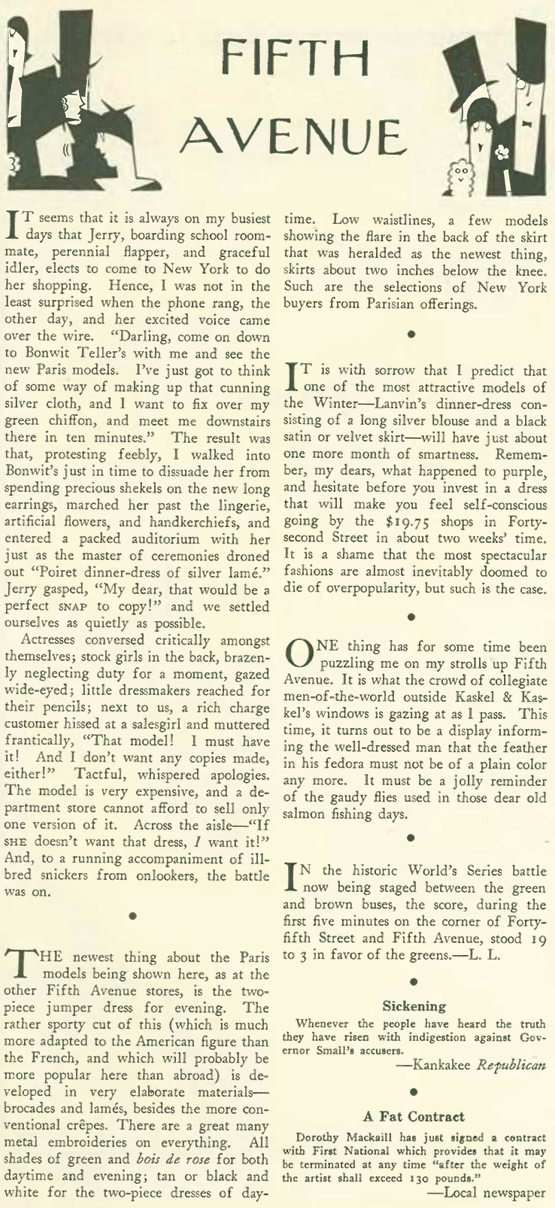
Yaross writes that Long’s first “Fifth Avenue” column relied on “the conceit of her friend Jerry, ‘boarding school roommate, perennial flapper, and graceful idler’ (evidently the department’s target reader)…”

The column would soon be renamed “On and Off the Avenue,” and Long would officially assume the title of fashion editor in 1927.

Her obituary in The New York Times (p. 36, July 31, 1974) quoted New Yorker editor William Shawn, who declared that “Lois Long invented fashion criticism,” and that Long “was the first American fashion critic to approach fashion as an art and to criticize women’s clothes with independence, intelligence, humor and literary style.” The article noted that her task was particularly challenging since The New Yorker did not publish photographs “and more than other writers she had to turn to words alone to describe clothes in detail.”

You can read Long’s first “Fifth Avenue” column, featuring her friend, “Jerry,” here in its entirety:

Screenshot 2015-07-06 17.00.55

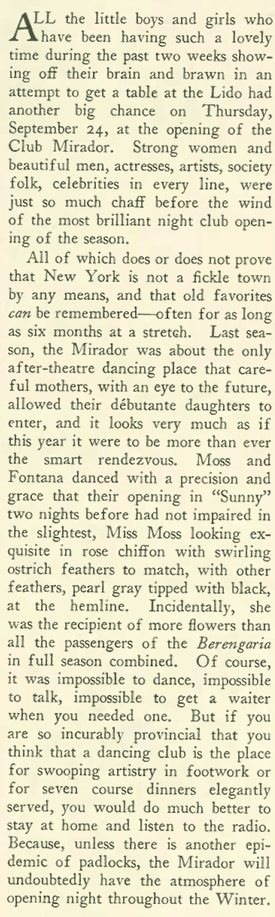
In the same issue, just three pages back, in “Tables for Two,” Long shared these insights on the opening of the Club Mirador:

Screenshot 2015-07-06 16.59.36

And she pulled no punches in this erratum item that appeared below this Johan Bull illustration:

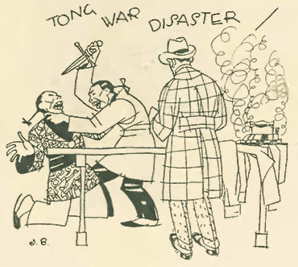
Screenshot 2015-07-06 16.59.52And in “The Talk of the Town,” Bull provided this illustration depicting the flare-up of Tong Wars among New York’s Chinese immigrant population. The main consequence of murderous assault seems to be a patron’s ruined shirt:

Screenshot 2015-07-06 11.44.43

“Profiles” featured Reinald Werrenrath, “A New Yorker Who Sings.” Described by writer Clare Peeler as someone who “looks New York,” the baritone opera singer also recorded popular songs and was a regular on early radio broadcasts.

In “Critique” George S. Kaufman’s The Butter and Egg Man received a positive review by Herman J. Mankiewicz, who wrote that the play was “not for the artistically inclined,” but adds:

Screenshot 2015-07-06 16.49.37

M3Y11255
Gregory Kelly as Peter Jones in The Butter and Egg Man (1925). The Broadway play was a resounding success. Sadly, the beloved Kelly would die of a heart attack in 1927 (at age 36) while on tour with the play. (Museum of the City of New York)

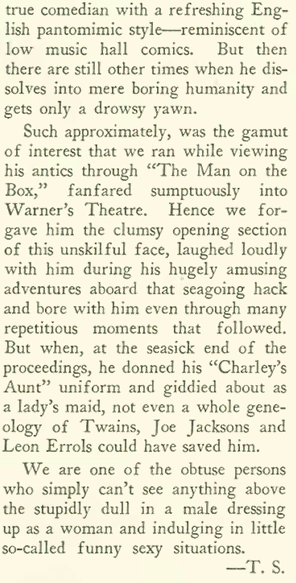
By the way, the queen of New York nightlife, Texas Guinan, has been attributed as the source of the term “Butter and Egg Man” to generally describe generous souls (according to a “Talk” item in the Oct. 31 issue). At the movies, Theodore Shane found little to amuse as he panned The Tower of Lies (“colorless and loose-jointed”). Rather than capturing a Scandanavian setting, Shane wrote that the film “reeks of the studio scenario shops and the pleasant fields of Long Island.”

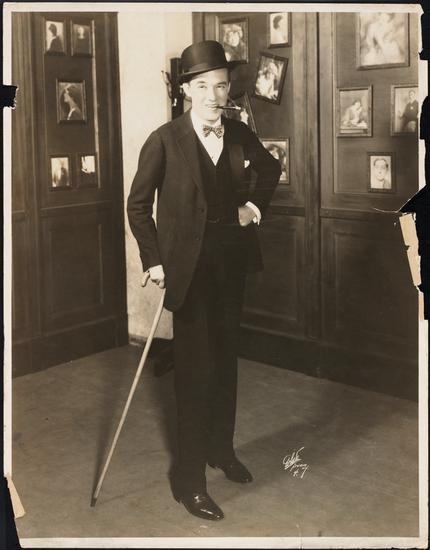
syd_chaplin1
LITTLE TRAMP’S BIG BROTHER Sydney Chaplin performed in 37 films, including The Man on the Box (1925) with actress Alice Calhoun (above). He was Charlie Chaplin’s older brother and business manager. (Ohio State University)

He also took Sydney Chaplin’s attempts at humor to task in the film, The Man on the Box, including his tired “male dressing up as a woman” gag.

Screenshot 2015-07-06 16.56.13

Screenshot 2015-07-06 16.56.19

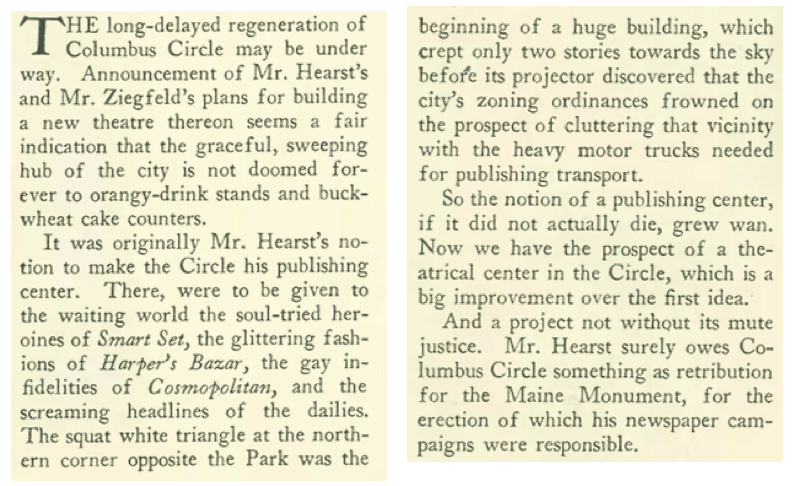
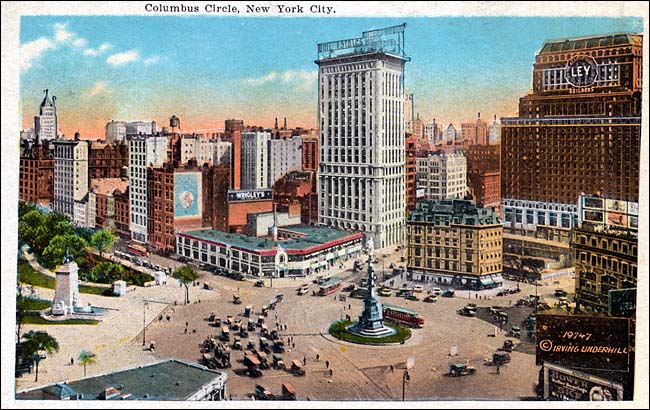
“Talk” also commented on changing face of New York City, including plans for a new Ziegfeld theatre as part of a “regeneration” of Columbus Circle:

Screenshot 2015-07-06 16.43.32

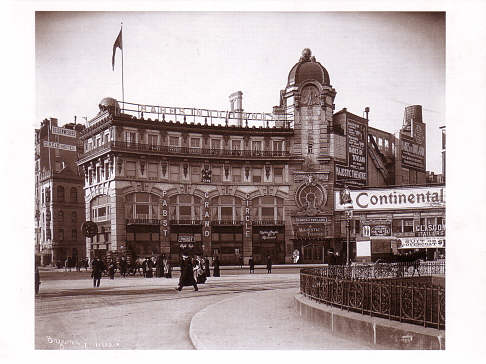
According to performingartsarchive.com, Florenz Ziegfeld took over Columbus Circle’s Cosmopolitan theatre in 1925 and updated the interior. The building originally opened in 1903 as the Majestic (where the first musical stage version of The Wizard of Oz and the play Pygmallian debuted). It was briefly a burlesque house in the early 1920s (Minksy’s Park Music Hall) until William Randolph Hearst acquired it as a main venue for his Cosmopolitan Pictures company.

04blocks2_lg
Postcard image of Columbus Circle, circa 1925. The Cosmopolitan is at far lower right. (NYC Architecture)

Under Ziegfeld, the Cosmopolitan returned to “legitimate” theater, but in 1926 he gave it up to focus on the construction of his self-named theatre at Sixth Avenue and 54th Street. The Cosmopolitan (renamed the International in 1944) would continue to serve both as a venue for movies and live performances until 1949, when it was acquired by NBC as a television studio for the TV program Your Show of Shows, featuring Sid Caesar and Imogene Coca. NBC left the International in 1954, and not long afterwards, the former theatre, along with most of its neighbors on Columbus Circle, was razed to make way for the New York Convention Center.

International-Theatre_NYC2-1
The long-gone Majestic, later Cosmopolitan theatre on Columbus Circle. (performingartsarchive.com)

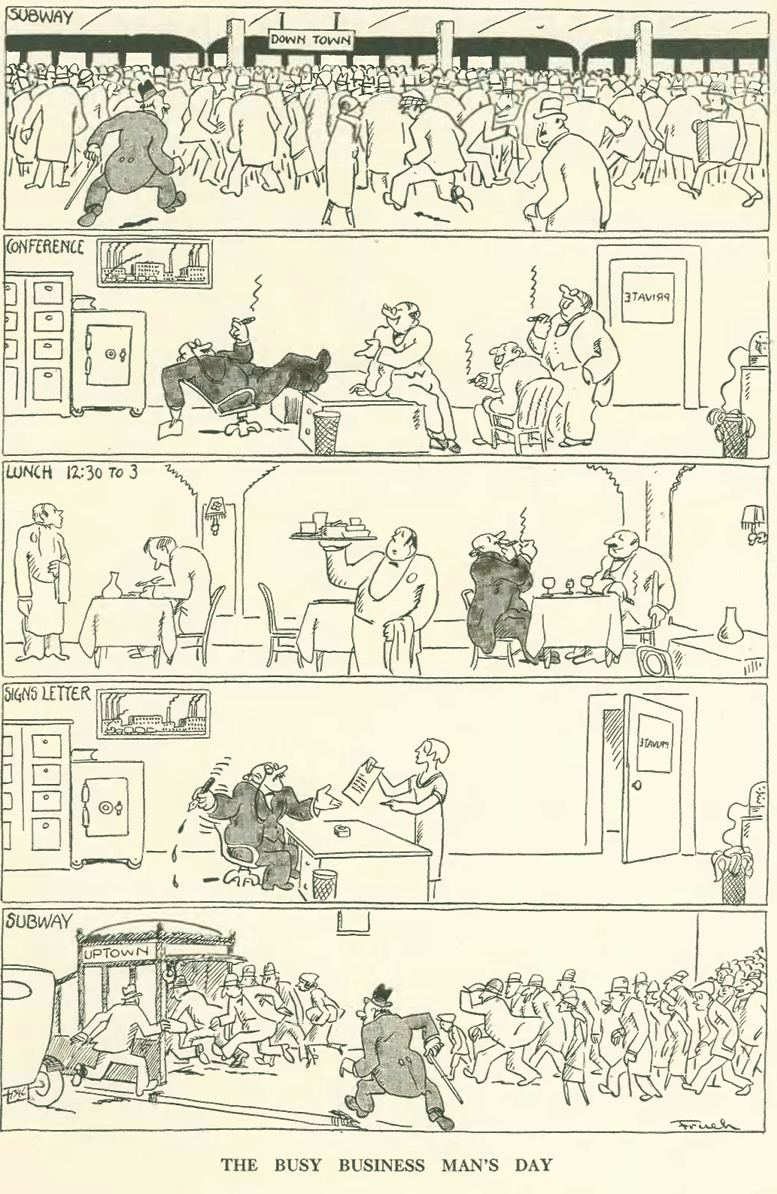
Also from this issue, Al Frueh’s take on a “Busy Business Man’s Day:”

Screenshot 2015-07-06 12.31.39

Hans Stengel delivered “Sermons on Sin”…

Screenshot 2015-07-06 12.24.52

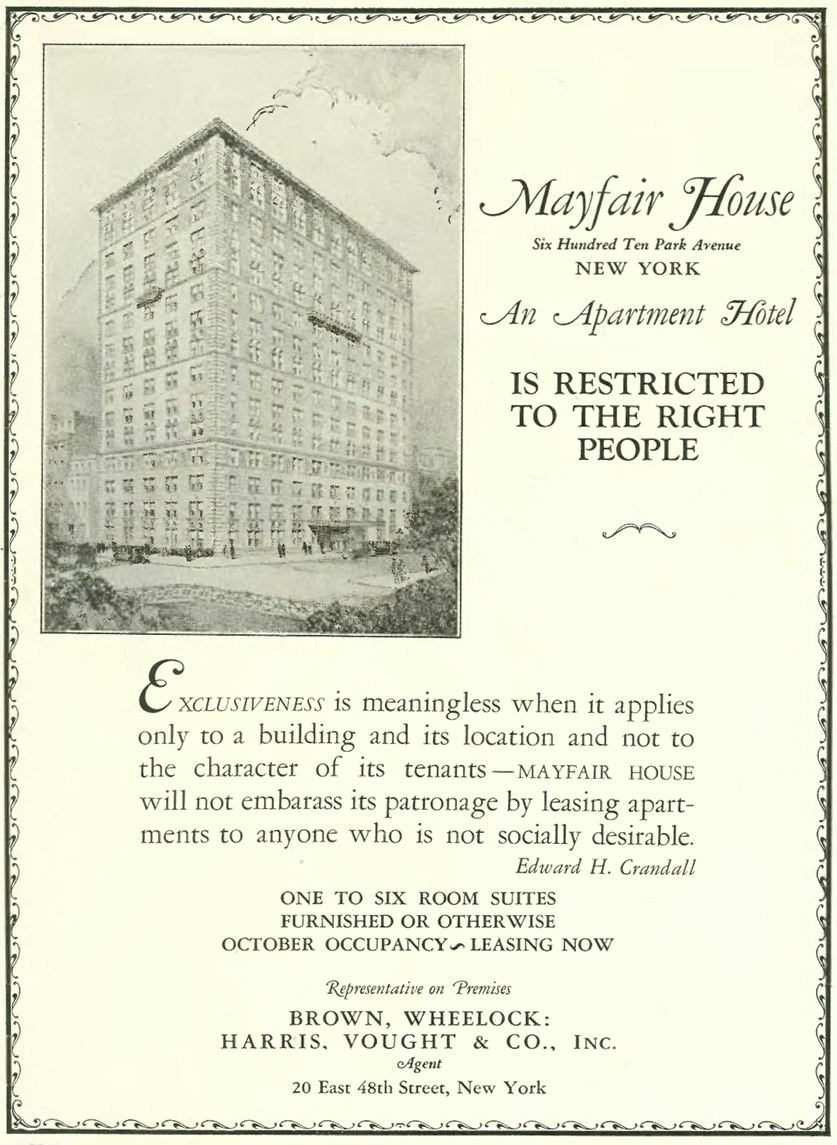
And lest we doubt the snob appeal of our fledgling magazine, check out this advertisement from the Mayfair House assuring that tenants will be kept a safe distance from the proles and other undesirables…
Screenshot 2015-07-06 17.01.14

And to close, a back page ad for the Restaurant Crillon, featuring the unmistakable graphic innovation of Winold Reiss:

Screenshot 2015-07-06 17.01.46

Next time: A Letter From Genêt…
Screenshot 2015-07-06 16.39.29


No More Monkey Business

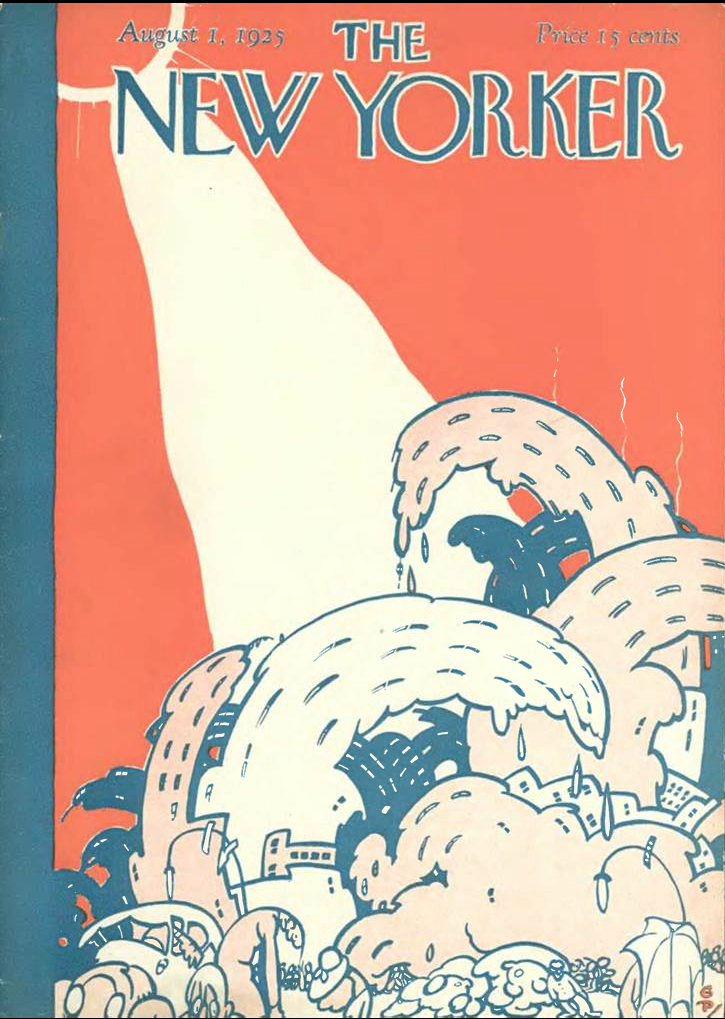
Screenshot 2015-05-21 15.40.37
August 1, 1925 cover by Garrett Price.

For all of The New Yorker’s attention to the Scopes Monkey Trial, the August 1, 1925 issue had little to say about the trial’s outcome.

The State of Tennessee v. John Thomas Scopes was decided in the Criminal Court of Tennessee on July 21, 1925, with Scopes found guilty and fined $100 (equivalent to $1,345 in 2015), but the verdict was overturned on a technicality.

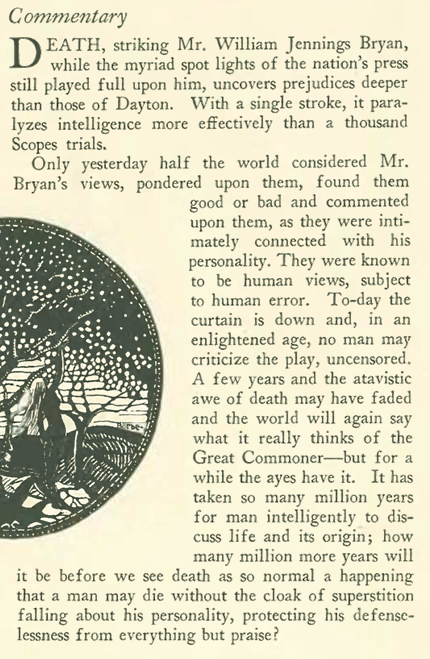
“The Talk of the Town” offered this brief observation under its weekly wrap-up column: “Mr. Scopes, found guilty, goes home to Paducah, Kentucky…”

And then this item toward the end of “Talk,” announcing the death of the Scopes Trial defense attorney (and one of the magazine’s favorite punching bags) William Jennings Bryan:

Screenshot 2015-05-22 13.06.22

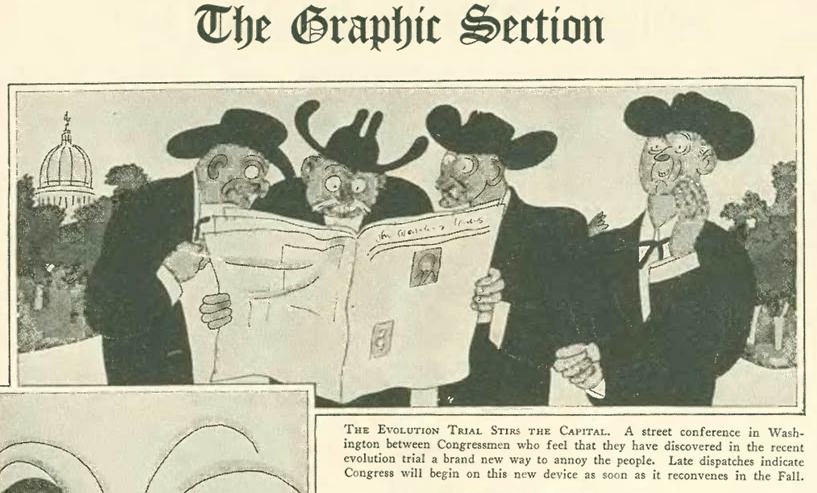
“The Graphic Section” offered this cynical twist on the trial’s outcome:

Screenshot 2015-05-22 13.09.12
(New Yorker Digital Archive)

In a related item under “Of All Things,” Howard Brubaker wrote, “Representative Upshaw of Georgia will introduce an anti-evolution bill in Congress. Upshaw is never happy unless the Ship of State is making twenty thou-shalt-nots an hour.”

Clarence Darrow, a famous Chicago lawyer, and William Jennings Bryan, defender of Fundamentalism, have a friendly chat in a courtroom during the Scopes evolution trial. Darrow defended John T. Scopes, a biology teacher, who decided to test the new Tenessee law banning the teaching of evolution. Bryan took the stand for the prosecution as a bible expert. The trial in 1925 ended in conviction of Scopes. ca. 1925 Dayton, Tennessee, USA
Clarence Darrow and William Jennings Bryan have a friendly chat during the Scopes Monkey Trial. Following the trial Bryan traveled hundreds of miles, delivering speeches in multiple towns. On July 26, 1925, he returned from Chattanooga, Tennessee to his home in Dayton. After attending church services he ate a large meal, then died during a nap that afternoon, five days after the trial’s conclusion. When someone remarked to Darrow that Bryan died from a “broken heart”, Darrow responded, “Broken heart, hell, he died of a busted belly!” (Wikipedia)

Brubaker also quipped, “Tennessee is not the only State where there is arrested mental development, but it is the only one so far where it has been fined.”

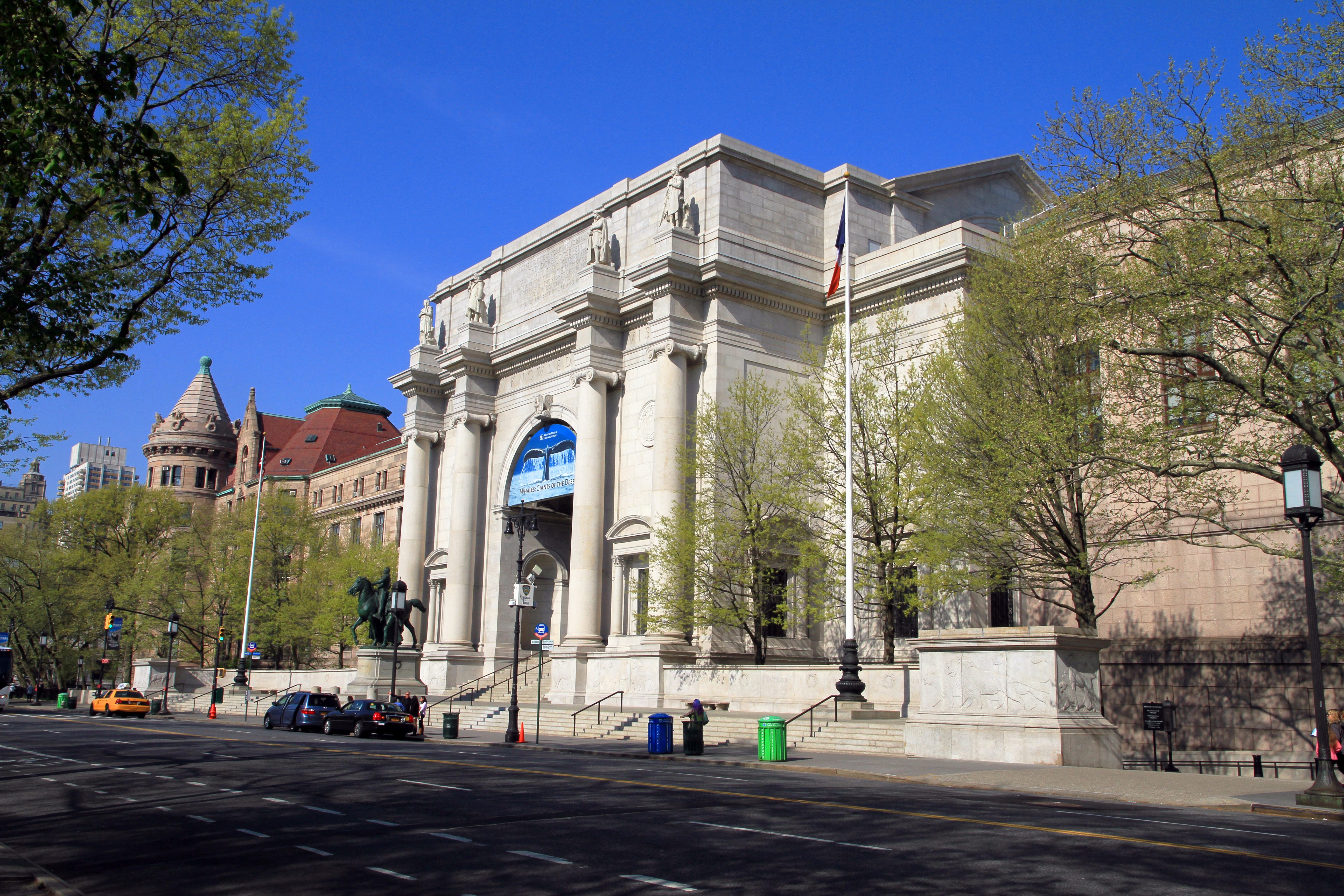
Back to “The Talk of the Town,” the design for a memorial to Teddy Roosevelt was approved, to be erected as part of the east façade of the Museum of Natural History. It was noted that the design featured Ionic columns that Roosevelt “would have detested in favor of a “native expression of the arts…”

USA-NYC-American_Museum_of_Natural_History
The Museum of Natural History façade designed by John Russell Pope. (Wikimedia Commons)

“Talk” continued: “One recalls that Colonel Roosevelt wrote the American Institute of Architects deprecating the use of the lions which doze at the entrance to the Public Library, and advocating the placing there of bisons instead…The memorial to the man who insisted thus on American art, rather than imitation of foreign models, is to be a severely classic as the facade of –let us say—the First National Bank of Dubuque, Iowa.”

New_York_Public_Library_060622
Lion guards New York Public Library entrance. Teddy would have preferred the native bison. (Wikimedia Commons)

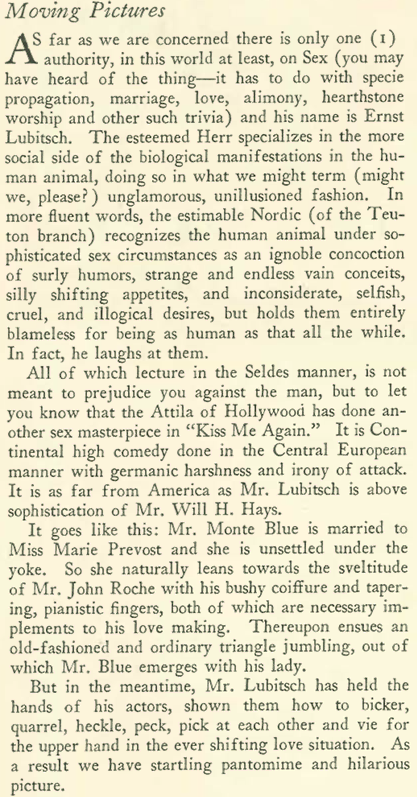
“Profiles” featured Walter L. Clark, a “genius who made art into business.” The movie reviews included Theodore Shane’s fumings on prudishness of American censors (Will Hays in particular) especially when compared to more liberal European productions by directors such as Ernst Lubitsch:

Screenshot 2015-05-22 15.46.17

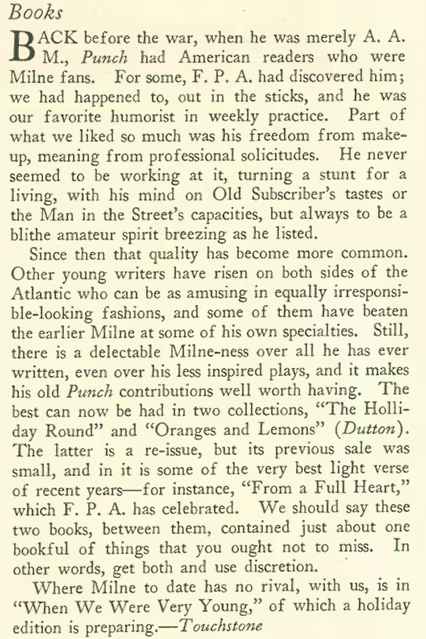
In books, the magazine continued its admiration for the jottings of A.A. Milne:

Screenshot 2015-05-22 15.47.46
(New Yorker Digital Archive)

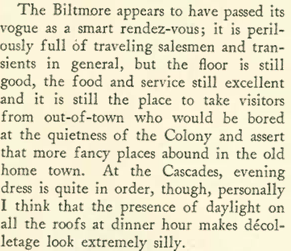
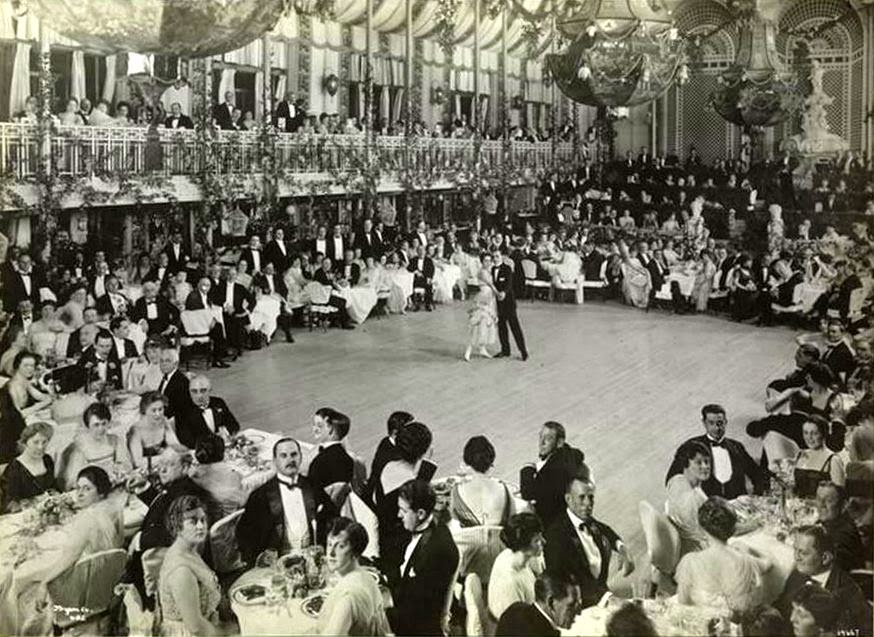
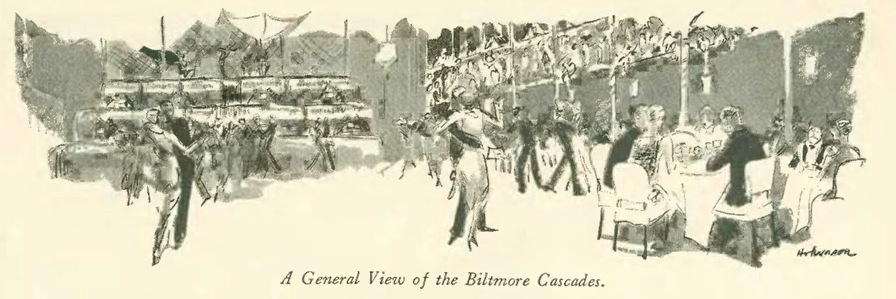
As for night life, The New Yorker lamented (“When Nights Are Bold) that the rooftop garden at the Biltmore “was the only bower worthy of the name left in town where quiet or startling simplicity reigns”:

Screenshot 2015-05-22 15.50.27

BiltmoreCascades
The Biltmore Cascades (Museum of the City of New York)
Screenshot 2015-05-22 15.51.01
Illustration of the Cascades by Helen Hokinson. (New Yorker Digital Archive)

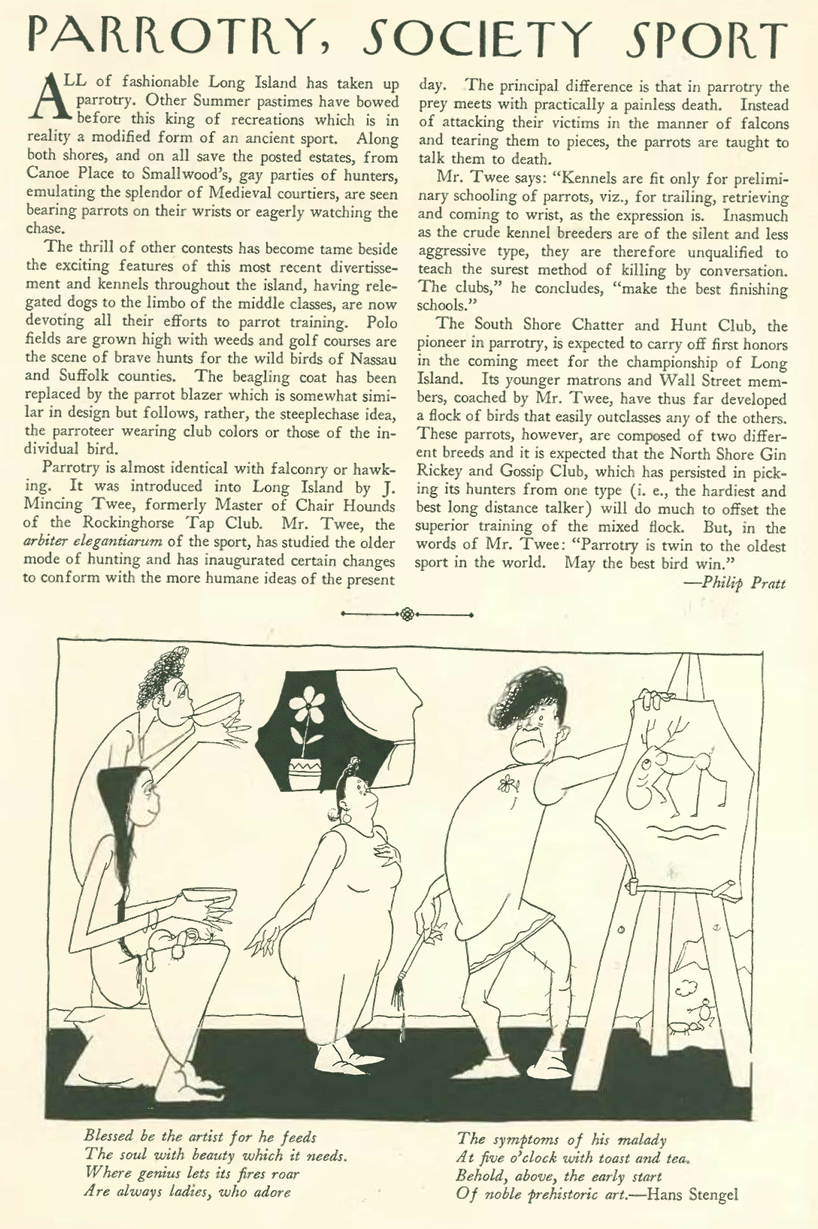
And speaking of society pursuits, Philip Pratt offered this parody on falconry, while Hans Stengel took aim at the starving artists:

Screenshot 2015-05-22 15.41.45
(New Yorker Digital Archive)

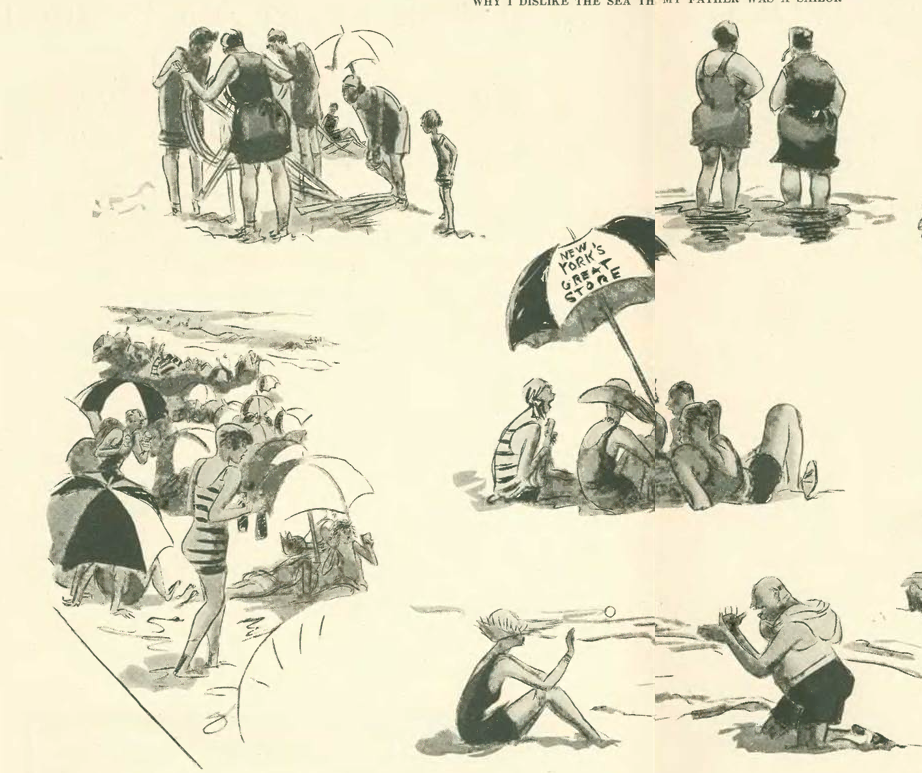
And we end with a detail of summertime images (by Helen Hokinson) from the center spread of the August 1 issue:

Screenshot 2015-05-22 15.39.56
(New Yorker Digital Archive)

Next time: The dog days of summer.

Screenshot 2015-06-04 12.52.15


Bearish on the Second City

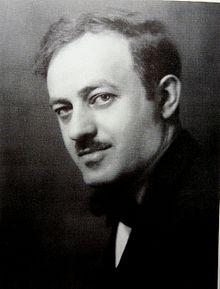
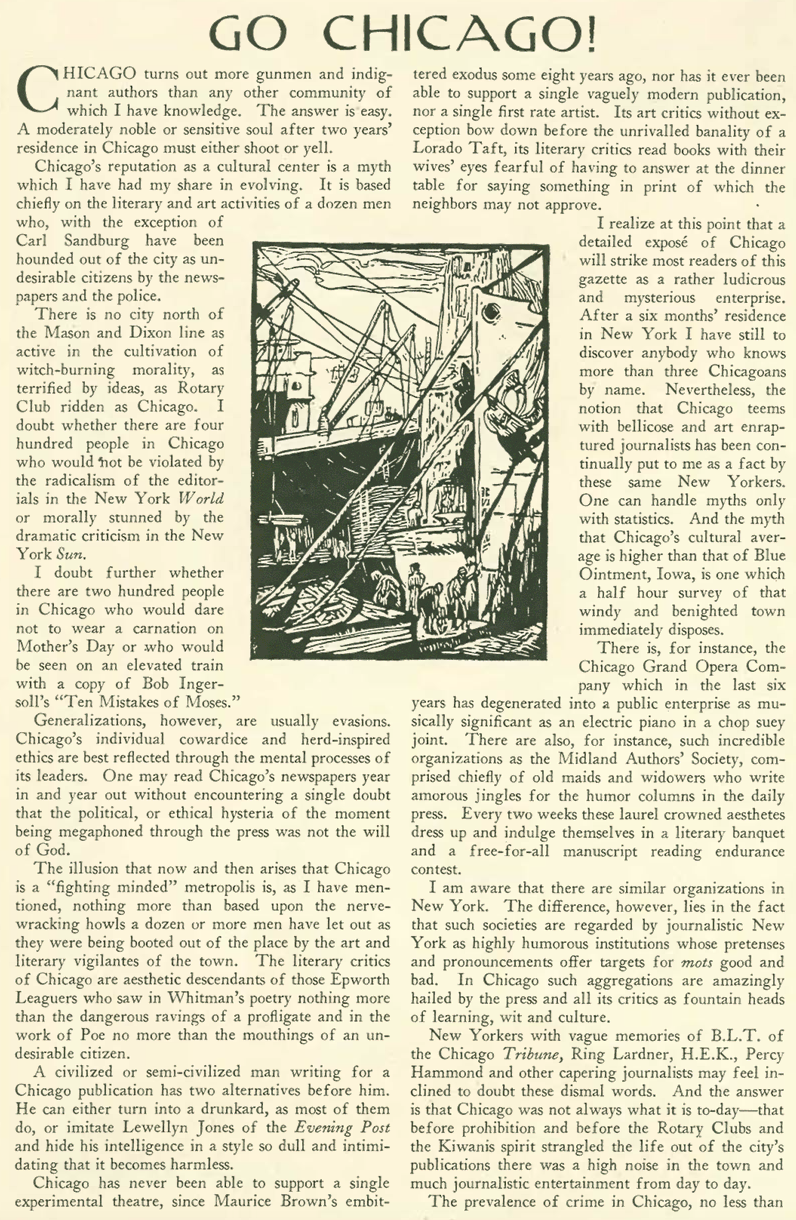
The New Yorker rarely missed an opportunity to take potshots at rival cities such as Philadelphia or Boston, but Chicago was a special target in the magazine’s crosshairs as a notorious Midwestern backwater. The July 4, 1925 issue included a feature titled “Go Chicago,” in which Ben Hecht parodies the city’s pretensions and acts of boosterism.

Ben Hecht in 1919. (Wikipedia)

Among Hecht’s observations:

There is no city north of the Mason and Dixon line as active in the cultivation of witch-burning morality, as terrified by ideas, as Rotary Club ridden as Chicago.

I include below the entire piece for the full effect of Ben’s acid-tipped pen:

Screenshot 2015-05-14 09.37.36

Screenshot 2015-05-14 09.37.57
(New Yorker Digital Archive)

A note on Hecht: According to IMDB, he is considered one of Hollywood’s and Broadway’s greatest writers. He won an Oscar for best original story for Underworld (1927) at the first Academy Awards in 1929 and had a hand in the writing of many classic plays and films, including the play The Front Page and the film Notorious. Although he received no credit, Hecht was paid $10,000 by David O. Selznick to perform a “fast doctoring” on the script for Gone With The Wind.

The New Yorker celebrated its first Fourth of July with a busy, two-color cover depicting Coney Island’s famous Luna Park:

Screenshot 2015-05-13 16.18.24
July 4, 1925 cover by Ilonka Karasz. (New Yorker Digital Archive)

One wonders if the cover art was part of an arrangement for advertising revenue, given that this ad appeared on the back cover of the same issue:

Screenshot 2015-05-14 09.44.34
(New Yorker Digital Archive)

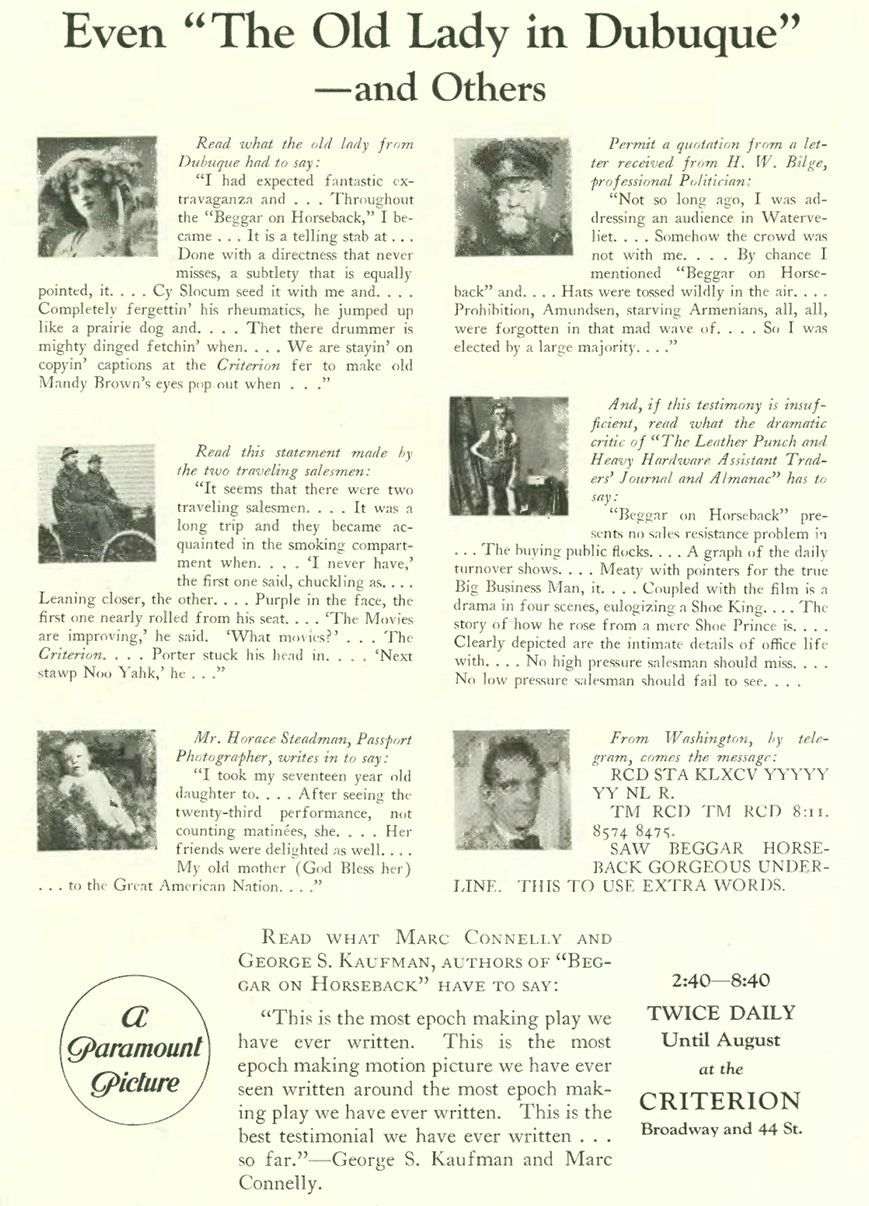
The inside front cover of the issue featured a full-page ad for the Paramount film, Beggar on Horseback, complete with joke reviews from the “Old Lady in Dubuque” and others including the film’s two writers, Marc Connelly and George S. Kaufman, who were also advisory editors of The New Yorker:

Screenshot 2015-05-13 16.19.54
(New Yorker Digital Archive)

“Talk of the Town” commented on how modern artists such as Henri Matisse, Marsden Hartley, Charles Demuth and Constantin Brancusi were influencing contemporary fashion: “To-day sees the dress houses and even the Fifth Avenue department stores displaying “Cubist fashions”—scarves patterned like composite photographs of all the abstruse countenances in Euclid’s book of open curves, gowns that are marked with subtle diagrams on the variation of the triangle…sports blouses done in bands of gradated color and roundish forms which proclaim their nepotal relation to Cezanne…”

Screenshot 2015-05-14 10.27.35
Dress at left “suggests the fractured and splintered paintings of George Braque, Marcel Duchamp and the early cubist paintings by Picasso. In both art and fashion, Cubism was the modern style” (description and image from Smith College Historic Clothing). At right, a dress from 1924 designed by Paul Poiret (Thierry de Maigret).

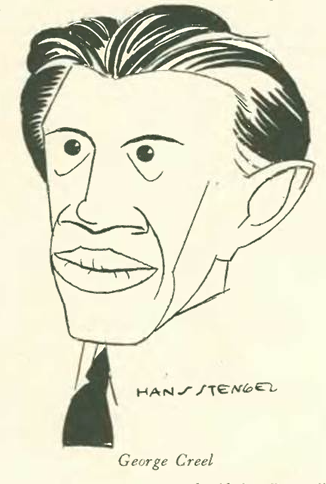
“Profiles” featured George Creel, an investigative journalist and politician who headed President Woodrow Wilson’s propaganda arm, the Committee on Public Information, during World War I. The profile’s author, Harvey O’Higgins, wrote that “The Incredible Mr. Creel” was often unpopular with the press as a war-time propagandist, but Creel himself was not a censor but rather a good-humored, honest man with “the ideals of an adolescent.”

Screenshot 2015-05-13 16.27.37
Hans Stengel rendering of George Creel in “Profiles” (New Yorker Digital Archive)

In the “Of All Things” section, Howard Brubaker wryly observed: “Now that Dorothy Perkins has been sentenced to three years in prison we hope that ladies will think twice before killing gentlemen unless they are actually annoying.”

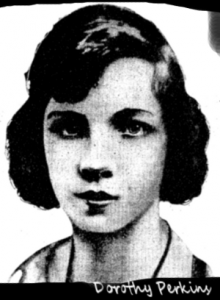
At the time, Perkins was the youngest woman ever charged with murder in New York. She was just 15 when she met 35-year-old Mickey Connors, described by blogger Mark Gribben in The Malefactor’s Register as a “truck driver and spouse-abusing divorced felon.”

Gribben writes that “Connors and Dorothy apparently met in June 1924 when he wed the mother of one of Dorothy’s girlfriends. After that marriage, Connors moved away from Greenwich Village, but kept in contact with Dorothy on the sly.”

According to Gribben, on Valentine’s Day 1925, a rival suitor for Dorothy, 26-year-old Tommy Templeton (who served with Dorothy’s father, Rudolph, in World War I), attended a birthday party for Rudolph at his Greenwich Village house. During the party, the drunken Rudolph apparently asked Dorothy, “Why do you want a bum like Connors when you can have a nice fellow like Tommy?” At some point Dorothy went to her room to fetch a .22-caliber revolver she had stolen from an aunt in Connecticut.

dorothyperkins-220x300
Dorothy Perkins (The Malefactor’s Register)

What ensued was related by the family minister, Rev. Truman A. Kilborne, in testimony to the court. Rev. Kilborne said the family told him that when Rudolph attempted to take the revolver from his daughter, she resisted and in the struggle the revolver went off. Templeton, who was standing nearby, was shot through the heart.

During her trial, Dorothy claimed that her standoffish treatment of Tommy (and being seen with Conners) was an attempt to make “(Tommy) jealous by flirting with someone else.”

On June 17, 1925, the jury rejected the state’s case that the shooting was murder and convicted Dorothy of manslaughter.

Contrary to The New Yorker account, Dorothy was sentenced to 5 to 15 years in the women’s prison at Auburn, but ended up serving just four years of the sentence, during which time she was trained as a stenographer. She was released in January 1929 for good behavior. Mickey Connors served a few months in the Tombs prison for contributing to the delinquency of a minor.

You can read Gribben’s full account in The Malefactor’s Register.

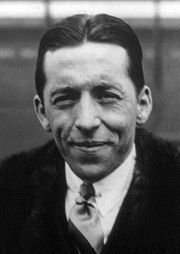
180px-Ralph_Barton_1926
Ralph Barton (Wikipedia)

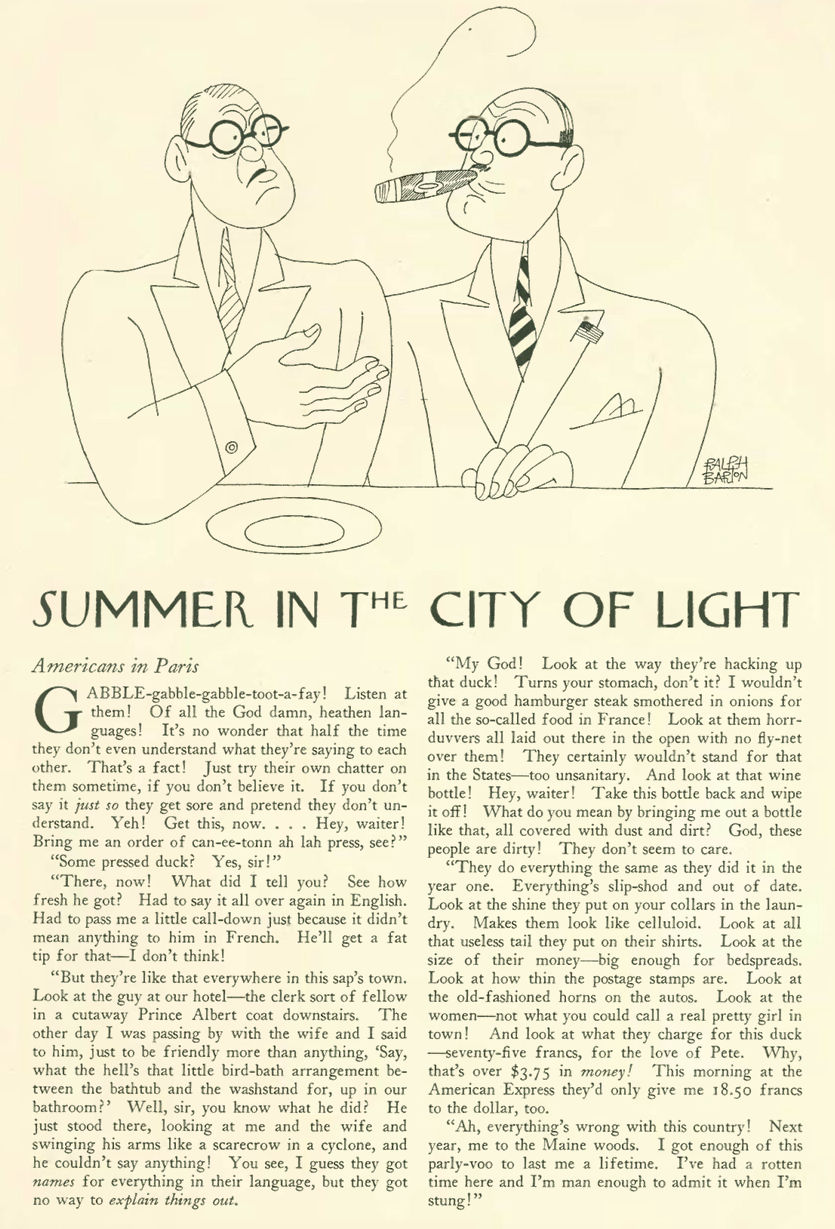
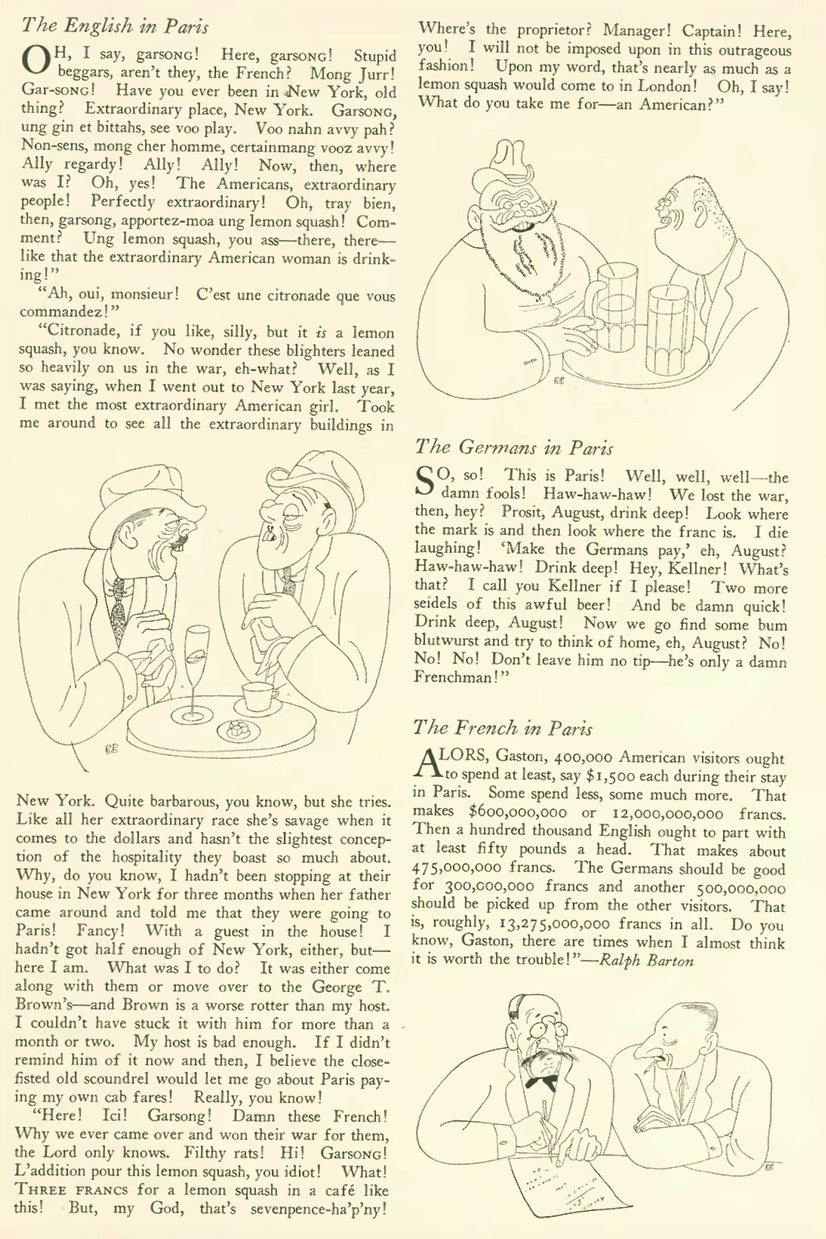
The issue also included this wonderful two-page illustrated feature by Ralph Barton, a subject in my previous blog post, The Vicious Circle. Barton was very familiar with French life and customs. According to Wikipedia, in 1915 Puck magazine “sent Barton to France to sketch scenes of World War I. It was then that Barton developed a great love of all things French, and throughout his life he would return to Paris to live for periods of time. In 1927 the French government awarded Barton the Legion of Honour.” 

Screenshot 2015-05-14 09.41.08

Screenshot 2015-05-14 09.41.24
(New Yorker Digital Archive)

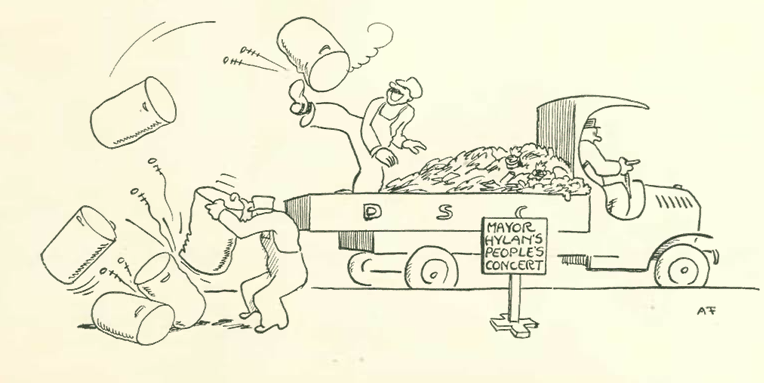
And finally, a cartoon from the issue that takes aim at New York City Mayor John F. Hylan. From the very first issue of The New Yorker (Feb. 21, 1925), the mayor (comically referred to as “Jonef Hylan”) was a frequent target:

The next great figure in the early legends of New York is that of Jonef Hylan. Hylan, in all probability, was not a real person; but it is impossible to understand New York without giving careful study to the Hylan myth. In many respects, it resembles the Sun Myth of other great civilizations; for his head was as a head of flame, and he rose early each morning from beyond the East River, bringing light into all the dark places and heat into the sessions of the Board of Estimate. The populace called their Sun God “Red Mike”; but in the frenzy of their devotions, they simply yelled “Ra! Ra!

Screenshot 2015-05-14 09.40.23
Cartoon by Al Frueh from the July 4, 1925 issue (New Yorker Digital Archive)


Cornpone Celebrities

Screenshot 2015-05-07 12.46.19
Cover, June 20, 1925, by H.O. Hofman.

Anticipation of the upcoming Scopes “Monkey Trial” continued to fill the pages of The New Yorker. In the June 20, 1925 issue, “The Talk of the Town” led with an account (titled “Martyr de Jour”) of trial defendant John T. Scopes’s visit to New York City.

The “Talk” author wrote admiringly of Scopes, if not also with a degree of condescension, noting that the Tennessee schoolteacher was “introduced in circles with which, hitherto, he had been acquainted only through his love for books and periodicals…He was fêted and lionized, this back-country school-teacher, a shrewd, slow-speaking, slow-moving individual such as novelists have misrepresented as being typical of our agricultural regions. He was lionized socially, that is. Although, of course, there was that rather distressful incident of entertainment when Mr. Scopes and Dr. George W. Rappleyea, his devoted friend, attended the “Follies” by invitation of the late press agent for the American Civil Liberties Union, and found, on arrival that while guests they were expected to pay for their own tickets.”

Rappleyea-Scopes-1925
Rappleyea and Scopes in 1925 (Smithsonian Institution)

Scopes and Rappleyea were in town to find scientists who would be willing to testify in Scopes’ legal case. “Talk” noted that despite its humble description of the teacher, Scopes was no meek country boy; indeed he had complained to the press that his importance had been minimized by all the attention paid to the prosecuting and defending attorneys, Clarence Darrow and William Jennings Bryan.

For the record, George Rappleyea was a metallurgical engineer and manager of the Cumberland Coal and Iron Company in Dayton, Tennessee, which was the site of Scopes Trial. It was Rappleyea who convinced a group of Dayton businessmen to sponsor a test case of the Butler Act (which prohibited the teaching of evolution in state schools) and also convinced Scopes to serve as defendant.

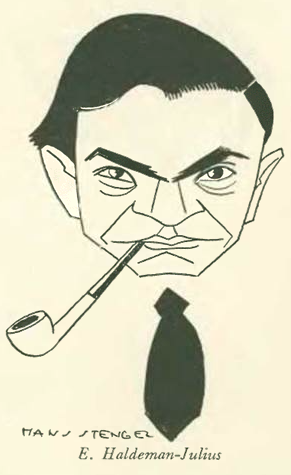
The trial would attract many public figures, including E. Haldeman-Julius, who was coincidentally featured in the issue’s “Profiles” section.

Screenshot 2015-05-07 13.13.24
Hans Stengel’s “pen portrait” of E. Haldeman-Julius

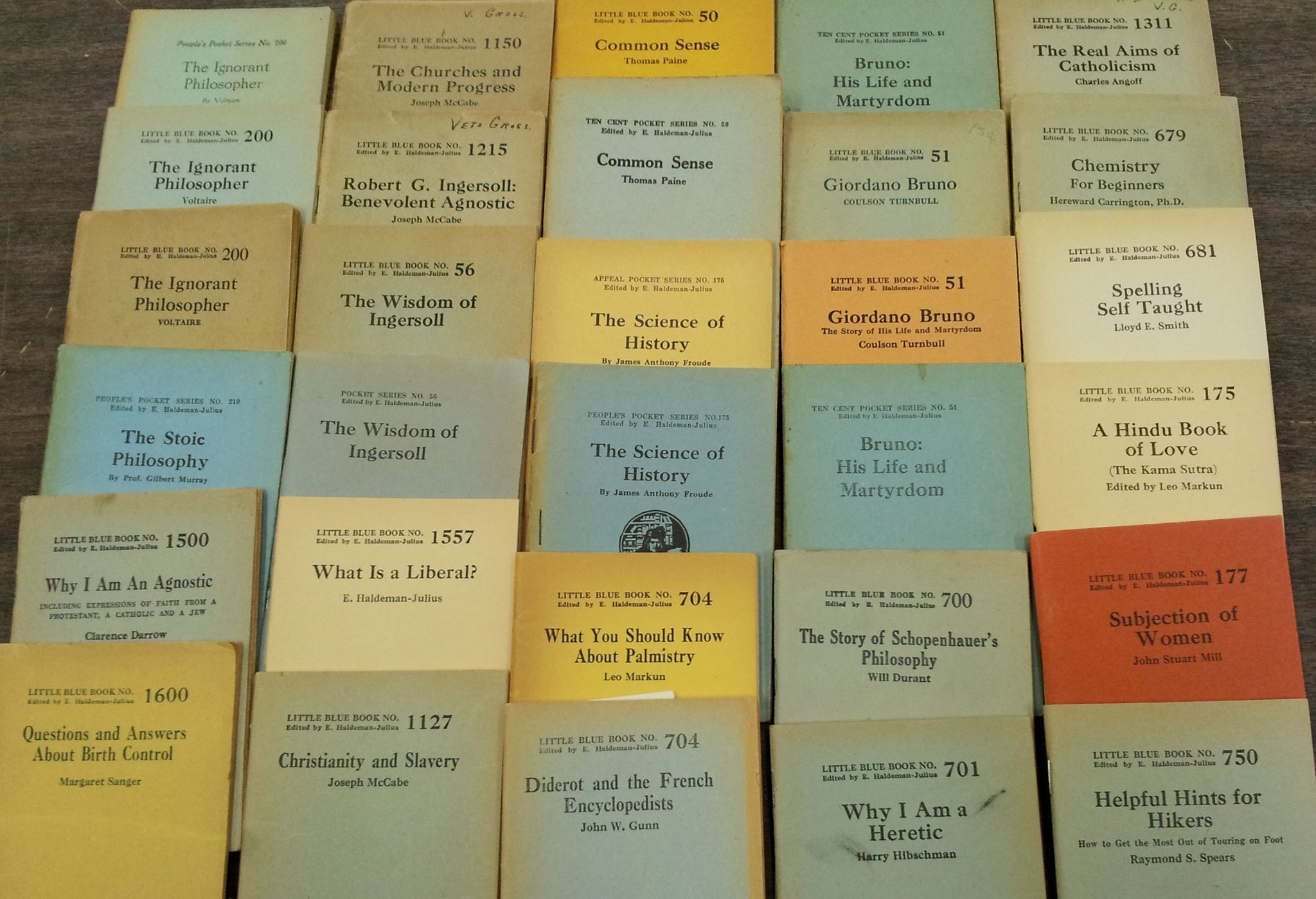
Haldeman-Julius was a socialist reformer and creator of a series of small, staple-bound booklets known as “Little Blue Books,” which featured various writings on social issues and abridged reprints of classic literature.

If a book sold less than 10,000 copies in one year, Haldeman-Julius would remove it from his line. But first he would try out a lurid title for the book, and sometimes the tactic would revive sales. For example, The Tallow Ball by Guy de Maupassant sold 15,000 copies one year, but nearly 55,000 the next year after the title was changed to A French Prostitute’s Sacrifice.

lbb
A sampling of Little Blue Books (image: centerforinquiry.net)

The writer of the profile, Alexander Woollcott, noted that 75 million Little Blue Books had been published to date (according to Haldeman-Julius), and one might conclude that the famous socialist pamphleteer had “sold out to Mammon” because of the wealth generated from the sales, but Woollcott concluded that Haldeman-Julius and his wife, Marcet, were accomplished authors themselves (including their 1921 novel Dust) and even a socialist crusader would feel pride at the sight of a workman on a subway train, settling back with “his Little Blue Book.”

7091Davis3
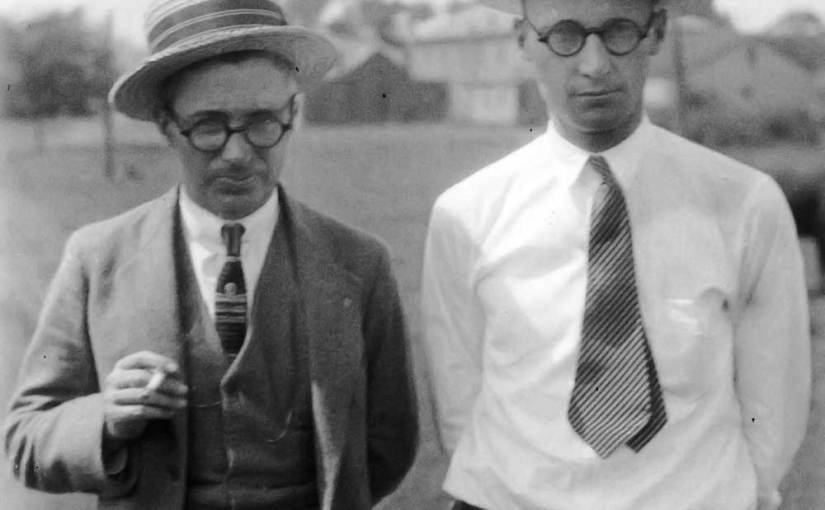
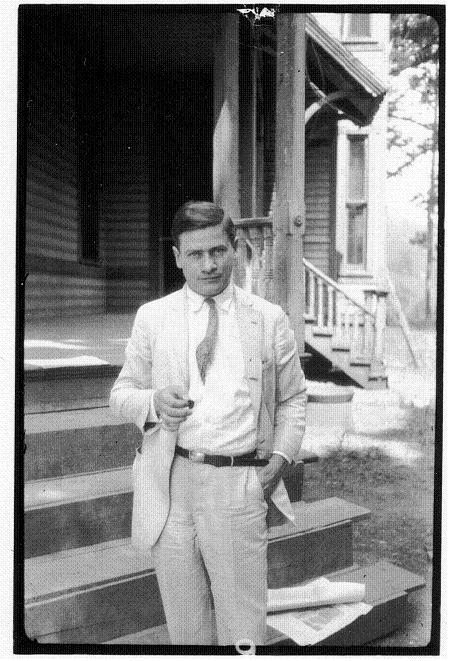
It should be no surprise that Haldeman-Julius was also present in Dayton for the Scopes Monkey Trial. According to the Smithsonian, he and his wife Marcet drove 200 miles from their home in Kansas to observe the trial. In this photo he is shown on the steps of “Defense Mansion,” an old Victorian house owned by Rappleyea’s coal and iron company, which had been quickly restored by Rappleyea to accommodate the defense team and their scientific witnesses. (Smithsonian Institution)

The “Critique” section offered this observation about a new show at the Colonial, featuring Johnny Hudgins (Hudgins was featured in my April 8 blog, Knickerbocker Junction:

Screenshot 2015-05-07 13.34.14
(New Yorker Digital Archive)

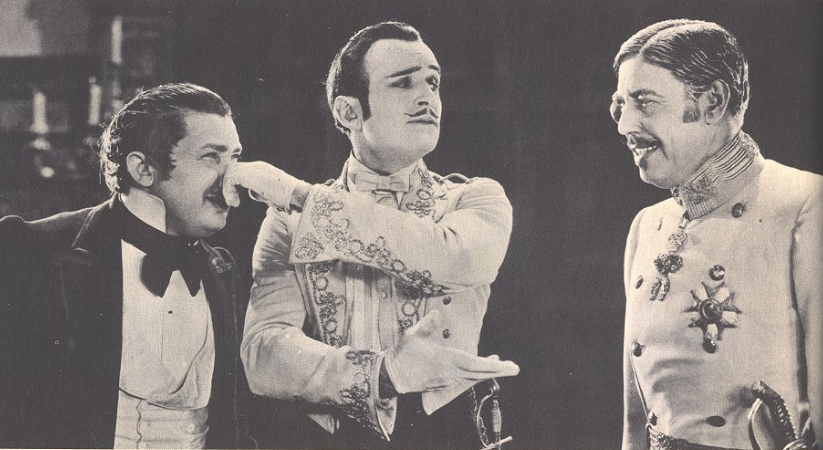
There was also an item about Don Q, Son of Zorro, a film starring Douglas Fairbanks that made its debut at Broadway’s Globe Theatre. The review noted that the movie is full of Fairbanks acrobatics, and “Doug does everything except play the saxophone.”

Screenshot 2015-05-07 15.37.04
Don Q (Douglas Fairbanks) tweaks the nose of Don Fabrique (Jean Hersholt), much to the amusement of The Archduke (Warner Oland). (Scan from Jean Hersholt’s Album Of Hollywood Stars, a promotional booklet sponsored by the makers of Vaseline)

It was noted, however, that the best performance of the picture was by Warner Oland, who played a dimwitted archduke. The Swedish actor Oland would gain fame for playing “oriental” characters, most notably Dr. Fu Manchu in the late 20s and early 30s, and the detective Charlie Chan in more than a dozen movies in the 1930s. He also played the role of “The Cantor” in 1927’s The Jazz Singer, one of the first of the “talkies.”

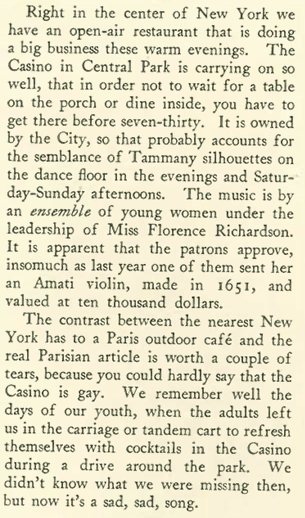
“When Nights Are Bold” featured, among other items, this bit about the growing popularity of an open-air restaurant in Central Park called “The Casino”:

Screenshot 2015-05-07 14.23.20
(New Yorker Digital Archive)

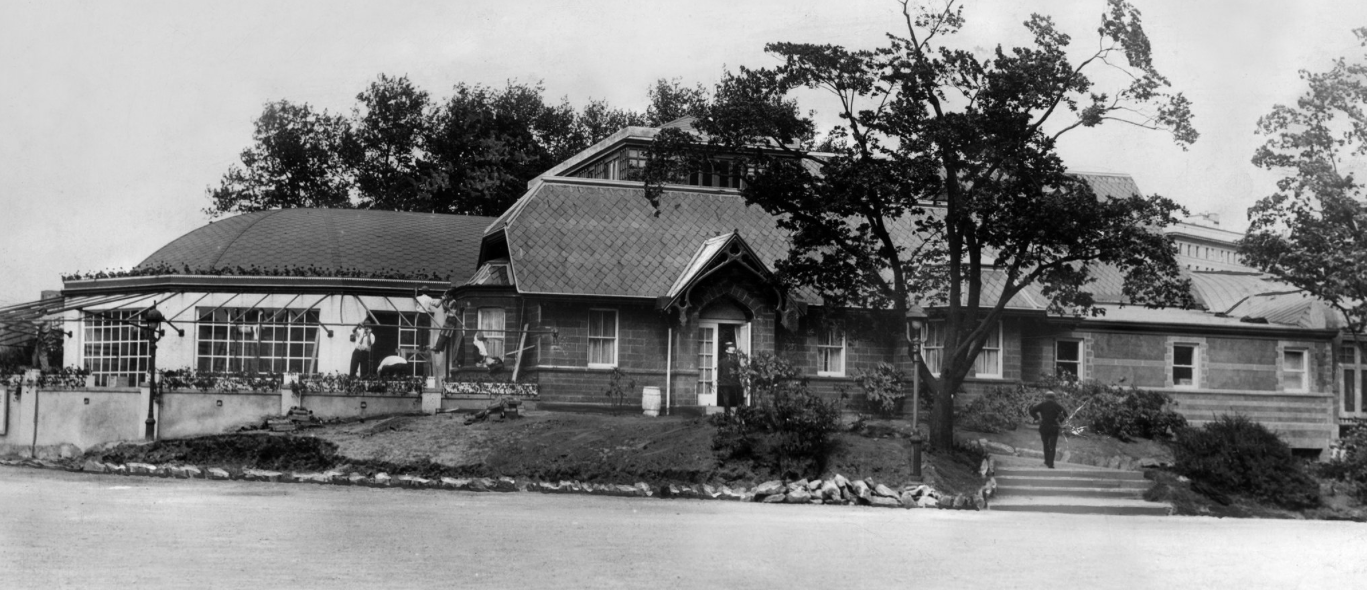
The Museum of the City of New York blog notes that the Central Park Casino began in 1864 as the Ladies’ Refreshment Salon. About 20 years later the salon “morphed into a far pricier destination, called The Casino, and was open to both sexes. The name was used to invoke the Italian translation of “little house” rather than denoting a gambling joint.” Because of its park location and then rare  outdoor seating option, it was the place to see and be seen. By the early 1920s it had declined into “a somewhat dumpy night-club,” but when flamboyant Mayor Jimmy Walker took office in 1926 he personally revived the Casino (through “a series of somewhat sketchy maneuvers”) and turned it into an exclusive nightclub for high society. The good times quickly ended with the 1929 market crash.

Screenshot 2015-05-07 14.20.22
Central Park Casino (The New York Times)

According to centralparkhistory.com, on opening night, June 4, 1929, “a good deal of cynical talk was bandied about among the crowd who watched the socialites arrive. In the fall mayoral campaign Fiorello La Guardia had attacked Walker for leasing the “whoopee joint” in the park to his close friends for a ridiculously low rent — friends who, in turn, obtained some of their financing from gangster Arnold Rothstein (the man who reputedly fixed the 1919 World Series). The stock market crashed that same fall and federal prohibition agents raided the Casino. The elegant playground of the rich had become a symbol of decadence and corruption.” Parks commissioner Robert Moses later replaced the Casino with the Rumsey Playground, which in turn was replaced by the park’s current SummerStage.

Finally we close with some illustrations from the issue. In her book, Defining New Yorker Humor, Judith Yaross Lee writes that the magazine’s “signature caricaturists established the New Yorker’s high sense of humor and gave comic character to the texts…The New Yorker attracted first-rate artists despite its comparatively low rates because photojournalism was restructuring their work, and because art editor Rea Irvin gave it attractive layouts.”

On the inside front cover, this illustration by W. Heath Robinson takes aim at upper-class vanities:

Screenshot 2015-05-07 12.47.16
(New Yorker Digital Archive)

And here are some comic trifles; these were usually found in the center pages, sort of a “joke section” for the smart set. Note the ubiquitous “The Optimist” filler, a tired joke featured repeatedly in the first issues until Katharine (Angell) White came on board later that year and put an end to such nonsense. Also note that the second item is contributed by Julius H. Marx, better known as Groucho:

Screenshot 2015-05-07 13.31.59
(New Yorker Digital Archive)

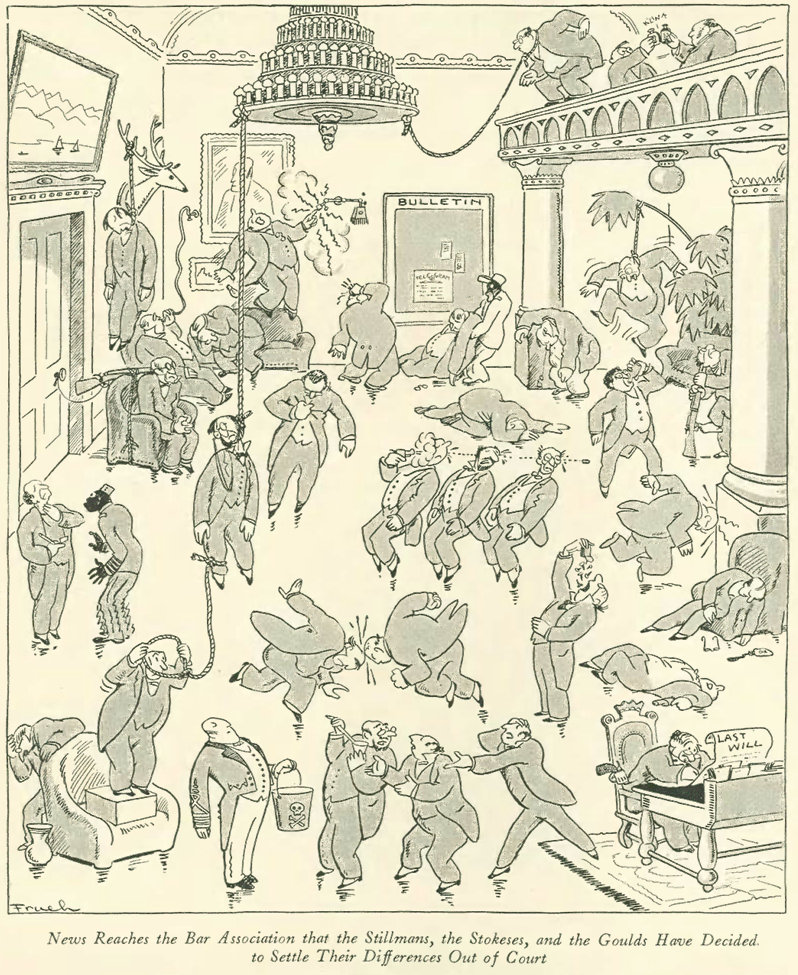
A good example here of how another artist, Al Frueh, finds humor in how the professional elites and the moneyed classes overreact to seemingly minor incidents. In just four years this wouldn’t be so funny:

Screenshot 2015-05-07 13.11.52
(New Yorker Digital Archive)

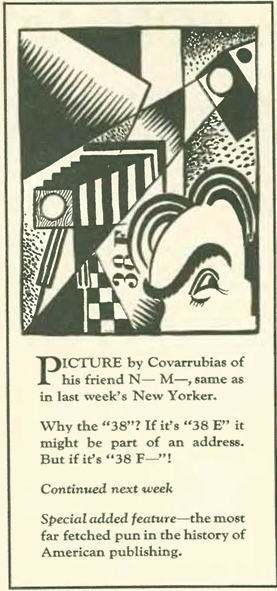
Again we get the mysterious Covarrubias drawing, also featured in my previous post, Bryan’s Planet of the Apes:

Screenshot 2015-05-07 14.18.08

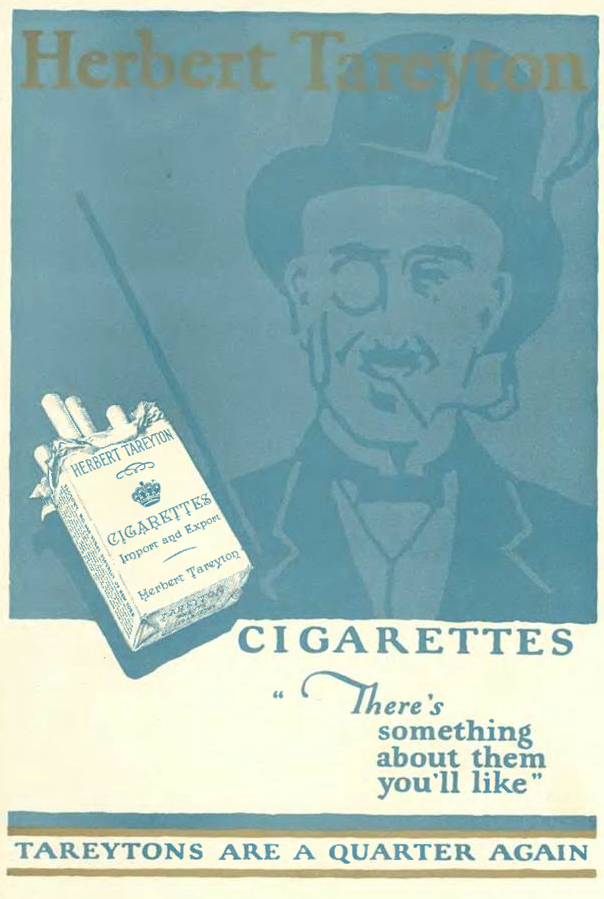
And finally, an advertisement for “Herbert” Tareyton cigarettes. Not exactly the most the persuasive tagline:

Screenshot 2015-05-07 14.36.35
(New Yorker Digital Archive)

Bryan’s Planet of the Apes

Leading up to the famous Tennessee “Monkey Trial” of John Scopes, the June 13 issue of The New Yorker continued its jabs at William Jennings Bryan.

Screenshot 2015-04-29 15.43.40
June 13, 1925 cover by Barbara Shermund. (New Yorker Digital Archive)

Bryan had agreed to serve as prosecutor in the case against Scopes, who was charged on May 5, 1925, with teaching evolution from a chapter in Civic Biology, a textbook by George William Hunter that among other things described the theory of evolution. For the record, Scopes, who was merely a substitute high school teacher, wasn’t even sure if he’d actually taught evolution in his class, but purposely incriminated himself so the trial would proceed with a defendant. Just in case New Yorker readers needed more evidence that Bryan was an ignorant rube, “Talk of the Town” led off with an item on WJB’s visit to the Metropolitan Museum of Art:

Screenshot 2015-04-29 17.00.37
(New Yorker Digital Archive)
Screenshot 2015-04-27 16.13.48
Bryan as depicted by Rea Irvin in June 7th’s “Talk of the Town”.

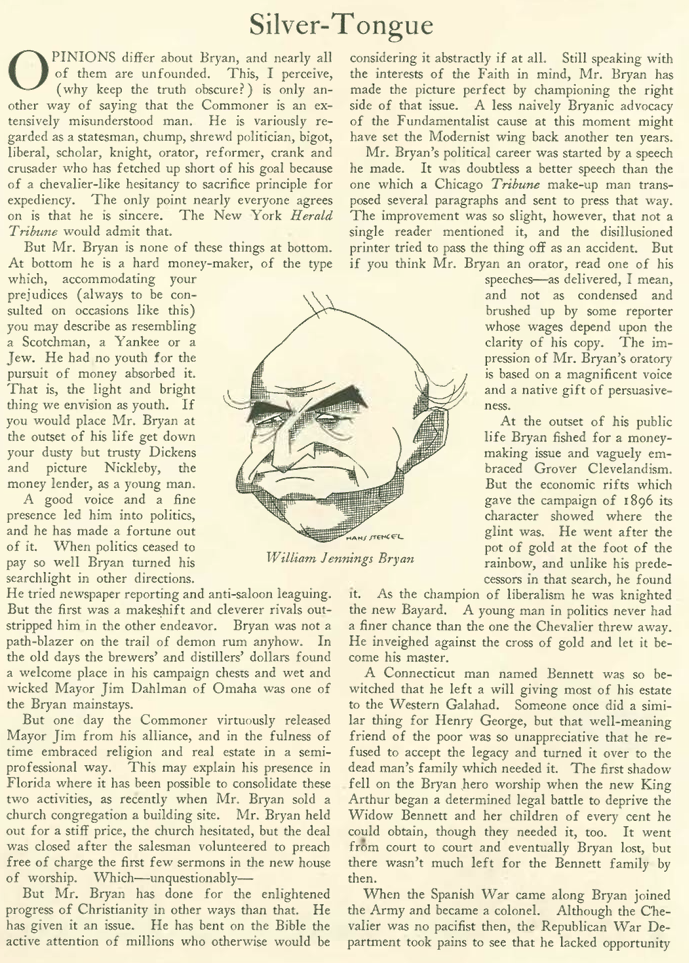
Bryan was also the subject of a “Profile” piece by Charles Willis Thompson, who wrote “the Commoner” is “an extensively misunderstood man.”

Thompson observed that Bryan “is variously regarded as a statesman, chump, shrewd politician, bigot, liberal, scholar, knight, orator, reformer, crank and crusader who has fetched up short of his goal because of a chevalier-like hesitancy to sacrifice principle for expediency.”

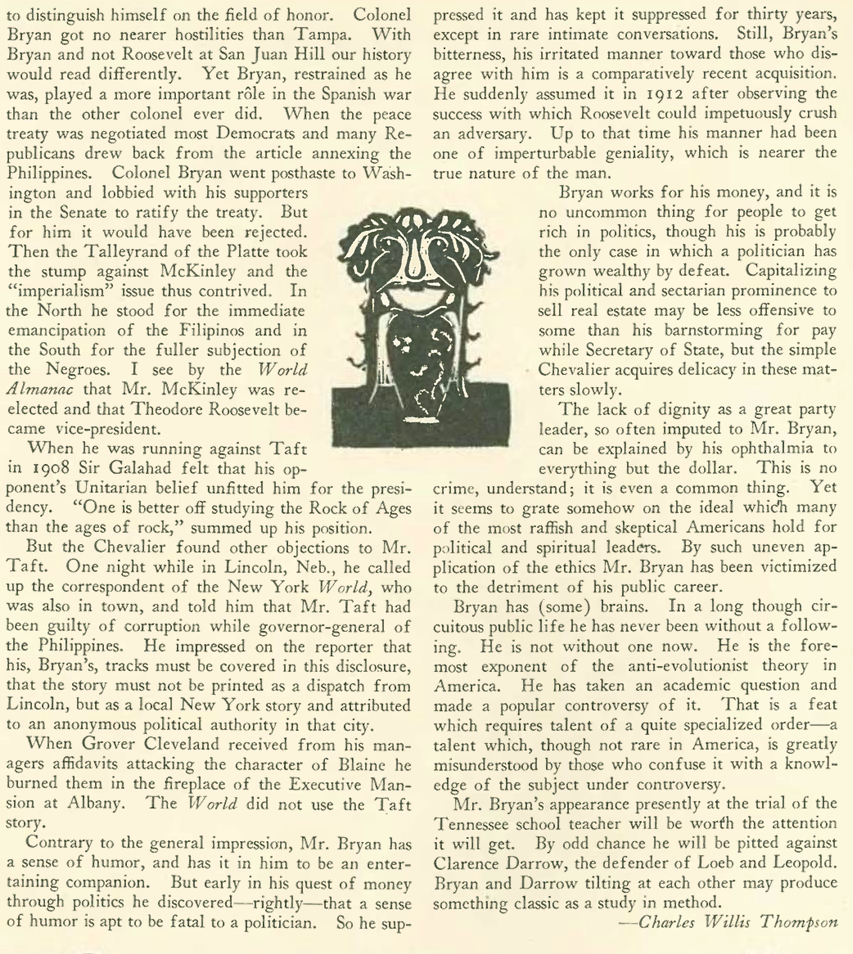
Here is the piece in its entirety (caricature by Hans Stengel)

Screenshot 2015-04-30 11.15.42

Screenshot 2015-04-30 11.16.50
(New Yorker Digital Archive)
Bernar-Macfadden-father-physical-culture-7
Macfadden at age 65 in the early 1930s (yousearch)

The New Yorker was barely afloat as it entered its first summer, but that didn’t dampen its wit as it fished for new subscribers through humorous full page ads regularly featured in the first issues.

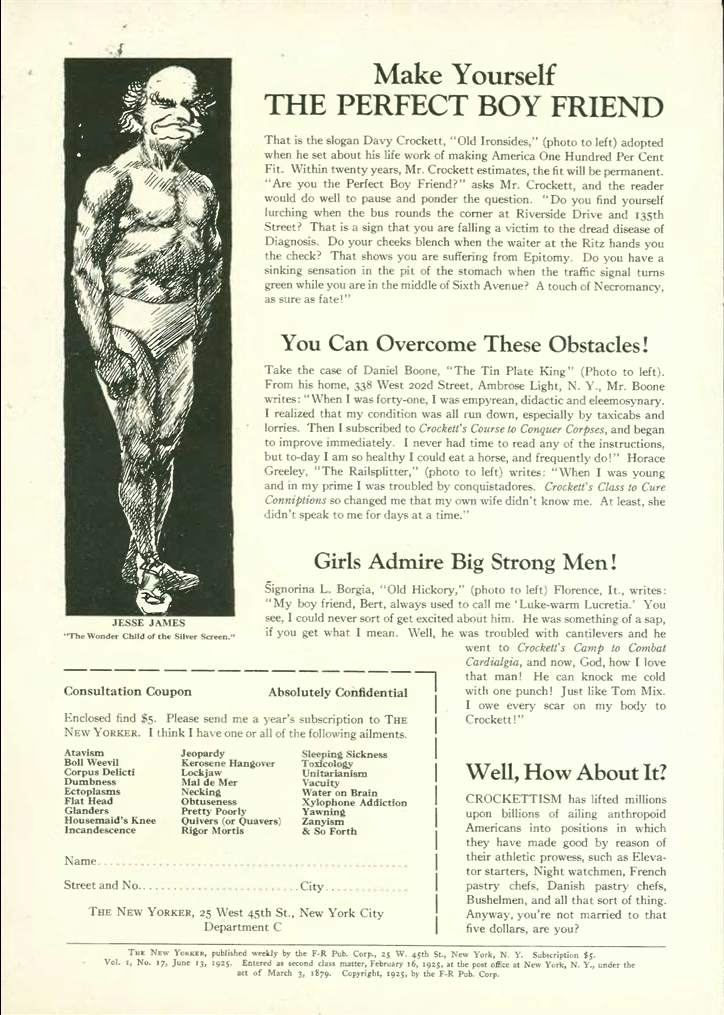
The June 13 issue opened with one such ad that appears to be a parody of a Bernarr Macfadden health and fitness promotion (Macfadden was an influential predecessor to the likes of Charles Atlas and Jack Lalanne). The ad was accompanied by a strange drawing that appears to combine McFadden’s body with–for some reason–William Jennings Bryan’s head:

Screenshot 2015-04-30 15.14.47
(New Yorker Digital Archive)

In addition to Mr. Bryan, “Talk of the Town” also offered these observations…Calvin Coolidge’s fondness for his battered felt hat…the modesty of the young golfing star Bobby Jones and his refusal to accept any money beyond barest expenses for an exhibition match at Harvard…an offer by the famed violinist Jascha Heifetz to deliver, upon his return trip from Paris, a Poiret-designed gown for opera singer Cobina Wright for her upcoming Bal Harbor engagement…and a minor money dispute between George Bernard Shaw and the Saturday Evening Post regarding the reprinting of a short story.

Sherwood-Anderson-011
Sherwood Anderson (Chicago History Museum)

“Talk” also made hay about “Male Plumage” on display in the city, noting that the last time novelist Sherwood Anderson was in town (he is referred to as “the illustrious revealer of the Middle Western Subconscious”) he wore socks “of a particularly glowing brown bespread with diamond checks of an exceptionally vivid shade of green,” and he sported both brown and red feathers in his brown velour hat. It was noted, however, that this display was outdone by Rudolph Valentino, whose silk house pajamas (worn while receiving visitors at the Plaza in Paris) were of “the most vivid crimson ever accomplished.”

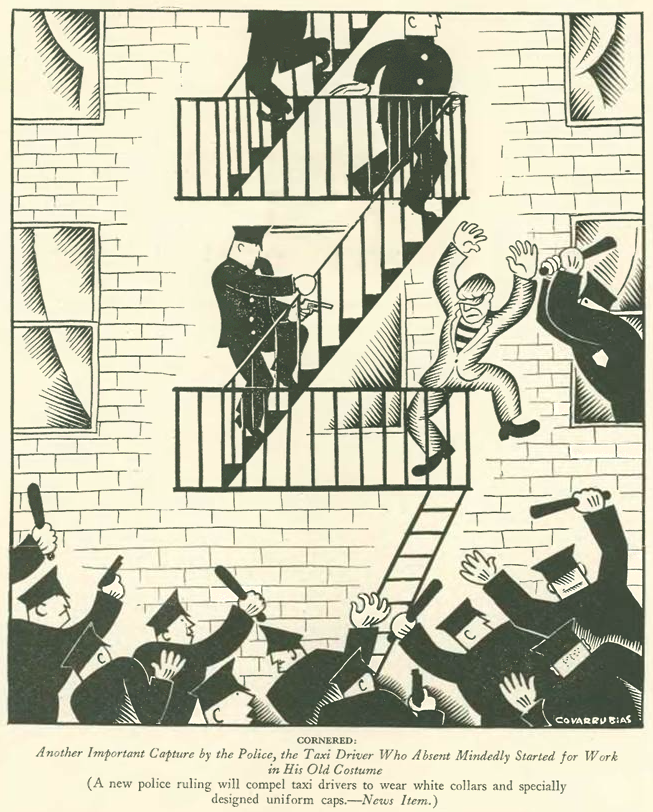
The New Yorker continued its assault on crooked cab drivers with this cartoon by Miguel Covarrubias:

Screenshot 2015-04-30 11.42.56
(New Yorker Digital Archive)

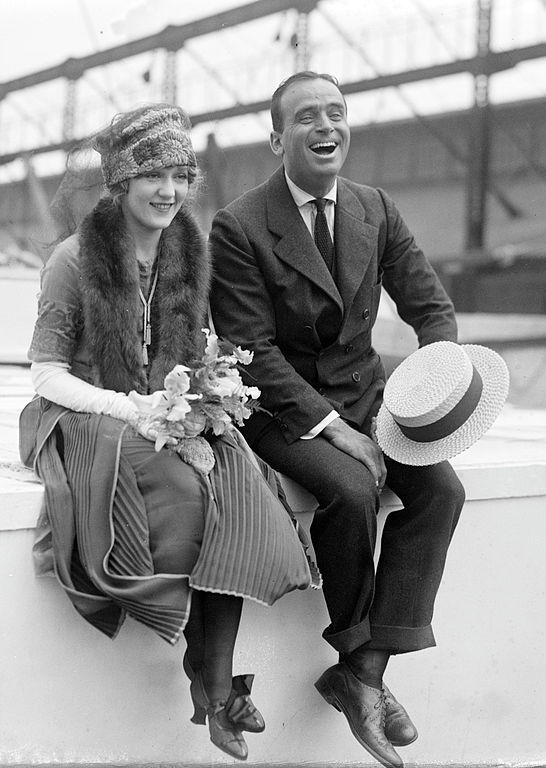
“Of All Things” (written by Howard Brubaker) noted that “The Queen of Rumania and the King of Swat (Babe Ruth) are both writing for the World, but fortunately for us constant readers, low-born newspaper men are still on the job.” It was also noted that silent film idol Mary Pickford “has fallen among bad characters or good press agents.” I have no idea what this refers to. Pickford was married to film star Douglas Fairbanks at the time, and their Hollywood mansion Pickfair was the center of the celebrity universe. The couple played host to heads of state and other dignitaries as well as notables in literature, the arts, and science (Albert Einstein once paid a call).

POWER COUPLE…Douglas Fairbanks and Mary Pickford in the mid 1920s. Pickford, a Canadian-American actress, was one of the 36 founding members of the Academy of Motion Picture Arts and Sciences, and a key figure in shaping today’s Hollywood. The couple formed the independent United Artists along with D.W. Griffith and Charlie Chaplin. (Wikimedia)

German cinema regularly drew favorable reviews in The New Yorker, however Fritz Lang’s Siegfried was called long and arty, “possessing many fine intervals of real beauty…that usually wins the critical adjectives. The average audience will probably be a bit bored at Siegfried’s quest. Tom Mix does this sort of thing with much more verve and snap.”

MV5BMTkzNTAwNDgzMF5BMl5BanBnXkFtZTYwNDk1MDU2._V1_SX640_SY720_
Colleen Moore in the silent film, The Desert Flower (1925) (IMDB)

And if you think the “Cinderella” story has been made and remade too many times, consider that in 1925 The New Yorker already found the theme wearing thin. A review of the The Desert Flower referred to the film as “just another variation of the Cinderella theme.” It told the story of a waif (Colleen Moore) in a railroad construction in camp who falls in love with the son of the railroad’s president. The reviewer wrote that “probably all of this will be popular. It always has been.”

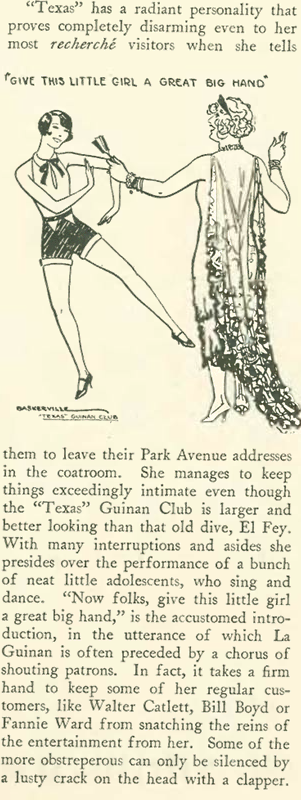
Texas Guinan’s new club proved a be hit, as reported in the feature “When Nights Are Bold.” I last reported on Texas Guinan in my March 18, 2015 post, “A Dry Manhattan,” when prohibition officials put a padlock on her old haunt, the El Fey Club. As we see, things are looking up for the leading lady of New York nightlife…

Screenshot 2015-04-30 12.27.21
(New Yorker Digital Archive)

I am guessing this illustration by Covarrubias was an attempt to fill ad space and encourage readership. I guess we will find out soon enough:

Screenshot 2015-04-30 12.23.49
(New Yorker Digital Archive)

The issue closes with a satirical piece that appears to poke fun at tenement life, or perhaps at the pretensions of art critics, or both. You be the judge:

Screenshot 2015-04-30 12.30.22
(New Yorker Digital Archive)

And finally, a new back page sponsor, in color:

Screenshot 2015-04-30 12.30.39
(New Yorker Digital Archive)

Slices of 1920s New York

The April 11, 1925 issue of The New Yorker is a bit of a hodgepodge, which is true of most of the early issues that are pretty spotty in terms of content. Much of the writing is heavily embellished with cheeky asides, wordplay and the like.

I should note at this point that although I am reading every page of every issue, including ads, what I represent here is what catches my eye and appeals to my particular sensibilities. It is by no means a comprehensive survey. Nevertheless, I hope that my selections give you a good sense of the content of the magazine, and the context of the times and places where the action occurs.

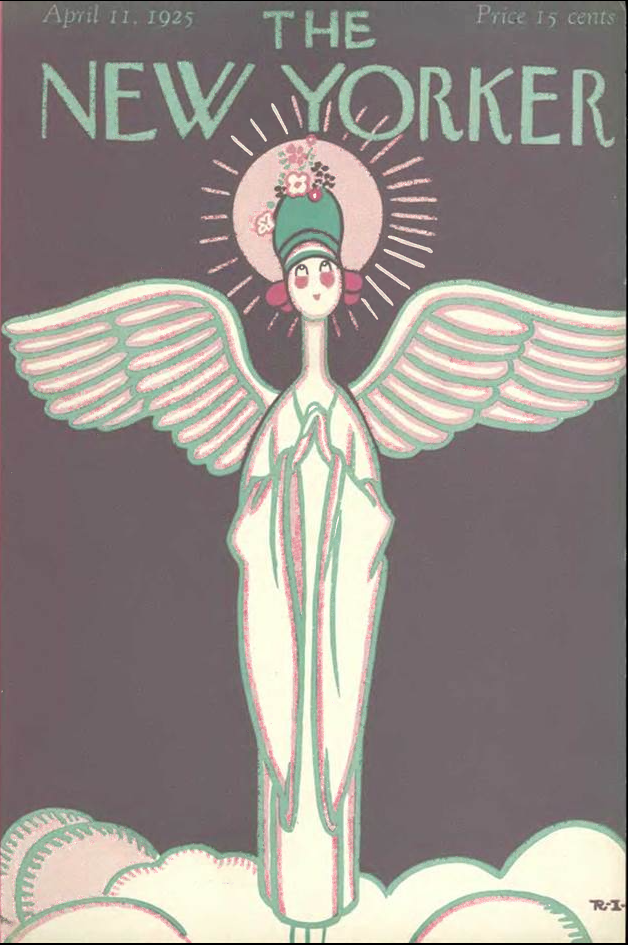
Screenshot 2015-03-25 11.48.33
April 11, 1925 cover by Rea Irvin (New Yorker Digital Archive)

“Talk of Town” opened with rumors of a baby at the Coolidge White House, which proved unfounded. There was also a brief item noting that silent film star Gloria Swanson (who will be prominent in the early issues) was back in the states with her husband, the Marquis de la Falaise de la Coudraie (the marriage ended in 1931, when the Marquis married actress Constance Bennett).

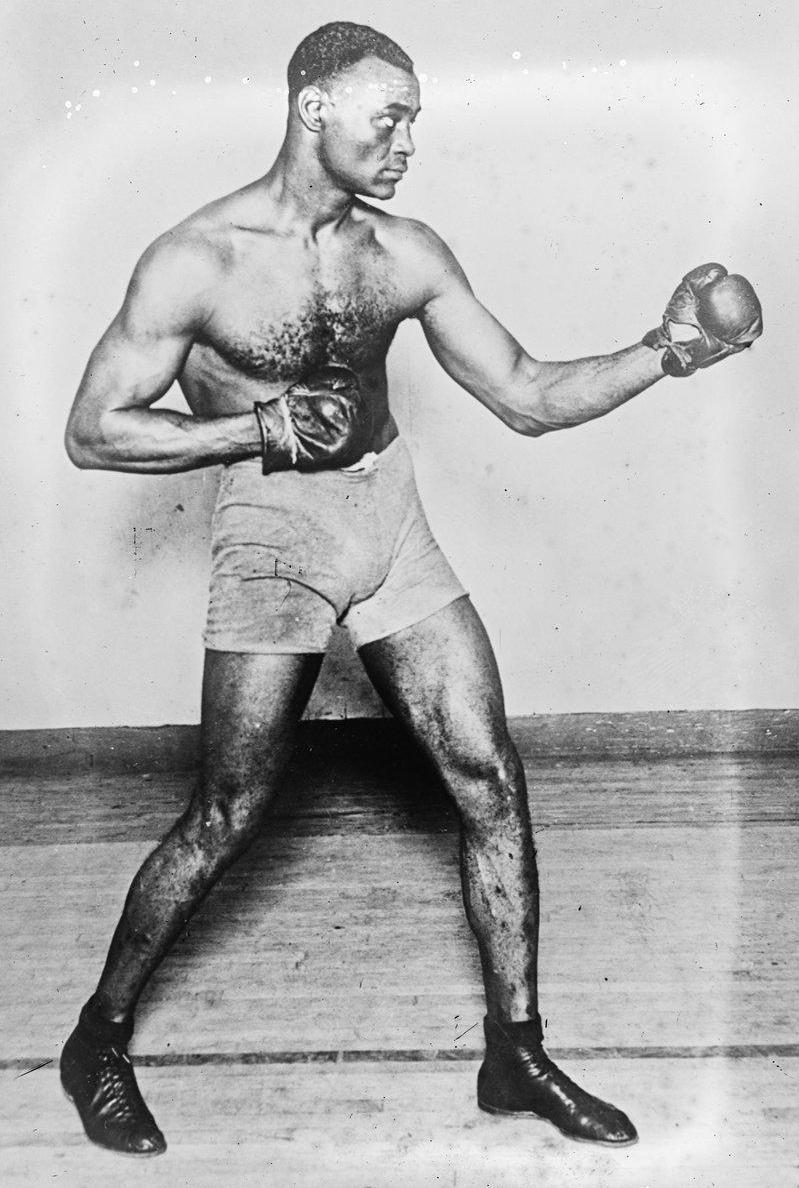
“Talk” also mentioned that a long anticipated boxing match between Harry Wills and Jack Dempsey had hit a snag with the state athletic commissioner.

Harry_Wills_portrait_BNF
Harry Wills in 1920 (Wikipedia)

Boxing historians consider Wills one of the most egregious victims of the “color line” drawn by white heavyweight champions. Wills fought for more than twenty years (1911–1932), was ranked a No. 1 challenger for the throne, but was denied the opportunity to vie for the title. He spent six years (1920–1926) trying to land a title fight with Dempsey, who was willing to fight Wills but backed out when he did not receive a $100,000 guarantee from a boxing promoter. Wills filed suit for breach of contract, leading the athletic commissioner to bar Dempsey from competing in the state (Dempsey would later lose in points to Gene Tunney in a Philadelphia bout).

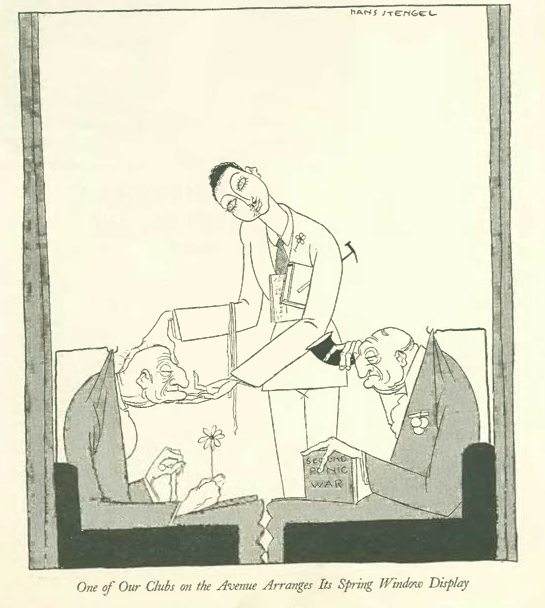
Screenshot 2015-03-25 12.06.25
Cartoonist Hans Stengel’s take on upper crust society. The old guard will prove to be a frequent target of subtle jests from the brash young magazine. (New Yorker Digital Archive)

“Talk” offered a brief item on a “new religion” making the rounds, run by A. E. Orage. It noted that he was a disciple of Gurdjieff (and I should add both are offspring of Madame Blatavsky’s Theosophical Society) who “took New York by storm” the previous year. “Talk” said Orage offered classes “in which he intensifies the soul for $10 a month.”

Screenshot 2015-03-25 11.59.19
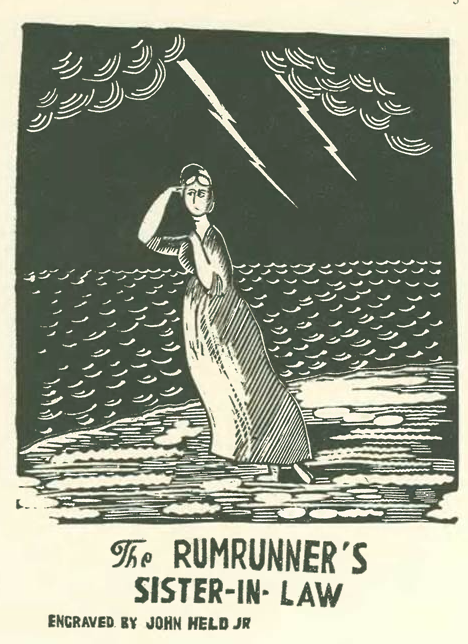
John Held Jr. woodcut in the April 18, 1925 issue. Held was a high school classmate of New Yorker founder Harold Ross when both lived in Salt Lake City. (New Yorker Digital Archive)

The issue also marked the first appearance of darkly-themed woodcuts on various Victorian subjects by John Held Jr. He is perhaps even more famous for his variety of illustrations throughout the 1920s that captured the flapper era, and no doubt why he is still known for his work today.

JohnHeld_Tales_of_the_Jazz_Age_1922
John Held Jr. cover art for a 1922 short story collection by F. Scott Fitzgerald. (Wikipedia)

“Profile” featured famed birth control rights advocate Margaret Sanger in a piece titled “The Child Who Was Mother to a Woman.” Although “Profile” mentioned her great cause, it was largely focused on her defiance of authority, her championing of free speech (which she inherited from her father, a carver of tombstones), and of her ability as a small, timid woman to overcome the fear of speaking in public.

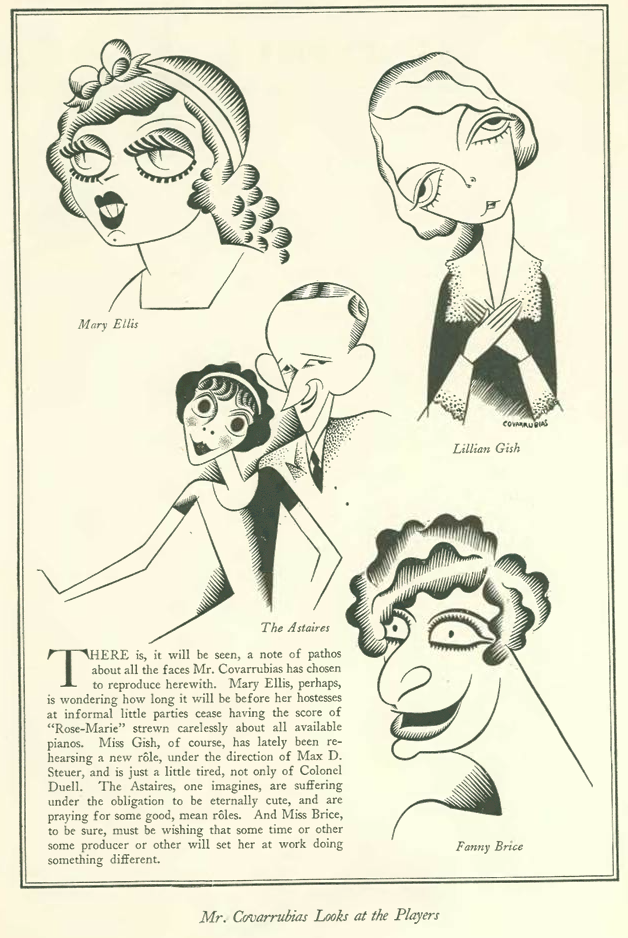
In this issue we are treated to Miguel Covarrubias drawings of contemporary celebrities:

Screenshot 2015-03-25 12.26.07
(New Yorker Digital Archive)

The “Motion Pictures” section noted the following: “Texas Guinan, Hard Hearted Hannah and the gals of the El Fey Club (recently padlocked, see my entry “A Dry Manhattan”) moved over to the Famous Players Astoria studios the other day to lend the right color to Allan Dwan’s production, “Night Life in New York.”…unless the censors cut the scenes, Kansas, Iowa and other inland points can glimpse how Manhattan spends its evenings when it isn’t trying to get Havana or Oakland on the radio.”

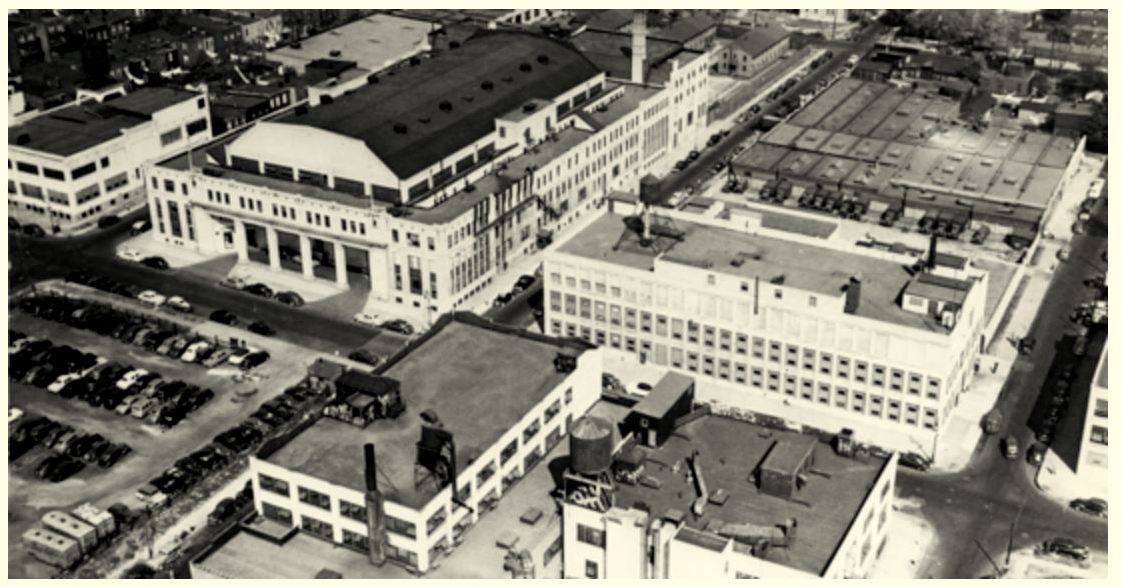
Famous Players Astoria studios (originally Famous Players-Lasky) was located near the Broadway theatre district. Two Marx Brothers films–The Cocoanuts (1929) and Animal Crackers (1930)–were filmed there. Although Lasky’s Paramount moved the studio operations to California in 1932, the Astoria location continued to thrive, used first by the U.S. Army (beginning in 1942) to make indoctrination films and later by other studios and networks to make everything from music videos, to films (Goodfellas) to television programs (Sesame Street).

laskystudiosastoriause
The Lasky Players Studio in Astoria, now home to the Museum of the Moving Image. (Museum of the Moving Image)

The “Motion Pictures” section also mentioned that German director F. W. Murnau (perhaps most famous today for the original 1922 Nosferatu) was coming over to direct. The New Yorker observed that “he the most distinguished screen newcomer since Ernst Lubitsch came over.”

German actors and directors featured prominently in early New Yorker reviews. They were drawn to America by artistic opportunity, however. Later actors and directors (and other artists) would come over to flee Nazi persecution.

But then again, readers of the April 11, 1925 issue don’t know that yet.