
Above: The first three issues of The New Yorker, an Al Frueh cover (#2) sandwiched between Rea Irvin covers.
The current team at The New Yorker has put together a great read (Feb. 17 & 24, 2025) to mark the magazine’s centennial. I’m still reading, but what I have seen so far is first rate, including Jill Lepore’s insightful “War of Words” (chronicling the battles between editors and writers over the years) and David Remnick’s look back at those first years of struggle in “The Talk of Town.”
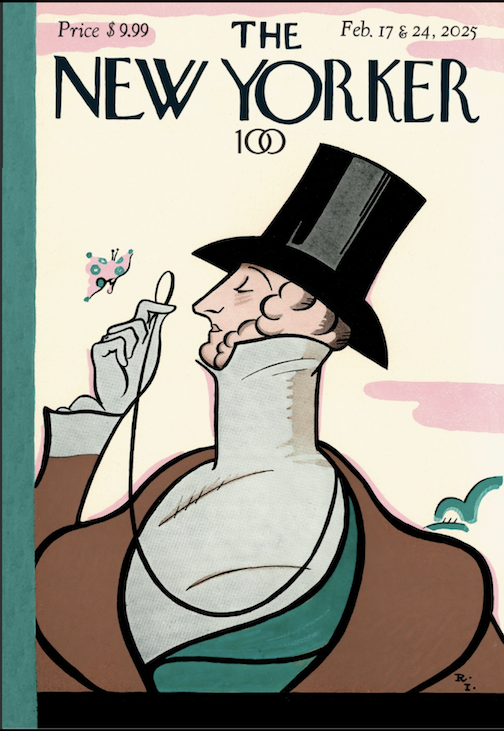
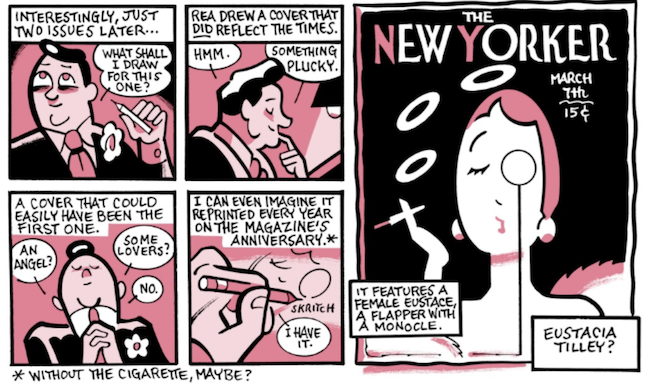
I was glad to see the return of the Rea Irvin cover (appended with the “100”), but was a bit disappointed to see “Talk” headed by the re-draw of Irvin’s original art. Oh well, you can’t have it all. However, Seth’s “Appreciation” of Irvin was wonderful. Here is a little clip:
The joy of writing this blog is the vicarious pleasure found in the deep reading of every issue, as well as occasional historical insights into how we have arrived at our present day. It has also been rewarding to follow the maturation of the magazine from its first issue, which was a bit of a jumble (see my previous post). However, what we see in Issue #1 and in subsequent issues were subjects The New Yorker found worthy of attention in 1925, whether they were frequent potshots at publisher William Randolph Hearst or the many comic possibilities of President Calvin Coolidge, here rendered by Miguel Covarrubias in the March 14, 1925 issue…
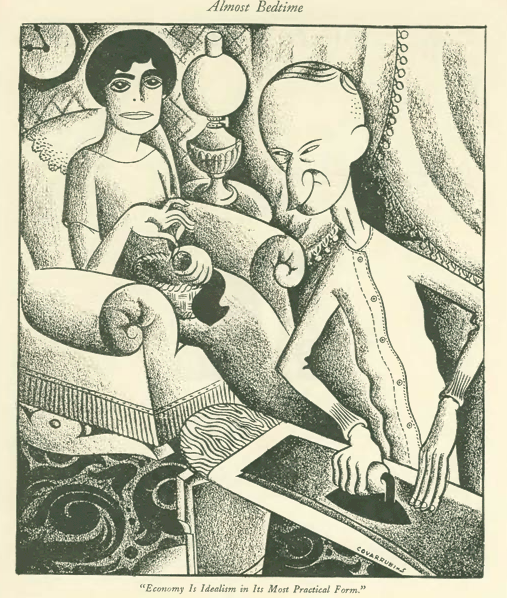
Harold Ross cronies and various Algonquin Round Table stalwarts were also frequent subjects of the early magazine…Covarrubias again, with a rendering of Ross pal Heywood Broun in the March 7, 1925 issue (#3)…

The first issues also featured frequent references to celebrities of the day, some still known to us while others have faded into the mists of time, such as the “literary lion” Michael Arlen (March 28, 1925) and Queen Marie of Rumania, the March 14, 1925 issue noting that New York was “agog” about her possible visit.
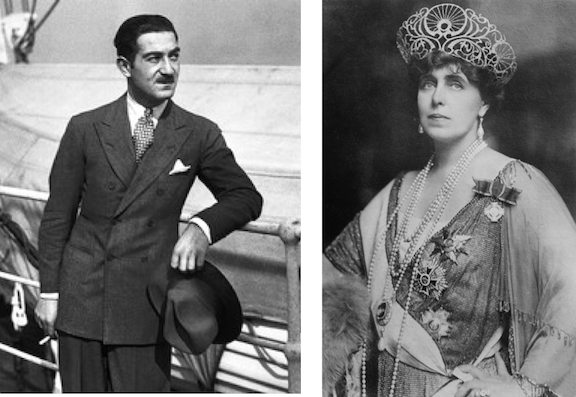
The June 6, 1925 issue even featured the Queen in a Pond’s cold cream ad…

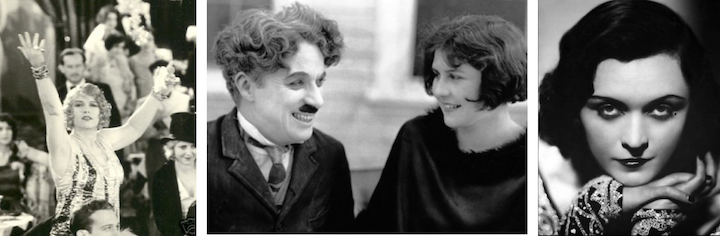
The leading lady of New York’s nightlife, Texas Guinan, was also prominent in those early issues. Her 300 Club, constantly raided by Prohibition-era police, was a favorite of Broadway and Hollywood agents. Another frequent subject was the life of Charlie Chaplin, mostly due to his scandalous marriage to sixteen-year-old Lita Grey when he was thirty-five. Then there was Pola Negri, Polish stage and screen star and headliner of gossip magazines that followed her series of love affairs that included Chaplin and Rudolph Valentino.
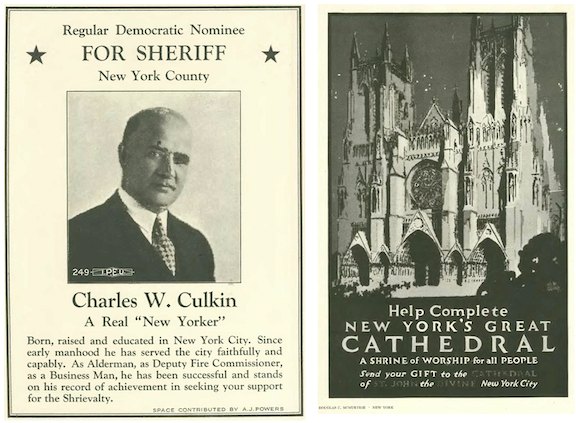
The Scopes “Monkey Trial” was also big news at the time, and The New Yorker had a heyday with the populist firebrand William Jennings Bryan. Here Rea Irvin joined in on the fun:

In those lean first months advertisers were hard to come by, and during this time we see a few oddballs…
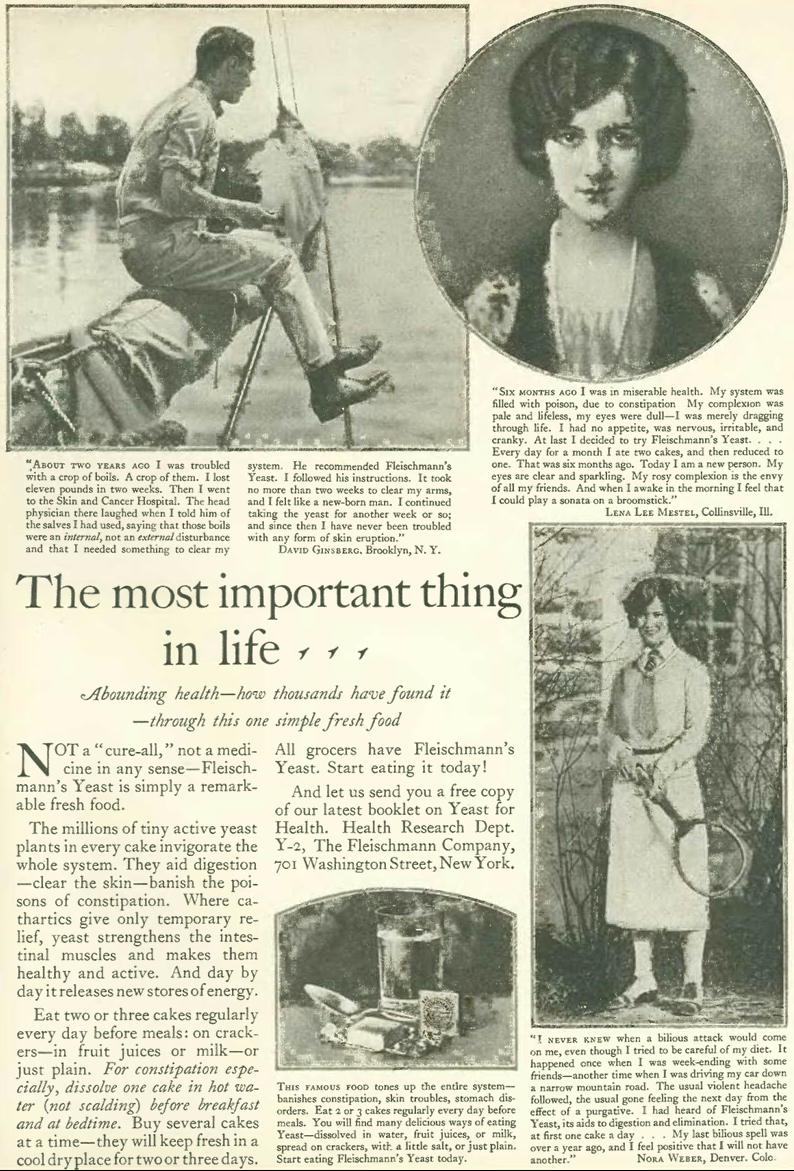
…there were regular ads for Fleischmann’s Yeast (this example from Sept. 19, 1925)…Raoul Fleischmann hated the family baking business but loved hanging out with the Algonquin Round Table gang. When the fledging magazine nearly went belly up in 1925, Fleischmann kicked in the money (and on a number of occasions thereafter) to keep it going. Hence the advertising for his yeast cakes, touted not as a baking aid, but rather as a cure for constipation and other intestinal turmoils…
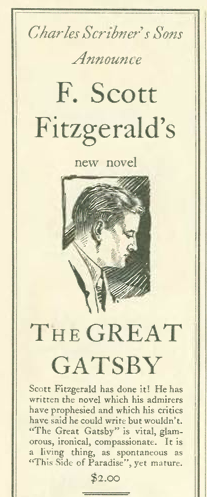
…and it’s a kick to see ads like this (from April 18, 1925), a modest little one-column spot for what some consider to be the Great American Novel… The Great Gatsby would receive a brief, lukewarm review from The New Yorker…
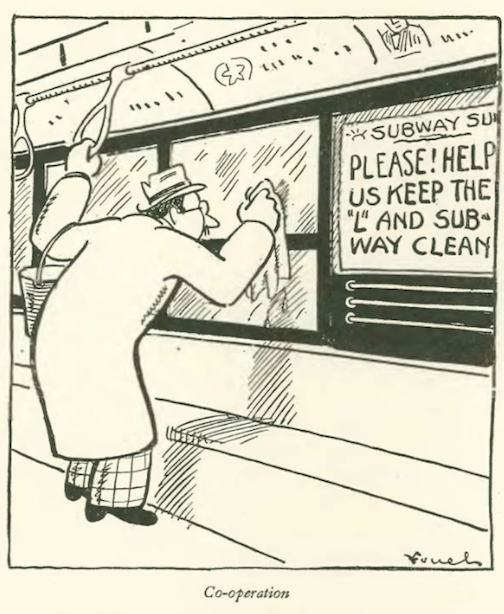
…and then there were those early cartoons and illustrators…as noted before, the very first was by Al Frueh…
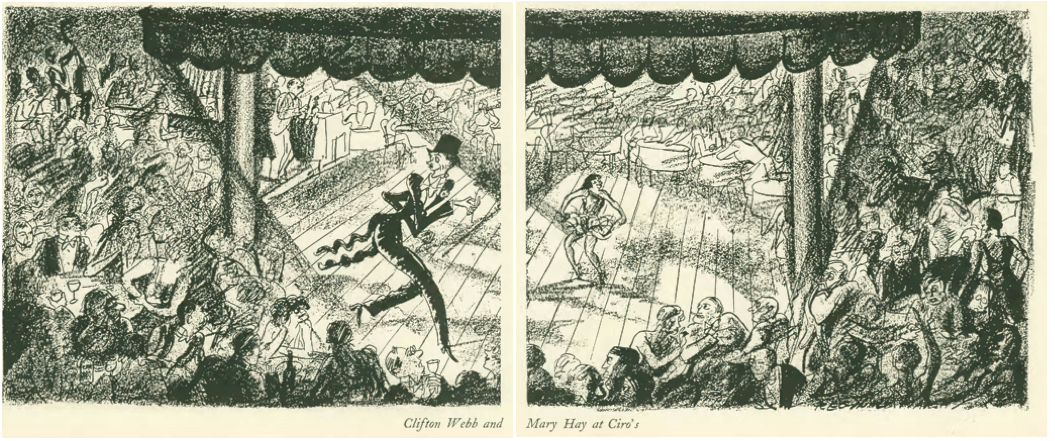
…Reginald Marsh would make his first appearance in Issue #2…a social realist painter, Marsh was a prolific contributor to The New Yorker from 1925 to 1944…
…a number of the early cartoons resembled the captioning style of the British Punch…here is an April 4, 1925 contribution by the British illustrator Gilbert Wilkinson…

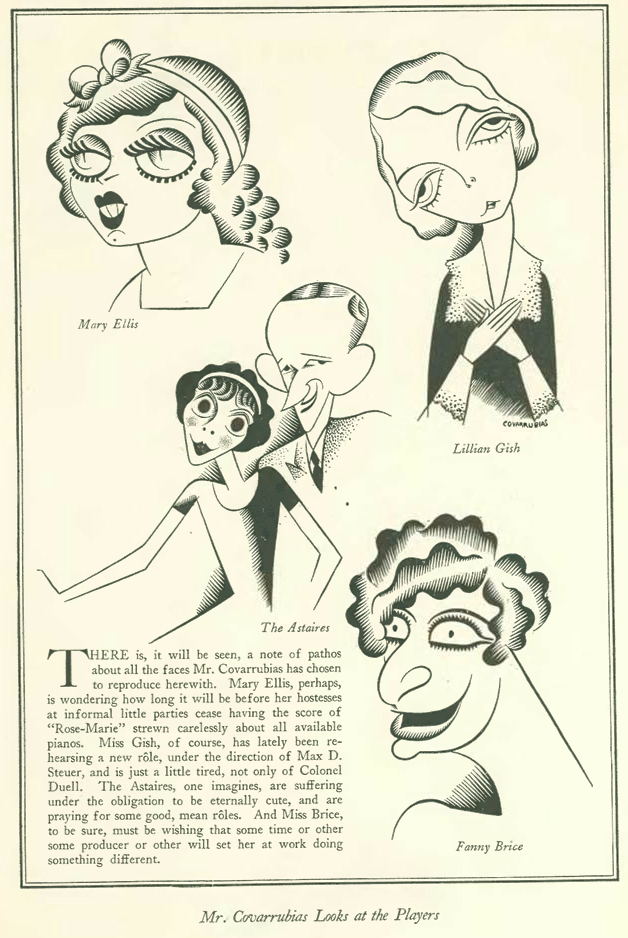
…In the April 11, 1925 issue, Miguel Covarrubias offered these caricatures of 1920s celebrities…
…another contributor from the April 11 issue, Hans Stengel…

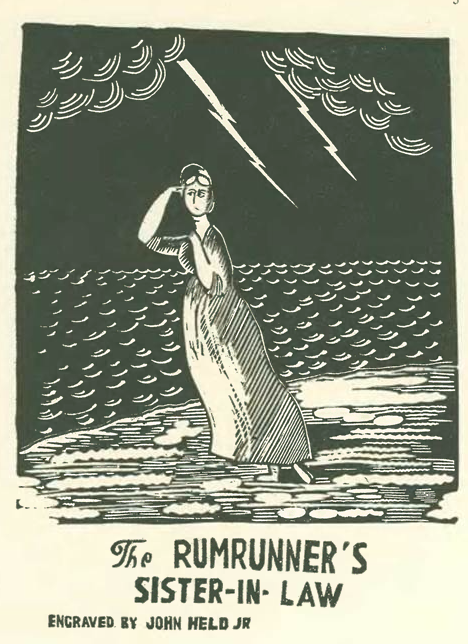
…and John Held Jr supplied the first of his many woodcuts in the April 11 issue…
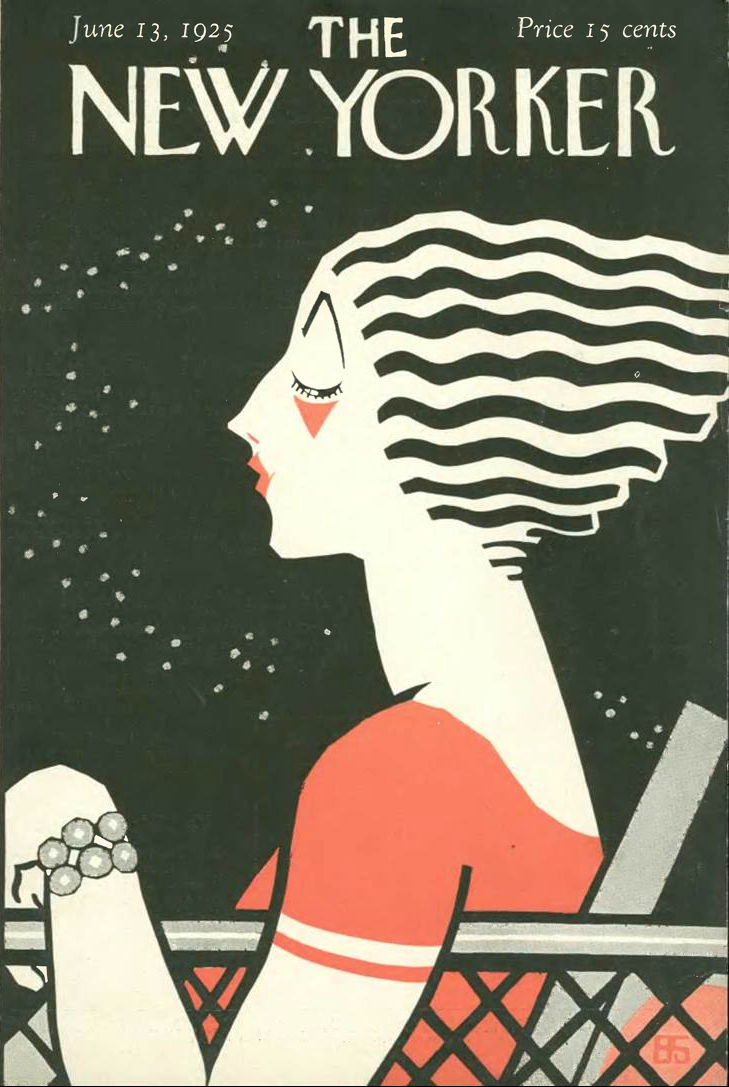
…Barbara Shermund found her way onto the June 13, 1925 cover, the first of nine covers she would contribute to magazine, along with hundreds of cartoons…
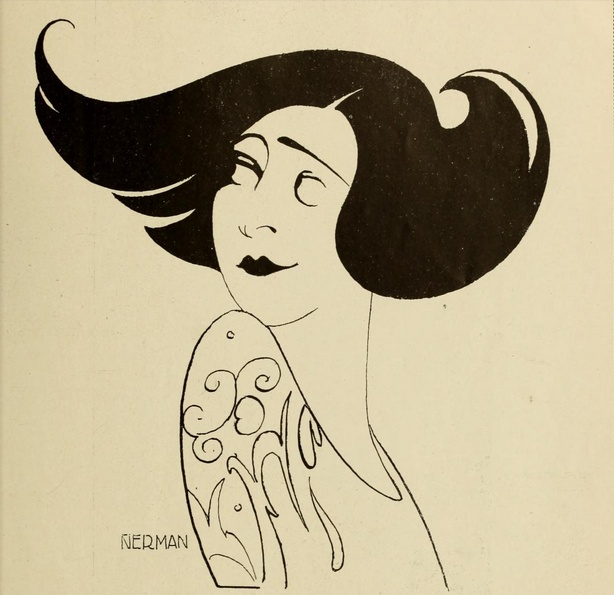
From the June 27, 1925 issue, this is one of my favorite illustrations. In The New Yorker’s “Critique” section, a terrific caricature of Russian-American actress Alla Nazimova, by Swedish artist Einar Nerman…
…another early contributor, Johan Bull, was especially prolific in providing spots for sports columns. Here in the July 11, 1925 issue he contributed this rare multi-panel cartoon…

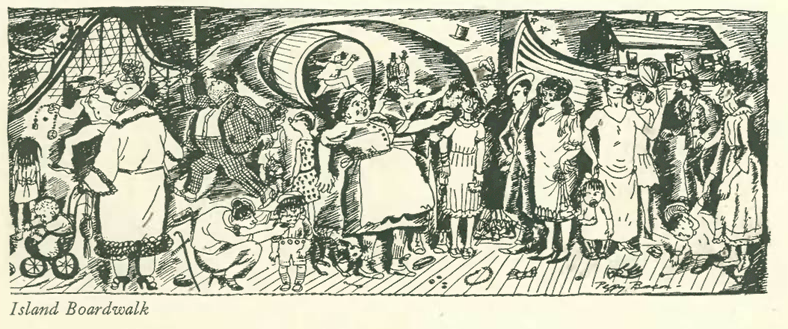
…Peggy Bacon was another early contributor, here from July 18, 1925…

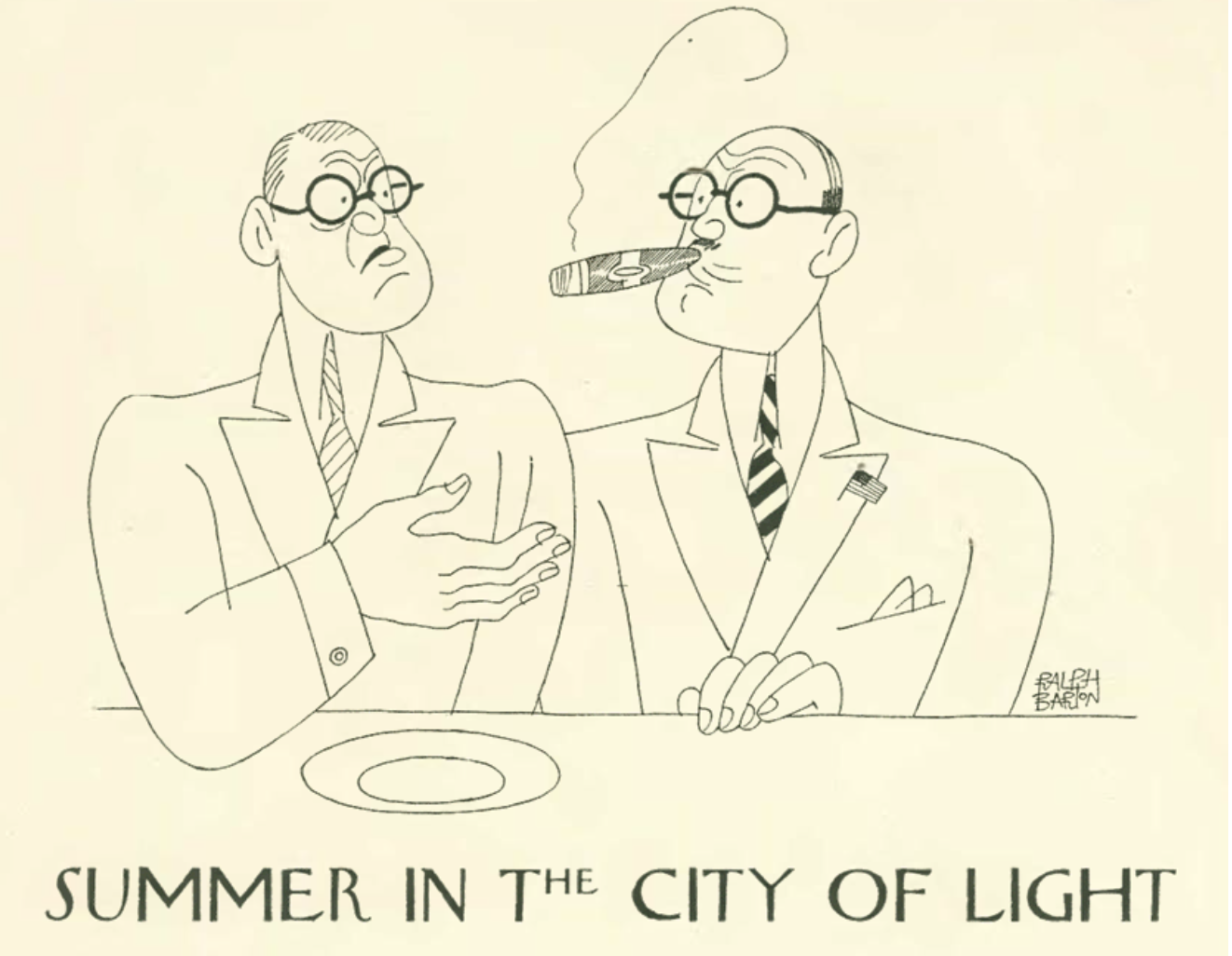
…and of course there was Ralph Barton, listed as one of The New Yorker’s original “Advisory Editors,” contributing several different features including “The Graphic Section,” a satiric take on new trends in photojournalism, and this July 4, 1925 feature on the various ways of Europeans, written and illustrated by Barton…here is a clip from that feature…
…I can’t include all of the first cartoonists who contributed to those critical first months, so I will end with dear Helen Hokinson, and her first New Yorker contribution, a spot illustration for “The Talk of the Town” in the July 4, 1925 issue…

Next Time: Quite a Month…


 A New Yorker State of Mind